




Garage
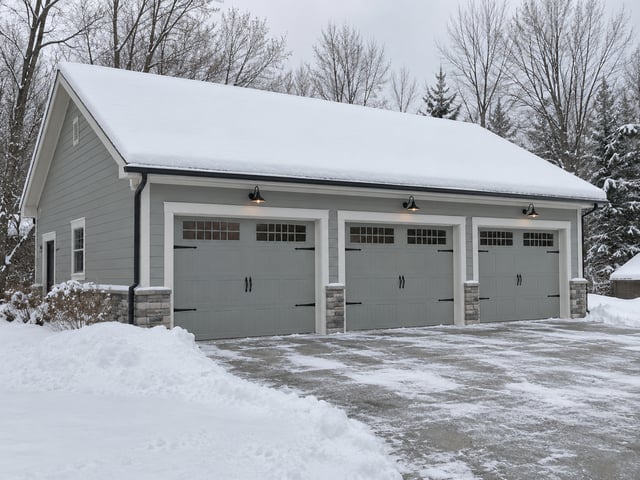
Cost to Build a 3-Car Detached Garage
10.04.2026
12.18.2025


In This Article
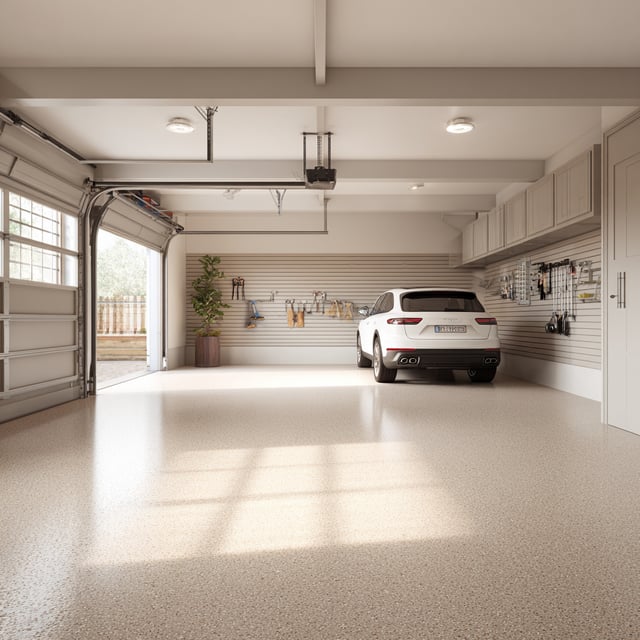
Your garage floor takes on a lot: spills, heavy vehicles, dropped tools, and the wear and tear of daily life. The right flooring protects your investment, enhances safety, and elevates the look of your garage. This guide explores popular garage flooring options, breaking down their benefits and drawbacks to help you make an informed decision for your space.
|
Material |
Key benefit |
Things to consider |
|
Epoxy |
Highly durable and stain-resistant |
Requires meticulous prep work |
|
Polyaspartic |
Quick installation and UV stable |
Higher cost than epoxy |
|
Concrete sealer |
Cost-effective protection |
Less durable than coatings |
|
Concrete paint |
Easy to apply |
Low durability, chips easily |
|
Tile (PVC or ceramic) |
Customizable and replaceable |
Can be costly; grout lines for ceramic |
|
Rolled rubber/vinyl |
Easy to install and comfortable |
May trap moisture underneath |
Epoxy is a popular choice for garage floors, known for its ability to transform a dull concrete slab into a durable, attractive surface. It is a thermosetting resin that, when mixed with a hardener, creates a rigid plastic material that bonds strongly to concrete. This forms a protective barrier that stands up to a range of challenges.
Exceptional durability: Epoxy creates a hard, resilient surface that resists impacts, abrasions, and heavy vehicle traffic, making it suitable for active garages.
Stain and chemical resistance: It repels oil, grease, gasoline, and most household chemicals, preventing stains and making cleanup simple.
Aesthetic appeal: Available in various colors and finishes, including decorative flakes, epoxy can significantly improve the look of your garage.
Moisture resistance: A properly applied epoxy coating can help seal the concrete, reducing moisture penetration.
Surface preparation is key: A successful epoxy application relies on meticulous cleaning, degreasing, and etching or grinding of the concrete. Any moisture or contaminants can lead to poor adhesion and peeling.
Installation time: The multi-step application process, including drying times between coats, can take several days.
Slippery when wet: Without anti-slip additives, epoxy can become slick when wet, posing a safety risk.
Odor during application: Epoxy emits strong fumes during installation, requiring good ventilation.
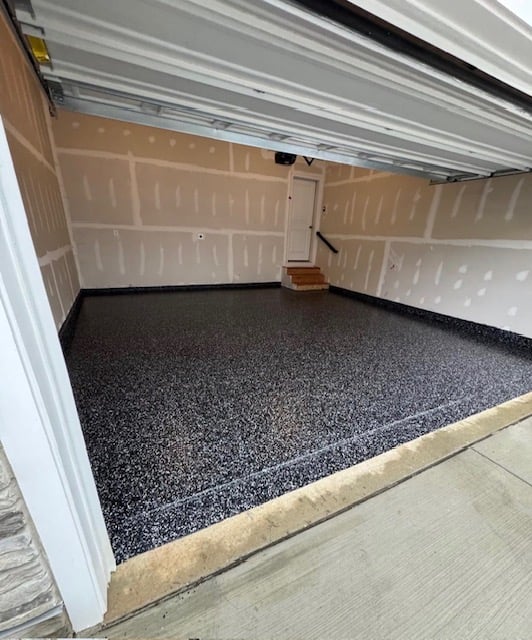
A garage remodel in Bethesda, Maryland shows what can go into an epoxy flooring price. Completed by RoShay Consulting, Corp., the project’s reported total cost was $4,500, with a one-week build time. The contractor prepared the stained concrete, applied an industrial-grade epoxy coating, and finished it with slip-resistant decorative flakes.
Polyaspartic coatings are often compared to epoxy, but they offer distinct advantages, particularly in terms of application speed and durability. Originally developed for demanding industrial environments, polyaspartic has become a popular choice for homeowners looking for a fast-curing and long-lasting garage floor solution.
Fast curing time: Polyaspartic dries significantly faster than epoxy, often allowing for return to service in a day, which reduces disruption.
UV stability: Unlike some epoxies that can yellow over time with sun exposure, polyaspartic is UV resistant, maintaining its color and finish.
Durability and flexibility: It offers high resistance to abrasions, chemicals, and impacts. Polyaspartic is also more flexible than epoxy, making it less prone to cracking from concrete movement.
Low volatile organic compounds (VOCs): Many polyaspartic products have lower VOC content, leading to a less intense odor during application.
Temperature flexibility: It can be applied in a wider range of temperatures, which can be helpful in various climates.
Higher cost: Polyaspartic coatings are typically more expensive than epoxy per square foot.
Professional installation recommended: Due to its fast-curing nature, polyaspartic can be challenging for DIY enthusiasts. Professional application ensures the best results.
Surface preparation is still vital: Like epoxy, proper concrete preparation is crucial for strong adhesion.
Concrete sealers are a cost-effective way to protect your garage floor from stains, moisture, and wear. They penetrate the concrete surface, creating a barrier that can extend the life of your floor. There are several types of concrete sealers, including acrylic, penetrating, and urethane-based options.
Cost-effective: Sealers are generally more affordable than epoxy or polyaspartic coatings.
Easy application: Many sealers can be applied by homeowners with basic tools like rollers or sprayers.
Protection against stains and moisture: They help prevent oil, chemicals, and water from penetrating the concrete, reducing staining and deterioration.
Dust reduction: Sealers bind concrete particles, reducing the amount of dust that can accumulate in the garage.
Enhanced appearance: Some sealers can deepen the color of the concrete or provide a subtle sheen.
Limited durability: Sealers offer less protection against heavy impacts and abrasions compared to thicker coatings. They may need reapplication every few years.
No surface leveling: Sealers do not fill cracks or imperfections in the concrete surface.
Can be slippery: Depending on the type and finish, some sealers can make the floor slick when wet unless anti-slip additives are used.
Concrete paint is an accessible and straightforward way to refresh a garage floor. It’s essentially a specialized latex or oil-based paint designed for concrete surfaces, often containing acrylic or epoxy resins for added durability. While it offers an immediate visual upgrade, it’s important to understand its limitations.
Affordable: Concrete paint is one of the most budget-friendly garage flooring options.
Easy to apply: Most homeowners can apply concrete paint with standard painting tools.
Variety of colors: It offers a wide range of color options to personalize your garage.
Quick cosmetic update: Paint can quickly improve the appearance of a worn or stained concrete floor.
Low durability: Concrete paint is prone to chipping, peeling, and hot tire pickup, where hot tires lift the paint off the surface.
Limited protection: It offers minimal resistance to chemicals, oil, and heavy impacts.
Requires frequent reapplication: To maintain its appearance and protective qualities, concrete paint often needs recoating every year or two, depending on garage usage.
Surface preparation: Like all coatings, proper cleaning and etching are still necessary for decent adhesion, though less intensive than for epoxy.
Garage floor tiles offer a versatile and customizable flooring solution. Shop around, and you’ll find various materials, including interlocking PVC (polyvinyl chloride) and traditional ceramic or porcelain. Each type provides different benefits and aesthetic options.
Customization: Tiles allow for creative patterns, colors, and designs, adding a unique touch to your garage.
Damage isolation: If a tile is damaged, it can often be replaced individually without affecting the entire floor.
Comfort and insulation (PVC): PVC tiles provide a softer, warmer surface than bare concrete, which can be more comfortable underfoot.
Durability (ceramic/porcelain): High-quality ceramic or porcelain tiles are very hard-wearing and resistant to stains and chemicals.
Easy installation (interlocking PVC): Interlocking PVC tiles are designed for quick, glue-free installation over existing concrete.
Cost: Tile can be one of the more expensive garage flooring options, especially for high-quality ceramic or porcelain and professional installation.
Grout lines (ceramic): Ceramic and porcelain tiles require grout, which can stain, crack, and be difficult to keep clean.
Moisture trapping (interlocking PVC): While interlocking PVC tiles allow some airflow, they can trap moisture underneath if the concrete isn't properly sealed, potentially leading to mold or mildew.
Slippery when wet: Some tile finishes can be slick, requiring textured options or anti-slip treatments.
Subfloor preparation (ceramic): Traditional tiles require a perfectly level and stable subfloor, which might involve additional preparation work.
Rolled rubber and vinyl flooring offer flexible, durable, and relatively simple solutions for garage floors. Their most defining characteristic? These garage floor materials come in large rolls that can be laid directly over concrete, providing protection and a finished look without the need for extensive chemical application.
Easy installation: Rolls can be cut to size and laid down quickly, often without adhesives. This makes them a great DIY option.
Comfort and impact absorption: Both materials provide a softer surface than concrete, reducing fatigue and protecting dropped items. Rubber, in particular, offers excellent shock absorption.
Protection: They create a barrier against oil, chemicals, and moisture, protecting the concrete beneath.
Noise reduction: The material can help absorb sound, making the garage a quieter space.
Removable: Rolls can be removed and relocated if needed.
Moisture trapping: If the concrete isn't properly sealed, moisture can get trapped underneath the rolls, leading to mold, mildew, or concrete deterioration.
Edges can curl: Unadhered edges can sometimes curl up, creating tripping hazards.
Limited aesthetic options: While available in various patterns and colors, the aesthetic choices are generally less diverse than with tiles or coatings.
Weight displacement: Heavy items or vehicles can cause indentations over time, especially with thinner materials.
Odor (rubber): New rubber rolls can have a distinct rubbery smell that dissipates over time.
Upgrading your garage floor is a significant project that promises enhanced durability and aesthetics for your space. To ensure a smooth transformation, understanding the key stages involved is essential, whether you're tackling it yourself or engaging professionals.
Assessment and Planning: Before any work begins, your existing garage floor will be thoroughly assessed for issues like cracks, moisture, or old coatings. This crucial step informs material choices and necessary preparation, setting the foundation for a successful project.
Surface Preparation: This is arguably the most critical stage, ensuring the longevity of your new floor. It involves meticulous cleaning, degreasing, repairing any damage, and often grinding or etching the concrete to create an ideal bonding surface.
New Flooring Installation: Once the surface is perfectly prepped and dry, your chosen material will be applied. This could involve rolling on multiple coats for epoxy, snapping together interlocking tiles, or carefully laying down rubber/vinyl sheets.
Curing and Drying Time: Patience is vital as your new floor requires specific time to cure or dry before it can handle foot traffic or, especially, vehicle weight. Adhering to these timelines prevents damage and ensures maximum durability.
If you’re looking to replace your flooring as part of a larger project, read our guides to Garage Remodel Costs: From Makeovers to Conversions. Homeowners looking to transform their garages will find practical tips in articles like How to Convert a Garage into a Master Bedroom Suite and How to Convert Your Garage into a Living Space.
Block Renovation makes it simple to connect with vetted, high-quality professionals in your area who can bring your entire garage vision to life. We take the guesswork out of home improvement by curating a network of top-tier contractors known for their craftsmanship and reliability.
At Block Renovation, we pre-screen contractors for their expertise, licenses, and excellent track records, so you don't have to. We streamline every step of your renovation journey, from initial consultation to project completion, ensuring a smooth experience. You'll receive clear, upfront estimates for your garage project, so there are no surprises along the way. Plus, our dedicated team is here to support you, ensuring your project stays on track and meets your expectations.
Get started today and experience a stress-free renovation, letting Block Renovation connect you with the right professionals to create the garage of your dreams.
Remodel with confidence through Block

Connect to vetted local contractors
We only work with top-tier, thoroughly vetted contractors

Get expert guidance
Our project planners offer expert advice, scope review, and ongoing support as needed

Enjoy peace of mind throughout your renovation
Secure payment system puts you in control and protects your remodel


Renovate confidently with Block
Easily compare quotes from top quality contractors, and get peace of mind with warranty & price protections.
Garage
Cost to Build a 3-Car Detached Garage
10.04.2026
Garage
Carport vs. Garage: Which One Should You Build?
09.27.2026
Garage
Converting a Room Into a Garage: Costs & Steps
09.25.2026

Garage
One-Car Garage Dimensions: Minimum & Standard Sizes
09.22.2026
Garage
Brick Garage Cost: Prices by Size, Structure, and Finish
09.03.2026