




Building a Custom Home in Myrtle Beach, South Carolina

Budget your upcoming Myrtle Beach custom home build with help from Block
How we get your estimate
Fill out the form above to either connect with contractors for a personalized quote or estimate your costs with Block's Renovation Studio.
Modern coastal home with wood cladding and flat rooflines.

In This Article

    Myrtle Beach and the Grand Strand occupy a singular niche in the Southeast’s real estate landscape: a coastal resort market where custom homes can serve as both primary residences and high-performing vacation rental investments. The region’s 60 miles of beaches, over 80 golf courses, and a tourism economy that draws 20 million visitors annually create demand for well-built, well-appointed homes year-round. A growing population of full-time residents attracted by affordable coastal living, no state income tax, and improving school systems adds depth beyond the seasonal tourism cycle. For custom builders, the Grand Strand offers the rare opportunity to design a home that serves personal lifestyle and generates meaningful income.

    However, this means designing for hurricanes, flood zones, salt air corrosion, and the wear that comes from rental use if you choose that path. South Carolina’s coastal building codes are stringent, and understanding how to build both beautifully and resiliently is the central challenge of this market.

    Turn your renovation vision into reality

    Get matched with trusted contractors and start your renovation today!

    Find a Contractor

    Cost and timeline overview for future Myrtle Beach homeowners

    Local construction costs in Myrtle Beach differ from national averages in important ways, and understanding the specific drivers is essential for realistic budgeting.

    Custom home construction in Myrtle Beach currently ranges from $130 to $250 per square foot depending on design complexity and finish level. A 2,500-square-foot custom home typically costs between $325,000 and $625,000 before land. Lot prices in the Myrtle Beach metro area range from $70,000 to $200,000, depending on location, size, and proximity to desirable amenities. Labor and material costs track regional trends but are influenced by local demand, seasonal patterns, and the specialized construction requirements—such as hurricanes resilience—that this market demands.

    Lot choice creates meaningful cost variation. Established neighborhoods closer to Grand Strand beaches carry higher land prices but may include existing utility connections and walkable access to amenities. Newer developments offer larger parcels at lower per-acre costs but may require extended utility runs and lack the character of established areas.

    Loose timelines for custom home builds in Myrtle Beach

    Most Myrtle Beach custom builds take 10 to 16 months from design to occupancy. Pre-construction—design, engineering, and permitting—typically takes two to four months, with active construction running eight to twelve months depending on complexity and site conditions.

    The primary timeline factors in Myrtle Beach are hurricanes, coastal flooding, salt air corrosion, which can delay exterior work during certain seasons. Subcontractor availability tightens during peak building months, and specialty materials—particularly hurricane-resistant products and custom finishes—may carry extended lead times that should be managed during the design phase.

    Understanding the role of an architect

    In Myrtle Beach, an architect adds the most value on complex sites—waterfront lots, properties with significant grade changes, or homes that must navigate specific design review requirements. They coordinate structural engineering for local conditions (hurricanes resistance, foundation systems suited to Myrtle Beach’s soils) with energy-efficient design appropriate to the regional climate. For straightforward builds on flat suburban lots using established floor plans, many Myrtle Beach builders offer in-house design services that streamline the process and reduce the coordination overhead of separate architect and builder relationships. However, if your project involves a challenging site, a uniquely complex design, or compliance with overlay district regulations, an architect’s involvement is strongly advisable.

    Finding the right site in Myrtle Beach for your custom home

    An experienced Myrtle Beach builder will evaluate factors that real estate listings can’t capture. Before committing to a lot, your builder should assess each of the following, because any one of them can add significant cost or complexity to your build:

    • Soil quality and site stability. The Grand Strand’s coastal plain geology features predominantly sandy soils with high water tables that fluctuate seasonally and with tidal influence. Near the beach, loose sand may require compaction or deep pilings for adequate foundation support. Inland lots on higher ground generally offer more stable conditions, but the region’s shallow water table—often just two to four feet below the surface—means drainage engineering is critical across virtually every Myrtle Beach building site.
    • Utilities access. Most lots within Myrtle Beach’s developed areas connect to municipal water and sewer, though some outlying parcels may require private well and septic systems that add $10,000 to $25,000. Confirm utility availability and capacity with the local utility provider before finalizing your lot. Connection and impact fees vary by jurisdiction and can run $5,000 to $15,000 for new construction.
    • Zoning and restrictive covenants. Myrtle Beach’s zoning code governs setbacks, lot coverage, building height, and use, and these rules vary across the metro’s different jurisdictions. Many planned communities impose additional HOA covenants and architectural review requirements that can constrain custom designs—review these documents before committing to a lot.
    • Lot slope and drainage. The Grand Strand is predominantly flat, but even minor elevation differences between a lot and its neighbors can create significant drainage problems given the area’s high water table and heavy seasonal rainfall. Building pads must be elevated above surrounding grade, and engineered drainage—including French drains, swales, and connections to HOA or municipal stormwater systems—is standard practice for every Myrtle Beach custom build.
    • Proximity to amenities. Myrtle Beach’s quality of life is closely tied to access to Grand Strand beaches, Broadway at the Beach, school districts, and employment centers. Properties near these amenities typically command higher land prices but also enjoy stronger long-term appreciation and easier resale.
    • Environmental concerns or hazards. Hurricanes and tropical storms represent the most significant environmental risk for Myrtle Beach properties. FEMA flood zones cover much of the coastal strip and extend inland along tidal waterways. South Carolina’s building code requires hurricane-resistant construction throughout Horry County, including impact-rated windows or shutters, reinforced roof-to-wall connections, and elevated foundations in flood zones. Salt air corrosion is an ongoing concern that influences material selection for exterior cladding, hardware, and mechanical systems.
    • View, orientation, and privacy. Southern exposure maximizes natural light and, depending on climate, passive solar potential. In Myrtle Beach’s market, lots with water views, mature tree canopy, or protected natural buffers command premiums but also add long-term value and daily enjoyment that justify the investment.

    Myrtle Beach homeowners consistently prioritize school district quality (Horry County Schools), commute access to major employers, and proximity to the outdoor recreation and lifestyle amenities that make this market distinctive.

    Not sure how to begin your renovation?

    Get free, expert guidance from a dedicated Block Project Planner who can help you navigate proposals, timelines, contractor selection, and more.

    Book A Free Consultation
    Popular custom home styles and trends in Myrtle Beach

    Myrtle Beach’s custom home market reflects both regional architectural traditions and evolving homeowner preferences for performance, comfort, and lifestyle-specific design.

    • Elevated coastal homes with deep front porches, standing-seam metal roofs, and shingle or fiber cement siding define the Grand Strand’s custom residential aesthetic. These designs are engineered for flood zone compliance and hurricane resistance while maximizing ocean breezes and covered outdoor living space.
    • Contemporary coastal designs with clean lines, large windows, and rooftop decks are gaining traction in beachfront and near-beach communities. These homes prioritize views and natural light while meeting the strict wind-resistance and flood-elevation requirements of South Carolina’s coastal building code.
    • Lowcountry-inspired architecture adapted for the Grand Strand’s slightly different climate and lot configurations. While traditional Lowcountry homes were designed for the heat and humidity of the tidal regions farther south, Myrtle Beach builders adapt these principles—elevated foundations, cross-ventilation, and wide overhangs—to the Grand Strand’s particular conditions.
    • Renter-friendly design features are increasingly incorporated into Myrtle Beach custom builds to maximize investment return. The Grand Strand’s robust vacation rental market means many custom homeowners design with rental income in mind: durable luxury finishes, multiple primary suites, lockable owner’s closets, commercial-grade appliances, and pool-side outdoor kitchens that attract premium nightly rates.
    • Impact-resistant construction—fortified roofs, impact windows, and reinforced garage doors—has moved from code requirement to selling point. Insurance savings from IBHS FORTIFIED certification can offset the 5-10% cost premium, and rental guests increasingly seek properties with visible hurricane-preparedness features.
    • Open-concept living with large kitchen islands and ocean-view great rooms reflects the entertaining lifestyle of Myrtle Beach homeowners. Whether hosting family vacations or renting to guests, the social kitchen has become the centerpiece of Grand Strand custom homes.
    • Smart-home technology for remote property management is standard in custom builds designed for dual-use as vacation rentals. Keyless entry, remote thermostat control, security cameras, and automated lighting allow homeowners to manage the property and transition between personal use and rental bookings from anywhere.
    • Pool and hot tub installations with screened or covered enclosures are among the highest-returning custom features for Grand Strand properties. A well-designed pool area can increase rental revenue by 20-40%, making it both a lifestyle and financial investment.
    Sean Brewer

    “For resale, tubs still matter. One‑bedroom homes can lose the tub, but larger homes need at least one.”

    Making your Myrtle Beach custom home renter-friendly

    The Grand Strand’s vacation rental market is one of the strongest on the East Coast, and designing your custom home with rental income in mind doesn’t mean sacrificing personal comfort—it means making smart design choices that serve both purposes.

    Start with the floor plan: multiple primary suites with en-suite bathrooms maximize rental value by allowing your home to be marketed to larger groups, which command higher nightly rates than properties with one master and multiple secondary bedrooms. A lockable owner’s closet in the primary suite lets you secure personal belongings during rental periods without losing the room’s appeal. Commercial-grade kitchen appliances, quartz or granite countertops, and luxury vinyl plank flooring throughout deliver the premium feel guests expect while withstanding the wear that comes from frequent turnover.

    Pool and outdoor amenities are the single biggest driver of rental revenue on the Grand Strand—properties with private pools can generate 20-40% more income than comparable homes without them. Screened pool enclosures reduce maintenance between guests and extend usability into shoulder seasons. Outdoor kitchens with gas grills and built-in seating create the resort-style entertaining experience that drives five-star reviews and repeat bookings.

    Technology infrastructure matters for rental management. Smart locks eliminate key exchanges and allow remote access management. Wi-Fi–connected thermostats prevent guests from running HVAC inefficiently. Security cameras on exterior areas provide both safety and property protection. Automated lighting on timers creates the “welcome home” ambiance that improves guest first impressions. Design these systems in during construction rather than retrofitting them later, and you’ll save both money and headaches.

    Practical tips for keeping your custom home build drama-free

    Custom home building is inherently complex, and Myrtle Beach’s specific conditions—from hurricanes to local permitting—add layers that proactive planning can manage:

    • Lock your design and selections before breaking ground. Mid-project design changes average $3,000 to $5,000 per change order and compound into weeks of delay. Invest the time during pre-construction to finalize your floor plan, finishes, and mechanical systems so that construction proceeds without disruptive pivots.
    • Build a 10-15% contingency into your budget. Unforeseen site conditions, permit fee variations, and material cost fluctuations are unavoidable realities of custom construction in Myrtle Beach. A dedicated contingency absorbs these without forcing you to cut finishes or defer critical work.
    • Plan for hurricanes from the design phase, not as an afterthought. In Myrtle Beach, weather-resistant construction isn’t optional—it’s the foundation of a durable home. Specifying impact windows, reinforced framing, proper drainage, and appropriate insulation during design prevents costly retrofits and ensures code compliance from the start.
    • Pre-order materials with long lead times during the design phase. Custom windows, specialty cabinetry, and specific finish materials can carry 12- to 20-week lead times. Ordering as soon as selections are finalized prevents construction delays that idle your crew and increase costs.
    • Establish clear communication protocols with your builder before construction starts. Agree on a weekly update format, define how decisions will be documented, and set expectations for response times. Clear communication prevents the misunderstandings that cause more stress than any construction defect.

    Additional articles to help prepare you for the home building process

    Partner with Block to find your ideal Myrtle Beach home builder

    Block Renovation connects Myrtle Beach homeowners with rigorously vetted local contractors through a matching process that includes background checks, insurance verification, and reviews of completed work. Block’s algorithm pairs you with builders experienced in Myrtle Beach’s specific conditions—from hurricanes construction to local permitting requirements. You receive up to three personalized proposals, making comparison straightforward.

    Block’s protections keep your project on budget and on schedule. Payments flow through a secure, progress-based system that releases funds only as construction milestones are completed, and Block’s dashboard provides real-time project visibility. Every contractor in the network provides a workmanship warranty, and Block’s team offers ongoing guidance from proposal review through final walkthrough—at no cost to you.

    Remodel with confidence through Block
    Happy contractor doing an interview

    Connect to vetted local contractors

    We only work with top-tier, thoroughly vetted contractors
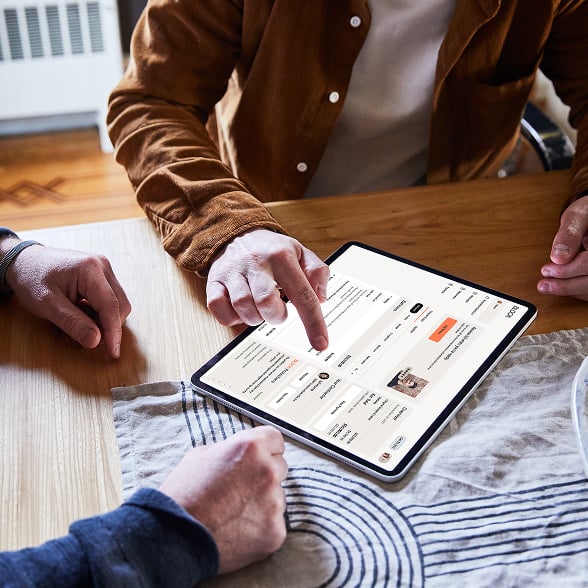
    Couple planning their renovation around the Block dashboard

    Get expert guidance

    Our project planners offer expert advice, scope review, and ongoing support as needed
    Familty enjoying coffee in their newly renovated modern ktchen

    Enjoy peace of mind throughout your renovation

    Secure payment system puts you in control and protects your remodel

    Get Started

    Frequently asked questions

    What role would an interior designer play in a custom home build?

    An interior designer coordinates the finishes, furnishings, and fixtures that bring your architectural design to life—everything from cabinetry and countertops to lighting, paint colors, and furniture layouts. In Myrtle Beach’s custom market, they help homeowners navigate the enormous range of material choices available and ensure selections work together cohesively. They manage finish budgets, source materials from local and regional suppliers, and prevent the costly reselections that occur when decisions are made in isolation during construction.

    What custom home features should I incorporate to boost resale value?

    In Myrtle Beach, energy-efficient systems—high-performance HVAC, quality insulation, and solar-ready roofs—consistently deliver strong resale returns. Quality kitchen finishes, at least one primary suite on the main floor, and outdoor living spaces designed for the local climate also perform well. Properties designed with rental income potential—multiple primary suites, commercial-grade finishes, and private pools—command significant premiums in this vacation market. Storm-resistant construction features that reduce insurance premiums are increasingly valued by buyers in this market.

    What are ideas for weatherproofing my new Myrtle Beach home?

    Myrtle Beach’s climate demands a building strategy tailored to hurricanes, coastal flooding, salt air corrosion. Start with impact-rated windows and doors, a fortified roof system, and reinforced wall-to-foundation connections that meet or exceed Florida or South Carolina’s hurricane building code. A whole-house dehumidification system manages the persistent indoor moisture that degrades finishes and promotes mold in this subtropical climate. Properly sized and sealed ductwork prevents condensation inside the air conditioning system, which is running for much of the year. A standby generator provides essential backup during extended power outages, which can occur during major weather events in this region.

    Is it realistic to move into the home while part of it is still being built?

    South Carolina requires a Certificate of Occupancy before legal habitation, meaning all life-safety systems must pass inspection. Phased occupancy—completing the primary living areas while finishing secondary spaces later—is occasionally possible with explicit approval from the local building department, but it adds complexity and requires careful coordination. Active construction generates dust, noise, and safety hazards that make cohabitation impractical for most families, particularly those with children. A more effective strategy is working with your builder to prioritize the critical-path items that determine your occupancy date, eliminating delays through early material ordering and proactive scheduling. If timeline pressure is the motivating factor, optimizing the construction sequence is a better solution than attempting to live within an active job site.
