

Putting in a Wood Burning Fire Place: Costs and Other Points

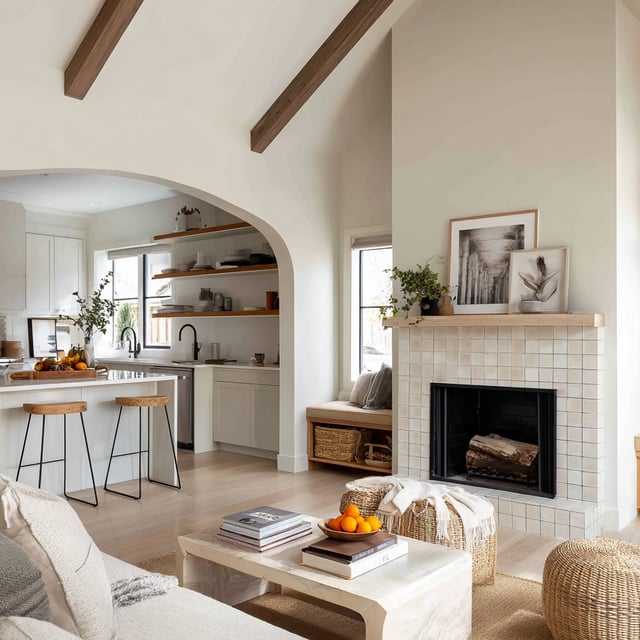
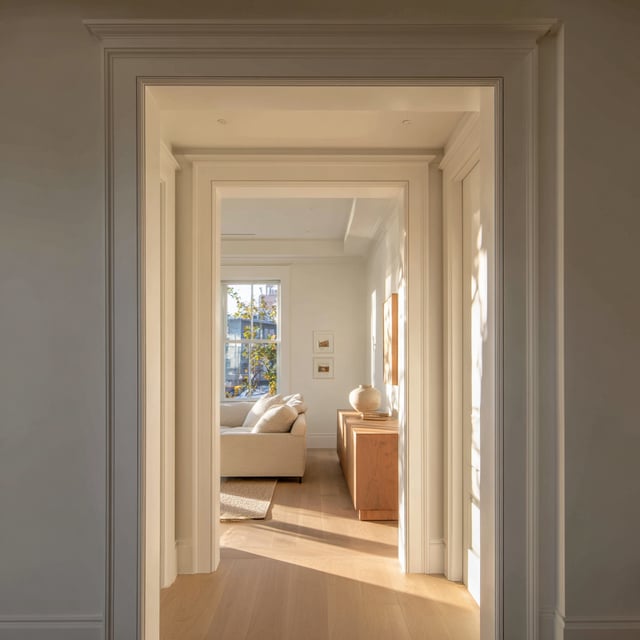
 Modern home with tiled fireplace and arched kitchen entry.

In This Article

    There's something deeply appealing about a wood-burning fireplace. The crackle, the warmth, the way it anchors a room. It's one of those home features that feels less like an upgrade and more like a coming home. And if your house doesn't have one yet, it's completely reasonable to wonder: can I add one? What would it actually cost? And is it worth it?

    The honest answer is that a wood-burning fireplace installation is one of the more involved home projects you can take on. But with the right information and the right team, it's also one of the most rewarding. Here's what you need to know before you start.

    At a glance: what does a wood-burning fireplace cost?

    Scenario

    Typical cost range

    Existing, usable chimney

    $3,000 to $8,000

    Prefabricated / zero-clearance unit

    $5,000 to $15,000

    Full masonry build from scratch

    $15,000 to $30,000+

    Chimney inspection

    $100 to $300

    Permits and inspections

    $500 to $2,500

    These ranges are starting points. Your actual costs will depend on your home's specific conditions, your location, and the materials and finishes you choose. The sections below explain what drives each of those variables.

    Is a wood-burning fireplace even an option for your home?

    Before you start picking out mantels, there are a few foundational questions worth answering.

    • Does your municipality allow it? Many cities, particularly dense urban areas, have placed restrictions on new wood-burning installations because of air quality regulations. In some places, like parts of California and New York City, adding a new wood-burning unit is prohibited outright or requires special exemptions. A quick call to your local Department of Buildings can save you a lot of planning time.
    • Does your home have an existing chimney? If you're working with an older home that already has a chimney, even a decorative or blocked one, you may have a significant head start. A chimney inspection will tell you whether the existing structure can be safely used or brought up to code. If there's no chimney at all, you're looking at a more substantial project that involves building one from scratch, which affects both cost and timeline considerably.
    • What's the structure of your home? Wood-burning fireplaces have specific structural demands that not every home can easily accommodate. They require a non-combustible foundation directly beneath the firebox, which in some homes means opening up flooring and reinforcing the subfloor before any visible work can begin. They also require adequate clearances from walls, ceilings, and any combustible framing materials, and those clearances become harder to achieve in tightly built or older homes where framing patterns are irregular. Beyond that, the chimney needs a clear, reasonably direct vertical path to the roof, which can be complicated by existing ductwork, plumbing stacks, structural beams, or the layout of upper floors. Homes built on slab foundations, homes with certain types of wall construction, or homes where the logical chimney path runs through a heavily used room above can all present real challenges. A structural assessment early in the process, before you commit to a design direction, will tell you what you're working with and whether any of these factors will meaningfully affect your scope or budget.

    Turn your renovation vision into reality

    Get matched with trusted contractors and start your renovation today!

    Find a Contractor

    What does a wood-burning fireplace installation cost?

    Costs vary widely depending on your home's existing conditions, your location, and the scope of what you're building. Here's a more detailed look at each scenario.

    • If you have an existing, usable chimney: You may be looking at anywhere from $3,000 to $8,000 for a fireplace insert and professional installation, depending on the unit you choose and any repairs the chimney needs.
    • If you're building from scratch: A full masonry fireplace and chimney built new is a major structural project. Costs typically start around $15,000 and can climb to $30,000 or more depending on materials, chimney height, and local labor rates. In cities like New York, where site access, building board approvals, and skilled masonry labor all drive costs up, budgets on the higher end are common.
    • A middle path with prefabricated fireplace systems: Factory-built or zero-clearance wood-burning fireplace units offer a less expensive alternative to full masonry construction. These can run $5,000 to $15,000 installed, and they require less structural reinforcement than a traditional masonry build. They still need a proper flue system, but the overall project footprint is smaller.

    How does the cost of a wood-burning fireplace compare to a gas fireplace?

    Gas fireplace installations typically run lower, often in the $3,000 to $10,000 range depending on the unit and venting requirements. They sidestep the more complex permitting and air quality restrictions that come with wood-burning in many cities.

    The ongoing cost picture is different too. Gas eliminates the need for firewood and chimney cleaning, though you'll have a monthly gas cost. If you're drawn to wood-burning specifically for the experience, it's worth knowing you're paying a meaningful premium for it over gas.

    What drives the fireplace cost up (or down)?

    A few factors will move your number meaningfully in either direction, and a couple of them tend to catch homeowners off guard.

    • Chimney condition and length. If you have an existing chimney that needs relining, repointing, or a new cap, those repairs are part of your budget whether you planned for them or not. The taller the chimney, the more material and labor is involved. A chimney inspection runs $100 to $300 and is one of the better investments you can make before committing to a project direction.
    • Masonry versus prefabricated. A hand-built masonry fireplace is a craft project involving skilled labor, real time, and a result that's genuinely permanent. A prefabricated unit gets you there faster and for less money, though the design options are more constrained. The right choice depends on your goals, not your budget alone.
    • Your location. Labor costs, permit fees, and material costs all vary significantly by region, and the gap can be substantial. A project that runs $12,000 in a mid-sized city can easily reach $25,000 or more in New York or San Francisco. If you're in a dense urban market, build that reality into your expectations from the start.
    • Finishes and surround. The firebox and flue are the working parts of the project. Everything around them, including the surround, the mantel, the hearth, and the tilework, is where your design choices live and where the budget can move quickly if you're not watching it. Natural stone and custom millwork are beautiful and also expensive. Stock materials have come a long way and can look genuinely great at a fraction of the cost.
    • Permits and inspections. In straightforward projects in cooperative jurisdictions, permitting is a manageable line item. In cities with co-op or condo boards, historic district oversight, or multi-agency review processes, it can become its own project within a project, both in cost and in time. Budget $500 to $2,500 as a baseline, and ask your contractor early about what the approval process typically looks like in your specific building and neighborhood.

    Compare Proposals with Ease

    Easily compare contractor quotes with intuitive layouts, and side-by-side comparisons to help you make the best choice.
    Get a Quote

    What the fireplace installation process looks like

    The installation sequence depends heavily on what you're starting with, and it's worth understanding the phases before work begins. Not because you need to manage every step, but because knowing what's coming makes it easier to stay oriented when things get loud and dusty.

    If you have an existing chimney, the process typically starts with a thorough inspection and whatever repairs the structure needs. From there, the contractor installs the firebox unit, connects the flue, handles the masonry or framing around the opening, and finishes with the surround, mantel, and hearth. A test fire and final inspection close it out. For a well-prepared project with no significant surprises, this phase can move relatively quickly.

    For a build from scratch, the timeline is a different conversation entirely. Structural planning, permit applications, foundation work, masonry construction, and a series of inspections all have to happen in sequence, and they can't be rushed. Permitting alone can take one to three months depending on where you live. Expect a construction phase of four to twelve weeks once approvals are in hand, and build your timeline assumptions around the slower end, not the faster one.

    Design considerations for your new wood-burning fireplace

    Once the structural and permitting questions are settled, homeowners often feel a rush of relief and then immediately realize they have approximately one thousand design decisions to make. That's not a complaint. It's actually the fun part. But it's also where projects quietly go sideways, because it's easy to focus so much on the firebox itself that the surround, the hearth, and the way the fireplace interacts with the rest of the room become afterthoughts. They shouldn't be. A fireplace that's technically correct but visually awkward is a frustrating outcome after a significant investment.

    Sizing your fireplace to the room

    Proportion matters more than most homeowners realize. A firebox that's too small in a large living room looks like an afterthought, and one that's too large in a modest space can feel overwhelming. A general rule of thumb: the width of your fireplace opening should be roughly one-third to one-half the width of the wall it sits on. Your contractor or designer can help you dial in the right dimensions for your specific room.

    Surround and mantel styles

    The surround is the non-combustible material framing the firebox opening, and along with the mantel above it, it does the heaviest design lifting. A few directions to consider:

    • Traditional: Painted wood millwork with detailed molding, often in white or a soft neutral. Works beautifully in older homes and classic interiors. Stock mantel surrounds can make this look accessible at a range of price points.
    • Rustic or farmhouse: Rough-hewn wood beams, exposed brick, or fieldstone surrounds feel grounded and warm. These pair well with reclaimed wood mantels and a more casual, lived-in interior.
    • Contemporary: Thin-profile surrounds in concrete, plaster, or large-format stone slabs keep the look clean and architectural. The fireplace becomes a graphic element rather than an ornate one, which is particularly effective in modern or minimalist spaces.

    Make sure the surround material is non-combustible or installed with proper clearances. This is not an area where aesthetics should override safety requirements.

    Choosing the right fireplace material to put in

    • Slate: Slate is durable, naturally heat-resistant, and works well in both traditional and contemporary settings. It's relatively low-maintenance and holds up well to ash, embers, and foot traffic over time. Its matte finish and natural color variation give it a quiet, grounded quality that suits a wide range of interiors.
    • Marble: Marble is elegant and classic, with a surface that photographs beautifully and adds a sense of refinement to the room. It does require periodic sealing and is more susceptible to staining and etching than harder materials. That said, for homeowners who want a fireplace to feel like a genuine focal point, marble delivers.
    • Brick: Brick is a cohesive, traditional choice that works especially well when it matches or complements the firebox surround. It's highly durable and requires very little maintenance over time. Because it reads as a single continuous material from firebox to floor, it can make the overall installation feel more intentional and architecturally considered.
    • Concrete: Concrete is a strong choice for modern interiors and can be poured, stained, or polished to suit a wide range of aesthetics. It handles heat well and is highly durable under everyday use. Custom pours allow for a seamless, sculptural look that few other materials can replicate.
    • Porcelain or ceramic tile: Tile is versatile and cost-effective, available in a wide range of styles, colors, and formats that can work in virtually any interior direction. It's also easy to clean and holds up well to heat and wear. For homeowners who want design flexibility without a significant materials budget, tile is often the smartest choice.

    How the fireplace fits the room

    A fireplace changes the entire logic of a room. It creates a natural focal point that furniture will orient toward, so it's worth thinking through traffic flow, seating distance, and how natural light interacts with the space before you finalize placement.

    If you're centering the fireplace on an exterior wall, consider how the chimney will affect window placement or the roofline. If it's going on an interior wall, think through where the flue will route and whether that affects adjacent spaces like closets or upper floors.

    It's also worth considering the mantel as functional space. A deep mantel shelf can display art, mirrors, or objects, but anything above a working fireplace needs to be kept at a safe clearance distance and should not be made of combustible materials.

    Ready to explore what's possible? Remodel your home with Block Renovation

    A wood-burning fireplace is one of those projects that rewards people who do their homework. Not because the process is punishing, and it isn't with the right team, but because the decisions you make early about placement, materials, chimney routing, and budget are largely permanent ones. Getting them right the first time matters.

    When you're ready to start mapping out what this could look like in your home, Block's Renovation Studio lets you visualize the space and pressure-test your budget before you've committed to anything. And when it's time to bring a contractor in, Block connects you with vetted professionals who've done this before and can tell you honestly what your specific home will require.

    Remodel with confidence through Block

    Happy contractor doing an interview

    Connect to vetted local contractors

    We only work with top-tier, thoroughly vetted contractors

    Couple planning their renovation around the Block dashboard

    Get expert guidance

    Our project planners offer expert advice, scope review, and ongoing support as needed
    Familty enjoying coffee in their newly renovated modern ktchen

    Enjoy peace of mind throughout your renovation

    Secure payment system puts you in control and protects your remodel

    Get Started

    Frequently asked questions

    Is there any part of this project where I can meaningfully cut costs without compromising quality?

    The surround, mantel, and hearth finishes are where you have the most room to make strategic choices. The structural and mechanical components of the project — the firebox, the flue, the chimney liner — are not places to economize. But a stock mantel surround, a simpler hearth material, or a more modest tile selection can bring costs down without affecting how the fireplace performs or how long it lasts.

    Are there financing options specific to fireplace projects?

    Not typically. Fireplace installations are generally folded into broader home improvement financing rather than treated as a standalone loan category. A home equity line of credit, a home equity loan, or a personal loan are the most common paths homeowners take. If you're adding a fireplace as part of a larger renovation, it's worth rolling the costs together, as larger loan amounts sometimes come with more favorable terms than smaller ones.

    Does it cost more to add a fireplace to an existing home than to include one in a custom build?

    Often, yes. When a fireplace is part of a custom home build, it's designed into the structure from the beginning. The framing accommodates the firebox and chimney chase from day one, the foundation accounts for the added load, and the trades are already on site and coordinating with each other. There's no disruption to a finished space and no demolition needed. Adding a fireplace to an existing home is a fundamentally different exercise. Walls have to be opened, floors may need to be reinforced, and the chimney has to find a path through a building that was never designed to accommodate it. That path often runs into ductwork, plumbing, structural framing, or finished rooms on upper floors, each of which adds time, labor, and cost to the project. Debris removal and protecting the surrounding living space from dust and damage also add to the overall bill in ways that simply don't apply to new construction.The cost gap between the two scenarios varies depending on your home's specific conditions, but it's not unusual for a retrofit installation to run 20% to 40% percent more than the equivalent work in a custom build.