---
title: "Richmond Bathroom Remodel: Durability & Style to Every Square Foot"
description: Explore Richmond bathroom remodel costs and discover durable, humidity-smart design ideas tailored to local homes.
image: https://www.blockrenovation.com/hubfs/Richmond%20Bathroom.png
---
[Skip to content](https://www.blockrenovation.com/guides/richmond-va-bathroom-renovation-costs-tips-local#main-content)
[](https://www.blockrenovation.com?hsLang=en)
- How It Works
- [How Block Works](https://www.blockrenovation.com/how-it-works)
- [Home Renovations](https://www.blockrenovation.com/home-renovations)
- [New Construction](https://www.blockrenovation.com/new-construction)
- [Commercial Projects](https://www.blockrenovation.com/commercial-projects)
- [Block Protections](https://www.blockrenovation.com/block-protections)
- [Reviews](https://www.blockrenovation.com/reviews)
- [Design Services](https://www.blockrenovation.com/design-services)
- [Trade Program](https://www.blockrenovation.com/trade-program)
- [Gallery](https://www.blockrenovation.com/customer-gallery)
- Project Guides
- By Room
- [Kitchen](https://www.blockrenovation.com/guides/cost/kitchen-remodel-cost)
- [Bathroom](https://www.blockrenovation.com/guides/cost/bathroom-remodel-cost)
- [Bedroom](https://www.blockrenovation.com/guides/the-complete-guide-to-bedroom-remodel-costs)
- [Living Room](https://www.blockrenovation.com/guides/the-cost-of-a-living-space-remodel)
- [Basement](https://www.blockrenovation.com/guides/the-complete-guide-to-basement-remodel-costs)
- [Attic](https://www.blockrenovation.com/guides/the-complete-guide-to-attic-renovation-costs)
- [Garage](https://www.blockrenovation.com/guides/the-complete-guide-to-garage-remodel-costs)
- [Sunroom](https://www.blockrenovation.com/guides/sunroom-renovation-ideas-cost-more)
- [Laundry Room](https://www.blockrenovation.com/guides/a-complete-guide-to-laundry-room-addition-and-remodel-2026)
- [Mudroom](https://www.blockrenovation.com/guides/custom-mudroom-additions-costs-design-ideas)
- Bigger Projects
- [Home Addition](https://www.blockrenovation.com/guides/understanding-the-costs-of-a-home-addition)
- [In-Law Suite](https://www.blockrenovation.com/guides/building-in-law-suite-ideas)
- [Guest House](https://www.blockrenovation.com/guides/how-much-does-it-cost-to-build-or-remodel-a-guest-house)
- [Deck Remodel](https://www.blockrenovation.com/guides/ultimate-guide-to-deck-remodeling-in-2026)
- [Custom Home Build](https://www.blockrenovation.com/guides/most-cost-effective-homes-to-custom-build)
- The Block Way
- [A Renovation Planning Guide](https://www.blockrenovation.com/guides/the-block-way-of-renovating)
- [Custom Home Building Guide](https://www.blockrenovation.com/guides/the-block-way-custom-home-building-process)
- [Read the Latest Articles](https://www.blockrenovation.com/guides/page/1)
- Budgeting & Planning
- Budgeting
- [Calculating Room Addition Costs](https://www.blockrenovation.com/guides/how-to-calculate-the-cost-of-a-room-addition)
- [Kitchen Countertop Replacement Costs](https://www.blockrenovation.com/guides/how-much-does-replacing-kitchen-countertops-cost-in-2025)
- [Kitchen Backsplash Costs](https://www.blockrenovation.com/guides/kitchen-backsplash-costs-installation-materials-more)
- [Kitchen Flooring Costs](https://www.blockrenovation.com/guides/cost/how-much-does-new-flooring-cost-in-a-kitchen)
- [Rerouting Plumbing Costs](https://www.blockrenovation.com/guides/rerouting-plumbing-costs-other-faqs)
- [Shower Installation Costs](https://www.blockrenovation.com/guides/cost/shower-installation-costs)
- [Tub Installation Cost](https://www.blockrenovation.com/guides/how-much-to-install-a-new-tub-bathtub-installation-cost-breakdown-tips)
- Size Guides
- [Minimum Bathroom Sizing](https://www.blockrenovation.com/guides/design/minimum-bathroom-size-maximize-small-space)
- [Minimum Laundry Room Sizing](https://www.blockrenovation.com/guides/laundry-room-sizing-guide-minimums-averages-more)
- [Minimum ADU Sizing](https://www.blockrenovation.com/guides/adu-sizing-smallest-typical-dimensions)
- Additions & Conversions
- [Ranch Home Additions](https://www.blockrenovation.com/guides/ranch-home-additions-ideas-costs-and-what-to-expect)
- [Master Suite Over Garages](https://www.blockrenovation.com/guides/master-suite-additions-over-garage-cost)
- [Dormer Addition Cost](https://www.blockrenovation.com/guides/building-a-dormer-addition-cost)
- [Garage to Master Suite Conversion](https://www.blockrenovation.com/guides/garage-to-master-bedroom-suite-conversion)
- [Garage Expansions](https://www.blockrenovation.com/guides/garage-expansions-ideas-addition-practicalities)
- [Read the Latest Articles](https://www.blockrenovation.com/guides/page/1)
- Tools
- [Renovation Studio](https://www.blockrenovation.com/renovation-planning)
- [AI Remodel Planner](https://www.blockrenovation.com/renovation-planning)
- [Kitchen Remodel Visualizer](https://www.blockrenovation.com/tools/kitchen-remodel-visualizer)
- [Kitchen Cabinet Visualizer](https://www.blockrenovation.com/tools/kitchen-cabinet-visualizer)
- [Bathroom Remodel Visualizer](https://www.blockrenovation.com/tools/bathroom-remodel-visualizer)
- [Basement Remodel Visualizer](https://www.blockrenovation.com/tools/basement-remodel-AI-designer)
- [Estimate Remodeling Costs](https://www.blockrenovation.com/tools/calculate-renovation-cost-estimations)
- [Renovation Value Calculator](https://www.blockrenovation.com/tools/roi-calculator)
- [Basement Finishing Estimator](https://www.blockrenovation.com/tools/basement-finishing-estimator-planner)
[Log In](https://www.blockrenovation.com/login?hsLang=en) [Get Started](https://www.blockrenovation.com/planner/route?hsLang=en)
[Guides](https://www.blockrenovation.com/guides)
- Block Renovations
- [Working with Block](https://www.blockrenovation.com/guides/tag/working-with-block)
- [Case Studies](https://www.blockrenovation.com/guides/tag/case-study)
- [Block Contractors](https://www.blockrenovation.com/guides/tag/contractors)
- Project Planning
- [Planning & Logistics](https://www.blockrenovation.com/guides/tag/planning-logistics)
- [Cost](https://www.blockrenovation.com/guides/tag/cost)
- [Timelines](https://www.blockrenovation.com/guides/tag/timelines)
- [Working with Contractors](https://www.blockrenovation.com/guides/tag/working-with-contractors)
- Ideas & Inspiration
- [Design](https://www.blockrenovation.com/guides/tag/design)
- [Cleaning](https://www.blockrenovation.com/guides/tag/cleaning)
- [Paint & Color](https://www.blockrenovation.com/guides/tag/paint-color)
- [How To & DIY](https://www.blockrenovation.com/guides/tag/how-to)


[](https://www.blockrenovation.com?hsLang=en)

Guides
- Block Renovations
- [Working with Block](https://www.blockrenovation.com/guides/tag/working-with-block)
- [Case Studies](https://www.blockrenovation.com/guides/tag/case-study)
- [Block Contractors](https://www.blockrenovation.com/guides/tag/contractors)
- Project Planning
- [Planning & Logistics](https://www.blockrenovation.com/guides/tag/planning-logistics)
- [Cost](https://www.blockrenovation.com/guides/tag/cost)
- [Timelines](https://www.blockrenovation.com/guides/tag/timelines)
- [Working with Contractors](https://www.blockrenovation.com/guides/tag/working-with-contractors)
- Ideas & Inspiration
- [Design](https://www.blockrenovation.com/guides/tag/design)
- [Cleaning](https://www.blockrenovation.com/guides/tag/cleaning)
- [Paint & Color](https://www.blockrenovation.com/guides/tag/paint-color)
- [How To & DIY](https://www.blockrenovation.com/guides/tag/how-to)


[Get Started](https://www.blockrenovation.com/planner/route?hsLang=en)
- Learn About Block
- How It Works
- [How Block Works](https://www.blockrenovation.com/how-it-works)
- [Home Renovations](https://www.blockrenovation.com/home-renovations)
- [New Construction](https://www.blockrenovation.com/new-construction)
- [Commercial Projects](https://www.blockrenovation.com/commercial-projects)
- [Block Protections](https://www.blockrenovation.com/block-protections)
- [Reviews](https://www.blockrenovation.com/reviews)
- [Design Services](https://www.blockrenovation.com/design-services)
- [Trade Program](https://www.blockrenovation.com/trade-program)
- [Gallery](https://www.blockrenovation.com/customer-gallery)
- Project Guides
- By Room
- [Kitchen](https://www.blockrenovation.com/guides/cost/kitchen-remodel-cost)
- [Bathroom](https://www.blockrenovation.com/guides/cost/bathroom-remodel-cost)
- [Bedroom](https://www.blockrenovation.com/guides/the-complete-guide-to-bedroom-remodel-costs)
- [Living Room](https://www.blockrenovation.com/guides/the-cost-of-a-living-space-remodel)
- [Basement](https://www.blockrenovation.com/guides/the-complete-guide-to-basement-remodel-costs)
- [Attic](https://www.blockrenovation.com/guides/the-complete-guide-to-attic-renovation-costs)
- [Garage](https://www.blockrenovation.com/guides/the-complete-guide-to-garage-remodel-costs)
- [Sunroom](https://www.blockrenovation.com/guides/sunroom-renovation-ideas-cost-more)
- [Laundry Room](https://www.blockrenovation.com/guides/a-complete-guide-to-laundry-room-addition-and-remodel-2026)
- [Mudroom](https://www.blockrenovation.com/guides/custom-mudroom-additions-costs-design-ideas)
- Bigger Projects
- [Home Addition](https://www.blockrenovation.com/guides/understanding-the-costs-of-a-home-addition)
- [In-Law Suite](https://www.blockrenovation.com/guides/building-in-law-suite-ideas)
- [Guest House](https://www.blockrenovation.com/guides/how-much-does-it-cost-to-build-or-remodel-a-guest-house)
- [Deck Remodel](https://www.blockrenovation.com/guides/ultimate-guide-to-deck-remodeling-in-2026)
- [Custom Home Build](https://www.blockrenovation.com/guides/most-cost-effective-homes-to-custom-build)
- The Block Way
- [A Renovation Planning Guide](https://www.blockrenovation.com/guides/the-block-way-of-renovating)
- [Custom Home Building Guide](https://www.blockrenovation.com/guides/the-block-way-custom-home-building-process)
- [Read the Latest Articles](https://www.blockrenovation.com/guides/page/1)
- Budgeting & Planning
- Budgeting
- [Calculating Room Addition Costs](https://www.blockrenovation.com/guides/how-to-calculate-the-cost-of-a-room-addition)
- [Kitchen Countertop Replacement Costs](https://www.blockrenovation.com/guides/how-much-does-replacing-kitchen-countertops-cost-in-2025)
- [Kitchen Backsplash Costs](https://www.blockrenovation.com/guides/kitchen-backsplash-costs-installation-materials-more)
- [Kitchen Flooring Costs](https://www.blockrenovation.com/guides/cost/how-much-does-new-flooring-cost-in-a-kitchen)
- [Rerouting Plumbing Costs](https://www.blockrenovation.com/guides/rerouting-plumbing-costs-other-faqs)
- [Shower Installation Costs](https://www.blockrenovation.com/guides/cost/shower-installation-costs)
- [Tub Installation Cost](https://www.blockrenovation.com/guides/how-much-to-install-a-new-tub-bathtub-installation-cost-breakdown-tips)
- Size Guides
- [Minimum Bathroom Sizing](https://www.blockrenovation.com/guides/design/minimum-bathroom-size-maximize-small-space)
- [Minimum Laundry Room Sizing](https://www.blockrenovation.com/guides/laundry-room-sizing-guide-minimums-averages-more)
- [Minimum ADU Sizing](https://www.blockrenovation.com/guides/adu-sizing-smallest-typical-dimensions)
- Additions & Conversions
- [Ranch Home Additions](https://www.blockrenovation.com/guides/ranch-home-additions-ideas-costs-and-what-to-expect)
- [Master Suite Over Garages](https://www.blockrenovation.com/guides/master-suite-additions-over-garage-cost)
- [Dormer Addition Cost](https://www.blockrenovation.com/guides/building-a-dormer-addition-cost)
- [Garage to Master Suite Conversion](https://www.blockrenovation.com/guides/garage-to-master-bedroom-suite-conversion)
- [Garage Expansions](https://www.blockrenovation.com/guides/garage-expansions-ideas-addition-practicalities)
- [Read the Latest Articles](https://www.blockrenovation.com/guides/page/1)
- Tools
- [Renovation Studio](https://www.blockrenovation.com/renovation-planning)
- [AI Remodel Planner](https://www.blockrenovation.com/renovation-planning)
- [Kitchen Remodel Visualizer](https://www.blockrenovation.com/tools/kitchen-remodel-visualizer)
- [Kitchen Cabinet Visualizer](https://www.blockrenovation.com/tools/kitchen-cabinet-visualizer)
- [Bathroom Remodel Visualizer](https://www.blockrenovation.com/tools/bathroom-remodel-visualizer)
- [Basement Remodel Visualizer](https://www.blockrenovation.com/tools/basement-remodel-AI-designer)
- [Estimate Remodeling Costs](https://www.blockrenovation.com/tools/calculate-renovation-cost-estimations)
- [Renovation Value Calculator](https://www.blockrenovation.com/tools/roi-calculator)
- [Basement Finishing Estimator](https://www.blockrenovation.com/tools/basement-finishing-estimator-planner)
1. [Home](https://www.blockrenovation.com?hsLang=en)
2. [Guide](https://www.blockrenovation.com/guides)
3. [All Articles](https://www.blockrenovation.com/guides/page/1)
4. Search
5. [Virginia](https://www.blockrenovation.com/guides/tag/virginia)
# Richmond Bathroom Remodel Costs & Local Tips
Budget your upcoming Richmond bathroom remodel with help from Block
Get Your Estimate
How we get your estimate
Fill out the form above to either connect with contractors for a personalized quote or estimate your costs with Block's Renovation Studio.
By Block Renovation
01.06.2026
[](http://www.facebook.com/share.php?u=https%3A%2F%2Fwww.blockrenovation.com%2Fguides%2Frichmond-va-bathroom-renovation-costs-tips-local) [](https://www.instagram.com/blockrenovation) [](http://www.linkedin.com/shareArticle?mini=true&url=https%3A%2F%2Fwww.blockrenovation.com%2Fguides%2Frichmond-va-bathroom-renovation-costs-tips-local) [](http://pinterest.com/pin/create/button/?url=https%3A%2F%2Fwww.blockrenovation.com%2Fguides%2Frichmond-va-bathroom-renovation-costs-tips-local&media=https://4612653.fs1.hubspotusercontent-na1.net/hubfs/4612653/Richmond%20Bathroom.png)
In This Article
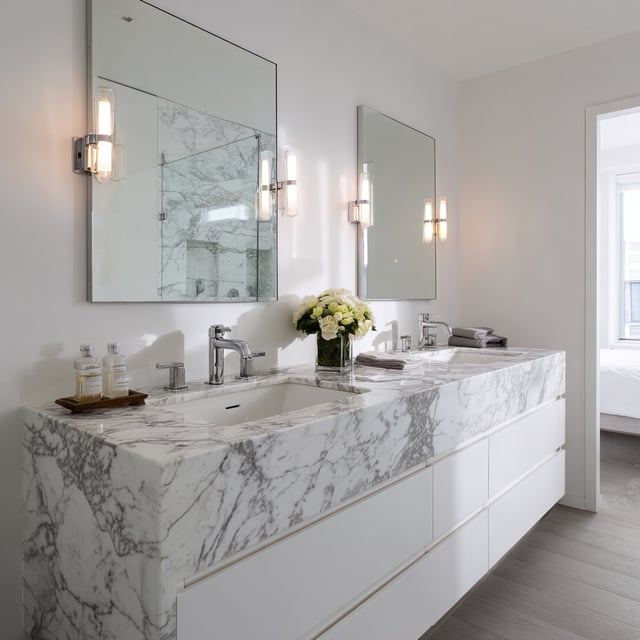
From the tree-lined blocks of Forest Hill to the historic streets of Church Hill and the urban buzz in the Fan District, Richmond Virginia is a place where every home tells a story and every bath has its quirks. In Richmond, homes lean historic, summers run steamy, and design opportunities are everywhere you look. Upgrading your bathroom here is less about chasing trends and more about creating long-lasting comfort.
A well-considered Richmond renovation fights mold, optimizes space, and brings out your home’s best features—so you enjoy a daily boost and a stronger resale down the line.
## Typical costs of bathroom remodeling in Richmond
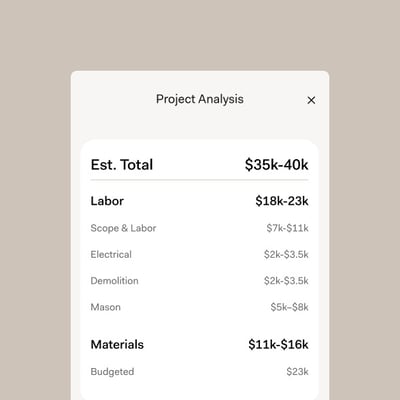
Compared to national averages, bathroom remodels in Richmond usually cost less—mainly thanks to moderate local labor rates and the abundance of regional suppliers. But working with older homes and historic details can raise expenses, particularly for major upgrades or custom solutions.
| Project Scope | Cost Range in Richmond |
| --- | --- |
| Cosmetic bathroom updates | $3,500–$6,500 |
| Mid-level bathroom renovations | $12,000–$21,000 |
| Major bathroom overhaul | $28,000–$48,000 |
Cosmetic bathroom remodeling: Cosmetic bathroom updates in Richmond keep core plumbing and layout untouched, focusing instead on fresh finishes and efficient swaps. Think new paint with anti-microbial properties, low-flow Watersense toilets for those summer droughts, and budget-friendly porcelain tile that nods to historic hex patterns in the Fan. You can source a granite vanity top from a local supplier, update lighting, and add classic towel bars for less. These quick upgrades skip major demo but still deliver a major lift for Richmond homes.
Mid-level bathroom renovations: A mid-level bathroom renovation might mean converting an old tub to a curbless shower, updating the vanity with a solid-surface top, and improving ventilation with a humidity-sensing exhaust fan. Homeowners in Richmond’s 1940s–1960s homes often nudge fixtures for better flow and invest in pressure-balanced valves to handle big swings in water temperature during summer irrigation.
Major bathroom renovations: Going for a major overhaul often requires gutting the bath to the studs and tackling everything from cast-iron drains to old subfloors. In Richmond, older homes regularly reveal balloon-framed walls needing fire blocking and original plumbing that’s overdue for replacement. Moving a waste stack adds cost but unlocks spatial flexibility—perfect for adding a double vanity or building a wet-room layout. Radiant floor heat, porcelain tile, integrated niches, and anti-fog smart mirrors are all common requests among homeowners who want 21st-century comfort and long-term durability.
Know the Cost Before You Start
Get real-time estimates for materials and labor so you can plan your renovation with confidence—no surprises.
[Get an Estimate](https://www.blockrenovation.com/tools/kitchen-remodel-visualizer?hsLang=en)
## Bathroom remodeling tips every Richmond homeowner should know
No two Richmond bathrooms are alike, but most share the same daily challenges: high humidity, persistent hard-water spots, and tight layouts leftover from older footprints. Local homeowners know water damage doesn’t forgive—so moisture control and robust, easy-clean surfaces top nearly every wish list.
### The right renovation choices can help your bathroom battle heat and humidity
Between steamy summers and the occasional winter freeze, Richmond’s bathrooms work hard year-round. Thoughtful design keeps you comfortable and helps finishes last longer.
- Install a 110 cfm humidity-sensing fan – July dew points often soar. A smart fan runs automatically until humidity drops, curbing mold and condensation.
- Specify frost-proof sillcocks – March ice storms catch even experienced homeowners off guard. Sillcocks close inside the heated space, reducing freeze risk.
- Choose mildew-resistant drywall – Green board or cement board outperforms standard drywall, especially after hot showers.
- Add a transom window for cross-ventilation – Original Richmond row houses rarely have built-in exhaust. An operable transom pulls fresh air through, fighting mustiness.
- Seal stone with impregnating sealer yearly – Dense stone and marble benefit from annual sealing to prevent stains.
- Specify epoxy grout – Stands strong even after heavy use and tracked-in mud.
- Install a timer switch for the fan – Let the fan run an extra 10 minutes after showers to clear out lingering steam.
- Use PVC beadboard wainscot – Classic look, modern moisture resistance.
- Choose a curved shower rod – More elbow room, and helps keep curtains dry and mildew-free.
### Bathrooms in older Richmond homes commonly cost more to remodel
Richmond’s older housing stock comes with history—and plenty of surprises once you open the walls. Smart budgeting means setting aside funds for the most common fixes. For example:
- Replacing galvanized supply lines adds $1,500–$2,500 – Critical for clean, safe water.
- Upgrading a 15-amp ungrounded circuit to 20-amp GFCI costs about $600 – Meets modern code and supports today’s hair tools safely.
- Installing fire-blocking in balloon-framed walls adds about $300 – Addresses building code and improves fire safety.
- Rebuilding a rotted subfloor under a clawfoot tub can cost $800 or more – Keeps your new tile from cracking.
- Adding a new vent line through a slate roof is about $700 – Protects the roof’s integrity and ensures proper venting.
### Renovating bathrooms for renters – smart design tips
For buildings serving the city’s high renter population, durability and ease of upkeep are top priorities—especially in student-heavy Richmond neighborhoods like the Fan and Randolph. Bulletproofing your bathroom with strategic renovations save on maintenance and turnover costs.
- Solid-surface shower surrounds resist grout cracking – Last longer and need less routine care.
- Choose a single-lever faucet – Simplifies use and outlasts most dual-handle types.
- Install a tamper-proof toilet seat bolt – Keeps hardware secured through tenant changes.
- Use semi-gloss paint – Wipes clean and resists water damage.
- Specify a 12-mil wear-layer luxury vinyl plank – Stands up to repeated mopping and accidental spills.
- Opt for a wall-hung vanity – Makes floor cleaning straightforward after each tenancy.
- Add a dedicated GFCI outlet – Keeps safety front and center for grooming tools and appliances.
## What to know about building a new bathroom in Richmond
[Adding a bathroom](https://www.blockrenovation.com/guides/how-much-does-it-cost-to-add-a-bathroom-to-a-house?hsLang=en)—whether it’s a powder room for guests or a secondary suite—unlocks new possibilities for historic and newer homes alike. Richmond’s narrow city lots and historic district ordinances demand creative planning and execution.
### Different approaches to adding the bathroom
- Convert a first-floor pantry – The butler closet in a Fan house is made for transformation, with a macerating toilet preventing costly slab work and a slim sink tucked beside vintage cabinetry.
- Finish the attic dormer – Church Hill attics with dormers and gable windows handle compact en-suites well. Tiling under the eaves preserves headroom and improves comfort. For tips, [read our guide to attic dormers](https://www.blockrenovation.com/guides/building-a-dormer-addition-cost?hsLang=en).
- Bump out over a kitchen wing – Mid-century ranches often have an opportunity for a small cantilever addition, just enough for a full three-piece bath and a window with a view.
- Carve out basement space – Richmond basements with a little extra depth accommodate modern guest or rental baths, sometimes with a simple floor dig and a sewage pump. Read all about this strategy with [How To Build A Bathroom In A Basement](https://www.blockrenovation.com/guides/how-to-build-a-bathroom-in-a-basement?hsLang=en).
Richmond contractors experienced with local codes can help you navigate bathroom placement, plumbing connections, and ways to preserve original architectural details even when adding something entirely new.
### Know that an extra bathroom will cost you
A new bathroom brings several new budget lines, so advance planning and clear scope are critical.
- Building a new bathroom: Expect $22,000–$35,000 for a full bath depending on finishes and complexity. Rerouting stacks typically adds $4,000, while a macerator can save on heavy plumbing work.
- Tax implications: Assessed value typically rises by $8,000–$12,000, moving annual tax up by $100–$150.
- Increased utility costs: A new bath lifts water/sewer costs an estimated $25 per quarter with modern, efficient fixtures.
## Local vendors to help complete your Richmond bathroom
Whether you add a decorative mirror, artisanal tiles, or an expressive art piece, go the extra mile to make your remodeled bathroom feel uniquely yours. The Richmond stores below are a great way to get started:
- [Nest Gifts LLC](https://nestgiftsllc.com/)**:** Nest Gifts LLC brings thoughtfully curated home accessories and unique finds to Richmond's design scene. This local gem specializes in those perfect finishing touches that transform a house into a home—think artisanal ceramics, distinctive textiles, and conversation-starting decor pieces. It's your go-to spot when you need that one special item to pull a room together.
- [Brothers Outlet](http://www.brothersoutlet.com/)**:** Brothers Outlet is Richmond's go-to destination for quality home furnishings and décor at unbeatable prices. This local gem specializes in designer pieces and unique finds that help you create a polished look without the designer price tag. Whether you're hunting for statement furniture or those perfect finishing touches, Brothers Outlet delivers style and value that savvy homeowners love.
- [Curated Furnishings](https://www.curatedfurnishings.com/): Curated Furnishings brings a carefully edited selection of modern and vintage pieces to Richmond's design scene, making it easy to find that perfect statement piece without the overwhelm of endless options. Their thoughtful curation means every item has been hand-picked for quality and style, so you can trust that whatever catches your eye will elevate your space. It's the kind of local gem where you'll discover unique finds that feel both timeless and totally you.
- [Richmond Tile & Bath:](http://www.richmondtile.com/) Richmond Tile & Bath transforms material selection into pure inspiration with their expansive showroom showcasing luxury kitchen and bath vignettes. Their carefully curated displays feature premium wall and floor coverings that elevate any space from ordinary to extraordinary. It's the kind of place where you'll find that perfect statement tile that makes your entire design come together.
- [TXTUR](https://txtur.com/rva): TXTUR brings a fresh, tactile approach to Richmond's design scene, specializing in curated home furnishings and decor that you'll actually want to touch. This local gem focuses on pieces with interesting textures and materials—think chunky knit throws, natural wood accents, and sculptural ceramics that add depth to any space. It's the perfect spot to discover those finishing touches that make a house feel distinctly yours.
- [Lamp Emporium](http://lampemporium.us/): Lamp Emporiumbrings curated lighting solutions to Richmond's design-conscious homeowners, specializing in statement fixtures that transform any room from ordinary to extraordinary. Their thoughtfully selected collection ranges from sculptural table lamps to dramatic chandeliers, making it easy to find that perfect piece that ties your whole space together. The team's lighting expertise ensures you'll discover not just beautiful fixtures, but the right illumination to elevate your home's ambiance.
## Visualize and budget your bathroom remodel with Renovation Studio
[Block Renovation’s Studio](https://www.blockrenovation.com/tools/kitchen-remodel-visualizer?hsLang=en) puts you at the control board—design your Richmond bathroom down to the last detail, using exact room dimensions and humidity-smart finishes. Experiment with everything: zero-threshold showers, energy-efficient fans, even built-in laundry. Local pricing is built in, letting your budget react instantly as you swap fixtures or layouts. When you’re ready, share your project directly with Block contractors for apples-to-apples bids and a clear launchpad for your vision.
## Ready to build? Let Block help you find top-rated contractors in Richmond
With Block, your Richmond renovation is handled start to finish—no strings, no maze of paperwork or missed calls. Every contractor on the Block platform is insured, vetted, and familiar with Richmond codes and quirks, from slate roofs to crawlspace plumbing. All-inclusive proposals let you skip the haggling and focus on design.
Payments flow through Block’s secure, progress-based system, so your investment is released only when work passes inspections and milestones are met. You stay in control, every step of the way.
Remodel with confidence through Block

Connect to vetted local contractors
We only work with top-tier, thoroughly vetted contractors

Get expert guidance
Our project planners offer expert advice, scope review, and ongoing support as needed
Enjoy peace of mind throughout your renovation
Secure payment system puts you in control and protects your remodel
[Get Started](https://www.blockrenovation.com/planner?hsLang=en)
Renovate confidently with [Block](https://www.blockrenovation.com?hsLang=en). Easily compare quotes from top quality contractors, and get peace of mind with warranty & price protections. Learn about [Block's editorial process](https://www.blockrenovation.com/editorial-policy?hsLang=en).
[Virginia](https://www.blockrenovation.com/guides/tag/virginia)

Written by Block Renovation
Block Renovation personalizes home remodeling with free AI-powered design tools and a vetted contractor network, helping homeowners plan, visualize, and build with confidence.
## Frequently asked questions
When is the best time of year to remodel a bathroom in Richmond?
The best window typically falls in autumn, when humidity drops and contractors have wider availability post-summer. Tile adhesives and finishes cure more predictably, ensuring a seamless finish before the holidays. You’ll also benefit from end-of-season material discounts in some years.
Generally, what kind of bathroom features do Richmond homebuyers value?
Buyers in Richmond prioritize humidity-smart ventilation, water-saving fixtures that reduce monthly bills, and finishes that honor a home’s historic strengths—classic subway tile, stone, or beadboard cabinetry. Smart storage, timeless design, and low-maintenance surfaces always stand out, especially in older and compact homes.
How long does a typical bathroom remodel take in Richmond?
Most mid-level projects average 4–5 weeks from demo to final inspection. Older homes with significant plumbing or code upgrades may take up to 6 weeks; surface-level cosmetic refreshes can often complete in under a week, especially with a clear plan in hand.
Do I need special permits to renovate a bathroom in a historic Richmond district?
Yes—many homes in districts like Church Hill or the Fan require city or historic commission approval for structural changes, venting, or altering original walls and windows. Experienced contractors can guide you through the application process and help you stay code-compliant from the start.
What are some remodeling options if my bathroom has no windows?
Windowless Richmond bathrooms benefit from daylight-mimicking LED fixtures, well-placed skylights, and extra-powerful exhaust fans. Using glass doors and light colors helps bounce whatever light you do have, making even a tiny space feel more open and inviting.

Renovate confidently with Block
Easily compare quotes from top quality contractors, and get peace of mind with warranty & price protections.
[Get Your Estimates](https://www.blockrenovation.com/planner/route?hsLang=en)
Thousands of homeowners have renovated with Block

4.5 Stars (100+)

4.7 Stars (100+)

4.5 Stars (75+)
[Read homeowner reviews](https://www.blockrenovation.com/reviews?hsLang=en)

See what homeowners have built with Block
[View project gallery](https://www.blockrenovation.com/customer-gallery?hsLang=en)
## Related Articles


[ Virginia Building a Custom Home in Chesapeake, VA](https://www.blockrenovation.com/guides/building-a-custom-home-in-chesapeake-va?hsLang=en)
06.22.2026
[.png?width=640&name=u5821215421_A_casual_Pacific_Northwest_home_staircase_the_sid_3cd20ccb-66cf-404b-a304-b0f647621f2d_1%20(2).png) Virginia Building a Custom Home in Arlington, VA](https://www.blockrenovation.com/guides/building-a-custom-home-in-arlington-va?hsLang=en)
06.08.2026
[.png?width=640&name=u5821215421_Sophisticated_transitional_living_room_with_matte_d152b2ae-2c97-4d40-8f63-6c8c3f2cd61f_0%20(2).png) Virginia Virginia Beach Home Additions: Coastal Cost Guide](https://www.blockrenovation.com/guides/virginia-beach-virginia-home-additions-local?hsLang=en)
06.01.2026
[ Virginia Kitchen Remodel in Chesapeake, VA: Costs & Tips](https://www.blockrenovation.com/guides/chesapeake-va-kitchen-renovation-costs-tips-local?hsLang=en)
03.30.2026
[ Virginia Kitchen Remodel Virginia Beach Costs, Permits & Tips](https://www.blockrenovation.com/guides/virginia-beach-va-kitchen-renovation-costs-tips-local?hsLang=en)
03.25.2026
Renovate confidently
- Top quality contractors
- Warranty & price protections
- Expert resources
[Get Your Estimates](https://www.blockrenovation.com/get-started?hsLang=en)
[Get Your Estimates](https://www.blockrenovation.com/get-started?hsLang=en)
Renovate confidently with Block. Easily compare quotes from top quality contractors, and get peace of mind with warranty & price protections
- [Ask ChatGPT About Block](https://bit.ly/BlockRenovation)
- [FAQ](https://www.blockrenovation.com/faq)
- [Reviews](https://www.blockrenovation.com/reviews)
- [How It Works](https://www.blockrenovation.com/how-it-works)
- [For Contractors](https://www.blockrenovation.com/contractors)
- [Gallery](https://www.blockrenovation.com/customer-gallery)
- [Guides/Blogs](https://www.blockrenovation.com/guides)
- [Careers](https://www.blockrenovation.com/welcome/careers)
- [Tools](https://www.blockrenovation.com/tools)
- [](https://www.facebook.com/blockrenovation/)
- [](https://www.instagram.com/blockrenovation/)
- [](https://www.linkedin.com/company/blockrenovation/)
- [](https://www.pinterest.com/blockrenovation/)
Email
[sales@blockrenovation.com](mailto:sales@blockrenovation.com)
Learn more about renovating
Sign Up
[Refer a friend and get up to $1,200](https://www.blockrenovation.com/referral?hsLang=en)
© Block 2026
- [Terms of Use](https://www.blockrenovation.com/terms)
- [Privacy Policy](https://www.blockrenovation.com/privacy)
```json
{
"@context" : "https://schema.org",
"@type" : "BlogPosting",
"author" : {
"@type" : "Person",
"name" : "Block Renovation",
"url" : "https://www.blockrenovation.com/guides/author/block"
},
"dateModified" : "2026-03-02T19:24:54.244Z",
"datePublished" : "2026-01-06T21:47:34.000Z",
"headline" : "Richmond Bathroom Remodel: Durability & Style to Every Square Foot",
"image" : [ "https://www.blockrenovation.com/hubfs/Richmond%20Bathroom.png" ],
"mainEntityOfPage" : {
"@id" : "https://www.blockrenovation.com/guides/richmond-va-bathroom-renovation-costs-tips-local",
"@type" : "WebPage"
},
"publisher" : {
"@type" : "Organization",
"logo" : {
"@type" : "ImageObject",
"url" : "https://www.blockrenovation.com/hubfs/block%20logo%20orange.jpg"
},
"name" : "Block Renovation"
}
}
```