


Kitchen remodel ideas for Arlington, VA homes: costs and layout tips

Budget your upcoming Arlington kitchen remodel with help from Block
How we get your estimate
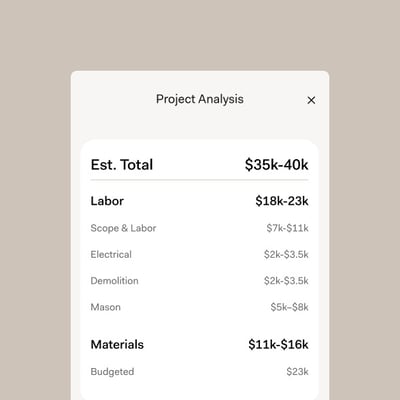
Fill out the form above to either connect with contractors for a personalized quote or estimate your costs with Block's Renovation Studio.
Modern sage kitchen with light wood cabinets and marble.

In This Article

    Renovating a kitchen in Arlington can be one of the most satisfying ways to make daily life easier, especially for commuter households that run the kitchen hard in the mornings and again at dinner. In neighborhoods like Clarendon, Ballston, Lyon Village, and Shirlington, the “good bones” often come with narrow work zones, limited pantry space, or dated mechanicals hidden behind charming finishes. A well-planned remodel can improve flow, add storage where it actually helps, and make entertaining more comfortable without forcing you to move. Just as importantly, a smart update can align the kitchen with how you live now—whether that means homework at the island, better lighting for winter evenings, or a layout that finally fits two cooks.

    Design a Home That’s Uniquely Yours

    Block can help you achieve your renovation goals and bring your dream remodel to life with price assurance and expert support.

    Get Started

    Budgeting kitchen remodeling costs in Arlington

    While design choices and square footage will be the largest influence in cost, geography plays a role. In Arlington, many kitchen projects price out above the national average because local labor rates and project demand tend to run higher. Costs also rise when older housing stock requires electrical, plumbing, or structural updates that are not obvious until walls are opened, and when tight sites or narrow side yards complicate deliveries and staging.

    Project size

    Typical scope

    Estimated cost range

    Small kitchen remodels (60–120 sq ft)

    Refresh finishes, minor layout tweaks, limited plumbing moves

    $30,000–$70,000

    Medium-sized kitchen remodels (120–200 sq ft)

    Semi-custom cabinets, new lighting plan, some layout changes

    $70,000–$140,000

    Larger kitchen remodels (200–350+ sq ft)

    Layout rework, higher-end finishes, possible structural changes

    $140,000–$250,000+

    Examples of projects that drive costs up

    Some initiatives add real value, but they can also push a kitchen remodel Arlington budget much higher than you might expect.

    • Relocating plumbing for sinks, dishwashers, or gas ranges. Moving fixtures for an island or reworked wall often means cutting into subfloors, adjusting drains and vents, and coordinating multiple inspections.
    • Upgrading to custom or inset cabinetry. Furniture-style details, integrated appliance panels, and fully custom sizing can significantly increase both material and install labor costs.
    • Choosing premium countertop materials. Quartzite, large-format porcelain slabs, and complex edge profiles can involve higher material prices and specialized fabrication fees.
    • Creating a layered lighting plan. Adding task, ambient, and under-cabinet lighting usually calls for more fixtures, more wiring, and more switch locations than a basic recessed-only layout.
    Danny Wang

    “If your kitchen layout already works, keep it. Moving plumbing, gas, or electrical lines is one of the fastest ways to drive up labor costs.”

    Typical kitchen remodeling labor costs in Arlington

    In Arlington, labor commonly totals about $20,000 to $80,000+ depending on the scope, sequencing, and how many trades are involved. Smaller projects with limited plumbing and electrical changes often sit toward the lower end, while full reconfigurations climb quickly. Older homes can require more hours for careful demo, leveling floors, and correcting out-of-plumb walls so cabinets install cleanly. If your project needs structural work or intensive mechanical, electrical, and plumbing coordination, labor can represent a substantial portion of the overall budget.

    Permitting costs for kitchen renovations

    Typical permitting costs for kitchen renovations in Arlington often fall in the $500 to $3,000 range, with the final number depending on the project’s complexity and reviews required. If you are changing structure, adding square footage, or significantly altering electrical and plumbing, expect more documentation and more touchpoints. Your contractor should confirm what is required before work begins so inspections do not become a schedule surprise.

    • Plumbing changes commonly trigger plumbing permits and inspections when you move or add lines for sinks, dishwashers, or gas ranges.
    • Electrical modifications such as new circuits, relocated outlets, or panel upgrades usually require electrical permits and multiple inspections.
    • Framing or structural work —removing walls, changing headers, or modifying floor joists—often requires building permits and sometimes engineered drawings.

    Want to expand your Arlington kitchen? Know your options

    If your kitchen feels tight, there are three common ways Arlington homeowners create breathing room without sacrificing function. Each approach has different cost, permitting, and disruption levels, especially in older neighborhoods where footprints are compact.

    • Bump out additions. A bump out can add a few crucial feet for a banquette, a wider aisle, or a larger cooking zone, often without the full cost of a large addition. In Arlington, it is especially useful where the existing kitchen backs up to a yard and you want more glass and a stronger indoor-outdoor connection. Expect structural work, new foundation or supports, and exterior matching so the addition looks original. This can also be the right moment to improve insulation and air sealing along that exterior wall.
    • Moving walls to borrow space from nearby rooms. Taking space from a dining room, breakfast nook, or oversized hallway is sometimes the most efficient way to gain the storage and counter run you are missing. This works well in Colonials and Cape Cods where the kitchen was designed smaller and separate. The trade-off is that it reshapes adjacent rooms, so you will want to plan furniture placement and traffic patterns carefully. Any load-bearing wall will shift the project into structural territory.
    • Opening to an adjacent living or dining space. Making the kitchen more open can help the entire main level feel larger, even if the kitchen footprint barely changes. In Arlington homes with choppy partitions, this often improves daylight and makes hosting easier. The key is replacing lost upper cabinets with smarter storage elsewhere, such as a pantry wall or tall utility bank, and planning ventilation so cooking noise and odors do not dominate the open space.

    Tips from Block for keeping kitchen renovation budgets in check

    A good budget is more than a single number; it gives you guardrails so decisions stay manageable once work starts. These habits can help keep kitchen renovations Arlington plans from ballooning midstream.

    • Plan for backorders and alternates upfront. When a tile or fixture is delayed, last-minute substitutions can cost more and disrupt inspections. Approving acceptable alternates early protects the schedule and your budget.
    • Account for Arlington jobsite constraints. Street parking rules, narrow driveways, and tight side yards can all affect material handling. A contractor who plans staging and deliveries realistically is less likely to rack up extra labor hours waiting on logistics.
    • Keep plumbing moves to a minimum where you can. Leaving the sink and dishwasher in roughly the same locations avoids new drain and vent work. Money saved here can go toward better lighting, storage inserts, or ventilation that you will notice every day.

    Find greater budgeting clarity with Renovation Studio

    Renovation Studio is Block Renovation’s planning tool designed to help you explore renovation possibilities before construction begins. It lets you visualize different design directions and understand how choices affect your plan, so you are not making high-stakes decisions based only on small samples. For an Arlington kitchen, that could mean comparing cabinet styles and finishes, testing countertop looks, or seeing how a new backsplash changes the room’s brightness.

    Remodeling strategies for making Arlington kitchens feel larger

    Many homes in Arlington have smaller kitchens, particularly those in early-20th-century Colonials, Cape Cods, and brick ramblers where the kitchen was originally treated as a separate work room. Even when square footage cannot change, a remodel can reduce pinch points and improve sightlines so the space feels more open. The best results usually come from combining efficient storage, thoughtful lighting, and a layout that respects how people actually move through the room.

    • Rethink the refrigerator location. A fridge that projects into a walkway can create a daily bottleneck. Shifting it into a deeper cabinet run or using a counter-depth model often improves circulation without moving any walls.
    • Use taller cabinetry where ceiling height allows. Upper cabinets that stop short can collect dust and waste storage. Extending to the ceiling creates a cleaner line and gives you room for seasonal or rarely used items.
    • Consider a single-bowl sink and streamlined faucet. Large double-bowl sinks consume valuable base cabinet width. A single, reasonably sized bowl paired with a compact faucet frees space for pull-outs, trash, and recycling.
    • Add a dedicated pantry wall when storage is tight. Tall pantry cabinets can replace a scattered mix of uppers and lowers, which helps you keep counters clear—the fastest visual upgrade for a smaller kitchen.

    Renovating an older Arlington kitchen? Here is what to know

    Older Arlington kitchens can be deeply livable once updated, but they often require extra planning around structure and systems. The goal is usually to keep the home’s character while improving comfort, safety, and everyday workflow.

    Ways to embrace your home’s history

    In neighborhoods like Lyon Village and Arlington Forest, you will see early-20th-century Colonials and Cape Cods where simple millwork, warm woods, and balanced window placement set the tone. In Aurora Highlands and parts of Cherrydale, classic forms often pair well with honest materials that do not try to look overly new.

    The most successful historic-feeling kitchens borrow cues from the house—proportions, trim depth, and the rhythm of doors and windows—so the remodel feels like it belongs. Done well, the result is a kitchen that reads as “original enough,” even when the systems behind the walls are modern.

    • Choose Shaker or inset cabinetry. These door styles echo the language of older millwork without tipping into ornate or busy territory.
    • Use softer, lived-in hardware finishes. Unlacquered brass, aged nickel, or patinated bronze can feel more natural in an older Arlington home than highly polished chrome.
    • Consider an apron-front or farmhouse-style sink. A simple, well-proportioned apron-front sink can nod to the home’s utilitarian roots while still working with modern fixtures.
    • Break up long cabinet runs. A furniture-style hutch, open shelf section, or glass-front upper can prevent a wall of cabinets from feeling heavy.
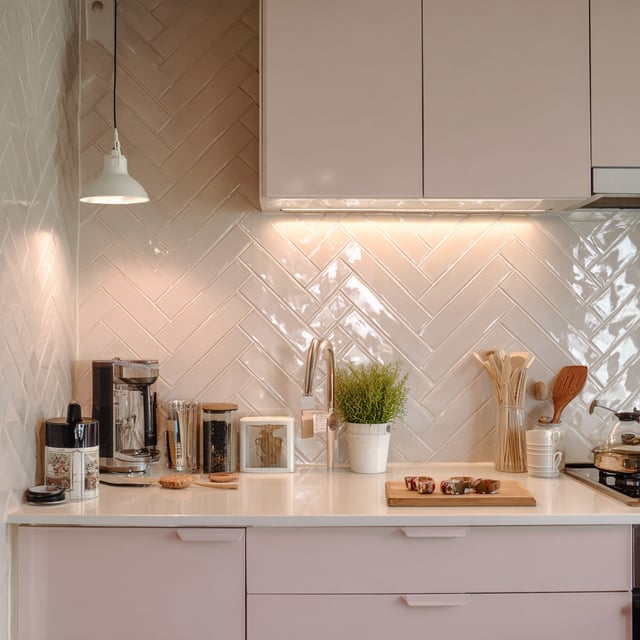
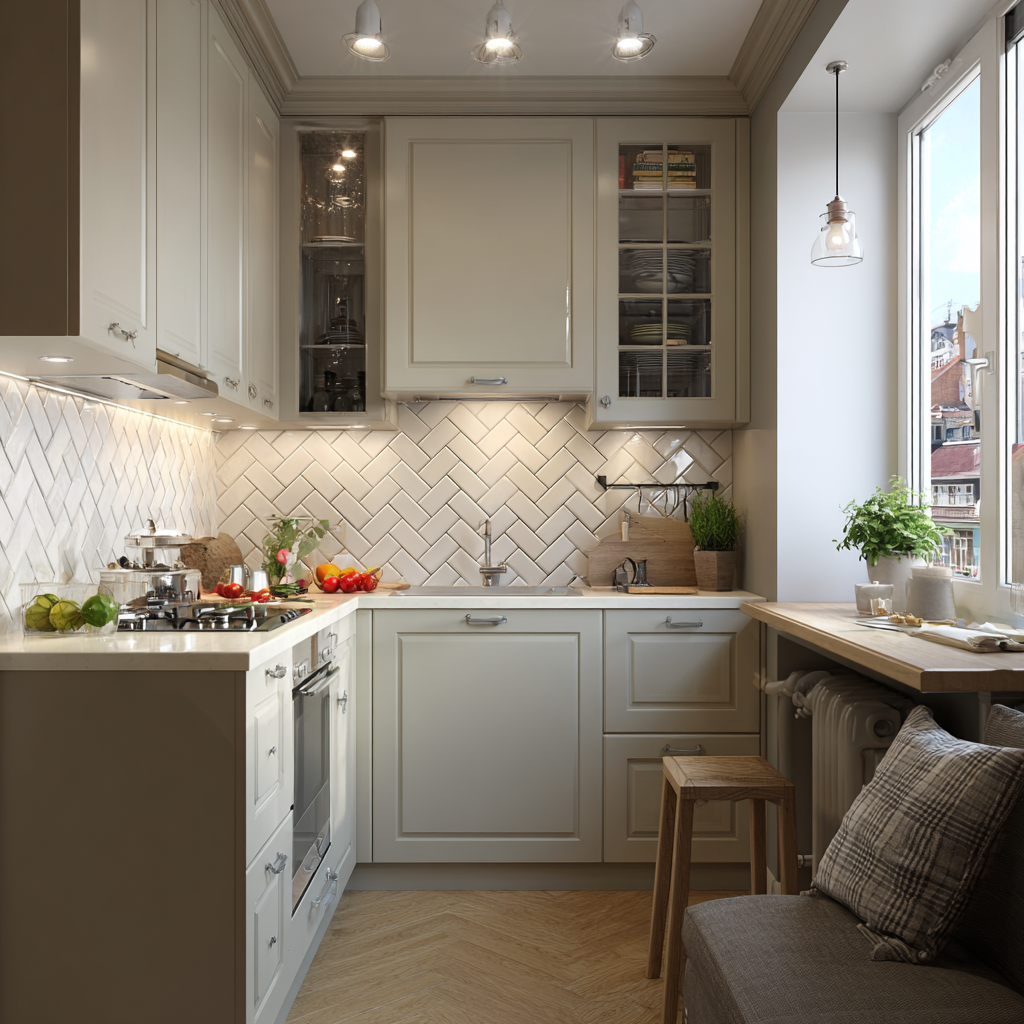
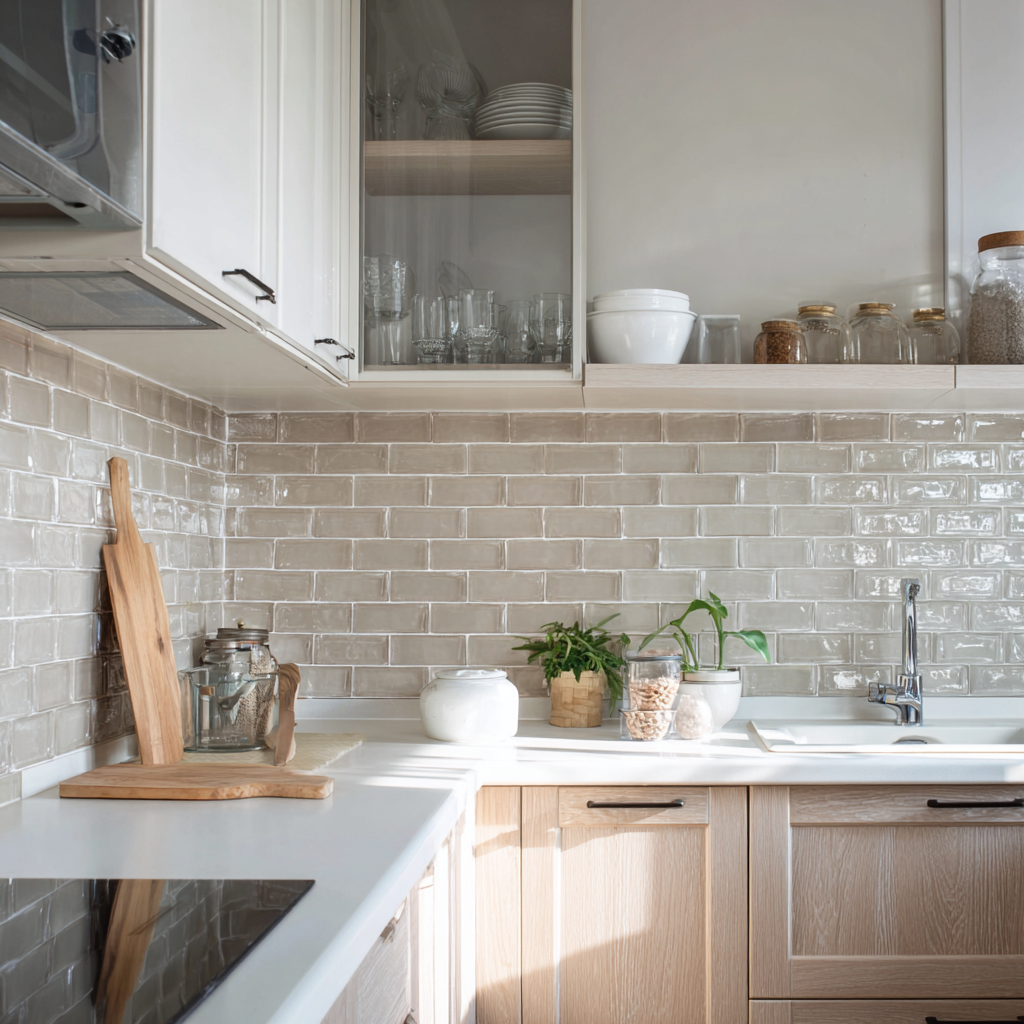
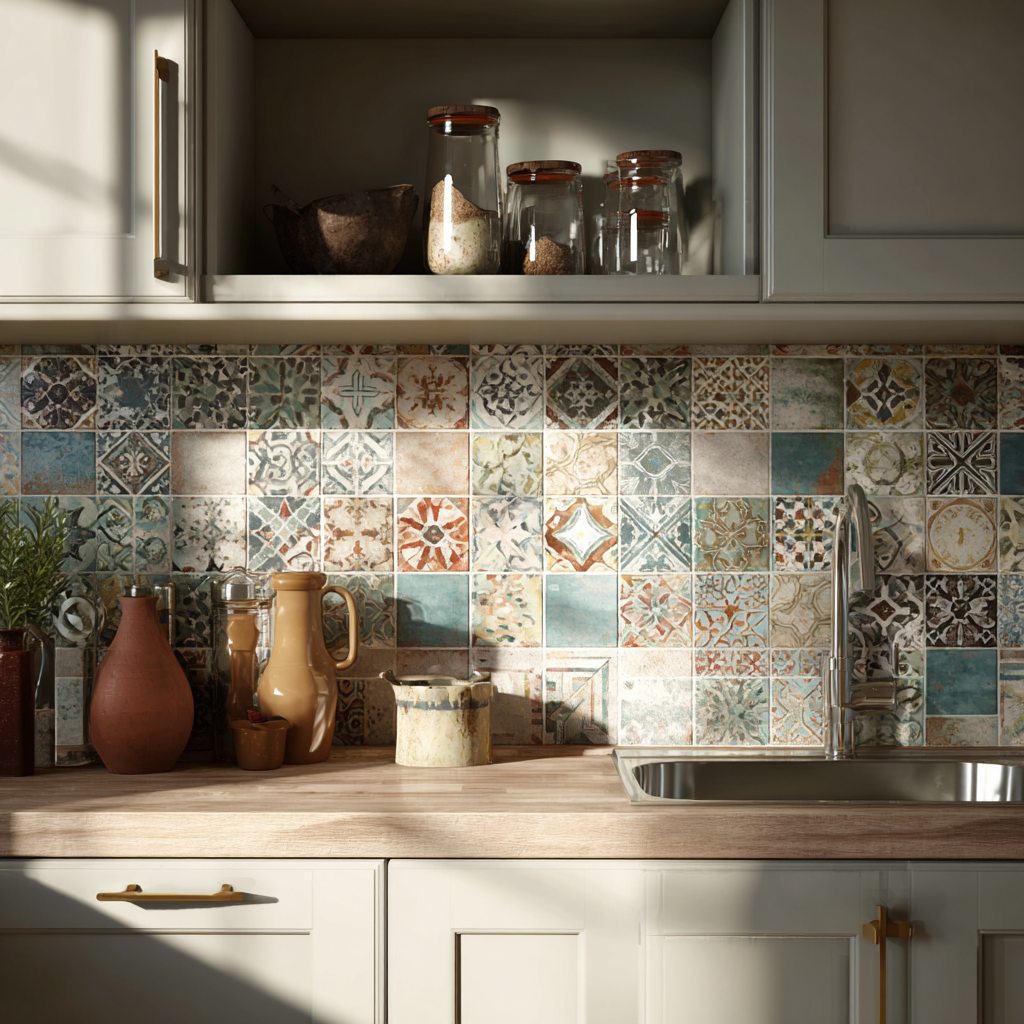
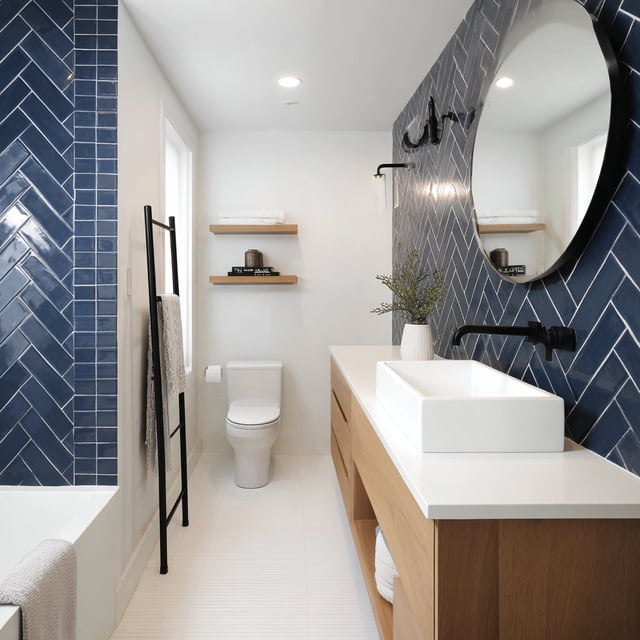
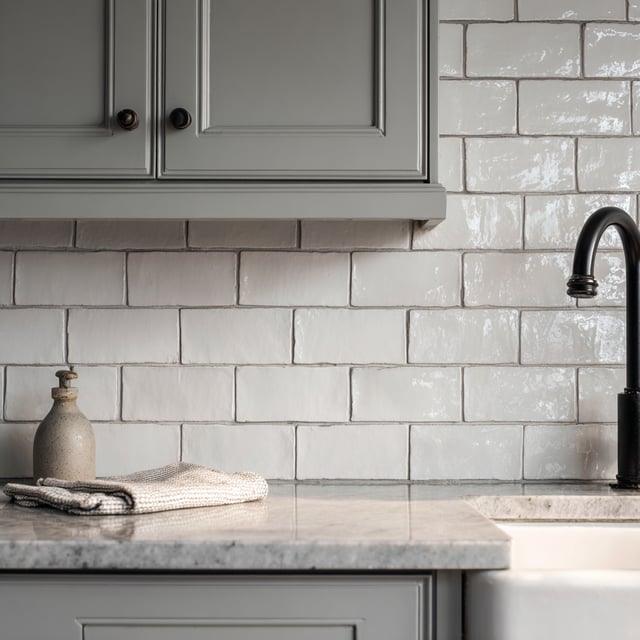
    • Pick a backsplash with historic precedent. Handmade-look subway tile, modest mosaics, or simple stacked patterns often sit comfortably alongside original details.

    Affordable ways to modernize the aesthetic

    Sometimes you want the kitchen to feel current, but you do not need to rebuild everything. Targeted updates can brighten the room and make it feel more coherent, especially when the existing layout functions reasonably well.

    • Refinish or repaint existing cabinets. A lighter, warmer neutral on doors and drawer fronts can lift the entire space while avoiding the cost of full replacement.
    • Update key light fixtures. Swapping a single outdated fixture for a pair of simple pendants or a scaled ceiling light can change how the room feels in the evening.
    • Add under-cabinet lighting. Slim LED strips or pucks can make older counters feel cleaner and much more practical at night.
    • Install a modern, ergonomic faucet. A pull-down model in a finish that relates to your appliances gives you daily comfort without major construction.

    Compare Proposals with Ease

    Easily compare contractor quotes with intuitive layouts, and side-by-side comparisons to help you make the best choice.
    Get a Quote

    Preparing for the costs of remodeling older kitchens

    Renovating older homes can bring surprise line items, especially once demolition reveals what is behind plaster, tile backer, or older cabinetry. In Arlington, it is common for older kitchens to need safety upgrades and corrections before the visible finishes go in. Planning for those realities upfront helps you avoid rushed decisions when the schedule is tight.

    • Outdated wiring or undersized service. Older kitchens may lack dedicated circuits for today’s appliances, and some wiring types are no longer acceptable. Upgrading can involve opening walls, updating the panel, and coordinating multiple inspections.
    • Aging plumbing and weak shutoffs. Original or near-original supply lines and valves can be brittle or corroded. Discovering leaks or poor prior repairs during demo is common, and replacing sections proactively reduces the risk of future water damage.
    • Hidden moisture damage or missing ventilation paths. Older dishwashers, leaky windows, or unvented ranges may have left patchy damage that needs remediation. Improving ducted ventilation can add costs for routing and patching but pays off in long-term comfort.

    Many homeowners set aside a contingency fund specifically for these behind-the-walls discoveries and treat it as “reserved unless proven unnecessary.” You can also decide in advance what you will prioritize if issues appear—such as electrical modernization—versus what can wait.

    Ways to bring Virginia flavors into your kitchen remodel

    Virginia’s appeal comes from its mix of historic towns, wooded neighborhoods, and strong local food culture. In Arlington, that often translates into quick weekday breakfasts, bigger weekend cooking sessions, and low-key hosting. A few choices in your kitchen remodel can quietly nod to that sense of place without feeling themed.

    • Use warm, natural woods for stools or open shelving. White oak, walnut, or similar tones echo the region’s tree canopy and soften painted cabinetry, especially in smaller kitchens.
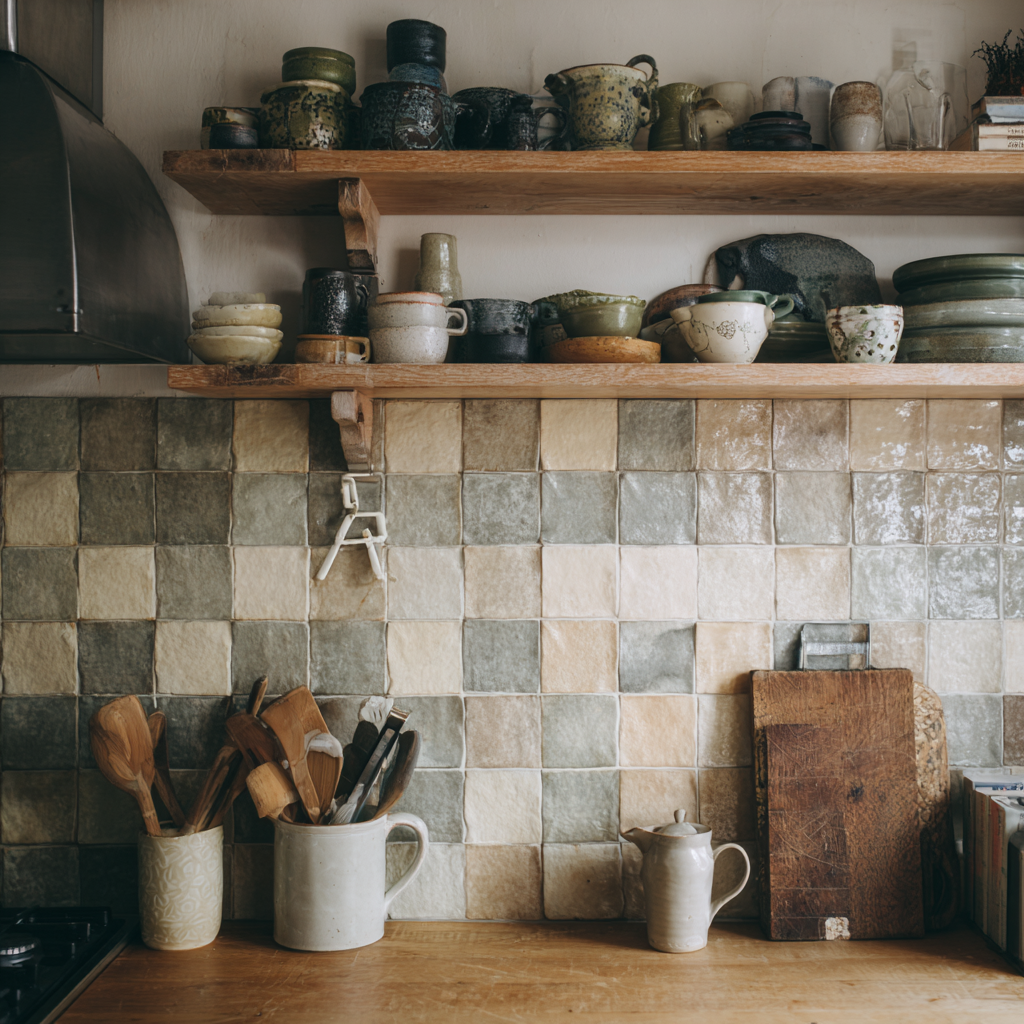
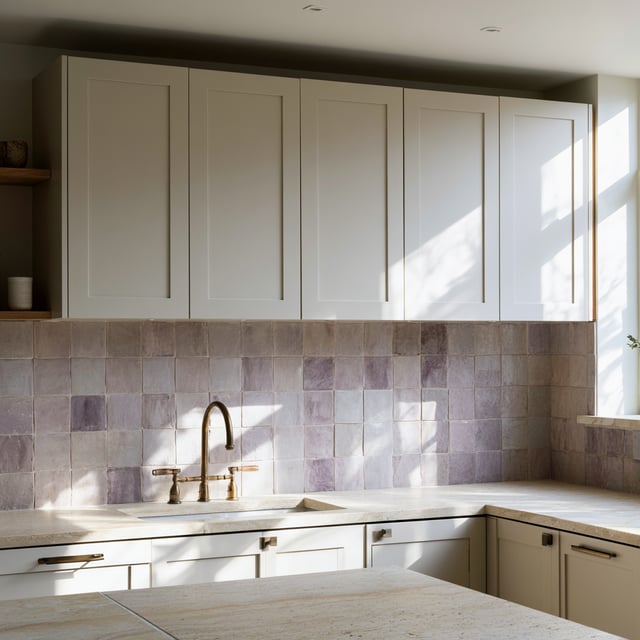
    • Choose a classic backsplash with handmade texture. Slightly irregular ceramic tile introduces warmth and depth while still looking clean and easy to maintain.
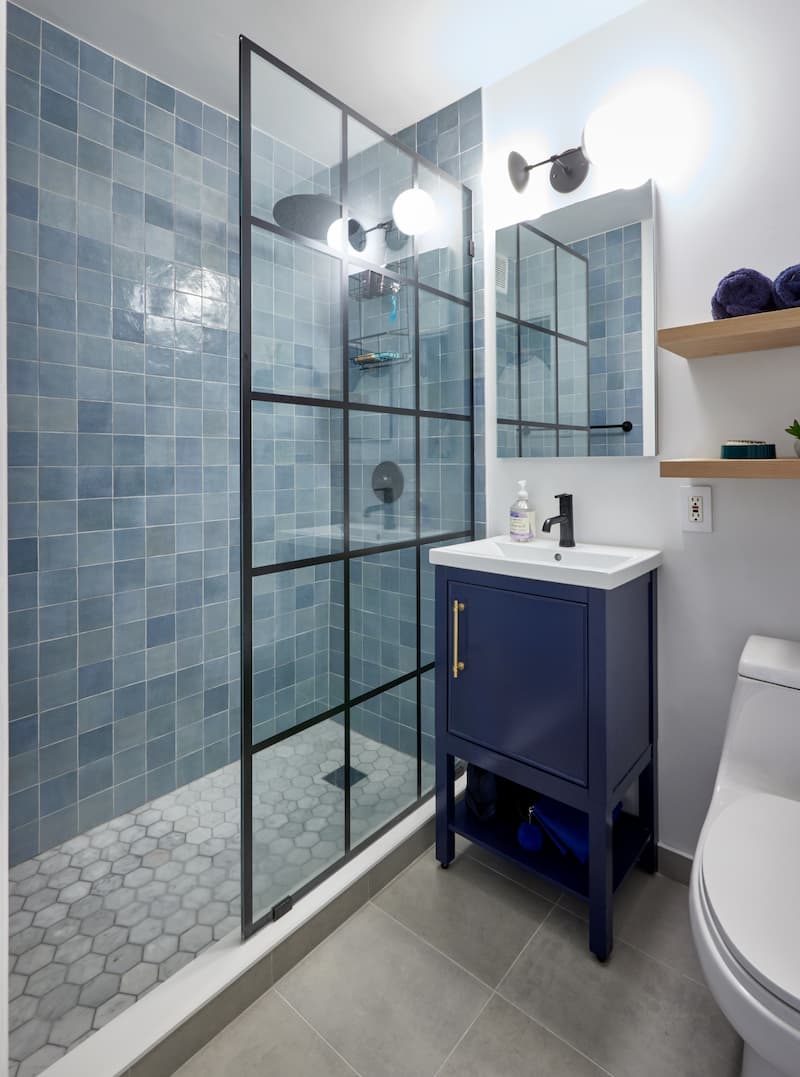
    • Incorporate locally inspired color in small doses. Deep greens, clay tones, or navy accents reflect regional landscapes and historic brick without locking the entire kitchen into a strong color scheme.
    • Plan storage for farmers-market hauls. Extra produce drawers, flexible pantry shelves, or a secondary undercounter fridge drawer can make weekly market trips easier to manage.

    Taking design cues from your Arlington home’s architecture

    Arlington is a patchwork of recognizable styles—brick Colonials, Cape Cods, mid-century ramblers, and contemporary condos near the Rosslyn–Ballston corridor. Each style carries clues about proportion, window placement, and how rooms connect, and those clues typically offer better guidance than a single inspiration photo. A Colonial may reward symmetry and traditional details, while a rambler often benefits from longer cabinet runs and a stronger relationship to the backyard. When you take the original architecture seriously, the finished kitchen tends to feel like it fits the house, even with updated finishes.

    Ideas for Colonial kitchens in Arlington

    Colonials in Arlington often feature centered entries, balanced windows, and defined rooms that create clear thresholds between dining, kitchen, and living spaces. Those proportions can make kitchens feel compact and somewhat compartmentalized, especially when the original plan emphasized formality. Materials that respect the home’s orderly character—painted cabinetry, classic hardware, and restrained stone—usually sit more comfortably than ultra-industrial choices.

    • Keep cabinet runs as symmetrical as conditions allow. Aligning doors and drawers around the range or sink supports the house’s naturally balanced rhythm.
    • Use a framed or mantel-style range hood. A built-out hood with trim details can echo fireplace surrounds and other traditional millwork.
    • Create a butler’s pantry connection when possible. If the dining room is adjacent, a shallow pantry or serving zone between the two spaces suits the Colonial floor plan.
    • Choose floor materials with a classic feel. Site-finished hardwood or quality tile in simple patterns typically works better than very graphic designs in these homes.
    • Layer the lighting instead of relying on one fixture. Combining recessed, pendants, and under-cabinet lighting lets the kitchen feel welcoming while still respecting traditional architecture.

    Ideas for Cape Cod kitchens in Arlington

    Cape Cod homes in Arlington commonly have steep rooflines, modest footprints, and quirky ceiling transitions that dictate where cabinets and lighting can go. The kitchen is often tucked into one corner of the main level, with limited wall length and tight clearances around doors and stairs. Because these homes can feel cozy quickly, careful storage planning and lighter finishes matter more than oversized design statements.

    • Mix tall pantry sections with shorter cabinet runs. Varying heights lets you navigate sloped or dropped ceilings without wasting volume.
    • Choose compact or counter-depth appliances. Protecting aisle width makes daily movement easier in these smaller, highly trafficked kitchens.
    • Capture storage in overlooked areas. Toe-kick drawers, narrow pull-outs, and back-of-door organizers all help make use of tight cabinets.
    • Use brighter colors on walls and cabinets. Light, warm neutrals help counteract the smaller window sizes often found in Cape Cods.
    • Keep door styles simple. Clean shaker or slab fronts reduce visual busyness in a compact room.

    Ideas for brick rambler kitchens in Arlington

    Brick ramblers in Arlington often have long, low profiles, straightforward roofs, and main-level living that encourages easy movement from room to room. Their kitchens may have generous horizontal wall runs but modest ceiling height, which makes window choices and lighting strategy especially important. Because many ramblers connect directly to a backyard or patio, kitchens in these homes benefit from layouts that support daily indoor-outdoor use.

    • Emphasize long countertop runs. Fewer seams and more continuous prep space work well with the rambler’s horizontal character.
    • Open selectively to adjacent living areas. Wider openings can increase light and views while still keeping a defined work triangle.
    • Use wood or wood-look accents. Warm wood tones pair naturally with mid-century brick and simple interior trim.
    • Choose larger-format tile or slab backsplashes. Cleaner lines align with the era and simplify maintenance.
    • Prioritize thoughtful ventilation. With more open layouts, a strong, quiet hood helps keep cooking odors from lingering across the main level.

    Ideas for contemporary condo kitchens in Arlington

    Contemporary condos in Arlington, especially near Metro corridors, often feature efficient footprints, higher ceilings, and open living areas where the kitchen is always visible. Constraints typically include limited wall space, fixed mechanical locations, and the need for finishes that look orderly from every angle. Because the kitchen shares one large volume with living and dining, cohesion matters more than having many separate focal points.

    • Use integrated or panel-ready appliances where feasible. Hiding or visually softening large appliance fronts keeps the main living space feeling calmer.
    • Choose flat-panel doors and simple lines. Slab cabinetry works well with contemporary architecture and reads clean from across the room.
    • Strengthen under-cabinet lighting. With tall ceilings, upper lighting alone can leave counters dim; under-cabinet fixtures keep work surfaces bright.
    • Build a high-function pantry wall. Interior organizers, pull-out shelves, and categorized storage help offset the lack of attic or basement storage common in condos.
    • Keep hardware and fixtures minimal. Simple pulls and streamlined faucets help the kitchen blend with the rest of the open-plan interior.

    Upgrade your kitchen with Arlington contractors found by Block

    Block matches homeowners with vetted contractors and guides projects from planning through construction based on your renovation needs. The goal is to make it easier to find a contractor fit and move from an initial idea to a coordinated build, which can be challenging when schedules and trade availability are tight.

    Block Protections include safeguards intended to reduce common renovation risks, and payments run through a structured system rather than informal arrangements. That helps keep the financial side of the project more predictable as work progresses.

    Remodel with confidence through Block

    Happy contractor doing an interview

    Connect to vetted local contractors

    We only work with top-tier, thoroughly vetted contractors

    Couple planning their renovation around the Block dashboard

    Get expert guidance

    Our project planners offer expert advice, scope review, and ongoing support as needed
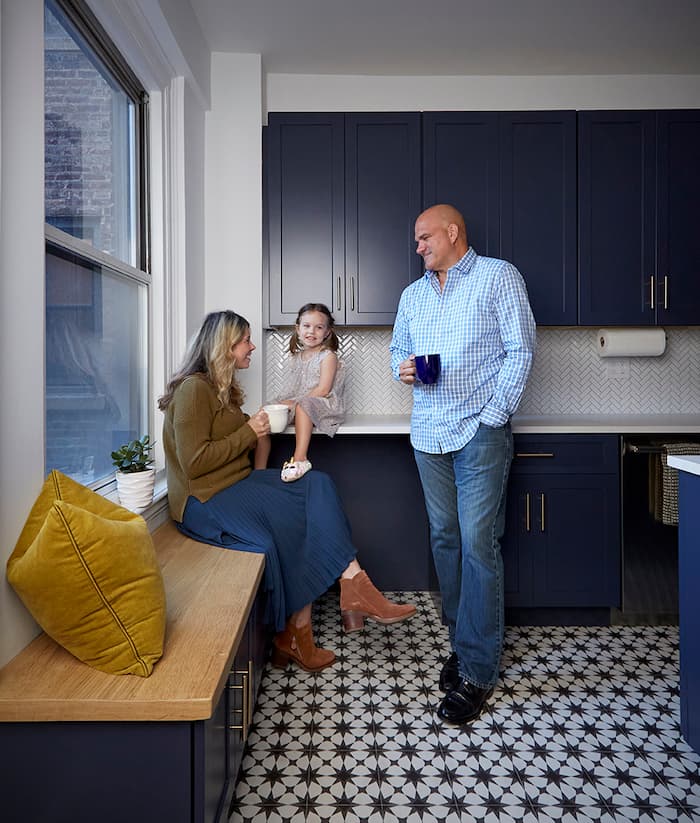
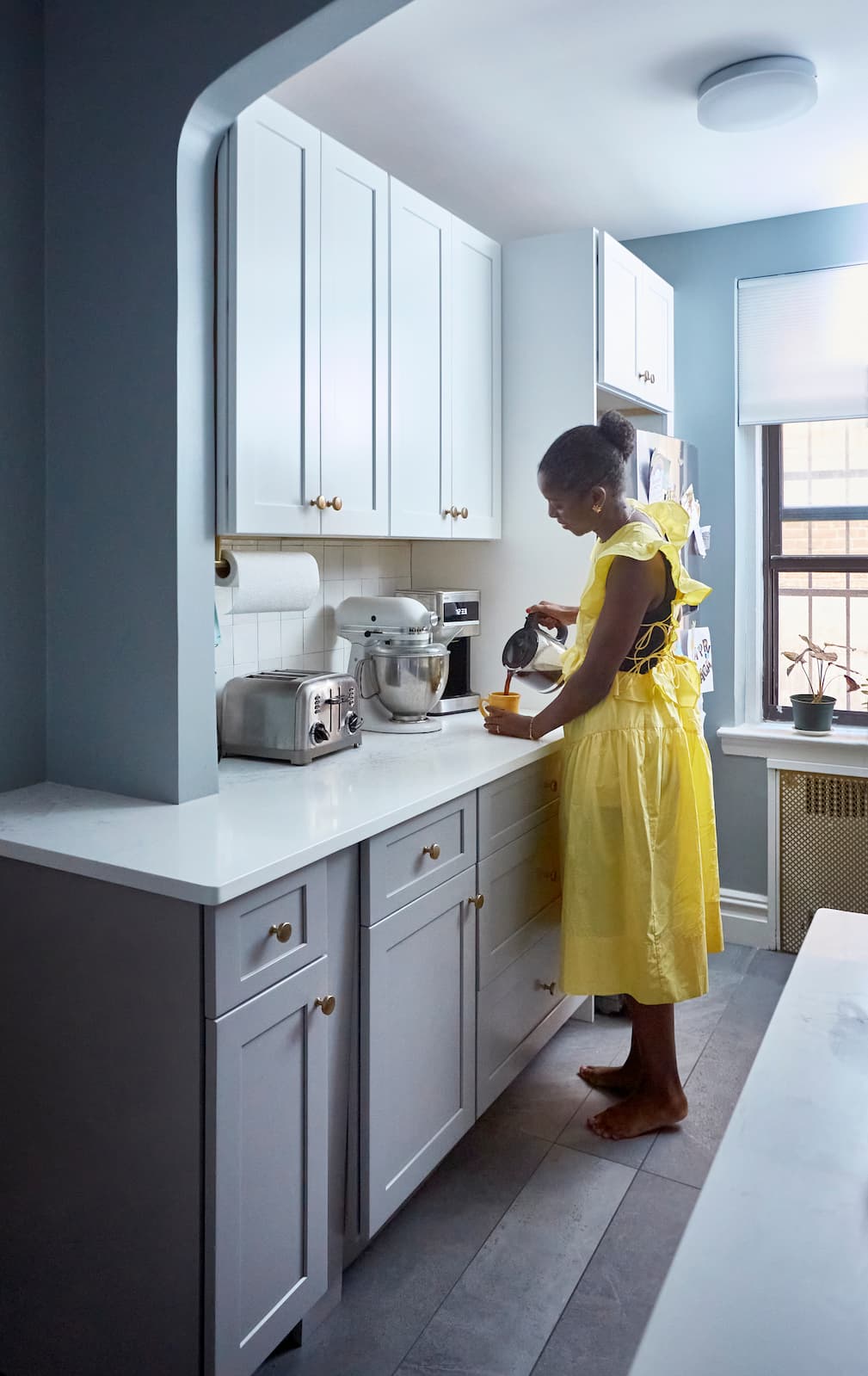
    Familty enjoying coffee in their newly renovated modern ktchen

    Enjoy peace of mind throughout your renovation

    Secure payment system puts you in control and protects your remodel

    Get Started

    Frequently asked questions

    Can I remove a load-bearing wall to open my kitchen?

    It can be possible to knock down load-bearing walls to open up your kitchen, but it requires proper planning. A load-bearing wall typically needs a beam or other structural support sized for the loads above, and that design work is usually done by a structural engineer. Your contractor should confirm what is load-bearing before demolition and plan for inspections. The cost and timeline impact can be significant, so it is worth comparing this option with alternatives such as widening a doorway or reworking cabinet runs.

    Should my Arlington contractor source materials, or should I buy them myself?

    Relying on your Arlington contractor to source most materials can reduce mistakes and simplify warranty and accountability, especially for items that require compatible rough-in parts, like valves and drains. When homeowners purchase materials themselves, it can work well for decorative items such as pendants or cabinet hardware, but it increases the risk of ordering the wrong sizes or missing install components. Timing is another factor: materials that arrive too early need storage, and late deliveries can stall trades. If you plan to self-purchase, align exact specifications and delivery dates with your contractor in writing.