
Design
Wainscoting vs Board and Batten: How to Choose
07.06.2026
03.13.2025


In This Article
When it comes to bathroom design, size really does matter. Whether you’re squeezing a powder room into a tiny urban apartment or dreaming up a spa-like oasis in your home, understanding bathroom dimensions is key to making the most of your space. But let’s be honest—figuring out the right size for everything from your shower stall to your vanity can feel like a complicated puzzle. That’s where this guide comes in.
Here we break down the numbers and turn them into something you can actually use. We’ll dive into the nitty-gritty of bathroom layouts, the must-know measurements, and how to balance style with function. Whether you’re planning a complete renovation or just tweaking your current setup, this guide will help you navigate the world of bathroom sizes like a pro.
When it comes to bathrooms, size is more than just a number—it’s the foundation for how the space will function, look, and even affect your home’s value. Let’s dive into why getting the dimensions right is crucial.
First and foremost, bathroom size impacts functionality. A cramped bathroom can turn your morning routine into a juggling act, with limited space for essentials like storage, maneuverability, and even comfort.
On the other hand, a well-sized bathroom allows for a layout that flows effortlessly, accommodating all the fixtures you need without making the space feel overcrowded. Think about it—would you rather fight for elbow room every time you brush your teeth or have a space where everything just works? The right size ensures your bathroom is not just a place you pass through but a space that serves you well, day in and day out.
Beyond functionality, size plays a major role in the overall aesthetics of your bathroom. A spacious bathroom offers more opportunities for design creativity, from luxurious soaking tubs to expansive double vanities. But even in smaller bathrooms, understanding the right dimensions can help you maximize visual appeal. Properly proportioned elements, like the right-sized tiles or a well-chosen mirror, can make a small space feel larger and more inviting. The key is balancing the elements so your bathroom looks as good as it feels to use.
Finally, let’s talk about property value. Bathrooms are one of the top areas potential buyers scrutinize, and size can be a dealbreaker. A well-sized, thoughtfully designed bathroom can significantly boost your home’s appeal and resale value. It’s not just about having a large bathroom; it’s about having one that feels well-planned and spacious, even if it’s on the smaller side. Investing in the right bathroom size and layout isn’t just about today—it’s a decision that pays off down the line.
Learn More: Designing a Small Bathroom with a Shower
Minimum Bathroom Sizes
Renovating a home can feel like piecing together a puzzle, especially when dealing with older houses that come with quirky layouts. Sometimes, the bathroom ends up being a tight squeeze, thanks to old-school designs or modern desires to create larger communal spaces without expanding the footprint of your home. If you’re thinking about tweaking your bathroom’s size to make room for something else—or if you’re just trying to figure out how small is too small—understanding the minimum bathroom sizes is essential.
Let’s break down the essentials for each type of bathroom so you can make smart decisions without sacrificing functionality or style.
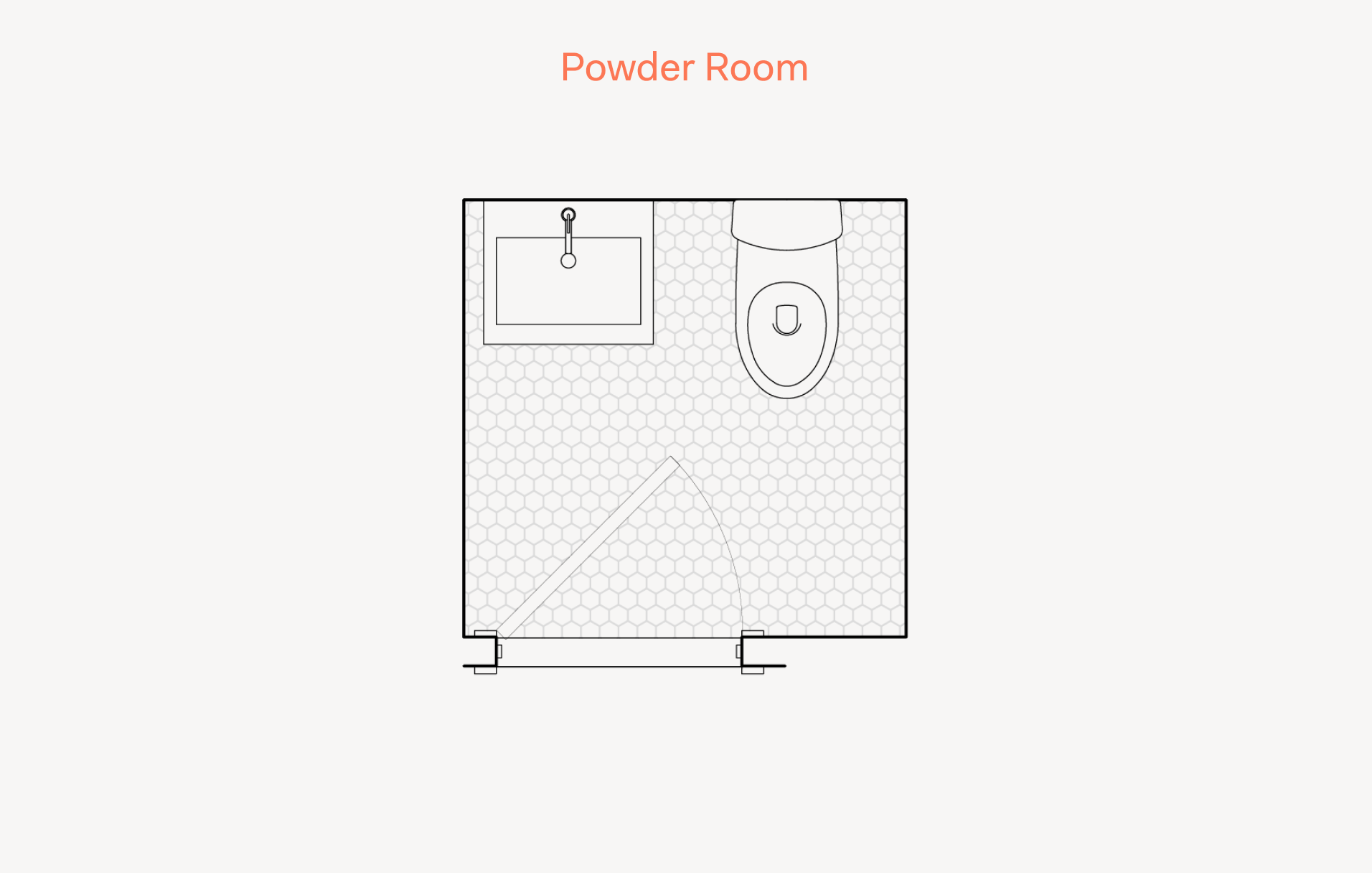
The half-bathroom, also known as a powder room, is the smallest type of bathroom you can design. It's usually just a toilet and a sink, making it perfect for guest use or as a convenient spot near living areas. At a bare minimum, a powder room needs to be around 15 square feet, which might sound tiny, but it’s enough to fit the basics. If you want to add a shower or a small tub, you’ll need to bump that up to 30–36 square feet. Remember, local building codes might have specific requirements, so it's always a good idea to check before you start tearing down walls.
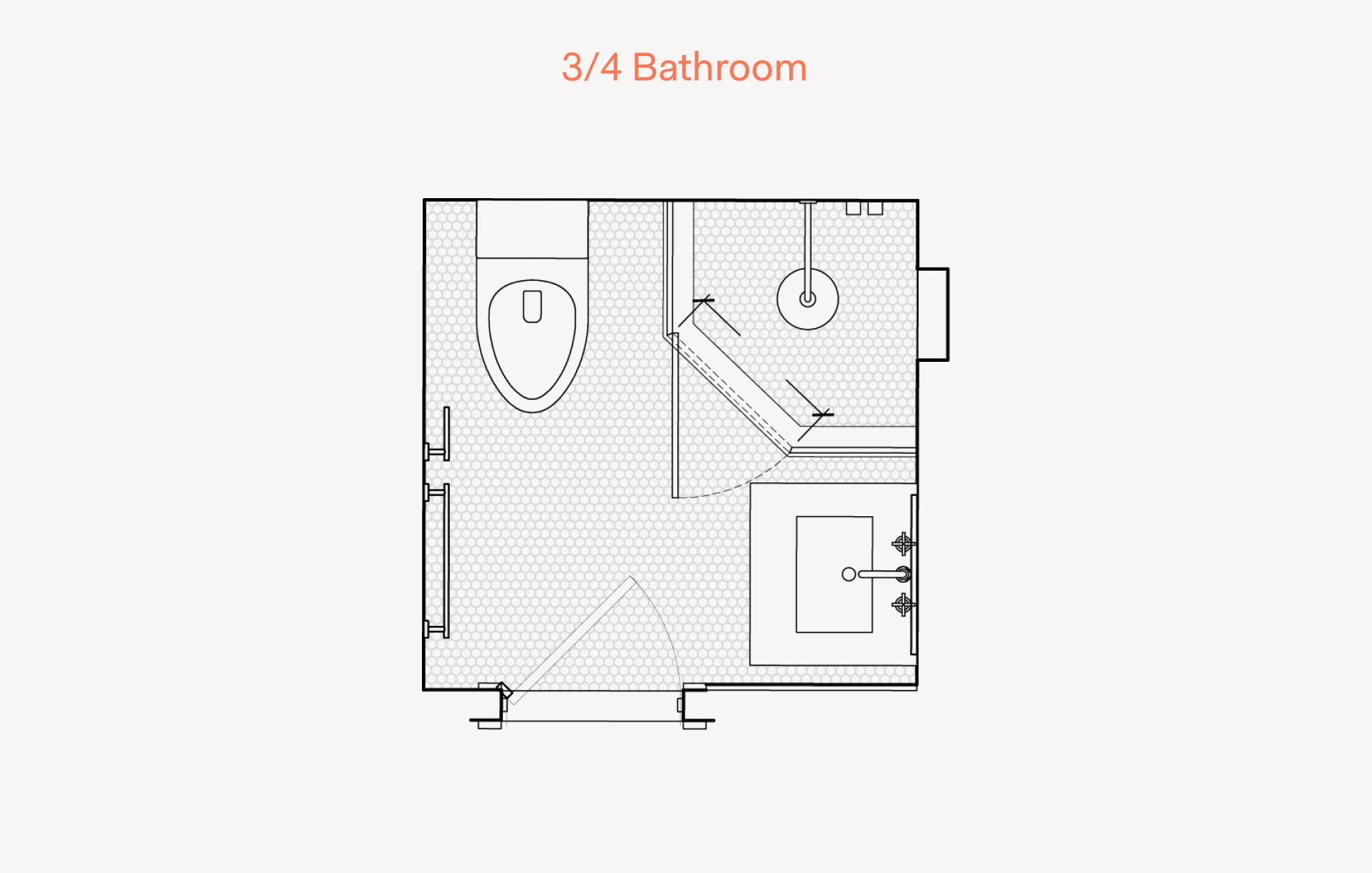
If you’re working with a bit more space, a three-quarter bathroom might be the way to go. This type of bathroom includes a toilet, sink, and either a shower or a tub, making it more functional for daily use, especially in guest rooms or smaller homes. The minimum size for a three-quarter bathroom is about 26–30 square feet. With a little creativity in layout, like placing the shower in a corner or opting for a slim vanity, you can make this space feel cozy but not cramped. This setup offers more versatility than a half-bath without taking up too much additional space.
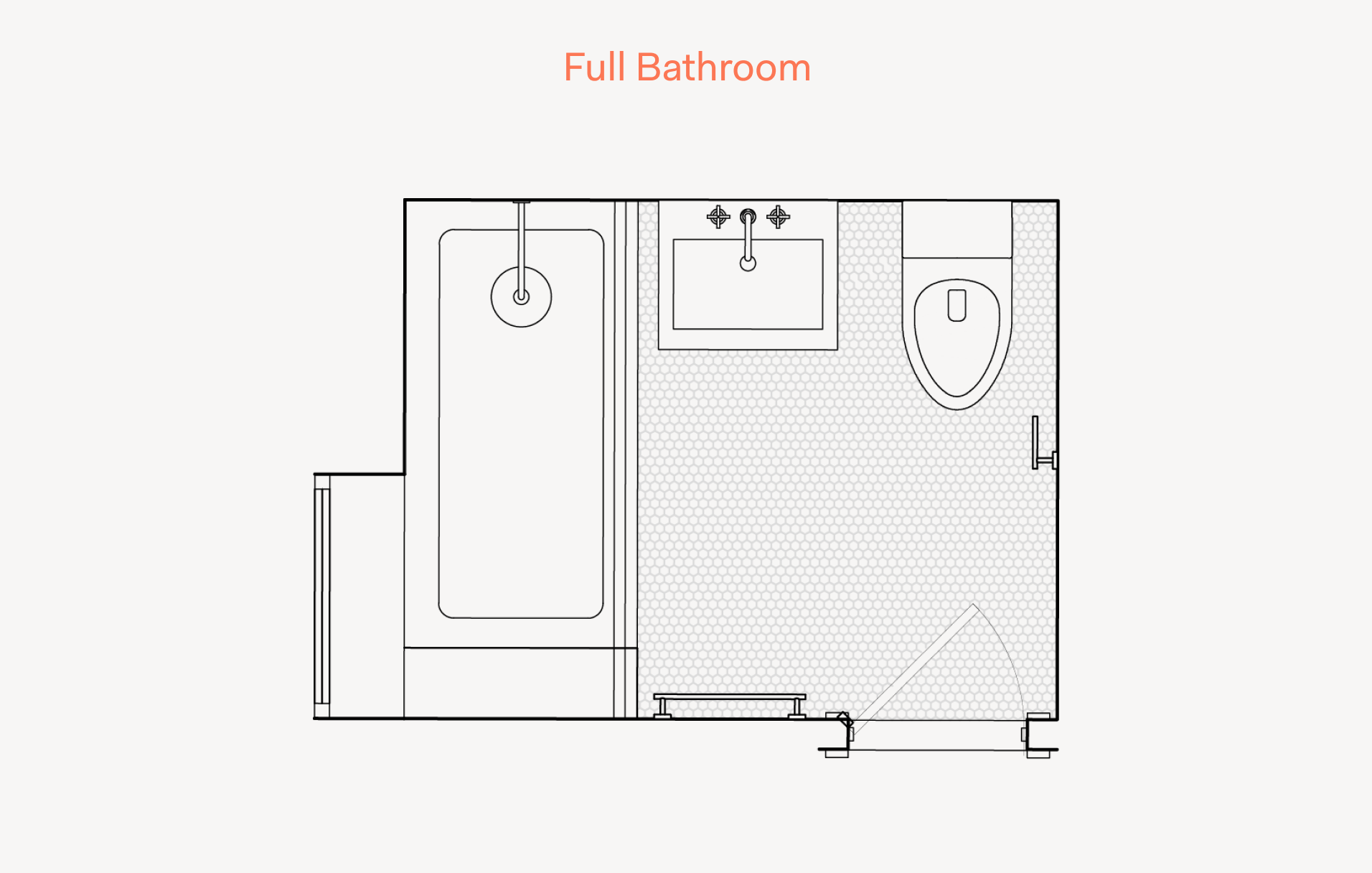
The full bathroom is where you get to have it all: a toilet, sink, shower, and bathtub. It’s the standard for most homes, especially for master bathrooms or family bathrooms. To fit all these fixtures comfortably, you'll need at least 36–40 square feet. In smaller homes or apartments, this might be the only bathroom, so maximizing every inch is crucial. A well-planned full bathroom can include all the essentials and still offer a bit of luxury, whether through a deep soaking tub, a double vanity, or some clever storage solutions. If your space allows, consider expanding beyond the minimum to include separate shower and tub areas, which can significantly enhance the room's functionality and feel.
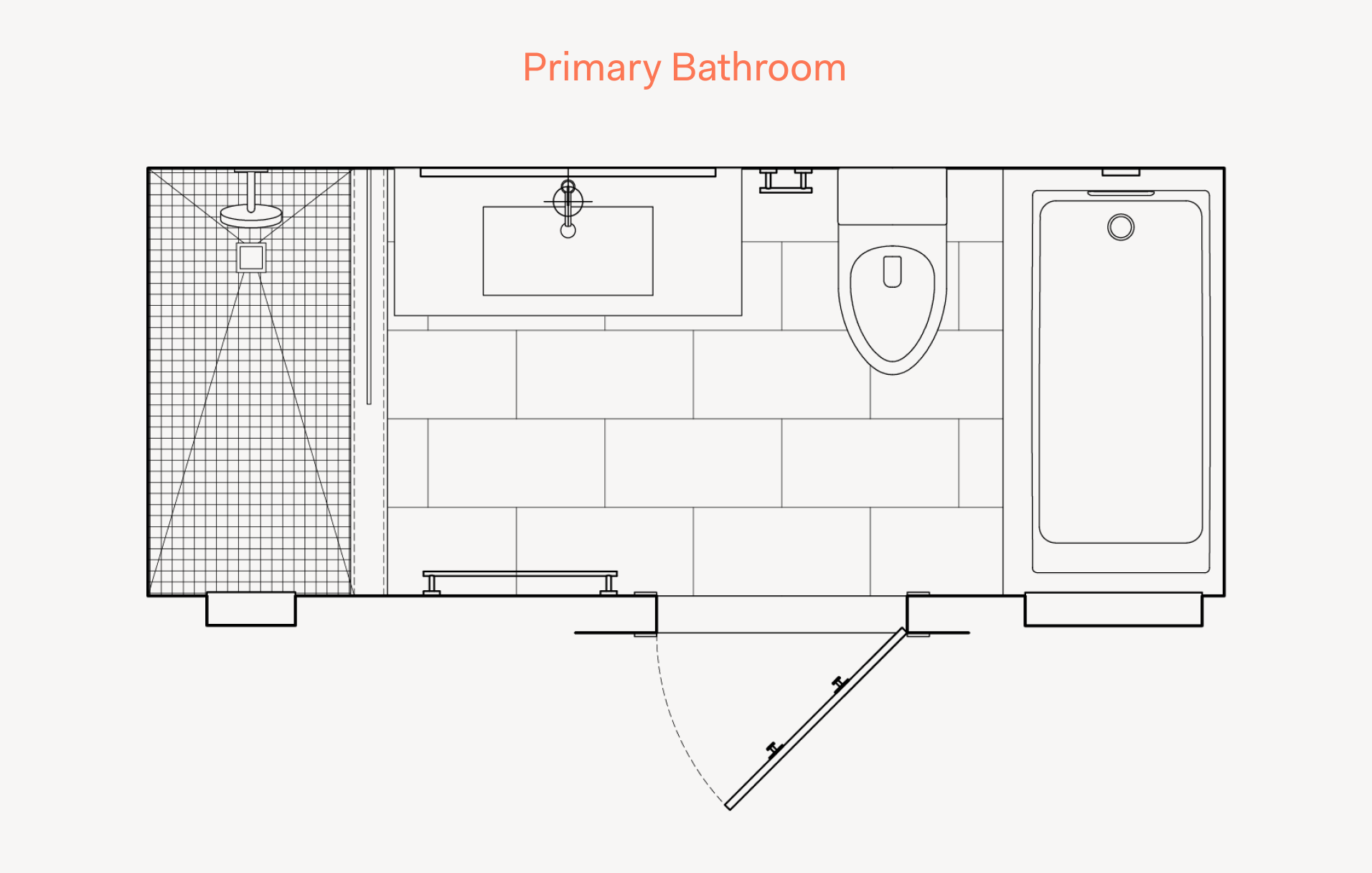
Primary bathrooms, typically attached to the main bedroom, can vary widely in size, from a modest 40 square feet to over 100 square feet in more luxurious setups. If you’re dreaming of adding a walk-in shower, plan for at least 36 square feet for the shower alone. For those looking to design an accessible bathroom, you’ll need at least 15 square feet of open space to allow for wheelchair maneuverability, as well as specific clearances for doorways and fixtures.
Knowing these minimum size requirements can help you make the most of your bathroom space, whether you’re downsizing to make room for more bathrooms or maximizing the footprint of a single one. With the right planning, even the smallest bathroom can be both functional and stylish, ensuring that every square foot counts.
Learn More: The Ultimate Guide to Bathtub to Shower Conversions
Before jumping into a bathroom renovation, it’s crucial to understand the average sizes for different types of bathrooms. Knowing these dimensions helps ensure your project meets your needs and stays realistic given your home's layout. Here's a breakdown to guide you.
A full bathroom typically includes a shower, bathtub, sink, and toilet. The average size for a full bathroom in a small home or apartment ranges from 36 to 40 square feet. This size is just enough to comfortably fit all the necessary fixtures without feeling too cramped. In larger homes, full bathrooms can range between 40 and 100 square feet, offering a bit more space for added comfort or design elements like a larger vanity or additional storage.
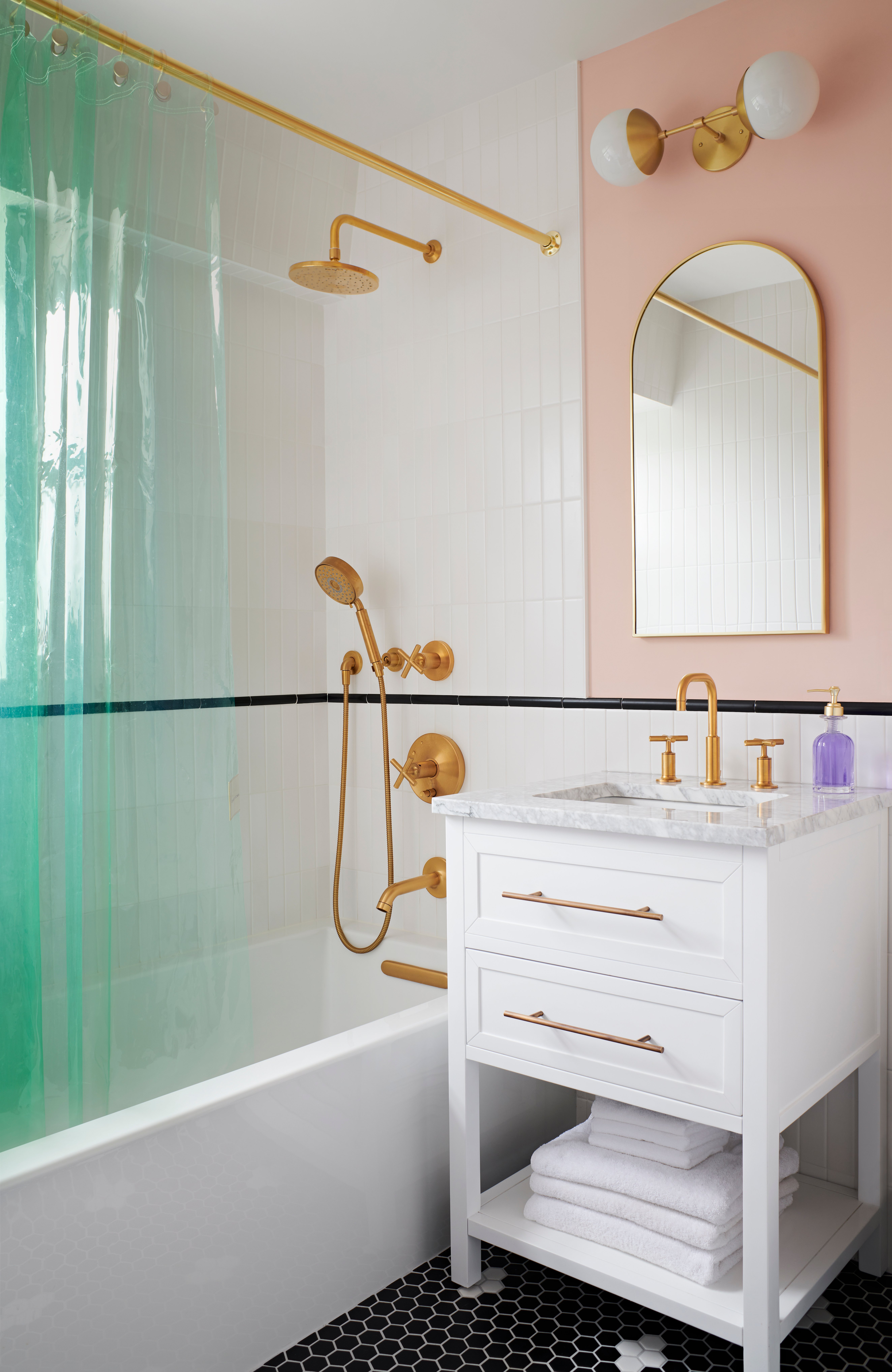
When it comes to primary bathrooms, size can vary widely, but they are generally more spacious to accommodate additional amenities. A small primary bathroom might start at 40 square feet, while the average size typically falls between 40 and 100 square feet. However, in more luxurious homes, primary bathrooms can expand to 110 to 200 square feet or even more, allowing room for features like double vanities, a separate soaking tub, a walk-in shower, and perhaps even a dressing area. This extra space can turn your primary bathroom into a true retreat within your home.
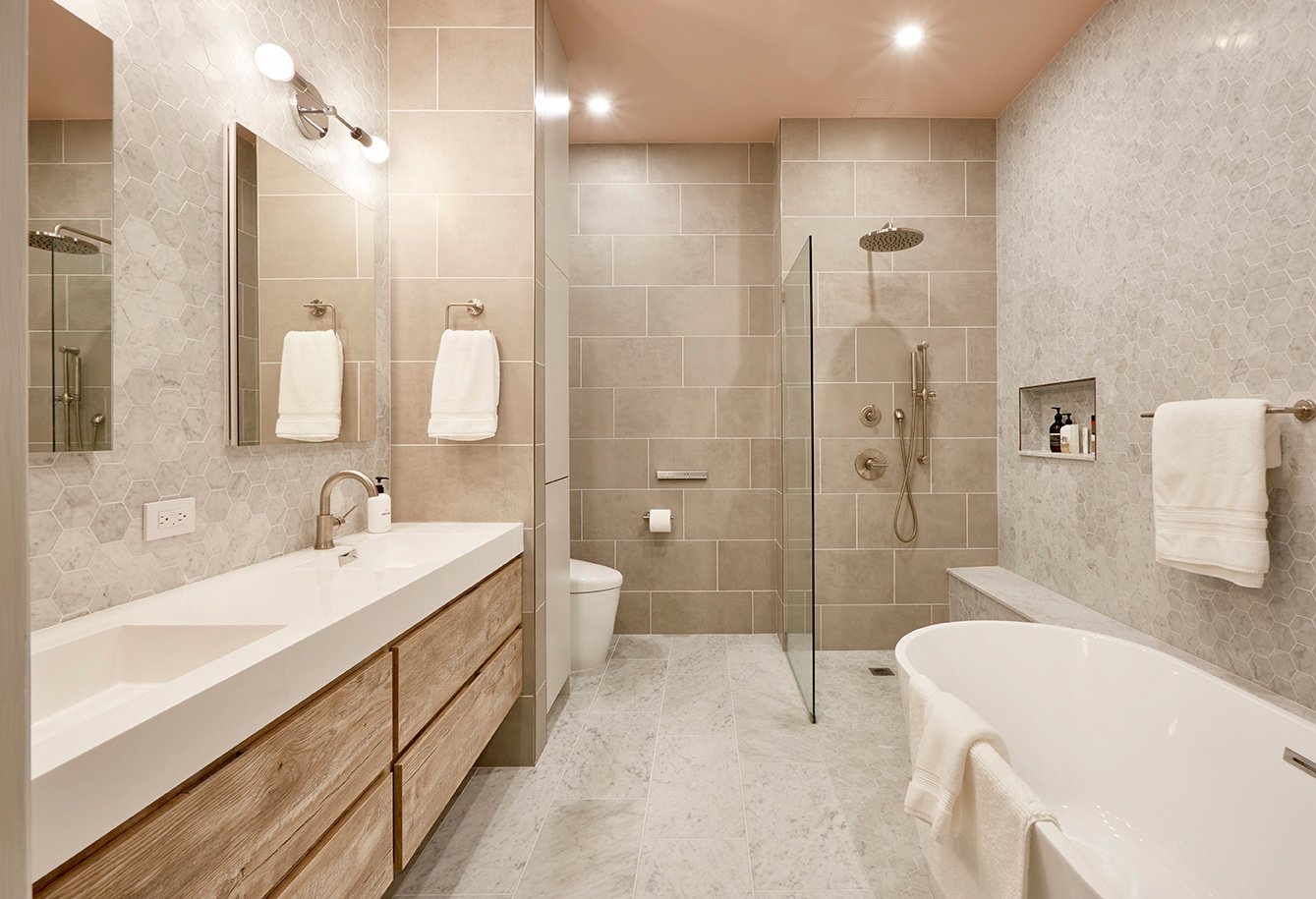
Whether working with a modest full bathroom or designing a spacious primary bath, understanding these average sizes helps you plan effectively and create a functional and beautiful bathroom.
Learn More: Navigating the Phases and Timelines of a Bathroom Renovation
Designing a luxury bathroom is about more than just having extra space—it’s about creating a sanctuary that combines comfort, style, and cutting-edge technology. Whether you’re dreaming of a spa-like retreat or a sleek, modern space, understanding the dimensions and features that define a luxury bathroom can help you bring that vision to life.
Let’s start with the size. Luxury primary bathrooms are typically much larger than standard ones, offering ample space to include high-end features without feeling cramped. For instance, a 1-wall luxury primary bathroom layout usually has a width of 17 to 20.5 feet and a depth of 5.5 to 6 feet. This gives you an overall floor area ranging from 94 to 123 square feet. These generous dimensions provide plenty of room for everything you might want in a high-end bathroom, from a spacious walk-in shower to a deep soaking tub.
Even a smaller bathroom has the potential to feel luxurious. It’s not just about size—it’s about the experience. High-end features like freestanding tubs, double vanities, and expansive walk-in showers are just the beginning. Imagine stepping into a shower with multiple showerheads, including a rain shower, body jets, and a handheld sprayer, all designed to give you a spa-like experience every day. Or picture a custom vanity with plenty of storage, topped with a marble or quartz countertop that exudes elegance.
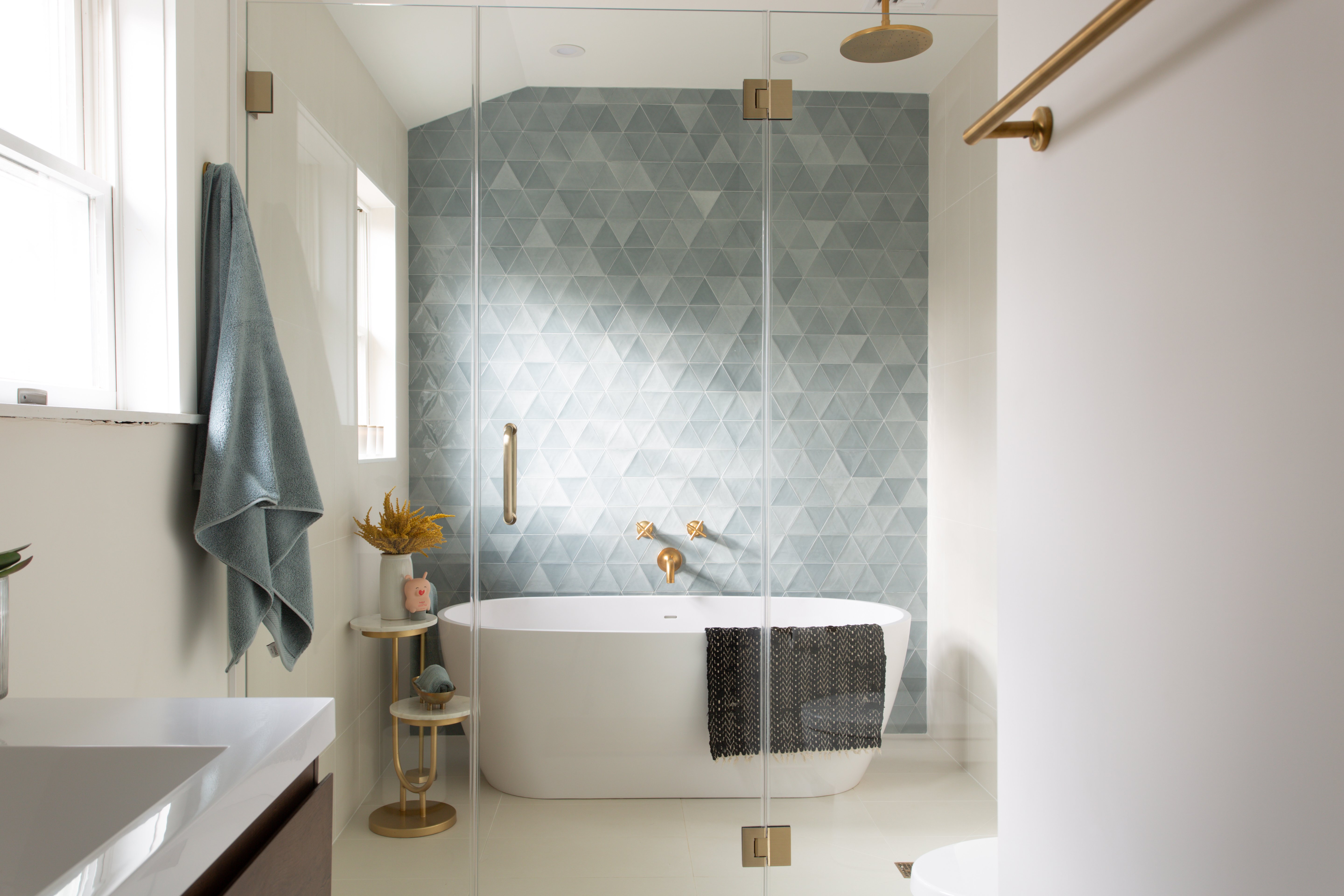
Then there’s the bathtub. In a luxury bathroom, this isn’t just a tub—it’s a statement piece. Freestanding tubs, often placed as the focal point of the room, are a popular choice. Whether you prefer a classic clawfoot design or a modern, sculptural shape, the right tub can turn your bathroom into a personal retreat.
No luxury bathroom is complete without the latest smart technology. Think heated floors that keep your toes warm on chilly mornings, mirrors with built-in lighting and anti-fog features, and smart showers that let you set the water temperature before you even step in. You can even integrate a smart toilet with features like seat warming, automatic flushing, and personalized settings for each user.
For those who love to stay connected, there are options like built-in speakers for your favorite tunes or a smart mirror that displays the weather, news, or even your calendar while you’re getting ready in the morning. With smart technology, your bathroom becomes not just a place to get ready but a space that enhances your daily routine.
Creating the ideal bathroom involves balancing multiple factors that directly influence the size and layout of the space. Whether you’re planning a compact powder room or a luxurious primary bath, understanding these influences will help you make informed decisions that suit your specific needs.
Your budget plays a pivotal role in determining the size of your bathroom. Larger spaces naturally require more materials—like tiles, fixtures, and cabinetry—which can quickly add up in cost. Additionally, a bigger bathroom means higher labor expenses due to the increased complexity of the project. If you’re working within a budget, you might need to prioritize certain aspects, such as opting for a smaller space but investing in higher-quality finishes. Alternatively, if budget constraints are less of a concern, you have the freedom to design a more expansive bathroom with premium features like a spacious walk-in shower or a freestanding tub.
The amount of available space in your home will significantly impact the size of your bathroom. If you’re working within the confines of an existing structure, the layout of your home will dictate how large your bathroom can be. In these cases, you might need to be creative with the design, utilizing every inch efficiently. For example, a narrow bathroom might benefit from a linear layout, while a small, square room could be ideal for a cozy full bath. However, if you’re building from scratch or undergoing a major renovation, you’ll have more flexibility to allocate space as you see fit. It’s important to consider how your bathroom’s size fits within the overall layout of your home to ensure a balanced and functional design.
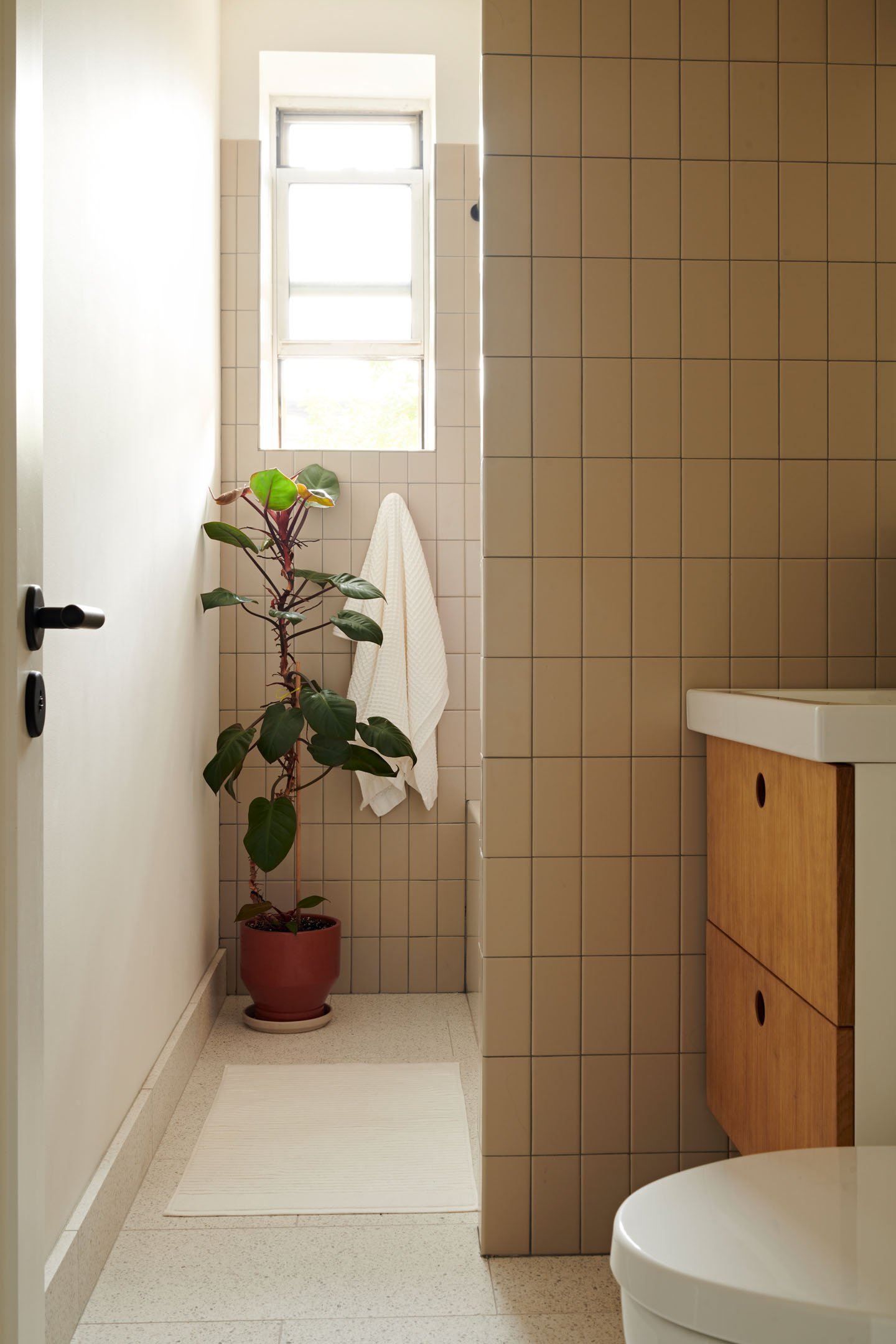
Your lifestyle and how you use your bathroom will also influence its size. For a busy household with kids, a larger bathroom with features like double sinks, ample storage, and separate shower and bath areas might be necessary to accommodate everyone’s needs. Conversely, if you’re designing a bathroom for a couple or an individual, the focus might be on creating a serene, spa-like environment with just enough space for essential features like a soaking tub and a walk-in shower. Your bathroom should reflect how you live and cater to your daily routines, ensuring it’s both practical and comfortable.
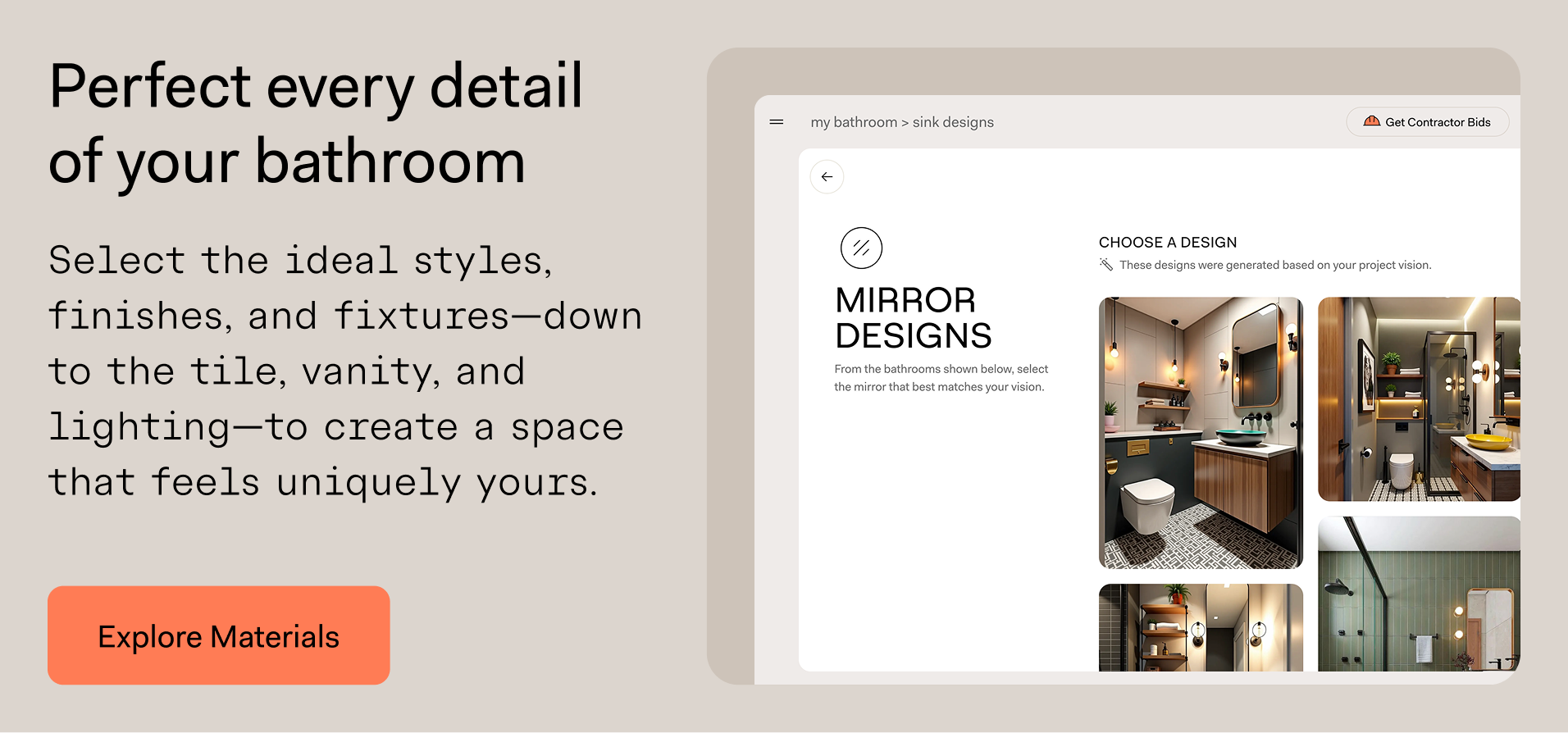
Design trends can shape your ideas about bathroom size, especially if you’re looking to incorporate modern features like open layouts, minimalist designs, and smart technology. The trend toward spacious, uncluttered bathrooms might inspire you to think bigger, but balancing these trends with what works best for you in the long term is essential. While it’s tempting to follow the latest styles, your bathroom should ultimately be a space that suits your tastes and lifestyle, even as trends evolve.

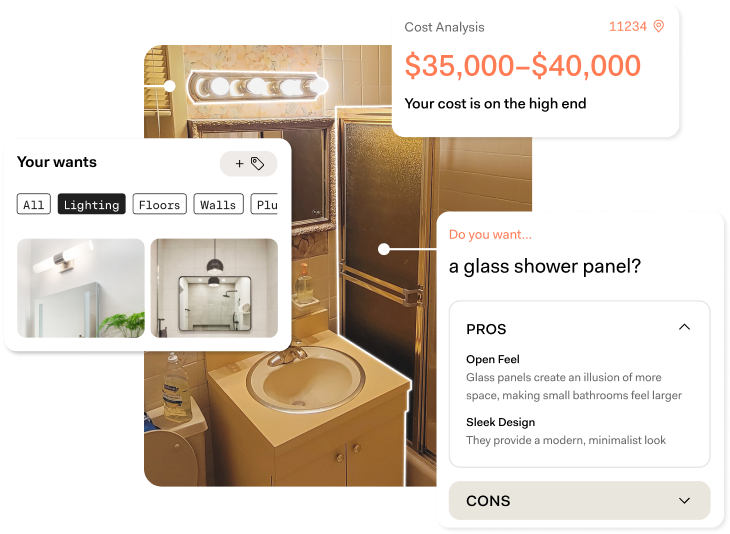
Calculate the true cost of your bathroom remodel
Get real-time cost estimates for materials and labor, so you can budget your renovation with confidence—no guesswork.
Design
Wainscoting vs Board and Batten: How to Choose
07.06.2026
Design
Open Concept Kitchen Remodel: The Right and Wrong Way
07.04.2026
Bathroom
A Small Bathroom Remodel in Jersey City and a Walk-in Shower
07.03.2026
Bathroom
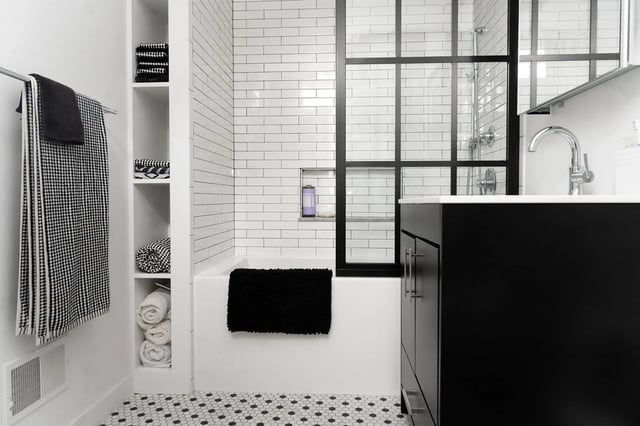
A Bathroom Remodel in an Older NJ Condo - Black and White
07.02.2026
Bathroom
Adding a Bathroom to the Second Floor: Cost Guide
06.23.2026