






Architectural Styles
Raised Ranch Remodel Ideas: Challenges & Tactics
07.16.2026
01.02.2026


In This Article
A shotgun house may be narrow, but it has a personality all its own. With rooms arranged in a straight line from front to back, this classic layout has long been part of neighborhoods across the southern United States, especially in cities like New Orleans, Houston, and Charleston. Built for efficiency and airflow, shotgun houses make smart use of small lots and often feel bright, breezy, and connected—qualities that continue to draw homeowners to them today.
Living in a shotgun house, however, can come with a few practical challenges. The linear layout can limit privacy, storage, and flexibility as lifestyles change. That’s where a thoughtful shotgun house renovation comes in. With the right updates, remodeled shotgun houses can feel just as comfortable and functional as they are charming, proving that this historic style can adapt beautifully to modern life.
Because rooms in a shotgun house align in a straight sequence, small remodeling decisions have an outsized effect on how the home feels. Improving flow is less about increasing square footage and more about reducing friction between spaces, guiding movement naturally, and maintaining visual continuity from front to back.
Built-in storage is one of the most effective tools in a shotgun house remodel, helping control clutter without shrinking usable space.
Floor-to-ceiling cabinetry: Tall storage draws the eye upward while maximizing capacity in narrow rooms.
Custom cabinet solutions: When space is limited, the added cost of custom cabinets is worth it. Not only can a designer configure the storage to fit your home, but can also incorporate unique features tailored to specifically how you want to use the space.
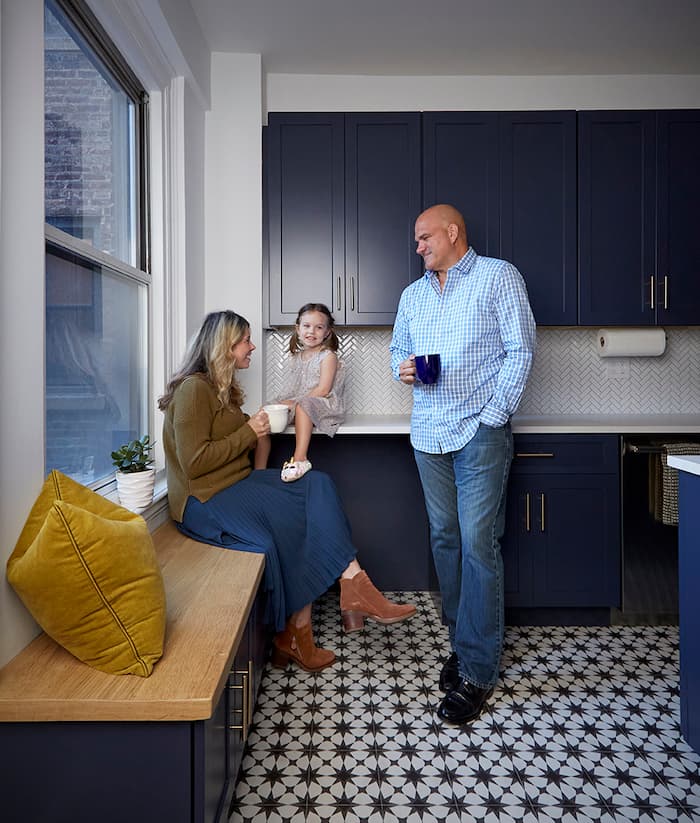
Window seats and banquettes: Seating with concealed storage adds function without crowding the floor plan.
Underutilized areas: Alcoves, wall recesses, and under-stair zones can be converted into practical storage zones.
Light plays a central role in making remodeled shotgun houses feel more expansive.
Consistent flooring: Using the same flooring material throughout strengthens sightlines and minimizes visual breaks.
Reflective finishes: Light-colored walls, mirrors, and subtle sheen finishes help bounce light deeper into the home.
Interior glass elements: Glass-paneled doors or transoms allow daylight to travel between rooms without fully opening walls.
One helpful trick for shotgun home remodels? Draw attention upward to help counteract the narrow footprint. Incorporate strategies like exposing or highlighting ceiling beams, extending cabinetry to the ceiling, adding vertical paneling or shiplap, and using pendant lighting or wall sconces to emphasize height rather than width. For more inspiration, read our guide to creative ceiling ideas.
Design a Home That’s Uniquely Yours
Block can help you achieve your renovation goals and bring your dream remodel to life with price assurance and expert support.
Get Started
Open layouts are common in a renovated shotgun house, but clear zoning remains essential for daily comfort. Area rugs, ceiling treatments, and furniture placement help distinguish living, dining, and work zones without interrupting flow.
Lighting choices also play a role—pendants, sconces, and recessed fixtures can subtly define how each area is used. This approach allows remodeled shotgun houses to feel cohesive while still supporting multiple functions.
Renovation cost calculator
Start with a realistic budget
Get an initial estimate based on your space and project details.
Outdoor areas often become valuable extensions of the home during a shotgun house renovation. Even small exterior spaces can meaningfully increase livability when designed with intention.
Porch upgrades: Expanding or refinishing a front or rear porch creates a comfortable area for relaxing or entertaining. Covered porches also improve usability in warm or rainy climates.
Courtyard-style side yards: When lot width allows, side yards can be transformed into private courtyards that bring light and air into adjacent rooms.
Outdoor kitchens or grilling zones: Adding basic utilities outdoors supports entertaining without crowding the interior, especially in narrow homes with limited dining space.
Storage sheds or enclosed patios: Detached or semi-enclosed structures provide storage or flexible use without sacrificing interior square footage.
Landscaping for privacy: Strategic planting, fencing, or screens help define outdoor areas and create separation from neighboring properties.
A successful renovated shotgun house respects the home’s origins while adapting it for present-day living. Preserving original elements—such as resurfacing or refinishing wood floors, ceiling heights, trim, or façade details—maintains architectural integrity.
Modern updates, including updated kitchens, bathrooms, and mechanical systems, can be introduced in ways that feel complementary rather than disruptive. Many renovated shotgun houses achieve this balance by keeping original proportions intact while improving comfort and performance behind the scenes.
Kitchens and bathrooms are common priorities in remodeled shotgun houses. Updating plumbing, fixtures, and layouts improves everyday usability. Compact, well-organized designs often perform better than larger but poorly planned spaces.
Replace dated fixtures with refined, contemporary profiles: Swapping bulky faucets and ornate hardware for slimmer, streamlined designs updates the space visually while improving ease of use.
* Introduce integrated appliances and concealed storage: Panel-ready appliances and pull-out organizers keep kitchens feeling calm and uncluttered, which is especially valuable in narrow layouts.
Use modern materials with subtle texture: Matte finishes, slab-front cabinetry, and softly veined stone or porcelain add depth without visual noise.
Layer lighting with precision: Recessed ceiling lights paired with focused task lighting support daily routines while creating a cleaner, more modern atmosphere.
Improve ventilation and moisture control discreetly: Quiet exhaust fans and integrated ventilation systems protect finishes and comfort without drawing attention to mechanical elements.
When additional space is needed, rear or vertical shotgun house additions are often the most practical solutions. These additions can accommodate bedrooms, bathrooms, or flexible living areas without altering the home’s street-facing presence. Careful planning ensures new construction aligns with the original footprint and proportions.
A second consideration is how additions affect light and circulation. Positioning new rooms to preserve rear windows or adding skylights can prevent the home from feeling darker or more compressed. When designed carefully, shotgun house additions expand livability while maintaining a sense of continuity between old and new. For more insights, read our guide to home addition costs.
Shotgun homes often feature large windows aligned along the length of the house to support airflow and daylight. Over time, these windows may become inefficient, drafty, or difficult to operate. Investing in high-quality replacements improves insulation and sound control while preserving the home’s appearance. In a shotgun house remodel, well-chosen windows contribute to comfort without compromising character.
Many older shotgun houses lack adequate insulation, leading to uneven temperatures. Adding insulation during a shotgun house renovation helps regulate indoor comfort and reduce energy costs. Zoned HVAC systems are especially useful for long, narrow layouts.
Because rooms connect directly, sound travels easily in shotgun layouts. Solid-core doors, acoustic insulation, and soft finishes can significantly improve privacy. These changes are subtle but make a renovated shotgun house more comfortable for multiple occupants.
A successful shotgun house remodel requires experience with older structures, narrow footprints, and local building requirements. Block Renovation connects homeowners with vetted, licensed contractors who understand these challenges.
The process begins with planning tools to clarify scope and budget, followed by curated contractor matches and side-by-side proposal reviews. Throughout construction, Block supports homeowners with expert guidance, secure progress-based payments, and clear communication—helping keep renovations on track from first plans to final walkthrough.
Remodel with confidence through Block

Connect to vetted local contractors
We only work with top-tier, thoroughly vetted contractors

Get expert guidance
Our project planners offer expert advice, scope review, and ongoing support as needed
Enjoy peace of mind throughout your renovation
Secure payment system puts you in control and protects your remodel

Renovate confidently with Block
Easily compare quotes from top quality contractors, and get peace of mind with warranty & price protections.
Architectural Styles
Raised Ranch Remodel Ideas: Challenges & Tactics
07.16.2026
Architectural Styles
Craftsman Bungalow Renovation Ideas & Practicalities
07.09.2026
Architectural Styles
Remodeling a 1920s House Without Losing Its Style
07.07.2026

Architectural Styles
Colonial Home Renovation: What to Modernize & Preserve
07.05.2026
Architectural Styles
Split Level Home Exterior Remodel: Images & Tips
05.15.2026