



Cost
The Cost of Building a Walk-In Shower
05.22.2026
05.22.2025


In This Article
Most homeowners want to do more to their house than the budget covers, so the first real decision is which project to tackle now and which to put off. The answer depends on how long you plan to stay. In a forever home, you can rank the list by whatever you will love living with. If a sale is anywhere on the horizon, return on investment is the better way to choose, because it shows what a project is likely to give back against what it costs.
The return is rarely the full amount, though, and on some projects there is none at all. Devin Henry, the president of Nomadic Real Estate, shared an experience that demonstrates this point perfectly.

We listed a property where the owner turned their dining room into a zen garden with tiled floors and a water feature that cost about $14k to install. Every buyer that stepped into that home could not get past that room and thought of it as a restoration project instead of a dining room. The home sat on the market for 47 days with no offers.
What ended up happening to that homeowner? Nomadic Real Estate suggested to the seller to take out the zen garden and create a basic dining room. Afterwards, it only took 11 days for them to receive a contract at the asking price.
The takeaway for readers is that not every home renovation carries an equal return on investment. Below, we detail which updates will add the most value and pitfalls that can hurt future resales.
Every renovation that adds value to your home does the same basic thing: it appeals to a wide range of buyers instead of one person's taste. A buyer pays for a layout that works and a house that looks cared for. The exterior sets their price expectation before they ever step inside. Lower energy bills count too, since that is money they would otherwise spend every month. A renovation shaped around your own taste rarely pays you back. The next owner does not value it the way you do.
The right priority list depends on who uses the home, both now and after you. Right now, two groups are doing most of the buying. According to the National Association of Realtors, baby boomers now make up 42% of buyers and 53% of sellers, and Generation X leads every group in buying multigenerational homes to house aging parents and adult kids under one roof. Younger millennials, by contrast, are mostly first-time buyers chasing older homes that need updating.
Start with your home's size and location, since they tell you who your future buyers are. A tight downtown condo or townhouse draws a different audience than a sprawling ranch in the suburbs.
|
Household type |
What they prioritize |
Renovations that deliver |
|
First-time buyers and young families |
Move-in-ready space and lower running costs |
Minor kitchen refresh, updated main bath, energy upgrades |
|
Growing and multigenerational households |
Room for more people and separate living zones |
Finished basement, in-law suite or ADU, an added bathroom |
|
Downsizers and aging-in-place buyers |
Single-level living and low upkeep |
Walk-in shower, wider doorways, main-floor primary suite |
Climate settles a couple of these outright. An in-ground pool adds value across the Sun Belt and subtracts it in cold northern markets, where it sits covered half the year and becomes upkeep a buyer would rather avoid.
The 2025 Cost vs. Value Report ranks dozens of common projects by national return, and the result is lopsided. Eight of the top ten are exterior replacements, and the three best each return more than double what they cost.
|
Project |
Typical national cost |
Average resale ROI |
|
Garage door replacement |
About $4,700 |
268% |
|
Steel entry door replacement |
About $2,400 |
216% |
|
Manufactured stone veneer |
$10,000 to $11,000 |
208% |
|
Minor kitchen remodel |
$27,000 to $32,000 |
Just over 100% |
|
Basement remodel |
$40,000 to $60,000 |
71% |
|
Midrange bathroom remodel |
$25,000 to $40,000 |
60 to 75% |
Region moves these numbers more than anything else. A backup generator clears 100% ROI in hurricane-exposed Gulf and Southeast markets and trails badly in the dry Mountain West. The basement remodel is the steady exception, holding within 14 points of its national figure in every region. Pull three recent sales in your zip code with the same upgrade before you trust any national average.
The inexpensive exterior swaps near the top beat almost every big interior project on return, and the only interior remodel that keeps pace is a minor kitchen update that costs a fraction of a full renovation. The pricier the project, the more its payoff depends on personal taste, and the returns fall as the budgets rise.
The honest version of all this is less flattering. Outside those cheap exterior swaps, a renovation is money you spend to live better, and you get only part of it back at resale. Use these numbers to decide what to do first. They are a poor reason to take on a project you did not already want.
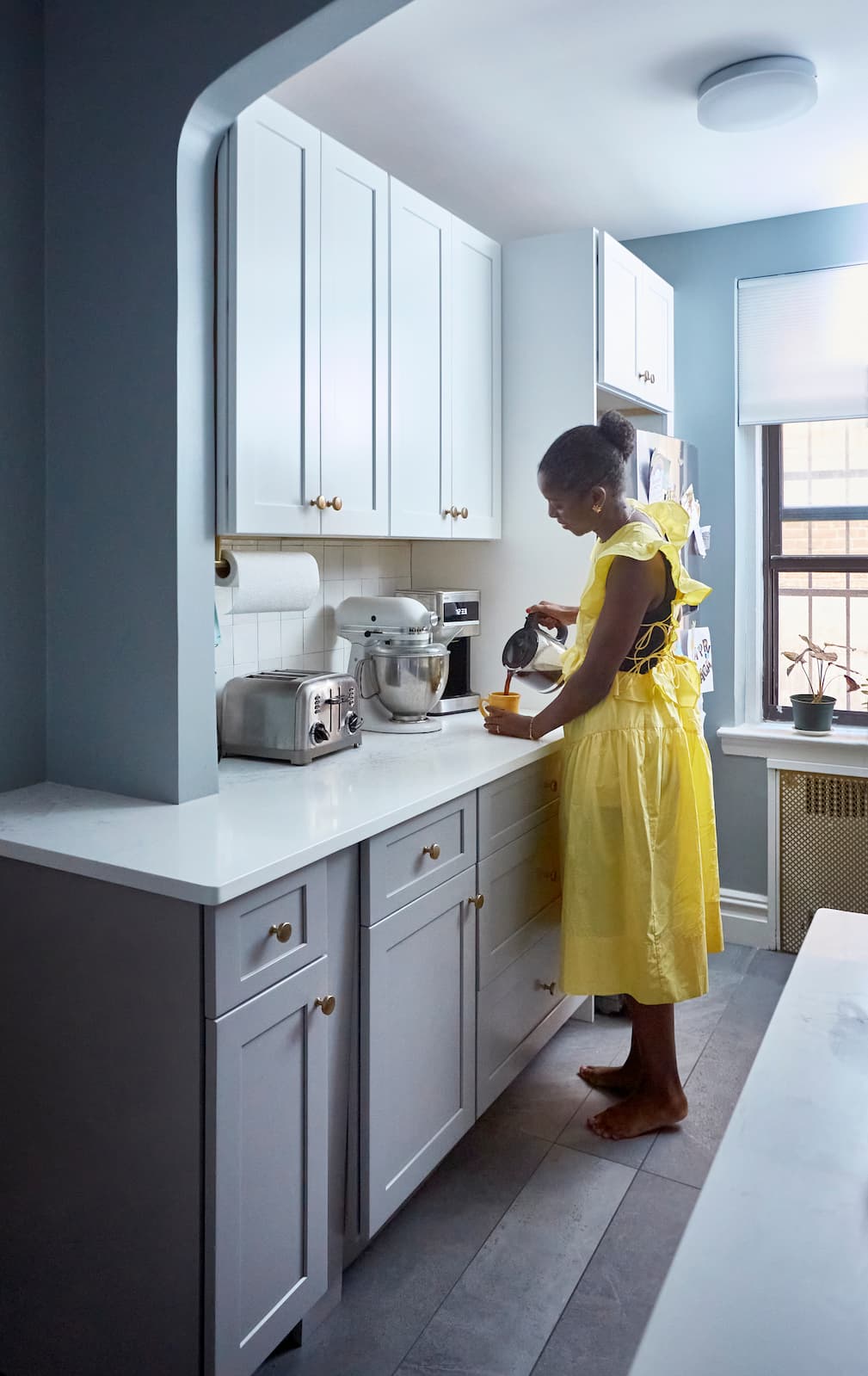
Buyers judge a kitchen faster than any other room. It is also the easiest place to overspend on a return that is not there. You have probably heard that kitchens and bathrooms add the most value, and that advice is only half right. It names the correct rooms, then steers people into the gut renovations that return the least. What sells a kitchen is how fresh it looks, and a bigger budget rarely buys more of that at resale. So match the scope to what the house and the neighborhood support, and keep the money on what people see.
A minor remodel keeps the existing footprint and updates only what people notice. It returns more than any other interior project.
A full renovation makes sense when the layout genuinely does not work or you plan to stay for years. Returns drop fast once you move plumbing, gas, and walls, and an upscale kitchen often recoups less than 60% at resale.
Spend the money if you will enjoy it for a decade, and treat the resale return as a partial rebate on that enjoyment. For the full breakdown, see our kitchen remodel ROI guide.
Buyers hold a dated bathroom against the whole house, and a midrange remodel that fixes it returns 60 to 75% in most markets.
The biggest gains come from the visible updates that leave the plumbing where it is: new fixtures, a fresh vanity, better lighting, and neutral tile on the floor and shower surround. A second sink is worth adding in a shared bath, since one sink between two people wears thin during the morning rush. None of it moves a drain. That is what keeps these updates cheap.
Keep at least one bathtub in the house. Families with young kids screen out homes without one, so pulling the last tub for a walk-in shower can shrink your buyer pool. In a primary bath where another tub exists elsewhere, a large walk-in shower is a strong upgrade and often the better use of the space.
If the tub or tile is dated but sound, refinishing costs far less than ripping it out. Reglazing an existing tub runs about $300 to $600 against several thousand for a full tear-out, and it clears years of wear in a day.
If you are keeping an eye on ROI, a few tub and shower upgrades are worth avoiding. Jetted and whirlpool tubs cost thousands and sit unused in most homes, and buyers tend to notice the cleaning and the motor repairs more than the luxury. Oversized garden tubs take up floor space that buyers would rather see go to the shower. Steam showers and multi-jet spa systems run into the thousands and rarely return what they cost, and their appeal is too narrow to pay off in most homes.
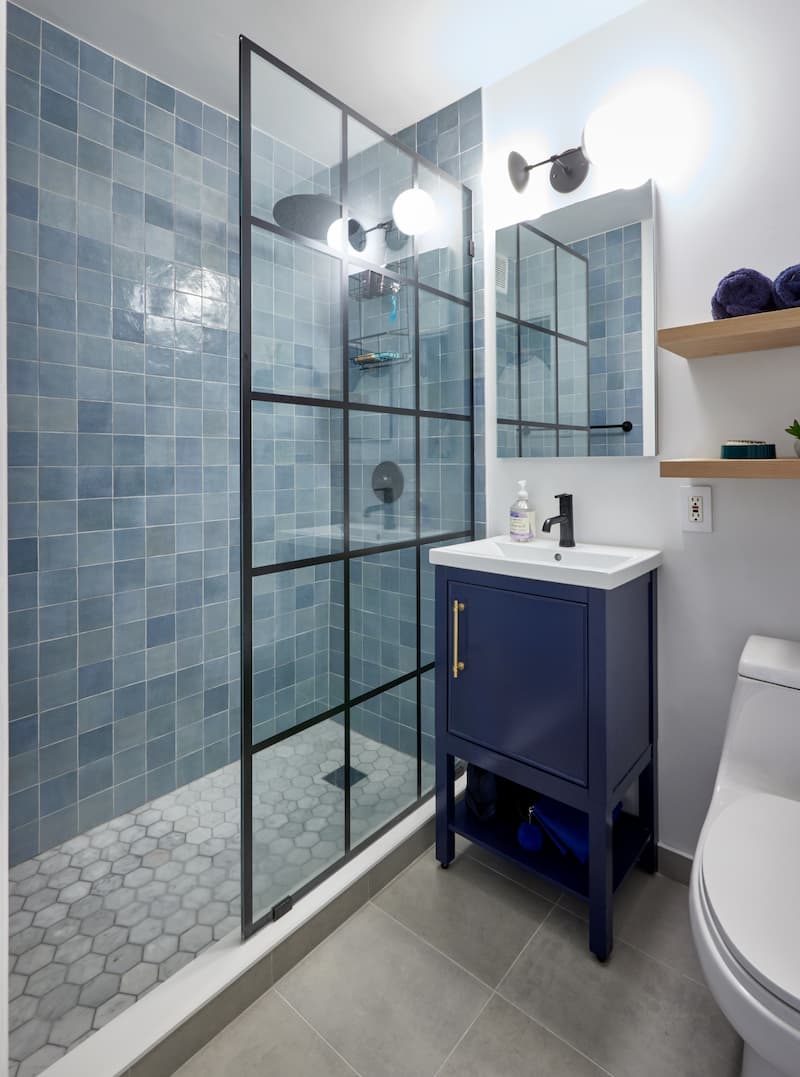
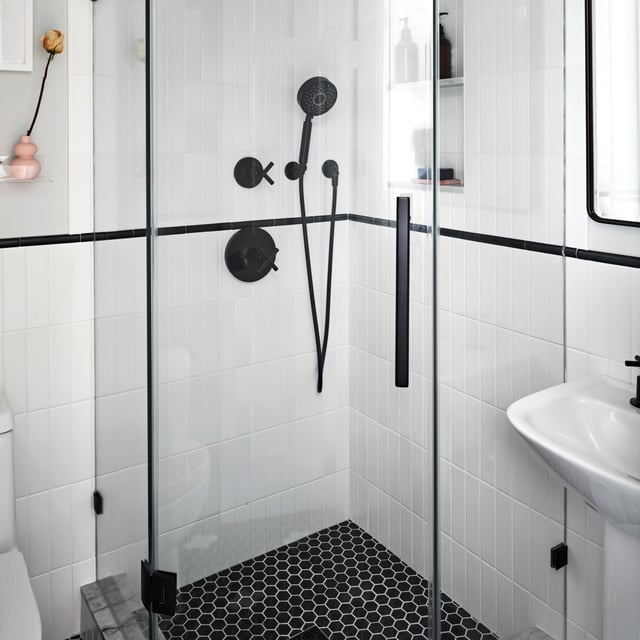
Walk-in showers with no threshold, blended grab bars, and wider doorways were once seen as features for older buyers only. They now return about 61% on average, back to pre-pandemic levels in the 2025 report, and they widen the range of people who can use the house comfortably. See our guide to aging-in-place upgrades for the full list.
There is a limit to how personal it should get. The more a bathroom reflects one specific style, the fewer buyers can picture themselves using it. We asked Sandra Daniels, a real estate expert in East Cobb, Georgia, what she sees stall a sale.

I'm also cautious about highly personalized renovations. Bold bathroom designs, unusual tile selections, and trendy fixtures may reflect a homeowner's taste, but they can limit buyer appeal. The most successful renovations tend to be timeless rather than trendy.
Pick finishes a buyer can live with for years, and save the bold choices for things that are cheap to undo, like paint and hardware.
Every exterior project in the top three returns more than double its cost. The front of your house is the best place to put a small budget. A buyer has half-decided what your house is worth before they reach the front door.
Landscaping returns best when it stays simple. Clean edges, a few native shrubs, and tidy ground cover show upkeep without committing a buyer to a garden they have to maintain.
High utility bills make energy upgrades an easy sell, and several qualify for federal tax credits or local rebates that cut the net cost.
Adding usable space inside the footprint you already have is a reliable way to raise value, and it costs far less than building out. A finished basement is the most consistent of the three. It returns about 71% nationally, and the figure changes little from region to region. An accessory dwelling unit, the self-contained living space some homeowners add over a garage or in a basement, pays off where rents run high and permitting is clear, but its return swings widely everywhere else. An attic is worth converting in markets where space is scarce, though it usually needs structural reinforcement before anyone can live in it.
Every one of these runs through permits, and most need egress, insulation, and a heating and cooling plan before they pass. Skip that and the space will not pass the inspection that makes it count. See our basement conversion cost guide for permit and waterproofing details.
These returns all assume the work is done well and the price is fair, which is far from guaranteed. Block matches you with vetted local contractors who compete for your project. Every scope gets reviewed to catch missing line items before they become change orders, the mid-project additions that wreck budgets. Payments release only as approved work gets done, so your contractor stays on schedule.
Compare quotes from top local contractors and get matched to start your project.
Remodel with confidence through Block

Connect to vetted local contractors
We only work with top-tier, thoroughly vetted contractors

Get expert guidance
Our project planners offer expert advice, scope review, and ongoing support as needed
Enjoy peace of mind throughout your renovation
Secure payment system puts you in control and protects your remodel

Renovate confidently with Block
Easily compare quotes from top quality contractors, and get peace of mind with warranty & price protections.
Cost
The Cost of Building a Walk-In Shower
05.22.2026

Cost
How America Renovates 2026: The State of US Renovations
04.06.2026
Finance
With Lower Interest Rates, Is Now a Good Time to Renovate?
09.18.2025

Finance
Smart Ways to Finance a Home Addition
09.18.2025
Contractors
Half Bathroom to Full Conversion: Costs, Permits & Designs
08.02.2025