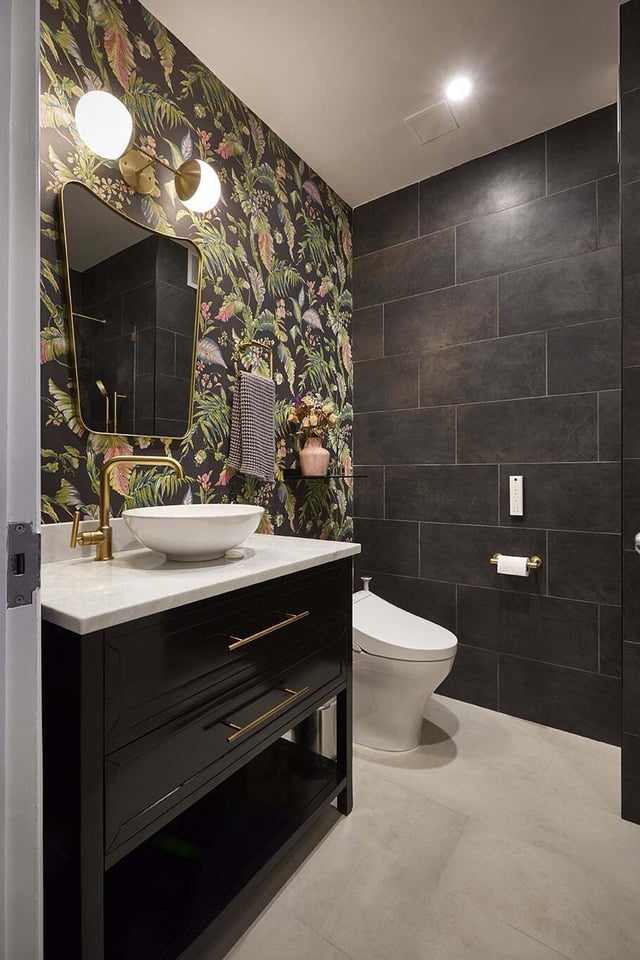
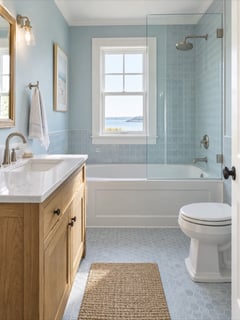
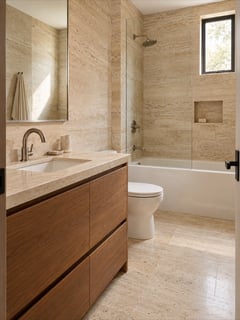
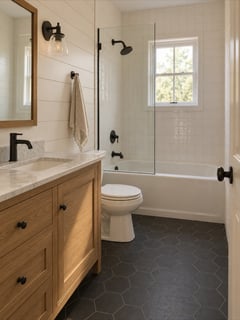



Your Complete Guide to a Bathroom Remodel in St. Louis, MO

Budget your upcoming St. Louis bathroom remodel with help from Block
How we get your estimate
Fill out the form above to either connect with contractors for a personalized quote or estimate your costs with Block's Renovation Studio.
Mosaic shower niche with wood shelves, towels, and soaps.

In This Article

    St. Louis sits at the crossroads of Midwestern practicality and rich architectural heritage, giving every neighborhood its own character. From the stately brick homes lining the streets of Shaw and Soulard to the spacious bungalows of Webster Groves and Kirkwood, the housing stock here spans more than a century of design. That variety makes a bathroom remodel in St. Louis both an exciting opportunity and a project that benefits from careful, locally informed planning.

    Investing in a bathroom renovation improves daily comfort while also strengthening your home’s long-term value in a competitive St. Louis real estate market. Updated plumbing, energy-efficient fixtures, and moisture-resistant finishes can also protect older homes from the humidity swings that come with the region’s four-season climate.

    Turn your renovation vision into reality

    Get matched with trusted contractors and start your renovation today!

    Find a Contractor

    Typical costs of bathroom remodeling in St. Louis

    Bathroom renovations in St. Louis tend to run 8 to 15 percent below the national average, thanks to lower labor rates and more affordable material sourcing in the Midwest. However, older plumbing infrastructure and the prevalence of cast-iron drain lines in pre-war homes can narrow that gap when unexpected repairs surface during demolition.

    Project Scope

    Cost Range in St. Louis

    Cosmetic bathroom updates

    $3,500 – $9,000

    Mid-level bathroom renovations

    $15,000 – $35,000

    Major bathroom overhaul

    $40,000 – $75,000+

    Cosmetic bathroom updates: This tier covers surface-level improvements that refresh the look of your bathroom without altering the layout or moving plumbing. Typical projects include repainting walls, replacing a dated vanity mirror, swapping out faucets and cabinet hardware, and installing a new toilet seat or showerhead. Budget-friendly materials like ceramic subway tile, laminate countertops, and prefabricated vanity units keep costs manageable in St. Louis. This scope does not include moving fixtures, replacing the tub or shower pan, or addressing any structural or plumbing deficiencies behind the walls.

    Mid-level bathroom renovations: At this level, you are replacing major fixtures, upgrading tile on floors and walls, and potentially reconfiguring the vanity area or shower enclosure. Expect to invest in porcelain or natural stone tile, a solid-surface or quartz countertop, and a new acrylic or fiberglass tub-shower unit. Plumbing modifications, updated lighting circuits, and new exhaust fan installation typically fall within this range as well.

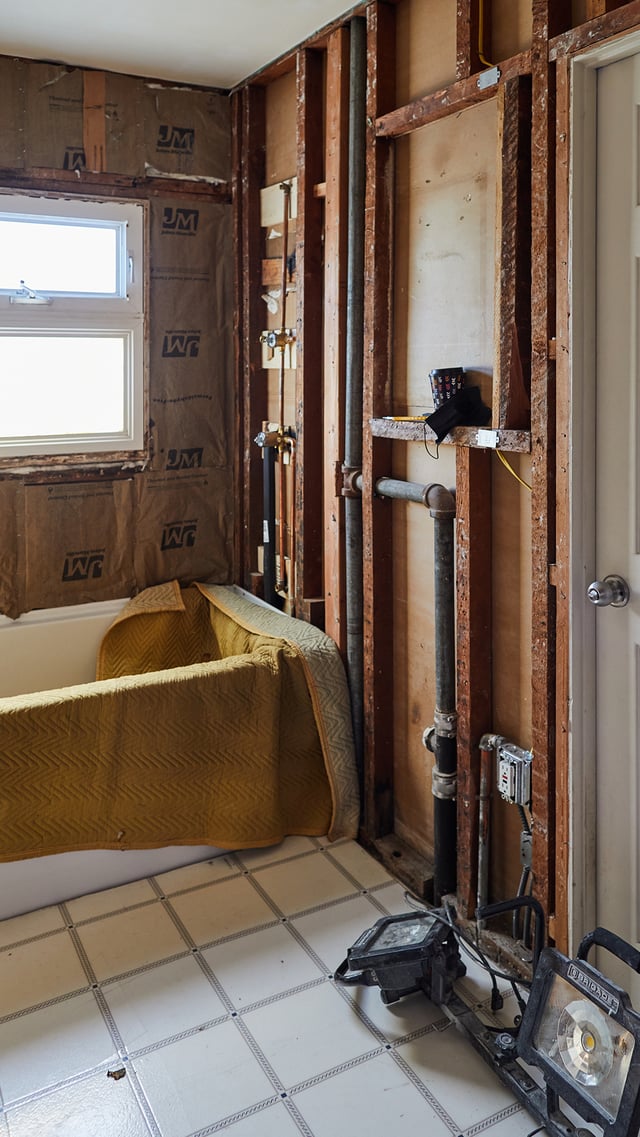
    Major bathroom overhauls: A full-scale renovation often involves gutting the space to the studs and redesigning the layout from scratch. In St. Louis, this frequently means replacing galvanized or cast-iron supply and drain lines with modern PEX and PVC, which adds both cost and long-term reliability. Premium materials such as large-format porcelain slabs, frameless glass shower enclosures, heated flooring systems, and custom cabinetry drive the budget upward. Structural modifications like relocating a wall to expand the footprint or adding a window for natural light require permits from the City of St. Louis or the relevant county municipality. Homeowners pursuing this scope should also budget for a design professional who can ensure every square foot is used effectively.

    Danny Wang

    “Bathrooms feel small, but they’re deceptively expensive. You need plumbers, electricians, and tile installers—some of the most costly trades.”

    What St. Louis residents commonly care about when renovating their bathroom

    Every bathroom in St. Louis carries its own set of quirks, from undersized half-baths tucked under staircases to spacious primary suites that haven’t been touched in decades. Despite those differences, several themes come up repeatedly when local homeowners begin planning their renovation.

    Ways St. Louis homeowners can bring sustainability into their bathroom remodel

    Sustainable upgrades reduce utility costs while aligning with the growing interest in environmentally responsible home improvement across the St. Louis metro. Many of these choices pay for themselves within a few years through lower water and energy bills.

    • Install WaterSense-certified toilets and faucets. These EPA-rated fixtures can reduce bathroom water usage by 20 to 30 percent without sacrificing performance.
    • Choose recycled-content porcelain or glass tile. Several manufacturers now produce tile lines with up to 40 percent recycled material, offering the same durability as conventional options.
    • Specify a heat-recovery ventilation fan. These units recapture warmth from exhausted air during St. Louis winters, reducing the energy needed to condition incoming fresh air.
    • Select low-VOC paints and adhesives. Low-VOC products improve indoor air quality, which matters especially in tightly sealed older homes where ventilation may be limited.
    • Add a tankless point-of-use water heater. A compact electric unit mounted near the vanity eliminates the wait for hot water and reduces energy waste from long pipe runs common in larger St. Louis homes.

    What to know about building a new bathroom in St. Louis

    Adding a bathroom increases both functionality and resale value, particularly in older St. Louis homes that were built with only one full bath. The City of St. Louis requires a building permit for any new bathroom that involves plumbing rough-in, electrical work, or structural modifications, and unincorporated St. Louis County municipalities may have additional requirements.

    Different approaches to adding the bathroom

    • Convert a large closet or underused storage room into a half-bath. Many St. Louis brick two-stories and four-family flats have oversized closets adjacent to existing plumbing walls, making this one of the most cost-effective options. A half-bath typically requires only a toilet and a pedestal or wall-mount sink, keeping the footprint compact. Proximity to an existing waste stack reduces the need for extensive new drain lines under the floor.
    • Finish a portion of the basement as a three-quarter bath. Basements in St. Louis are common, and many already have a floor drain or sewer lateral nearby. An upflush or sewage-ejector system may be required if the main sewer line sits above the basement floor level.
    • Build a bump-out addition off the primary bedroom. This approach works well for single-story ranch homes in neighborhoods like Affton, Lemay, and Crestwood where the lot provides room to expand the footprint. A bump-out typically requires a new foundation section, roofing tie-in, and exterior siding match.
    • Repurpose an attic or bonus room above the garage. Homes in neighborhoods like the Hill, Tower Grove South, and Dutchtown sometimes have unfinished attic space with enough headroom for a compact bathroom. Reinforcing the floor joists to handle the weight of tile, a tub, or a shower pan is a critical structural step. Running new supply and drain lines vertically through an interior wall below keeps the plumbing efficient and minimizes freeze risk during harsh St. Louis winters.

    Bathroom enhancements that are worth the splurge

    Not every upgrade needs to be extravagant to make a meaningful difference in how your bathroom looks and functions. Selective splurges on quality materials and comfort features tend to hold up better over time and deliver daily satisfaction that budget alternatives often cannot match.

    • Radiant floor heating beneath porcelain or natural stone tile. Electric mat systems cost relatively little to install during a renovation and transform cold winter mornings in St. Louis into a far more comfortable experience.
    • A frameless glass shower enclosure with low-iron glass. Low-iron glass eliminates the greenish tint found in standard panels, giving the enclosure a crystal-clear appearance that showcases your tilework.
    • Solid quartz or quartzite countertops on the vanity. These materials resist staining, scratching, and moisture damage far better than laminate or cultured marble, and they require no periodic sealing.
    • A comfort-height, wall-hung toilet with concealed tank. This configuration frees up visual and physical floor space, simplifies cleaning, and provides a sleek, modern profile.
    • Thermostatic shower valves with volume controls. Thermostatic valves maintain a precise water temperature regardless of pressure fluctuations elsewhere in the house, preventing scalding and improving safety.

    Compare Proposals with Ease

    Easily compare contractor quotes with intuitive layouts, and side-by-side comparisons to help you make the best choice.
    Get a Quote

    Finding inspiration for your St. Louis remodel in your home’s architectural roots

    St. Louis is home to one of the most diverse collections of residential architecture in the Midwest, and your bathroom should feel like a natural extension of that character. From red-brick Victorian townhouses in Lafayette Square to mid-century ranches in Olivette, the structure of your home often suggests the best design direction for a renovation.

    Ideas for Victorian bathrooms in St. Louis

    Victorian homes fill neighborhoods like Lafayette Square, Compton Heights, and parts of South St. Louis, typically featuring high ceilings, ornate trim, and narrow floor plans. Bathrooms in these homes were often afterthoughts, squeezed into small rooms or converted from closets when indoor plumbing became standard in the early 1900s. The challenge is to honor the period’s decorative richness while upgrading the space for modern comfort and water efficiency.

    • Use black-and-white hexagonal mosaic tile on the floor. This classic pattern mirrors what was originally installed in many St. Louis Victorians and pairs well with both traditional and updated fixtures.
    • Install a clawfoot tub or a freestanding slipper tub. A freestanding tub serves as a visual anchor in the room and complements the sculptural quality of Victorian-era design.
    • Choose cross-handle faucets in polished nickel or unlacquered brass. These finishes develop a natural patina over time, reinforcing the lived-in warmth that defines Victorian interiors.
    • Add wainscoting or beadboard paneling to the lower walls. This detail protects plaster walls from moisture while providing a period-appropriate visual break between the tile and painted upper walls.
    • Incorporate a framed medicine cabinet with beveled glass. A recessed cabinet with decorative trim adds storage without disrupting the room’s ornamental character.

    Ideas for Craftsman bungalow bathrooms in St. Louis

    Craftsman bungalows are a staple of neighborhoods like Maplewood, Brentwood, and University City, recognized by their low-pitched rooflines, tapered porch columns, and built-in woodwork. Bathrooms in these homes tend to be compact but well-proportioned, often with original subway tile and cast-iron tubs still intact. A renovation should emphasize the Craftsman commitment to honest materials and handcrafted detail, avoiding anything that looks mass-produced or overly ornate. Earth tones, natural wood accents, and matte finishes align naturally with the bungalow’s warm, grounded aesthetic.

    • Select matte or honed-finish tile in warm neutrals. Colors like sage, clay, cream, and charcoal connect the bathroom to the Craftsman palette found throughout the rest of the home.
    • Use white oak or walnut for open shelving and the vanity frame. Exposed wood grain echoes the built-in cabinetry and trim that define Craftsman interiors.
    • Install a tub-shower combination with a simple curtain rod. Bungalow bathrooms rarely have room for a separate tub and shower, so a well-designed combination maximizes function in a compact footprint.
    • Choose oil-rubbed bronze or matte black hardware. These finishes complement the darker wood tones and hand-forged metal details common in Craftsman homes.

    Ideas for mid-century ranch bathrooms in St. Louis

    Mid-century ranches spread across St. Louis County during the 1950s and 1960s in communities like Creve Coeur, Florissant, and Ballwin, featuring open floor plans, large windows, and clean horizontal lines. Original bathrooms in these homes often include colorful tile in pink, aqua, or avocado green, along with built-in vanities and recessed medicine cabinets. A remodel can either preserve the retro charm by refreshing those period elements or pivot to a contemporary interpretation that retains the era’s love of simplicity and geometric form. Either direction should emphasize clean sightlines and uncluttered surfaces, which are hallmarks of mid-century design.

    • Use large-format rectangular tile in a stacked bond pattern. This layout reinforces the horizontal emphasis that defines mid-century architecture and creates a sleek, modern surface.
    • Install a floating vanity with integrated drawer pulls. A wall-mounted vanity keeps the floor visible, making the room feel larger and easier to clean.
    • Choose a round or oval mirror instead of a rectangular one. Curved shapes were a signature element of mid-century design and soften the linear geometry of the tile and vanity.
    • Incorporate accent tile in a bold geometric pattern. A single feature wall or shower niche with patterned tile adds visual interest without overwhelming the space.
    • Opt for brushed brass or satin gold fixtures. These warm metallic tones were popular in the mid-century era and have made a strong comeback in contemporary bathroom design.

    Visualize and budget your bathroom remodel with Renovation Studio

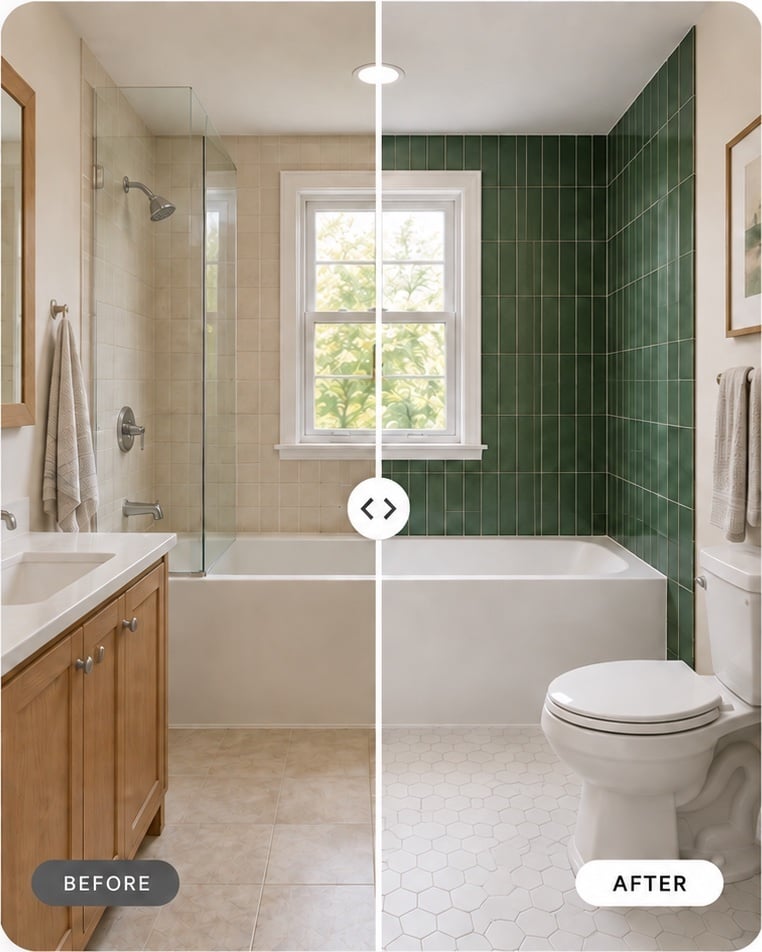
    Renovation Studio is Block’s free AI-powered planning tool that helps you explore design possibilities before committing to a single tile or fixture. Upload photos of your current bathroom, and the AI analyzes the layout, identifies existing features, and flags potential challenges specific to your space. You can experiment with six distinct design styles, including Coastal, Traditional, Industrial, Farmhouse, Contemporary, and Mid-Century Modern, while swapping out finishes, cabinets, lighting, flooring, and countertops in real time. The tool generates location-specific cost estimates so St. Louis homeowners can see how each material choice affects the overall budget. No account is required, and there is no cost to use it.

    Know the Cost Before You Start

    Get real-time estimates for materials and labor so you can plan your renovation with confidence—no surprises.
    Get an Estimate

    Local businesses to support in St. Louis

    Supporting local businesses when sourcing materials, fixtures, or decor helps strengthen the St. Louis community while giving your renovation a personal touch you won’t find at big-box stores. Here are a few standout shops worth visiting as you plan your project.

    • Cool Stuff Period: Offbeat, design-forward glassware, apothecary-style vessels, and decorative accents that give a finished bathroom the kind of personality that tile selections and fixtures alone rarely deliver.
    • Urban Matter: A well-edited mix of artisan soap dishes, modern storage, and statement lighting that bridges the gap between a bathroom that's been renovated and one that actually feels considered.
    • Nana’s Farmhouse Primitives LLC: Hand-crafted signs, heirloom-style textiles, and vintage-inspired storage pieces that bring a lived-in warmth to a bathroom that new materials and clean lines can sometimes work against.
    • Gringo Jones Imports: Hand-painted tiles, eclectic pottery, and ironwork hardware that can anchor a bathroom's entire design direction around something that feels genuinely collected rather than sourced from a showroom.
    • The White Rabbit: An airy showroom with a strong eye for the finishing layer — textiles, artisanal accessories, and character-rich lighting that turn a newly tiled bathroom into a room worth lingering in.

    Ready to build? Let Block help you find top-rated contractors in St. Louis

    Block matches you with vetted local contractors who are handpicked for your project’s specific scope and style. A dedicated Project Planner reviews bids on your behalf, flags potential issues, and coordinates site visits so you can make informed decisions without navigating the process alone. There are no homeowner fees for contractor matching unless you choose to add optional Design Services.

    Remodel with confidence through Block

    Happy contractor doing an interview

    Connect to vetted local contractors

    We only work with top-tier, thoroughly vetted contractors

    Couple planning their renovation around the Block dashboard

    Get expert guidance

    Our project planners offer expert advice, scope review, and ongoing support as needed

    Familty enjoying coffee in their newly renovated modern ktchen

    Enjoy peace of mind throughout your renovation

    Secure payment system puts you in control and protects your remodel

    Get Started

    Frequently asked questions

    How do I improve ventilation in my bathroom?

    Proper ventilation starts with an appropriately sized exhaust fan rated in cubic feet per minute to match your bathroom’s square footage: the Home Ventilating Institute recommends at least 1 CFM per square foot. For bathrooms over 100 square feet, consider a fan with a humidity sensor that activates automatically when moisture levels rise. Duct the fan to the exterior through a wall or roof cap, never into the attic, to prevent moisture accumulation that can damage insulation and framing. In older St. Louis homes that lack existing ductwork, a qualified electrician can route a new duct through a soffit or side wall with minimal disruption to finished surfaces.

    What is a realistic timeline for each phase of a remodel?

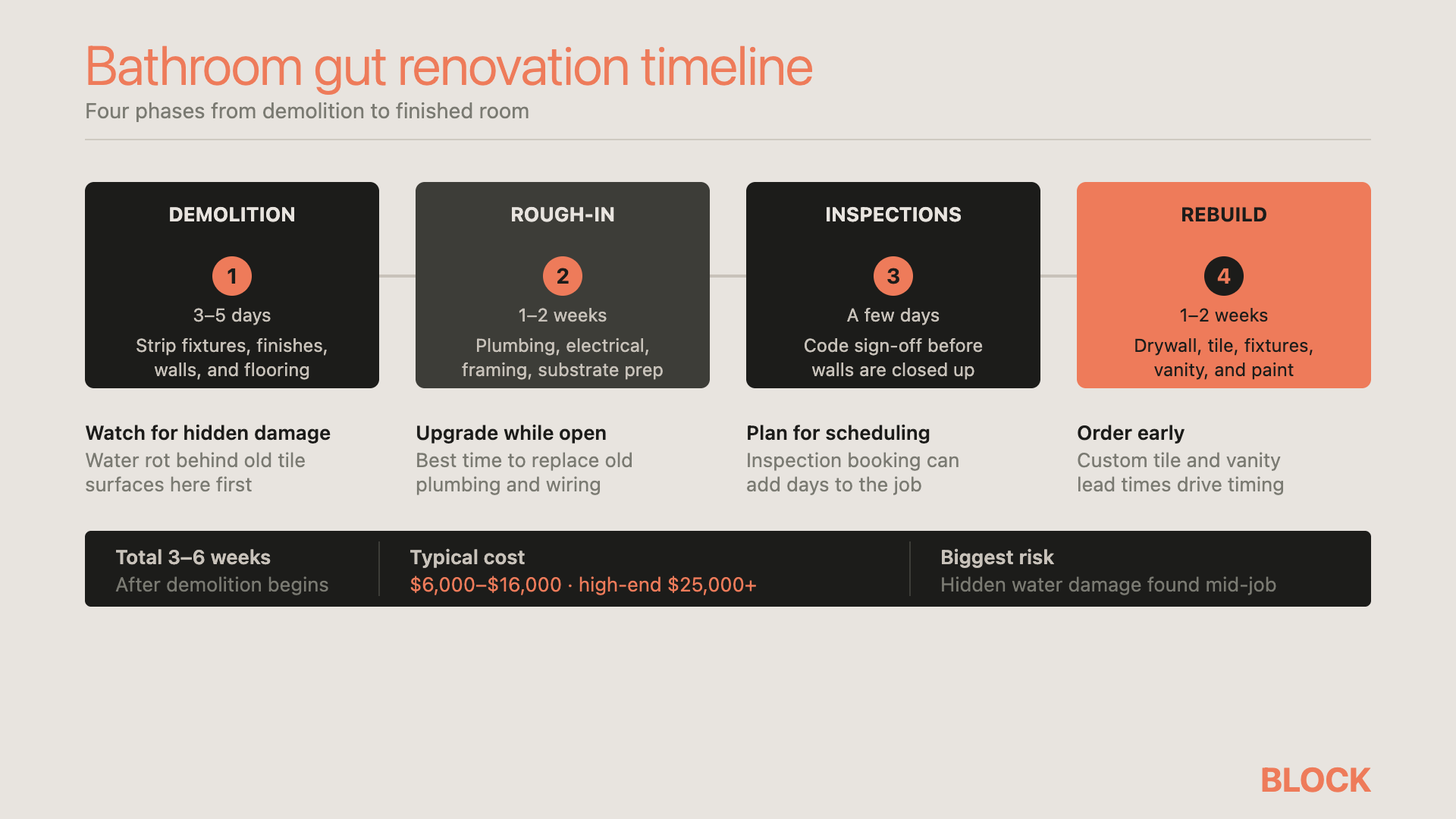
    A typical mid-level bathroom renovation in St. Louis takes six to ten weeks from demolition to completion, though the timeline varies with project complexity. Design and material selection generally require two to four weeks, followed by one to two weeks for demolition and rough-in plumbing and electrical work. Tile installation, vanity and fixture setting, and finish carpentry usually take another two to three weeks. Final inspections, punch-list items, and cleanup round out the last week, though permit review times in the City of St. Louis or county municipalities can add a few days at each inspection stage.

    Can I remodel my bathroom in stages?

    Phased remodeling is a practical strategy when budget constraints make a single large project impractical. A common approach is to start with behind-the-wall upgrades such as replacing old galvanized supply lines, updating the drain system, and improving ventilation, then tackle cosmetic finishes in a later phase. The key is to plan the full scope upfront so that work completed in the first stage does not need to be undone later. Your contractor should provide a phased proposal that accounts for logical break points, temporary finishes where needed, and a clear sequence for completing the remaining work.

    Should I upgrade my water heater during a bathroom remodel?

    If your water heater is more than ten years old or struggles to deliver consistent hot water to existing fixtures, a bathroom remodel is an ideal time to upgrade. Adding a large soaking tub, a multi-head shower system, or radiant floor heating increases hot-water demand, and an undersized or aging unit may not keep up. A tankless gas or high-efficiency hybrid heat-pump water heater can provide continuous hot water while reducing energy costs. Discuss your planned fixture list with your contractor early in the design phase so the water heater specification is sized correctly for the full scope of the renovation.