


Living Space
Bump Out Living Room: Cost, Feasibility & Options
09.06.2026
12.03.2025


In This Article
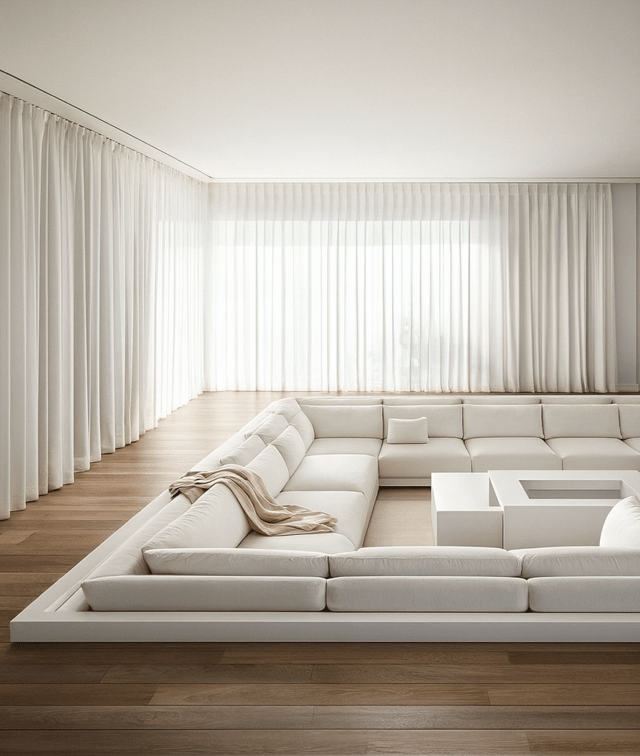
A sunken living room—iconic of bygone eras—is gaining newfound appreciation among today’s homeowners. The shift in elevation draws the eye and naturally defines space, setting the tone for relaxation and conversation. Once a staple of mid-century and 1970s homes, these lowered gathering areas are reemerging in contemporary interiors, bringing warmth, intimacy, and character to open floor plans.
Still, sunken spaces aren’t a perfect fit for every home or household. They can pose accessibility challenges, require careful planning around layout and furniture, and in some cases make future renovations more complex. But their very rarity has become a source of appeal. When designed thoughtfully, a sunken living room feels architectural yet inviting.
And much like terrazzo floors or wood paneling, this retro idea has found new meaning in modern design. Its comeback isn’t about nostalgia for the past, but about restoring a sense of texture and dimensionality to today’s streamlined spaces. Whether you’re building one from scratch or updating an existing design, here’s how to create a sunken living room that feels timeless, comfortable, and uniquely yours.
Creating a sunken living room means more than simply stepping down a few inches; it involves rethinking the structure beneath your feet. The process often requires reconfiguring floor joists, lowering subfloors, or excavating a section of the foundation to create the recessed area. Electrical lines, plumbing, and HVAC ducts may need to be rerouted, and flooring transitions must be handled with precision to maintain safety and flow.
Given the structural work involved, most projects fall in the $10,000 - $30,000 range, with some reaching $60,000 or more depending on scope, materials, and foundation type. Homes with slab foundations tend to cost more than those built on crawl spaces or basements, simply because excavation and reinforcement add both time and labor.
It’s important to be aware that sunken living rooms aren’t a viable option for every type of environment. For example, in homes with low ceilings, a recessed zone can make the room feel closed in. Likewise, lowering the floor in smaller homes can make the space feel fragmented rather than open.
Furthermore, building a sunken living room doesn’t have a strong ROI. While it adds character, not every buyer is drawn to its distinct footprint. In fact, families with young children or older adults may view it as a safety hazard.
Ultimately, home renovations should be about making yourself happy. However, when weighing the many ways you can improve your home, it’s helpful to take such factors into consideration.
Transparent Pricing You Can Trust

Today’s sunken living rooms look far removed from the shag-carpeted conversation pits of decades past. When done right, they feel architectural, understated, and deeply comfortable. The key is to highlight the depth of the design without making it feel dated or overly formal. Here’s how to achieve that balance.
Modern hardwood flooring brings continuity, warmth, and a sense of grounding to a recessed space. It also reflects light and helps the lower level feel connected to the rest of your home — something carpet often fails to do. The clean lines of hardwood or engineered planks also complement both modern and transitional interiors.
How to pull it off:
Color can transform the feeling of depth in a sunken living room. Instead of leaning on the dark, heavy tones of the past, modern designs favor calm neutrals and grounded, nature-inspired hues that make the space feel bright yet layered. The goal is tonal flow so the sunken space feels distinct, not disconnected.
How to pull it off:
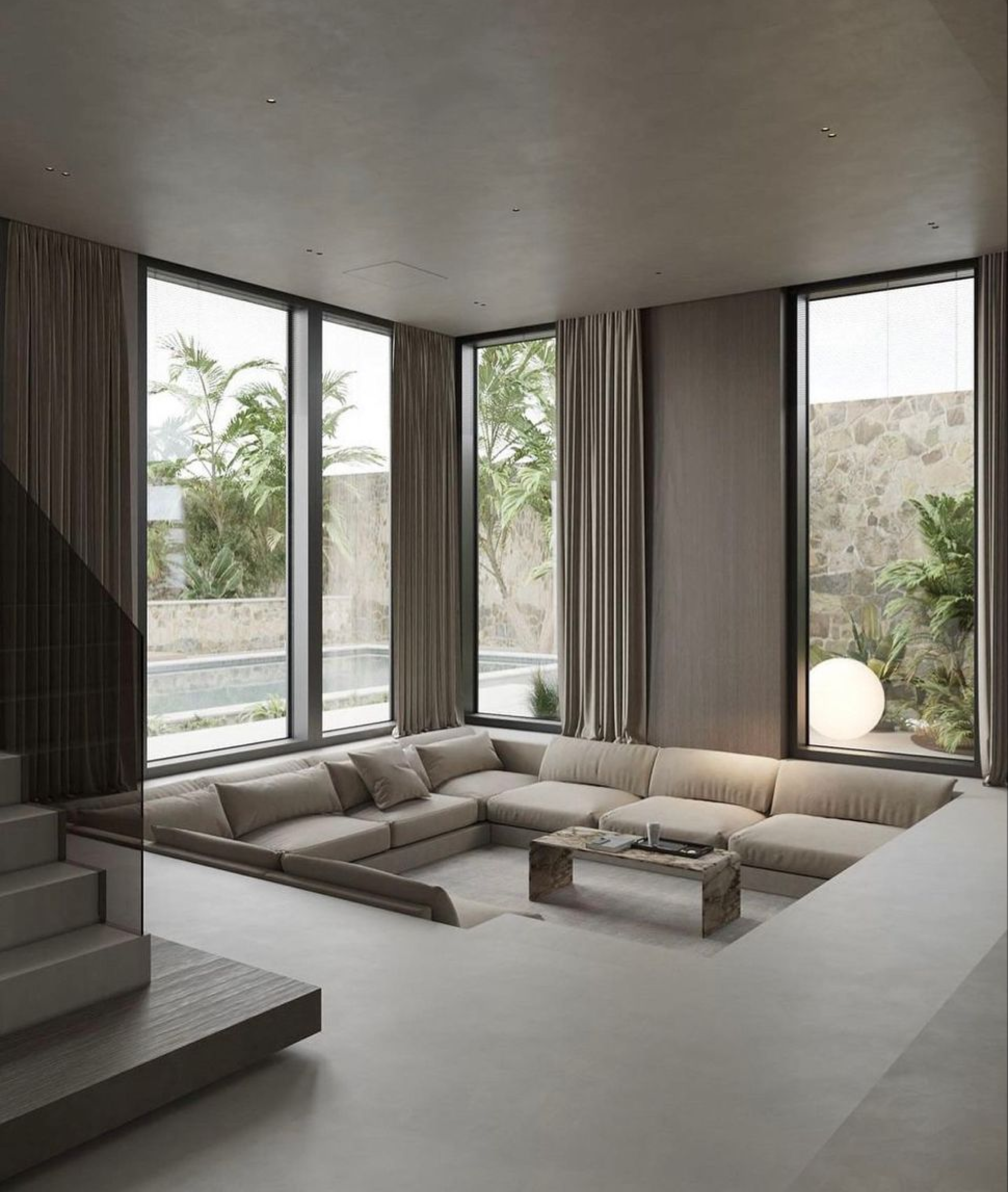
Because a sunken living room already makes an architectural statement, furniture and decor should support, not compete with, the design. A restrained layout keeps the area visually open and emphasizes the sculptural quality of the architecture, resulting in a more modern vibe.
How to pull it off:
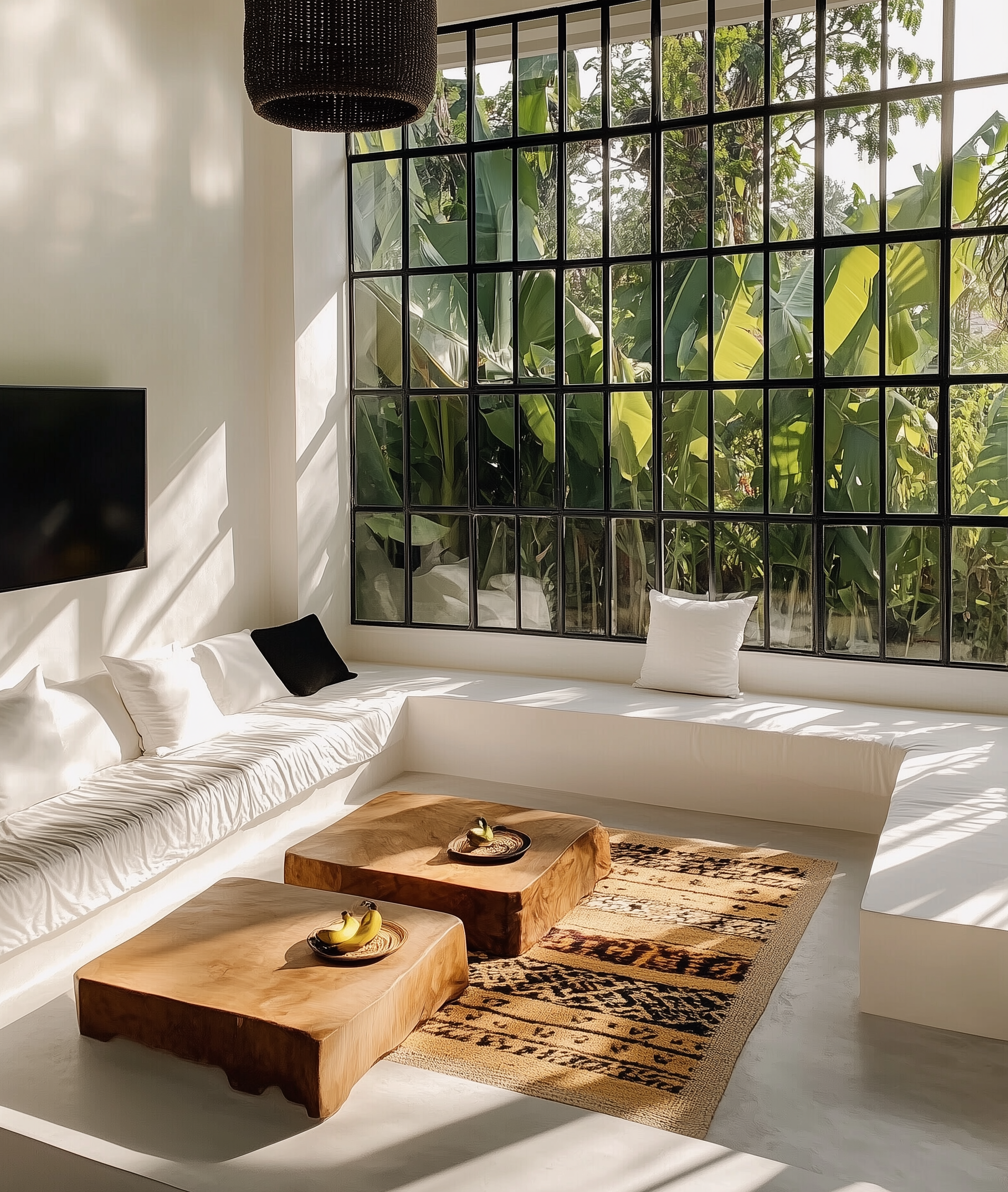
With a lower elevation often comes less wall space, which means fewer places for shelves or storage units. Smart planning can solve that without sacrificing style. Built-ins and discreet wiring preserve a clean look while keeping the space practical.
How to pull it off:
Turn your renovation vision into reality
Get matched with trusted contractors and start your renovation today!
Find a Contractor
In many homes, the fireplace is the emotional anchor of a sunken living room. A modern interpretation pairs clean geometry with tactile materials, giving the room a sense of quiet focus. Whether linear or traditional in shape, simplicity is what makes the design feel timeless.
How to pull it off:

All of the above ideas are intended to make your sunken living room feel modern, but this is far from being a requirement. You can celebrate the retro heritage of conversation pits without slipping into kitsch. The secret is to borrow the warmth, color, and shapes of the Mid-Century modern era — and pair them with today’s cleaner lines and technical precision. The result feels nostalgic, but fresh.
How to pull it off:
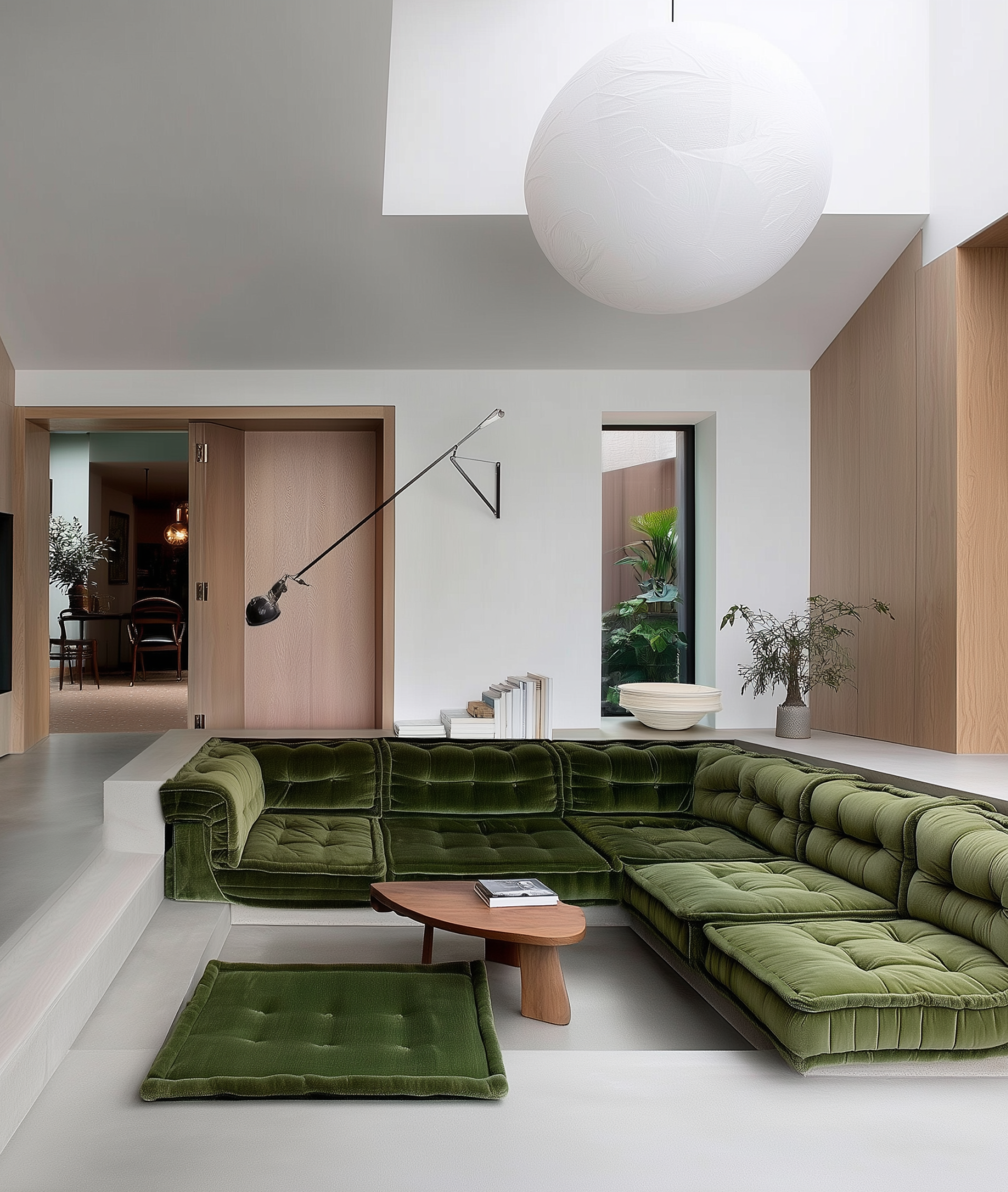
Before committing to the idea of a sunken living room, it’s worth taking a close look at how your home align with this kind of design. These characteristics can help you decide whether it’s the right fit:
Remodel with confidence through Block

Connect to vetted local contractors
We only work with top-tier, thoroughly vetted contractors

Get expert guidance
Our project planners offer expert advice, scope review, and ongoing support as needed
Enjoy peace of mind throughout your renovation
Secure payment system puts you in control and protects your remodel

Renovate confidently with Block
Easily compare quotes from top quality contractors, and get peace of mind with warranty & price protections.