



.png?width=640&name=u5821215421_A_moody_maximalist_mezzanine_loft_the_open_edge_o_fb2c4d70-9740-4734-b87b-8cf6d392cd55_0%20(2).png)
New York
Planning a Rochester Home Addition? Start Here
06.19.2026

01.28.2026


In This Article
In Syracuse, neighborhoods like Eastwood, Strathmore, and Sedgwick have plenty of homes where the basement can do more than store snow shovels and holiday bins. A thoughtful renovation can add a playroom, guest space, or a quieter work zone without changing your home’s footprint or sacrificing yard space.
At the same time, Syracuse basements come with real constraints: seasonal moisture, older foundations, and utility layouts that weren’t designed for finished living space. The strongest projects start by planning around those realities instead of fighting them after the drywall is up.
Design a Home That’s Uniquely Yours
Block can help you achieve your renovation goals and bring your dream remodel to life with price assurance and expert support.
Get Started
Most Syracuse basements fall into one of three renovation levels. Understanding where your plans land on this spectrum will help you predict cost, timeline, and disruption upstairs.
|
Renovation level |
One-sentence definition |
Cost range in Syracuse |
|---|---|---|
|
Unfinished |
The basement is cleaned up and made safer and brighter, but remains non-living/storage or utility space. |
$5,000–$25,000 |
|
Partially Finished |
Part of the basement becomes conditioned living space while utilities/storage remain exposed or separated. |
$25,000–$75,000 |
|
Fully Finished |
The basement is finished to feel like the rest of the home, often with a bathroom and multiple zones. |
$75,000–$150,000+ |
Unfinished basements keep the structure and systems accessible while focusing on durability and safety. In practice, that might mean sealing the slab, adding brighter LED lighting, painting joists and walls, and building sturdy storage with pressure-treated sleepers. This level works well for workshops, gear rooms, or overflow storage when you want a cleaner, drier feel without committing to full conditioning.
Partially finished basements create a defined “destination” area while leaving mechanicals and storage practical. You might frame a media nook with insulated walls, install LVP over a proper vapor barrier, and use a door to separate a utility or storage bay that still has exposed piping and a sump. This approach fits when you want a family hangout or office but need to preserve easy access to the boiler, laundry, or shutoff valves.
Fully finished basements treat the lower level like real living space, with cohesive finishes and intentional lighting, ventilation, and sound control. You might use moisture-tolerant drywall alternatives, recessed or low-profile surface-mounted lighting to protect headroom, and built-ins that hide support posts rather than awkwardly boxing them in. This level is common when you want a guest suite, a long-term work-from-home setup, or a teen lounge that keeps noise away from the main floors.
Local pricing varies by contractor and the condition of your existing basement, but a few patterns hold in Syracuse’s market:
Because many Syracuse homes were built long before finished basements were common, you should also factor in the cost of upgrades that bring older electrical, plumbing, and drainage up to current standards before new walls and ceilings go in.

‘’A renovation budget should always include a 10–20% contingency to account for unknown conditions discovered once walls are opened.’’
Before you pick finishes, take a clear look at how your basement behaves through Syracuse’s wet springs, humid summers, and freeze-thaw cycles. A renovation plan that fits the space you actually have will save you from rework and protect your investment.
Walk the space after heavy rain and during a humid spell if you can. Pay attention to:
A knowledgeable contractor can help you sort out what needs remediation versus what can be managed with the right assembly choices. In Syracuse, it is worth getting multiple estimates that clearly separate waterproofing, mechanical work, and finishes so you can compare scope apples-to-apples.
Because Syracuse sees significant snow melt and spring rain, many basements need some moisture work before a full renovation. Not every situation calls for an interior drain system, but you should not bury active water problems behind new walls.
Basements need materials that tolerate humidity swings, occasional water events, and below-grade temperature differences. The aim is to build assemblies that dry predictably, keep mold risk low, and still look like a comfortable extension of your home.
Basement flooring succeeds when it is stable over concrete and forgiving about moisture. You will also want a surface that stays comfortable underfoot during Syracuse winters without forcing a dramatic change to door heights and stairs.
Avoid traditional site-finished hardwood, which can cup and gap as moisture fluctuates. Standard wall-to-wall carpet can also be risky unless paired with the right underlayment and a moisture plan, because it can hold odors and hide small leaks.
If you do want some softness underfoot, many Syracuse homeowners pair LVP or sealed concrete with washable area rugs. That way, if there is ever a minor leak or sump issue, you can remove and dry or replace a rug instead of tearing out installed carpet and pad.
Basement walls do best when they are detailed to manage vapor and avoid feeding mold. The right wall build also lets you hang shelving, TVs, or cabinets without guessing where the structure is.
In older Syracuse homes with stone or block foundations, you may not have a perfectly flat wall to start with. Your contractor might recommend a gap between masonry and new framing to keep the wall assembly drier and to allow for insulation that is continuous rather than patchy.
Basement ceilings have to balance headroom, code requirements, sound control, and access to pipes and wiring. In many Syracuse homes, utilities run exactly where you would like a clean ceiling plane, so a good ceiling plan is as much strategy as it is style. Plan lighting early, because the wrong fixture choice can make a low ceiling feel even lower.
In many Syracuse basements, you may land on a combination: drywall in main areas for a more polished look, and drop ceiling or open framing in corridors that carry the most plumbing and wiring.
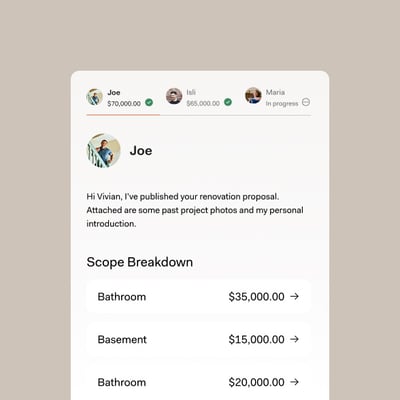
Compare Proposals with Ease
A strong basement design is usually the product of dozens of small, practical decisions that add up to comfort. These tips focus on how basements really get used in Syracuse households, especially during long winters and muddy shoulder seasons.
For many Syracuse homes, the stairs are narrow and a bit dark. Improving lighting, treads, and handrails can matter just as much for daily comfort as a new floor or paint color downstairs.
Renovation Studio is Block’s planning tool that helps you map out your renovation before construction begins. It lets you visualize design choices and see how different selections work together so you are not making expensive decisions on the fly.
You can experiment with layout and finishes, then refine details like fixtures and materials based on the overall look you are aiming for. For a basement remodel in Syracuse, that means you can test ideas like brighter flooring to counter low natural light, a more functional laundry zone, or a finished family room look that matches the upstairs style.
Using a visual plan also makes it easier to communicate what you want to your project team and stay aligned as decisions stack up.
Deciding exactly what your basement should do, before you pick flooring or start framing, makes every downstream choice clearer. When the purpose is specific, you can size zones correctly, plan lighting and outlets where they are needed, and avoid finishing space that will not get used.
A basement is uniquely suited to a media room because it is naturally separated from bedrooms and main-floor living areas, which helps with both sound and screen glare. In Syracuse, where many households spend more time indoors during winter, having a dedicated movie-and-game zone prevents the living room from becoming a permanent toy-and-tech pileup.
A basement media room also sidesteps the need to reconfigure a first-floor layout in older homes where walls and traffic paths do not easily change, and it is often far less costly than building an addition for a single-purpose lounge.
A basement office works especially well when you need true separation from household activity, because it creates a psychological and acoustic boundary that a dining-room desk cannot. In Syracuse, many homes have modest main floors, and carving out an office upstairs can disrupt everyday circulation, especially during busy mornings and evenings when kitchens, entryways, and living rooms overlap in use.
By placing the office downstairs, you avoid the alternative of bumping out the house or giving up a bedroom that may be needed for kids, guests, or resale flexibility.
Basements are well-suited to gyms because concrete slabs can handle point loads from racks and cardio equipment better than many framed floors. In Syracuse, where outdoor training can be inconsistent for large parts of the year, an in-home setup becomes far more practical when it does not compete with everyday living space upstairs.
A basement gym also helps you avoid the trade-off of turning a bedroom into a workout room or building a detached structure that has its own permitting and utility requirements.
A basement makes sense for guest space because it offers privacy for both hosts and visitors, especially when the main floor is already tightly programmed. In Syracuse, many homes do not have spare first-floor bedrooms, and converting an office or dining room upstairs into a sleeping area can make daily life awkward.
Finishing a lower-level suite can avoid a costly addition and can be a more practical alternative to moving when your needs change.
Basements are uniquely good for kid zones because they can absorb mess, noise, and big-toy sprawl without taking over the main level. In Syracuse, where entryways and first-floor rooms can be tight, keeping strollers, sports gear, and craft projects from overflowing upstairs can make the whole house feel calmer.
This approach also avoids the alternative of constantly reworking your living room layout or adding built-ins everywhere just to keep daily clutter in check.
Block matches you with a vetted contractor for your project, helping you find a professional who fits your scope and timeline in Syracuse. The process is designed to make the planning and build phases feel more structured, with support that keeps details from slipping through the cracks.
If you are comparing a few ways to approach a basement remodel, having that contractor match can save time and reduce guesswork.
Block Protections provide important safeguards, and payments are systemized to align with the project. That structure can make budgeting and progress tracking feel more straightforward during basement renovations Syracuse homeowners plan around busy schedules.
Remodel with confidence through Block

Connect to vetted local contractors
We only work with top-tier, thoroughly vetted contractors

Get expert guidance
Our project planners offer expert advice, scope review, and ongoing support as needed
Enjoy peace of mind throughout your renovation
Secure payment system puts you in control and protects your remodel

Renovate confidently with Block
Easily compare quotes from top quality contractors, and get peace of mind with warranty & price protections.
New York
Planning a Rochester Home Addition? Start Here
06.19.2026
.png?width=640&name=2nd%20Story%20Addition%20(1).png)
New York
Home Additions in Buffalo: Budget, ROI & Financing Guide
05.26.2026
Cost
Bathroom Remodeling Cost: 2026 Pricing & Real Examples
05.11.2026

New York
Custom Home Building in Syracuse, New York: Local Guide
04.20.2026

New York
Custom Home Build Costs in Buffalo, NY | Block
03.26.2026