



.png?width=640&name=u5821215421_A_moody_maximalist_mezzanine_loft_the_open_edge_o_fb2c4d70-9740-4734-b87b-8cf6d392cd55_0%20(2).png)
New York
Planning a Rochester Home Addition? Start Here
06.19.2026

02.24.2026


In This Article
Rochester homeowners in neighborhoods like Park Avenue, Corn Hill, and the South Wedge often look to the basement when they want more usable space without changing the home’s footprint. A well-planned basement renovation can add a family hangout, a quiet office, or a guest-ready suite while keeping your main floors calmer and less crowded.
Basements also come with Rochester-specific hurdles: older foundations, seasonal moisture swings, and the reality that utilities and ductwork may be right where you want finished ceilings. The good news is that a clear plan—paired with the right materials and a realistic scope—can turn those constraints into design choices that hold up over time.
Design a Home That’s Uniquely Yours
Block can help you achieve your renovation goals and bring your dream remodel to life with price assurance and expert support.
Get Started
Before you start collecting tile samples or sofa measurements, it helps to decide how far you actually want to go. In Rochester, many basements fall into three categories: cleaned-up but unfinished, selectively finished, or fully converted into living space. Each comes with very different costs and maintenance expectations.
|
Option |
One sentence definition |
Cost range in Rochester |
|---|---|---|
|
Unfinished |
A cleaned-up, code-safe basement with basic lighting and utility access but no finished living surfaces. |
$5,000–$20,000 |
|
Partially finished |
A basement with some finished zones (like a rec area) while storage/mechanical areas remain exposed and accessible. |
$25,000–$60,000 |
|
Fully finished |
A basement designed as true living space, typically including finished walls and ceilings, upgraded floors, and sometimes a bathroom or wet bar. |
$60,000–$140,000+ |
Unfinished basements focus on making the space dry, safe, bright, and easy to use for storage or a workshop without committing to full finishes. In Rochester, that often means sealing small cracks, improving drainage at the perimeter, upgrading lighting to bright LEDs, and painting masonry with breathable coatings rather than trapping moisture behind finishes. Practical upgrades like open shelving, a durable utility sink, and a dedicated dehumidifier can make an “unfinished” basement feel intentionally organized instead of forgotten.
Partially finished basements let you invest where it matters—say, a media nook or play area—while keeping mechanicals and storage in a simpler zone. Homeowners commonly use LVP flooring over a proper underlayment in the finished area, with sealed concrete left in storage spaces so wet boots and snow gear aren’t a constant worry. This approach also makes sense if you want a comfortable room now but may rework the layout later as kids’ needs change or you add a bathroom.
Fully finished basements treat the basement like a true extension of the home, with coordinated lighting, insulated walls, finished ceilings, and a layout that supports daily routines. Materials matter more here: moisture-resistant framing details, insulated rim joists, and fiberglass-free options in sensitive areas can all be part of a long-lasting Rochester plan. Many fully finished projects include built-ins for tight footprints, sound control between floors, and code-compliant egress solutions where a bedroom is involved.
When you compare estimates, ask contractors to spell out what is included at each level: for example, whether a “finished” price includes adding or enlarging windows, upgrading the electrical panel, or addressing existing water seepage. Two bids that both say “finished basement” can differ by tens of thousands of dollars depending on these details.
Before you think about paint colors or built-ins, you’ll get better results by evaluating how your Rochester basement handles water, air quality, and temperature. The goal is to find hidden issues early so your finishes don’t become an expensive “cover-up.” Older homes in areas like the 19th Ward, North Winton Village, or Charlotte often have original stone or block foundations that need a closer look.
A knowledgeable contractor can tell you which issues are cosmetic, which need remediation, and which affect code and long-term durability. Ask for estimates that separate “make it dry and safe” work from finish work so you can compare proposals clearly and decide where to invest first.
In Rochester’s climate, that “dry and safe” phase often includes exterior grading adjustments, gutter and downspout improvements, potential interior drain tile, and a reliable sump with backup. These items rarely feel exciting, but they directly protect every finish you add later.
Basements have different physics than above-grade rooms: they’re cooler, closer to groundwater, and more sensitive to trapped moisture and stale air. In Rochester, where wet springs and snowy winters can stress foundations and drainage, choosing materials that tolerate humidity—and designing for access to utilities—helps your remodel stay comfortable and repairable.
Basement floors should handle occasional dampness, resist warping, and stay comfortable underfoot even when the slab runs cool. Your best choice depends on whether you’re prioritizing warmth, water resistance, or the most unified look with the upstairs.
Avoid wall-to-wall carpet directly on a slab, because it can hide moisture problems until odors and staining are difficult to reverse. If you like the feel of carpet, consider area rugs with non-absorptive pads so you can lift and dry them if the basement ever gets damp. Also skip solid hardwood in most basements, since seasonal humidity shifts can cause cupping and gaps that are hard to correct.
Basement walls need to manage vapor, resist minor fluctuations in humidity, and stay serviceable if you ever need to access a foundation crack or plumbing run. The best assemblies also prioritize mold resistance and reduce the chance of condensation behind finishes, which is a real risk in Rochester’s freeze–thaw cycles.
Ask your contractor how they plan to handle vapor control. In an older Rochester basement, a poorly placed poly vapor barrier can trap moisture against wood framing and create mold problems behind the walls. A system that combines rigid foam, careful taping, and ventilated finishes often performs better over time.
Basement ceilings are where most remodels either feel carefully planned or obviously improvised. In many Rochester homes, especially earlier housing stock, you’ll also be working around structural beams and older mechanical routing that wasn’t designed with finished space in mind. A good ceiling plan balances aesthetics, height, and future access.
Before you choose, walk the space with your contractor and identify where you might need access later: shutoff valves, cleanouts, junction boxes, and duct transitions. In older Rochester neighborhoods with complex retrofits, a mix of drywall and access panels or drop sections often makes more sense than committing to one ceiling type everywhere.
A basement remodel feels better when it’s planned around comfort details: light, sound, storage, and how you actually use the space during a typical week. The best Rochester basements also anticipate wet boots, sports gear, and the occasional utility service call.
Compare Proposals with Ease
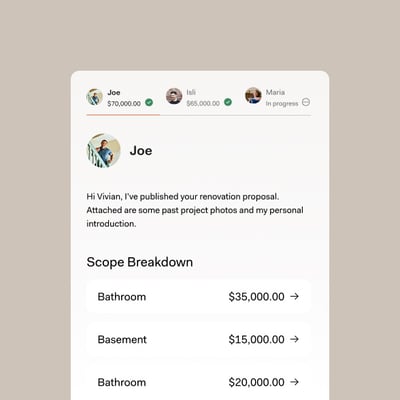
Renovation Studio is Block Renovation’s planning tool designed to help homeowners visualize and plan renovation choices before construction begins. It lets you explore different design directions and see how selections can come together, which is especially useful when you’re making several interdependent decisions like flooring, wall finishes, and lighting.
You can use it to test layout ideas—like where a media wall could go, how built-in storage might change a room’s feel, or how different finish palettes read under basement lighting. For a Rochester basement remodel, that kind of visualization can help you commit to a cohesive plan instead of making last-minute decisions once work is underway.
Defining the basement’s purpose early helps you make smarter design decisions because lighting, sound control, storage, and even ceiling strategy change depending on how the room will be used. In Rochester, where many homes have limited side-yard expansion options and main floors that are already fully spoken for, a clear “use case” keeps the remodel focused and prevents wasted square footage.
A media room belongs in a basement because concrete and earth naturally dampen sound, making movie nights less disruptive to the rest of the house. The separation is a real advantage in Rochester homes where living rooms often sit close to the front entry and get used constantly during busy weekdays. Putting the “big TV” downstairs can also avoid reworking a main-floor layout or building an addition that may be constrained by lot lines and neighborhood setbacks.
A gym is uniquely suited to a basement because it benefits from durable surfaces and sound isolation that’s harder to achieve on upper floors. In Rochester, where winter weather can make outdoor workouts inconsistent, a basement gym can be used year-round without rearranging furniture every time you exercise. It also avoids the cost and zoning complexity of adding an outbuilding or expanding into a tight backyard.
Workshops and storage belong in basements because they benefit from being out of sight while still easily accessible from the main living areas. In Rochester, many households deal with seasonal gear—snow shovels, boots, sports equipment—and a basement zone can keep entryways from turning into perpetual clutter. This approach can prevent you from giving up a garage bay or remodeling the first floor just to gain closets and utility space.
Block matches you with a vetted contractor for your project, helping Rochester homeowners find the right fit for the scope and timeline of a basement renovation. Their process organizes the project from planning through construction so you’re not managing every moving piece alone. It’s a practical option when you want a clear path from early decisions to a buildable plan.
Block Protections include features designed to reduce risk during construction, and systemized payments help keep draws structured around project progress. Together, those tools add clarity to what you’re paying for and when, which is especially helpful once demolition and hidden-condition work begins.
Remodel with confidence through Block

Connect to vetted local contractors
We only work with top-tier, thoroughly vetted contractors

Get expert guidance
Our project planners offer expert advice, scope review, and ongoing support as needed
Enjoy peace of mind throughout your renovation
Secure payment system puts you in control and protects your remodel

Renovate confidently with Block
Easily compare quotes from top quality contractors, and get peace of mind with warranty & price protections.
New York
Planning a Rochester Home Addition? Start Here
06.19.2026
.png?width=640&name=2nd%20Story%20Addition%20(1).png)
New York
Home Additions in Buffalo: Budget, ROI & Financing Guide
05.26.2026
Cost
Bathroom Remodeling Cost: 2026 Pricing & Real Examples
05.11.2026

New York
Custom Home Building in Syracuse, New York: Local Guide
04.20.2026

New York
Custom Home Build Costs in Buffalo, NY | Block
03.26.2026