




Custom Home Building in Atlanta, GA: A Complete Guide for Future Homeowners

Budget your upcoming Atlanta custom home build with help from Block
How we get your estimate
Fill out the form above to either connect with contractors for a personalized quote or estimate your costs with Block's Renovation Studio.
A luxurious, two-story Southern-style home with classic architectural elements and lush landscaping.

In This Article

    Atlanta, GA, combines economic opportunity, cultural vibrancy, and diverse neighborhoods that continue attracting professionals, entrepreneurs, and families from across the country. As the economic and cultural capital of the Southeast, Atlanta offers Fortune 500 headquarters, a thriving film industry, world-renowned universities, and a cost of living that remains reasonable compared to other major metros. The region's rolling topography creates distinct neighborhoods from in-town communities like Virginia-Highland and Inman Park to established suburbs in Buckhead, Druid Hills, and expanding areas throughout North Fulton, Cobb, and Gwinnett counties.

    Building a custom home in Atlanta requires understanding the area's varied terrain with significant elevation changes, coordinating across multiple county jurisdictions with distinct requirements, and managing projects through the region's distinct seasons. Foundation requirements vary dramatically based on lot slope and soil conditions across Atlanta's complex geology.

    Design a Home That’s Uniquely Yours

    Block can help you achieve your renovation goals and bring your dream remodel to life with price assurance and expert support.

    Get Started

    Cost and timeline overview for future Atlanta homeowners

    Understanding local building costs and timeframes helps Atlanta homeowners establish realistic budgets and avoid surprises during the construction process. Custom home construction in Atlanta typically ranges from $150 to $260 per square foot, with luxury builds in Buckhead, Ansley Park, or Tuxedo Park exceeding $400 per square foot depending on finishes and architectural complexity.

    Several factors influence where projects fall within this range. Labor costs reflect Atlanta's competitive construction market, with skilled trades in high demand as the metro absorbs thousands of new residents monthly. Material costs benefit from the region's position as a distribution hub with excellent highway and rail infrastructure, though specialty products still require extended lead times. The prevalence of brick exteriors and basement foundations common to Atlanta architecture adds costs compared to slab-on-grade construction and alternative siding materials.

    Lot selection significantly impacts total investment. In-town properties in desirable neighborhoods like Morningside, Druid Hills, or Brookhaven command premium prices from $400,000 to several million for teardown opportunities with mature trees and proximity to employment centers. Suburban parcels in rapidly developing areas like Canton, Woodstock, or eastern Gwinnett County provide more affordable entry points but require longer commutes into Atlanta proper. Properties with significant slopes exceeding 15% require additional foundation engineering, retaining walls, and grading work that can add $30,000 to $80,000 to site preparation costs.

    The largest factors in determining cost

    Foundation systems represent a substantial expense in Atlanta, consuming 15-22% of total budgets due to the region's rolling terrain and prevalence of full basements that provide valuable living space and storm shelter. Properties with walkout basement potential command premiums but require careful engineering to prevent water infiltration in Atlanta's clay-rich Piedmont soils. Lots with significant slopes may need tiered foundations, extensive retaining walls, or pier systems that substantially increase costs beyond standard basement installations.

    Exterior materials account for 16-24% of construction budgets, with brick veneer dominating Atlanta's architectural landscape and buyers expecting substantial masonry coverage beyond front-facing elevations alone. Full brick exteriors add $40,000 to $90,000 compared to partial coverage but align with neighborhood expectations in many Atlanta submarkets. Stone accents, detailed trim work, and architectural elements like porticos or porte-cocheres common to Atlanta traditional styles increase material and labor costs while creating curb appeal that supports resale values.

    HVAC systems and insulation consume 8-11% of budgets, with equipment sized for Atlanta's humid subtropical climate featuring hot summers and mild winters. High-efficiency systems with SEER ratings of 16-18 provide meaningful operating cost savings over minimum-code equipment. Proper insulation in attics and crawl spaces, air sealing, and humidity control prevent moisture problems common in Atlanta's climate where cooling season humidity can reach uncomfortable levels without proper mechanical systems.

    Examples of upgrades that will push your budget higher

    Custom home features that increase construction costs include:

    • Finished basements with full bathrooms, wet bars, and walk-out access that transform lower levels into functional living spaces adding 800-2,000 square feet of finished area
    • Full brick or stone exteriors on all four sides rather than front and partial sides only, adding $50,000-$100,000 depending on material selection
    • Gourmet kitchens with professional-grade appliances, custom cabinetry, and premium countertop materials like marble or quartzite
    • Luxury master suites with spa-like bathrooms featuring freestanding tubs, steam showers, and custom closet systems with built-in organization
    • Smart home systems integrating security, climate, lighting, entertainment, and automated window treatments throughout the home
    • Wine cellars with climate control and custom racking for serious collectors, particularly popular in Atlanta's entertaining-focused culture
    • Outdoor living spaces with kitchens, fireplaces, and covered areas that extend usability three seasons despite Atlanta's summer heat and humidity
    • Three-car garages with epoxy floors, custom storage solutions, and workshop areas accommodating vehicles and equipment
    Danny Wang

    “Spend on what you use every day and save on what you can replace later. That mindset prevents regret and protects your budget.”

    Loose timelines for custom home builds in Atlanta

    Custom home construction in Atlanta typically requires 11-16 months from initial planning to move-in, with seasonal weather patterns influencing construction progress. Projects beginning in spring or early summer capitalize on favorable weather through fall, while winter starts may experience delays during occasional ice events or extended rain periods that halt site work and foundation activities.

    Atlanta-area permitting processes vary by jurisdiction, with Fulton County, Cobb County, DeKalb County, and various municipalities each maintaining distinct review procedures typically requiring 3-7 weeks for standard projects. Properties requiring variances or located in historic districts extend review periods significantly. Material lead times for custom windows, doors, appliances, and specialty products typically run 10-18 weeks, requiring advance ordering to maintain construction momentum. The region's rapid growth occasionally creates subcontractor scheduling challenges during peak building seasons from March through October.

    Understanding the role of an architect

    An Atlanta architect provides valuable expertise in designing homes that respond to the area's topography, express personal style, and navigate complex building codes and architectural review processes common in Atlanta's established neighborhoods. Architects prove essential for properties in historic districts like Ansley Park, Druid Hills, or Inman Park where compatibility reviews require careful attention to period details, or for challenging sites with significant slopes requiring creative solutions. However, many established Atlanta custom home builders maintain design departments staffed with talented professionals who create plans tailored to your preferences while incorporating their construction experience, potentially eliminating architect fees for projects utilizing traditional or transitional styles well-represented in builder portfolios.

    Transparent Pricing You Can Trust

    Start your renovation using Block’s Price Assurance. See a detailed cost breakdown with no unexpected expenses along the way.
    Get Started

    Finding the right site in Atlanta for your custom home

    An experienced home builder provides critical guidance in evaluating potential lots, identifying issues that could inflate costs or create construction challenges based on their experience across Atlanta's varied terrain and soil conditions. They assess site characteristics that significantly impact project feasibility and budget.

    Site evaluation considerations include:

    • Soil quality and site stability: Atlanta sits in the Georgia Piedmont region characterized by red clay soils mixed with decomposed granite that present unique construction challenges. These heavy clay soils drain poorly and expand when wet, creating potential foundation movement and water management issues that require proper engineering. Geotechnical investigations reveal bearing capacity and whether bedrock lies close to the surface, which can complicate excavation for basements or utility trenching. Properties on slopes may have exposed rock outcroppings that increase excavation costs or require blasting, adding significant expenses to site preparation.
    • Utilities access: Most developed Atlanta neighborhoods offer municipal water, sewer, electricity, and natural gas connections, though service providers vary across Fulton, DeKalb, Cobb, and Gwinnett counties with distinct rate structures. Suburban and exurban properties may require well and septic systems, with wells typically reaching 200-400 feet to access adequate groundwater in the Piedmont region. High-speed internet access varies, with fiber increasingly available in developed areas but limited in some rural pockets of outlying counties.
    • Zoning and restrictive covenants: Atlanta-area jurisdictions enforce zoning regulations governing lot coverage, building height, setback requirements, and sometimes architectural style that directly impact design possibilities. Many established neighborhoods maintain active homeowner associations with architectural review committees enforcing detailed design standards controlling materials, colors, and architectural compatibility. Historic districts overlay additional requirements including National Register standards that significantly influence design direction.
    • Lot slope and drainage: Atlanta's rolling Piedmont topography creates properties with significant slopes that dramatically impact foundation design, site development costs, and drainage engineering. Lots with more than 10-12% grade require careful planning to prevent erosion, manage stormwater runoff, and create level areas for home placement and outdoor spaces. Retaining walls, French drains, and proper grading prevent water infiltration into basements, a common concern in Atlanta given clay soils' poor drainage and the region's 50 inches of annual rainfall.
    • Proximity to amenities: Commute times to major Atlanta employment centers including Midtown, Buckhead, Perimeter, or various suburban office parks significantly impact daily quality of life as the metro's size and traffic congestion create substantial drive times. Access to MARTA rail stations provides commuting alternatives for those working in areas served by public transit. Proximity to quality retail, dining, and cultural venues influences lifestyle satisfaction.
    • Environmental concerns or hazards: Tornado risk exists across the Atlanta area, making basement spaces valuable for storm shelter in addition to their function as living areas or storage. Properties near former industrial sites may require Phase I environmental assessments, though most residential neighborhoods pose no contamination concerns. Radon occurs occasionally in Atlanta area homes, though proper basement ventilation and mitigation systems address this manageable issue.
    • View, orientation, and privacy: Properties with southern exposures benefit from passive solar gain during Atlanta's mild winters while requiring shade strategies for summer cooling, making covered porches and strategic landscaping valuable. Lot orientation affects how outdoor spaces function during different seasons and whether prevailing breezes provide natural ventilation. Wooded lots offer privacy and mature character but may require selective clearing to allow sufficient sunlight and reduce moisture problems around foundations.

    Atlanta homeowners prioritize proximity to highly-ranked school systems like those in North Fulton, eastern Cobb County, or Decatur City Schools when selecting lots. Reasonable commute times to employment centers, neighborhood walkability, and mature tree cover also factor heavily into site selection decisions.

    Popular custom home styles and trends in Atlanta

    • Traditional Southern homes with brick exteriors and columned front porches remain popular throughout Atlanta, referencing Georgian, Colonial Revival, and Neoclassical architecture common in established neighborhoods. Symmetrical facades, hipped or gabled roofs, and formal entries create timeless elegance. Interior layouts increasingly combine traditional elements like formal dining rooms and libraries with open kitchen-living areas and flexible spaces serving as home offices or playrooms.
    • Craftsman-style homes with low-pitched roofs, exposed rafter tails, and front porches suit Atlanta's tree-lined neighborhoods and temperate climate. Stone or brick foundations, mixed exterior materials, and detailed woodwork create welcoming facades. Open floor plans with built-in cabinetry, hardwood floors, and attention to craftsmanship honor the Arts and Crafts movement while accommodating contemporary living patterns.
    • Modern farmhouse designs with board-and-batten siding and metal roofing accents have proliferated across Atlanta suburbs and in-town teardown replacements. Black-framed windows, covered porches, and neutral color palettes photograph well while providing flexible interior layouts. Open floor plans with shiplap accent walls, exposed beams, and rustic-modern fixtures balance casual aesthetics with updated conveniences.
    • Transitional homes blending traditional proportions with contemporary details offer timeless appeal without feeling dated or stylistically specific to current trends. Brick or stone exteriors with simplified trim profiles, larger windows, and cleaner lines create understated elegance. These designs prove popular with buyers seeking homes that maintain value across changing design preferences.
    • Contemporary designs with clean lines, mixed materials, and abundant glazing appeal to buyers in urban neighborhoods seeking modern aesthetics and maximum natural light. Steel, concrete, stone, and wood combine in geometric compositions that contrast with traditional neighbors. Open floor plans, indoor-outdoor living integration, and minimalist interiors accommodate contemporary lifestyles.
    • Outdoor living spaces with covered porches, screened rooms, and outdoor fireplaces extend functional living areas through Atlanta's mild spring, fall, and winter months. Ceiling fans, outdoor kitchens, and comfortable furnishings create true outdoor rooms that serve as entertainment hubs. Stone or brick fireplaces provide ambiance and warmth during cool evenings from October through April.
    • Finished basements with entertainment areas, guest suites, and home theaters maximize Atlanta homes' livable square footage while providing valuable storm shelter space. Walkout basements on sloped lots create seamless indoor-outdoor connections to lower-level patios or yards. Wine storage, home gyms, and hobby spaces take advantage of below-grade areas while maintaining proper moisture control and finishes.

    Additional articles to help prepare you for the home building process

    Comprehensive resources for planning your Atlanta custom home project:

    • Buy vs. Building Your Next Home - Detailed Cost Breakdown: This article compares purchasing existing Atlanta inventory versus custom construction, helping you evaluate factors like neighborhood preferences, architectural style options, and long-term investment potential in one of the Southeast's most dynamic markets.
    • New Home Construction Timelines & Important Factors: Understanding realistic construction schedules helps Atlanta homeowners coordinate housing transitions, anticipate seasonal weather impacts, and maintain appropriate expectations as projects progress through permitting, construction, and inspections across multiple jurisdictions.
    • Your House Rehabbing Checklist, and FAQs—Answered: For Atlanta homeowners considering renovation of existing properties in established in-town neighborhoods with architectural character, this guide addresses budgeting, permitting, and contractor selection for comprehensive rehabilitation projects.
    • How to Negotiate with a Contractor before your Home Remodel: This resource provides negotiation strategies Atlanta homeowners can apply when finalizing custom home builder contracts to ensure transparent pricing, reasonable payment schedules, and protection against scope creep or cost overruns.
    • Remodeling a Home for Multigenerational Home Living: Atlanta families planning custom homes that accommodate aging parents or adult children benefit from design strategies providing privacy, accessibility, and shared spaces within single-family structures reflecting changing household compositions.

    Partner with Block to find your ideal Atlanta home builder

    Block Renovation connects Atlanta homeowners with thoroughly vetted custom home builders through a streamlined matching process that considers your project scope, budget, and design preferences. Our platform pre-screens builders for proper Georgia licensing, comprehensive insurance coverage, and demonstrated track records of quality work across Atlanta's diverse neighborhoods and construction challenges including varied topography and soil conditions. Atlanta clients receive multiple qualified proposals from builders experienced with local requirements, permitting processes, and architectural expectations.

    Block Protections safeguard your investment by holding project funds in escrow and releasing payments only when construction milestones are verified complete and meet quality standards. This structured payment approach protects homeowners from contractor default or substandard work while ensuring builders receive fair compensation for completed phases. Transparent payment schedules aligned with construction progress create accountability throughout the months-long custom home building journey.

    Questions to ask Atlanta home builders when making your final selection

    Finding the right builder extends beyond reviewing portfolios and references to include evaluating their communication style, problem-solving approach, and whether their business practices align with your expectations throughout the construction process. Questions to ask potential Atlanta custom home builders include:

    • What experience do you have building on sloped lots and managing drainage in Atlanta's clay soils? Their approach to foundation design, waterproofing, and site drainage reveals whether they understand local conditions and can prevent common moisture problems that affect Atlanta homes.
    • How do you handle architectural review processes in neighborhoods with homeowner associations or historic districts? Experience navigating design review boards and understanding specific neighborhood requirements indicates whether they can move projects efficiently through approval processes or will face learning curves causing delays.
    • What warranty coverage do you provide and how do you handle callbacks after move-in? Comprehensive warranties typically lasting 1-2 years on workmanship and their responsiveness to addressing punch list items indicate commitment to long-term quality and customer satisfaction.
    • Can you provide a detailed breakdown of allowances in your estimate and typical costs for selections? Transparent allowance figures for fixtures, flooring, countertops, and other finishes prevent budget shock when making actual product selections during construction and reveal whether their estimates reflect realistic pricing.
    • How do you manage subcontractors and ensure quality control at each phase of construction? Detailed explanations of supervision practices, quality checkpoints, and how they handle subcontractor deficiencies indicate their commitment to delivering exceptional results versus accepting minimal acceptable work.

    Ready to move ahead? Talk to Atlanta custom home builders to get started

    Building a custom home in Atlanta offers the opportunity to create spaces perfectly suited to your lifestyle while taking advantage of the city's economic vitality, cultural amenities, and temperate climate. Thorough planning around site topography, foundation requirements, and neighborhood compatibility transforms the complex construction process into an achievable goal. Connect with experienced Atlanta custom home builders to discuss your vision, evaluate potential sites, and begin the rewarding journey toward your ideal Georgia home.

    Remodel with confidence through Block

    Happy contractor doing an interview

    Connect to vetted local contractors

    We only work with top-tier, thoroughly vetted contractors

    Couple planning their renovation around the Block dashboard

    Get expert guidance

    Our project planners offer expert advice, scope review, and ongoing support as needed
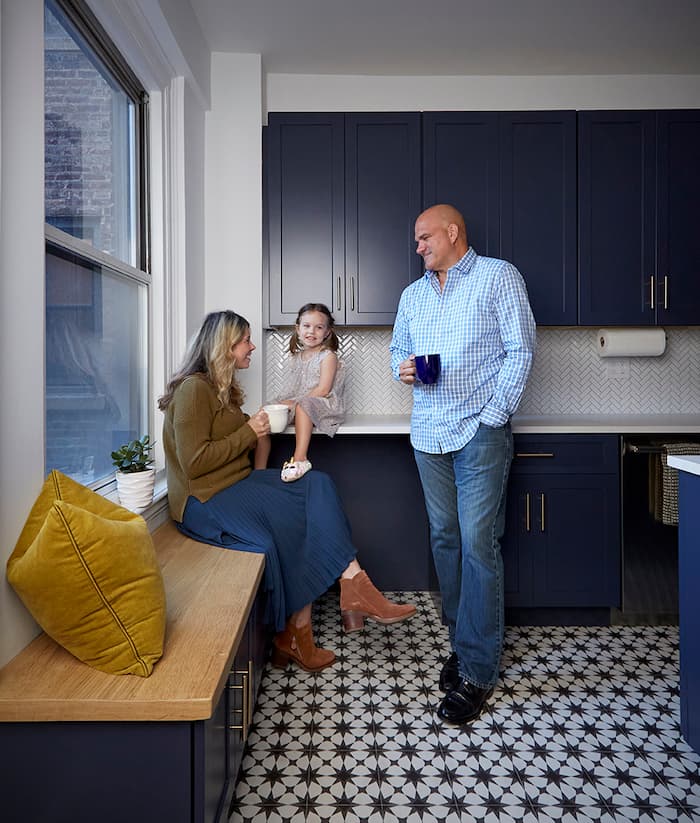
    Familty enjoying coffee in their newly renovated modern ktchen

    Enjoy peace of mind throughout your renovation

    Secure payment system puts you in control and protects your remodel

    Get Started

    Frequently asked questions

    I want to build a second home on my property; how do I know if it qualifies as an ADU?

    Accessory Dwelling Units in Atlanta-area jurisdictions must comply with local zoning regulations that vary significantly by county and municipality, typically requiring minimum lot sizes ranging from 10,000 to 15,000 square feet depending on location. The ADU cannot exceed 50% of the primary residence square footage or specific caps typically around 1,000-1,200 square feet. Setback requirements, parking provisions, and owner occupancy rules vary by jurisdiction. Many established neighborhoods prohibit ADUs entirely through deed restrictions regardless of zoning allowances. Consulting with your local planning department and reviewing property deed restrictions clarifies feasibility before investing in design work, as regulations differ substantially between City of Atlanta, Fulton County, Cobb County, DeKalb County, and various municipalities.

    What are common issues that cause permits to be denied?

    Permit denials in Atlanta-area jurisdictions typically stem from setback violations where structures encroach too close to property lines, exceeding lot coverage percentages, or inadequate parking provisions. Properties in historic districts or subject to homeowner association architectural review require design approval before permits can issue, with compatibility concerns causing delays until modifications address committee requirements. Inadequate structural engineering documentation for foundations on sloped sites or drainage plans that don't properly address stormwater management prevent permit approval. Complete submittal packages with required engineering stamps, energy code compliance calculations, tree preservation plans where required, and proper erosion control details expedite the review process across jurisdictions.

    What custom home features should I incorporate to boost resale value?

    Finished basements with full bathrooms and daylight or walkout access significantly improve marketability to Atlanta buyers who value the additional living space and storm shelter that basements provide. Open floor plans connecting kitchen, dining, and living areas remain highly desirable as buyers prioritize entertaining and casual family living over compartmentalized formal spaces. Gourmet kitchens with large islands, quality appliances, and custom cabinetry consistently deliver strong returns as buyers view kitchens as the home's centerpiece. Luxury master suites with spa-like bathrooms and main-floor placement appeal to buyers across age groups. Covered outdoor living spaces with fireplaces extend functional square footage through Atlanta's mild spring, fall, and winter months when outdoor areas see heavy use.

    What are ideas for weatherproofing my new Atlanta home?

    Proper basement waterproofing including exterior drainage systems, sump pumps with battery backup, and interior-exterior waterproofing membranes prevents moisture infiltration in Atlanta's clay soils and high rainfall climate. French drains around foundations with proper grading and gutter systems with extensions channel water away from structures during heavy rainfall events. High-quality roofing materials with proper ventilation and ice-and-water shield protect against occasional winter ice dam events and summer storm damage. Installing whole-house surge protection safeguards electronics and appliances from lightning strikes and power fluctuations common during Atlanta's frequent thunderstorms. Proper attic ventilation and insulation prevent ice dams during winter and reduce cooling loads during hot summers when attic temperatures can exceed 140°F.