



.png?width=640&name=u5821215421_Sophisticated_transitional_living_room_with_matte_d152b2ae-2c97-4d40-8f63-6c8c3f2cd61f_0%20(1).png)
Maryland
Home Additions in Baltimore: Building on Small Lots
05.22.2026
05.22.2026


In This Article
Baltimore has some of the smallest urban lots in America. A classic rowhouse sits on a lot roughly 14 feet wide and 70 feet deep, often with no front yard and a rear footprint measured in hundreds of square feet, not thousands. Outer neighborhoods loosen up some, but even the bungalows and Cape Cods of Northeast Baltimore and the western corridors sit on lots that would feel tight in Atlanta or Dallas.
Baltimore additions aren't just smaller suburban projects. Shared walls, tight alleys, formstone, CHAP districts, and rear walls that have been patched for a century make this its own category of renovation, with its own playbook.
Turn your renovation vision into reality
Get matched with trusted contractors and start your renovation today!
Find a Contractor
Before you design anything, pull your plat. Baltimore City property records list your lot dimensions, setbacks, and any easements that affect what you can build. You can find most of this through the city's SDAT records and the Department of Housing and Community Development's permit portal.
The numbers that matter most:
If any of those numbers squeeze your addition plans, you may need a zoning variance. Variances take time (often 3 to 6 months) and aren't guaranteed. A Baltimore-savvy architect or contractor can tell you quickly whether your plan fits the existing zoning or whether you're looking at a variance fight.
The classic Baltimore rowhouse move. You extend the back of the house 8 to 15 feet into the rear yard, almost always to expand a cramped galley kitchen into something livable. Sometimes you pick up a powder room or a small eating area at the same time.
A bump-out of this size typically adds 120 to 250 square feet. Costs run $250 to $500 per square foot in Baltimore, depending on finishes and how much structural work the existing rear wall needs. The rear wall of a rowhouse is usually load-bearing, so you're installing a steel beam to carry the load of the floors above. That's $8,000 to $20,000 in engineering and structural work before you've added a single square foot of new space.
One Baltimore-specific note: rear walls on older rowhouses are often in worse shape than they look. Years of patching, settling, and water intrusion catch up to them. When you open the wall for an addition, don't be surprised if the scope grows to include repointing, masonry repair, or a full rear wall rebuild.

“Gray vinyl floors and all‑white marble kitchens are turning buyers off. Trends fade faster than resale timelines.”
Instead of just bumping out the kitchen, you extend the full height of the house backward. A 12-foot two-story addition on a rowhouse gives you a bigger kitchen and family room downstairs plus a bedroom and bathroom upstairs. It's one of the most cost-efficient ways to add meaningful space because you're sharing a foundation and roof across both floors.
Expect $225 to $425 per square foot. On a 240-square-foot footprint (12 feet deep, 20 feet wide), that's a total addition of 480 square feet and a budget in the $110,000 to $200,000 range.
Many Baltimore rowhouses are two stories, and the roof is flat or nearly flat. Adding a third floor above the existing footprint is a proven path to more bedrooms without giving up any yard. You're not extending the building's footprint at all, so you don't run into lot coverage or setback issues.
The structural question is whether the existing walls and foundation can carry a new floor. Sometimes they can. Sometimes they need reinforcement, which might mean new steel posts and beams in the basement and first floor. A structural engineer's review, usually $1,500 to $3,500, tells you which situation you're in.
Pop-tops run $250 to $450 per square foot. A 600-square-foot third floor addition (the full footprint of a typical rowhouse) falls between $150,000 and $270,000.
Pop-tops are visible from the street and sometimes restricted in CHAP-designated historic districts. If you're in Fells Point, Federal Hill, Mount Vernon, Bolton Hill, or any other CHAP district, expect the Commission for Historical and Architectural Preservation to weigh in on the design.
Strictly speaking, this is outdoor living, not an addition. But the views from a Baltimore rowhouse roof can be remarkable, and for many homeowners a rooftop deck delivers what a rear yard can't. Costs run $15,000 to $60,000 depending on size, railing, and whether you're adding a proper stair enclosure or a roof hatch.
If you're weighing a pop-top anyway, adding a rooftop deck on top of it can be the best of both moves. Bedrooms in the new third floor, outdoor space on the roof above it.
Often overlooked. Many Baltimore basements are 7 feet tall at best, which doesn't meet code for habitable living space (Baltimore typically requires 7 feet of finished ceiling height, sometimes more). Lowering the basement floor (underpinning the foundation and excavating) is how some homeowners get there.
Underpinning is expensive: $400 to $900 per linear foot of foundation wall. A rowhouse basement conversion with underpinning can easily run $100,000 to $200,000. But you're often gaining 500 to 800 square feet of legitimate living space without changing the building's exterior or yard at all.
In the bungalow and Cape Cod neighborhoods of outer Baltimore (Hamilton, Lauraville, Mount Washington), detached garages and outbuildings are more common. Converting a garage into a home office or ADU, or building a new rear outbuilding, can add usable space without touching the main house. Baltimore has become more ADU-friendly in recent years, though rules vary by zone.
Not every Baltimore rowhouse has a usable attic, but some do, particularly the older ones with gable or mansard roofs. Finishing the attic into a bedroom, office, or playroom can add 200 to 600 square feet without expanding the building's footprint. The big variables are headroom (you need at least 7 feet of finished ceiling across a meaningful portion of the space) and access (a proper staircase eats floor area from the level below). Expect $50,000 to $150,000 for a full conversion with a bathroom.
Transparent Pricing You Can Trust

On a small Baltimore lot, design decisions matter more than they do on a suburban addition. Five things to keep in mind:
Baltimore's permit process runs through the Department of Housing and Community Development. For additions, you'll typically need:
Plan for 8 to 16 weeks on permits for a standard addition, longer if you need a variance or CHAP review. A general contractor who works regularly in Baltimore will know how to move these through efficiently. A contractor who mostly works in the counties will sometimes struggle with city-specific quirks.
Here's what Baltimore homeowners typically spend on additions, including soft costs:
Set aside 15 to 20% as a contingency. On rowhouses especially, surprises in the rear wall, the foundation, or the shared party wall are common. For a $150,000 addition, that means $22,500 to $30,000 in reserve, not counting design fees, permits, or finishes chosen above standard. If your addition includes a full kitchen rebuild, Baltimore kitchen renovation costs vary widely based on cabinetry, appliances, and layout, and can easily dominate the interior finishes budget.
Different Baltimore neighborhoods present different addition realities:
Baltimore rowhouse additions are not a learning project for a contractor. Shared walls, old masonry, tight access, and city permitting quirks are hard to navigate the first time. Pick someone who's done this before. When interviewing, ask:
Call three references. Ask what surprised them during the project and how the contractor handled it. Ask about change orders and final cost versus original contract. A portfolio shows you finished kitchens. References tell you how the project got there.
The tight lots, the old masonry, the party walls, the CHAP districts: a Baltimore addition has more variables than most. The projects that go well tend to start with detailed scopes, structural engineers who've been inside a rowhouse before, and contractors whose phone number is already saved in the neighbors' phones.
Remodel with confidence through Block
Connect to vetted local contractors
We only work with top-tier, thoroughly vetted contractors

Get expert guidance
Our project planners offer expert advice, scope review, and ongoing support as needed
Enjoy peace of mind throughout your renovation
Secure payment system puts you in control and protects your remodel

Renovate confidently with Block
Easily compare quotes from top quality contractors, and get peace of mind with warranty & price protections.
Maryland
Home Additions in Baltimore: Building on Small Lots
05.22.2026
.webp?width=640&name=u5821215421_A_cozy_realistic_finished_basement_living_room_av_09475126-f5ff-49a9-b7c7-a57ed46c2d09_0%20(1).webp)
Maryland
Affordable Remodeling in Baltimore: High-Impact Upgrades on a Budget
04.08.2026
Maryland
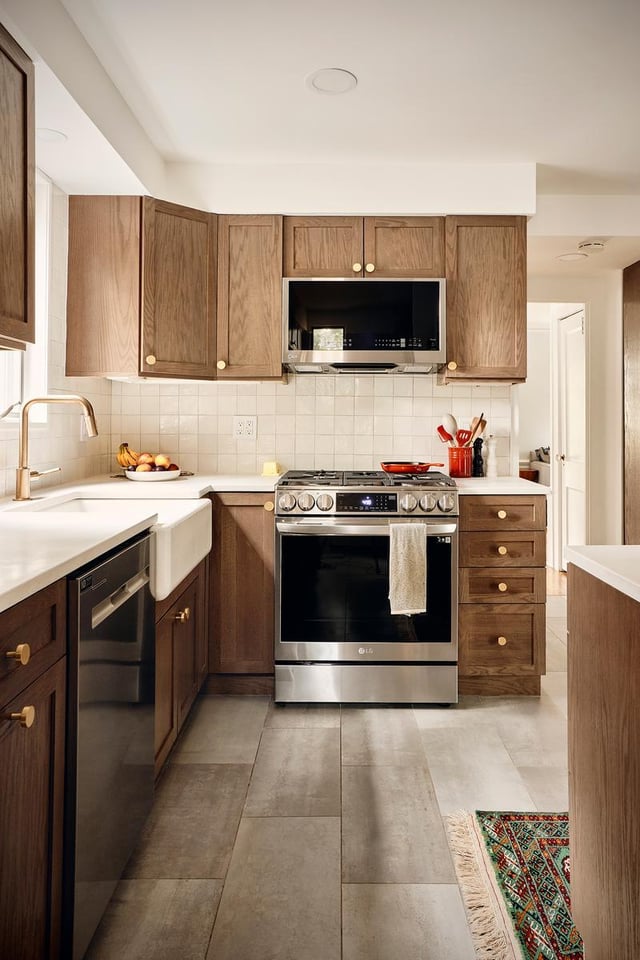
Home Renovation ROI in Baltimore: Best Projects for Sellers
04.03.2026

Maryland
Commercial Renovation in Baltimore: Permits, Costs & Contractors
04.03.2026
Maryland
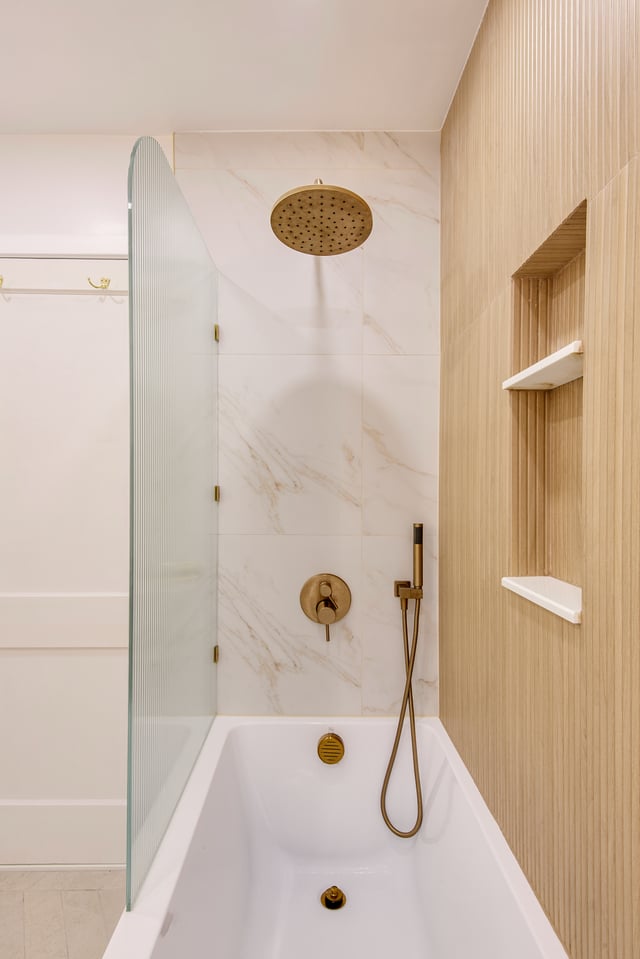
Condo & Apartment Renovation in Baltimore: Rules, Costs & Tips
04.02.2026