



Commercial
Commercial Tenant Improvement Contractors Explained
07.27.2026
02.24.2026


In This Article
A great bar is the spot where first impressions form, where guests decide to stay for one more round, and where your staff either thrives or struggles through every shift.
Whether you're opening a high-energy sports bar, a refined cocktail lounge, or a neighborhood spot with a bar that anchors the dining room, your design choices will shape the guest experience and your operational reality for years to come.
The best commercial bar designs balance two things that can feel at odds: atmosphere and efficiency. But behind that feeling is a series of deliberate decisions about layout, sightlines, lighting, color, and flow that make the whole operation hum.
Before selecting a single finish or fixture, get clear on what your bar needs to accomplish. A bar that serves as the social centerpiece has fundamentally different requirements than a service bar tucked behind a wall in a fine dining restaurant.
Ask yourself a few foundational questions:
These answers should drive every downstream commercial bar design decision, from the shape and length of the top to how much back bar storage you need to where your POS terminals live.
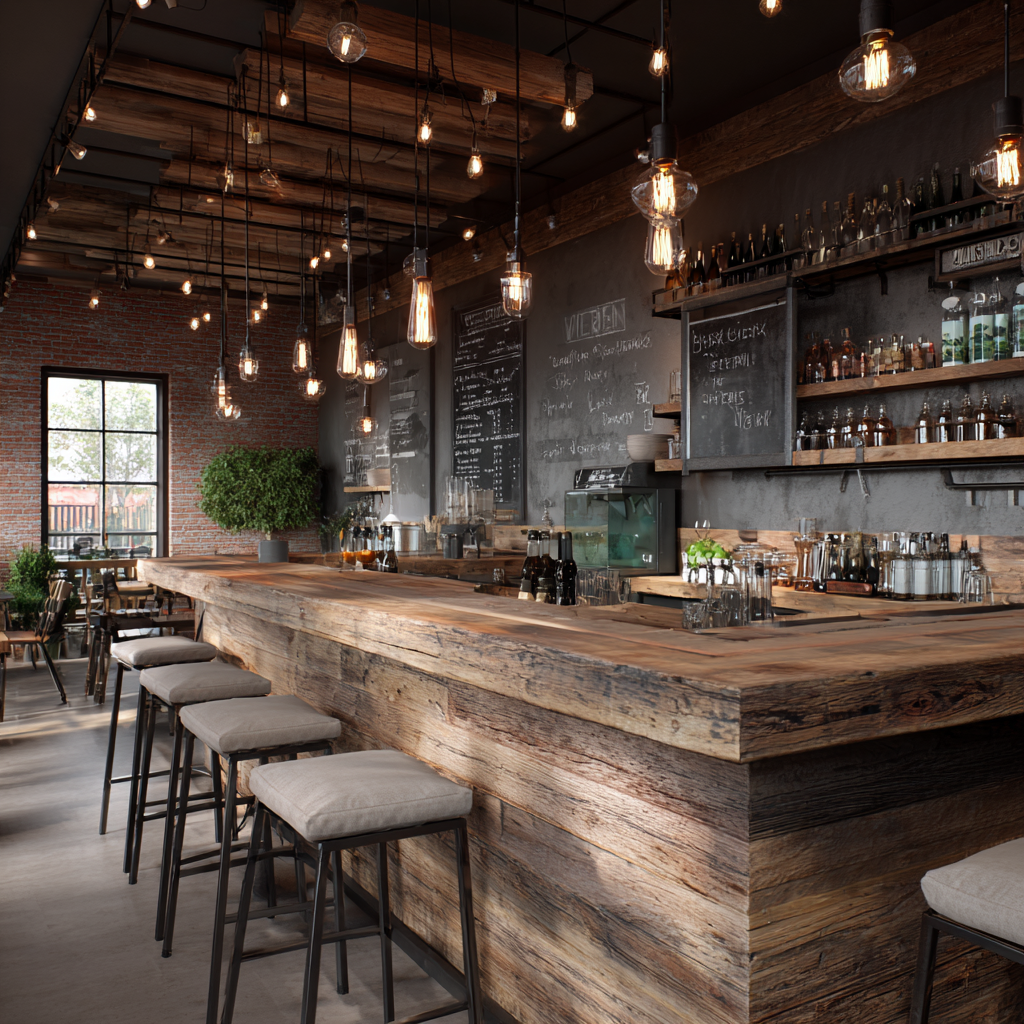
The physical shape of your restaurant’s bar determines traffic flow, seating capacity, sightlines, and how your bartenders move. Each configuration carries distinct advantages.
Industry standards suggest allowing roughly 24 inches of bar top width per seated guest for comfortable spacing. For the bar top depth, 16 to 20 inches on the guest side gives enough room for plates, drinks, and elbows without feeling cramped.
The bar top height itself matters more than people realize. A standard bar height of 42 inches pairs with 30-inch bar stools and creates that classic, slightly elevated posture that signals "this is the bar." Some restaurants opt for a lower, counter-height bar at 36 inches, which creates a more casual, accessible feel and works well for concepts that blur the line between bar and dining.
The drink rail—that narrow shelf running along the standing side of the bar—is a smart addition for high-volume spots where you want to accommodate guests who aren't seated. It expands your effective capacity without requiring more stools.
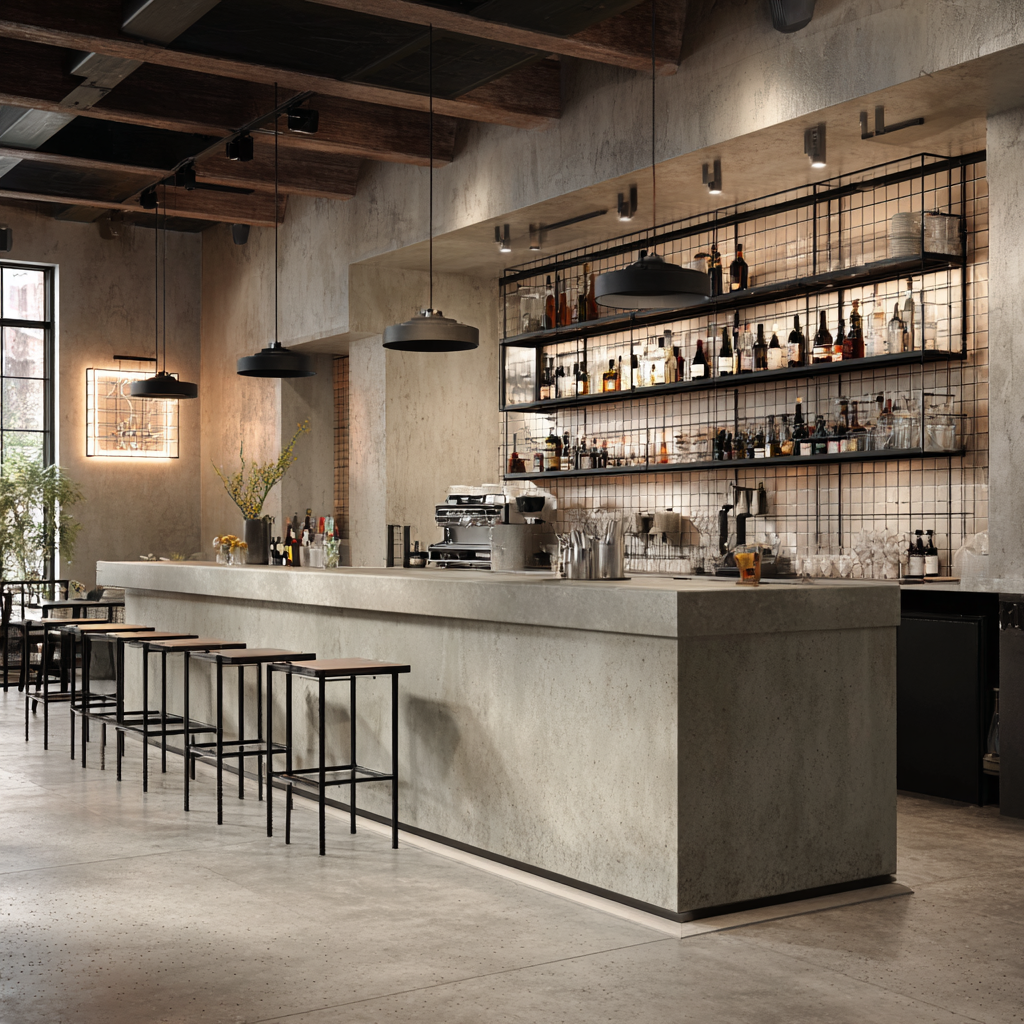
The area behind the bar is where design meets daily grind. A poorly configured well area will slow down service, frustrate your bartenders, and ultimately cost you money.
Allocate a minimum of 36 inches of clear aisle width behind the bar so two bartenders can pass each other during a rush. Your speed rail, ice bin, and primary mixing station should sit within a single pivot from the bartender's main position — this is sometimes called the "one-step rule," and it's the difference between a bartender who can serve 80 guests an hour and one who tops out at 50.
Think vertically, too. Back bar shelving should put your most-used bottles at eye or chest level, with less common items higher up. If you're running a cocktail program, dedicate space for prep tools, garnish trays, and a small refrigerated unit within arm's reach.
Underbar sinks, glass washers, and drain boards need to be planned early because they dictate plumbing rough-in locations. Moving a drain line after construction begins is one of the most common (and costly) change orders in bar build-outs.
Lighting is one of the most powerful and most underestimated tools in bar design. It affects how your space feels, how long guests stay, what they order, and even how they perceive the quality of their drinks and food.
A single overhead lighting scheme will make any bar feel flat. Instead, think in layers:
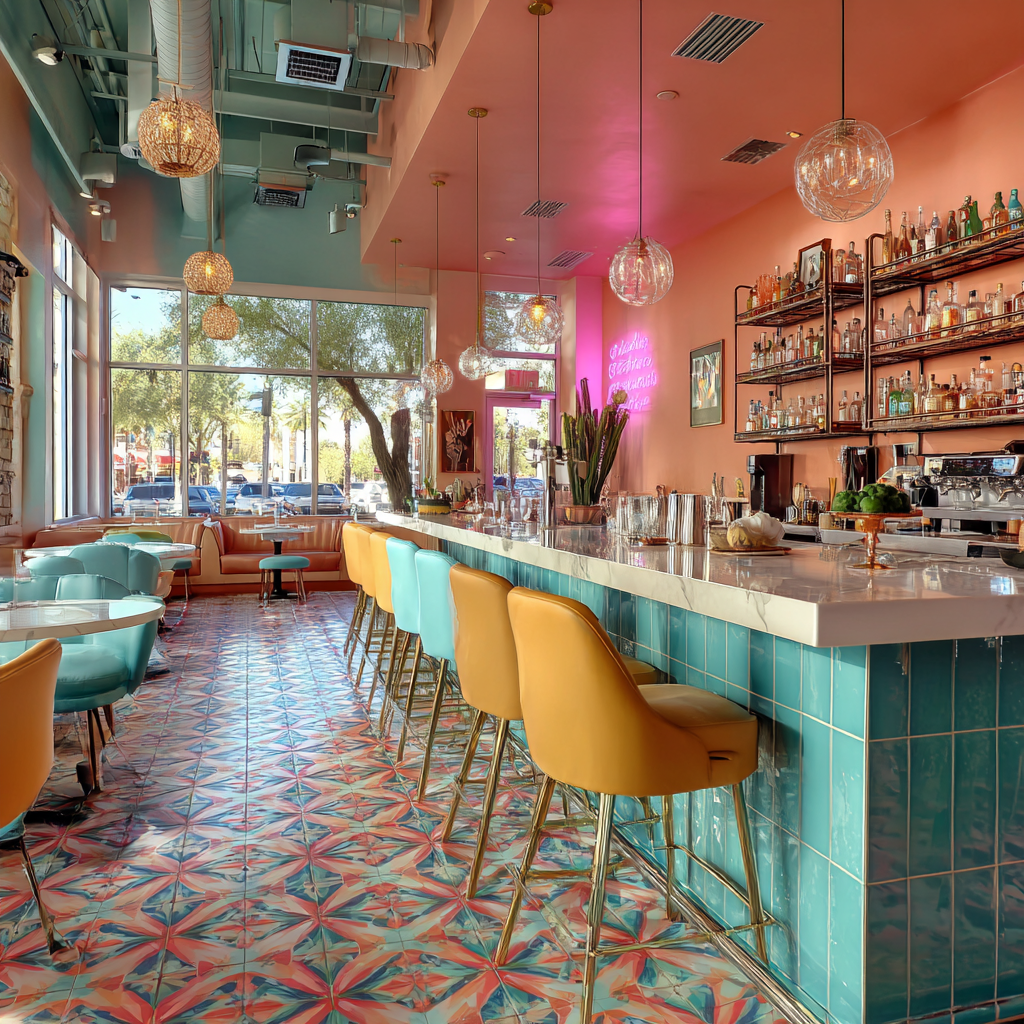
In a restaurant with a bar area and a dining room, lighting can do the work of walls without the cost or permanence. Dropping the light level in the bar area relative to the dining room (or vice versa) creates a natural sense of separation and signals a shift in energy. Spotlighting specific features, like a tap wall or a back bar display, gives guests a focal point and reinforces your concept.
For sports bars, consider how your lighting interacts with screens. Too much ambient light washes out TVs. Too little makes the space feel like a cave when games aren't on. Dimmable systems and separate lighting zones give you the flexibility to adjust for game days versus a quieter weeknight.
Color has a measurable impact on mood, appetite, and how long people stay in a space. In bar design, your palette should reinforce the experience you're selling.
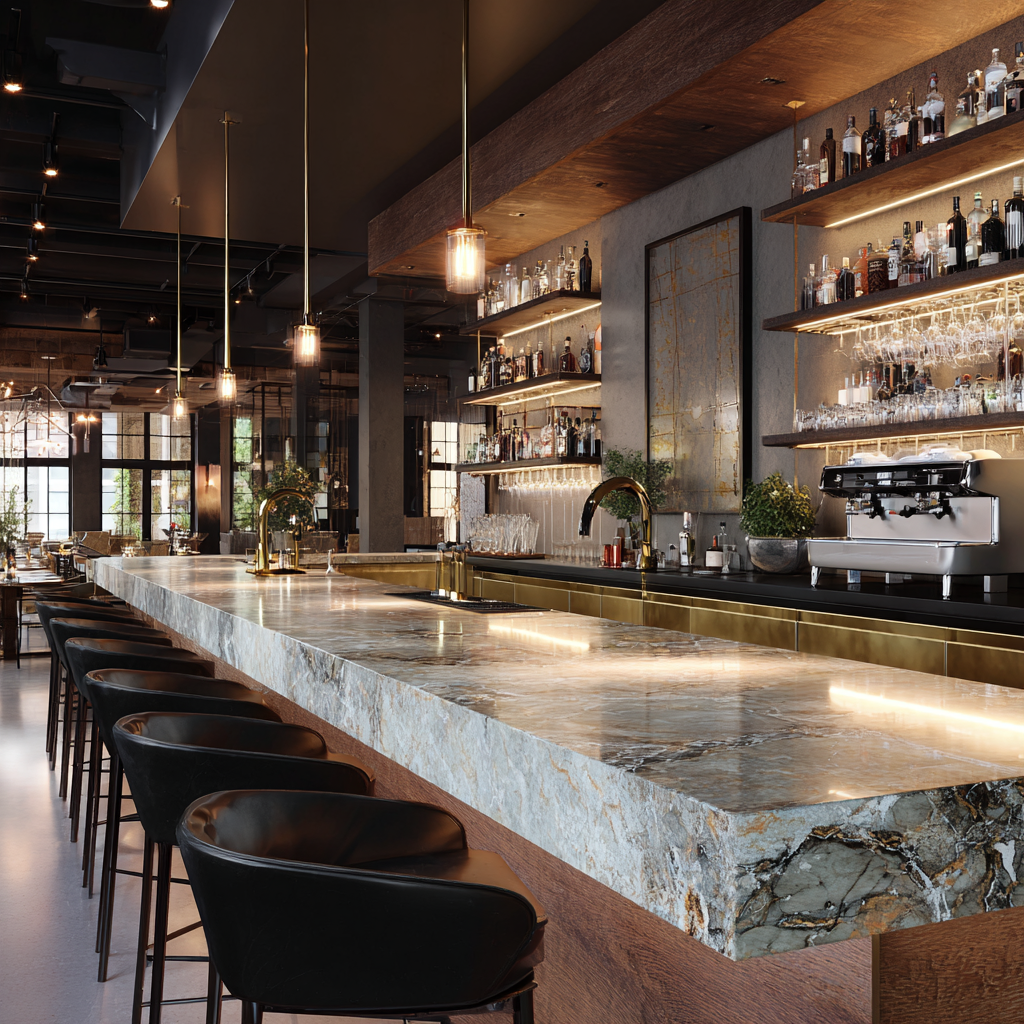
The bar top material itself sends a strong signal. Choose something that aligns with your concept and can withstand years of heavy use. After all, a bar top takes more abuse than almost any other surface in a restaurant. Specific ideas include:
Not sure how to begin your renovation?
Get free, expert guidance from a dedicated Block Project Planner who can help you navigate proposals, timelines, contractor selection, and more.
Book A Free Consultation
Sound is atmosphere. The right noise level makes a bar feel alive and buzzing. The wrong one makes it impossible to order a drink or have a conversation, and sends guests heading for the door.
It's much cheaper to run conduit, data lines, and additional electrical circuits during construction than to retrofit them after you open. Think through your technology needs before walls go up.
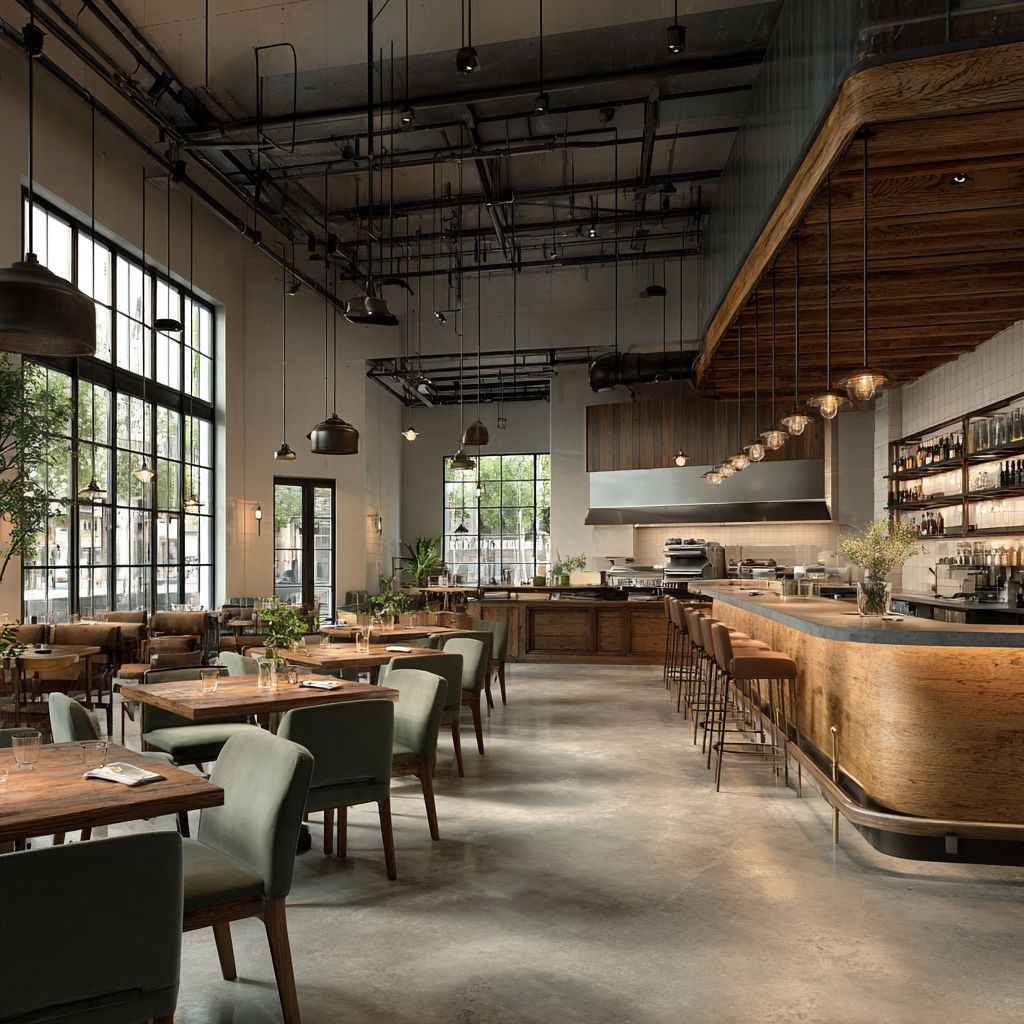
Every design choice has a financial dimension, and the best bar operators think about return alongside aesthetics.
A commercial bar build-out involves plumbing, electrical, HVAC, millwork, and often structural modifications — all in a space that needs to meet health codes, fire codes, and ADA requirements. The margin for error is slim, and mistakes at the rough-in stage cascade into expensive fixes later.
That's why working with an experienced, vetted contractor matters. You need someone who has built bars and restaurants before, who understands the specific code requirements in your area, and who can coordinate the various trades that a bar build-out demands.
Block Renovation connects business owners with thoroughly vetted, licensed contractors who have demonstrated experience with commercial renovation projects. Every contractor in Block's network passes through a rigorous vetting process, including license verification and workmanship reviews. You'll receive competitive proposals with detailed scopes, compare them side by side, and have expert support throughout the build.
Build your business with confidence

Renovate confidently with Block
Easily compare quotes from top quality contractors, and get peace of mind with warranty & price protections.
Commercial
Commercial Tenant Improvement Contractors Explained
07.27.2026

Working with Contractors
Is a Property Renovation Company Worth the Cost?
06.24.2026

Commercial
Commercial Remodeling in San Diego by Neighborhood | Block Renovation
04.27.2026
Commercial
Commercial Remodeling and Buildouts in Dallas-Fort Worth | Block Renovation
04.24.2026
Commercial
2026 Restaurant Design: 11 Trends Defining the Industry
04.24.2026