



Living Space
Bump Out Living Room: Cost, Feasibility & Options
09.06.2026
01.18.2026


In This Article
Expanding your home with a bedroom addition isn’t just about gaining more space—it's about improving comfort, privacy, and the way you live every day. The right bedroom addition or extension can change how you use your entire home, whether you need space for a growing family, want the primary suite you’ve always dreamed of, or hope to boost your property value. With thoughtful planning, you can make your new bedroom feel as if it belonged from the very start. Below, we’ll explore bedroom addition ideas, essential cost factors, and the details that help every project feel cohesive and worthwhile.
Building a new bedroom from scratch means designing from the ground up, and this approach lets you align your space with how you really want to live.
A first-floor bedroom addition, which often ranges from $40,000 to $100,000, can provide flexible living for multigenerational families, aging in place, or guests who need easy access—without the barrier of stairs. You'll enjoy benefits like access to the yard, the opportunity for oversized windows or French doors, and the ability to position the bedroom away from the daily main floor hum.
However, first-floor additions require careful attention to foundation work and integrating the new with the old—everything from matching siding and rooflines to rerouting mechanicals and updating landscaping. Zoning setbacks or neighborhood rules may restrict your building footprint. It’s a sound investment for long-term utility, but be prepared for a project that temporarily disrupts your yard and daily routines.
Second-floor bedroom additions usually start at around $40,000 and can quickly rise, particularly if you’re expanding over an older structure or need significant structural reinforcement. Building upward maximizes the space you already have, preserves your yard, and often provides treetop views and increased privacy. Plus, it allows you to position your bedroom addition away from the noise of interior activities—such as those in the kitchen or family room—as well as street traffic.
However, these projects come with complexities: you’ll likely need an engineer to assess the foundation and load-bearing walls, and tie-ins between existing and new spaces—from HVAC to stairways and roof—require both technical and design expertise. While disruptive in the short term (especially if you remain at home during construction), the result is efficient use of your lot and a higher resale potential.
A recent real-world project shows what the lower end of that range looks like in practice. In Wayne, New Jersey, Mahseri Remodeling built a one-bedroom second-floor addition on a single family home for $40,000, with 3 weeks of build time on site. The crew carried the job from architectural planning through structural framing, roofing, insulation, electrical, and interior finishes, including reinforcement at the foundation to carry the new load.
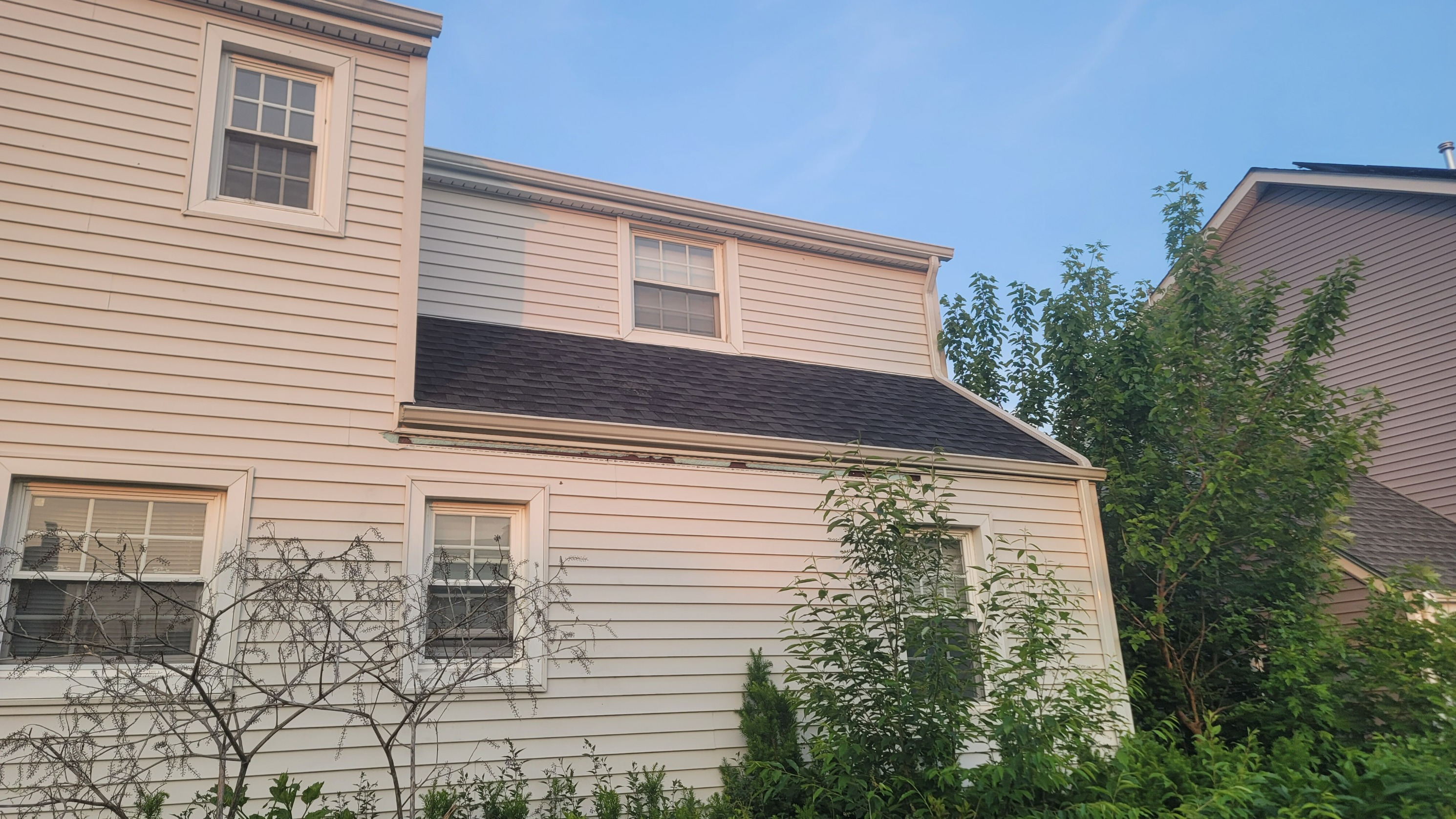
One key takeaway is that scope discipline is what keeps the costs in check. Here, you'll see one room, matched to the existing roofline and window style, with no new bathroom or mechanical system to run.
Converting a garage, attic, or basement is frequently the most cost-effective route to a new bedroom, with projects typically ranging from $20,000 to $60,000 depending on the level of finish and upgrades. Converting a garage into a master suite makes sense when your family prioritizes living space over protected parking—just know that you’ll need to address insulation, heating/cooling, and safety code for windows and exits.
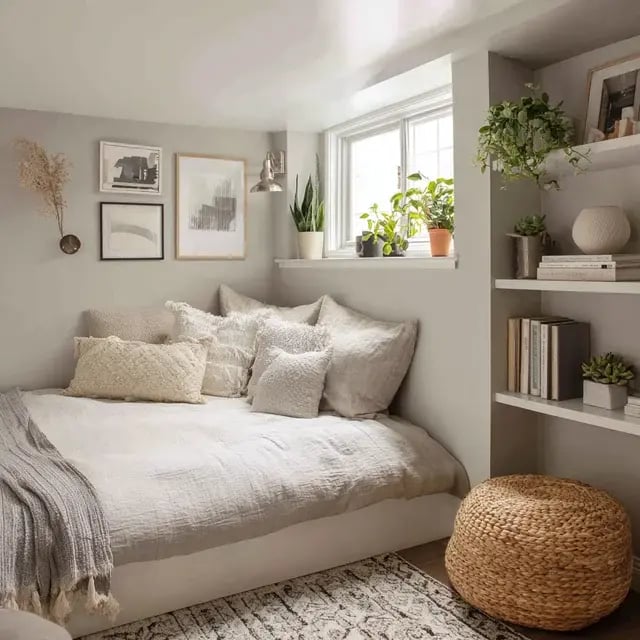
Attic or loft bedroom extension ideas often succeed with dormer additions to increase headroom, but structural reinforcements and permanent stairs can push up costs.
Meanwhile, basement bedrooms require moisture management, sump pump checks, and sometimes window wells for egress. While conversions can accelerate your timeline and transform forgotten square footage, they demand thoughtful upgrades to lighting, comfort, and ventilation if you want the results to compete with a ground-up addition.
Reusing an existing footprint can also solve a zoning problem. In La Crescenta, California, Otto Build kept the original garage location for a one-bedroom in-law unit, grandfathering that placement in, then added square footage around it. Where current setbacks would not allow a new structure in the same spot, building on what is already there is often the only way to hold the yard position you want.
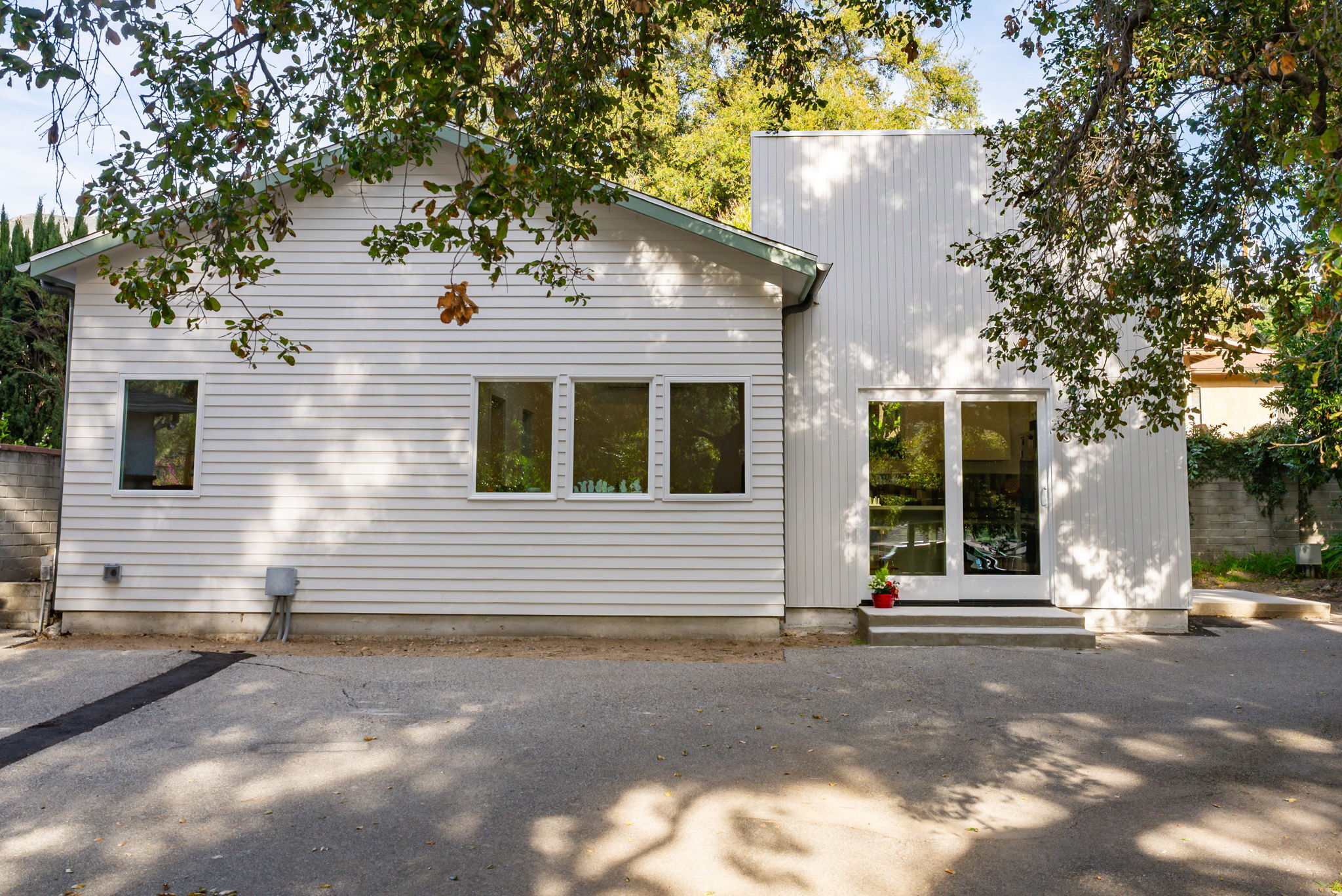
However, this specific project demonstrates that there's a point where a conversion stops being a conversion. Once the space became a full-time home for the owners' parents (with its own kitchen and a vaulted living area) the job ran $300,000 over 52 weeks, well past the range above. A guest bedroom with a closet and a permanent independent unit are different builds, and the cost follows the kitchen, the plumbing, and the utility connections more than the square footage.
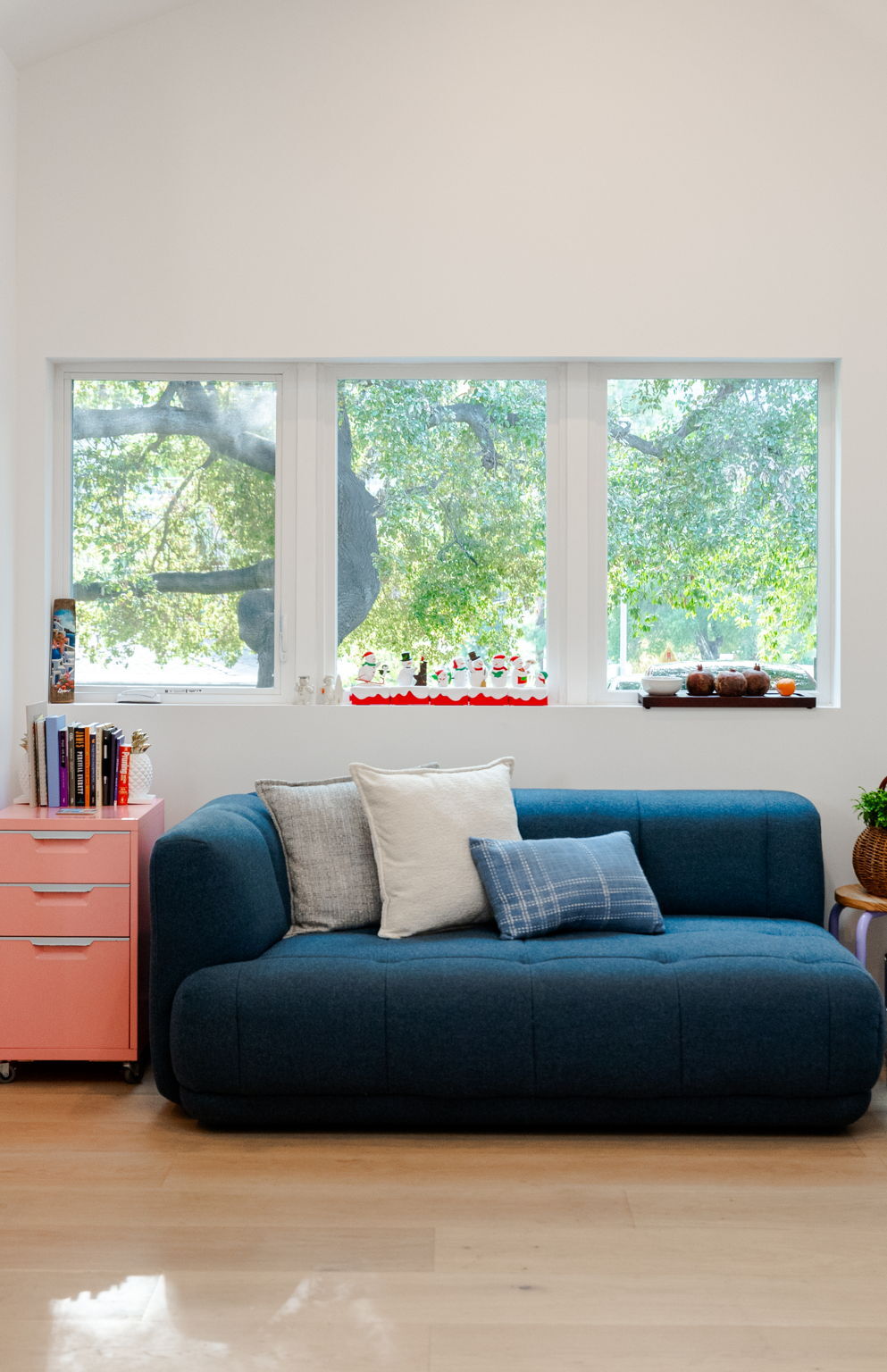
Enlarging your current bedroom—rather than building a brand new room—can stretch your investment, especially if you only need a bit more breathing room.
Dormer additions, generally costing $15,000–$30,000, are a favorite way to brighten and enlarge upper-level or attic bedrooms. They solve low-ceiling woes by adding headroom, functional space for seating or storage, and can even be used to fit in a small walk-in closet or reading nook. A properly designed dormer enhances your exterior with charming new lines and can increase your home’s value, provided exterior finishes and insulation match the rest of your home. However, structural challenges (like tying into existing rafters or roofing) and the potential for leaks or heat loss if not expertly built are factors to account for in planning and budget.
A bump out addition, usually $8,000–$25,000, allows you to stretch an exterior wall just far enough to add a window seat, a larger alcove for your bed, or extra closet depth—all while avoiding costly full-foundation work. Because they typically don’t affect the main roof or require major HVAC changes, bump outs are less disruptive to daily life and can be completed relatively quickly. Just be aware that they increase your energy envelope, which means careful attention to insulation, weatherproofing, and selecting windows that comply with local energy codes.
If your bedroom shares a wall with a little-used den, office, or oversized closet, repurposing that square footage can be a smart, budget-friendly way to create a more generous suite. Removing a non-structural wall and updating floors and lighting usually lands in the $10,000–$25,000 range, but the flexibility of not having to contend with foundation or major roof changes is a plus. However, you should consider the loss of those separate spaces—for example, turning two small bedrooms into one might reduce overall home value for future buyers who need multiple bedrooms.
Adding a new room and pushing out an existing wall by a few feet both change how weight moves through your house, and that is the moment you need stamped, engineer-approved plans. Homeowners often assume a small extension is too minor to bother with, but a bump out, a dormer, or a new deck off a primary suite all redistribute load.
An engineered plan verifies that footings, beams, connections, and tie-ins to the existing structure meet the International Residential Code (IRC) before construction starts. Engineering runs a few thousand dollars, far less than the cost of tearing out and rebuilding work that fails inspection or fails in use.
Alan Solis, CEO of Solis Painting, highlighted how even the smallest miscalculation can lead to catastrophe when talking about a time he had to fix another contractor's work.

"The "master suite addition" of my client consisted of a deck that had fallen four inches within two years of use because their contractor failed to supply the appropriate flashing and bolts according to the International Residential Code standards. We made the repairs using Simpson Strong-Tie ($8,000 fix versus $40,000 remodel). Their biggest mistake? The absence of an engineered plan."
Ideas for blending the addition into your existing home’s exterior
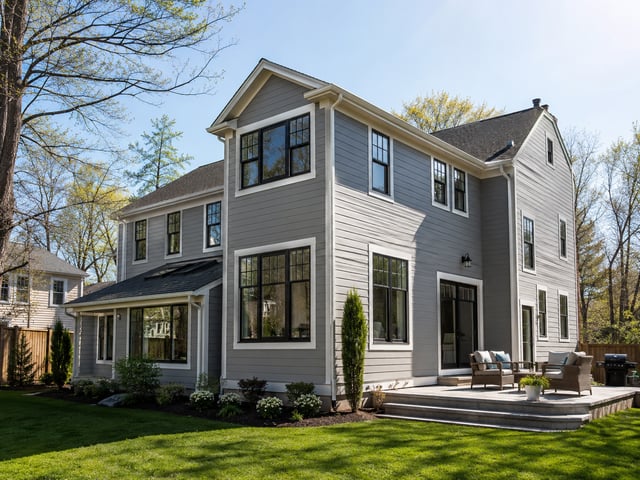
Select matching materials for every visible surface. For siding or brick, track down the original manufacturer or color for a seamless look, and replicate trim styles—window casings, soffits, and eaves—for visual unity. If a perfect match isn’t possible, opt for deliberate contrast (like horizontal shiplap to complement older brick) to make the transition feel intentional.
Keep rooflines and overhangs consistent. Continue the existing roof pitch and eave depth onto the addition to avoid awkward joints or mismatched valleys. This keeps water away from problem points and makes the profile look as if it always belonged.
Repeat window and door treatments. Use the same window grid patterns, sill depths, shutter styles, and exterior door sizes to maintain rhythm across the facade. Pay attention to head heights and align openings horizontally for a harmonious look.
Integrate landscaping and exterior lighting. Extend garden beds or walkways up to the foundation of the new addition, and duplicate outdoor lighting fixtures so both old and new glow with consistency in the evenings. Fresh plantings or decorative rock can be used to soften foundation lines and visually anchor the space to your yard.
Turn your renovation vision into reality
Get matched with trusted contractors and start your renovation today!
Find a Contractor
Instead of hiding the seam where the addition meets the original house, make it the most intentional moment in the design. Here’s a few ideas on how to do it:
Chase the light by orienting the room around the sun. Decide what you want the room to do with daylight before you place a single window. East-facing glass fills the room with soft morning light to wake up to, while a west exposure captures sunset but needs shading against afternoon heat and glare.
Choose an optimal position in the house. Place your bedroom additions away from busy living zones for greater privacy and quiet—corners of the house or above garages often offer more isolation. Plan for windows to face pleasant views (like the garden), and avoid siting near driveways or outdoor HVAC equipment to cut down on unwanted noise.
Soundproof for comfort and sleep. Invest in solid-core doors, extra wall insulation, and double- or triple-pane windows if noise from roads or neighbors is an issue. Consider using resilient channels and acoustic drywall between the addition and common or utility areas to prevent sound travel.
Prioritize flexible, functional layouts. Position your bed where you’ll get morning light instead of street glare, and leave room for seating, exercise, or a workspace if your lifestyle calls for it. Place electrical outlets on all walls, including those intended for TV or task lighting, to keep the room adaptable.
Plan for HVAC and natural ventilation. Work with a contractor to ensure your new space can be efficiently heated and cooled (which may mean upsizing your existing system or installing a ductless mini-split). Add operable windows on more than one wall for cross-ventilation, boosting both comfort and air quality year-round.
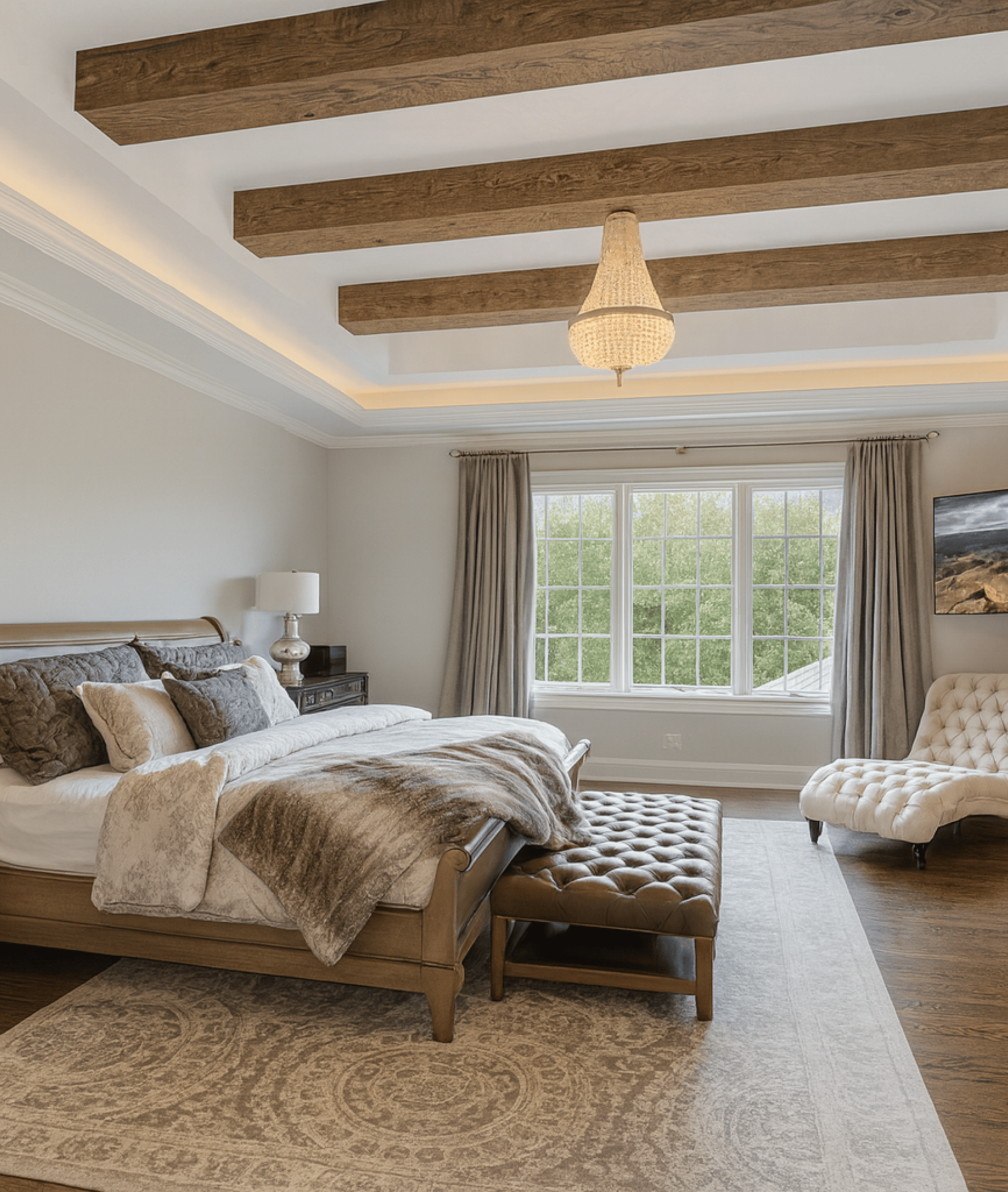
A bedroom addition is the prime opportunity to boost your daily routines with luxury and efficiency—making everyday tasks easier and every morning feel like a treat.
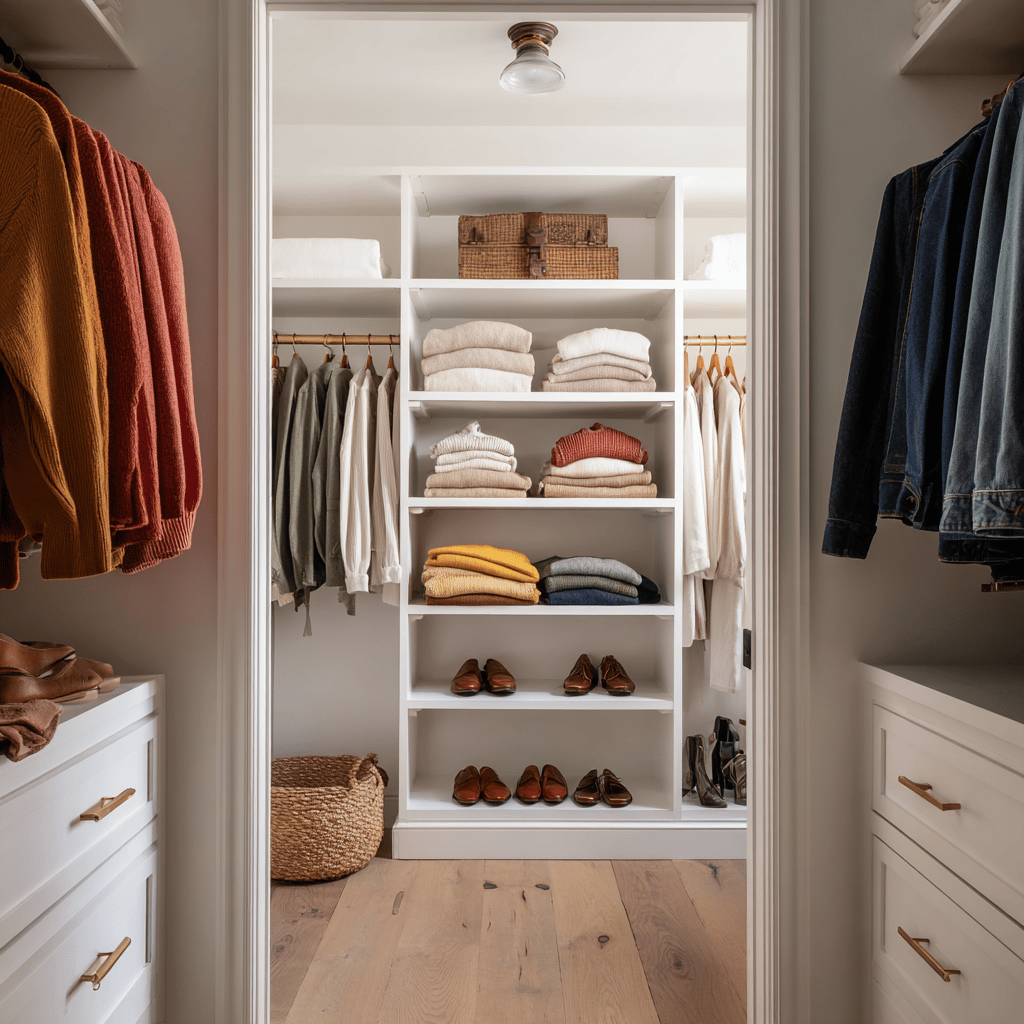
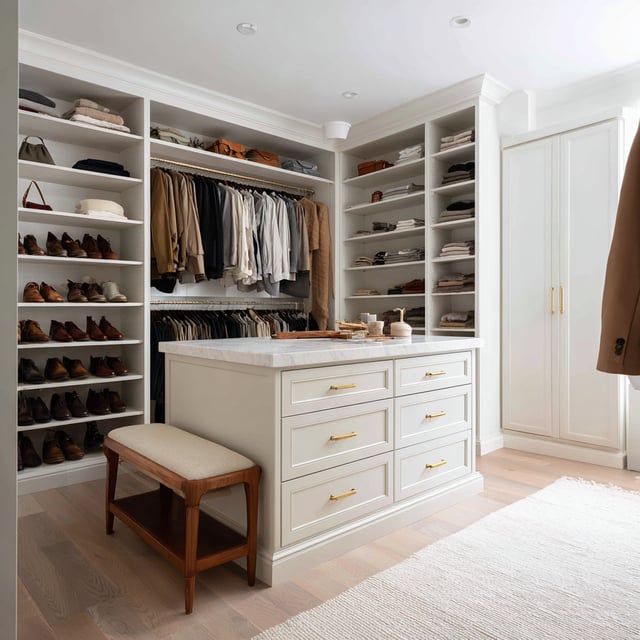
A walk-in closet should do more than hold clothes—it should streamline your routine and reduce clutter without losing sight of style and comfort.
Zone the space by item type and frequency of use. Place high shelves for out-of-season bins, pull-out racks at arm’s height for shoes and accessories, and low drawers for basics. Adjustable wardrobes are key for evolving wardrobes and sharing closets between partners.
Layer bright, consistent lighting. Use recessed LEDs, task lighting above mirrors, and sensor-activated strips in drawers. Incorporating daylight with a small window or frosted transom adds a high-end, boutique feel.
Optimize for ergonomics and tidiness. Integrated laundry hampers, out-of-sight hooks, and a bench invite order, while closed storage reduces visual clutter. If space is tight, use mirrored closet doors to expand both the perceived and functional area.
Ensure comfort and preservation. Plan discreet ventilation or a small exhaust fan for good air flow, protecting clothing from must and mold while keeping the closet feeling fresh.
Designing an ensuite bathroom for your addition means considering both everyday efficiency and the luxury of real downtime.
Position for privacy and natural light. Place the ensuite bathroom away from the main bedroom door, using pocket doors or “bathroom lobbies” to separate private areas. Skylights, frosted glass, or transoms help bring in light while protecting privacy.
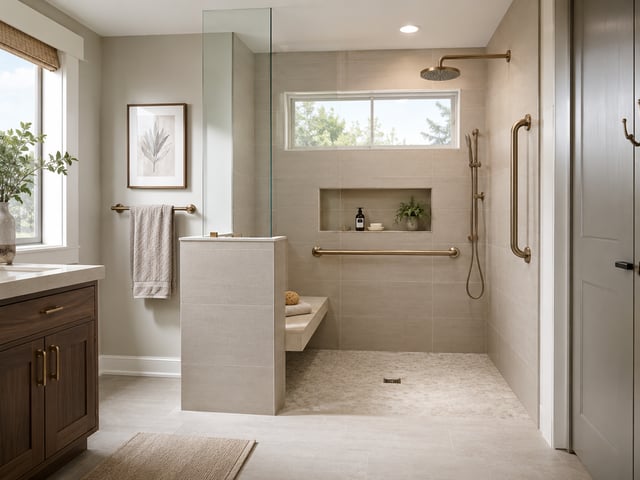
Smart layout for smooth routines. Opt for practical double vanities if space allows, and position storage towers or cubbies adjacent to the shower and sinks for easy access. Even with a small footprint, a walk-in, curbless shower increases accessibility and reduces mess from splashing.
Focus on waterproofing and easy care. Choose tile or waterproof wall panels for easy-clean surfaces, use seamless quartz or solid surface counters, and install slip-resistant flooring. Extend waterproof membrane up the wall behind wet areas, as good construction means less headache years later.
Budget for more than finishes—rerouting plumbing and infrastructure can add significant cost. Extending supply and drain lines, adjusting vent stacks, or moving a sewer connection often involves opening up floors and walls, permits, and coordination with your home’s existing systems. Such work can add anywhere from $2,000 to $10,000+ to your ensuite project, so consult with your contractor early to understand the impact on your total budget and timeline.
Bringing a bedroom addition to life means balancing cost, comfort, and curb appeal without losing sight of the little things that matter most. The right contractor will understand how to navigate codes, site challenges, and all the nuances of building “new to match old,” guiding you with clear insights and transparent budgets from the first consultation to move-in day. When you work with a Block Renovation-vetted contractor, you’re partnering with someone who cares about quality as much as you do—giving you a new room (or full suite) that feels like it was always meant to be a part of your home.
Remodel with confidence through Block

Connect to vetted local contractors
We only work with top-tier, thoroughly vetted contractors

Get expert guidance
Our project planners offer expert advice, scope review, and ongoing support as needed
Enjoy peace of mind throughout your renovation
Secure payment system puts you in control and protects your remodel

Renovate confidently with Block
Easily compare quotes from top quality contractors, and get peace of mind with warranty & price protections.
Living Space
Bump Out Living Room: Cost, Feasibility & Options
09.06.2026
Closet
Bump Out Closet Addition: Sizing and Cost by Closet Type
08.27.2026
Additions
Bathroom Bump Out Ideas, Costs & Planning
08.27.2026
Additions
Two Story Addition at the Back of the House: Cost, Design, and Scope
08.19.2026
Additions
400 Sq. Ft. Master Suite Addition Cost: 2026 Guide
06.30.2026