





Flooring
Top Rated Luxury Vinyl Tile Brands Worth Sampling
09.11.2026
02.17.2026


In This Article
Before selecting wall colors, consider how your black floors function within the room. Are they glossy or matte? Large-format tile or narrow planks? The texture and finish influence how light interacts with the surface—and how the walls should respond.
Glossy black floors reflect light, which can create visual interest but also amplify whatever color you place on the walls. Matte or textured black floors absorb light, offering a softer, more subdued backdrop that pairs well with both bold and neutral palettes.
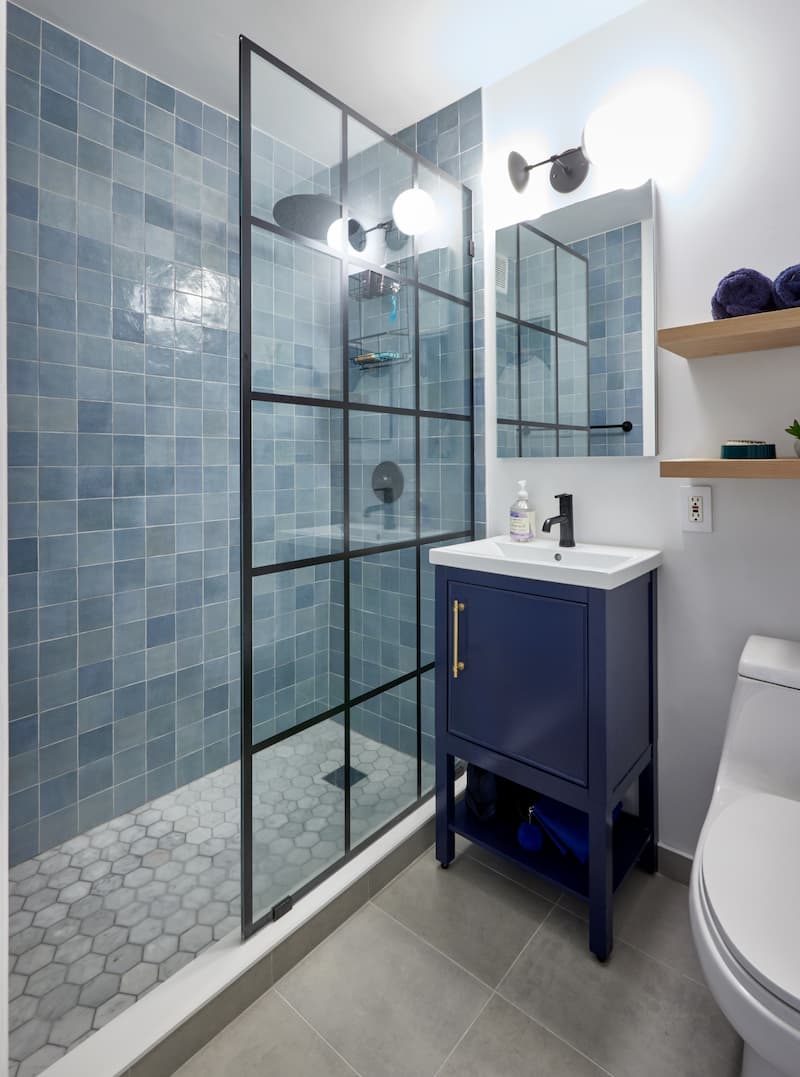
Room size and natural light matter, too. In with limited windows or smaller spaces like bathrooms, black floors can make the area feel more intimate. Lighter wall colors help counterbalance this effect. In larger, sun-filled rooms, you have more flexibility to experiment with deeper or more saturated tones.
Black floors instantly anchor a space and shift how you perceive everything above them. Bolder than brown or gray floors, black creates a strong visual foundation that makes walls appear lighter and more prominent—even neutral tones read as noticeably brighter against black. This effect can work in your favor, allowing softer colors to hold their own without fading into the background.
Black floors also establish an instantly modern aesthetic. The high contrast they create feels contemporary and intentional, which means your wall color needs to match that level of deliberateness. Colors that might feel safe or unremarkable with wood or light tile suddenly take on new significance when paired with black. The floor demands that your walls make a statement, whether that's through crisp brightness, saturated color, or tonal depth.
Bring Your Dream Bathroom to Life

Neutrals are the most reliable starting point when working with black floors. They create breathing room, allow the floor to anchor the space, and give you flexibility with furniture and accessories.
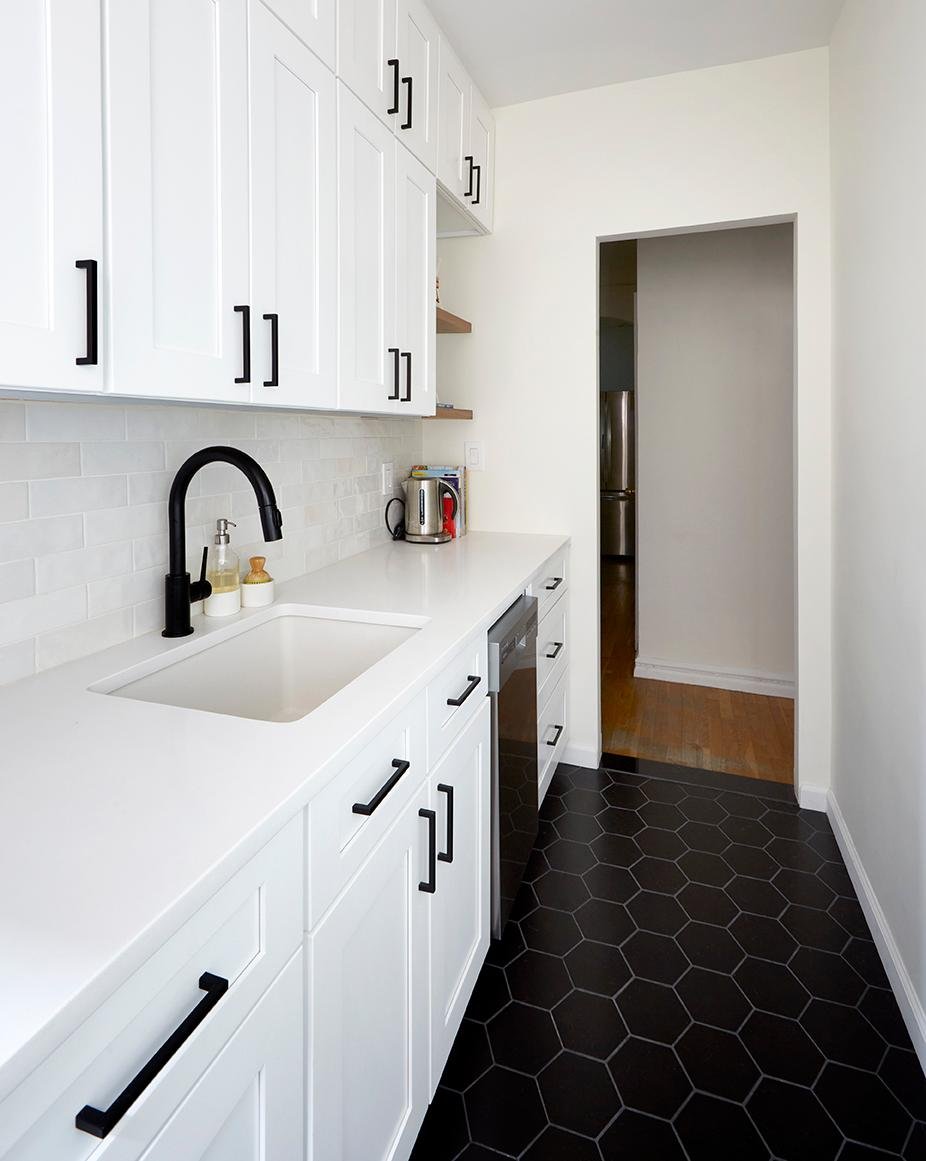
Bright white walls offer maximum contrast, making black floors feel even more dramatic. This pairing works especially well in modern or minimalist spaces where clean lines and simplicity are priorities. The stark contrast creates a gallery-like quality that lets artwork, furniture, and architectural details stand out.
Bright white is particularly effective in kitchens and bathrooms, where black tile floors are common. The white walls reflect light, keeping the space feeling open and functional. For more guidance, read How to Get the Details Right in a Small White Bathroom.
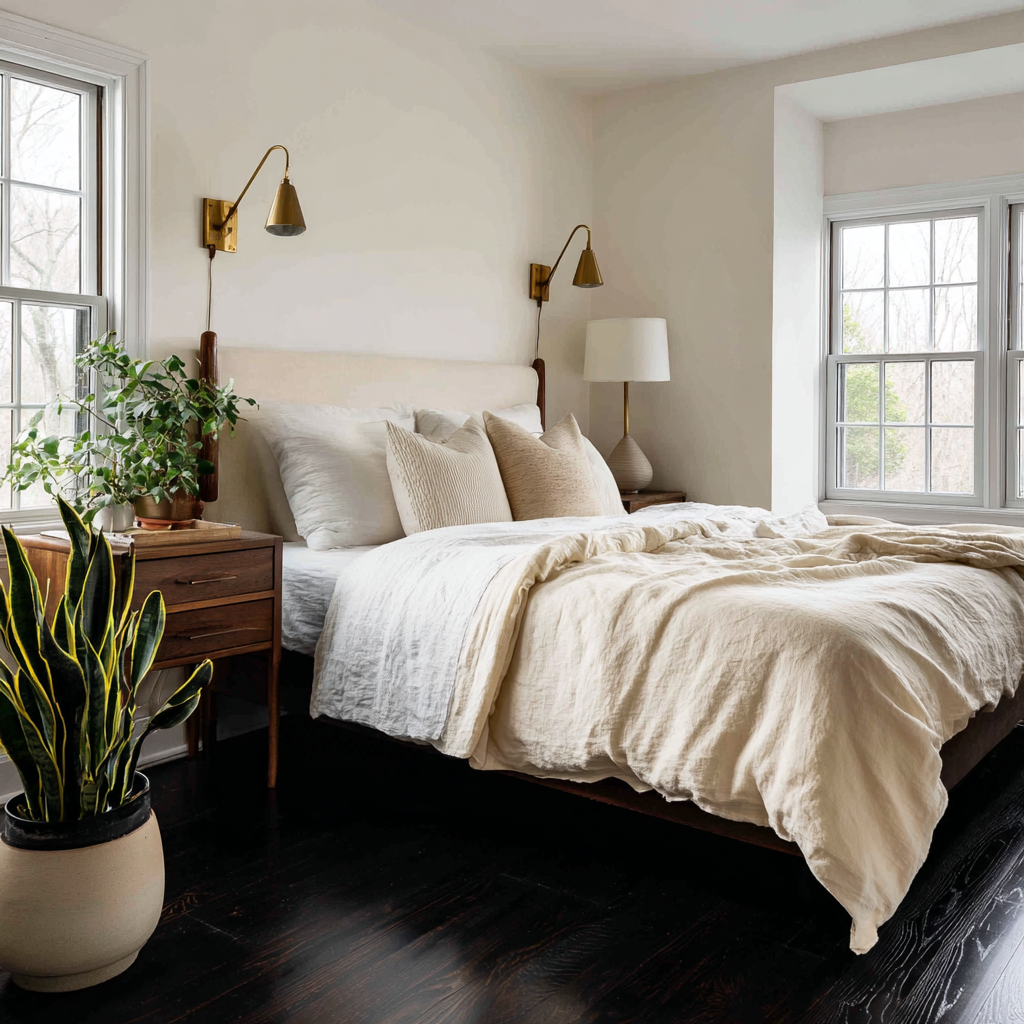
If bright white feels too clinical, warm whites with subtle yellow, cream, or beige undertones soften the contrast while maintaining brightness. These shades add a hint of warmth without competing with the floor, creating a more approachable, livable feel.
Warm whites work well in living rooms, bedrooms, and dining areas where you want the space to feel polished but comfortable. They're forgiving in various lighting conditions and pair beautifully with natural wood tones and brass fixtures.
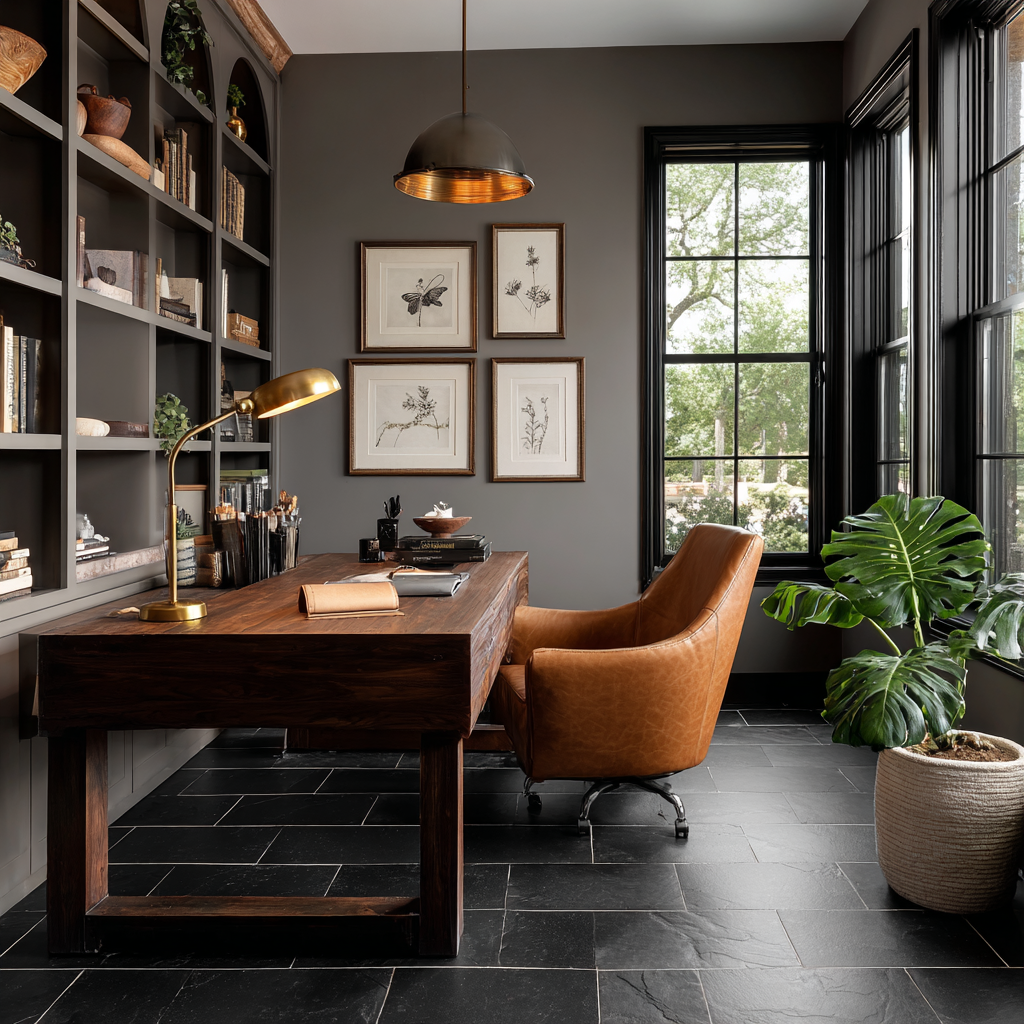
Warm gray walls create a sophisticated, cohesive look when paired with black floors. Unlike cool grays, which can feel stark or industrial, warm grays have subtle beige or taupe undertones that add depth and comfort. This combination works beautifully in living rooms, bedrooms, and dining areas where you want a polished but livable feel.
Gray also serves as a transitional color—it's neutral enough to let black floors shine, but it brings its own character to the space. Consider mid-tone grays for a balanced look, or lighter grays if you want to keep the room feeling airy.
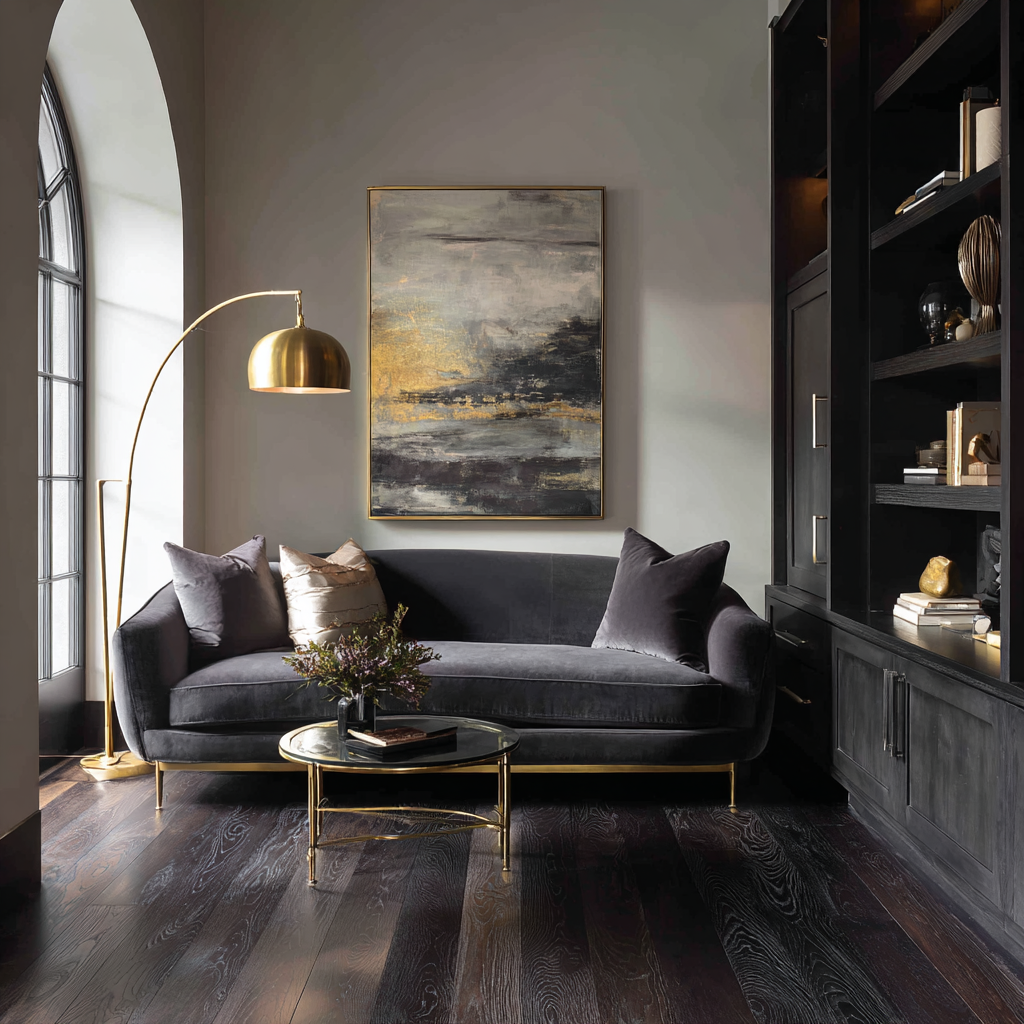
Greige—a blend of gray and beige—has become a go-to neutral for good reason. It offers the warmth of beige with the modern edge of gray, making it an ideal partner for black floors. Greige walls create a calm, grounded backdrop that works across design styles, from transitional to contemporary.
This color family is especially forgiving in rooms with varying light conditions. It reads as soft and welcoming in natural light, while maintaining its composure under artificial lighting.
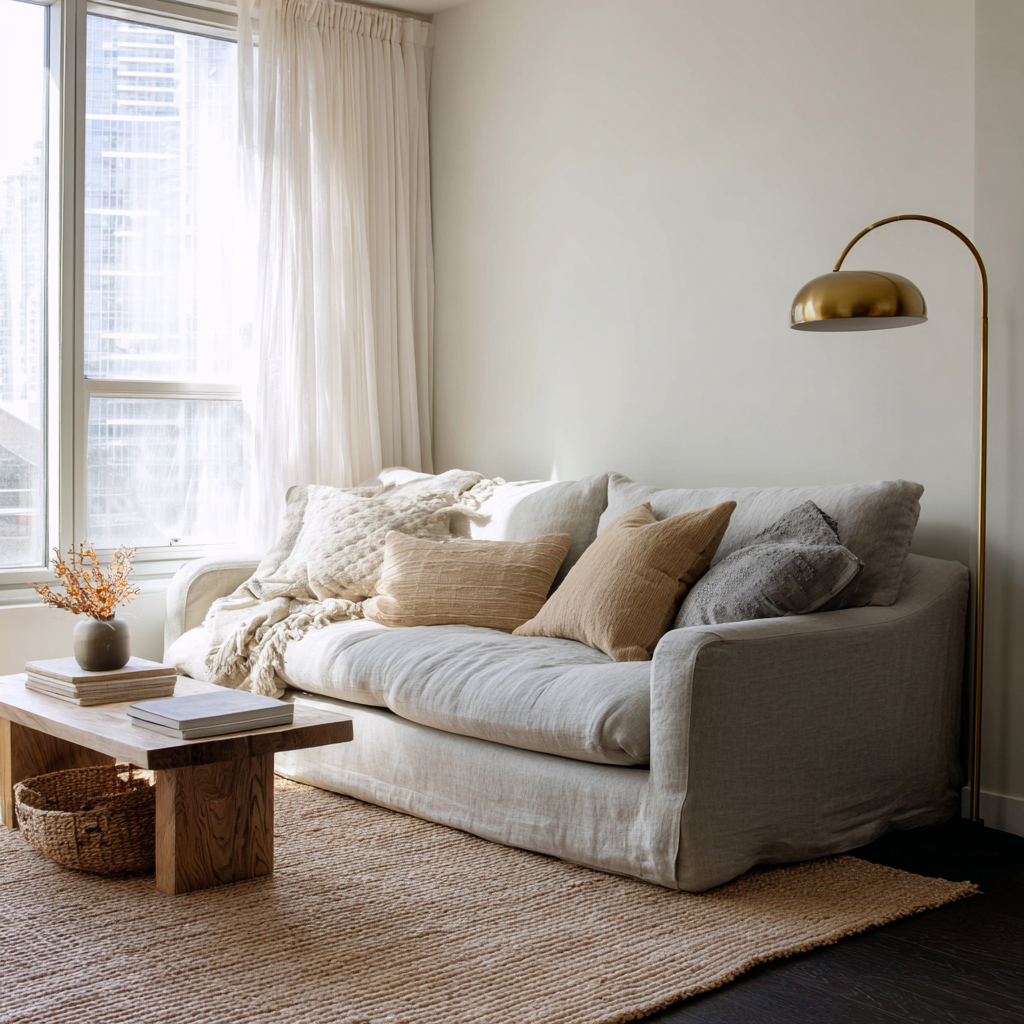
Beige and taupe bring traditional warmth to spaces with black floors. These colors create a gentle contrast that feels classic rather than stark. They're particularly effective in spaces where you want the room to feel cozy and approachable—think family rooms, bedrooms, or home offices.
Taupe, which leans slightly more toward gray-brown, adds a touch of sophistication while keeping the overall palette grounded. Both beige and taupe pair well with wood furniture, brass or gold fixtures, and natural textures like linen or jute.
If you're drawn to richer, more saturated tones, black floors provide the perfect foundation. The key is choosing colors that enhance the floor's drama without creating visual competition.
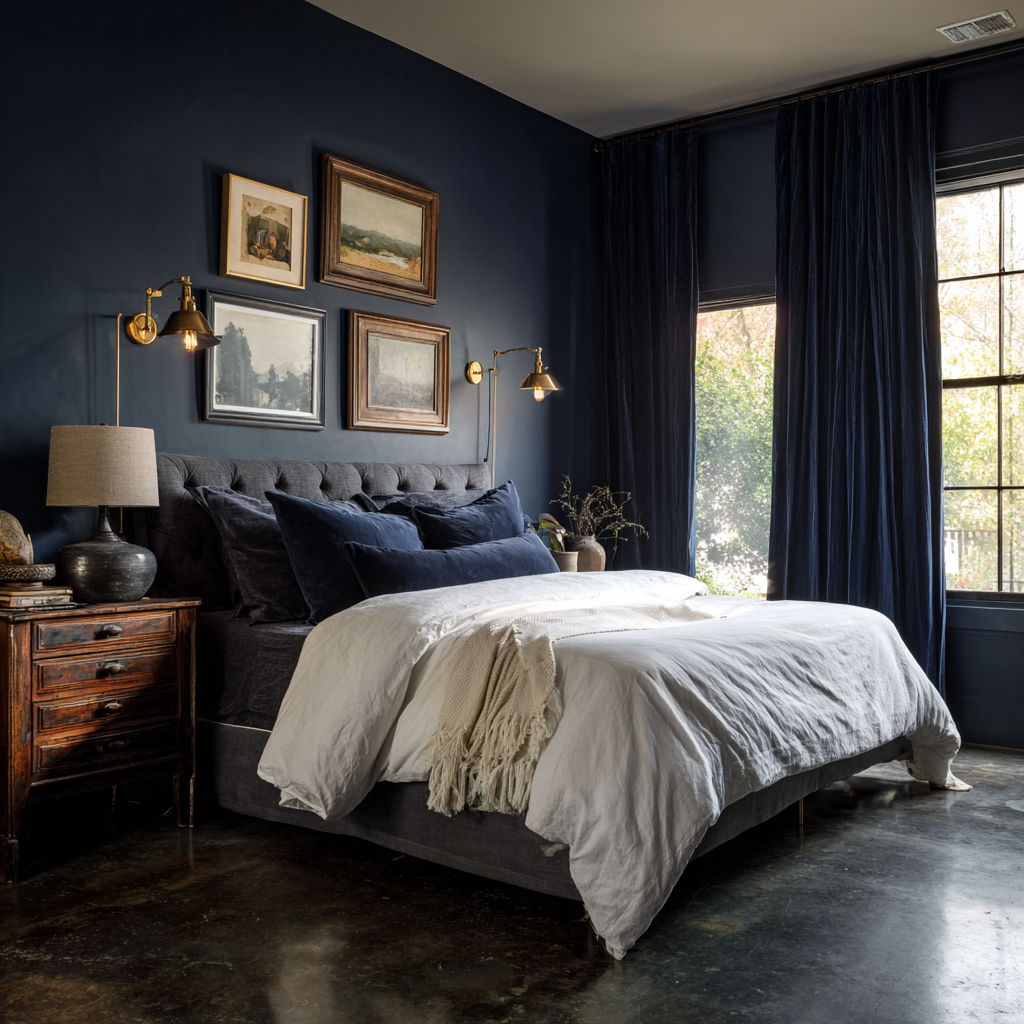
Navy blue walls with black floors create a moody, enveloping atmosphere that feels both refined and residential. This pairing works especially well in bedrooms, dining rooms, or spaces designed for evening use. The deep blue adds color and personality without clashing with the dark floor—instead, the two tones complement each other, creating a layered, cohesive look.
For a slightly lighter take, consider slate blue or dusty teal. These shades maintain the richness of navy while introducing a hint of airiness. Find inspiration with From Sky to Slate: How to Design a Stylish Blue Tile Bathroom.
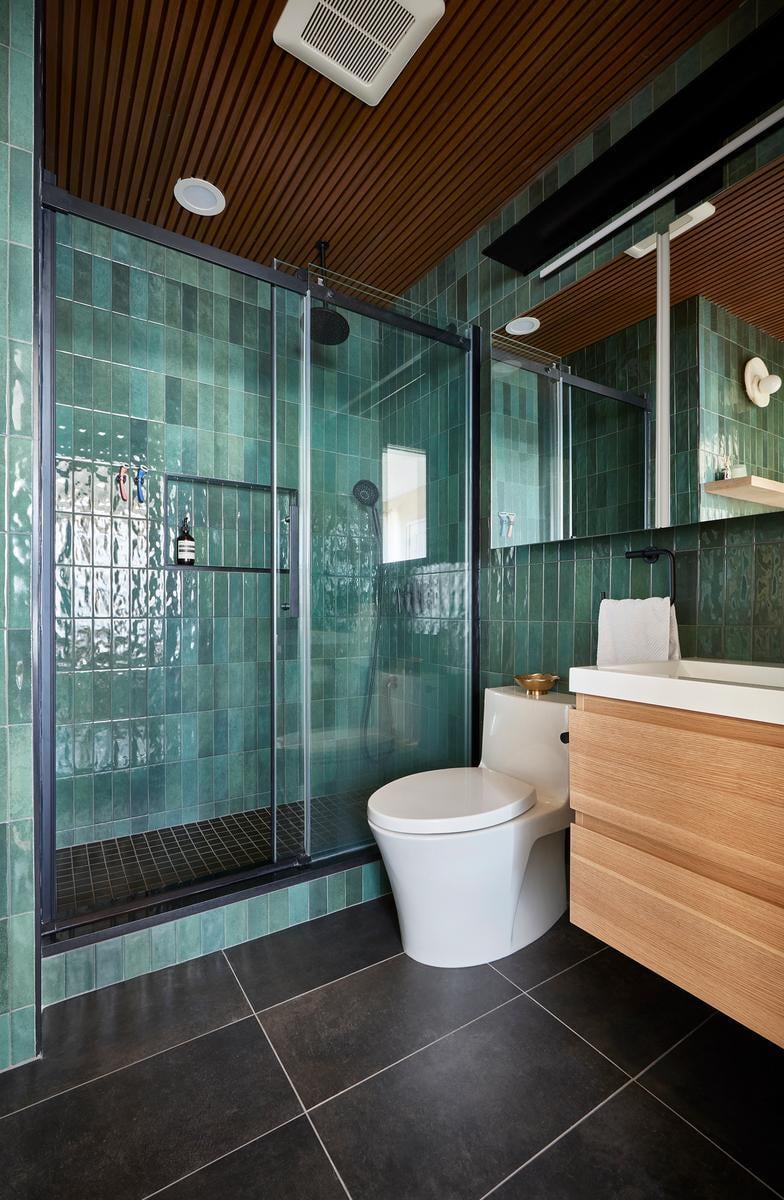
Green walls bring a natural, grounding quality to rooms with black floors. Forest green creates a bold, saturated look that feels lush and intentional, while sage green offers a softer, more organic alternative. Both tones pair beautifully with black because they share an earthy, grounded quality.
Green also brings warmth to the space without relying on traditional warm neutrals. It's an unexpected choice that feels fresh and current, especially in dining rooms, living spaces, or home libraries.
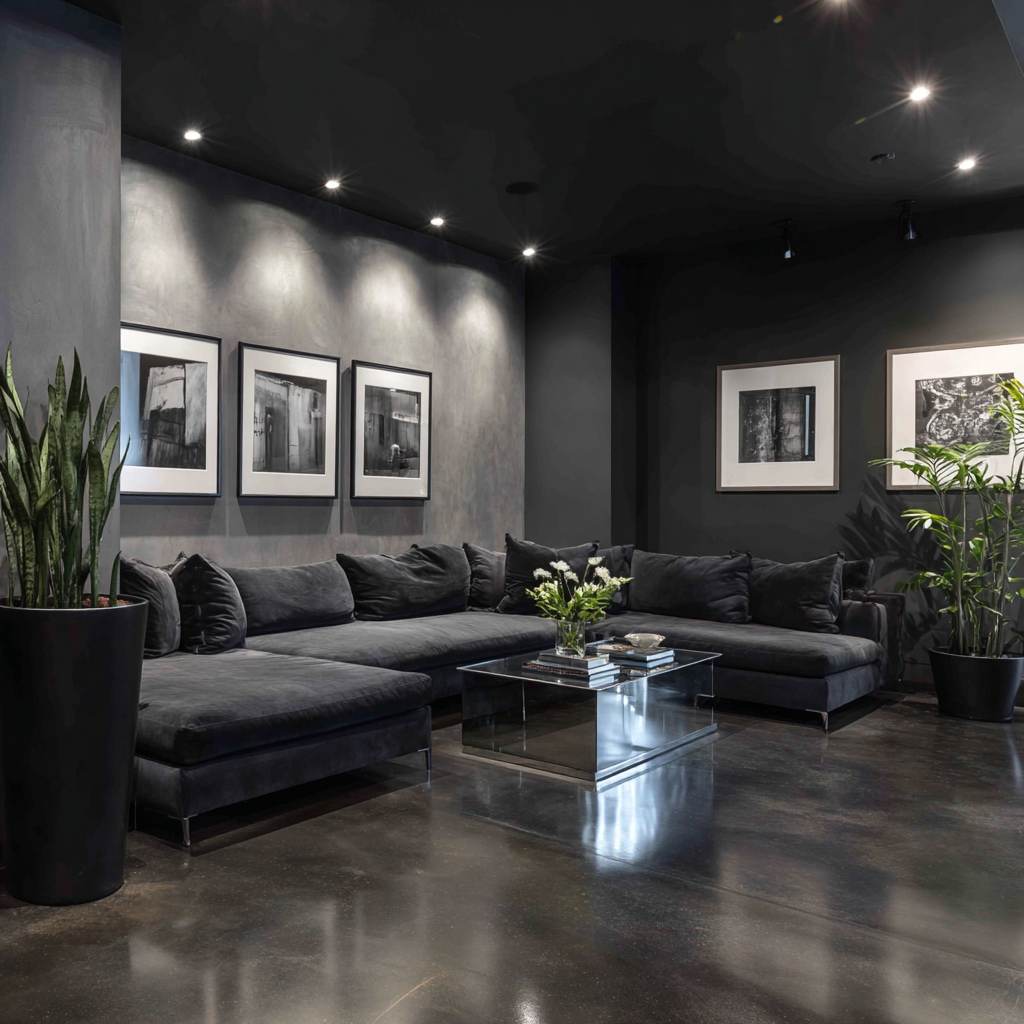
If you want a fully tonal, monochromatic space, deep charcoal or slate gray walls with black floors deliver a sleek, modern look. This approach—sometimes called "color drenching"—creates a cocoon-like feel that's ideal for media rooms, primary bedrooms, or any space where you want a sense of enclosure and intimacy.
To keep the room from feeling too heavy, incorporate lighter accents through furniture, artwork, or textiles. Metallic finishes—like brushed nickel or polished chrome—also help reflect light and add dimension.
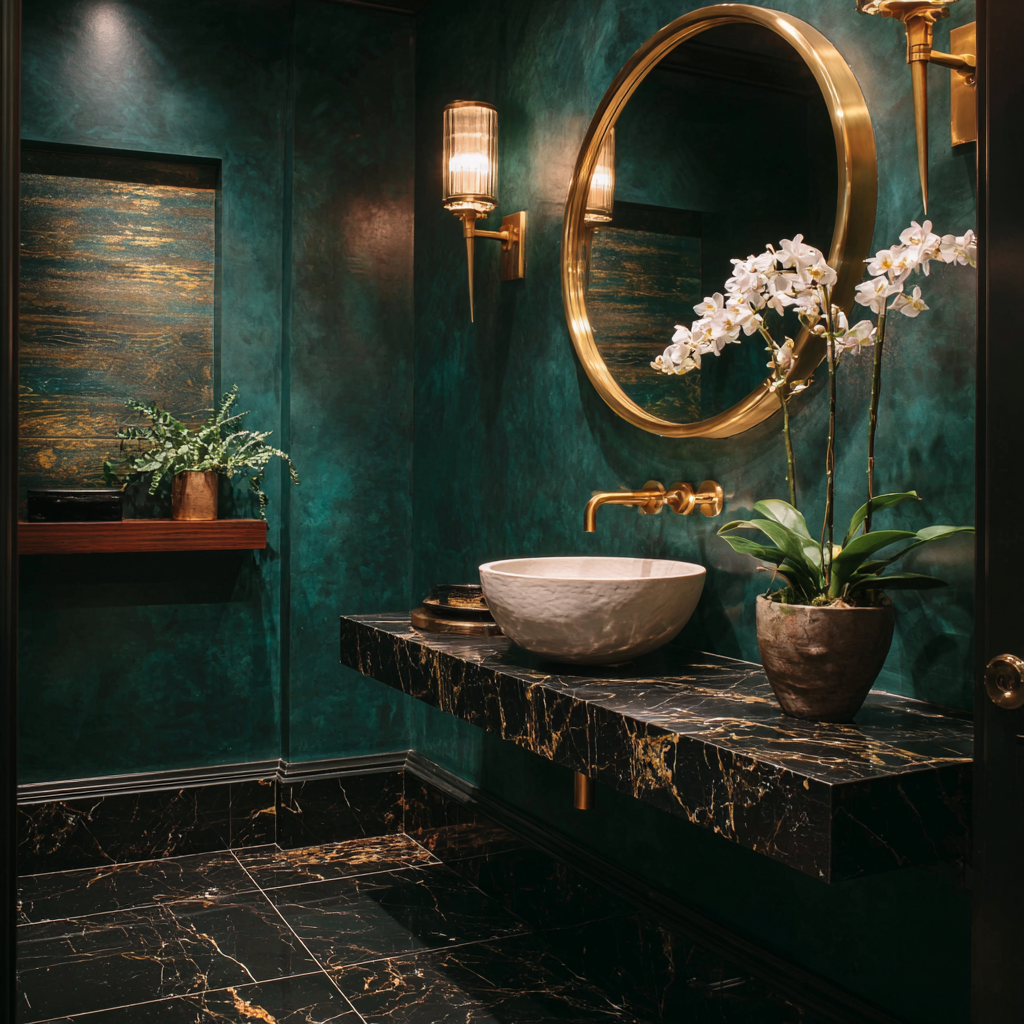
For homeowners looking to make a statement, jewel tones like emerald, sapphire, or deep plum can create a luxurious, high-impact pairing with black floors. These colors work best in well-lit rooms or spaces where drama is the goal—such as powder rooms, accent walls, or formal dining areas.
Jewel tones add saturation and energy without overwhelming the black floor. They also create opportunities to layer in complementary accent colors through art, pillows, or rugs.
In smaller rooms or spaces with limited natural light, lighter wall colors help open up the space and prevent black floors from feeling too dominant.
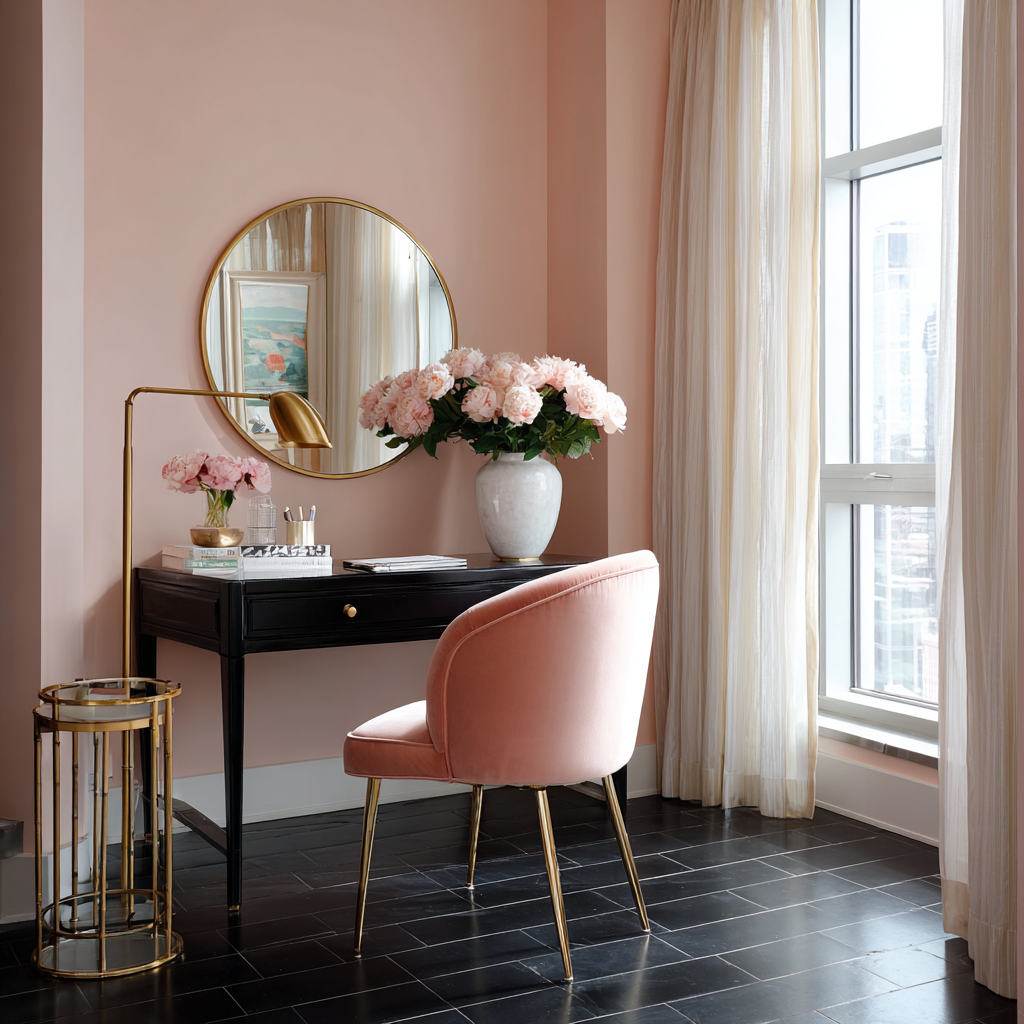
Soft blush tones bring warmth and a hint of color without adding heaviness. This pairing feels modern and feminine, working well in bedrooms, dressing rooms, or bathrooms. The contrast between black floors and blush walls is unexpected but balanced—the pink softens the floor's intensity while maintaining visual interest.
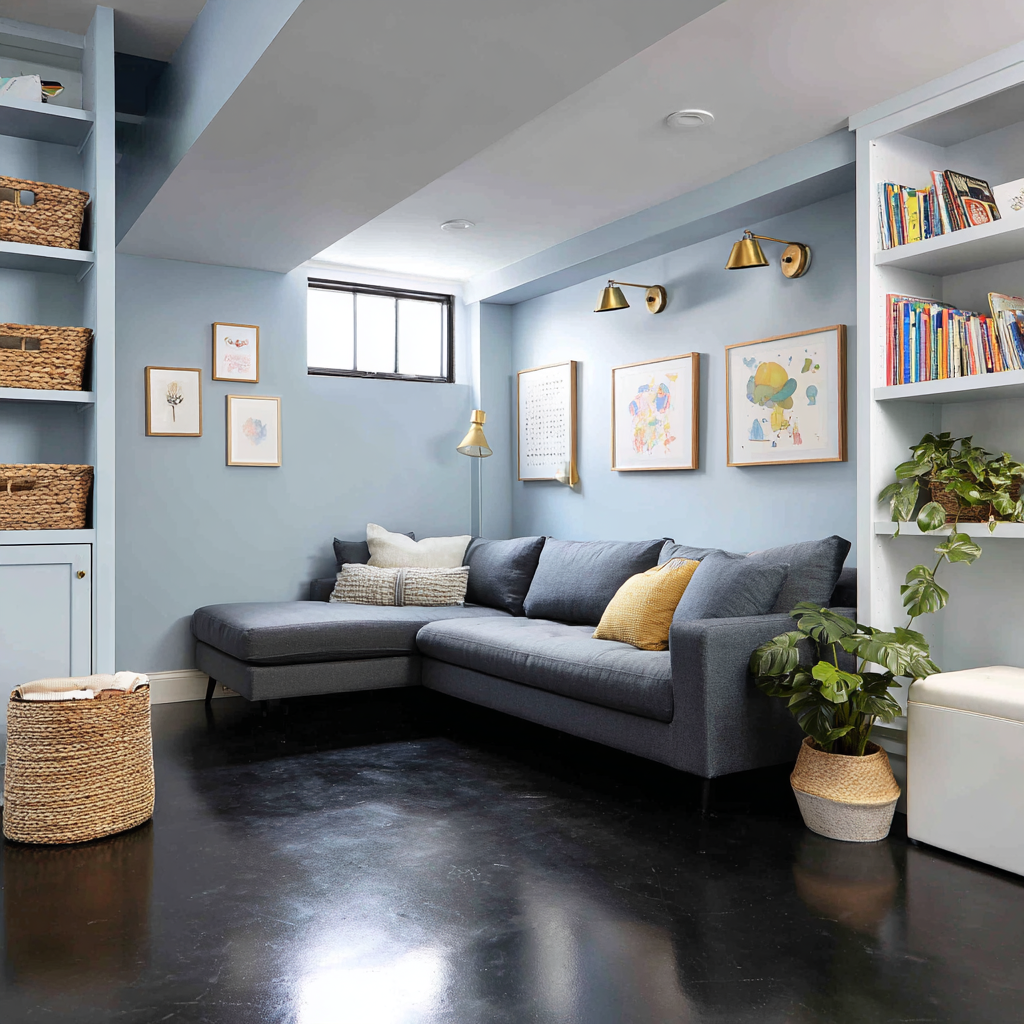
Light blue walls create a calm, airy feel that balances the weight of black floors. This combination works especially well in coastal or transitional interiors, where you want a sense of openness and ease. Powder blue adds a touch of color without feeling overly bold, making it a safe but stylish choice for living rooms, kitchens, or nurseries.
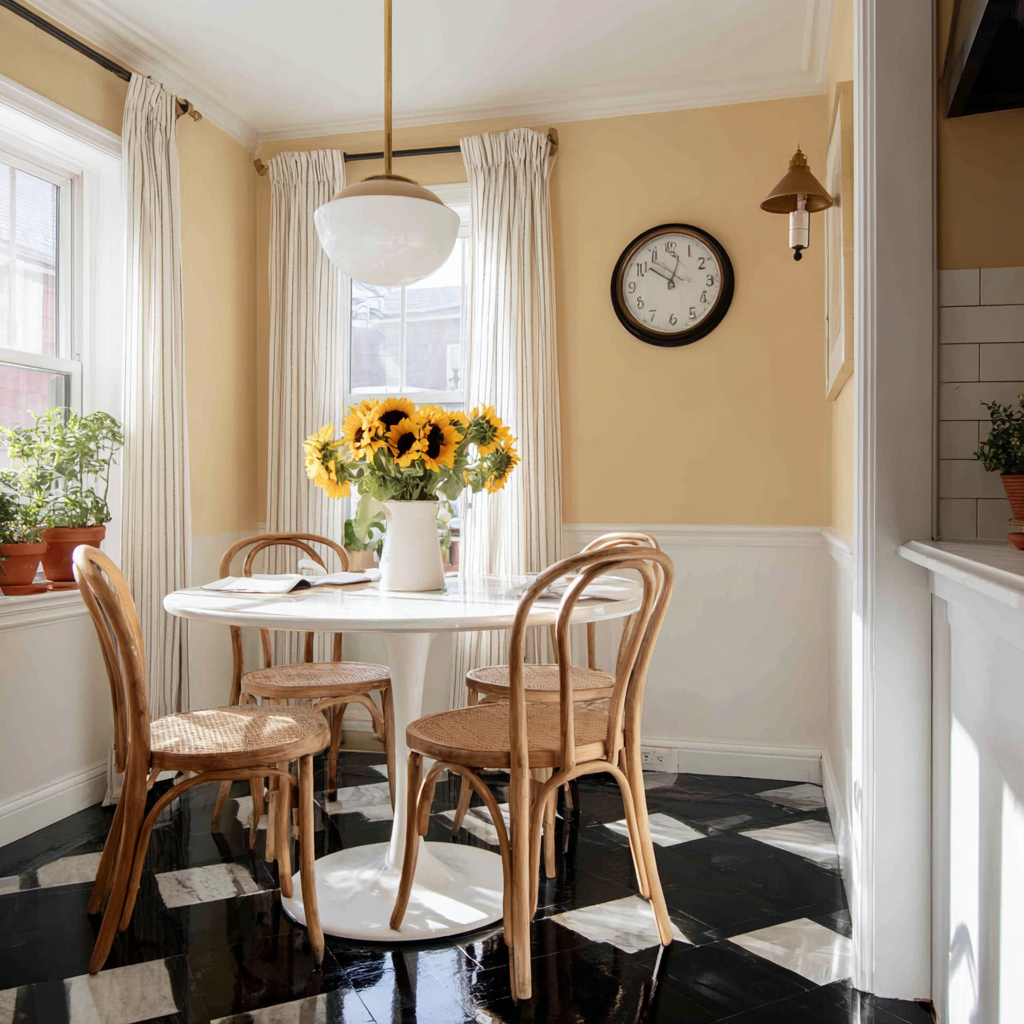
Warm cream or pale yellow walls introduce subtle warmth that counteracts the coolness of black floors. These colors feel cheerful and inviting, making them ideal for kitchens, breakfast nooks, or sunrooms. The pairing creates a bright, optimistic vibe without the starkness of pure white.
Not every wall color pairs well with black floors. Some shades create dissonance, flatten the space, or simply don't deliver the impact you're hoping for. Here are colors that tend to fall short.
Cool grays with blue undertones can create an industrial, unwelcoming feel when paired with black floors. The combination reads as cold and sterile—especially in rooms with limited natural light. If you're drawn to gray, choose warm grays with beige or taupe undertones instead.
While warm beiges and taupes work beautifully, muddy browns or overly orange-toned browns can clash with black floors. These colors lack the clarity and intention that black floors demand, resulting in a space that feels dated or disconnected. If you want warmth, reach for greige or creamy neutrals instead.
Black floors already make a bold statement. Pairing them with neon yellows, electric blues, or hot pinks creates visual competition rather than harmony. These colors can overwhelm the space and make it difficult to focus on any single element. If you want vibrant color, opt for richer, more saturated jewel tones that have depth and nuance.
While bright white can work beautifully in sun-filled spaces, pure white walls in rooms with little natural light can feel harsh and unbalanced next to black floors. The high contrast becomes jarring rather than elegant. In these situations, warm whites or light neutrals create a softer, more cohesive look.
Very pale pastels—like baby blue, mint green, or lavender—can look washed out and lack presence when placed against black floors. The floor's intensity demands wall colors with enough substance to hold their own. If you want pastel tones, choose versions with slightly more saturation or depth.
Never choose a wall color based solely on a small paint chip. Purchase sample pots and paint large swatches—at least two feet by two feet—on different walls. Observe how the color looks in morning, afternoon, and evening light, and how it interacts with your black floors at different times of day.
Wall color doesn't exist in isolation. Think about how your choice will look alongside your furniture, window treatments, and decor. If you have bold artwork or colorful textiles, a neutral wall might be the better choice. If your furnishings are understated, a richer wall color can add personality.
If you're hesitant to commit to a bold color throughout the entire room, consider an accent wall. This allows you to introduce deeper tones or saturated hues without overwhelming the space. Accent walls work particularly well behind beds, sofas, or in dining areas.
In rooms with black floors and darker walls, painting the ceiling a lighter color helps maintain balance and prevents the space from feeling too enclosed. White or off-white ceilings are classic choices, but you can also consider pale versions of your wall color for a more cohesive, monochromatic look.
If you're planning a larger renovation that includes new flooring and a full refresh, Block Renovation can connect you with vetted professionals who understand how to bring your vision to life. From design planning to contractor matching, we help homeowners make confident decisions and complete projects that feel perfectly suited to their homes.
Remodel with confidence through Block

Connect to vetted local contractors
We only work with top-tier, thoroughly vetted contractors

Get expert guidance
Our project planners offer expert advice, scope review, and ongoing support as needed
Enjoy peace of mind throughout your renovation
Secure payment system puts you in control and protects your remodel

Renovate confidently with Block
Easily compare quotes from top quality contractors, and get peace of mind with warranty & price protections.
Flooring
Top Rated Luxury Vinyl Tile Brands Worth Sampling
09.11.2026

Flooring
Best Carpet Brands: 7 Lesser-Known Names Worth Sampling
09.02.2026
Flooring
Maple vs Oak Flooring: Which Hardwood Is Right for Your Home?
08.31.2026
Bathroom
Non-Tile Bathroom Flooring Options
08.26.2026
Flooring
Comparing Different Types of Natural Stone Flooring
08.25.2026