



Countertops
Laminate Countertops vs. Quartz: How to Choose
09.15.2026
12.04.2025


In This Article
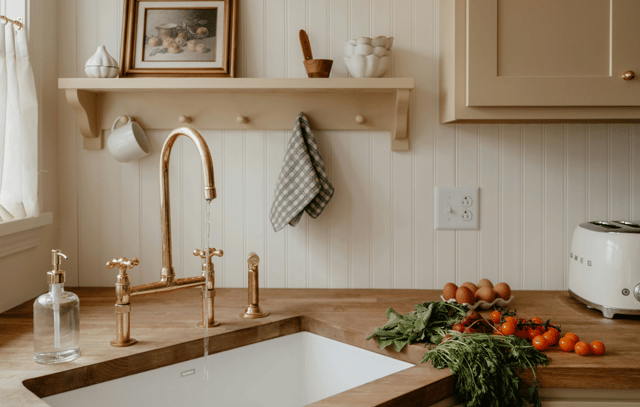
If you’ve ever swooned over a wood-topped kitchen island or admired grain patterns in a friend’s home, you know the instant appeal of butcher block countertops. Still, as inviting as they look, these natural surfaces aren’t the perfect fit for everyone—there are important tradeoffs to weigh before deciding to make
There’s no need to sell you on a butcher block’s inherent warmth and beauty, but aesthetics aren't the only factor to consider. What really matters is how this material works for you day-to-day—from upkeep to durability and everything in between. Below, we break down the practical upsides and tradeoffs to help you make the right choice for your home.
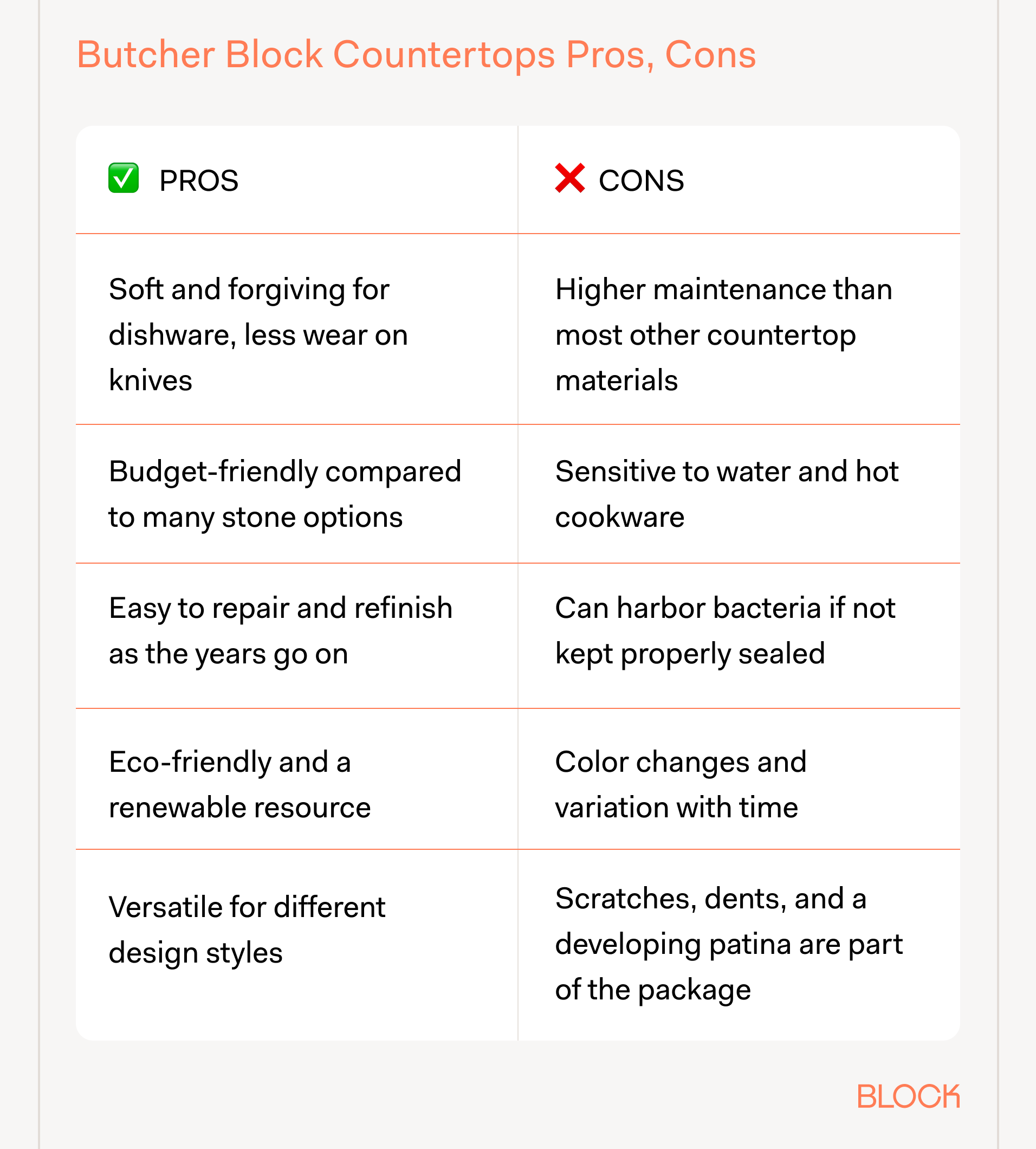
Budget-friendly compared to many stone options
While butcher block looks high-end, it’s far more accessible cost-wise than materials like granite or quartz. Even the priciest butcher block—at about $100 per square foot—often comes in at half the price of premium quartz, which can be more than double. Since the countertop installation costs tend to be lower, too, you may find you’ve got a little budget left over for other details that matter to you.
Easy to repair and refinish as the years go on
Scratches, nicks, or even the occasional stubborn stain aren’t the end of the world with butcher block—in fact, many can be sanded out and resealed with minimal effort. Unlike man-made surfaces that are difficult to restore, wood welcomes a little DIY touch. This keeps your countertops looking fresh and means you won’t have to live with damage that might bother you with other materials.
Soft and forgiving for dishware, less wear on knives
The natural give of a wood surface means dropped plates or mugs are less likely to break. For anyone who enjoys cooking (or has a habit of the occasional kitchen mishap), that can be a huge relief. Even so, it’s best not to use it as a direct cutting board—your knives and the surface will thank you for using a separate butcher block, instead of cutting straight on your counters.
Eco-friendly and a renewable resource
Many suppliers now offer butcher block made from responsibly harvested or recycled wood, which is important for the environmentally conscious. Not only are you choosing a natural material, you’re picking something that can be responsibly renewed or reused, making it a smart long-term choice. End-of-life is also easier on the planet than synthetic surfaces, since wood is biodegradable.
Versatile for different design styles
Butcher block pairs equally well with a variety of kitchen aesthetics. Whether you love farmhouse, modern, or even industrial looks, the texture of wood adapts beautifully and provides a gentle counterpoint to stone or metal. It’s also easy to combine with other countertop materials to create zones within your kitchen. For more ideas, read our guide to bringing butcher block and green cabinets together.
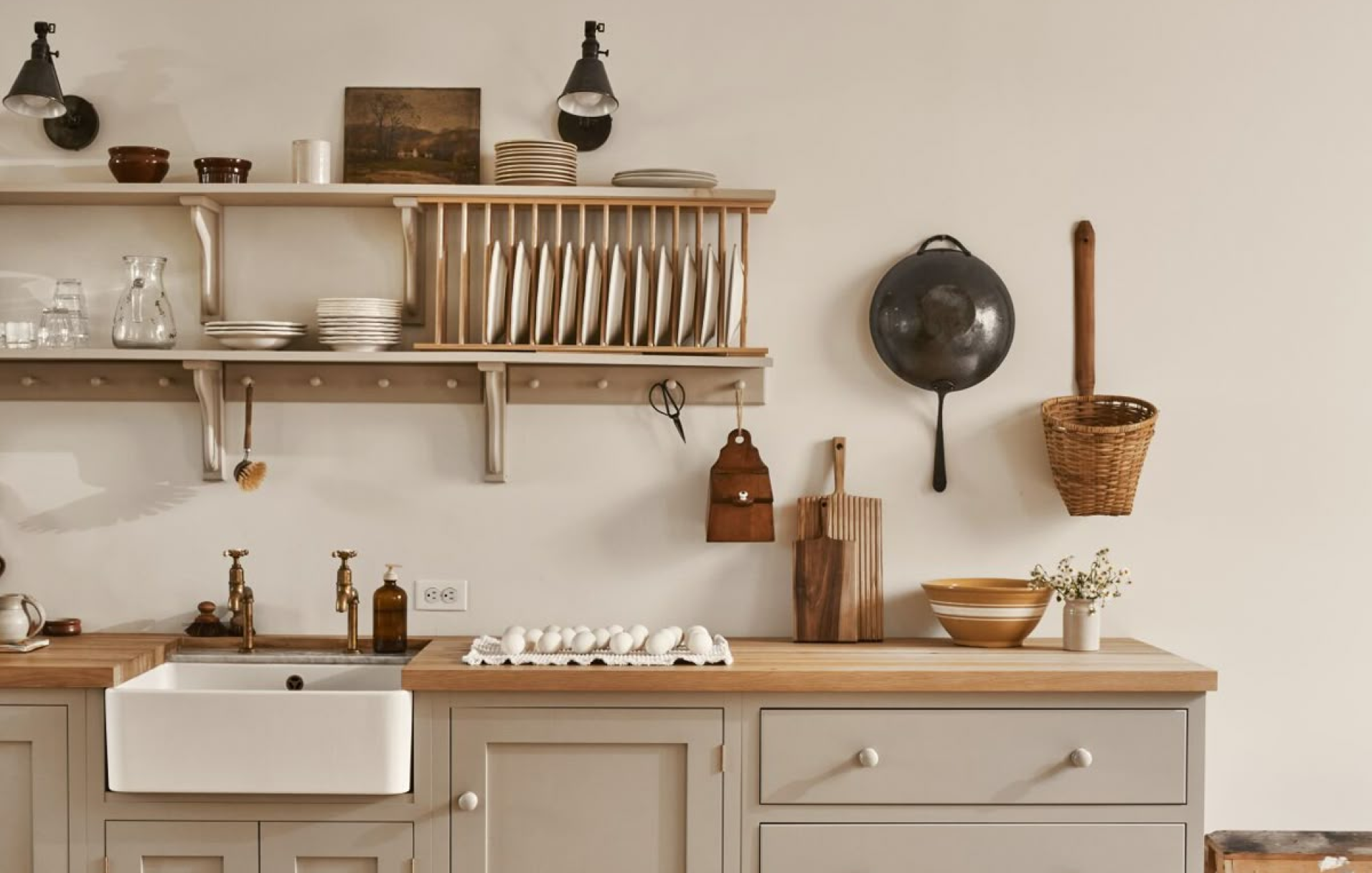
Higher maintenance than most other countertop materials
Butcher block needs regular attention—oiling, cleaning, and sealing are all part of the ownership experience. Skipping upkeep can lead to cracks or discoloration, and although the process is simple, it does require you to stay consistent. If you’re someone who prefers quick-clean surfaces or who already has a busy routine, the maintenance might feel overwhelming.
Sensitive to water and hot cookware
Wood is naturally absorbent, so water rings, spills, or a forgotten splash can cause stains or swelling if left unattended. And unlike granite or quartz, placing a hot pan directly on the surface is a recipe for permanent damage. This means you’ll need to be extra thoughtful about using trivets and cleaning up quickly—habits that may not click for everyone right away.
Can harbor bacteria if not kept properly sealed
Because butcher block is porous, any cracks, deep cuts, or lack of sealing can let food particles and moisture in, becoming a breeding ground for germs. While regular sealing solves most of these issues, the countertop only stays as clean as your commitment to caring for it. Families who prep lots of raw food directly on the counter, or don’t want to worry about hidden bacteria, may want to think carefully about this aspect.
Scratches, dents, and a developing patina are part of the package
That rich, soft feel has a flip side: wood is relatively easy to mark. Every dropped utensil or heavy pot can leave a trace, and if you like a pristine surface, the slow build-up of character might be more frustrating than charming. For some, these marks are a badge of a kitchen well-loved, but others might prefer a surface that hides daily wear and tear.
Color changes and variation with time
Sunlight and regular use can shift the tone of butcher block, sometimes in uneven ways. Even with diligent care, expect to see your counters mellow or darken over the years, depending on where the light hits. Embracing this change is part of loving wood—but if you want something that never evolves, this material may not be the right fit.
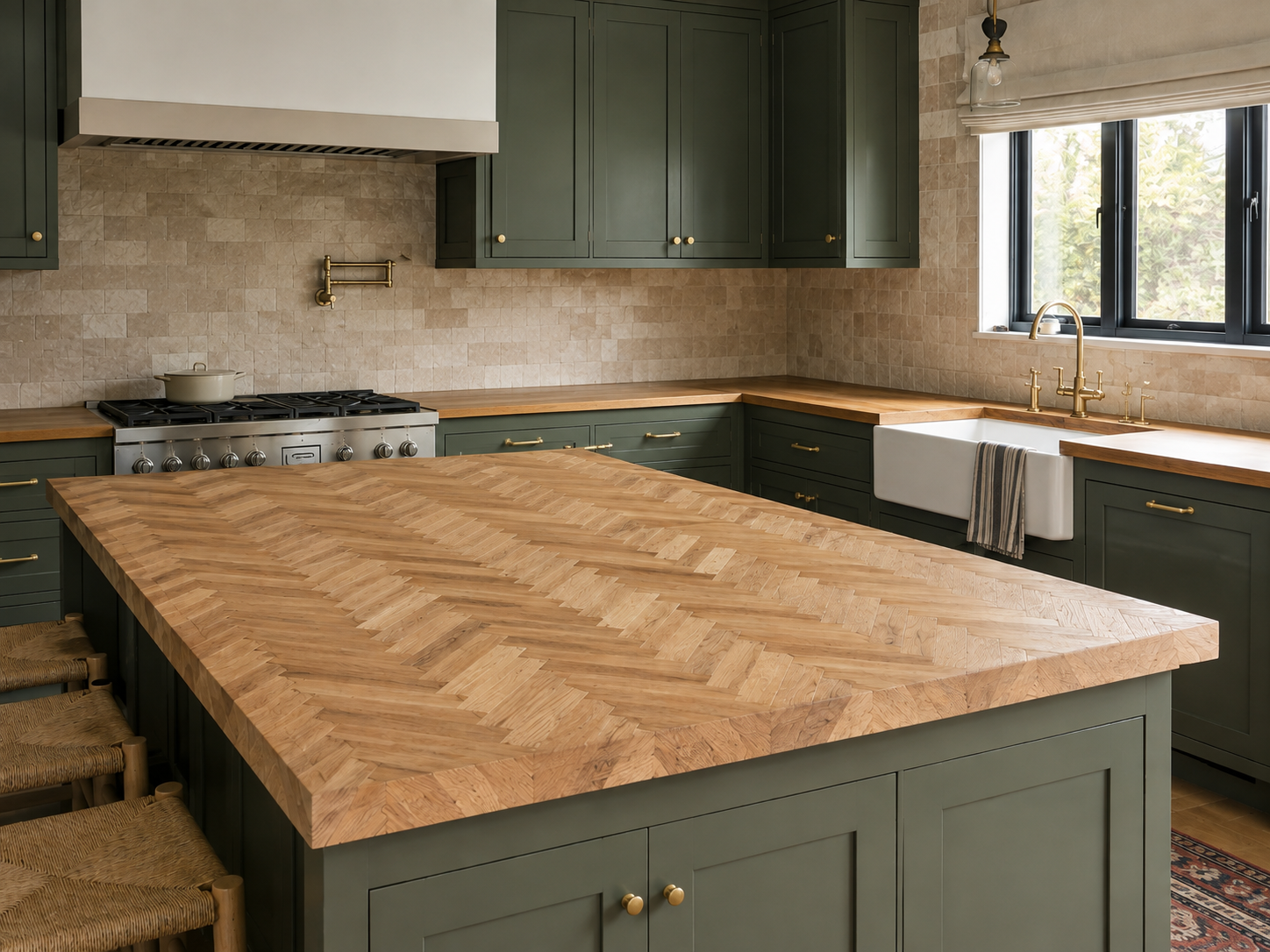
Butcher block is a wonderful match for homeowners who appreciate natural materials, enjoy hands-on care, and love a kitchen that feels personal. It’s especially fitting for those drawn to farmhouse, Scandinavian, modern rustic, or laid-back contemporary styles, where a bit of warmth and irregularity are celebrated. If you find beauty in subtle imperfections and want a work surface that ages with your family’s milestones, butcher block has a lot to offer.
On the flip side, it’s not the best pick for everyone. If you prefer a kitchen that always looks exactly the same, or if frequent upkeep makes you cringe, another surface may suit you better. Households with heavy cooking traffic, a lot of raw meat or spills, or those who simply want to “wipe and walk away” might find stone or engineered surfaces easier to live with. Durability is there—but so is the need for attentive care and a willingness to embrace change.
Turn your renovation vision into reality
Get matched with trusted contractors and start your renovation today!
Find a Contractor
The phrase “butcher block countertop” can mean a lot of different things, depending on both the wood you choose and how it’s constructed. From classic maple to rich walnut, each wood species brings its own look, feel, and level of durability to your kitchen. And grain style—how the wood is cut and arranged—can make just as much difference in performance and appearance.
Below, you’ll find a quick comparison of the most common wood species used for butcher block countertops. Each offers distinct grain patterns, coloration, and benefits.
|
Wood Type |
Characteristics |
Durability |
Common Use Case |
|
Maple |
Light, fine grain, smooth texture |
Very durable |
Classic or modern kitchens |
|
Oak |
Pronounced grain, warm hues |
Durable |
Farmhouse and rustic settings |
|
Walnut |
Deep color, striking grain |
Moderate durability |
Accent islands, luxury looks |
|
Cherry |
Reddish undertones, darkens with age |
Moderate durability |
Traditional and cozy spaces |
|
Bamboo |
Renewable, consistent |
Highly durable |
Contemporary and green homes |
The grain construction of butcher block—the way the wood is cut and placed—also affects how your countertop wears and what it looks like. Here’s how the main types stack up:
|
Grain Style |
Description |
Best For |
|
Edge grain |
Strips placed side by side, long clean lines |
Balanced beauty and strength |
|
End grain |
Short blocks with grain facing up, “checkerboard” pattern |
High durability, real butcher blocks |
|
Face grain |
Wide boards laid flat, maximizes pattern |
Decorative, less hard-wearing |
Choosing the right combination can make your butcher block a long-lasting focal point or a statement accent—it all depends on your daily habits and what you want your kitchen to say.
Design a Home That’s Uniquely Yours
Block can help you achieve your renovation goals and bring your dream remodel to life with price assurance and expert support.
Get Started
Taking care of the butcher block isn’t difficult, but it does need to be done regularly. Most surfaces require a food-safe mineral oil or specialty conditioner to guard against dryness and splitting. Monthly oiling is usually recommended at first, tapering off as the wood becomes acclimated. Investing a little time here ensures your countertop stays both beautiful and safe for years to come.
Scratches, tiny dents, and spots where the color changes—these are all normal parts of living with butcher block. Some owners find that these signs of use add charm and authenticity, making the kitchen feel truly lived-in. But if you want an always-polished finish, these small imperfections might be harder to accept. Knowing what to expect helps ensure these changes become features, not flaws.
It’s best to avoid harsh products—skip the bleach and reach for mild dish soap and warm water. Frequent, light cleaning is your best bet, with a cloth that is just damp (never soaking). Excessive water can soak in and cause swelling or spots, while chemicals can strip away protective oils and leave the wood vulnerable. When something spills, a quick wipe keeps everything looking and feeling good.
Not all butcher block is sealed the same way—factory finishes and home-applied oils can vary. Surfaces that are fully sealed are less likely to stain or harbor germs, while unsealed wood needs more diligent oiling to stay safe. It’s worth clarifying this when shopping, so you know exactly what kind of upkeep you’re signing up for and how to keep your kitchen hygienic.
The species you select isn’t just an aesthetic decision—it impacts how the countertop holds up to daily use. Hardwoods like maple and oak perform best for prep spaces, while softer woods might show wear quickly in high-traffic areas. Many homeowners choose tougher woods for main prep surfaces and save interesting, less-durable woods for workstations or islands.
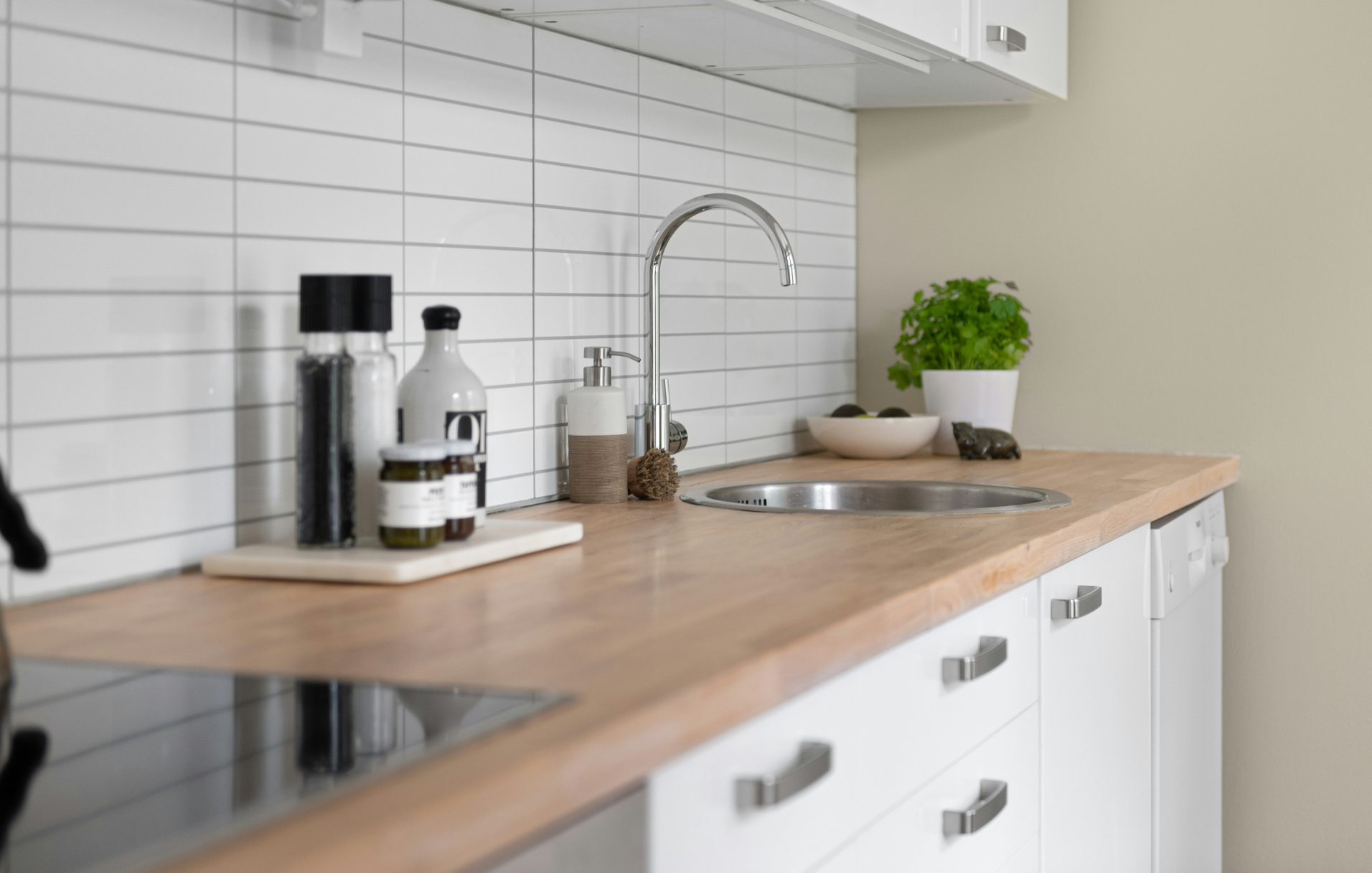
Wondering how butcher block would actually look in your home? With Block’s Renovation Studio, you can see real wood styles, grains, and colors applied to your exact kitchen layout—in just a few clicks. Preview different design themes and even compare butcher block alongside tile, stone, or paint, so you’re never left guessing how everything will tie together. Visual tools like these make it easier to imagine your “after,” so you can move forward with confidence, knowing your choice will fit your vision and lifestyle.
Block is here to help you plan, budget, and bring your renovation ideas to life, every step of the way. With easy-to-use planning tools, expert project guidance, and a network of vetted kitchen remodelers, you can approach every decision with clarity and confidence. From brainstorming to completed build, you’ll have the support you need to create a kitchen you love coming home to—wood countertops included.
Remodel with confidence through Block

Connect to vetted local contractors
We only work with top-tier, thoroughly vetted contractors

Get expert guidance
Our project planners offer expert advice, scope review, and ongoing support as needed

Enjoy peace of mind throughout your renovation
Secure payment system puts you in control and protects your remodel

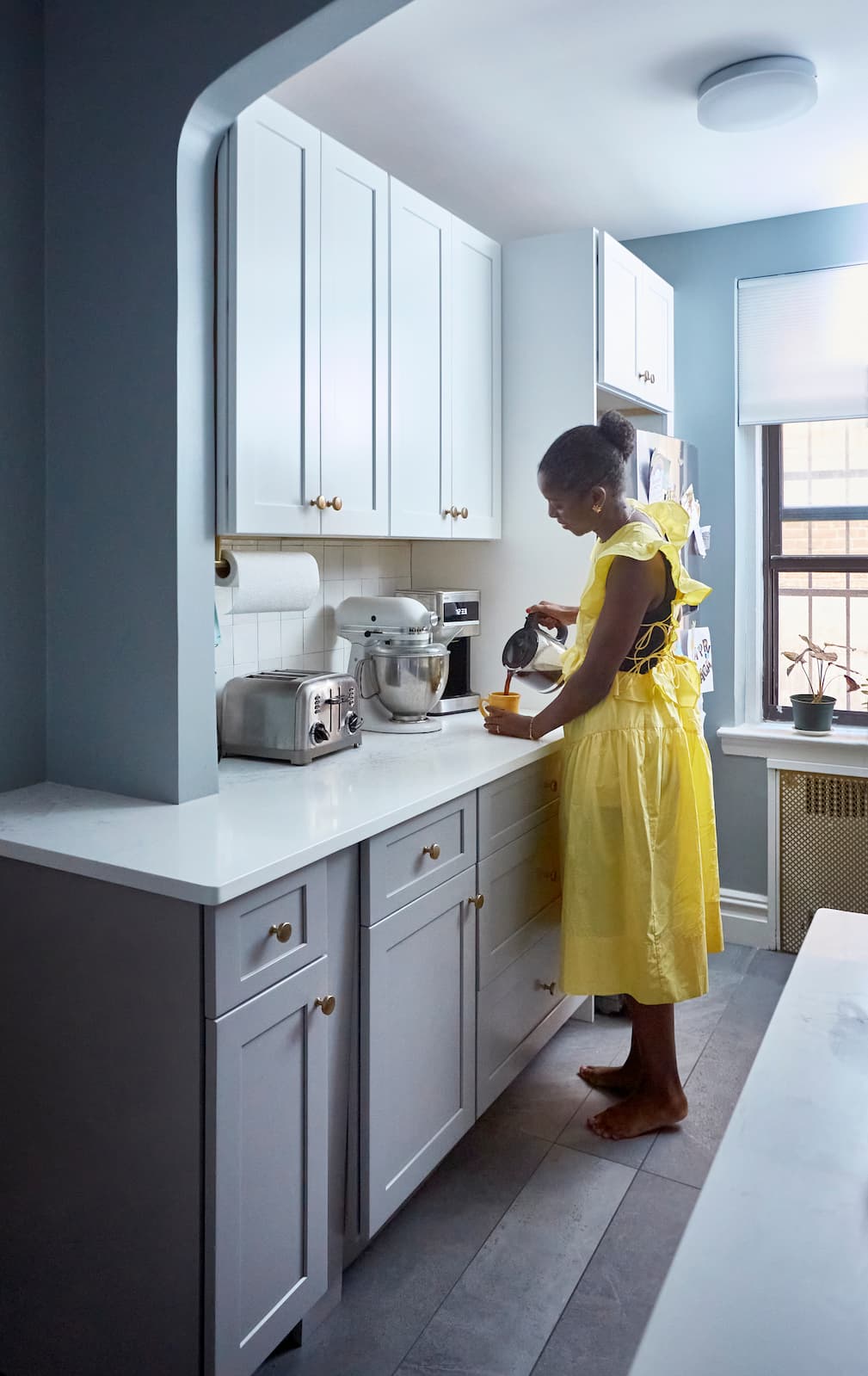
Renovate confidently with Block
Easily compare quotes from top quality contractors, and get peace of mind with warranty & price protections.
Countertops
Laminate Countertops vs. Quartz: How to Choose
09.15.2026
Countertops
Kitchen Counter Overlay: Cost, Durability and More
09.13.2026
Countertops
What Color Countertops Go With Oak Cabinets?
09.01.2026
Countertops
Walnut Cabinets With White Countertops
08.24.2026
Countertops
What Color Cabinets Go With Black Granite Countertops?
08.16.2026