




Kitchen
50k Kitchen Remodel: What $50,000 to $60,000 Buys
09.21.2026
12.18.2025


In This Article
A modern rustic kitchen effortlessly bridges comfort and contemporary style—mixing natural textures, organic materials, and clean lines to create a space that feels both timeless and ready for real life. Whether you’re dreaming of shiplap, drawn to weathered woods, or just want a hint of countryside warmth woven into a sleek new kitchen, the modern rustic look delivers a lived-in, welcoming feel without ever feeling dated.
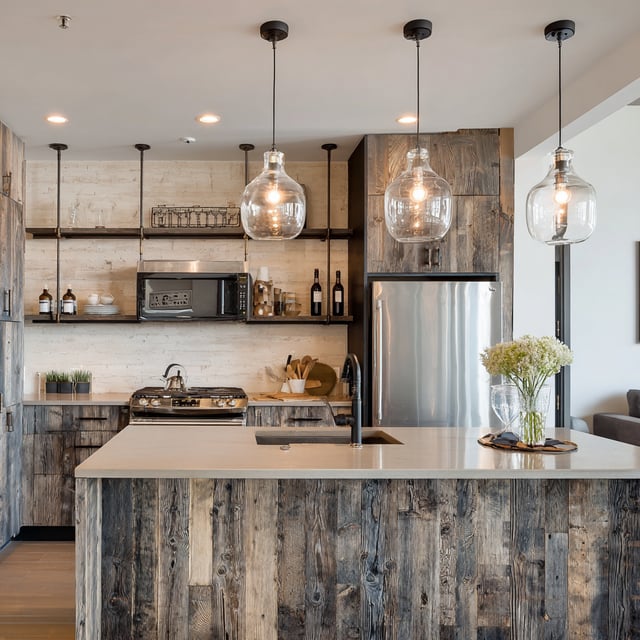
The baseline materials are where modern rustic kitchens set themselves apart. The best materials create visual interest without fuss, welcoming daily use while gaining character over time. Thoughtful material selection also helps balance old and new, softening crisp lines with earthy warmth. Consider how each choice will age and interact with the tasks of real kitchen life.
Choose reclaimed wood for beams, shelves, or even islands to bring instant warmth and character.
Incorporate hand-glazed or matte ceramic tile for a backsplash that offers both texture and a touch of artisan style.
Opt for quartz or honed granite countertops in earthy tones for modern performance and timeless appeal.
Use antique brass or matte black appliances and hardware to bridge the gap between rustic and contemporary.
Add touches of hammered metal through lighting fixtures, range hoods, or accent shelves for a crafted, lived-in look.
Mix concrete details, such as countertops or pendant lighting, with softer wood or stone for a balanced feel.
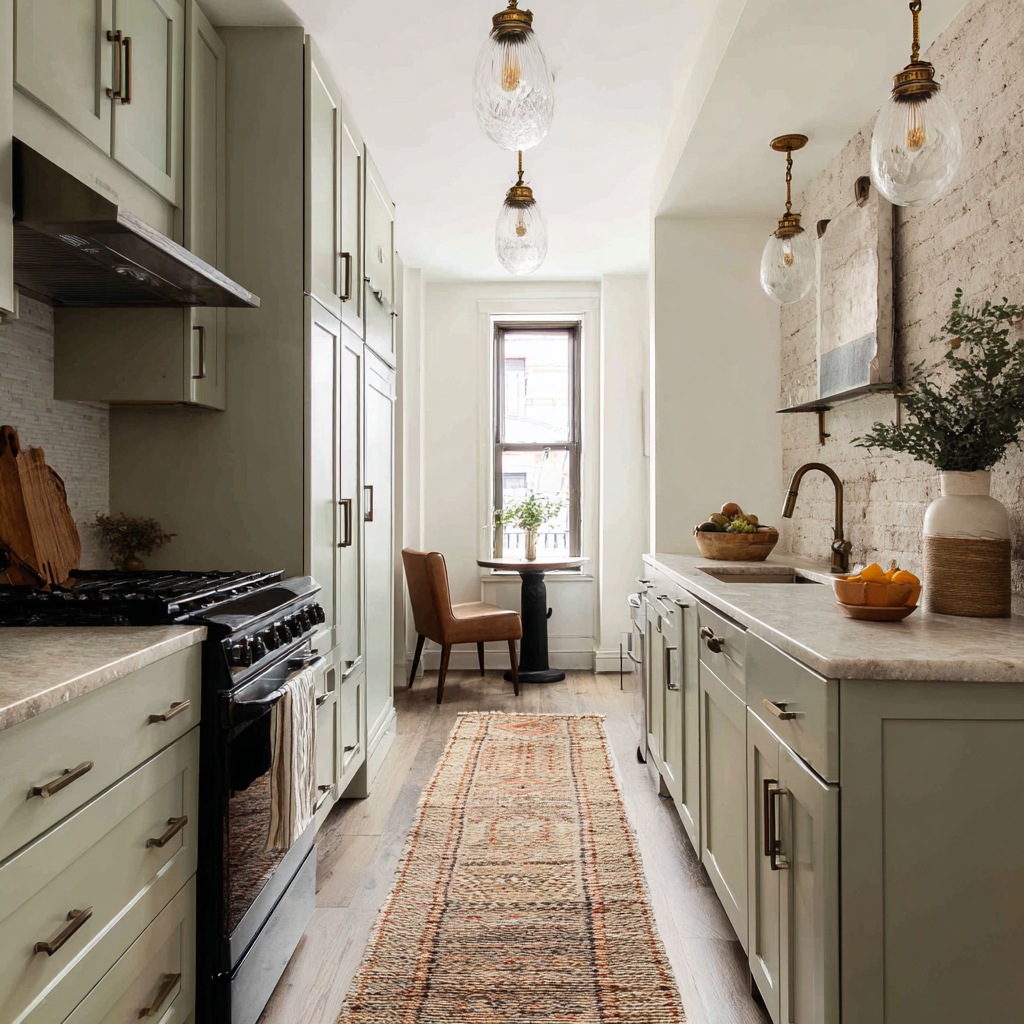
The color scheme is foundational to a modern rustic kitchen, quietly shaping the mood and enhancing the materials you choose. Choosing the right palette goes beyond paint: cabinet finishes, tile hues, and even appliances should be considered. Remember, restraint is key—too many colors can muddy the effect, while a focused palette adds calm and cohesion.
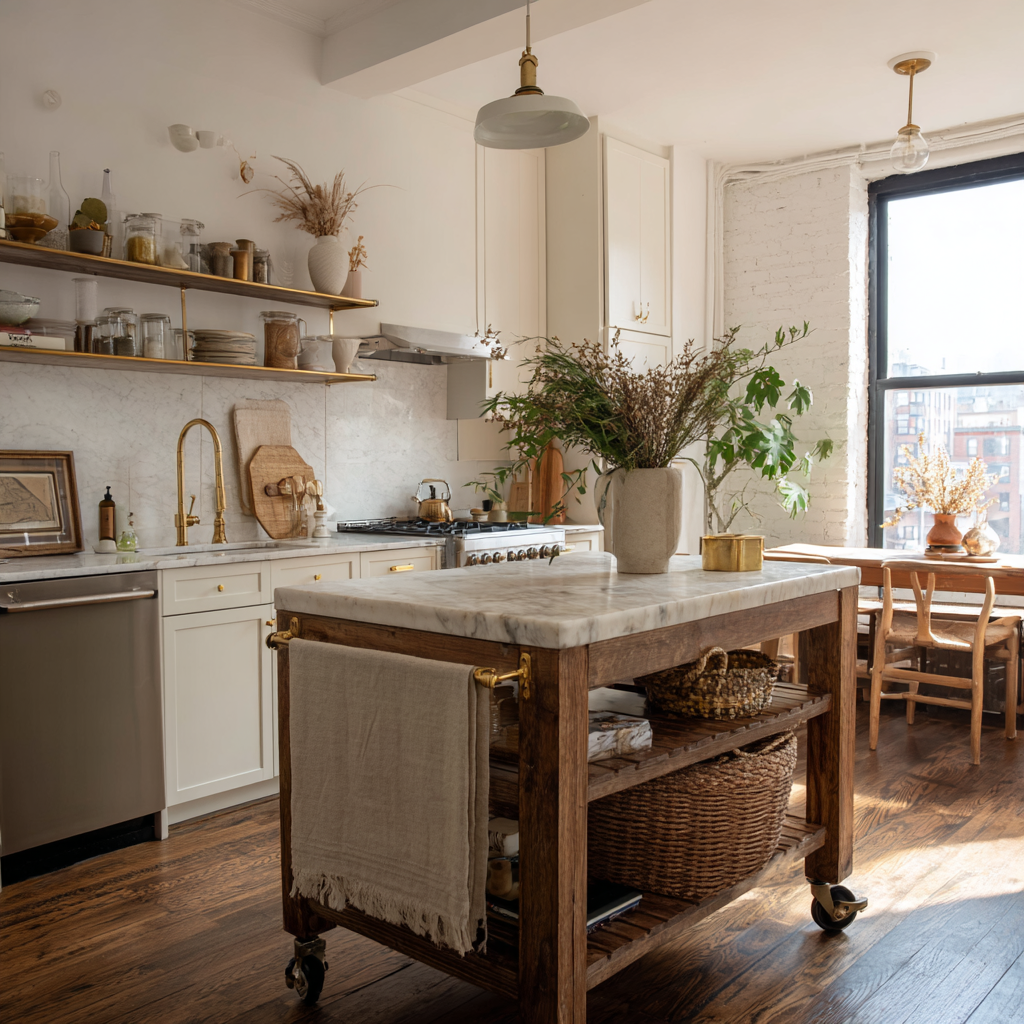
Anchor the room with a warm base color—think creamy whites, soft taupes, or sandy beiges—on main walls or cabinetry.
Layer in rich, muted greens (like sage or olive) for visual interest and a feeling of calm.
Use navy or charcoal as accent cabinet colors or for a painted island to inject sophisticated contrast.
Add black or oil-rubbed bronze in small doses to define lines and enhance hardware or lighting.
Try pops of deep red, mustard, or terracotta for a welcoming farmhouse-inspired touch on accessories or stools.
Keep paint finishes low-sheen: eggshell or matte help interiors feel both rustic and refreshed.
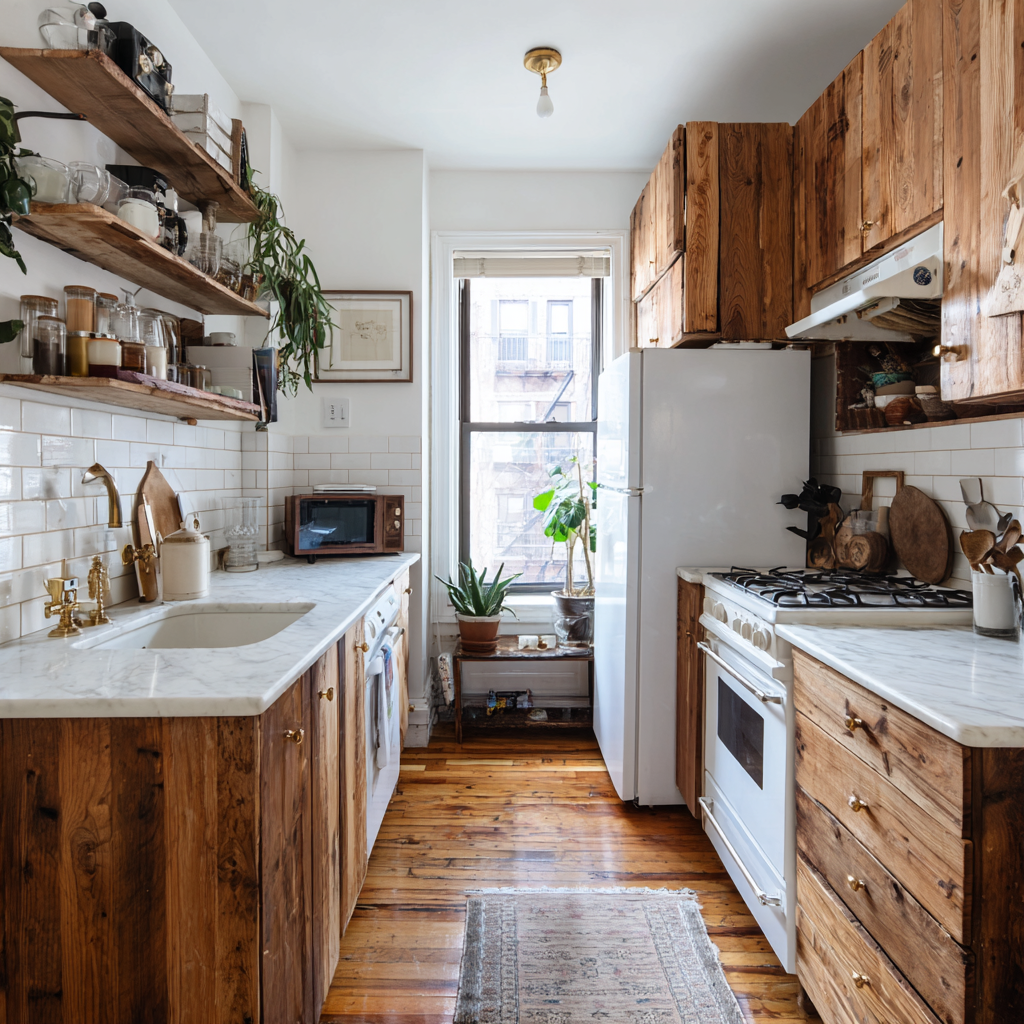
The countertop and backsplash handle the daily wear and tear in a rustic kitchen, but they’re also key style statements. Choices here influence not just look, but also workflow and maintenance.
Rustic kitchens benefit from surfaces that are forgiving, tactile, and a bit imperfect—think butcher block that picks up a patina or hand-set tile with slight variations in color. Consider how the backsplash and counter materials connect; a bit of contrast often adds depth and keeps things feeling current.
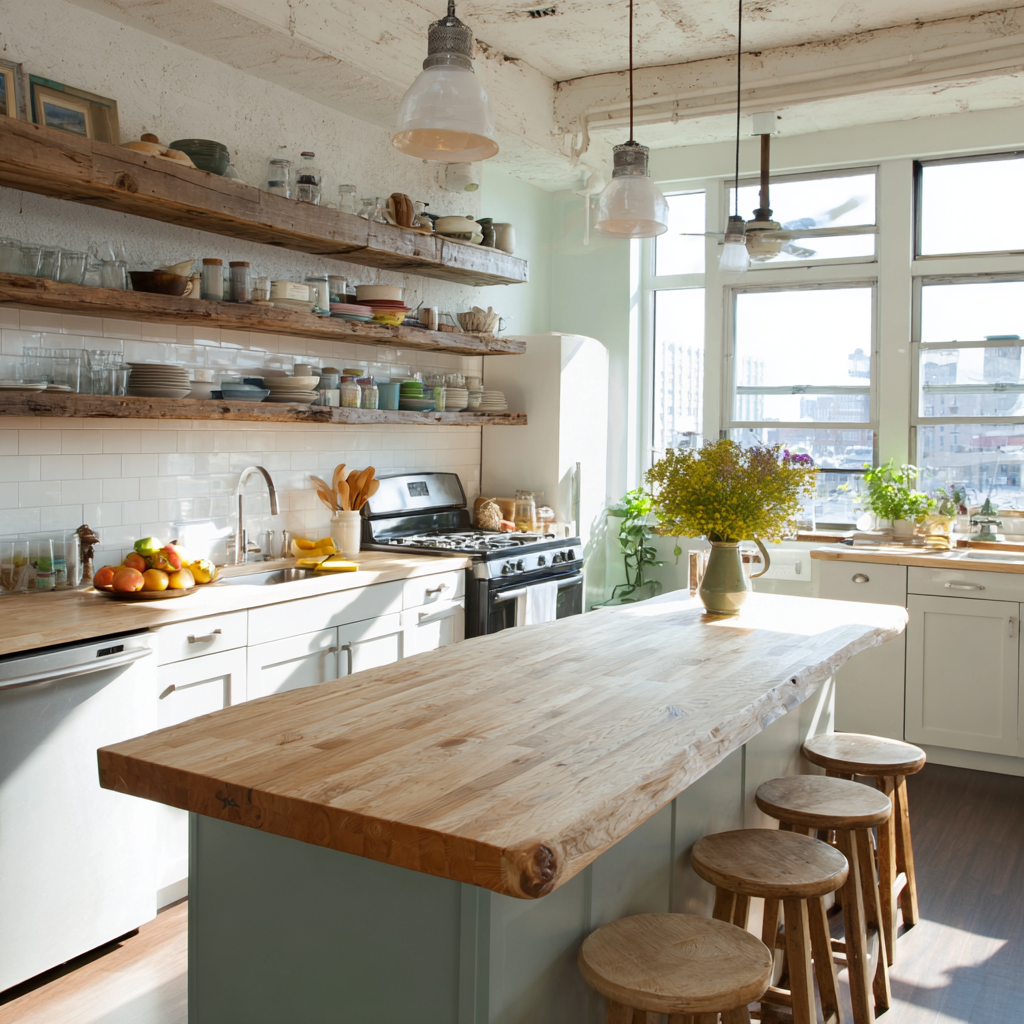
Install butcher block countertops for warmth, especially on an island or prep area.
Select soapstone or honed granite in natural shades for a timeworn look that wears beautifully.
Go for a stacked stone or ledger stone backsplash for dramatic, earthy texture.
Use classic subway tile, but install it in a matte finish and offset pattern for subtle farmhouse appeal.
Embrace patterned cement tile or Moroccan zellige as a playful backsplash accent in a coffee nook or behind the range.
Contrast your backsplash and counters; for example, use dark surfaces with white tile, or light counters with a colorful patterned tile.
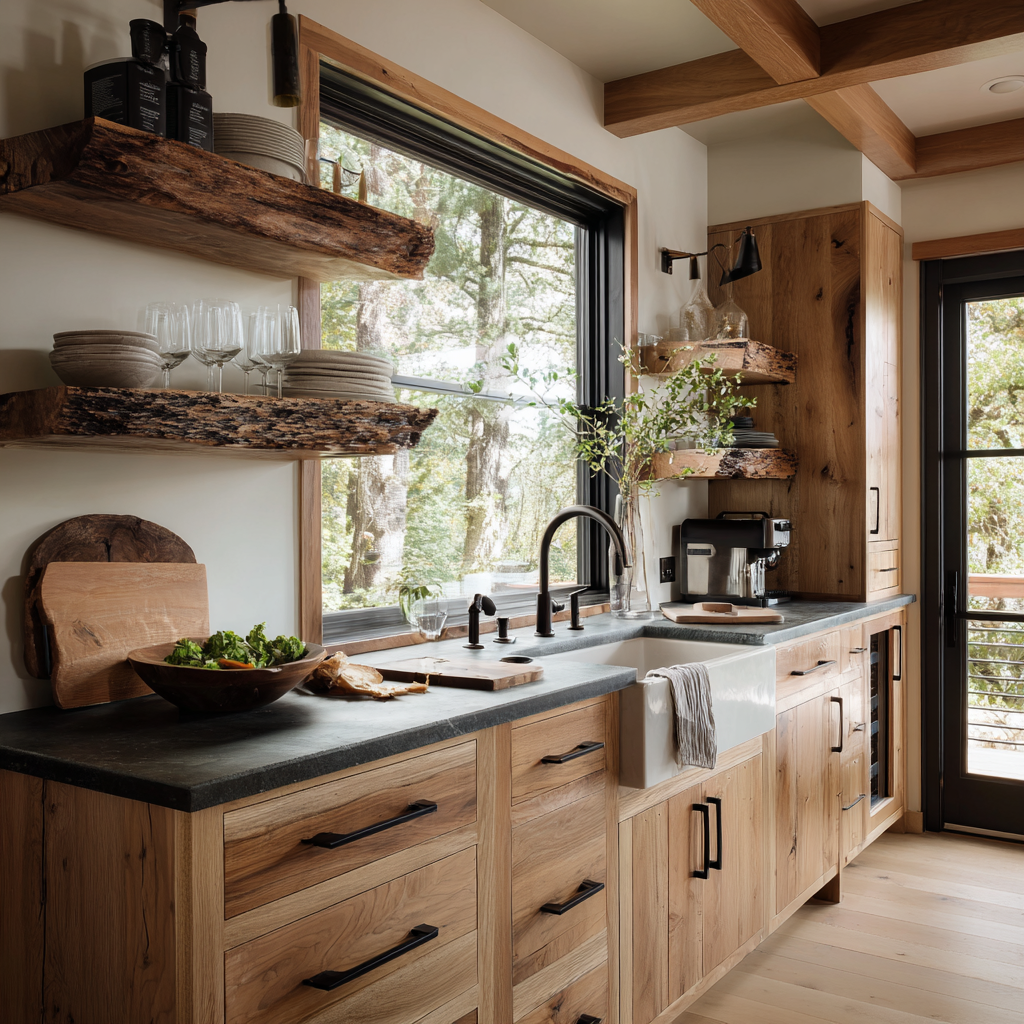
Cabinetry is an opportunity to express both your aesthetic sensibility and your storage needs. In modern rustic kitchens, cabinets serve as quiet anchors rather than focal points, supporting an easy, organized workflow. Focus on natural finishes, straightforward forms, and hardware that bridges the gap between classic farmhouse and modern minimalism. Mixing cabinet styles—like pairing open shelving with full-height storage—creates dimension and allows you to highlight special collections or functional necessities. Good cabinet design preserves openness, avoids visual clutter, and will stand the test of years of daily use.
Incorporate glass-front upper cabinets, chicken wire panels, or open shelving for displaying dishes and cookbooks.
Paint lower cabinets a deeper color than uppers for a two-tone look that adds depth and personality; another option is to combine painted and natural wood cabinets
Swap standard pulls for handmade or forged handles in matte black, brass, or leather.
Use reclaimed or repurposed cabinet doors to add character and authenticity to select sections.
Consider a sliding barn-style door on a pantry or small appliance garage for a classic farmhouse moment.
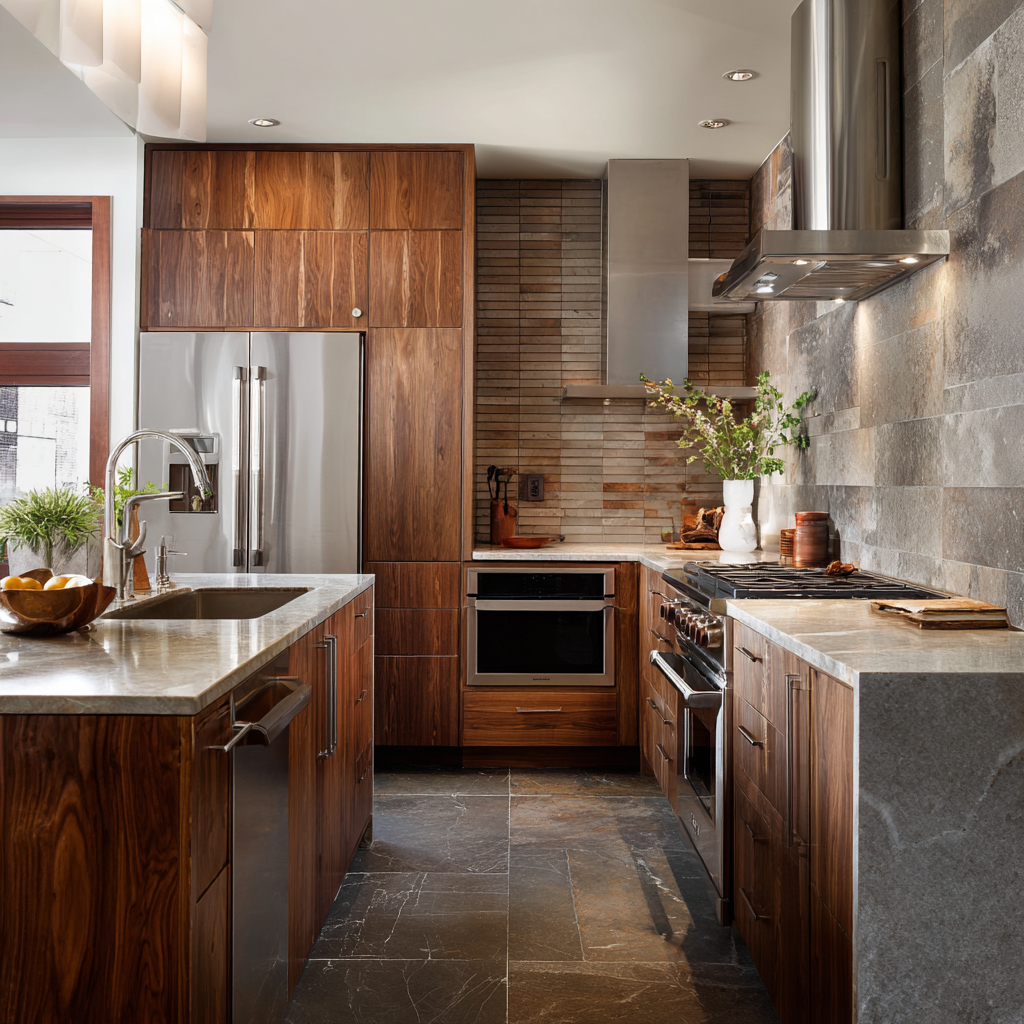
The best rustic kitchen floors offer real substance underfoot and age beautifully with use. Material choice should reflect your household’s needs for ease of cleaning, moisture tolerance, and warmth, while also providing practical slip resistance where it matters most. Texture is prized—knots, grain, or stone variations are signs of authenticity, not flaws.
Use wide-plank hardwood flooring, favoring wire-brushed or lightly distressed finishes for a natural, timeworn effect.
Choose engineered wood if you want the rustic look but need greater moisture resistance.
Try natural stone like slate, limestone, or travertine for a kitchen grounded in texture—and easy daily upkeep.
Lay brick or brick-look pavers in a herringbone or basketweave pattern for true farmhouse authenticity.
Stick to matte or satin finishes to keep everything feeling approachable, never too glossy.
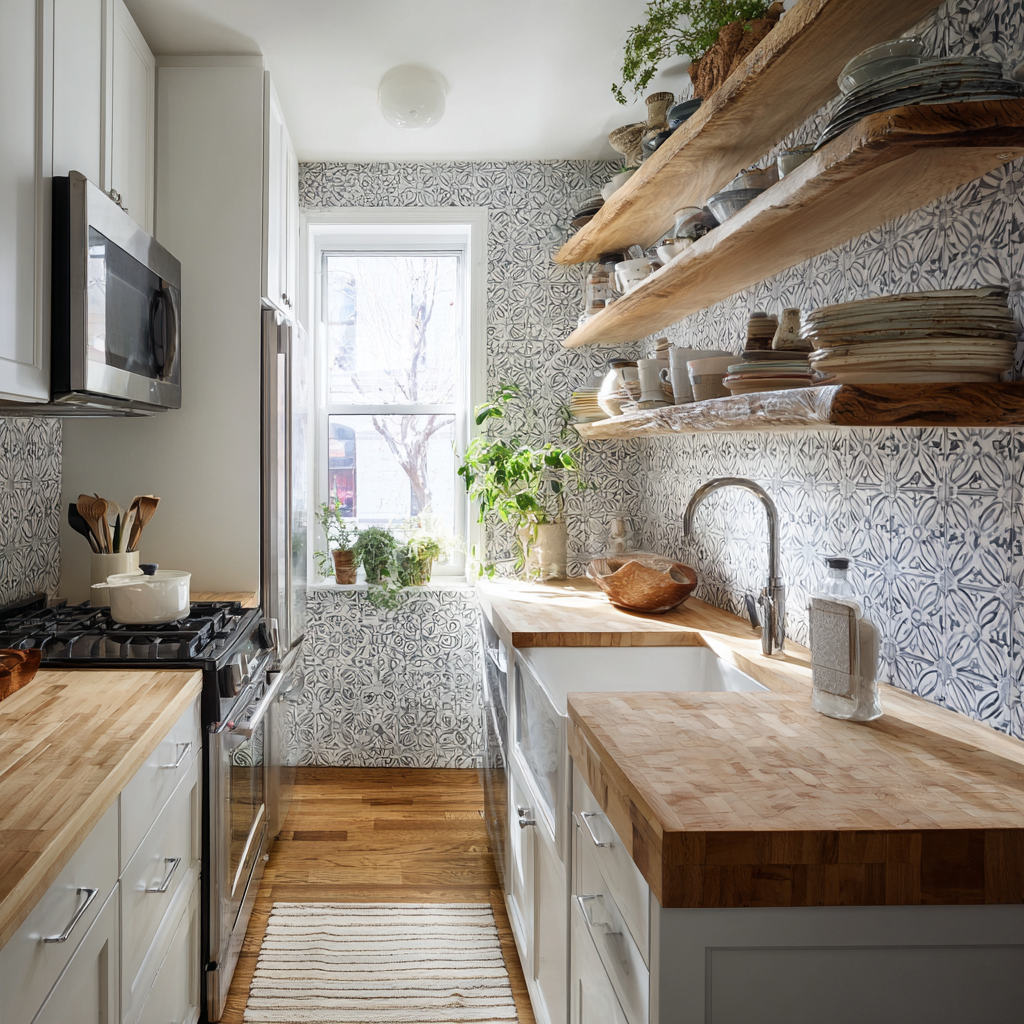
Lighting and appliances are the finishing details that can make or break the kitchen’s atmosphere. In a modern rustic space, aim for fixtures and appliances that feel substantial, honest, and connected to the overall design rather than simply added on.
Add pendant lights in aged metal, matte black, or enamel for warmth and visual texture above the island or breakfast bar.
Install wall sconces with exposed bulbs or antique-style glass shades for cozy layered lighting.
Select a farmhouse or apron-front sink in classic white or hammered copper for an eye-catching focal point.
Integrate appliances with panel-ready fronts to let wood or paint finishes shine.
Choose a range with vintage details (think knobs or trim) or a bold color, but keep the rest of your appliances simple and streamlined.
Hang open hooks or rails for everyday cookware, casting a hardworking, homey vibe.
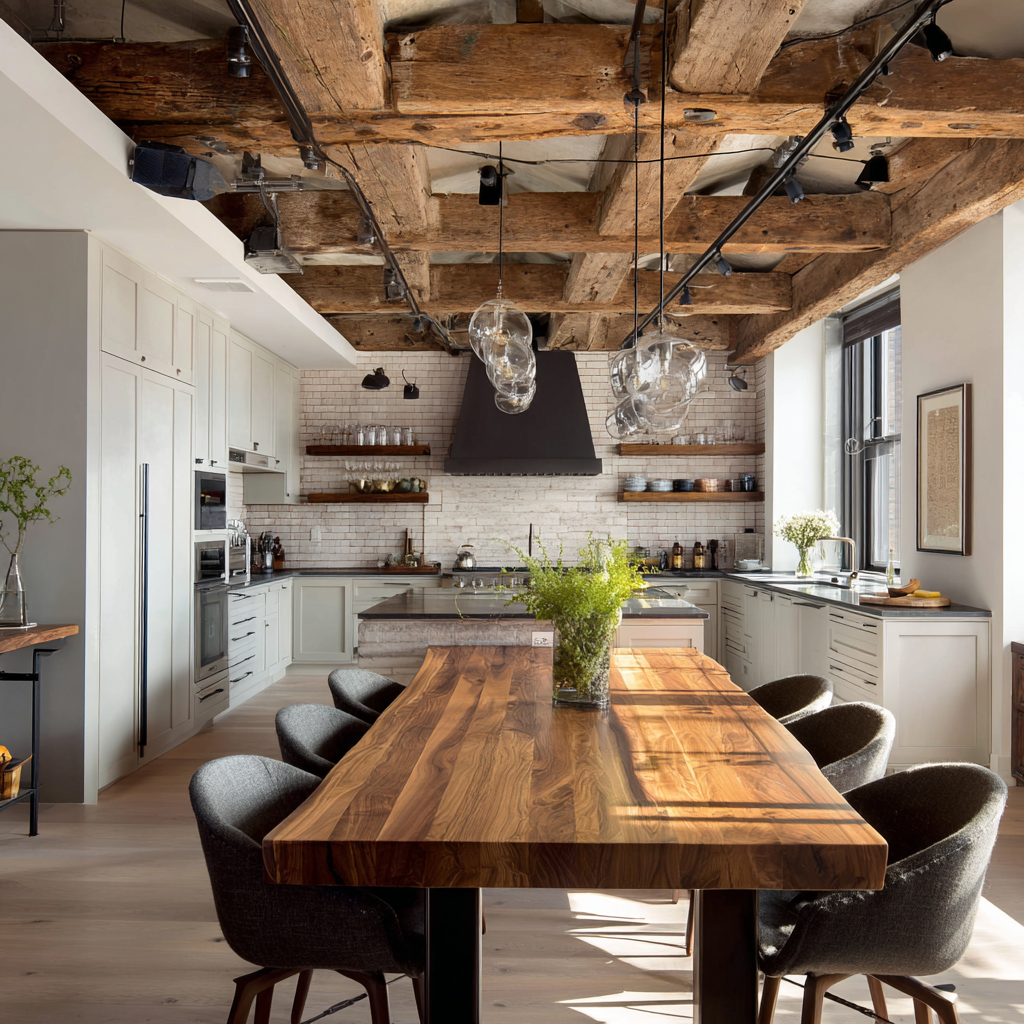
Avoid overdoing “distressing” techniques or using too many faux-aged finishes. One authentically weathered element—like a reclaimed wood beam or a naturally worn table—makes a bigger impact than cabinets and floors that all look artificially roughed up.
Resist themed knickknacks and novelty décor that scream farmhouse or mountain lodge. Elevate the rustic feel by choosing honest materials—solid wood, real stone, or raw metal—so the kitchen feels genuine and enduring instead of staged.
Be mindful of furniture scale; oversized hutches and chunky farmhouse tables can make an apartment kitchen feel cramped and awkward. Instead, select streamlined, well-proportioned pieces that provide rustic presence without overwhelming your layout or blocking flow.
Don’t mix too many bold or saturated colors throughout your space. Limiting your palette to a few related shades—anchored by natural tones—lets wood grain, stone, and ceramics stand out, giving the space depth without visual chaos.
Pair open shelving with enough closed cabinetry to realistically store pantry staples, cookware, and less attractive essentials. Even in smaller spaces, balance display and concealment so your kitchen never feels cluttered or impractical.
Prioritize layered lighting beyond one central fixture: supplement overheads with under-cabinet lights, sconces, or table lamps to avoid dark, shadowy corners. Thoughtful lighting makes cooking, entertaining, and relaxing in your kitchen easier and more enjoyable, bringing your rustic details to life at any hour.
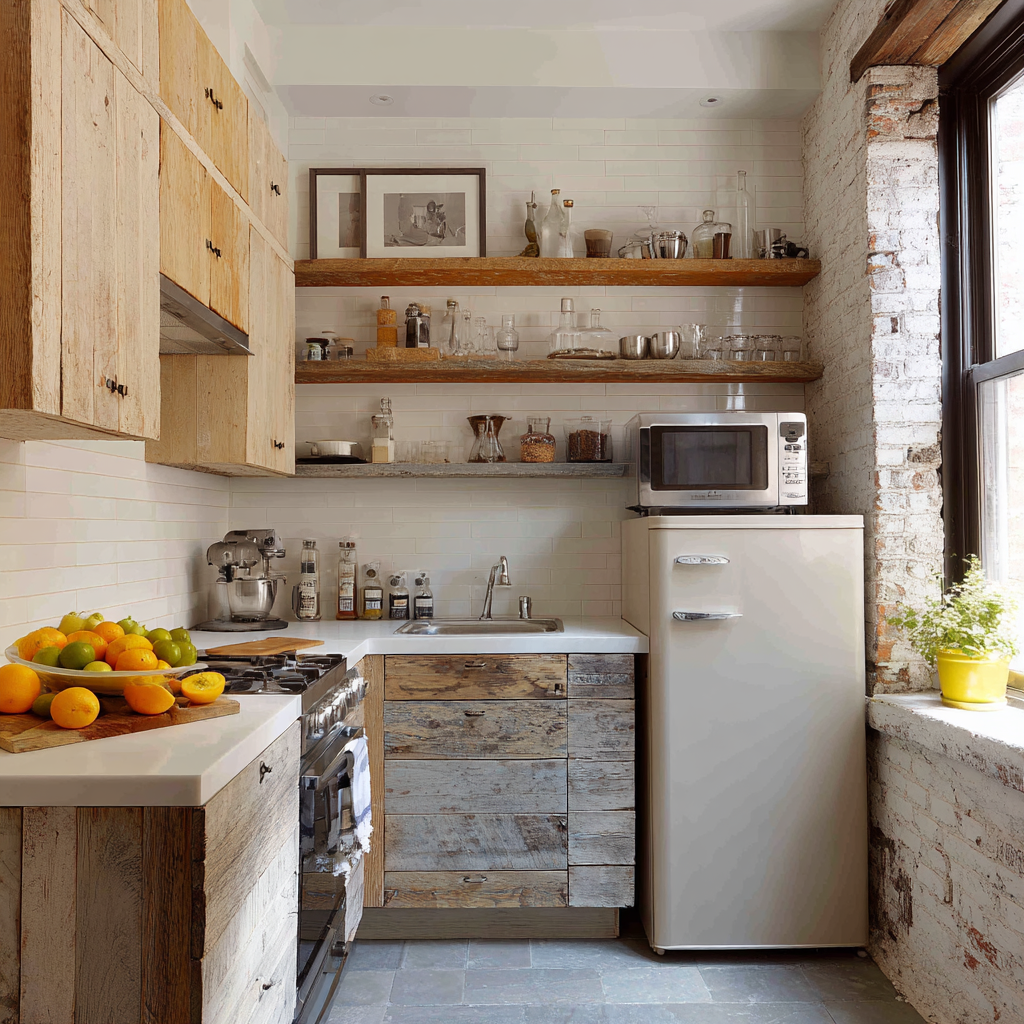
Avoid overdoing “distressing” techniques or using too many faux-aged finishes. One authentically weathered element—like a reclaimed wood beam or a naturally worn table—makes a bigger impact than cabinets and floors that all look artificially roughed up.
Resist themed knickknacks and novelty décor that scream farmhouse or mountain lodge. Elevate the rustic feel by choosing honest materials—solid wood, real stone, or raw metal—so the kitchen feels genuine and enduring instead of staged.
Be mindful of furniture scale; oversized hutches and chunky farmhouse tables can make smaller kitchens feel cramped and awkward. Instead, select streamlined, well-proportioned pieces that provide rustic presence without overwhelming your layout or blocking flow.
Don’t mix too many bold or saturated colors throughout your space. Limiting your palette to a few related shades—anchored by natural tones—lets wood grain, stone, and ceramics stand out, giving the space depth without visual chaos.
Pair open shelving with enough closed cabinetry to realistically store pantry staples, cookware, and less attractive essentials. Even in smaller spaces, balance display and concealment so your kitchen never feels cluttered or impractical.
Prioritize layered lighting beyond one central fixture: supplement overheads with under-cabinet lights, sconces, or table lamps to avoid dark, shadowy corners. Thoughtful lighting makes cooking, entertaining, and relaxing in your kitchen easier and more enjoyable, bringing your rustic details to life at any hour.
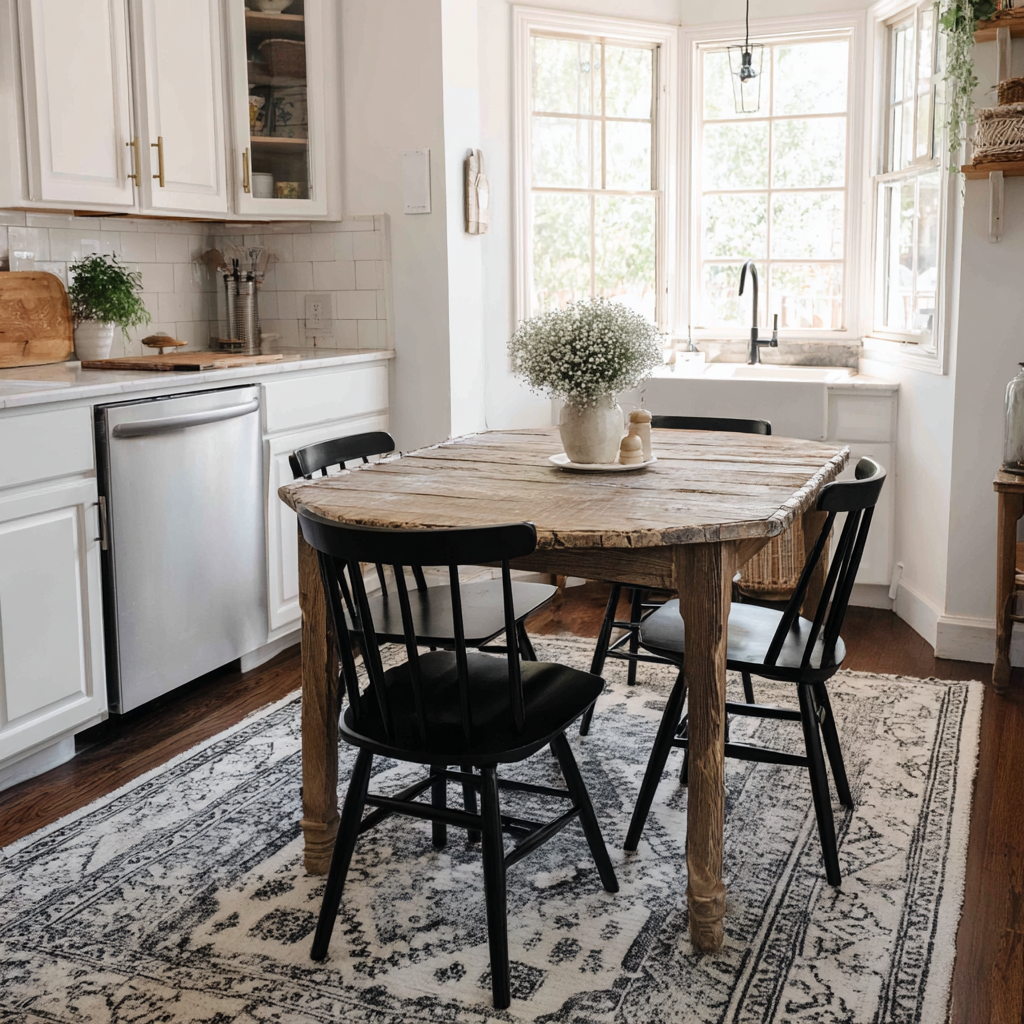
A rustic modern kitchen that stops at the doorway can feel like a set piece, especially in a home with a different architectural character. Joy Aumann, a licensed realtor (CIPS), interior designer, and co-founder of LUXURYSOCALREALTY, sees the disconnect play out when those homes hit the market:

"It's a mistake to focus on trends without considering the entire interior. The kitchen should feel harmonious with the rest of the home, not just renovated with every trending feature. A kitchen must match the architectural style of the entire home. Otherwise, buyers will notice the difference."
Matching doesn't mean repeating the same finishes in every room. A few connecting threads are enough:
When you’re ready to turn inspiration into reality, Block Renovation is here to ensure your modern rustic kitchen remodel feels possible from day one. Our team connects you with experienced, carefully vetted contractors who understand the balance of craftsmanship and contemporary convenience that defines this style. From your first ideas through to the final walkthrough, you’ll have access to expert guidance, transparent pricing, and straightforward project management tools that take the guesswork out of the process. With Block, you can expect open communication, clear milestones, and a renovation experience that puts your vision and comfort first—delivering a functional, beautiful kitchen tailored to the way you really live.
Remodel with confidence through Block
Connect to vetted local contractors
We only work with top-tier, thoroughly vetted contractors

Get expert guidance
Our project planners offer expert advice, scope review, and ongoing support as needed
Enjoy peace of mind throughout your renovation
Secure payment system puts you in control and protects your remodel

Renovate confidently with Block
Easily compare quotes from top quality contractors, and get peace of mind with warranty & price protections.
Kitchen
50k Kitchen Remodel: What $50,000 to $60,000 Buys
09.21.2026
Kitchen
New York City Kitchen Remodels: Cost, Permits & Contractors
09.18.2026
Kitchen
20k Kitchen Remodel: What $20,000 to $30,000 Buys
09.07.2026
Kitchen
Best Time to Remodel Your Kitchen Plumbing & Other Projects
09.05.2026
Kitchen
Kitchen Remodel Mistakes to Avoid When Planning
08.13.2026