



Kitchen
20k Kitchen Remodel: What $20,000 to $30,000 Buys
09.07.2026
02.12.2026


In This Article
For decades, tile has been the go-to choice for kitchen backsplashes as it is prized for its durability and wide selection of styles. Recently, though, many homeowners are entertaining other options for their kitchen design. In some cases, the switch is because material such as stainless steel, for instance, is easier to maintain.
The backsplash alternatives available now cover everything from stone slabs and stainless steel to beadboard, large-format tiles, and acrylic. Each option comes with different costs, maintenance demands, and design personalities. Here's what to know before you decide.
While a kitchen backsplash designed with tile remains a classic choice, it isn’t always the right fit for every lifestyle. Here are some reasons some homeowners prefer alternatives that offer a different look, easier upkeep, or a more budget-friendly approach.
Grout lines can be difficult to keep clean and may discolor over time
Tiles materials may exceed some kitchen renovation budgets
Alternative materials allow more flexibility with certain designs
Non-tile backsplashes offer a unique design perspective
Renovate with confidence every step of the way
Step 1: Personalize Your Renovation Plan
Step 2: Receive Quotes from Trusted Contractors
Step 3: Let Us Handle the Project Details
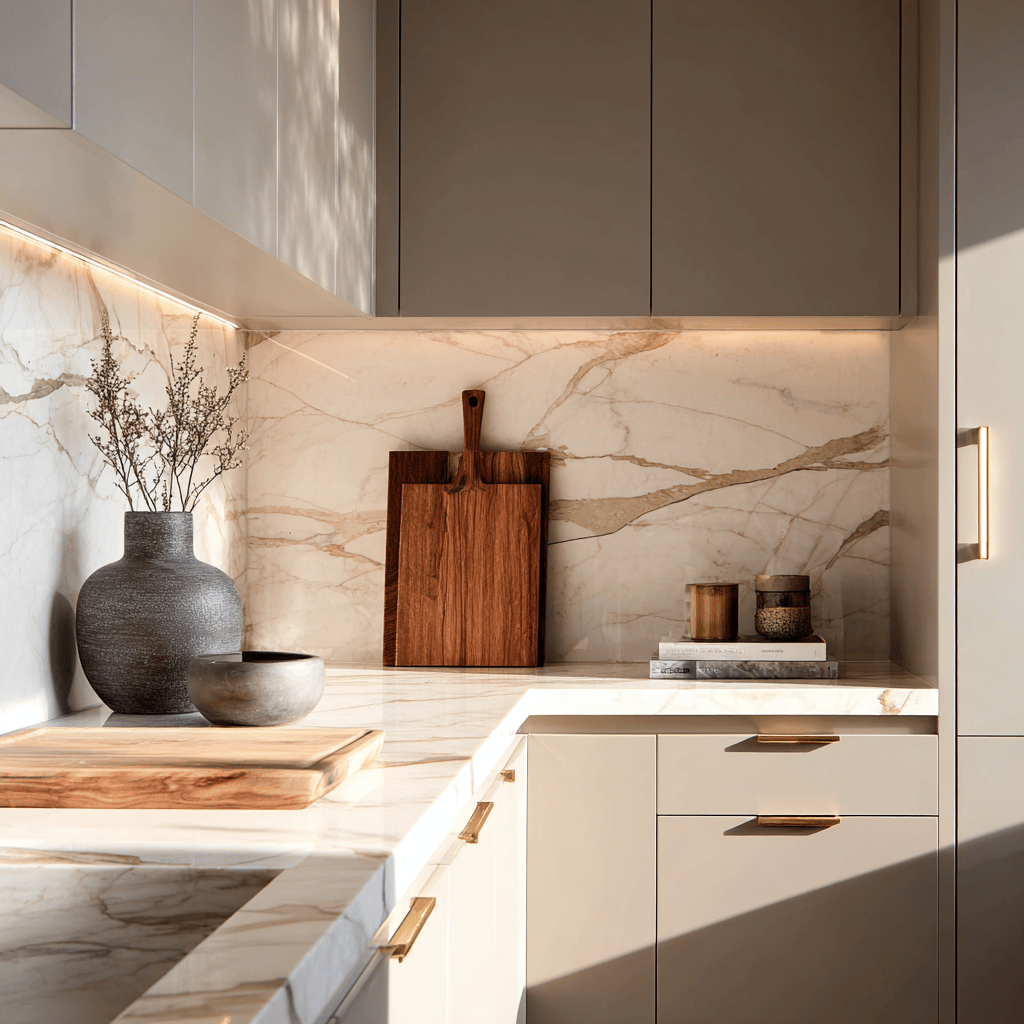
A full slab backsplash uses a continuous piece of stone or engineered material, such as marble, quartz, or granite, to cover the wall behind your counters. The flowing patterns and colors of the stone become a focal point, lending a sense of luxury to any kitchen. This approach creates a bold, seamless effect, especially when paired with matching countertops. It can make smaller kitchens feel more expansive.
This non-tile backsplash works especially well in open-plan spaces or in kitchens where you want to show off natural materials. With no grout lines to scrub, a slab backsplash is simple to clean. Usually, a microfiber cloth is all you need to wipe it down.
According to Quinn Babcock, a licensed contractor and partner, "Non-tile backsplashes can create a more seamless and distinctive design. One option I often recommend is using slab materials such as stone or quartz. A slab backsplash eliminates grout lines, creates a clean continuous surface, and tends to be easier to maintain since there are fewer joints where dirt and grease can accumulate."
However, full slabs usually require professional fabrication and installation, and are often a larger upfront investment. If you’re planning frequent design updates, it’s also a more permanent commitment than some other alternatives.

"A slab backsplash eliminates grout lines, creates a clean continuous surface, and tends to be easier to maintain since there are fewer joints where dirt and grease can accumulate."
Full slab backsplashes are among the pricier alternatives, with engineered quartz running $50–$100 per square foot installed and natural marble or exotic granite reaching $100–$250+. For a standard 30-square-foot backsplash, expect a total project cost of roughly $1,500–$7,500 including professional fabrication, which is essentially required. Pairing the backsplash slab with your countertop during the same fabrication run can sometimes reduce costs through package pricing.
Wallpaper works best as a backsplash in lower-splatter zones: breakfast nooks, coffee bars, or accent walls away from the range. Vinyl peel-and-stick and washable varieties have improved enough that they're a legitimate option for these areas specifically, and swapping out a pattern is far easier than demoing a tile job.
However, don't overestimate wallpaper and peel-and-stick backsplashes' ability to combat heat and moisture. Wallpaper without a protective layer shouldn't go directly behind a stove or next to a sink. In fact, when asked about the one product he refuses to work with during kitchen renovations, Andriy Bezruchuk of Bezruchuk Inc pointed solely to peel-and-stick backsplashes.

"The product I refuse to install as part of a permanent kitchen remodel is peel-and-stick backsplash. It may be fine for a rental or very short-term refresh, but I do not think it belongs in a kitchen where the homeowner is investing real money. It usually makes the project feel temporary and can cheapen the rest of the work."
The practical appeal is the price and the flexibility. It's the easiest non-tile backsplash to change when you want something different.
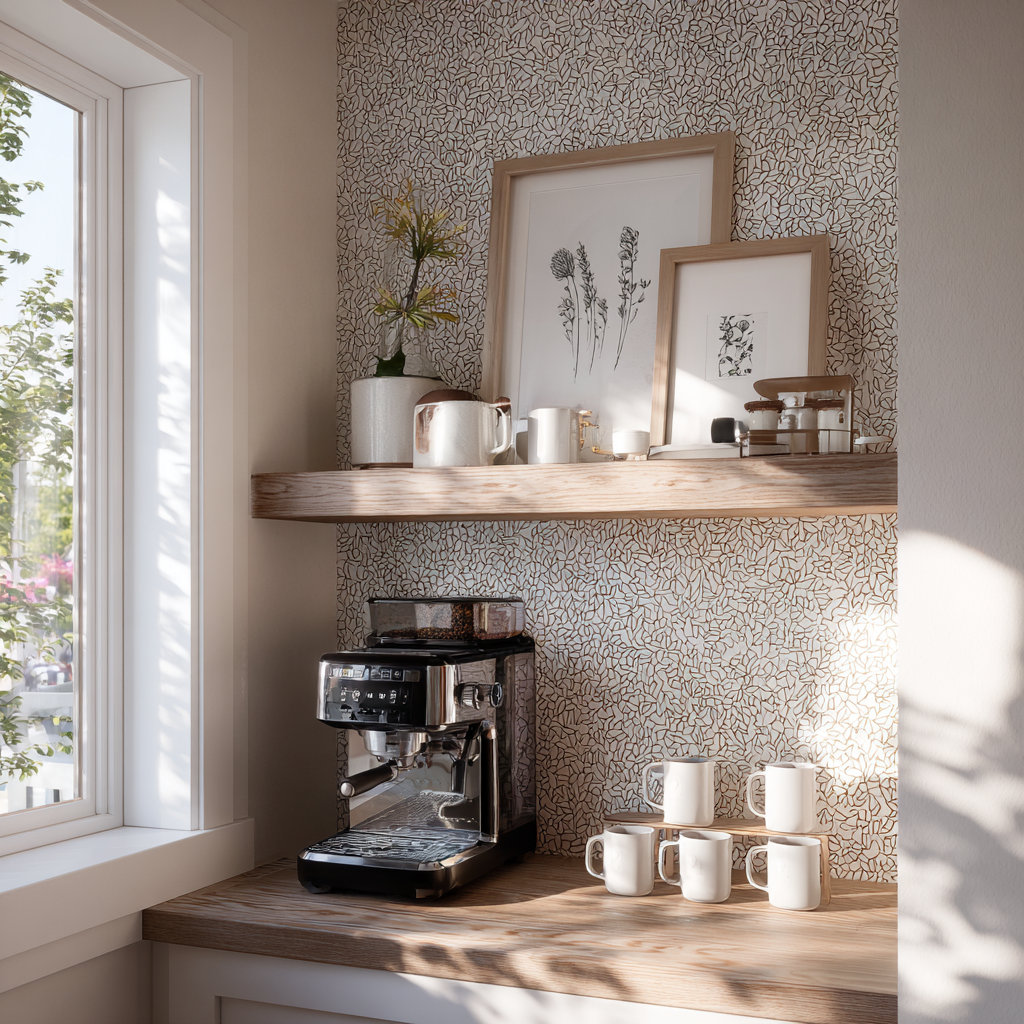
Wallpaper is one of the most budget-friendly non-tile options, with standard vinyl peel-and-stick products costing just $1–$5 per square foot and higher-end washable varieties running $5–$15 per square foot. If you add a protective acrylic panel for areas near the stove or sink, budget an additional $10–$25 per square foot for the panel and its installation.
Stainless steel and raised tin panels lend kitchens an industrial or vintage-inspired look while scoring high marks for ease of maintenance. As a backsplash, these metals resist heat and water, making them uniquely suited for heavy-use zones like the space behind a cooktop.
Tin panels are often embossed with decorative patterns . On the other hand, stainless steel is installed in sleek, minimalist sheets, creating a bright and reflective surface that can help light bounce around your kitchen.
Over time, metal can develop a natural patina. Some homeowners enjoy how this adds character. On the flip side, metal is susceptible to fingerprints and minor dents, and it may need more regular cleaning to keep smudges at bay. A simple wipe-down keeps these backsplashes looking sharp.
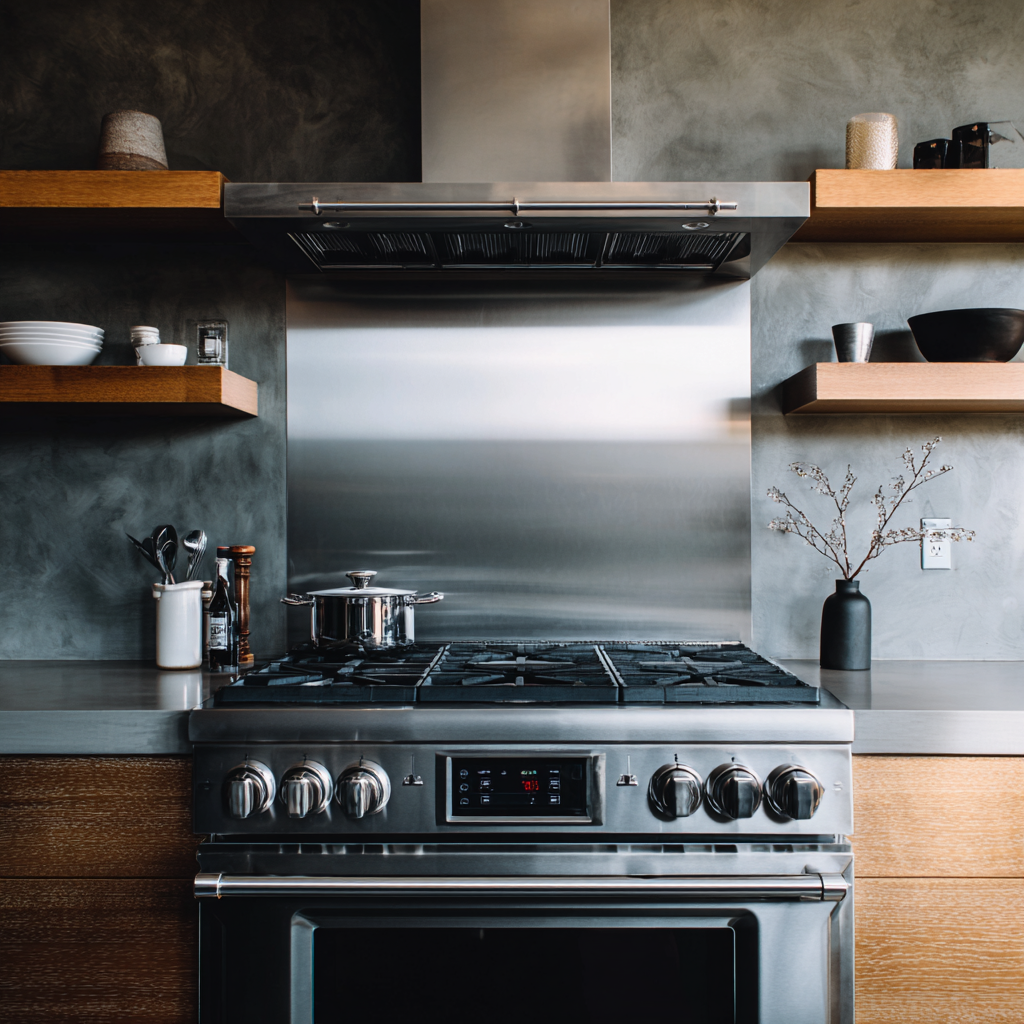
Stainless steel sheets typically cost $15–$30 per square foot for materials, with a full backsplash generally running $750–$1,500 installed; tin panels are slightly more affordable at $8–$20 per square foot. If your walls are uneven, you may need backer board or furring strips to create a flat surface, which adds modestly to the project total.
Beadboard is the cheapest non-tile backsplash that still looks intentional. The vertical groove pattern adds texture without competing with the rest of the kitchen, and it suits farmhouse, cottage, and traditional spaces naturally. Painted in a soft white or sage, it reads as designed rather than budget-conscious.
The honest downside: those grooves collect grease and crumbs. Seal it properly before installation and plan on wiping it down more often than you would tile. PVC beadboard handles moisture better than MDF and is worth the small price difference in a kitchen environment.
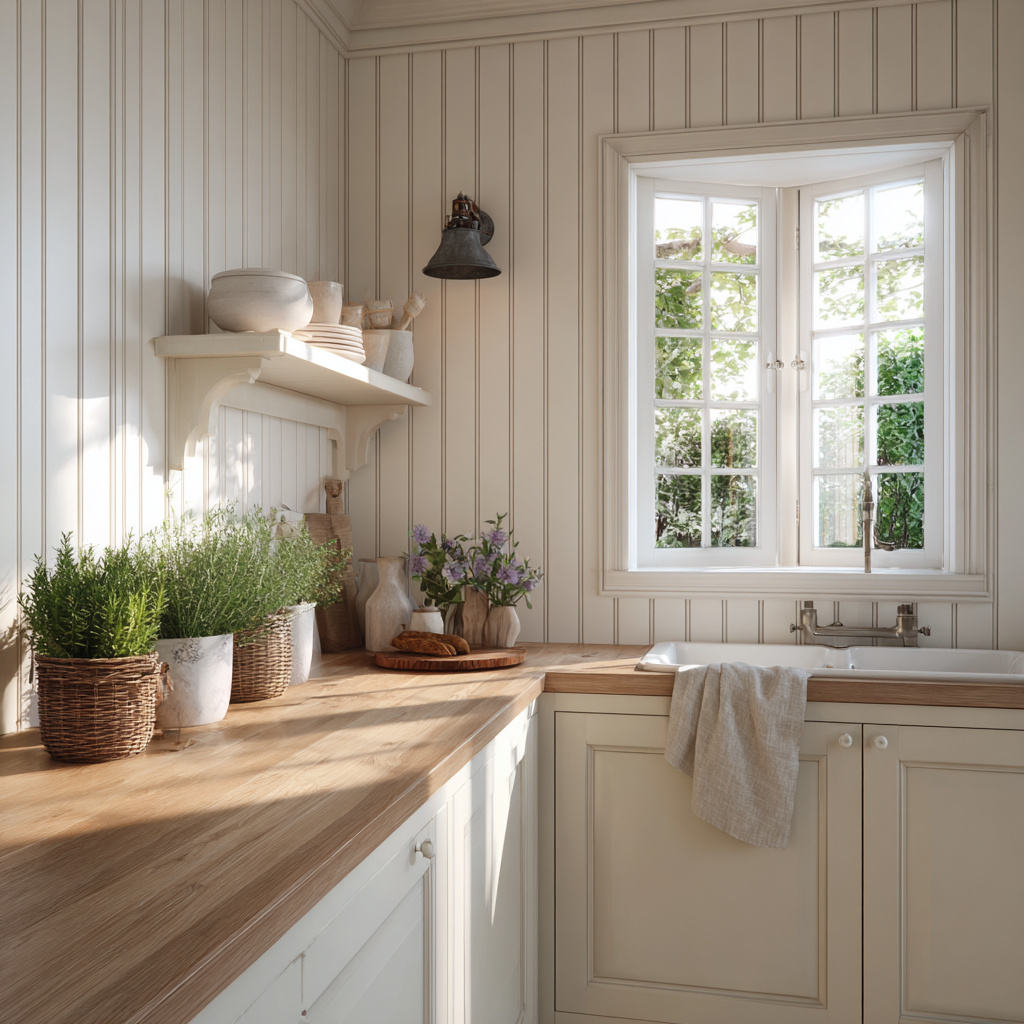
Beadboard is about as budget-friendly as a non-tile backsplash can get; MDF or PVC panels run $1–$5 per square foot, and real wood beadboard is only slightly more at $3–$8. Professional installation typically costs $200–$500, and with another $30–$75 for primer, paint, and sealant, the whole project usually lands well under $1,000. All in, you're looking at roughly 50–70% less than a comparable tile backsplash.
Wood panel backsplashes capture a sense of warmth and comfort that instantly makes a kitchen feel more welcoming. Whether you opt for new planks or reclaimed boards in your backsplash, the natural grain and texture of wood can complement a wide range of design styles, from Scandinavian-inspired simplicity to rustic retreats.
With the right protective finish, wood backsplashes can hold up surprisingly well, though they do best in kitchens where heavy splashing is not an everyday occurrence. Still, avoid harsh cleaners and reseal wood regularly to guard against water damage.
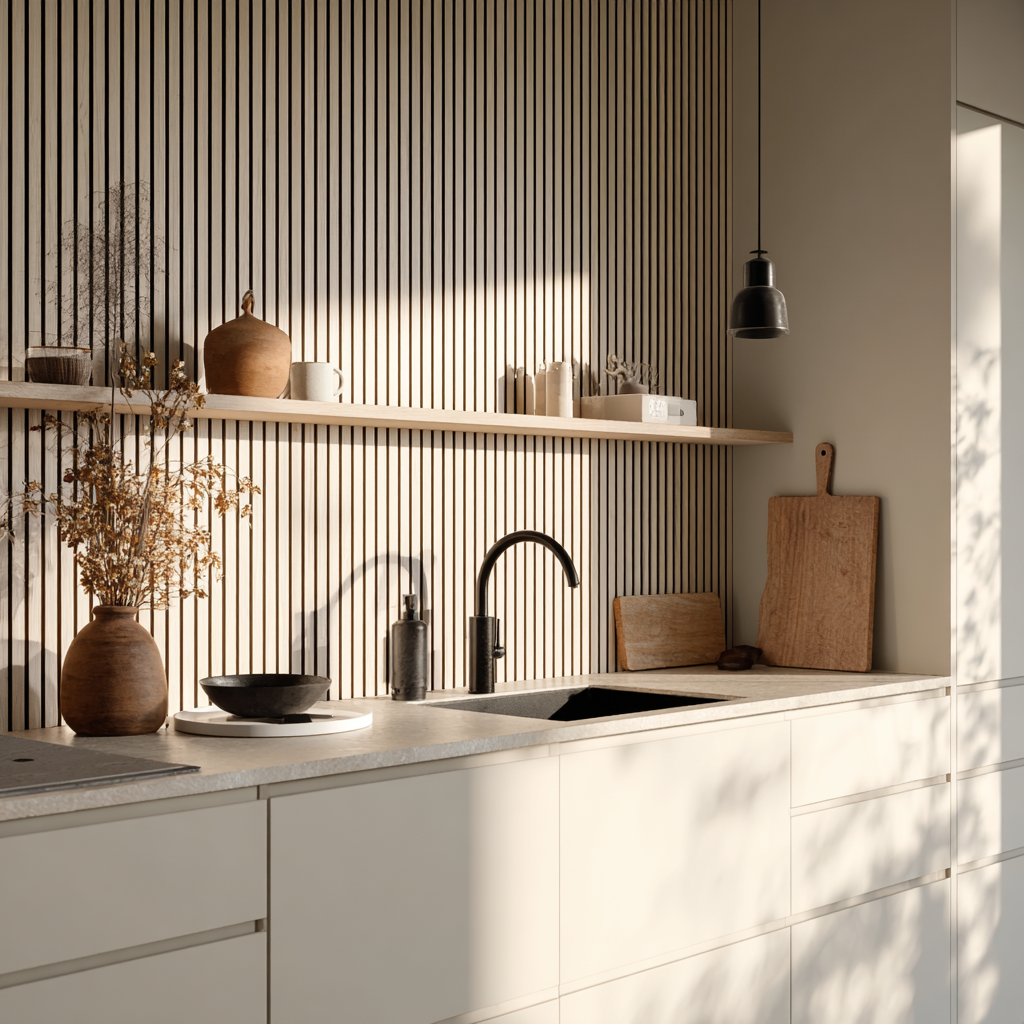
Common species like pine or cedar typically cost $5–$15 per square foot, while premium hardwoods or reclaimed wood can run $15–$30 per square foot. Professional installation usually adds another $5–$12 per square foot on top of materials.
Don't forget to factor in a food-safe sealant or marine-grade polyurethane ($30–$80 per quart), plus periodic resealing every two to three years.
If your kitchen has exposed brick, painting it is one of the cheapest and most distinctive backsplash moves available. The texture stays visible under paint, which gives the surface a depth that flat tile can't replicate. White is the most common choice and works in almost any kitchen. Darker shades read well in industrial or moody spaces.
No exposed brick? Faux brick panels get you most of the way there at low cost. The main maintenance requirement for either is sealing. Brick is porous and will absorb grease without it. Mortar joints need occasional attention, but neither requires the ongoing resealing that natural stone does.
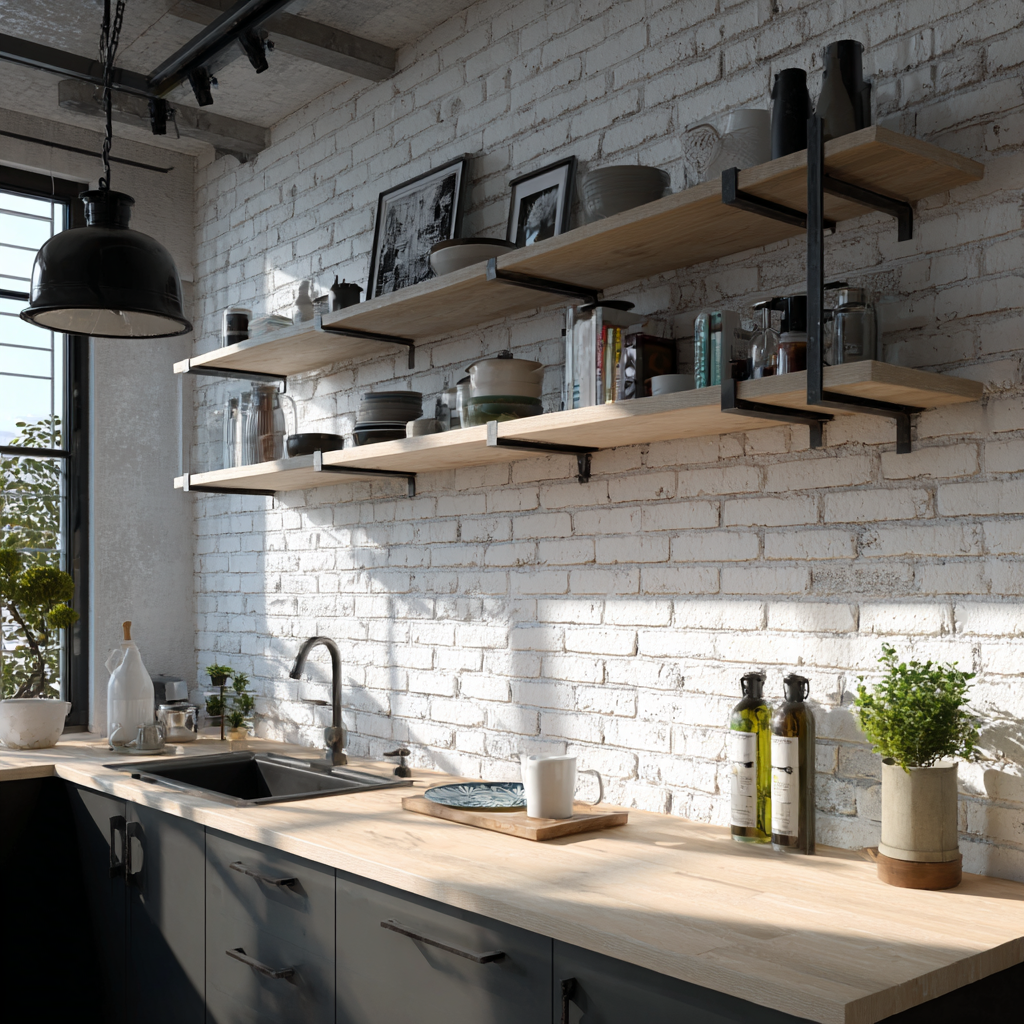
If you've already got exposed brick, painting it is hard to beat on price; primer, masonry paint, and sealant usually total just $50–$150, with professional painting adding $200–$600. No brick? Faux brick panels run $5–$15 per square foot for materials and $5–$10 for installation, landing a full project between $300 and $750. If your real brick needs mortar repair before painting, the extra labor will lead to an extra $200–$500.
Acrylic sheets are available in a spectrum of bold shades—from vibrant reds and blues to sleek, frosted finishes—making it easy to complement or contrast with your existing cabinetry and modern decor.
Acrylic is a lightweight material, so installation is generally straightforward. In many cases, it is possible to tackle without professional help. Its non-porous surface means spills, splatters, and fingerprints wipe away quickly. Acrylic proves especially practical for busy kitchens or homes with children, all while bringing a playful, modern energy to the space.
While this non-traditional backsplash stands up well to water and most household messes, it can be more prone to scratching than glass or tile.st Therefore, it's best to use gentle cleaning methods and avoid heavy abrasives near the backsplash.
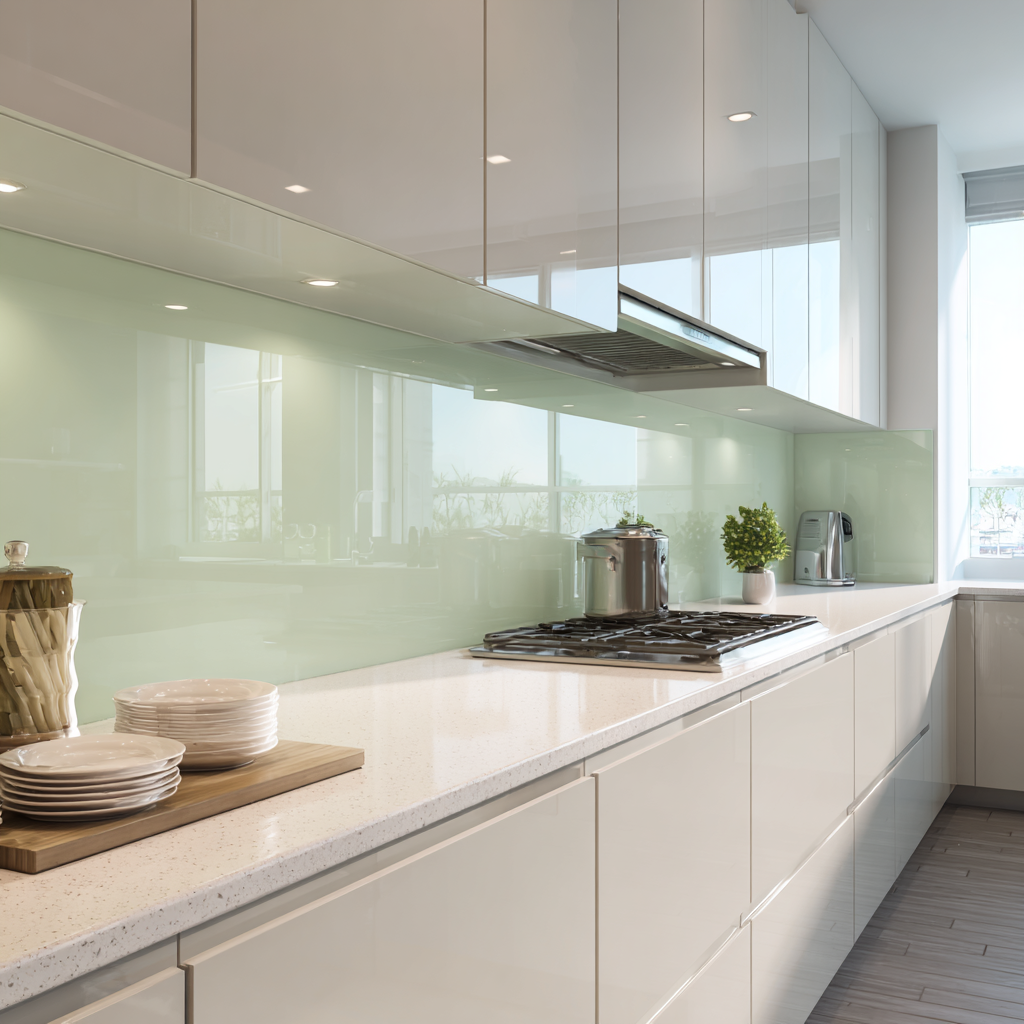
Acrylic panels typically fall between $10 and $25 per square foot depending on thickness and finish, so materials for a standard backsplash run roughly $300–$750. They're lightweight and mount directly to the wall, so professional installation is relatively quick, leading to an estimated $150–$400 for labor. That makes acrylic about 30–50% cheaper than glass panels, which offer a similar clean, modern look.
Stone veneer is made from thin layers of real or engineered stone, offering the textured, organic appearance of solid stone at a fraction of the weight.
The subtle variations in color and pattern bring a sense of nature indoors, helping a kitchen feel grounded and inviting. For this reason, this alternative backsplash idea is particularly well-suited for Tuscan or farmhouse-inspired kitchens.
Although stone veneer is generally more affordable and less complex to work with than full stone slabs, it does require sealing to prevent stains and water absorption.
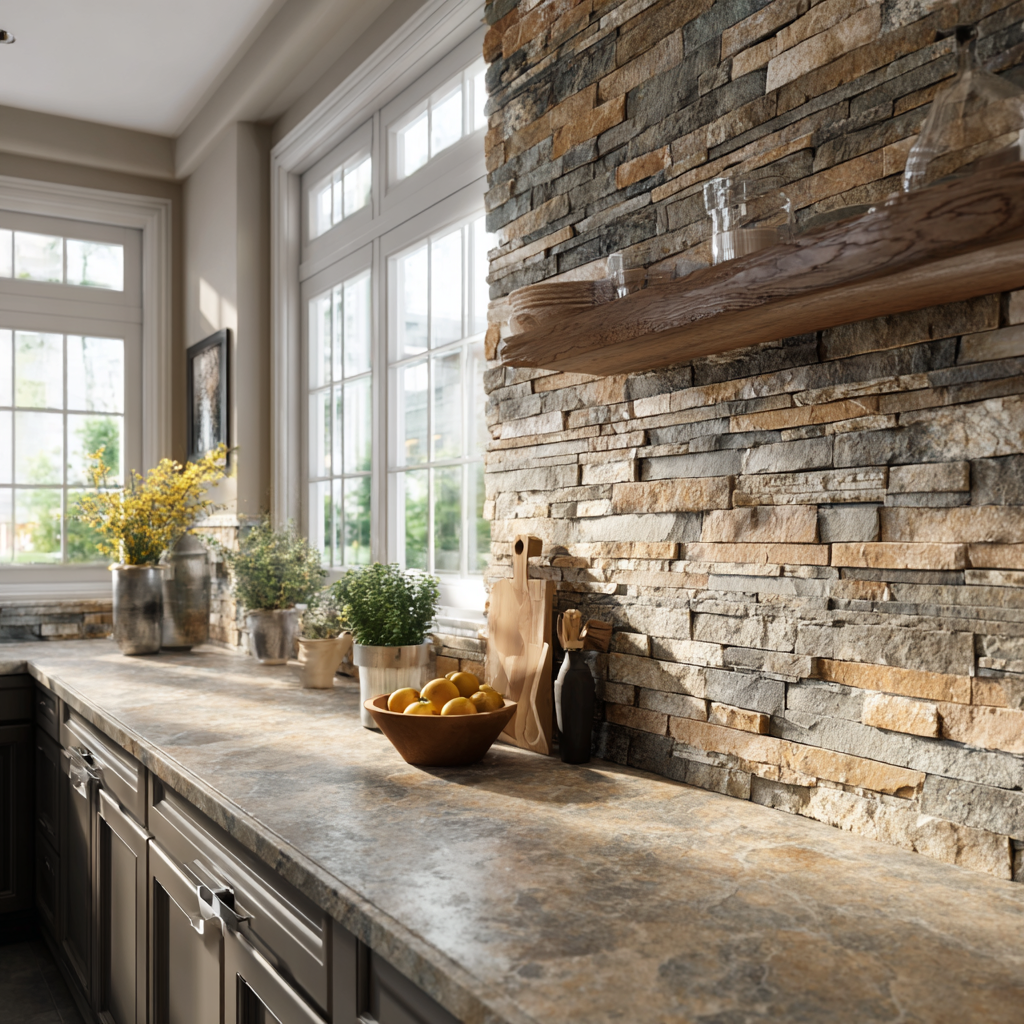
Manufactured stone veneer runs $8–$20 per square foot, while natural thin-cut veneer falls in the $15–$35 range, putting materials for a 30-square-foot backsplash at roughly $240–$1,050. Professional installation adds $10–$20 per square foot, bringing the total to around $540–$1,650. It's pricier than beadboard or wallpaper, but you get a look that rivals a full stone slab at a fraction of the cost.
For homeowners who appreciate the practicality of tile but would like to experiment with something less conventional, several non-traditional materials offer fresh ways to personalize and enhance your kitchen.
Glass panels: This option delivers a polished, luminous effect while remaining remarkably easy to clean.
Mirror tiles: These tiles help brighten your space and give even small kitchens a more open, expansive feel.
Terra cotta tiles: The subtle variations of color and shape, these warm, earthy tiles introduce artisanal character, especially if the tiles are handmade.
Textured porcelain tiles: Textured or 3D porcelain tiles add tactile interest as well as visual depth, bringing movement and intrigue to any kitchen wall.
Large-format tiles: Oversized tiles create a seamless look with fewer grout lines, mimicking the appearance of stone or wood while remaining easy to maintain.
|
If You Want… |
Best Non-Tile Option |
Why |
|
Brightening a small kitchen |
Stainless steel |
Reflective surface bounces light and opens up tight spaces |
|
Best resale appeal |
Full stone slab |
Widely seen as a premium upgrade by buyers |
|
Behind a heavy-use cooktop |
Stainless steel |
Handles heat, grease, and moisture better than almost anything |
|
Lowest budget |
Beadboard |
Materials and installation can come in well under $1,000 |
|
Longest lifespan |
Full stone slab |
20+ years with minimal maintenance |
|
Easiest to swap out later |
Acrylic panels or wallpaper |
Low commitment — change your look without a major demo |
|
Best for busy family kitchens |
Acrylic sheet |
Non-porous, wipes clean in seconds, stands up to daily wear |
It’s one thing to imagine how these backsplash alternatives might look, but seeing them brought to life in your own space can make all the difference. Use Block Renovation’s free AI kitchen remodeling tool to help find your perfect non-tile backsplash. Upload photos, mix and match styles, try bolder choices, and get a sense of what really fits your kitchen and personal taste.
Block connects you with vetted, licensed contractors who can install any of these materials correctly. Get matched, compare proposals, and move forward with a team that knows the work.
Remodel with confidence through Block

Connect to vetted local contractors
We only work with top-tier, thoroughly vetted contractors

Get expert guidance
Our project planners offer expert advice, scope review, and ongoing support as needed
Enjoy peace of mind throughout your renovation
Secure payment system puts you in control and protects your remodel

Renovate confidently with Block
Easily compare quotes from top quality contractors, and get peace of mind with warranty & price protections.
Kitchen
20k Kitchen Remodel: What $20,000 to $30,000 Buys
09.07.2026
Kitchen
Best Time to Remodel Your Kitchen Plumbing & Other Projects
09.05.2026
Kitchen
Kitchen Remodel Mistakes to Avoid When Planning
08.13.2026
Kitchen
Rental Kitchen Renovation: Smart Materials & Design Choices
08.08.2026
Kitchen
Wall Oven Installation Cost & Are Wall Ovens Worth It?
08.07.2026