




Countertops
Slate Countertops vs. Granite, Quartz and Soapstone
09.20.2026
02.12.2026


In This Article
Choosing a new countertop is a big decision—shaping how your kitchen or bathroom looks, feels, and functions for years to come. Among the most popular options are Corian and granite. Both offer compelling benefits, but their strengths and day-to-day performance differ in ways that matter when you’re making a long-term investment in your home.
Below, you’ll learn what sets these surfaces apart so you can find the best match for your needs—and your vision. To give you a quick overview before diving in, here’s how Corian and granite compare on the essentials:
|
Feature |
Corian |
Granite |
|
Appearance |
Wide color range, seamless finishes |
Unique natural patterns, stone texture |
|
Durability |
Scratch-prone, easy to repair |
Scratch, chip, and heat resistant |
|
Maintenance |
No sealing, simple to clean |
Needs periodic sealing, low upkeep |
|
Cost |
Generally more affordable |
Varies, often higher for rare types |
|
Installation |
Seamless, flexible customization |
Heavy, visible seams, less flexibility |
|
Heat Resistance |
Sensitive to heat, needs protection |
Excellent, handles hot cookware well |
|
Resale Value |
Respected, modern appeal |
Often seen as premium by buyers |
Corian is a solid surface material made from a blend of acrylic resin and minerals. What sets it apart is its versatility: it can be formed and joined into fluid shapes, offering a truly seamless look across sink, backsplash, and counter. The selection of colors and patterns is extensive, ranging from subtle neutrals to bold designs, and some collections mimic the organic look of stone or concrete. Because the material is homogenous throughout, minor scratches and marks can be buffed out, helping it retain a fresh appearance over time.
Corian’s non-porous structure means it won’t harbor stains or germs, so it’s easy to clean and maintain a hygienic surface. That makes it a strong choice for households seeking a countertop with worry-free upkeep. While Corian handles everyday use well, it is softer than granite and more susceptible to scratching or marring from sharp knives. Heat is another consideration—hot pans and appliances can scorch or warp the surface, so using trivets or hot pads is always a good idea.
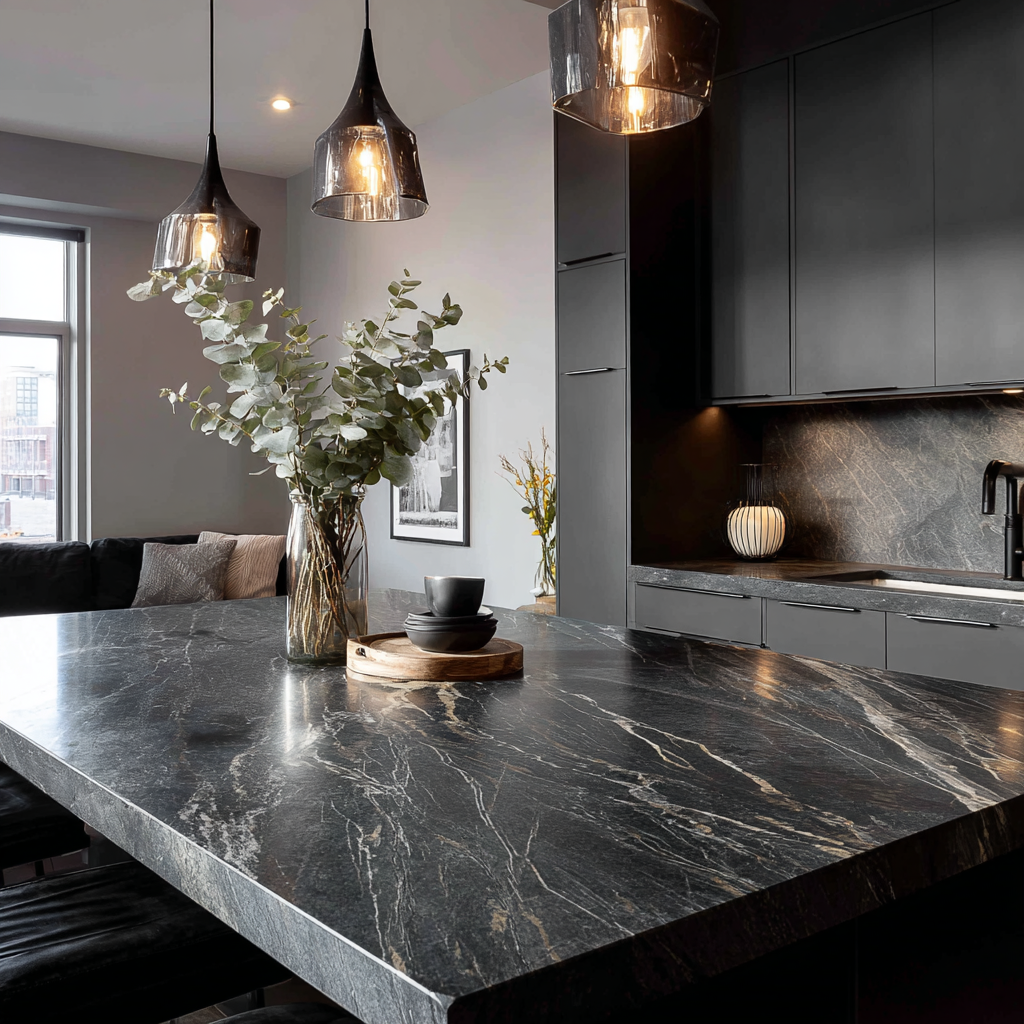
Granite, as a natural stone, stands out for its singular beauty and strength. No two slabs are identical; each offers unique veining, color movement, and mineral flecks that add depth and character to your kitchen or bathroom. Granite’s cool, polished feel and weight lend an unmistakable sense of quality. Selecting granite gives you a countertop rich in natural variation, and you’ll often view and select the specific slab that will be cut for your project.
Day-to-day, granite shines in heavy-use kitchens for its durability. The surface resists scratches from utensils and resists chipping under most conditions. Heat resistance is excellent—you can set hot cookware directly onto granite without worry. However, because granite is a porous stone, it should be sealed about once a year to guard against stains from spills like wine, coffee, or oil. Cleaning is as simple as using mild soap and water, while acidic or harsh cleaners are best avoided to preserve the stone’s finish.
Perfect Every Detail of Your Bathroom

Corian: Compared to granite, corian generally comes in at a lower price point, and because it’s engineered, you get predictable pricing across colors and styles. Custom shapes or integrated features, such as sinks or drainboards, can be fabricated relatively easily.
Granite: The cost varies widely, mostly based on the rarity or origin of the slab. Common colors and patterns may be in line with Corian, while exotic or highly figured stones cost more. Installation is more intensive due to granite’s weight and needs careful planning—cabinets must support the extra load, and moving the slabs requires expertise.
Corian: The smooth, non-porous surface means stains and spills are easy to wipe away, and its forgiving composition makes it gentler on dropped dishes. Despite this, it’s more vulnerable to direct nicks from knives or accidental burns from hot pots. Most everyday wear can be remedied with refinishing, keeping the surface looking new even after years of family life.
Granite: The natural resilience is a major strength. You can use it for rolling dough, prepping ingredients, or occasionally setting down a hot pan without a second thought. Scratches and chips are uncommon with typical use, and the hardness of the material means it holds up in busy spaces. Properly sealed, it resists stains, but unsealed or poorly maintained stone can absorb spills, so upkeep is key to longevity.
Corian: maintenance is low-key—there’s no need for sealing, and regular cleaning with soapy water is usually all it takes. Any stubborn marks or minor damage can often be sanded or buffed away by a professional, restoring the surface.
Granite: you’ll need to reseal granite every year or so to protect against liquid and stains, but the day-to-day cleaning is just as easy as Corian. Avoiding harsh, acidic, or abrasive cleaners is important, but otherwise, the material is unfussy. Prompt attention to spills, especially from oil or acidic foods, will preserve the stone’s looks and performance for years to come.
Beyond appearance and price, certain practical qualities can make a big difference in countertop performance over time.
Finding the right countertop comes down to matching your style, priorities, and daily needs.
With Block’s free Renovation Studio, you can experiment with Corian and granite in realistic, personalized renderings before making your final decision. The Studio lets you compare materials side by side, see cost estimates update in real time, and even visualize how different patterns will look in your space. It’s a low-pressure way to test your ideas—helping you feel confident about your choices and your budget well before installation begins.
With Block Renovation, finding the right contractor for your project is simple and stress-free. Our platform matches you with thoroughly vetted professionals, reviews every proposal for accuracy, and stands by your side throughout your renovation—so you can move forward with clarity, confidence, and the support you deserve. With a focus on your goals and peace of mind, Block helps you take the next step toward a home that feels truly your own.
Remodel with confidence through Block

Connect to vetted local contractors
We only work with top-tier, thoroughly vetted contractors

Get expert guidance
Our project planners offer expert advice, scope review, and ongoing support as needed

Enjoy peace of mind throughout your renovation
Secure payment system puts you in control and protects your remodel

Renovate confidently with Block
Easily compare quotes from top quality contractors, and get peace of mind with warranty & price protections.
Countertops
Slate Countertops vs. Granite, Quartz and Soapstone
09.20.2026
Countertops
Laminate Countertops vs. Quartz: How to Choose
09.15.2026
Countertops
Kitchen Counter Overlay: Cost, Durability and More
09.13.2026
Countertops
What Color Countertops Go With Oak Cabinets?
09.01.2026

Countertops
Walnut Cabinets With White Countertops
08.24.2026