




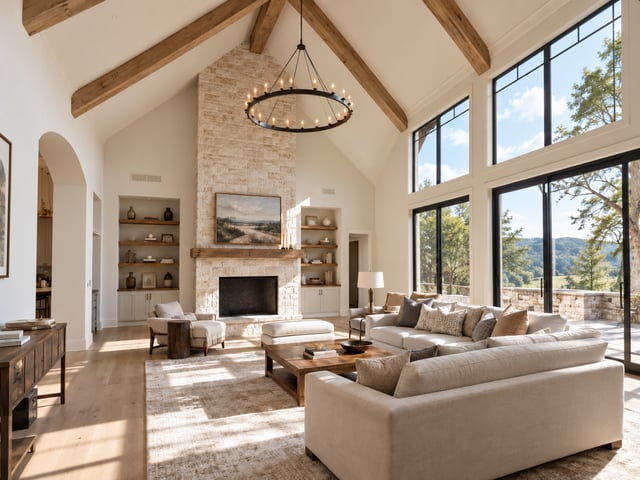
Ceiling
Cost to Vault a Ceiling: Homeowner Budget Guide
09.23.2026
12.16.2025


In This Article
Coffered ceilings say something about a home before you even realize it: there’s a sense of depth, history, and intention overhead. These ceilings are made up of a series of recessed panels (the “coffers”) outlined by beams, instantly creating patterns and architectural dimension. While they’ve traditionally signaled grandeur—in everything from ancient Roman basilicas to early 20th-century houses—you’ll now find them in modern apartments, classic prewar buildings, and even beach cottages.
Why the renewed focus on the ceiling? In 2026, there’s a clear trend: people crave a little more substance. With so many homes built with cookie-cutter minimalism or “builder grade” materials, an intentional, tactile ceiling is a relief. It instantly adds dimension, absorbs sound, and creates a sense of design from above.
Renovate with confidence every step of the way
Step 1: Personalize Your Renovation Plan
Step 2: Receive Quotes from Trusted Contractors
Step 3: Let Us Handle the Project Details

A good coffered ceiling always starts with the bones: beams and panels. Beams, typically made of wood, MDF, or even lightweight composites, form a geometric grid—or, in some experimental designs, something less regular. The recessed “panels” are often made from drywall, plaster, or wood, sitting back visually from the beams to create dimensional shadow.
Depth is a key ingredient. Homeowners with generous ceiling heights (nine feet or higher) can add deeper coffers—four to six inches—to get a dramatic effect. If your home doesn’t have lofty ceilings, you can still enjoy the look with shallower coffers (two or three inches), which add interest without crowding the room.
Beyond looks, coffered ceilings improve a room’s acoustics—reducing the harsh echo you sometimes get in spaces with hard floors and big windows. They’re also wonderful at hiding wiring, built-in speakers, or even air ducts. And, yes, they can increase home value when they’re done well.
Block tip: Thinking about scale early on is crucial. Large, open rooms can handle more complex grid patterns; smaller spaces often shine with simpler layouts or wider beam spacing.
Every ceiling is a fresh opportunity. Here are some of the strongest directions homeowners are taking in 2026:
You can’t go wrong with the classic: an orderly square or rectangular grid. These shapes have anchored libraries, dining rooms, and great rooms for generations. What keeps them fresh now? Cleaner lines, leaner moldings, and softer, livable finishes. Instead of chunky paint or heavy stain, think light wood, soft white, or a subtle two-tone effect. It’s restraint with staying power.
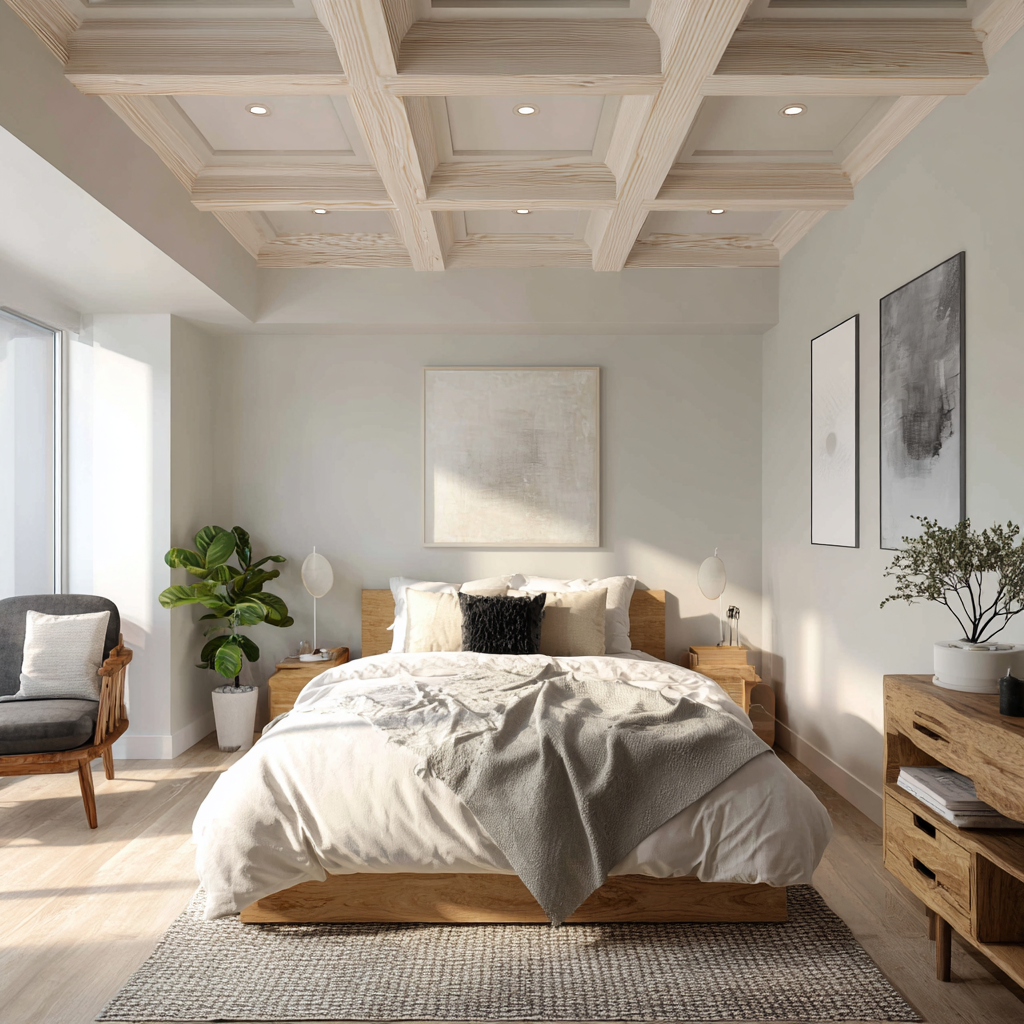
Sometimes the most impactful change is the quietest. Minimalist coffered ceilings use fewer beams, spaced farther apart, to create the suggestion of rhythm without the fuss. These work wonders in open-plan living spaces, compact bedrooms, and anywhere you want the ceiling to stand back and let the rest of the space breathe.
For homeowners who want to break with tradition, geometric and nonstandard patterns are on the rise. Diagonal grids, hexagons, and even irregular lines inject the right amount of unpredictability. Done right, a bold pattern overhead can be the spark that makes a room unmistakably yours.
Block tip: It can be easy to get carried away with inventive shapes, but make sure the complexity matches your space and personal style. Sometimes one unexpected element is all you need to create 'wow.'
Wood paired with drywall. Painted beams offset with natural stain. Brushed metal with crisp white lacquer. The options for mixing materials expand the look far beyond old-school mahogany. In 2026, many homeowners are choosing lighter woods, easy-care composites, or pairing classic beams with acoustic panels for a quieter touch.
There’s no rule that coffers must be deep. In modern homes, flush beams and crisp shadow lines—achieved with drywall or slim wood bands—create a look that’s fresh but still creates great visual interest. It’s a way to draw the eye upward without going ornate.
Design a Home That’s Uniquely Yours
Block can help you achieve your renovation goals and bring your dream remodel to life with price assurance and expert support.
Get Started
Color transforms the ceiling from a backdrop to a design element in its own right. The latest trends blend subtle sophistication and expressive contrast.
Painting the coffers and beams the same color (often a warm white, soft beige, or even a pastel) is a way to add dimension without drama. This color drenching lets natural light and shadow do the heavy lifting, revealing the ceiling’s structure over the course of the day.
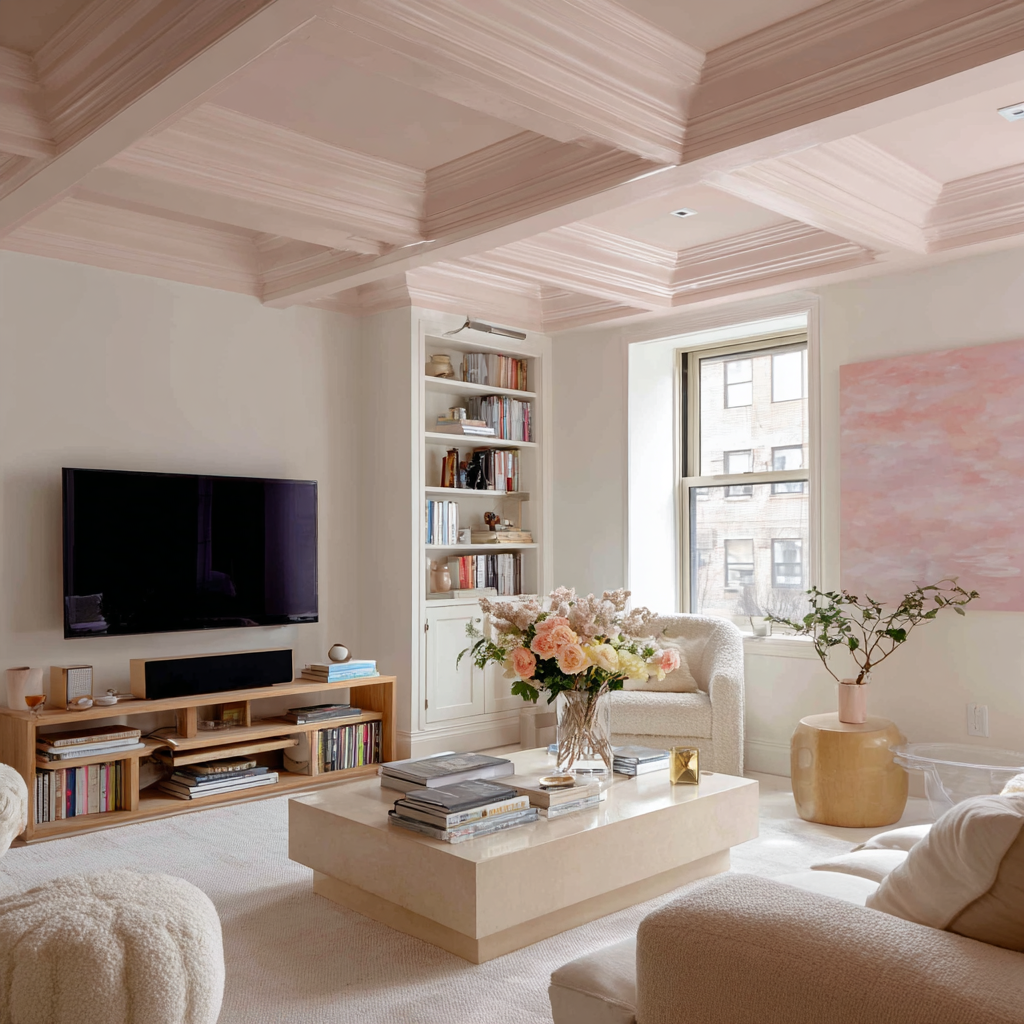
If you crave more personality, line the recesses with wallpaper, textured grasscloth, or specialty paint finishes. Pair with crisp, painted beams for just the right mix of tradition and modern edge.
Looking for more definition? Try a high-contrast palette such as espresso beams against cream, or charcoal beams on foggy blue. The ceiling grid pops visually, making a bold impression without crowding the space below. Homeowners in 2026 are also experimenting with gentle contrasts—think olive beams and pale green panels—for a color-blocked but comforting vibe.
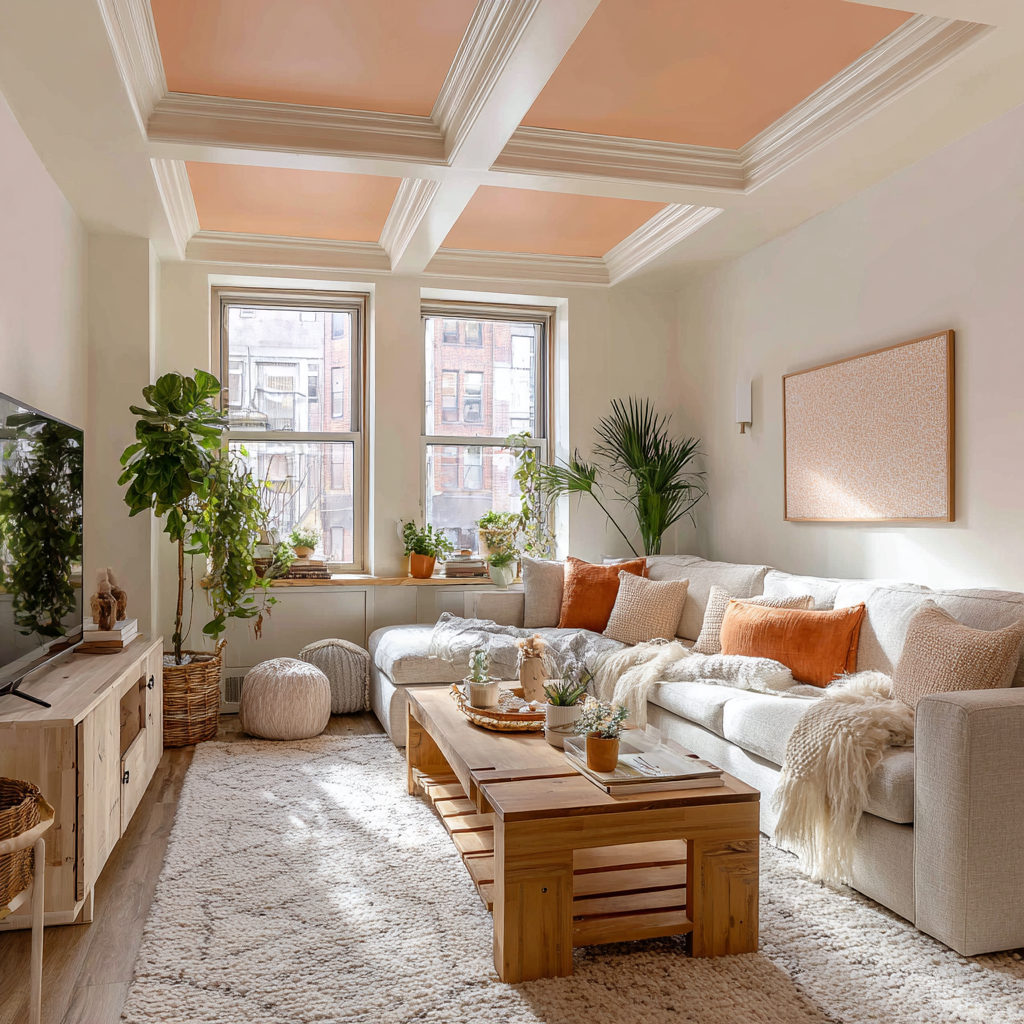
In rooms where you want the eye to linger, a two-tone look—say, pale beams and richer panels, or the other way around—is visually striking. Ombré techniques, where color subtly fades from one end of the ceiling to another, are making their way into more adventurous designs.
Warm earth tones: oatmeal, muted clay, soft brown
Calming greens: sage, olive, silvery eucalyptus
Soft blues: sky, powder, or heritage navy
Deep charcoals, rich walnut, or espresso for accent beams
Off-whites and pale greys as a versatile “goes with everything” option
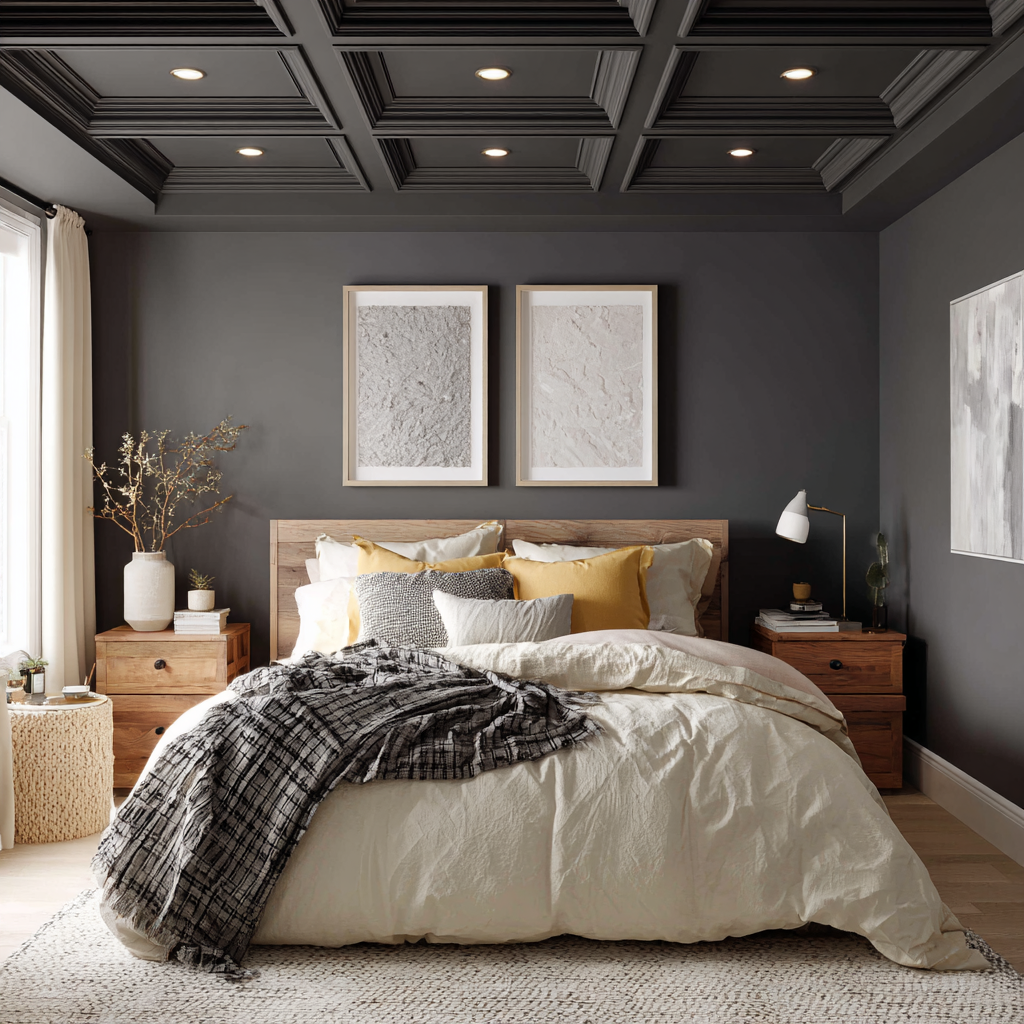
Glossy finishes bounce light and make ceilings feel a little more glamorous, especially in evening light. Matte or eggshell finishes, meanwhile, are understated and help diffuse natural light beautifully.
Block tip: Ceiling color always looks different from a vertical wall swatch. Paint a small sample overhead and check it in both sunlight and lamplight before you commit.
A well-lit ceiling is both visually appealing and incredibly functional. The right lighting shows off every detail and brings your room to life.
Placing small, discreet recessed lights in the center of each coffer adds gentle task lighting. It’s a popular option for kitchens, media rooms, and anywhere you need bright but not harsh illumination.
Cove lighting—LEDs tucked just inside a beam or lining the inside edge of each coffer—creates a soft glow that makes architectural details really stand out. It’s an especially cozy effect for bedrooms, living rooms, and dining areas.
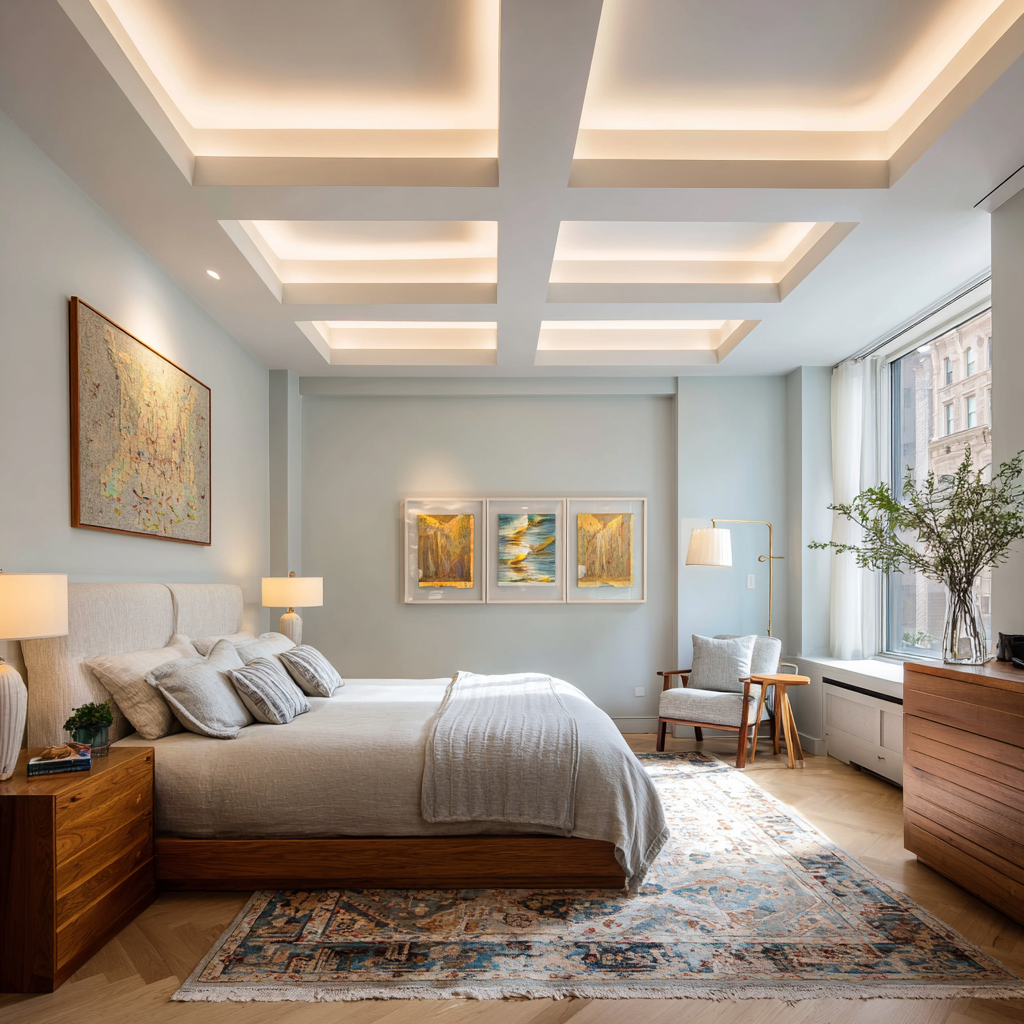
Color-changing LED strips are an easy way to shift a room from day mode to evening relaxation. Some homeowners are even installing tunable white strips for perfect reading light during the day and a warm, ambient glow after dinner.
Central panels are ideal spots to anchor a pendant or chandelier. Pick a fixture that matches the scale of your grid—oversized lights can be dramatic, but in a room with a lot of beams, you might want to keep it simple.
Don’t be afraid to mix types of lights. A combination of recessed, accent, and overhead fixtures gives you flexibility and lets you control the focal point depending on the time of day or the mood you want.
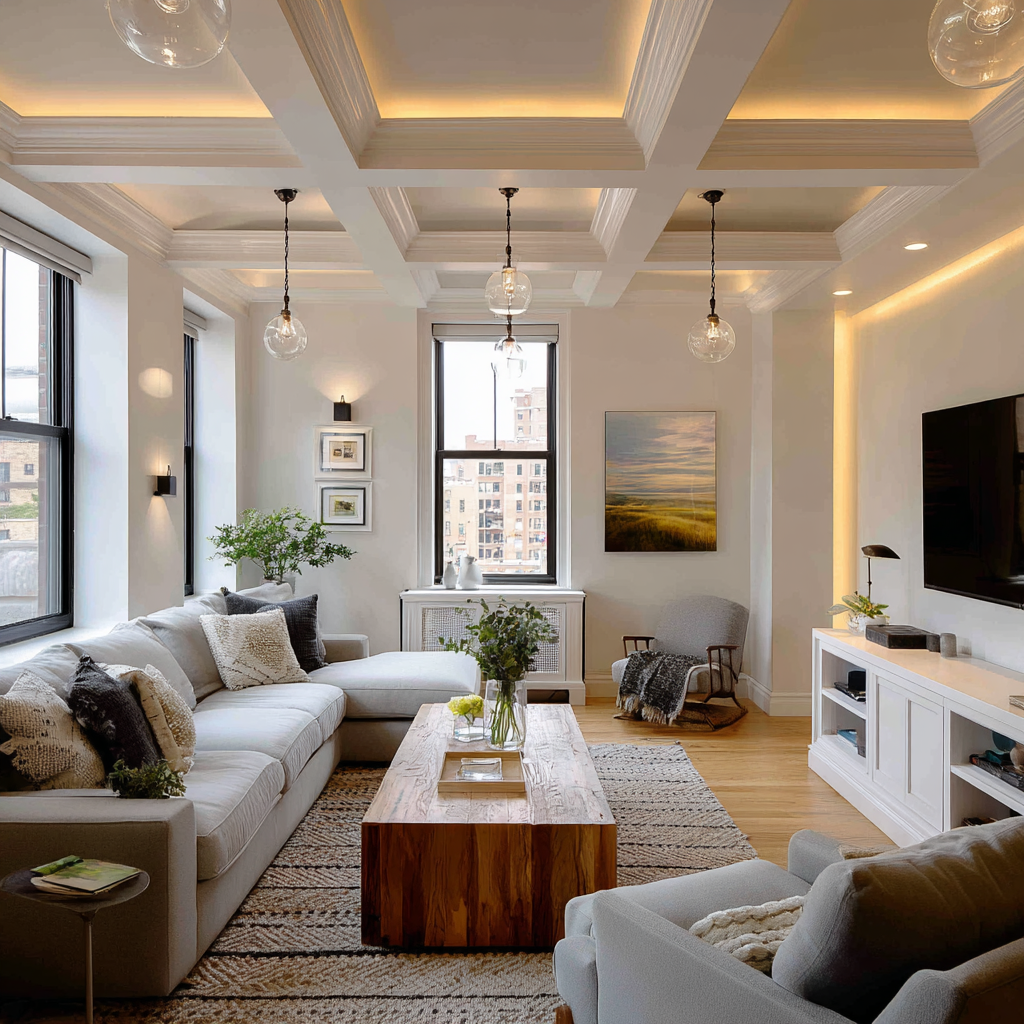
Smart home integration means you can shift the whole room’s mood with your phone or voice: from a soft morning to a movie-night vibe, or anything in between.
Block tip: Pre-wire for more lighting capacity than you think you need. Adding lights after the ceiling is finished is both disruptive and expensive.
Materials matter—a lot. Painted MDF or drywall is budget-friendly, with typical projects starting around $2,500 for a bedroom and climbing past $8,000 for large, custom spaces with hardwoods or intricate patterns. Labor is usually the largest part of the budget; the more complex your grid, the more handwork involved.
Here's a rough breakdown:
|
Material |
Approximate Installed Cost/Sq. Ft. |
|
Painted MDF/drywall |
$20–$35 |
|
Stained hardwood |
$30–$60 |
|
Custom shapes |
$40 and up |
If your ceiling needs repairs—such as fixing water damage, leveling uneven surfaces, or addressing old wiring—those upgrades will add to the overall cost of installing coffered ceilings. Addressing significant repairs early not only protects your new design but also helps the finished result look its best.
Most single-room jobs take 1–2 weeks, including painting and lighting installation. Large or especially inventive ceilings may stretch a little longer. Hardware and fixtures, as always, can add a few days if they need to be special-ordered.
A great contractor is half the battle. Ask to see previous coffered work, confirm experience with electrical integration, and talk through your vision in detail. Designers come in handy when you’re mixing panel shapes, integrating color, or just want a second opinion on pattern.
Permit needs vary by location, but whenever you’re making structural changes or adding electrical, check in first—it’s better than a surprise down the line. And remember: shallow beams and smaller grids can be your friend in more compact rooms.
A coffered ceiling doesn’t just bring structure to a space—it adds a sense of care and creativity that few other upgrades can match. Whether you go bold or keep things quiet, the right ceiling can set the entire mood of your home. The best part? You don’t have to figure it out alone. Block helps homeowners turn inspiration into reality, connecting you with experienced contractors, planners, and resources—so the space you imagine is the space you get to live in.
Ready to start your project? When you’re ready, Block is here to help guide your renovation journey from first sketches to final walkthrough. Your ceiling can be more than you think.
Remodel with confidence through Block

Connect to vetted local contractors
We only work with top-tier, thoroughly vetted contractors

Get expert guidance
Our project planners offer expert advice, scope review, and ongoing support as needed
Enjoy peace of mind throughout your renovation
Secure payment system puts you in control and protects your remodel


Renovate confidently with Block
Easily compare quotes from top quality contractors, and get peace of mind with warranty & price protections.
Ceiling
Cost to Vault a Ceiling: Homeowner Budget Guide
09.23.2026
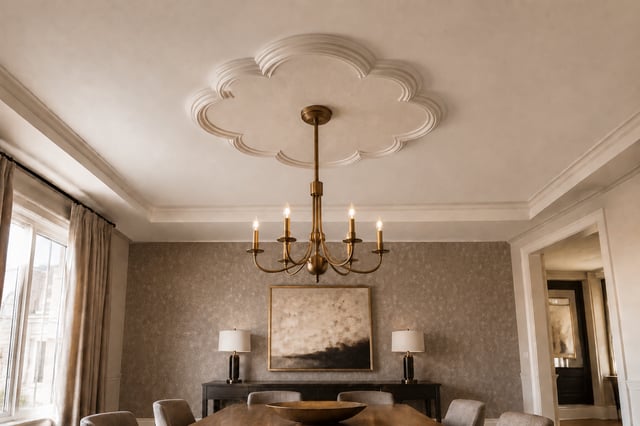
Ceiling
Ceiling Medallion Installation: Costs and Modern Ideas
09.04.2026
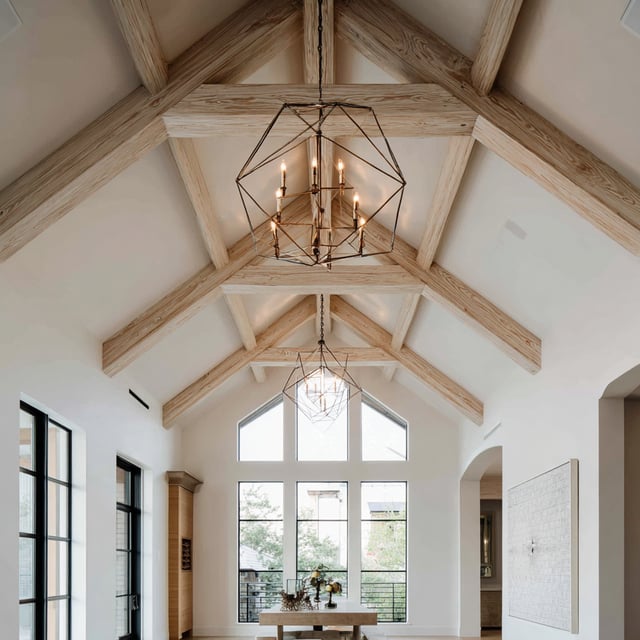
Ceiling
Cathedral Ceiling Ideas - Trim, Molding, Beams & Lighting
08.28.2026
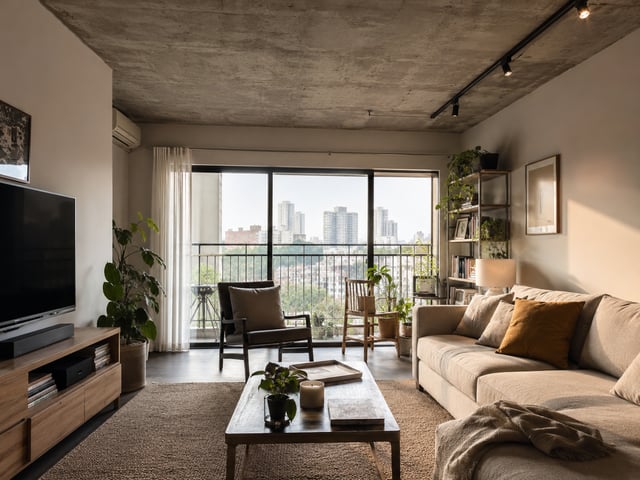
Ceiling
Concrete Ceiling Repair and Replacement
08.22.2026
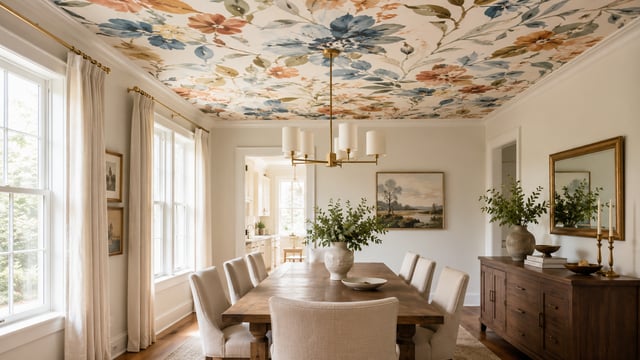
Ceiling
Wallpaper on Ceiling: Ideas and Cost Ranges
08.01.2026