




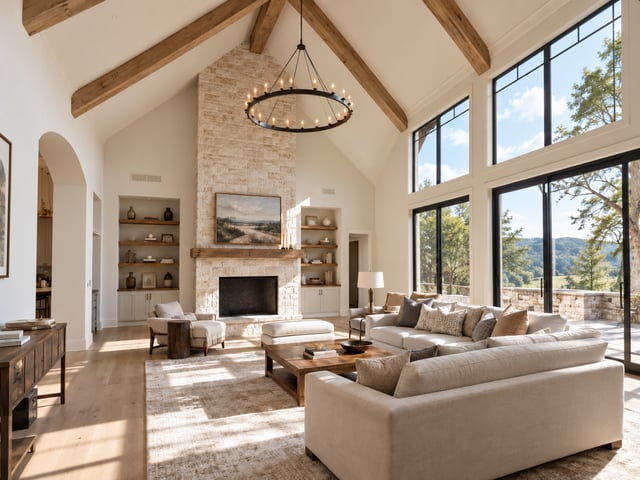
Ceiling
Cost to Vault a Ceiling: Homeowner Budget Guide
09.23.2026
12.16.2025


In This Article
Decorative ceiling beams are more than just architectural features: they define spaces, add warmth, and can transform plain ceilings into visual centerpieces. Whether you live in a historic home with soaring trusses or a modern loft craving definition, ceiling beams are a versatile way to introduce structure, scale, and interest. From rustic wood to refined plaster and everything in between, today’s beam options offer opportunities to celebrate your personal taste while playing up a room’s best features.
It’s not only about looks—choosing the right materials, finishes, and installation approach impacts overall comfort and value. The best designs start with an understanding of structural needs, style goals, and how beams will work with lighting, HVAC, and daily use. The ideas and principles below will help you weigh both the decorative and practical aspects, so your finished ceiling is as functional as it is inviting.
Hitting the right note with beams often means thinking beyond “just wood overhead.” Your choices may be tailored to:
Make small rooms feel larger by adding slim, light-colored beams that lengthen or widen spaces visually
Highlight distinctive architecture like vaulted ceilings or alcoves
Create strong focal points, such as cross-beamed kitchen islands or dramatic central trusses in living rooms
Support layered lighting, from architectural ambient light to dramatic pendants or sconces
Balance old and new—mixing reclaimed materials with modern lines for a “lived-in but updated” style
Renovate with confidence every step of the way
Step 1: Personalize Your Renovation Plan
Step 2: Receive Quotes from Trusted Contractors
Step 3: Let Us Handle the Project Details
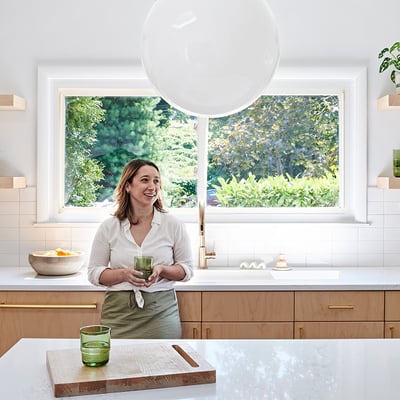
Solid wood beams bring depth and authenticity to any space. Oak, pine, and walnut are popular for their durability, character, and rich grain patterns. They suit both traditional and contemporary settings but require professional installation due to their weight.
Where they work well:
Great rooms with high or vaulted ceilings
Farmhouse, Craftsman, or rustic interiors
Spaces where exposed natural features are central to the aesthetic
Care tips:
Oil or wax finishes keep wood beams looking vibrant and protected
Dusting and occasional touch-ups are needed to maintain their look
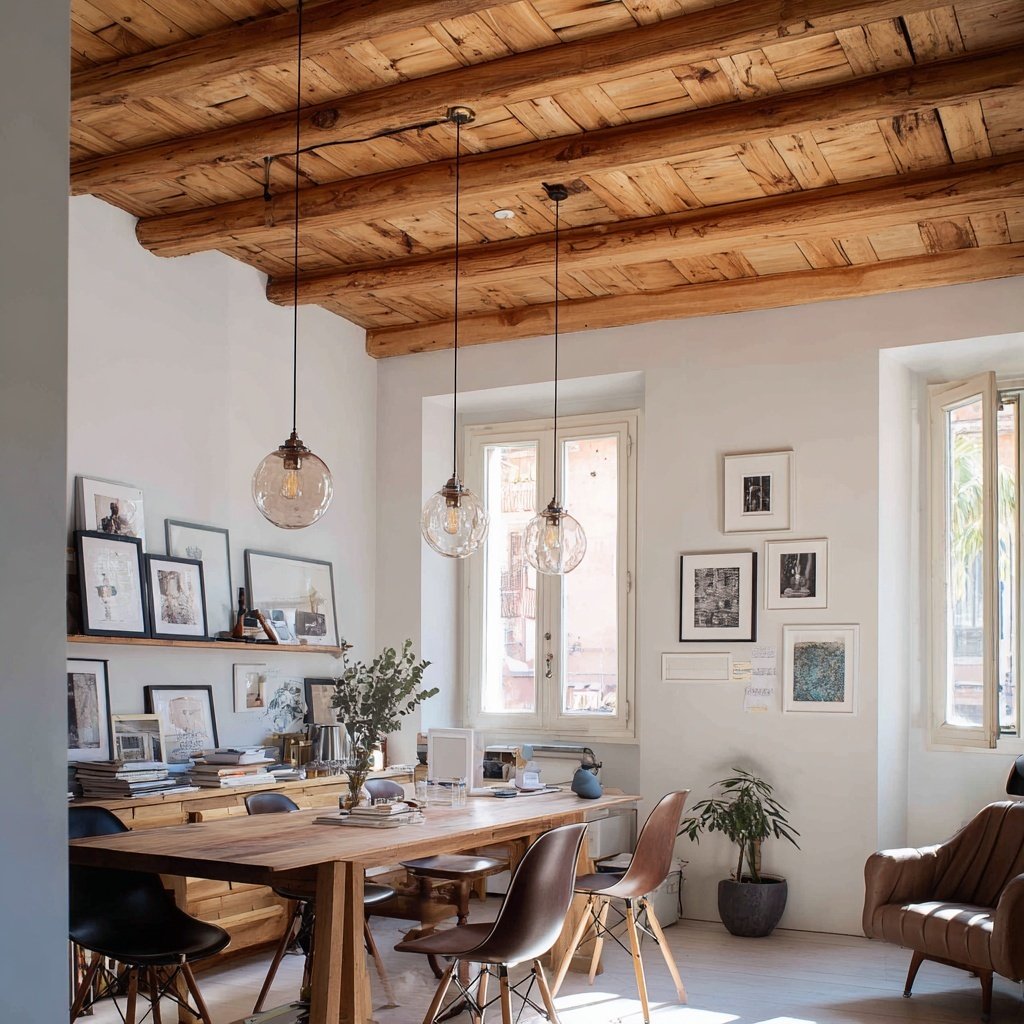
Faux beams—made from polyurethane, MDF, or engineered wood—offer the look of solid timber at a fraction of the weight and cost. They’re an excellent idea for retrofitting existing homes without major structural modifications and can even be installed DIY-style.
Advantages:
Lightweight for all ceiling heights (including lower rooms and apartments)
Hollow interior can hide wiring, ductwork, or fasteners
Wide range of finishes, even custom staining or painting to match your decor
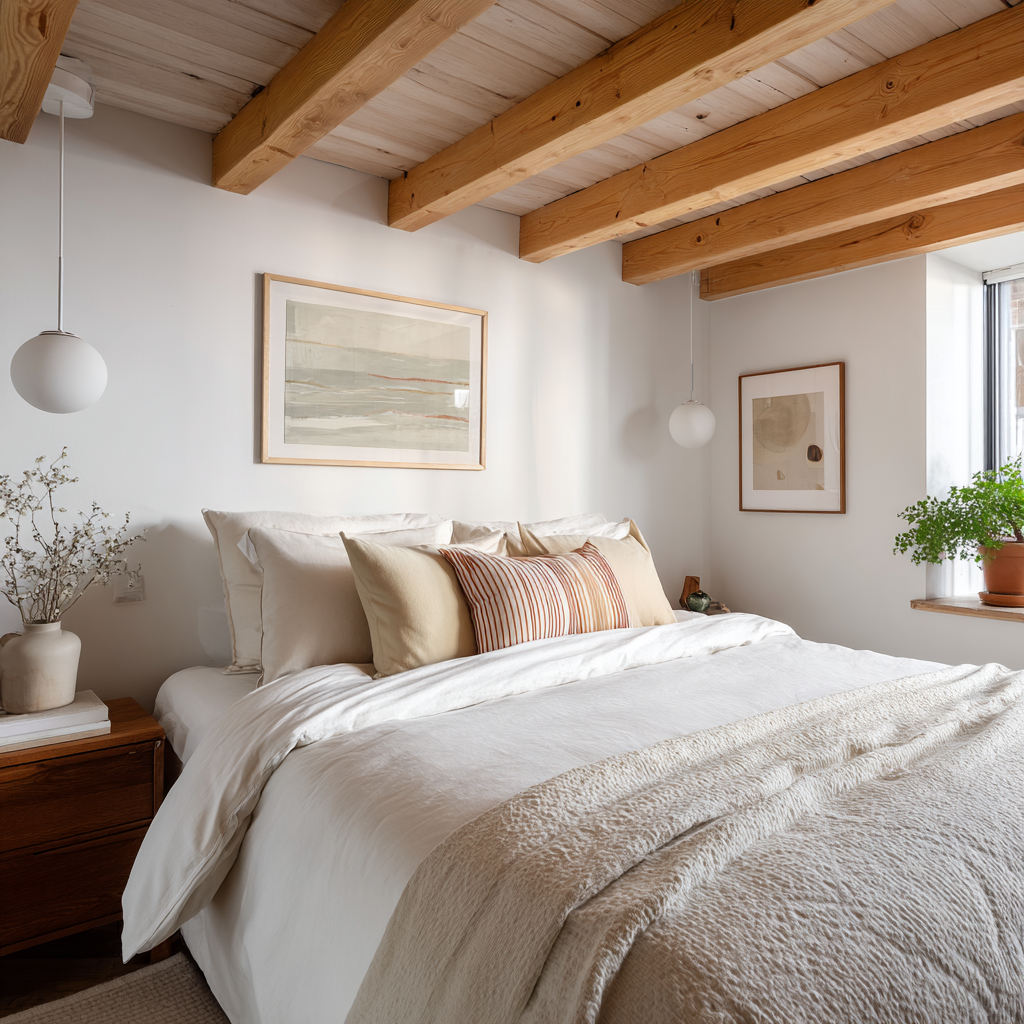
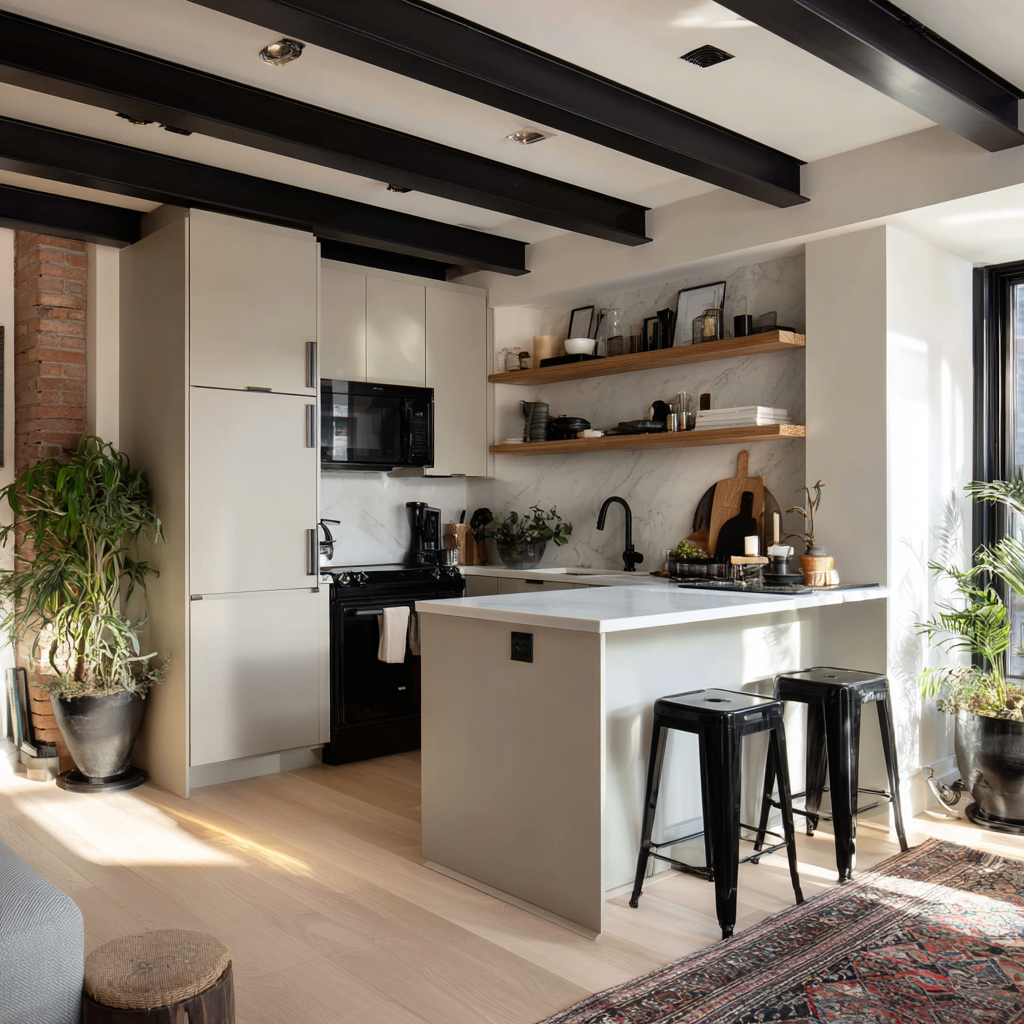
For a modern industrial or loft-inspired aesthetic, exposed steel beams (or wood beams painted in matte black) deliver crisp lines and a slightly edgy vibe.
Practical notes:
Steel is heavy and generally requires professional engineering for structural or visual use
Powder-coated finishes improve durability and resist rust
Combining steel and wood can soften the look if you want warmth and character
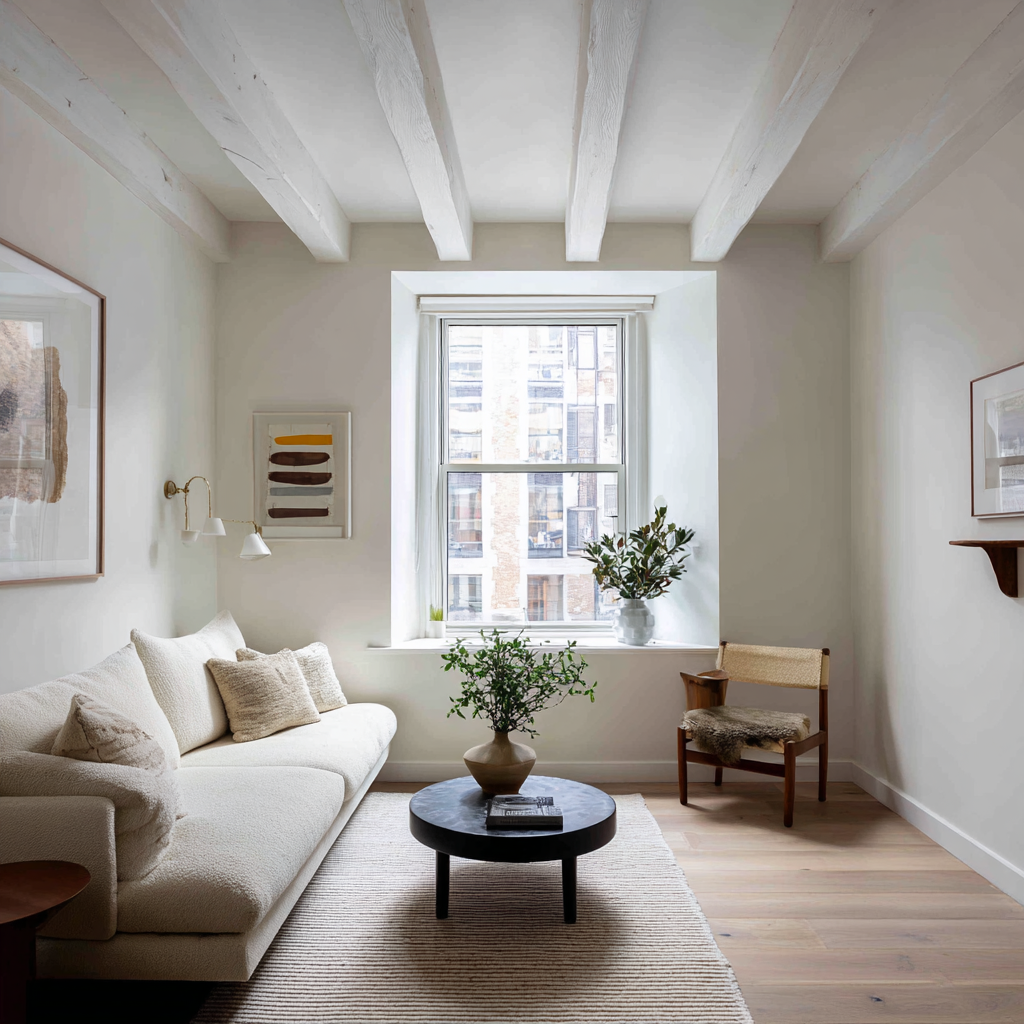
Sometimes the greatest impact is the subtlest. Plaster-wrapped beams, drywall forms, or beams painted to match the ceiling can create understated dimension and shadow. They suit minimalist, Japandi, and soft modern schemes.
Why consider this decorative idea:
Highlights volume without adding color or texture
Can be integrated with cove or recessed lighting for elegant, even illumination
Low-maintenance, as paint can be easily refreshed
Running beams at regular intervals creates strong directionality. Parallel beams draw the eye along the room’s length or width, helping to define zones in open plans or unify distinct seating areas. This classic approach offers a sense of order and rhythm, making spaces feel more intentional and architecturally grounded. In low or standard-height rooms, choosing slimmer beams and spacing them generously can provide visual impact without making the ceiling feel overly busy or crowded.
There are several ways to vary parallel beam layouts to suit your space and goals. For example, aligning beams with existing windows or prominent traffic patterns can help emphasize natural light, connect indoor and outdoor views, or guide movement through the room. Alternatively, running beams perpendicular to the longest wall can make a narrow room feel wider and introduce a sense of balance. Some homeowners also stagger beam spacing or vary the finish between beams and ceiling for added energy and subtle contrast, customizing the effect to best match their home's proportions and style.
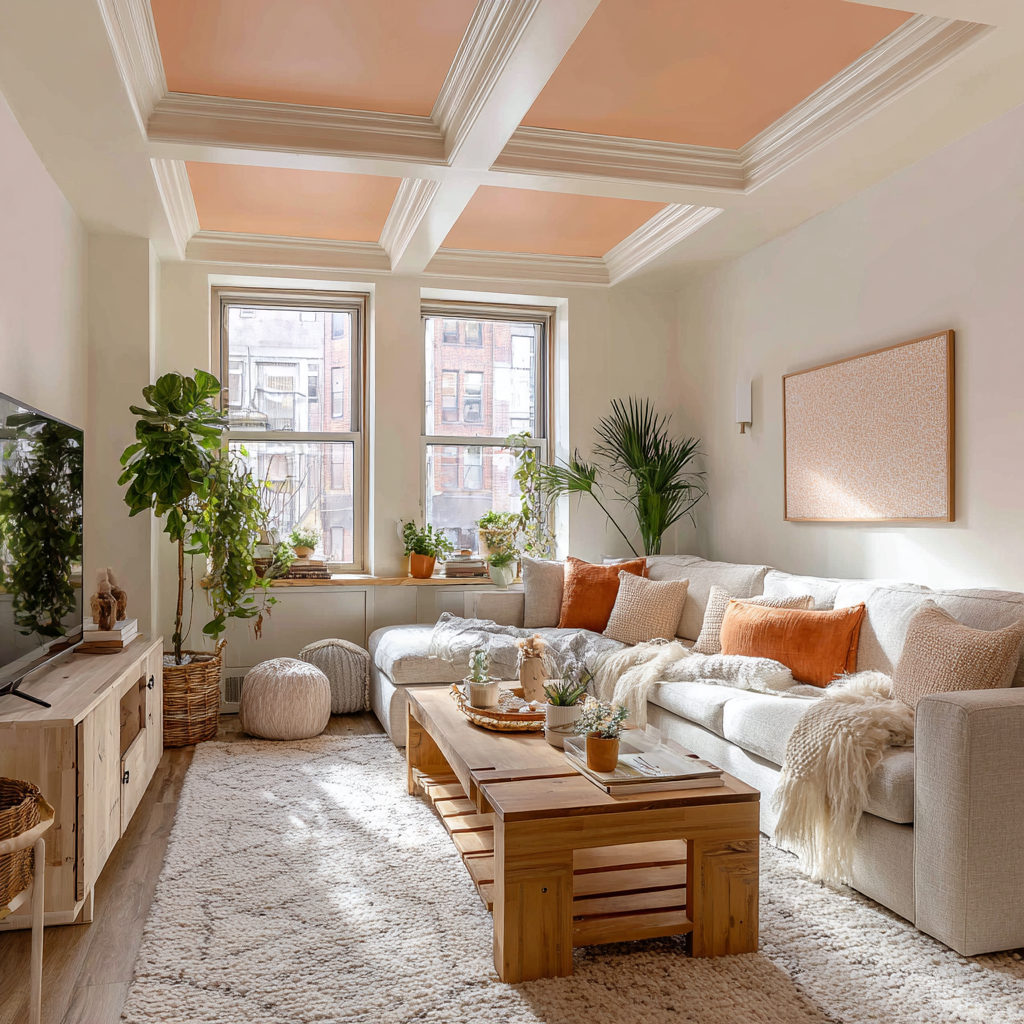
Crossing beams in a grid—from simple boxed patterns to ornate coffered designs—instantly adds formality and symmetry. They work well in formal dining spaces, libraries, and rooms where you want a sense of containment.
One effective decorative idea is to paint the panel backgrounds in a lighter color than the beams, which creates a sense of depth and highlights the architectural details of the ceiling. For even more visual interest, consider integrating subtle LED uplighting within the recessed panels; this soft illumination casts gentle shadows and emphasizes the dimensional layering, adding a hint of drama while still keeping the look refined and cohesive.
For tall ceilings, vaulted beam designs—such as king or queen post trusses in a catheral ceiling—introduce visual drama and emphasize the impressive vertical scale of the room. These structural arrangements use the geometry of exposed beams to draw the eye upward, establishing a memorable architectural focal point overhead. By spanning wide distances, vaulted trusses can help break up cavernous spaces, making even large rooms feel balanced and thoughtfully designed.
These approaches bring a blend of grandeur and coziness, particularly when crafted from natural materials like oak, walnut, or reclaimed timber. Their distinct presence is especially effective in great rooms, where they bridge open seating areas beneath soaring ceilings, and in main bedroom suites, where they create a calming, retreat-like atmosphere.
Vaulted beam patterns are also a smart idea for adding character to converted-attic spaces, as they highlight existing roof angles while transforming former storage areas into welcoming living zones. With careful design, vaulted beams can easily be paired with modern lighting or skylights to keep the room feeling bright, comfortable, and livable.
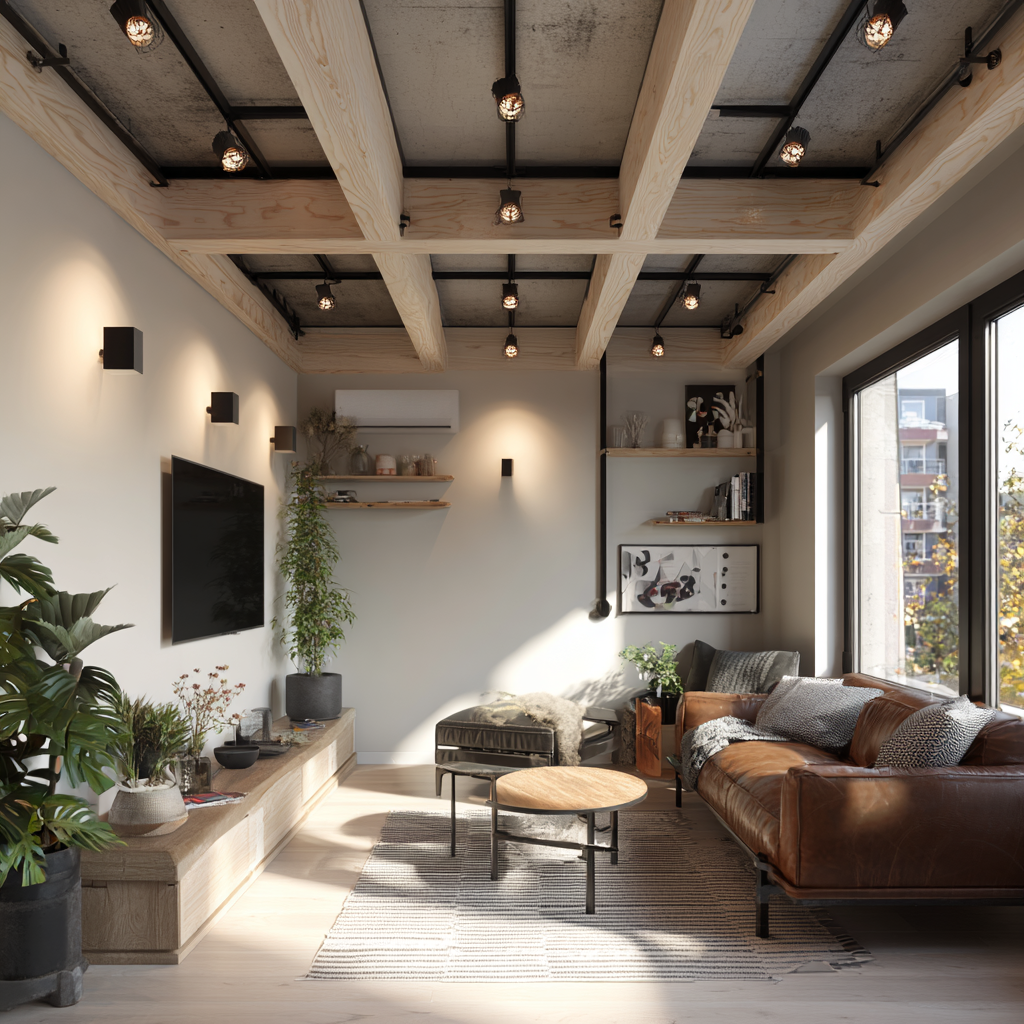
Pairing ceiling beams with thoughtfully planned lighting delivers both functional benefits and decorative appeal. Recessed lighting installed between beams creates soft, even illumination that fills the room without drawing attention to individual fixtures. For a subtle highlight, track or strip LEDs can be tucked along the edges of beams, bringing out the wood’s natural grain and adding dimension to the ceiling. This approach not only accentuates materials but also allows for flexible, layered lighting throughout the space.
For areas that need more targeted brightness, hanging pendants or wall sconces mounted directly to beams are effective solutions—perfect for casting focused light over a kitchen island or dining table. These fixtures blend seamlessly with the architectural lines, supporting both task lighting and visual cohesion.
Always plan your electrical needs early in the project. Faux beams are especially convenient for concealing wiring and mounting fixtures, allowing you to achieve a clean, integrated look without complicated retrofits.
There’s no need to stick with one finish. Mixing materials and colors can make your ceiling beams feel custom and thoughtfully integrated with the rest of your decor, opening up endless opportunities to reflect your unique taste. To achieve an ultra-modern look, ideas to try include:
Walnut beams with matte black metal strapping for a modern farmhouse twist
Driftwood or whitewashed beams layered over painted ceilings for Scandinavian lightness
Charcoal or black beams on crisp white ceilings for bold, graphic lines
Beams clad in brushed metal sheathing for an industrial-inspired statement
Pale birch or maple beams paired with pastel ceiling paints for a playful, contemporary effect
Two-tone beams that combine natural wood sides with a contrasting stained or painted center
Light oak beams intersecting with dark walnut cross-beams to add geometric interest and subtle pattern
Adding decorative ceiling beams is a game-changing upgrade when executed with thought and craftsmanship. Block Renovation connects you with highly vetted contractors who understand not just style preferences but the deeper construction details—making it simple to get great results without surprises. You can explore options in Block’s Renovation Studio, visualizing how different beam layouts, wood tones, or lighting integrations look in your actual room. Once you’re ready to move forward, your dedicated planner and contractor will guide you from design to flawless installation, ensuring your ceilings reflect the look and feeling you want for your home.
Remodel with confidence through Block

Connect to vetted local contractors
We only work with top-tier, thoroughly vetted contractors

Get expert guidance
Our project planners offer expert advice, scope review, and ongoing support as needed
Enjoy peace of mind throughout your renovation
Secure payment system puts you in control and protects your remodel


Renovate confidently with Block
Easily compare quotes from top quality contractors, and get peace of mind with warranty & price protections.
Ceiling
Cost to Vault a Ceiling: Homeowner Budget Guide
09.23.2026
Ceiling
Ceiling Medallion Installation: Costs and Modern Ideas
09.04.2026
Ceiling
Cathedral Ceiling Ideas - Trim, Molding, Beams & Lighting
08.28.2026
Ceiling
Concrete Ceiling Repair and Replacement
08.22.2026
Ceiling
Wallpaper on Ceiling: Ideas and Cost Ranges
08.01.2026