




Kitchen
50k Kitchen Remodel: What $50,000 to $60,000 Buys
09.21.2026
12.16.2025


In This Article
Japandi style is a blend of Japanese and Scandinavian design philosophies, combining the warmth and simplicity of Scandinavian interiors with the refined minimalism of Japanese aesthetics.
Rooted in both cultures’ appreciation for natural materials and purposeful living, Japandi kitchens radiate tranquility, ideal for anyone seeking a clutter-free, inviting, and calming space. While the design theme is suitable for spaces of all sizes, it benefits small kitchens in particularly by visually “opening up” the area.
Principles of Japandi style:
Neutral, nature-inspired color palettes
Simple, functional layouts
Quality over quantity—fewer, well-made pieces
Natural materials and tactile textures
Clean, straight lines with softened organic touches
Gentle contrasts, not harsh or busy patterns
Focus on harmony, comfort, and uncluttered surfaces
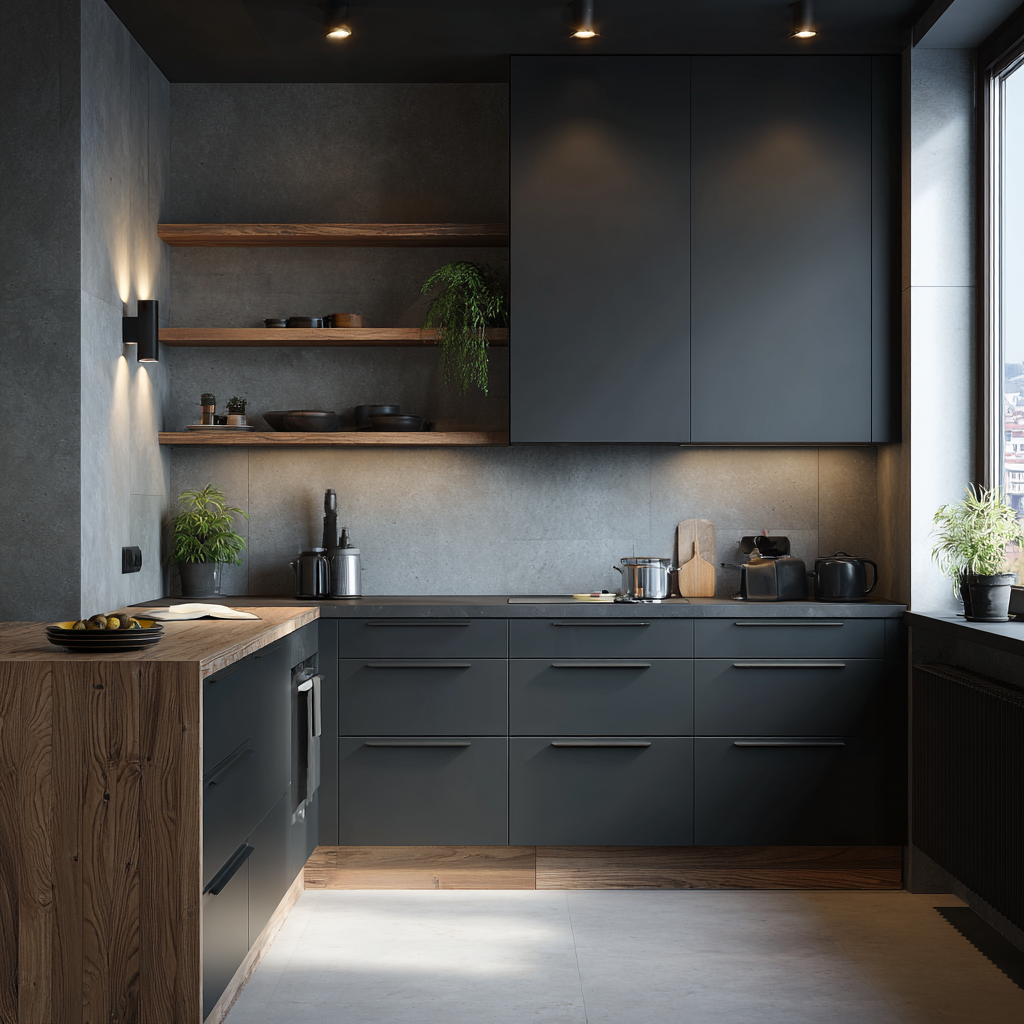
Japandi color palettes are serene, centered on hues found in nature that encourage a restful atmosphere. When refreshing your kitchen, these foundational tones create a welcoming backdrop for daily life and let quality materials shine.
Japandi-inspired colors for your kitchen:
Soft whites
Earthy taupes
Charcoal and graphite
Muted greens
Terracotta and clay
Natural wood tones
Design a Home That’s Uniquely Yours
Block can help you achieve your renovation goals and bring your dream remodel to life with price assurance and expert support.
Get Started
Choosing the right materials is central to achieving a Japandi kitchen. Opt for textures and finishes that feel warm, elemental, and thoughtfully crafted.
Wood is a cornerstone of Japandi design. For cabinets, open shelving, or countertops, select species like white oak, ash, or maple for softness and visible grain. Light finishes keep the look breezy and modern, while deeper tones impart cozy elegance. For more ideas, read Bringing Wood Elements Into the Kitchen: Ideas for Walls, Countertops & More.
Linen’s subtle texture is ideally suited to Japandi kitchens. Textiles like hand towels, curtains, or seat cushions in linen add softness and a hint of luxury without looking ornate. Opt for natural or neutral-dyed linen for kitchen accents, table runners, or slipcovers to underscore this design theme’s soft nature.
Ceramic elements introduce both utility and artistry to a Japandi kitchen. Think of softly glazed mugs, handmade dishware, or minimalist pendant light fixtures. Ceramic tiles on backsplashes offer subtle patterns through shape and glaze, rather than bold color. The variation in handmade ceramics brings unmistakable character to the space.
Stone grounds Japandi spaces with enduring quality. Consider honed granite or soapstone countertops for understated luxury and durability. Tumbled stone or textured tile backsplashes reinforce the focus on authenticity and touch. Natural stone flooring, whether through large-format tiles or subtly patterned slabs, establishes a seamless, calming foundation that highlights natural beauty and longevity. Incorporating stone cutting boards or sculptural stone bowls adds even more tactile substance.
Paper appears in subtle but meaningful ways, often inspired by Japanese shoji screens. Frosted glass or laminated rice paper can filter light over cabinet doors or create gorgeous pendant lampshades. Consider framed Japanese paper prints or even a small accent screen for privacy in kitchen-adjacent nooks. This material keeps the mood airy and calm.
Bamboo adds a distinctly Japanese flavor while being highly sustainable. Use it for drawer organizers, rolling kitchen carts, or window shades. Vertical bamboo slat details on island bases or cabinet panels can subtly reference traditional Japanese joinery. Lightweight and durable, bamboo infuses any kitchen with a gentle organic energy.
Woven materials like jute, rattan, or seagrass introduce subtle texture and natural warmth, balancing harder surfaces in the kitchen. Use woven rattan or seagrass for pendant light shades, adding a touch of Scandinavian influence while keeping the look soft and approachable. Jute or natural fiber rugs can define a dining nook or soften standing areas in front of the sink. Woven baskets, whether for produce storage or organizing utensils, bring both function and gentle pattern to open shelving. These natural fibers reinforce Japandi’s devotion to authenticity, comfort, and artisanal craft.
.png?width=1024&height=1024&name=Modest%20Japandi%20studio%20kitchen%20with%20pale%20maple%20cabinetry%2c%20woven%20rattan%20pendant%20lamps%2c%20and%20terracotta%20dishware%2c%20referencing%20a%20Stockholm%20city%20flat%2c%20in%20the%20style%20of%20AD%20(1).png)
Concrete offers a sleek yet understated surface that pairs perfectly with Japandi’s appreciation for refined minimalism. Used for countertops, flooring, or even integrated sinks, concrete adds quiet strength and visual grounding to your kitchen. Its natural variation in tone and texture provides subtle interest without overwhelming the space. Pair a polished concrete worktop with warm wood accents for a modern, harmonious blend. Small-scale concrete accessories—like planters or pendant lights—can provide durability and a handmade feel.
Glass
Glass in a Japandi kitchen is best utilized for the way it plays with light and creates a sense of openness. Consider simple, frameless glass cabinet doors to lighten upper storage and showcase select dishware. Utilize glass pendant lights, especially those in smoky or frosted finishes, to diffuse brightness gently and create a tranquil atmosphere. Glass backsplashes—in clear or lightly tinted varieties—offer easy cleaning and reflect natural light, making tight spaces feel roomier. Even small details like glass jars for pantry staples support the Japandi emphasis on order and elegance.
Turn your renovation vision into reality
Get matched with trusted contractors and start your renovation today!
Find a Contractor
Bring Japandi home by making intentional choices in the layout, details, and finishes in your kitchen. Here are smart ideas for how to focus your effort:
Flat-panel cabinetry—ideally finished in pale, natural wood or soft paint—keeps storage simple and unobtrusive, establishing a sense of openness and calm. Open shelving, particularly in wood, allows you to proudly display your favorite pieces and reinforces the “less but better” mindset. This setup invites frequent editing, prioritizing essentials and beauty so every selection brings harmony to your kitchen.
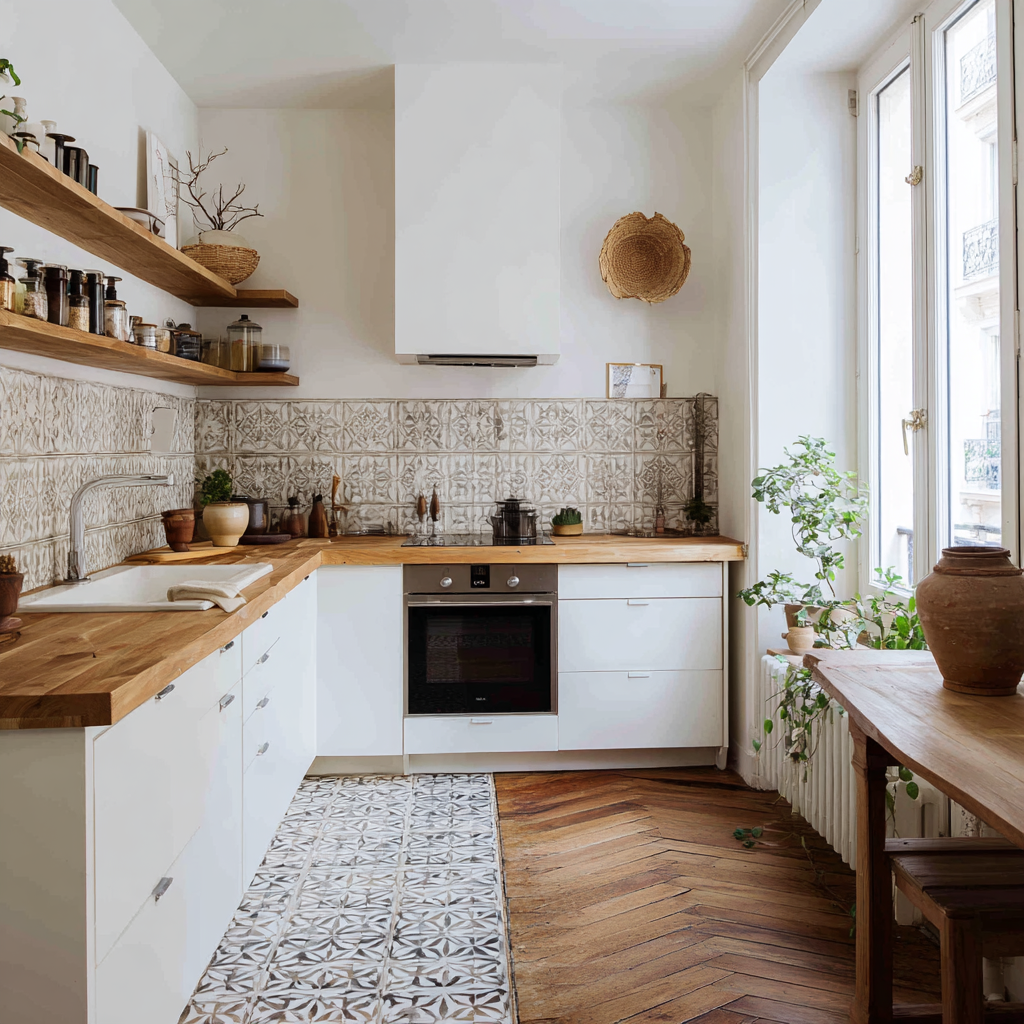
Aim for pendant lights, sconces, or lamps in materials like linen, clay, or frosted glass, favoring soft geometric forms over anything too ornate. Lighting should be functional but never harsh, and under-cabinet LED strips keep surfaces clear with gentle ambiance. Choosing gentle illumination highlights your favorite finishes and establishes a restful, welcoming mood for daily rituals.
Solid-surface countertops with waterfall edges feel effortlessly clean and modern, with seamless lines that minimize visual clutter and showcase the beauty of honest materials. Choose neutral, honed surfaces in stone, quartz, or even concrete for an authentic, understated effect. Subtle patterns maintain tranquility while elevating the kitchen’s tactile appeal.
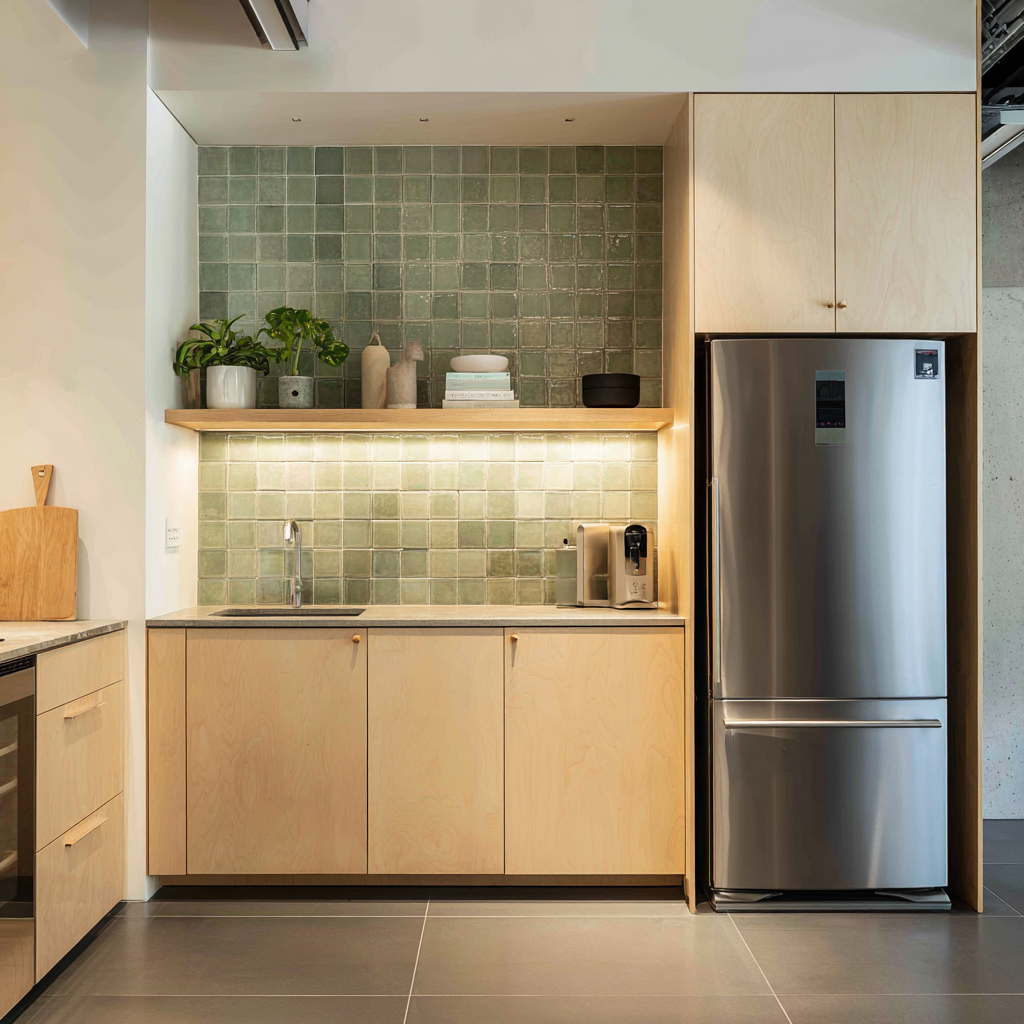
Backsplashes should add interest through tactile quality rather than bright colors or busy designs; handmade ceramic tiles in off-whites or sage or stone with visible veining introduce understated depth. The right choice elevates the space, letting texture speak louder than color and creating a serene, organic rhythm throughout the kitchen.
Panel-ready and built-in appliances keep the visual lines of the kitchen uninterrupted and unobtrusive, lending a sense of effortless order. Induction cooktops and undermount sinks maximize prep space and make cleaning easy, while black, white, or muted stainless finishes maintain a cohesive look that lets your materials and layout stand out.
Only display items that are both necessary and beautiful, so your kitchen remains calm rather than cluttered. A single potted plant, a favorite mug, or a carved salad bowl can shine as a centerpiece, encouraging thoughtful curation that contributes to tranquility. Editing regularly ensures every chosen piece adds to the peaceful Japandi atmosphere.
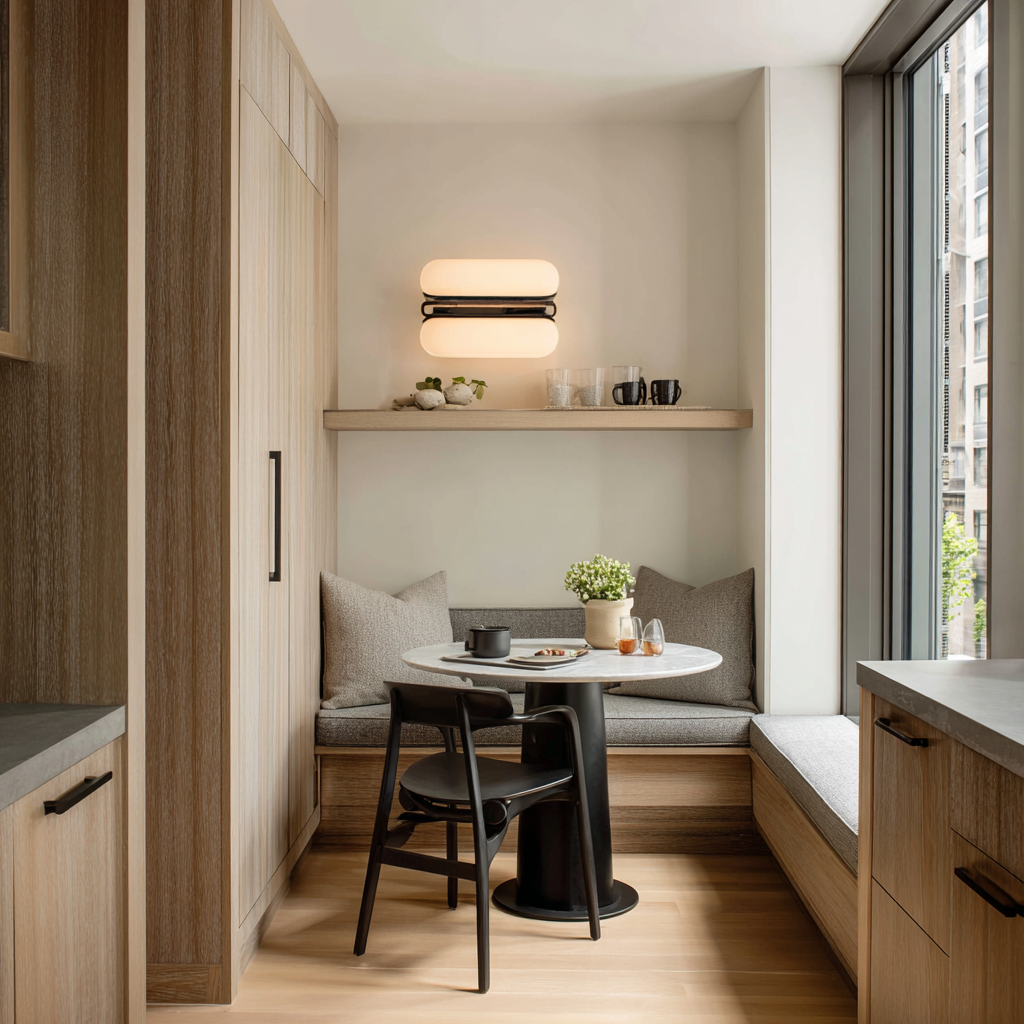
Japandi’s calm, harmonious beauty is easy to disrupt with the wrong choices. To preserve its integrity in your kitchen, avoid items and habits that interrupt the flow or feel disposable.
Plastic or low-grade synthetic materials
Bright, saturated, or neon colors
Bold, oversized, or busy patterns
Ornate hardware or decorative molding
Crowding open shelves with lots of décor
Shiny lacquer, mirror, or chrome finishes
Eclectic mixes of decorative styles
Cluttered counters and unnecessary gadgets
Keep it simple, natural, and as thoughtfully organized as possible for the best results.
Maker and Moss - Maker and Moss curates a striking selection of Japandi-style furniture and home accessories, with an emphasis on clean forms, tactile natural materials, and subtle color palettes. Their Japandi collection includes minimalist sofas, wooden benches, sleek shelving, and accent pieces with both Scandinavian and Japanese design sensibilities. Each item helps create spaces that feel open, intentional, and supremely comfortable.
Tudo and Co - Tudo and Co specializes in Japandi and minimalist lighting, including pendant lights, sconces, and lanterns crafted from materials such as wood, paper, and ceramics. Their pieces blend organic forms with simple silhouettes, making them perfect for soft, atmospheric kitchen lighting.
Rikumo - Rikumo sources beautifully crafted home goods and everyday objects directly from Japan. Their kitchenware selection includes hand-thrown ceramics, hinoki wood accessories, elegant textiles, and storage solutions—all emphasizing timeless aesthetics and natural materials. Rikumo’s thoughtful curation offers authentic ways to bring understated Japanese craftsmanship into your Japandi kitchen.
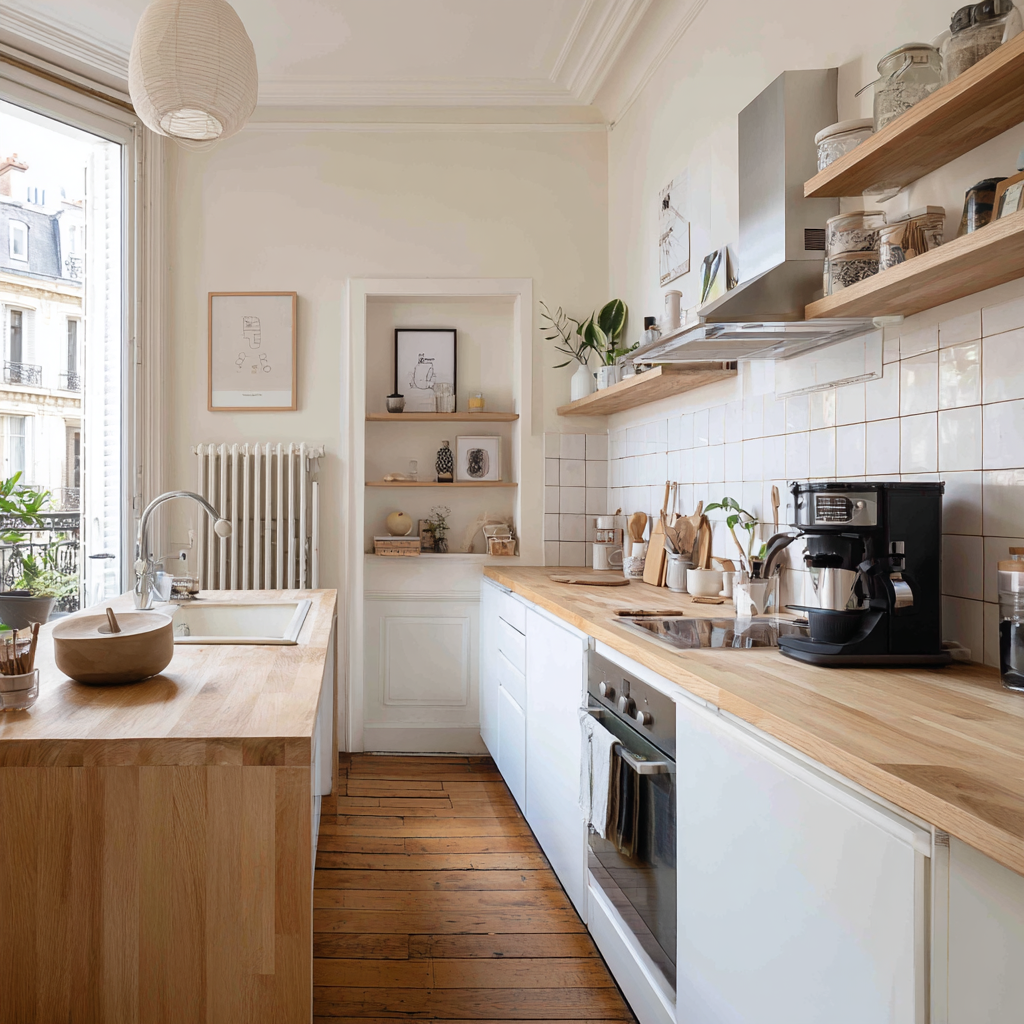
Japandi designs thrive when every detail is carefully considered. If you want to create this look but aren’t sure how to get started—or if you simply want the confidence of knowing you’ll receive quality construction and craftsmanship—connect with Block Renovation.
Block connects you with kitchen contractors who understand the nuances of minimalism, from choosing the right combination of stone and wood to executing custom cabinetry and subtle lighting plans. Our process makes it easy to budget, visualize, and build your kitchen with calm and confidence, whether your project is a full-scale remodel or a thoughtful update to a small space.
Remodel with confidence through Block

Connect to vetted local contractors
We only work with top-tier, thoroughly vetted contractors

Get expert guidance
Our project planners offer expert advice, scope review, and ongoing support as needed
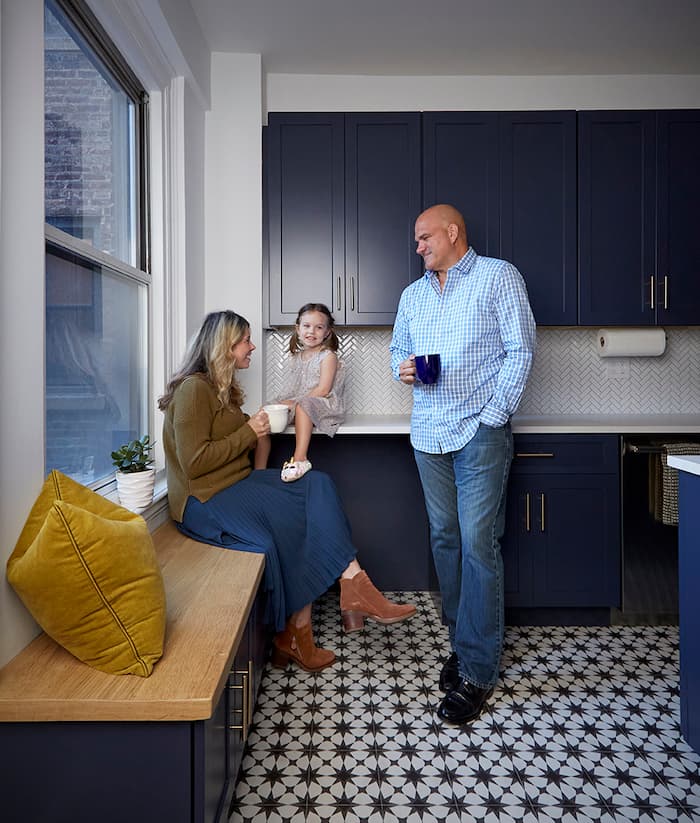
Enjoy peace of mind throughout your renovation
Secure payment system puts you in control and protects your remodel

Renovate confidently with Block
Easily compare quotes from top quality contractors, and get peace of mind with warranty & price protections.
Kitchen
50k Kitchen Remodel: What $50,000 to $60,000 Buys
09.21.2026
Kitchen
New York City Kitchen Remodels: Cost, Permits & Contractors
09.18.2026
Kitchen
20k Kitchen Remodel: What $20,000 to $30,000 Buys
09.07.2026
Kitchen
Best Time to Remodel Your Kitchen Plumbing & Other Projects
09.05.2026
Kitchen
Kitchen Remodel Mistakes to Avoid When Planning
08.13.2026