



Tile
Made in USA Tiles: 15 Brands to Love
07.11.2026
01.06.2026


In This Article
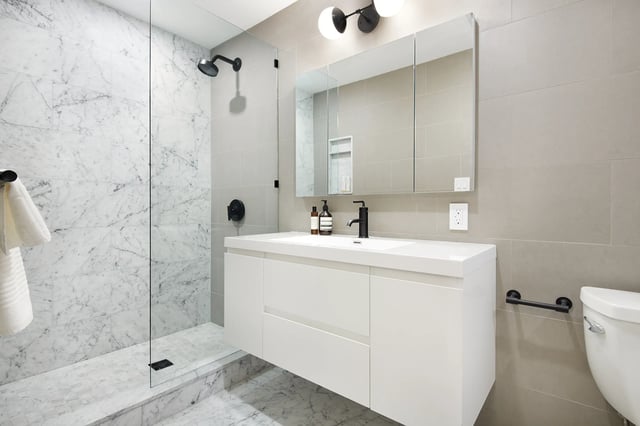
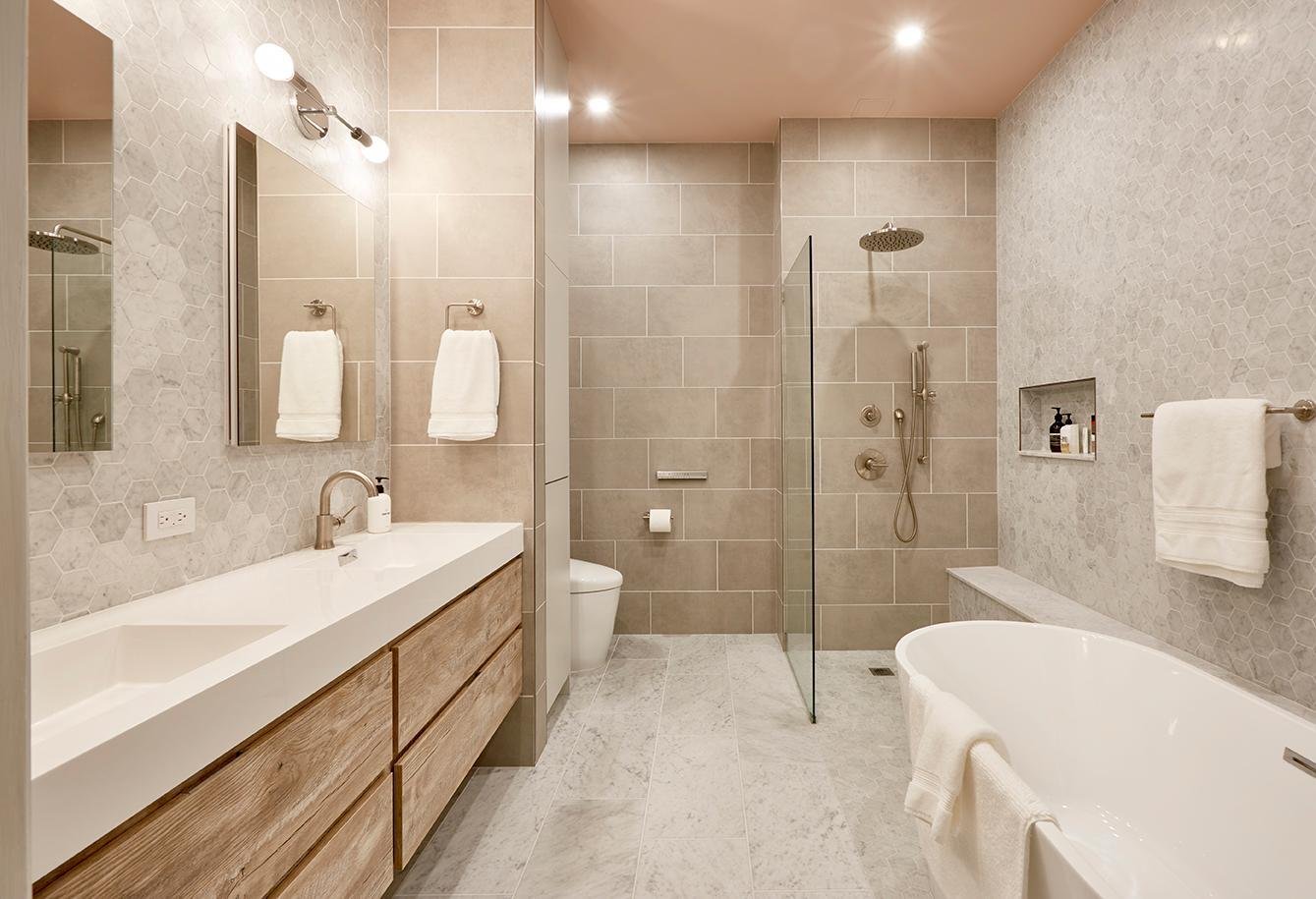
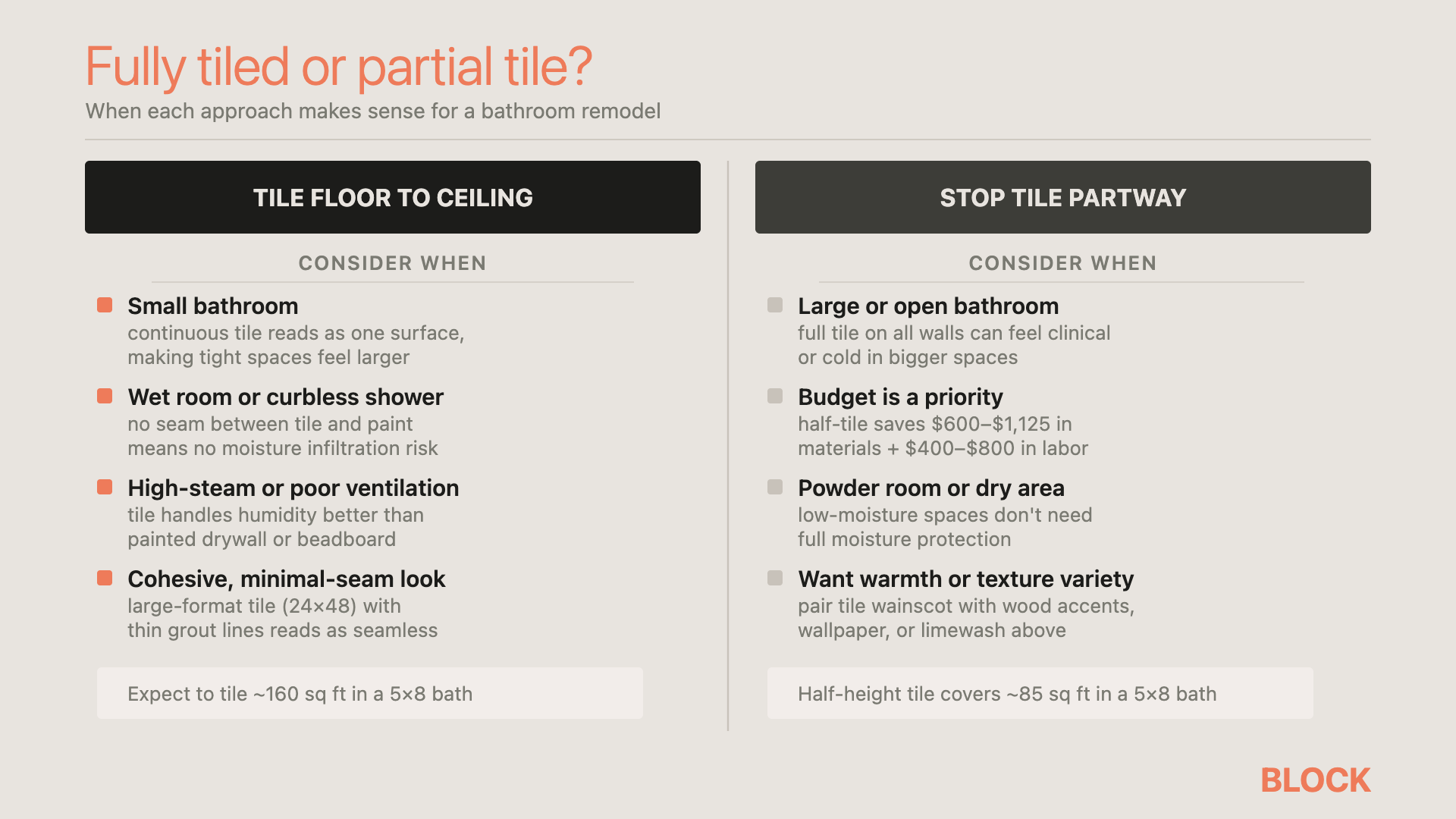
A fully tiled bathroom—where tile extends from floor to ceiling on most or all walls—has become a defining look in many modern renovations. From sleek spa-inspired spaces to practical, moisture-resistant rooms, all tile bathrooms can feel clean, cohesive, and intentionally designed. At the same time, this approach comes with real cost, design, and maintenance considerations that are worth understanding before committing.
Choosing between a fully tiled bathroom and a bathroom with half wall tile often comes down to how the space will be used, how much visual weight you want, and how much flexibility you need long-term. Understanding both the benefits and trade-offs helps ensure the final result feels as good to live with as it looks.
Fully tiled bathroom walls offer maximum protection. Surfaces are shielded from moisture, humidity, and daily wear. In rooms with frequent splashes or steam—such as bathrooms with large showers or tubs—tile creates a durable barrier that’s easier to clean and less prone to damage than painted surfaces.
A completely tiled bathroom can also feel more cohesive and intentional. When the same material wraps the room, transitions are minimized, which can make smaller bathrooms feel visually unified. In well-lit spaces, fully tiled walls reflect light evenly, contributing to a brighter, cleaner appearance.
From a longevity standpoint, tile can reduce ongoing maintenance. Unlike painted walls, tile doesn’t require regular repainting, and high-quality installations can last for decades. For homeowners planning to stay long-term, this durability can be a meaningful advantage.
While fully tiled bathrooms offer durability and a striking look, they aren’t the right solution for every home or budget.
The most significant downside of a fully tiled bathroom is cost. Tiling all walls requires substantially more material than a bathroom with half wall tile, which directly increases tile expenses. Labor costs also rise, as full-height tiling is time-intensive and demands precise layout, cutting, and installation—especially around niches, windows, and plumbing.
In addition, fully tiled bathroom walls often require upgraded substrates, waterproofing membranes, and additional prep work to meet code and performance standards. These behind-the-scenes costs can add up quickly. For homeowners comparing options, a completely tiled bathroom may cost thousands more than a partially tiled alternative, depending on tile choice and room size.
Perfect Every Detail of Your Bathroom
Beyond cost, fully tiled bathrooms come with several practical and design-related tradeoffs that are important to consider early.
Visual heaviness in smaller bathrooms: Floor-to-ceiling tile can feel dense or enclosing if the room is compact or lacks natural light. Dark colors, strong patterns, or heavy textures amplify this effect. Without careful planning, the space can feel more like a utility room than a retreat. For more tips, read What Size Tile Is Best for a Small Bathroom? Pros and Cons of Small vs. Large Tiles.
Reduced flexibility for future updates: Once walls are fully tiled, changing the look of the bathroom typically requires demolition rather than a simple repaint. This makes aesthetic updates more disruptive and expensive down the line. Homeowners who like to refresh finishes periodically may find this limiting.
More grout to maintain: Fully tiled bathroom walls significantly increase the amount of grout in the space. Grout requires regular cleaning and periodic sealing to prevent staining and discoloration. In high-humidity environments, neglecting grout maintenance can impact appearance over time.
Greater demand for precision during installation: Small alignment issues become more noticeable when tile covers every wall. Uneven cuts, misaligned grout lines, or poorly planned transitions can detract from the overall look. This makes experienced installation especially important.
Higher material commitment: Choosing a tile you’ll see everywhere requires confidence in the selection. A tile that feels exciting in small doses may feel overwhelming when used throughout the room. Sample testing and visualization become critical.
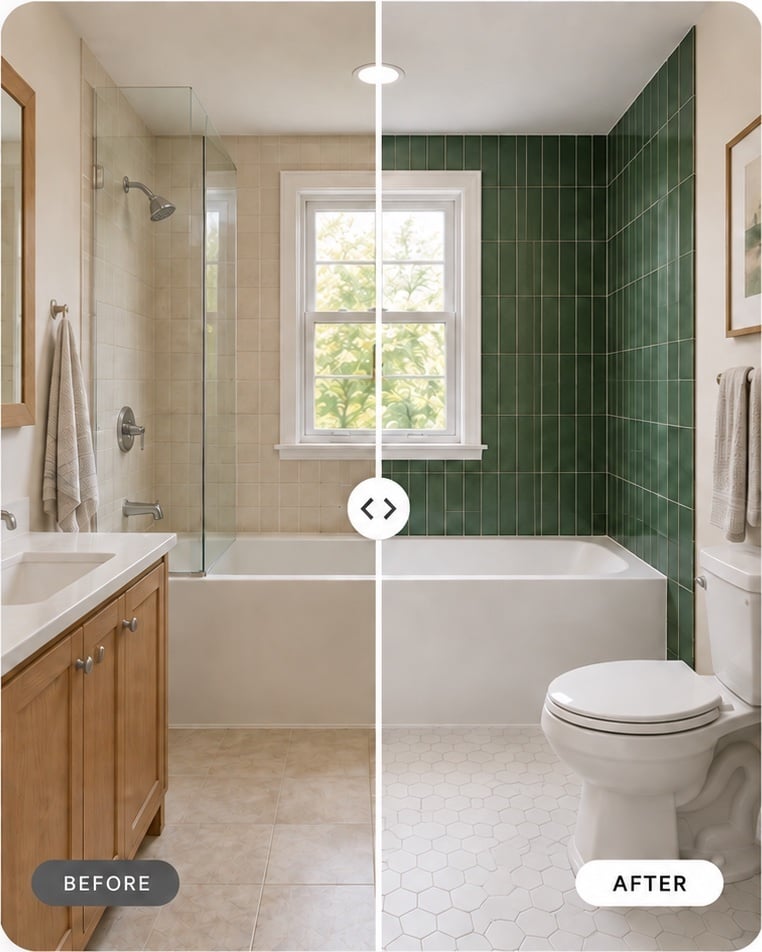
A successful fully tiled bathroom relies on restraint, proportion, and thoughtful detailing. These ideas focus on how to use tile strategically so the space feels cohesive and comfortable rather than overdone.
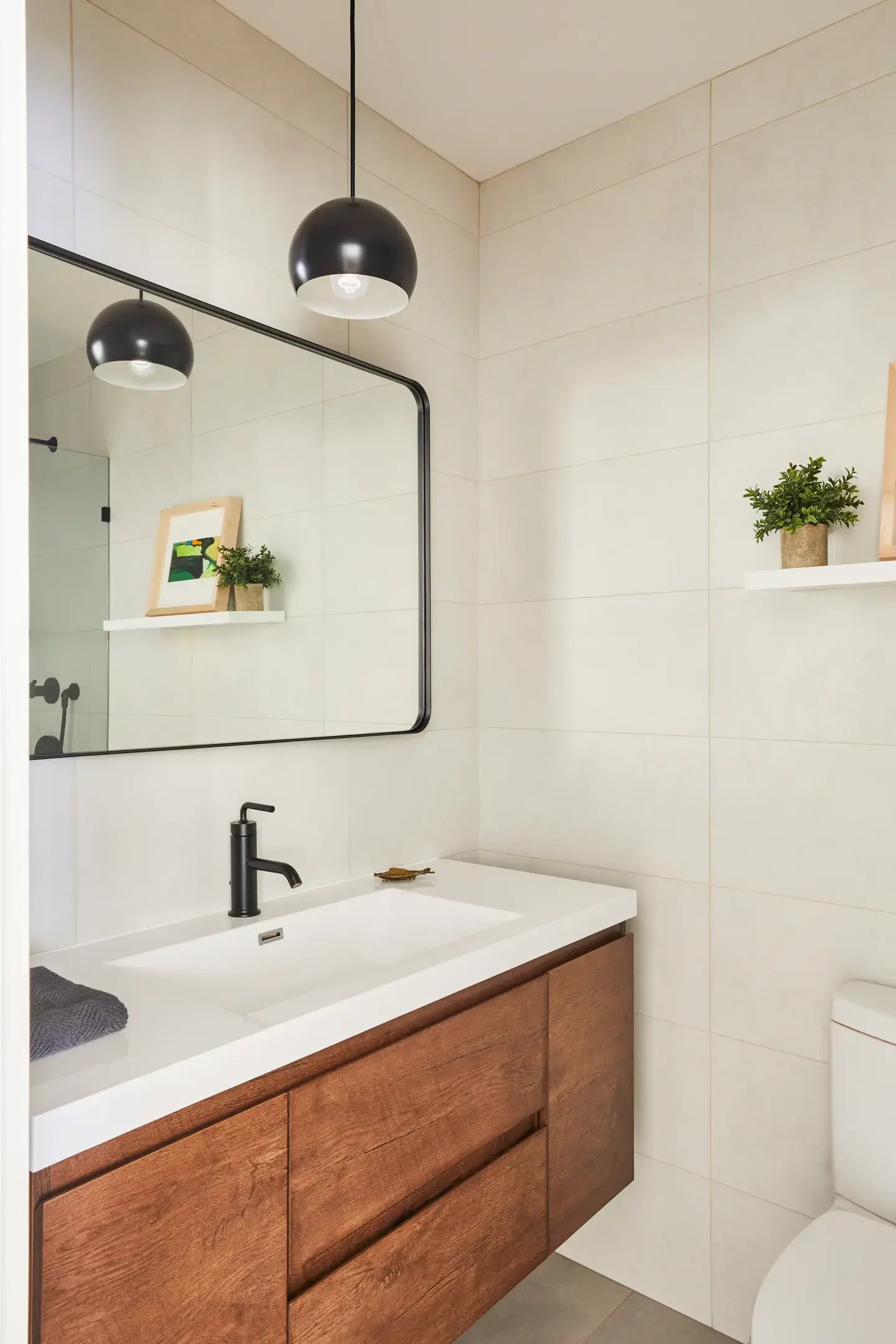
Large-format tile minimizes grout lines, which helps fully tiled bathroom walls feel calmer and more expansive. For example, 24-by-48-inch porcelain tiles in a soft neutral tone can visually stretch a small bathroom. Fewer grout lines also simplify cleaning and maintenance.
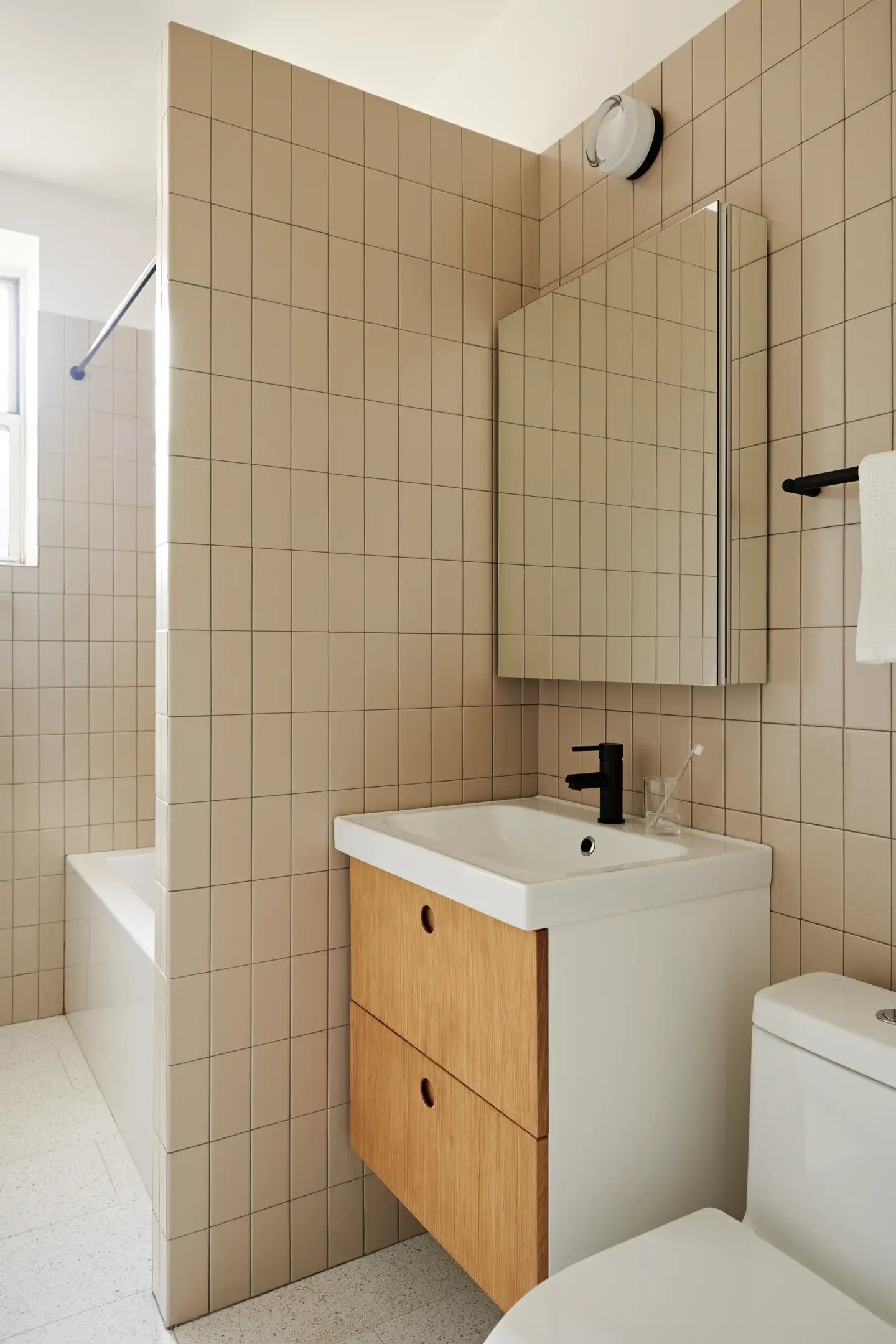
Restricting tile colors to one or two tones prevents visual overload. In an all tile bathroom, subtle variation in texture or finish usually works better than strong color contrast. This approach keeps the space cohesive while still feeling layered.
Rather than mixing multiple tile patterns, introduce contrast through finish. Pairing matte wall tile with slightly polished floor tile adds dimension without adding noise. This keeps the design intentional and visually balanced.
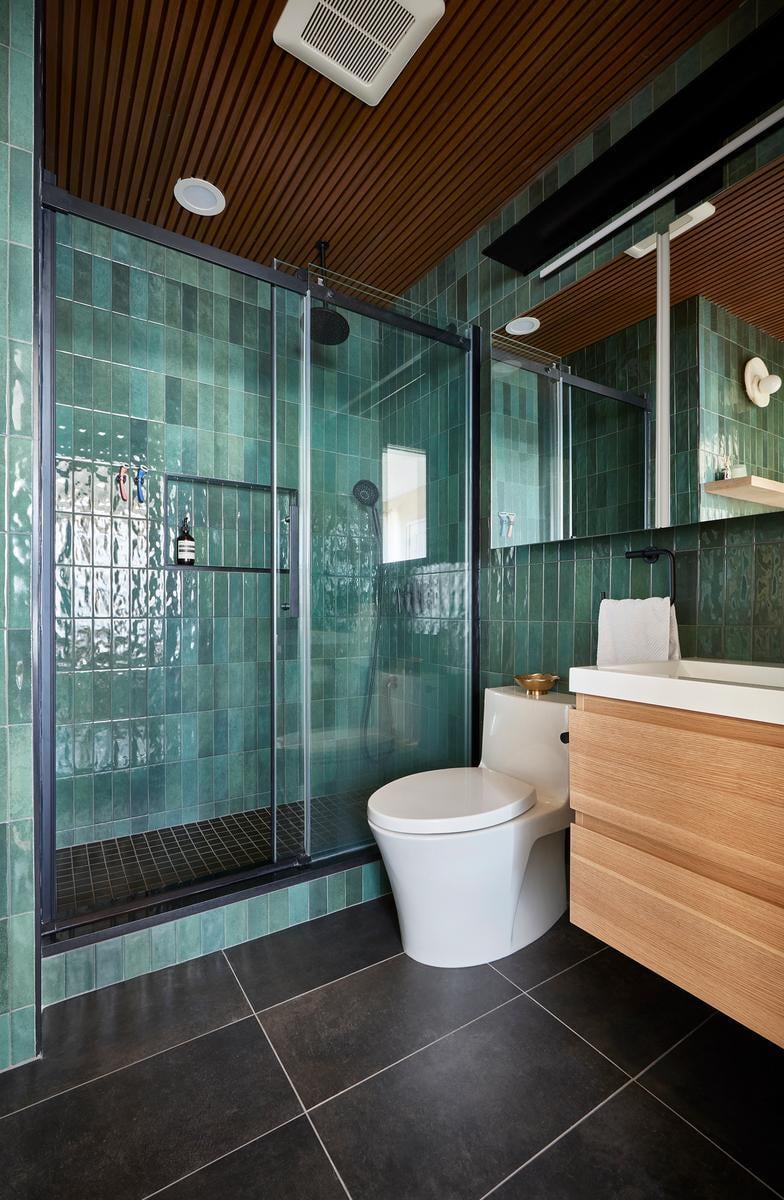
Tile reflects light, which can exaggerate glare if lighting isn’t planned carefully. Recessed lighting, wall washers, or niche lighting help distribute light evenly across surfaces. Good lighting brings out texture without making the space feel harsh.
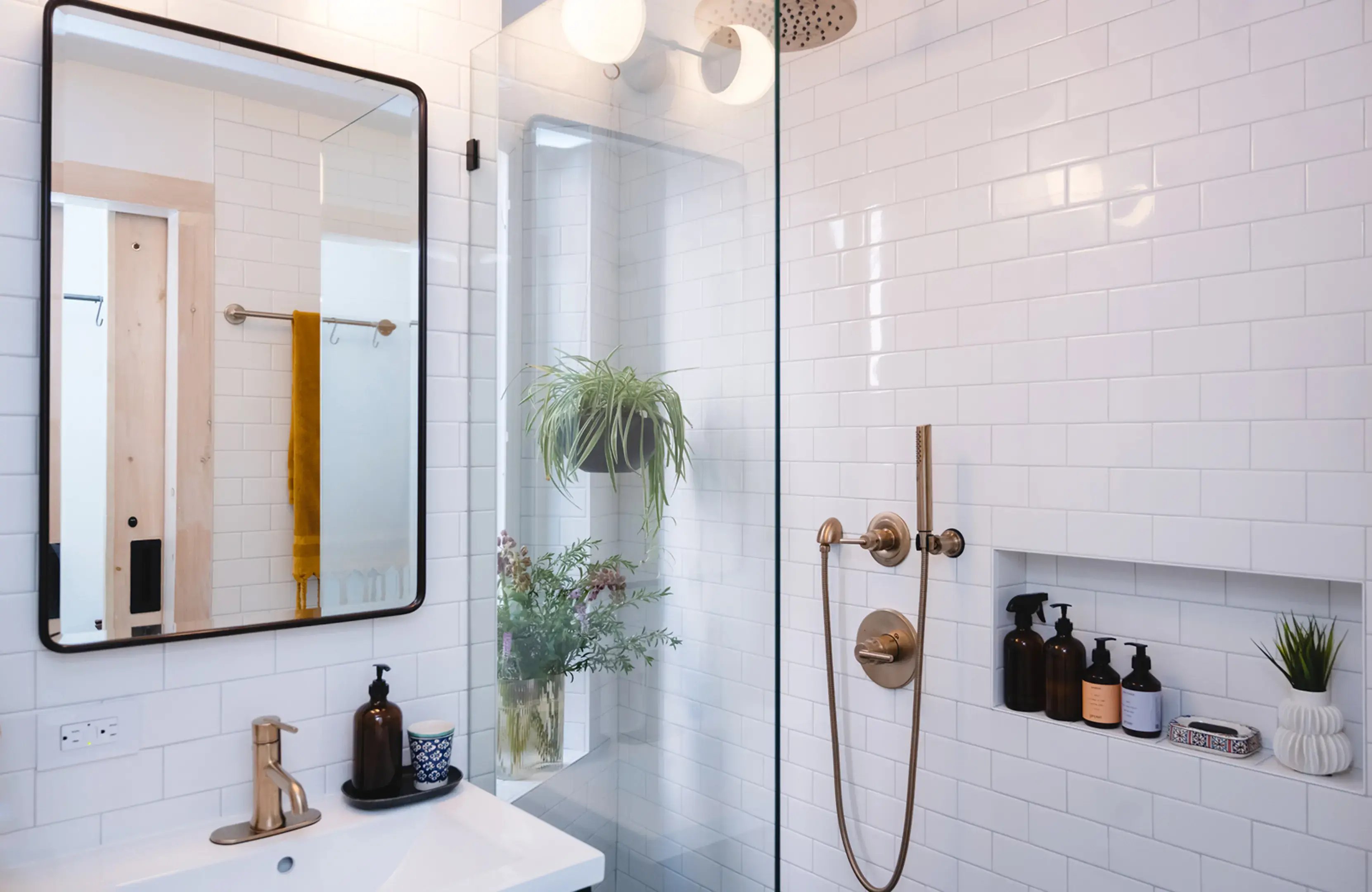
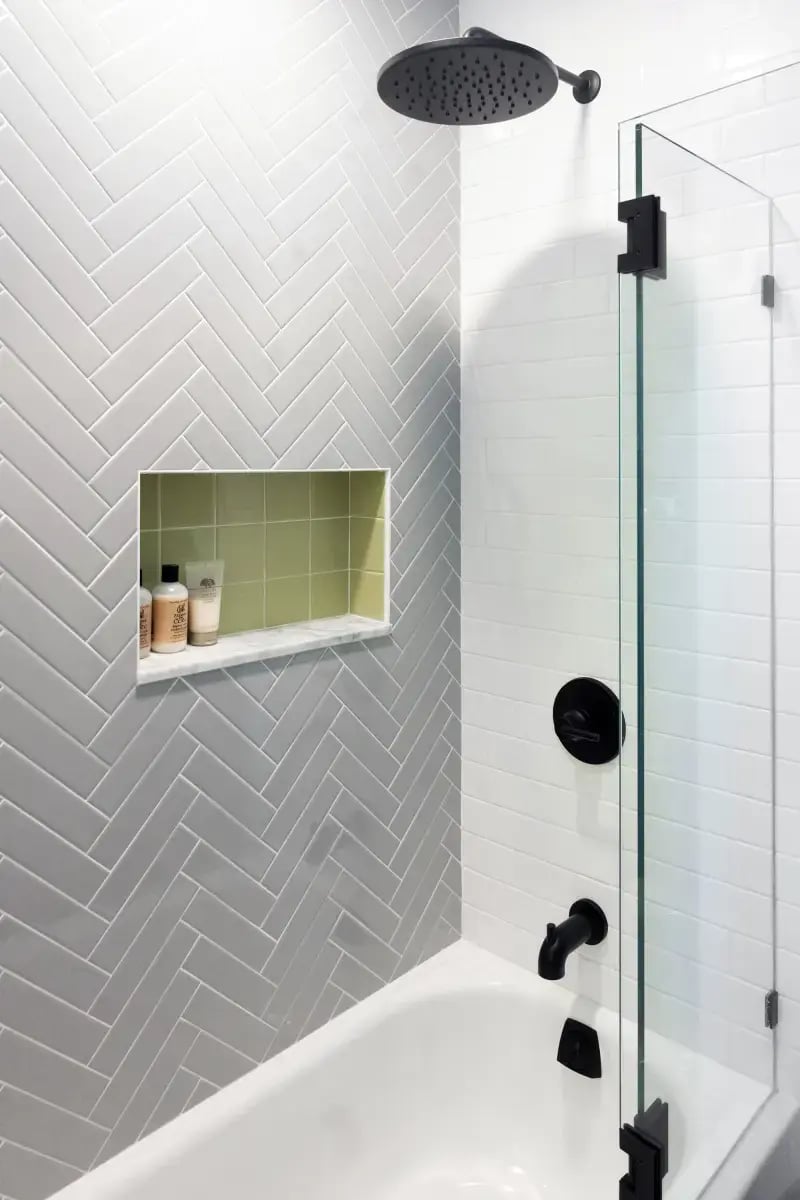
Fully tiled bathrooms don’t need to be uniform from wall to wall. Using a slightly different tile orientation in a shower niche or behind the vanity helps define zones without breaking the all-tile look. These small shifts add interest while preserving cohesion.
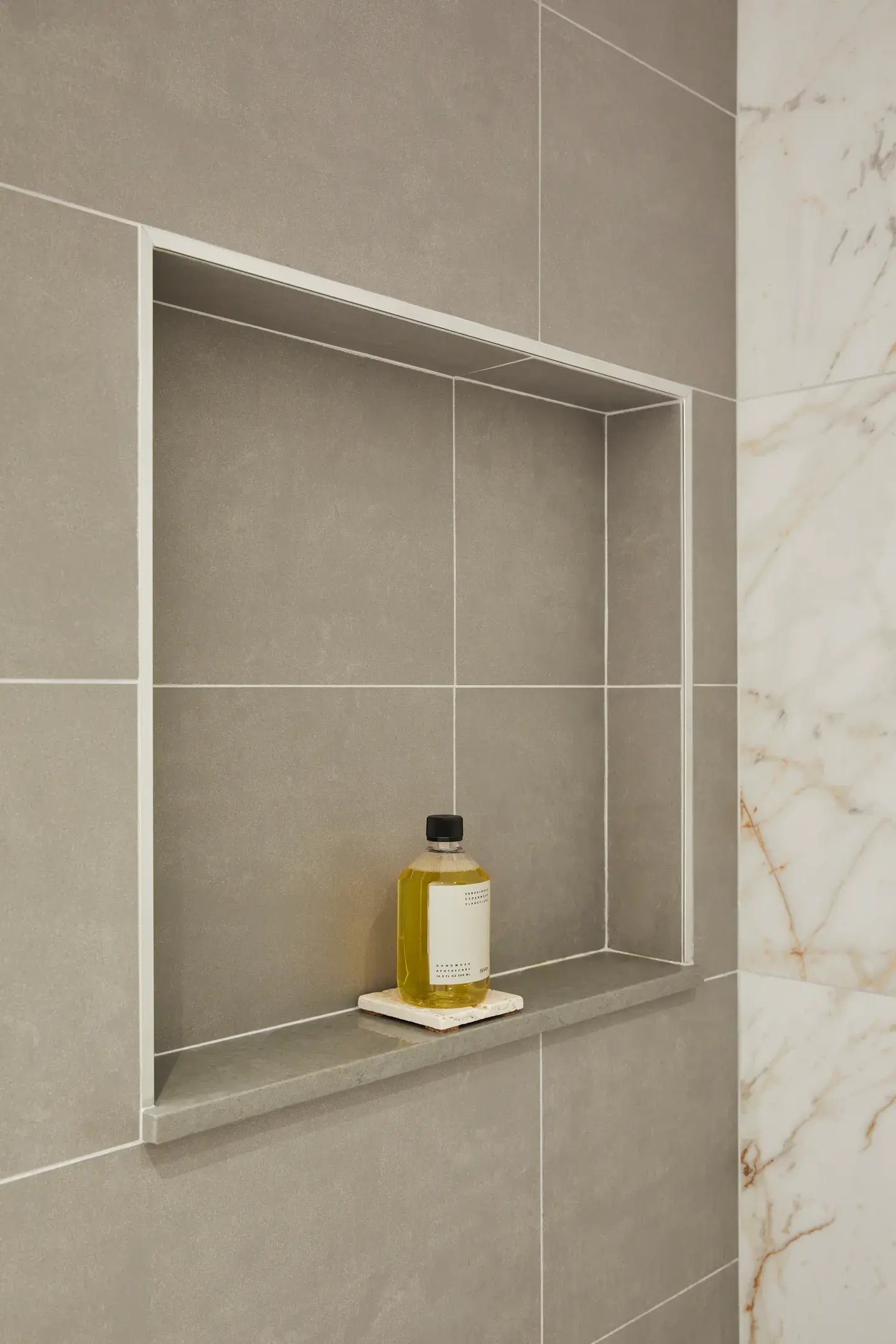
Introducing wood vanities, brass fixtures, or soft textiles offsets the coolness of tile. These elements prevent fully tiled bathroom walls from feeling sterile or overly clinical. Even small accents can significantly improve warmth and comfort.
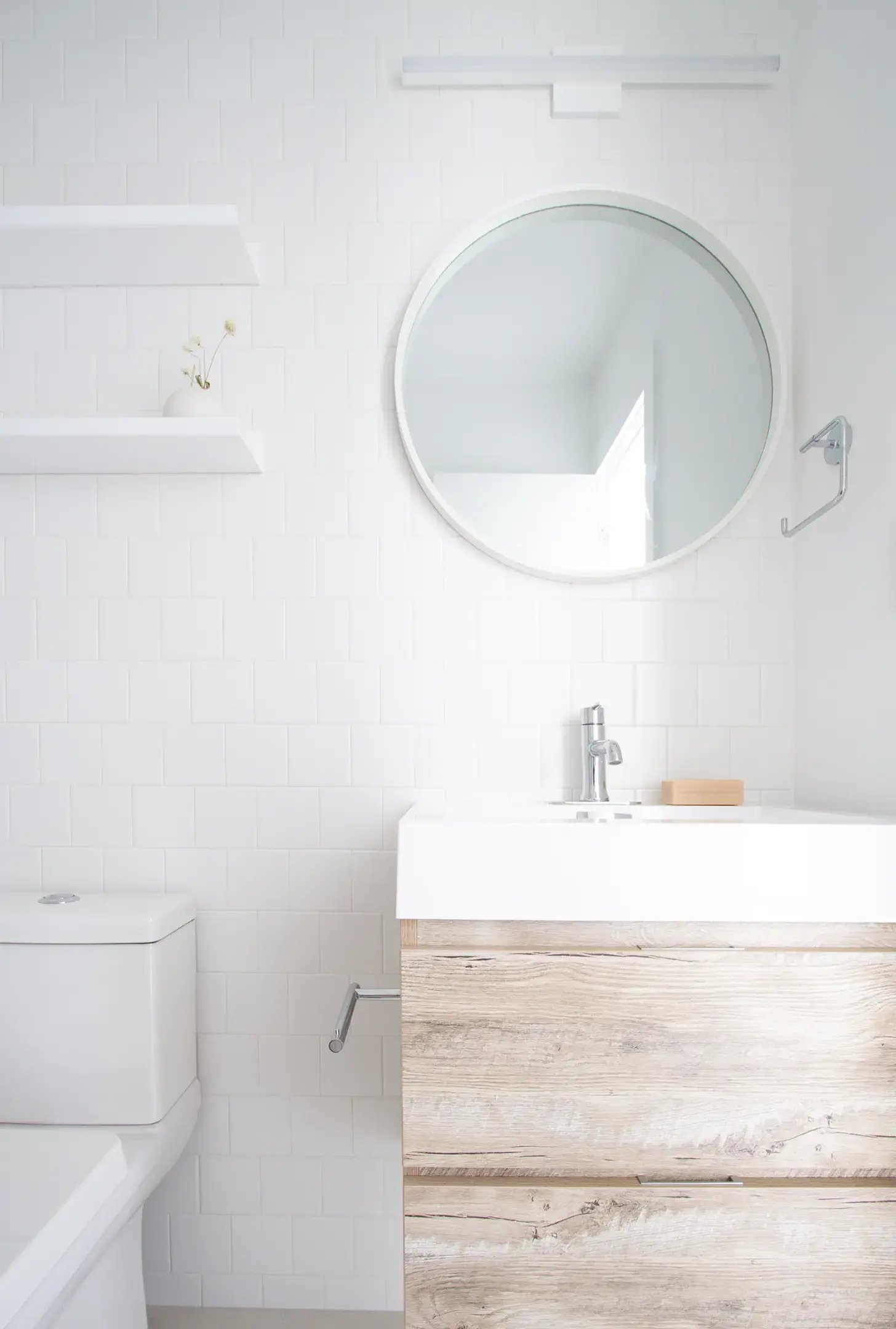
Grout color and joint size play a major role in how tile reads across an entire room. Narrow joints and grout that closely matches the tile create a more seamless appearance. High-contrast grout should be used deliberately, not by default.
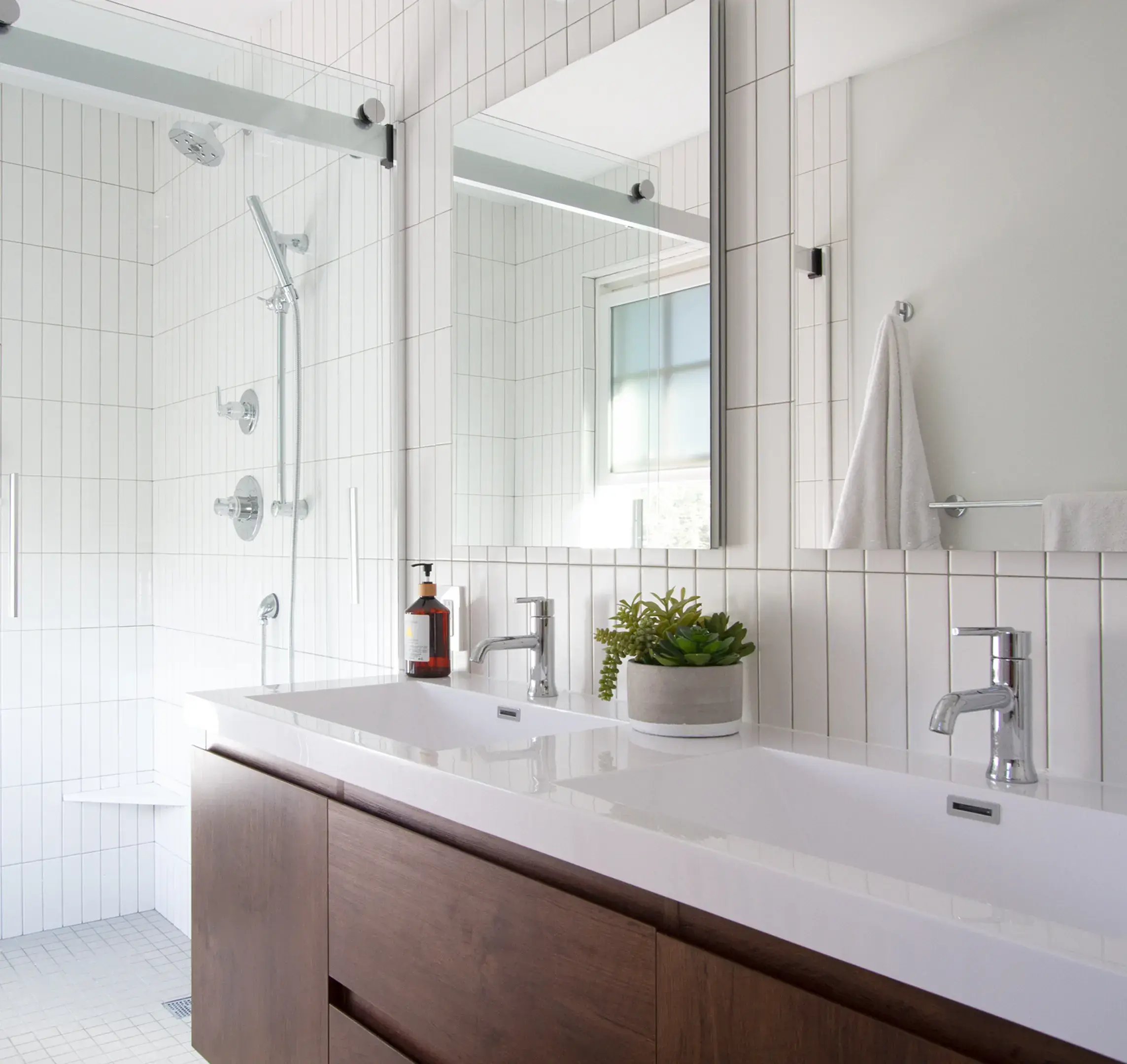
Some fully tiled bathrooms benefit from gentle variation, such as a horizontal band, a change in tile orientation, or a shift in scale. These details guide the eye and add movement. When done subtly, they keep the design engaging without overwhelming it.
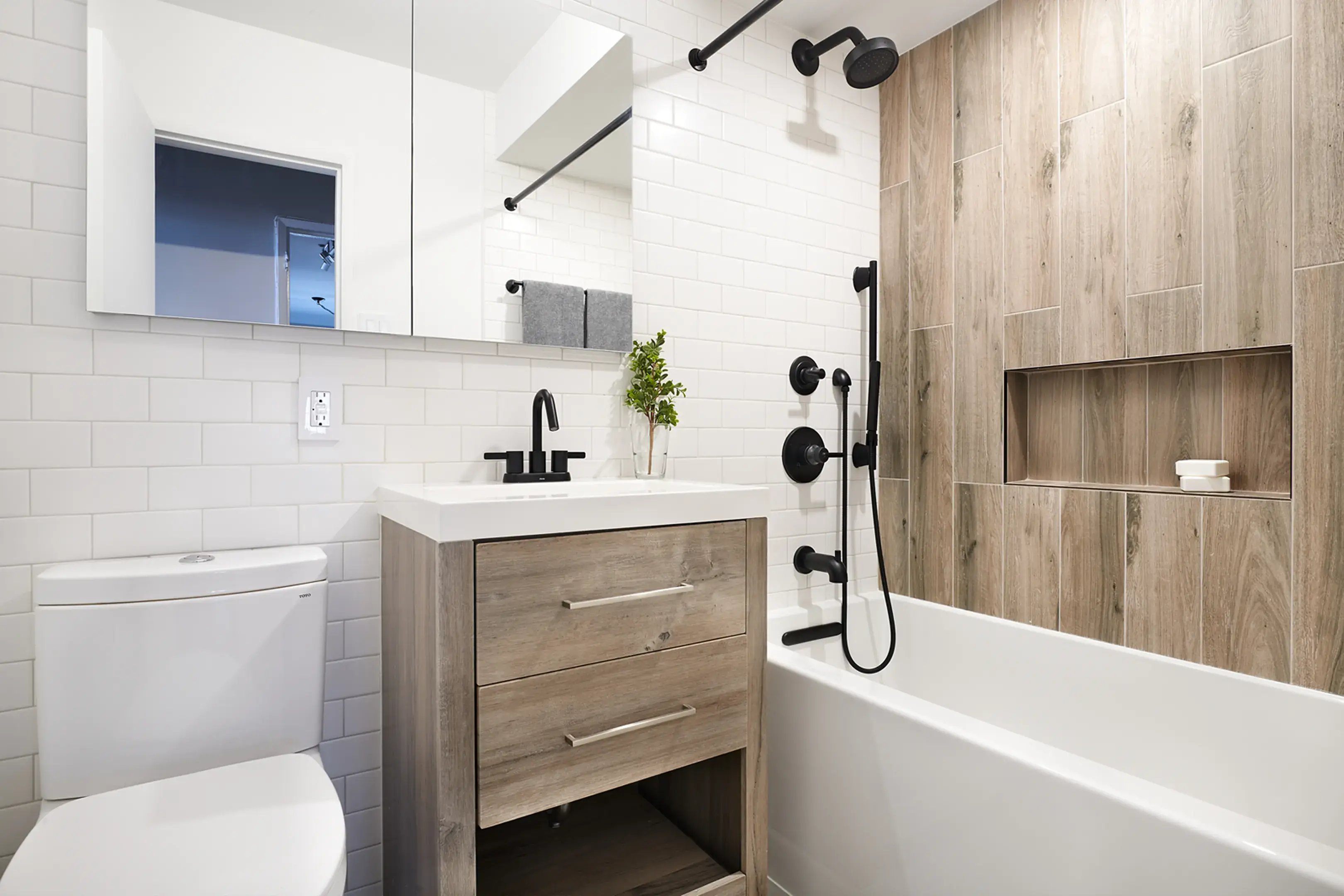
One common mistake is choosing tile without considering scale in relation to the room. Small-format tile used across large wall expanses can feel visually busy and overwhelming, particularly when grout lines multiply across the surface. On the other hand, oversized tile in tight spaces can result in awkward cuts at corners, ceilings, or fixtures that draw attention for the wrong reasons. Testing tile size against the room’s dimensions helps avoid both extremes.
Lighting is another frequently overlooked factor. Highly reflective or glossy tile can amplify glare when paired with poorly positioned lighting, making the space feel harsh or uncomfortable. Without layered lighting—such as a combination of ceiling lights, wall lighting, and niche illumination—even well-chosen tile can appear flat or overly shiny.
Failing to plan grout alignment and transitions early is another common issue. In fully tiled bathroom walls, grout lines become a dominant visual element, and misalignment around corners, niches, or fixtures is immediately noticeable. Establishing a clear layout and reference lines before installation helps maintain consistency throughout the room.
Finally, many fully tiled bathrooms suffer from a lack of visual relief. Using the same tile, orientation, and finish everywhere without variation can make the space feel monotonous or overly rigid. Introducing subtle shifts—such as a change in tile direction, finish, or scale—adds interest while keeping the overall design cohesive. Click here for tips on how to mix tile sizing.
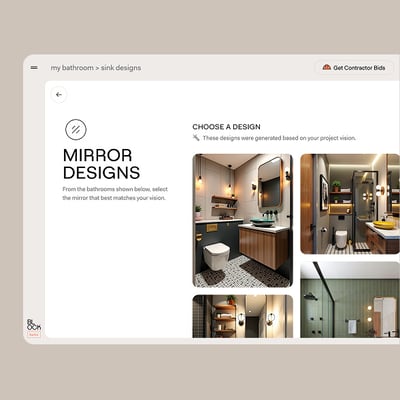
Deciding between a fully tiled bathroom and a bathroom with half wall tile is easier when you can see the difference. Block Studio allows homeowners to visualize fully tiled bathroom walls, compare layouts, and explore material combinations before construction begins. Seeing proportions and finishes together helps avoid over- or under-tiling the space.
A fully tiled bathroom requires more than choosing a tile you like—it depends on careful planning, technical know-how, and precise execution. From waterproofing and substrate preparation to tile layout and grout alignment, small decisions have a big impact on how the finished space looks and performs. Working with experienced professionals helps ensure those details are handled correctly from the start.
Block Renovation supports homeowners through each phase of the remodeling process, beginning with clear planning tools that help define scope, budget, and priorities. Homeowners are then matched with vetted, licensed contractors who have experience with complex tile installations and understand how to execute fully tiled bathroom walls with precision.
Remodel with confidence through Block
Connect to vetted local contractors
We only work with top-tier, thoroughly vetted contractors

Get expert guidance
Our project planners offer expert advice, scope review, and ongoing support as needed
Enjoy peace of mind throughout your renovation
Secure payment system puts you in control and protects your remodel

Renovate confidently with Block
Easily compare quotes from top quality contractors, and get peace of mind with warranty & price protections.
Tile
Made in USA Tiles: 15 Brands to Love
07.11.2026
Tile
Bathroom Accent Wall Ideas: A Practical Tile Guide
04.24.2026
Tile
Best Tile Brands for Porcelain, Vinyl & More
03.20.2026
Tile
2026 Bathroom Tile Trends for Walls & Floors
03.03.2026
Tile
Mixing Bathroom Tiles for a Contemporary Look
02.25.2026