




Outdoor Spaces
Porch to Mudroom Conversion: Cost and Surprises
06.09.2026
01.13.2026


In This Article
An outdoor kitchen isn’t just a place to cook—it’s a surprisingly accessible way to expand your sense of home, no matter where you live. Today, more homeowners are discovering that with thoughtful planning, an outdoor kitchen renovation is within reach—whether you want to bring new purpose to a sunny condo patio or extend your connection with nature as part of a larger cabin remodel.
The right setup encourages lingering meals with family, relaxed weekends with friends, and a seamless connection between indoor comfort and the open air. With smart choices around layout, lighting, and durable materials, even a small space can become a favorite gathering spot for years to come.
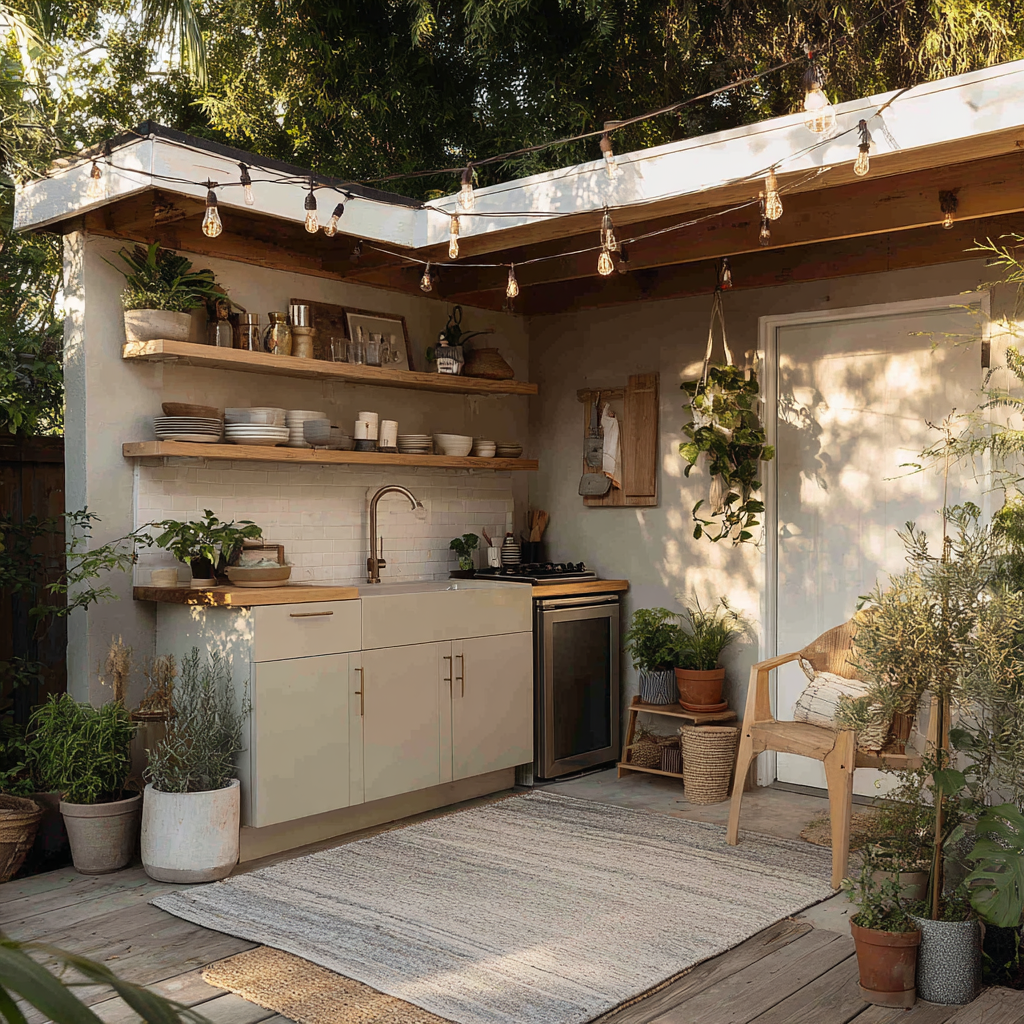
At first glance, the key elements—cooking appliances, prep space, storage—seem the same, but designing for outdoor use is a different experience entirely. Materials have to survive direct sun, rain, wind, and temperature swings. Whereas an indoor kitchen stays protected, everything outdoors must be chosen for durability first and foremost.
Safety remains front and center: ventilation is even more critical outside, and electrical or gas connections require extra attention. Appliances also differ; many grills and pizza ovens designed for outdoor use can’t safely be used indoors.
Finally, the way we use these spaces can change. Outdoor kitchens often serve as both a cooking area and social gathering spot—encouraging relaxation and connection. Built-in seating, fireplaces, and layout decisions all revolve around ease of movement and conversation in the open air.
Understanding these differences is key—what works beautifully in your home’s kitchen may need to be rethought or upgraded to truly last and work well in the elements.
Renovate with confidence every step of the way
Step 1: Personalize Your Renovation Plan
Step 2: Receive Quotes from Trusted Contractors
Step 3: Let Us Handle the Project Details
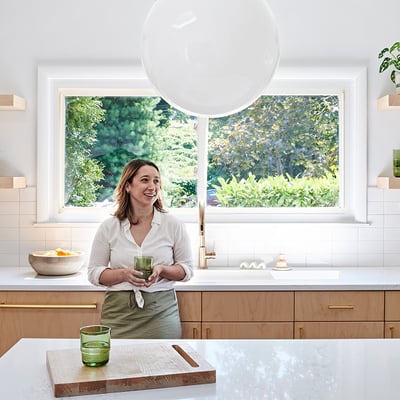
Zoning is central to a functional outdoor kitchen. Start with a dedicated area for grilling, and allow for prep space within easy reach—stone or composite countertops provide a resilient work surface. Storage nearby for utensils, fuel, and cleaning supplies helps keep everything organized. If you’re able to fit a compact fridge or prep sink in the layout, even better, but don’t overlook simple add-ons like hooks for tools or a pull-out trash bin.
Think about how you move while cooking, so the grill, prep surfaces, and serving zone all relate logically. Choose appliances specifically rated for outdoor use, and look for cabinetry or finishes that are built to withstand your climate. Even a modest, well-planned setup delivers lasting value.
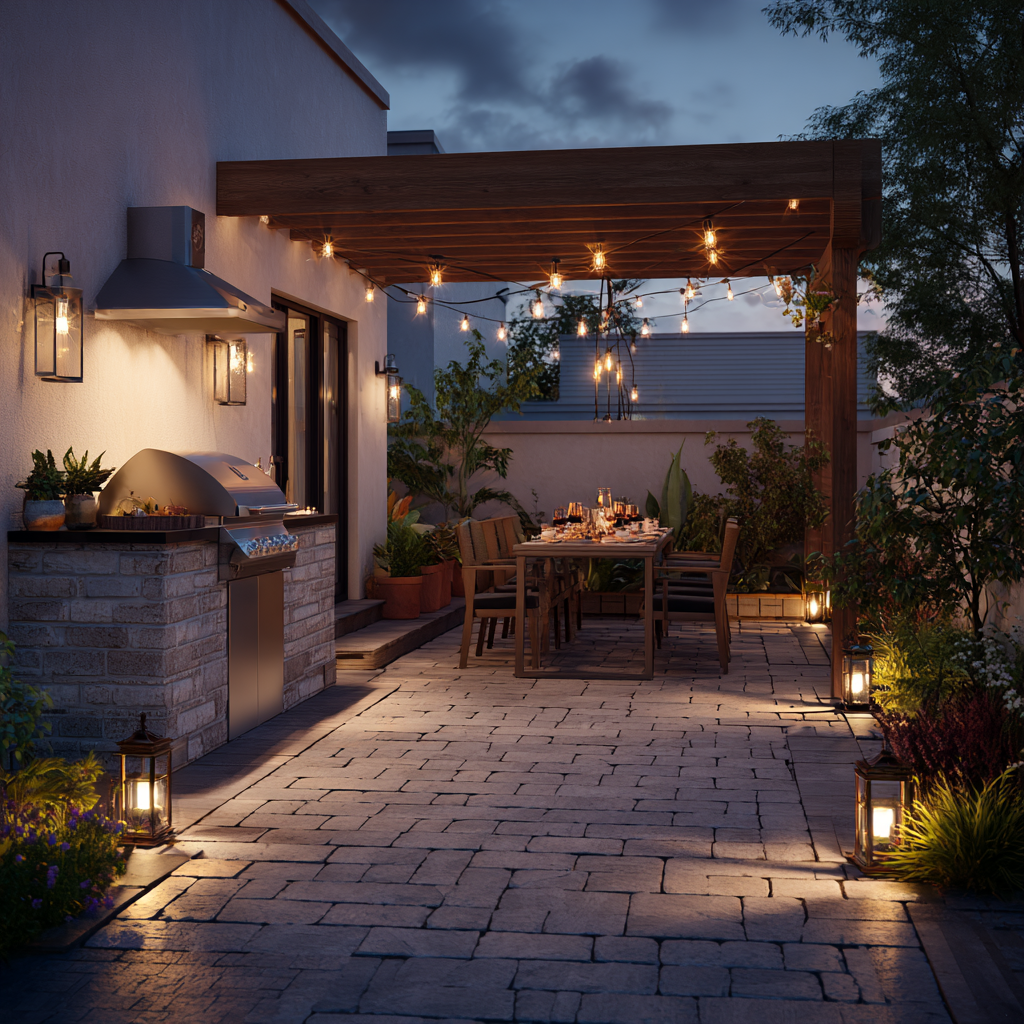
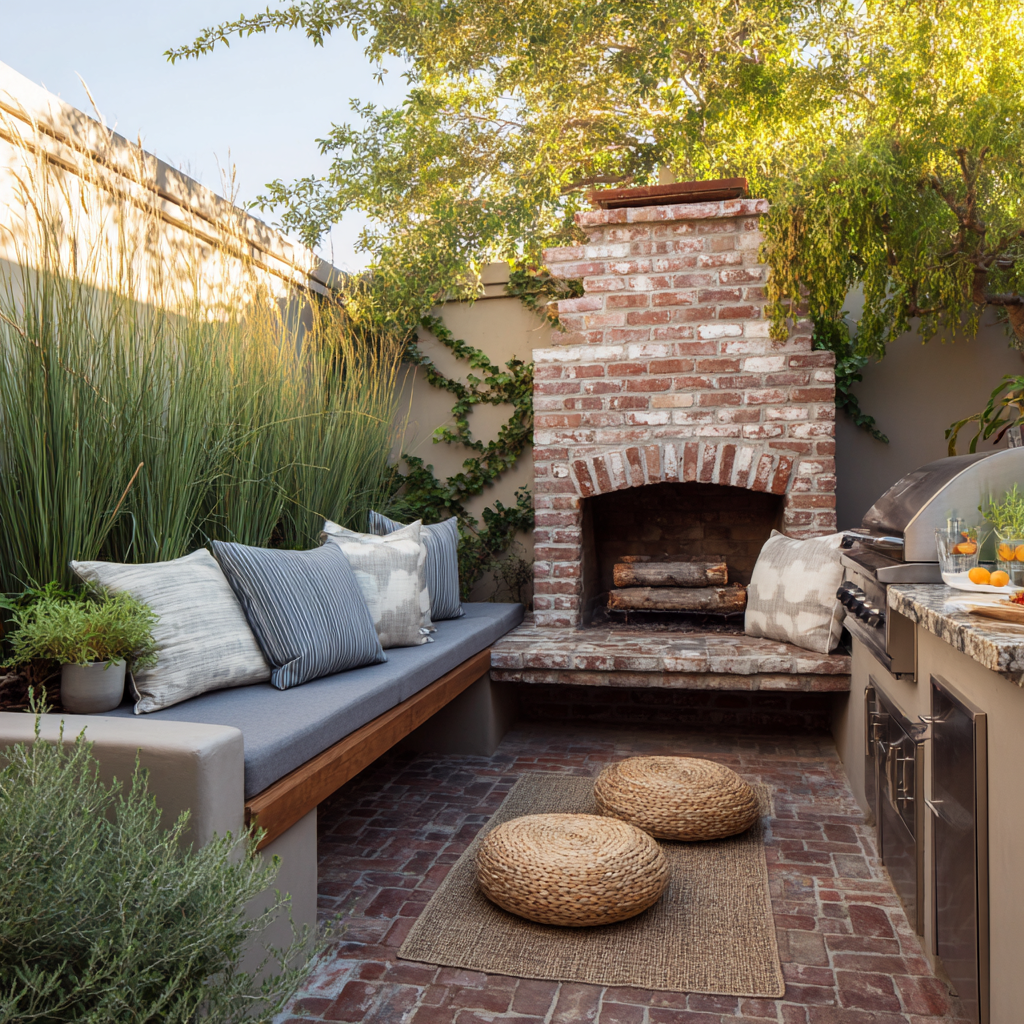
A fireplace changes how and when you use your outdoor space. In a simple backyard kitchen, even a small wood-burning fireplace or fire pit draws people in, invites lingering, and provides warmth once the sun sets. Gas units offer an easy-to-use alternative that can be added during a remodel without extensive masonry. Built-in or freestanding, fireplaces create another cooking element—think roasting marshmallows or warming bread.
Set your fireplace at a safe distance from the main cook zone, but close enough that conversation flows naturally between flames and grill. Use fire-rated materials and ensure all codes for outdoor use are followed, especially if you live in areas prone to fire bans or dry spells.
A structure overhead adds so much more than shade. A pergola means relief from both the midday sun and sudden showers—staying comfortable longer into the season. Choose weatherproofed lumber, powder-coated aluminum, or vinyl for the framework. Add climbing vines or woven shades for a finished look that softens hard edges.
String lights or task lighting overhead is a practical addition, and a basic sound system is easy to install while framing is accessible. All told, a pergola brings a sense of enclosure and makes meals, from breakfast to stargazing dinners, more comfortable.
Outdoor kitchen renovations don’t always require custom masonry or built-ins. Modular island kits, cinder block constructions finished with tile or paint, and even reimagined potting benches can all make for accessible, attractive kitchens. Consider countertop surfaces finished in sealed concrete, and use outdoor-rated open shelving or sturdy carts for versatility.
Even a small investment in quality weather-tolerant finishes goes a long way in resisting wear. With modular layouts, you can shift, expand, or upgrade over time—ideal if your needs change.
Outdoor cooking isn’t limited to sprawling yards. Many city homeowners or renters use small patios, terraces, or even balconies for their kitchen remodels. Space-saving solutions include trim tables that fold away when not needed, electric grills, stackable stools, and vertical storage or wall-mounted shelving for tools and herbs.
Make sure your solution fits both the available area and any building restrictions. Portable sinks or sanitized water stations—rather than plumbed-in sinks—provide clean-up options where utilities are inaccessible.
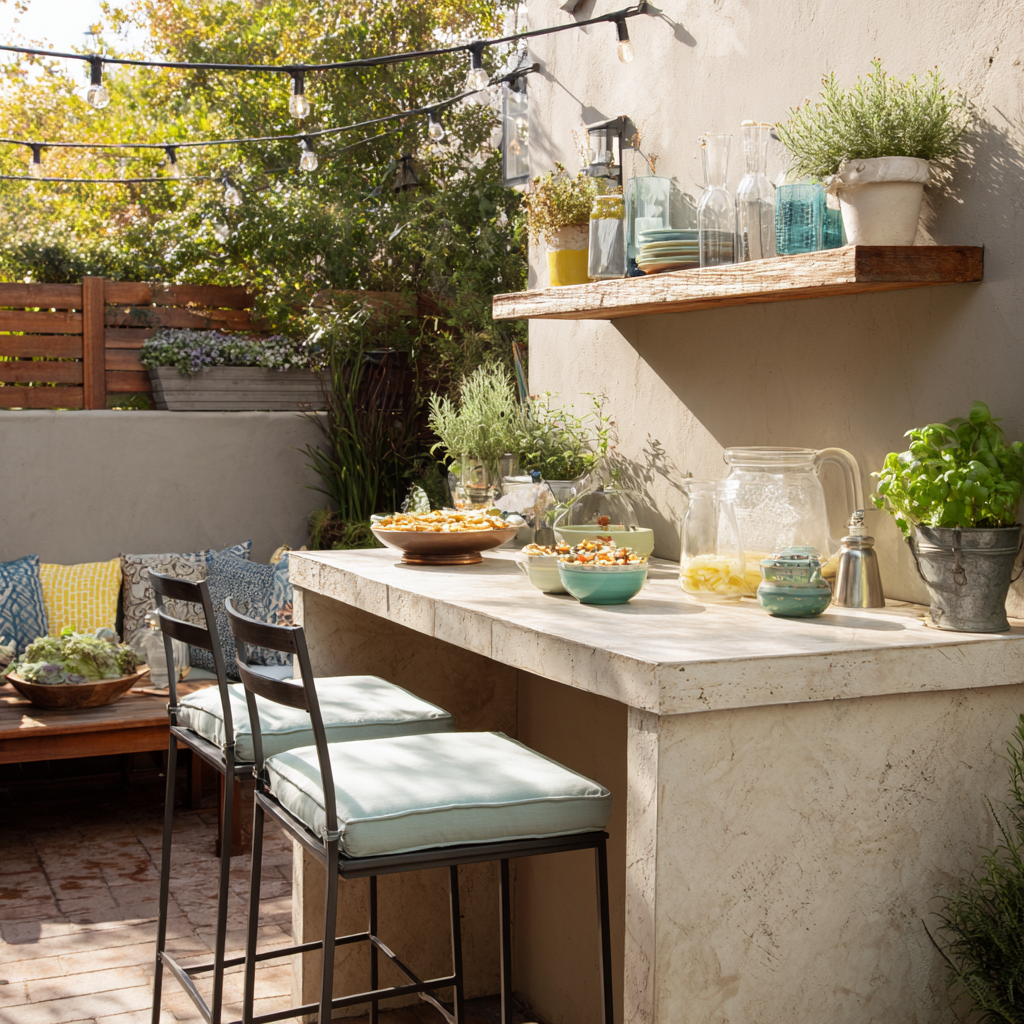
Great storage is what sets apart a practical outdoor kitchen renovation. Beyond just drawers and cabinets, think about how you’ll store utensils, cutting boards, firewood, and cushions. Weather-tight cabinetry, pull-out bins for recycling and trash, and dedicated racks for tools extend the utility of every square foot.
Choose cabinetry designed to withstand sun, rain, and temperature swings—stainless steel, marine-grade polymer, or powder-coated metal keep gear dry and pest-free. Open shelves, when properly positioned, make quick-grab essentials accessible but should only be used for weather-hardy items.
Durability is non-negotiable when renovating an outdoor kitchen. Your surfaces will encounter everything from rain showers to high heat and direct sun. Prioritize non-porous materials—sealed stone, porcelain tile, and composite materials all perform well for countertops. For cabinetry, stainless steel, treated hardwood, and high-density polymers top the list.
Remember to regularly reseal stone or tile to ward off stains or cracking, especially in freeze-thaw climates. Softwoods, unstained wood, or regular indoor finishes invite trouble and shouldn’t be used for high-wear surfaces.
A pizza oven brings both function and fun to your outdoor kitchen remodel. Even small modular pizza ovens or countertop models work beautifully—no need to build a full brick structure unless it fits your design ethos. With proper installation and insulation underneath, you get another tool for bread, roasted vegetables, and more.
Design a nearby station for prepping dough, sauces, and toppings for workflow that resembles an indoor kitchen. Don’t forget fire safety—a stone or tile base and non-flammable surroundings are a must.
Plan for sustainability and future upgrades
Forward-thinking outdoor kitchen renovations make it easier to adapt over time. Consider adding permeable pavers to manage rainwater runoff, solar-powered lighting to limit energy use, and separate bins for composting and recycling next to the main prep zone. Utility hookups (like capped gas or water lines) planned during initial build make adding new appliances in the future much easier.
Look at energy-efficient appliances, water-saving fixtures, and sustainably sourced materials to further lower your long-term environmental impact. Find additional inspiration in 15 Energy Efficient Home Improvements That Save You Money.
Color plays a powerful role in shaping the mood and character of your outdoor kitchen. Unlike the more controlled environment indoors, outdoor spaces benefit from palettes that interact with changing light, garden greenery, and the surrounding landscape. Neutrals—such as taupe, soft grays, and muted stone—offer versatility and a timeless feel, grounding your kitchen without clashing with plants or patio furniture.
For those drawn to brighter, more expressive choices, punches of color (deep blues, sun-washed terracotta, olive green) on cabinetry, tile accents, or even seat cushions can help the kitchen feel uniquely yours. If you’re drawn to darker hues, use them intentionally for balance: a charcoal backsplash or rich green counter can serve as a dramatic anchor, especially when paired with pale wood, light stone, or outdoor metal. The key is to choose colors that not only suit your taste, but also harmonize with the natural surroundings and transitions from day to dusk.
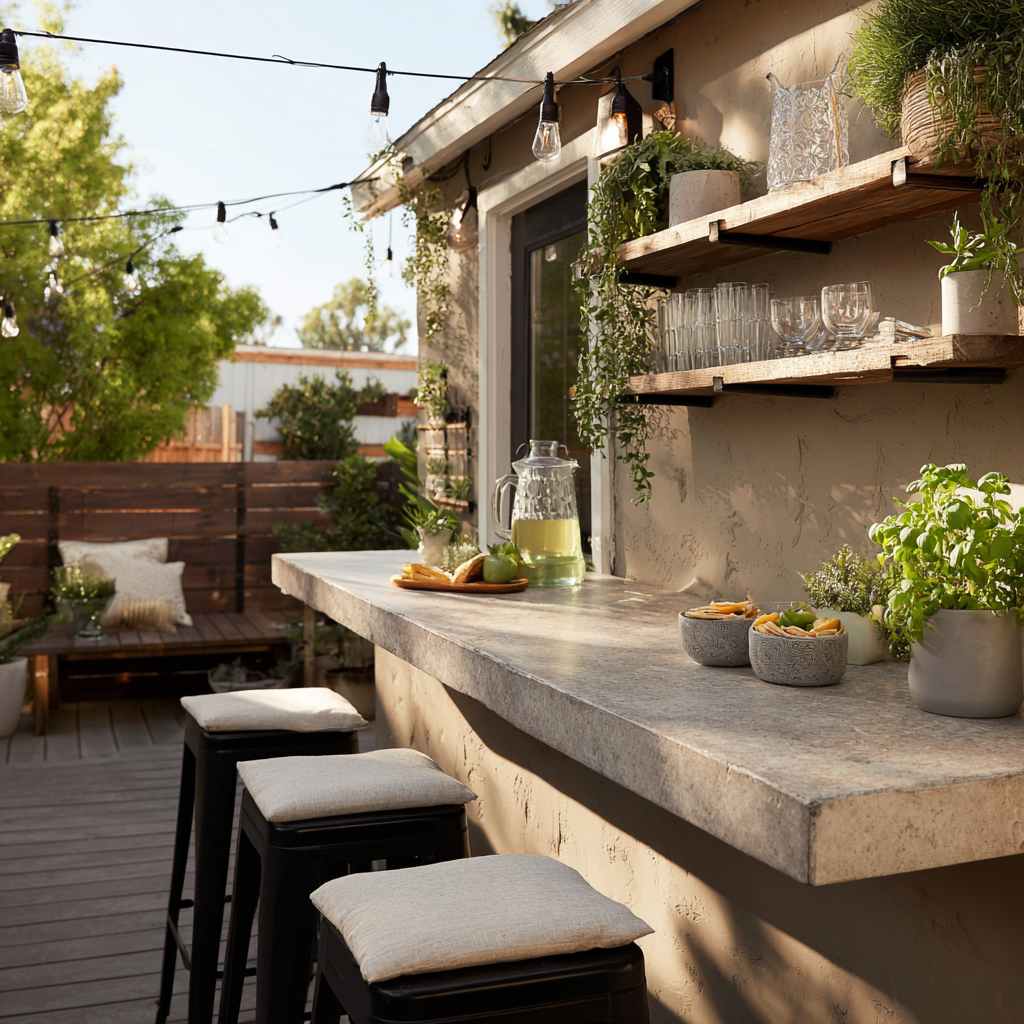
Add bar seating for conversation
Bar-height counters invite guests to join you while you cook, transforming the kitchen from a solo endeavor into a social centerpiece. A peninsula, raised ledge, or simple extra section of countertop with tall, weather-tough stools makes it easy to balance drinks, snacks, and conversation.
When planning your outdoor kitchen layout, ensure there is enough space behind the seats for easy passage and avoid crowding appliances. Durable, easy-to-clean stools are worth the investment—look for those rated for full outdoor use, with slatted seats and rustproof frames.
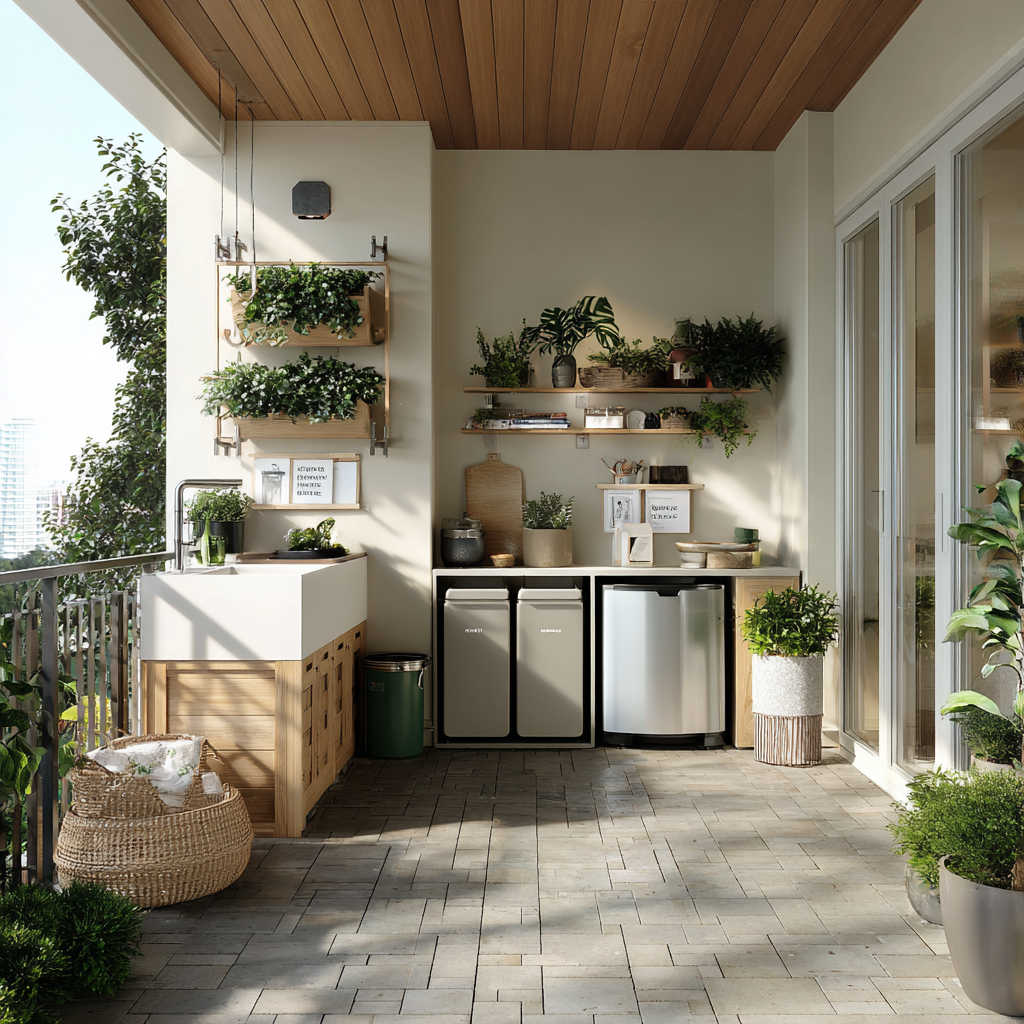
Evenings shouldn’t put an end to outdoor gatherings. Layered lighting makes your kitchen usable after dark, while also adding comfort and safety. Under-cabinet task lights, string or festoon lights above, and low path markers ensure visibility where you need it—no more fumbling with hot dishes or sharp tools.
Remodel your kitchen with fixtures meant for damp or outdoor locations, and install GFCI (ground-fault) outlets to prevent electrical shock. For mood lighting, consider dimmable bulbs or LEDs for flexibility. Find inspiration in our guide to modern lighting trends.
Frame your outdoor kitchen space with greenery—low planters or built-in herb gardens make functional, beautiful borders. Use taller screening plants, trellises, or potted shrubs to create both privacy and a relaxed, soft atmosphere. Prepping with edible plants—like rosemary, mint, or tomatoes—means your kitchen is as ornamental as it is useful.
Native species are ideal and cut down on maintenance while supporting pollinators. Mulch, automatic drip irrigation, and sturdy containers keep everything looking good with minimal effort.
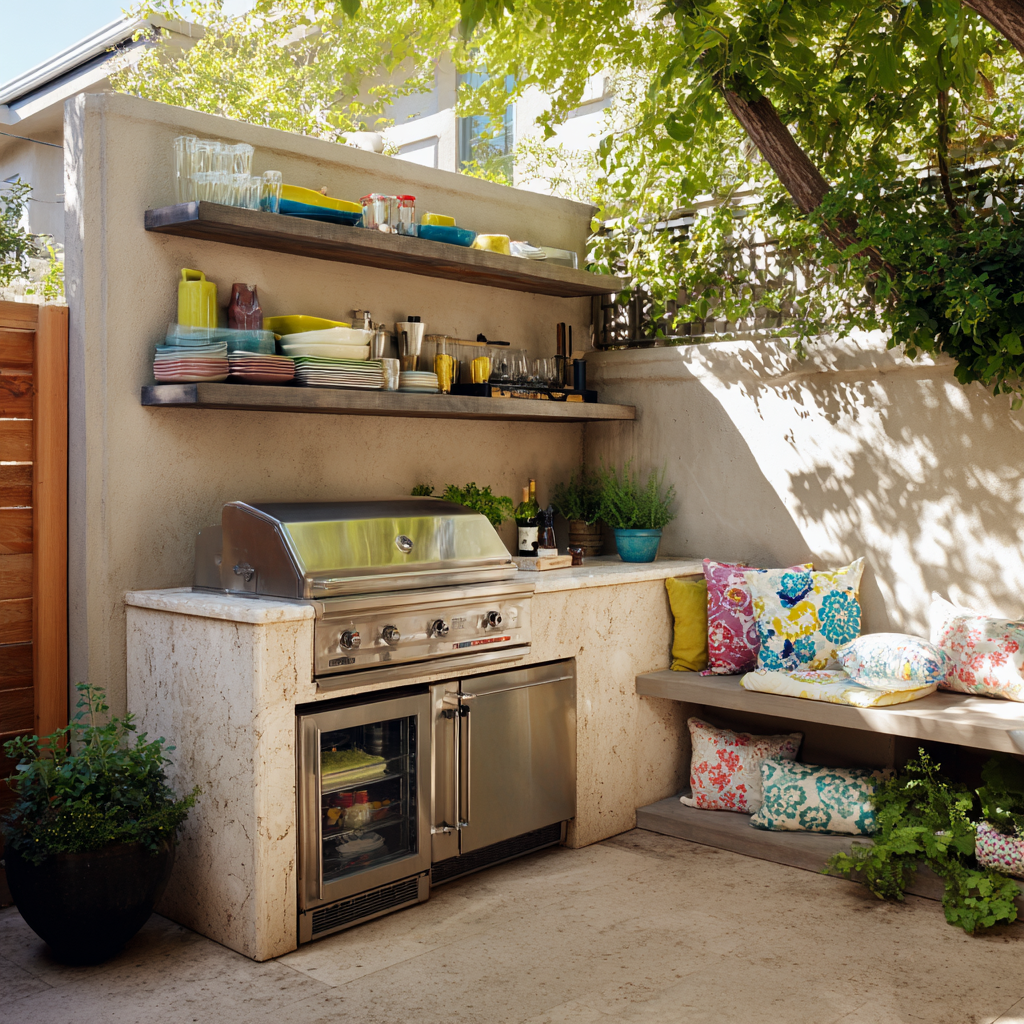
The most appealing outdoor kitchens feel like a considered extension of their surroundings. Take cues from your home’s architecture, nearby garden beds, and patios to create a sense of cohesion—even on a budget. Repeating materials, such as echoing your home’s exterior trim color on your kitchen cabinets, or using similar pavers to connect kitchen and lounge zones, helps visually link the spaces.
Decorative elements like patterned tiles, privacy screens, or planters can mirror indoor motifs, reinforcing the sense that your outdoor kitchen is part of a whole-home story. If space allows, create a visual sightline or physical connection—like a path or a cluster of matching lanterns—that draws visitors from the kitchen to seating or fire pit areas, making the entire backyard feel intentional and integrated.
Turn your renovation vision into reality
Get matched with trusted contractors and start your renovation today!
Find a Contractor
It’s easy to fall for a certain look or a trending material, but outdoor kitchens are unforgiving to shortcuts. Avoid these frequent renovation missteps:
Standard indoor wood, particleboard, and MDF will not survive outside—these swell or rot quickly. Always choose materials explicitly designed for outdoor use.
Porous, unsealed stone and untreated wood trap moisture, breed mold, and stain easily.
Don’t skip ventilation around grills and pizza ovens, even in open-air spaces.
Single-use cabinetry or permanent features limit flexibility. Modular pieces give you options as your needs evolve.
Dark, unshaded metal and stone can become dangerously hot in mid-summer in sunny climates; choose lighter finishes and provide shading where possible.
Be sure to choose frost- and UV-resistant surfaces if your region gets cold or has high sun exposure
Outdoor kitchen renovations can be approached at nearly any price point. DIY or modular setups often land between $2,000 and $5,000, covering a grilling station and minimal prep surfaces. Adding built-in appliances, storage, lighting, or even a fireplace usually places costs in the $5,000 to $15,000 range. Upgrades—like extensive masonry, refrigeration, pizza ovens, and specialty finishes—can push total costs to $20,000 or more.
When budgeting, prioritize essential functionality, then layer in wish-list features. Don’t forget permitting, safe utility installation, regular maintenance, and space for future upgrades to keep your new outdoor kitchen feeling like a worthy investment.
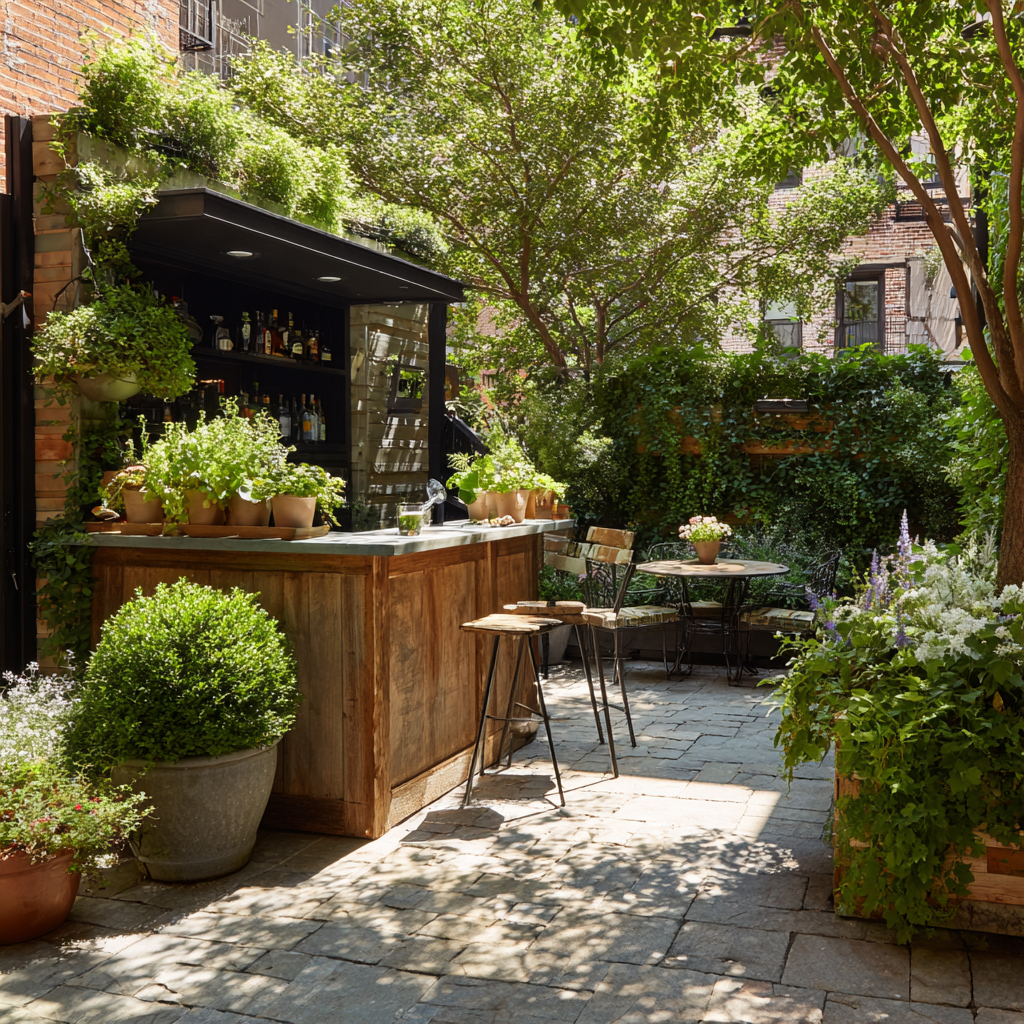
An outdoor kitchen renovation is an investment not only in your home, but in the way you’ll enjoy life for years to come. Working with the right contractor makes all the difference. The right professional brings your plans to life, anticipates challenges, and delivers durable, high-quality results. But finding that ideal partner can feel daunting—especially if you’ve never tackled a renovation outdoors before.
That’s where Block steps in. Instead of sorting through endless referrals or worrying about unclear bids, Block helps you connect with thoroughly vetted, licensed contractors who are experienced in outdoor kitchen renovations. You share your goals and vision; Block matches you with contractors whose skills, track records, and approach fit your needs. Every contractor in Block’s network passes rigorous screening, so you can move ahead feeling confident and supported.
Remodel with confidence through Block

Connect to vetted local contractors
We only work with top-tier, thoroughly vetted contractors

Get expert guidance
Our project planners offer expert advice, scope review, and ongoing support as needed
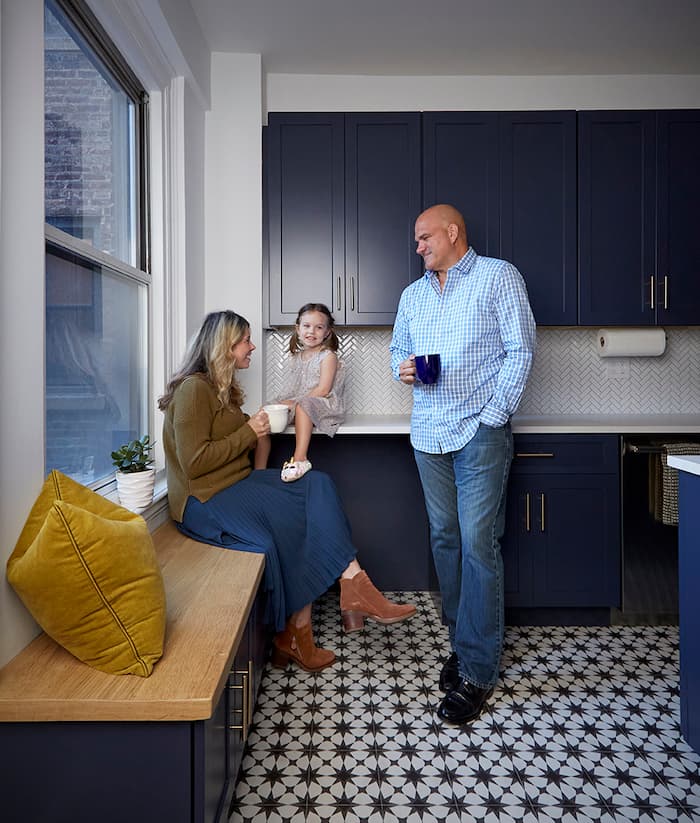
Enjoy peace of mind throughout your renovation
Secure payment system puts you in control and protects your remodel

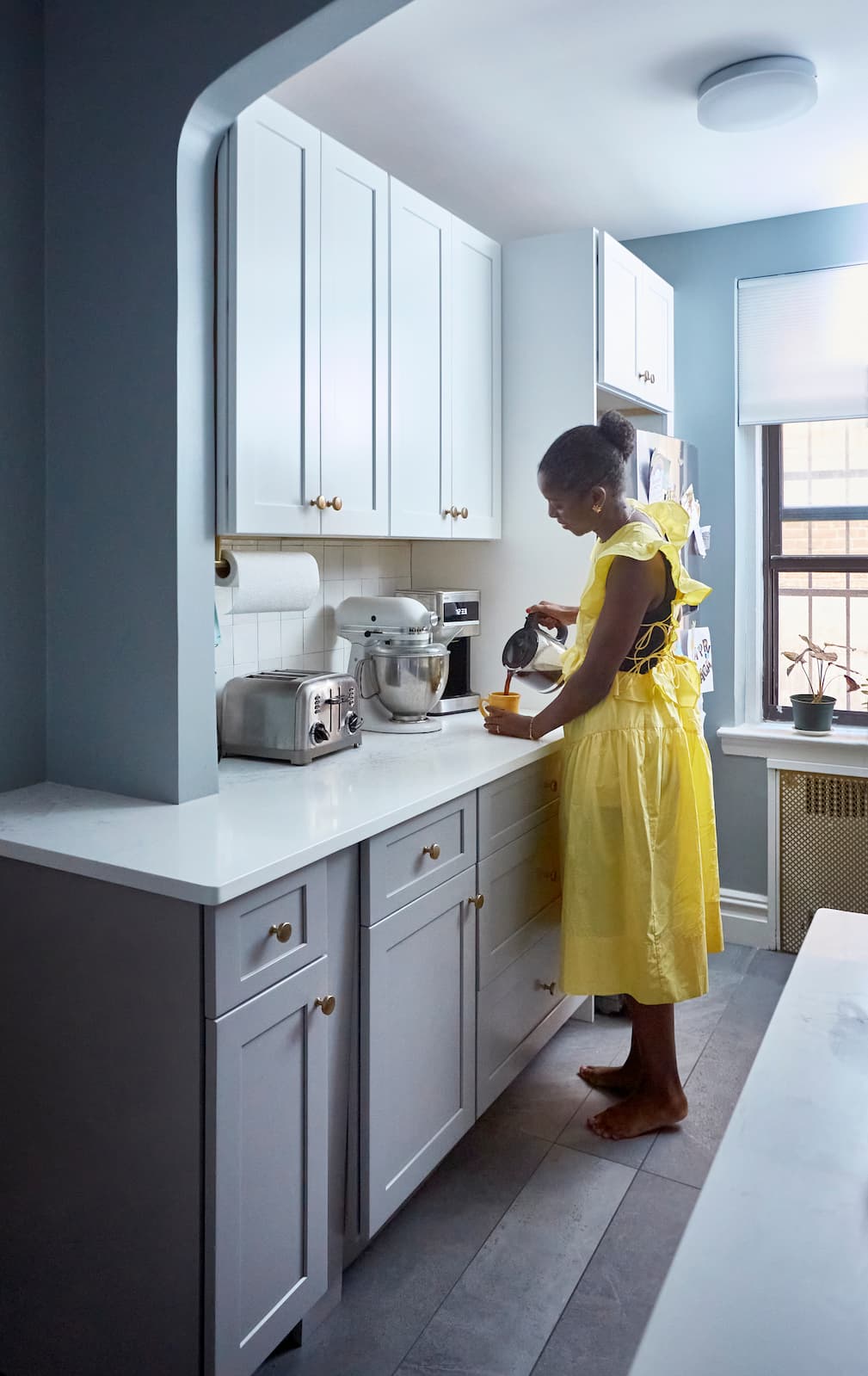
Renovate confidently with Block
Easily compare quotes from top quality contractors, and get peace of mind with warranty & price protections.
Outdoor Spaces
Porch to Mudroom Conversion: Cost and Surprises
06.09.2026
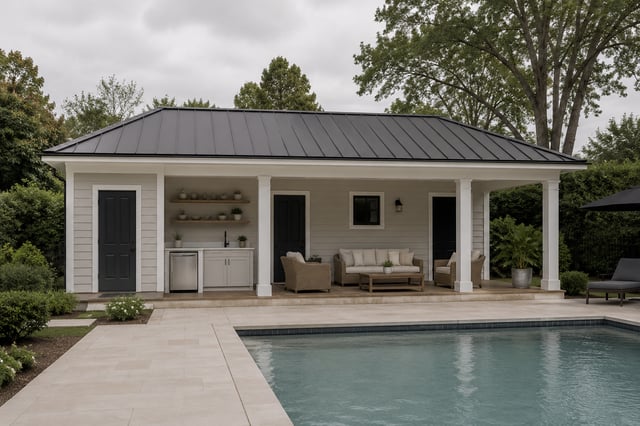
Outdoor Spaces
Building a Pool House: Costs & Design Tips
05.21.2026
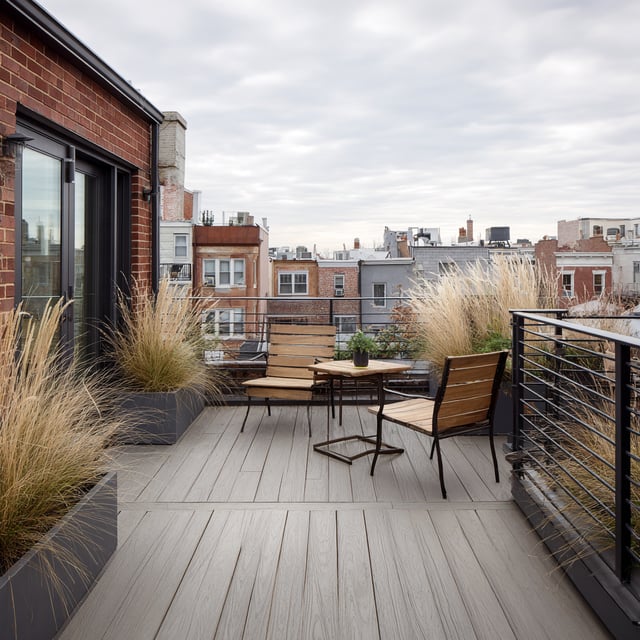
Outdoor Spaces
Building a Rooftop Deck: Costs, Structure & Decisions
05.18.2026
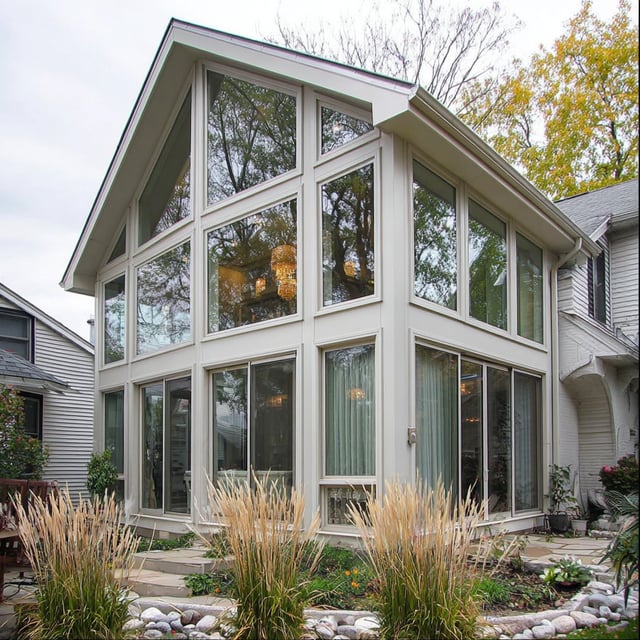
Outdoor Spaces
Two-Story Sunroom Addition: Costs and Feasibility
05.12.2026
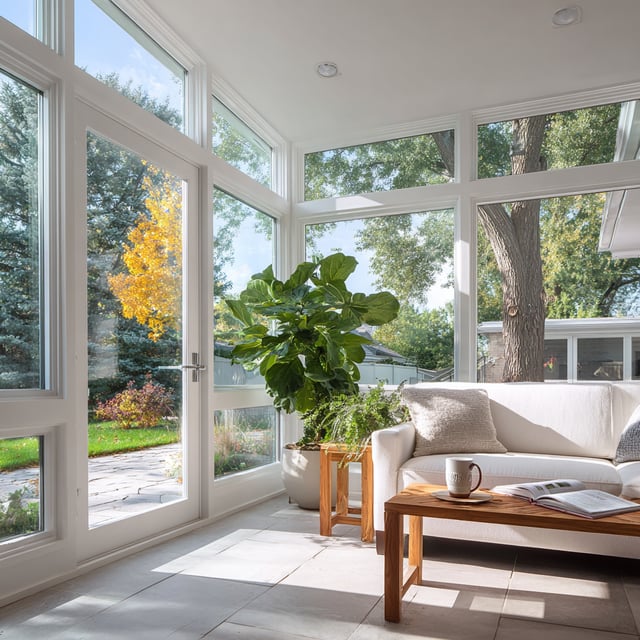
Outdoor Spaces
How Much Does a 12x12 Sunroom Cost in 2026? | Block
05.06.2026