



Outdoor Spaces
Deck Remodeling: Costs, Materials, and Structure
08.09.2026
01.18.2026


In This Article
Colonial homes offer enduring curb appeal, but many lack a true front porch—a detail that can add both practical space and architectural dimension. If you’re considering this kind of project, you’ll want to plan carefully to ensure your addition balances historical accuracy with the comforts of modern living. Here’s what to keep in mind, plus a comprehensive guide to costs, planning, and design details from the team at Block Renovation.
.png?width=1024&height=1024&name=u5821215421_A_welcoming_Colonial-style_home_with_pristine_whi_e839323a-5ead-4b2e-8f4f-78cc9ff5fd5b_3%20(1).png)
Adding a front porch to a Colonial-style home is a significant project, and the cost will vary based on several core factors: porch size, structural complexity, choice of materials, and your region’s labor rates. At a national level, most homeowners can expect to pay anywhere from $8,000 to $48,000 for a 200–400 square foot open porch. Smaller or simpler porches may start around $4,000, while larger or more customized additions—like those with masonry bases, ornate railings, or fully integrated roofing—can top $70,000 or more in high-cost metros.
On average, materials are responsible for about 50–65% of the total price. This is a critical factor for modern planners, as How America Renovates in 2026 reports that 62% of homeowners cite rising material costs as their primary renovation concern. The most common inclusions are framing lumber, decking planks, trim, railings, columns, and roofing. Labor makes up the remainder, driven by tasks like demolition, foundation work, framing, and finish carpentry. Installing electrical features such as outlets or lighting or working with foundation challenges—like sloped lots or established landscaping—will add to your budget.
Plan to spend $40–$120 per square foot for materials and labor combined, or $60–$150 per square foot for wraparound or more elaborate porches. Other expenses to keep in mind include building permits (typically $150–$2,000), design and engineering fees (especially for historic homes or homes requiring architectural review), and site preparation, which can range from simple leveling to more involved excavation.
Renovate with confidence every step of the way
Step 1: Personalize Your Renovation Plan
Step 2: Receive Quotes from Trusted Contractors
Step 3: Let Us Handle the Project Details

When you add a porch to a Colonial home, your design should honor the clean symmetry and simplicity that define the style. Traditional Colonials are known for restrained detailing—think plain, squared or round columns instead of carved posts or brackets—and for careful proportion. The porch should be centered and align with the front door, with columns spaced in relation to the windows and overall width. Ornate railings or gingerbread trim are best reserved for Victorian homes; classic Colonials shine with more understated, functional details.
The porch roof should echo the pitch of the main house without overwhelming the existing massing. Enclosing your porch with screens or glass is possible, but it’s important to do so in a way that still allows the overall lines and front elevation to remain prominent and harmonious. Consult local historic commissions or review your area’s preservation guidelines, particularly if you’re in a designated district.
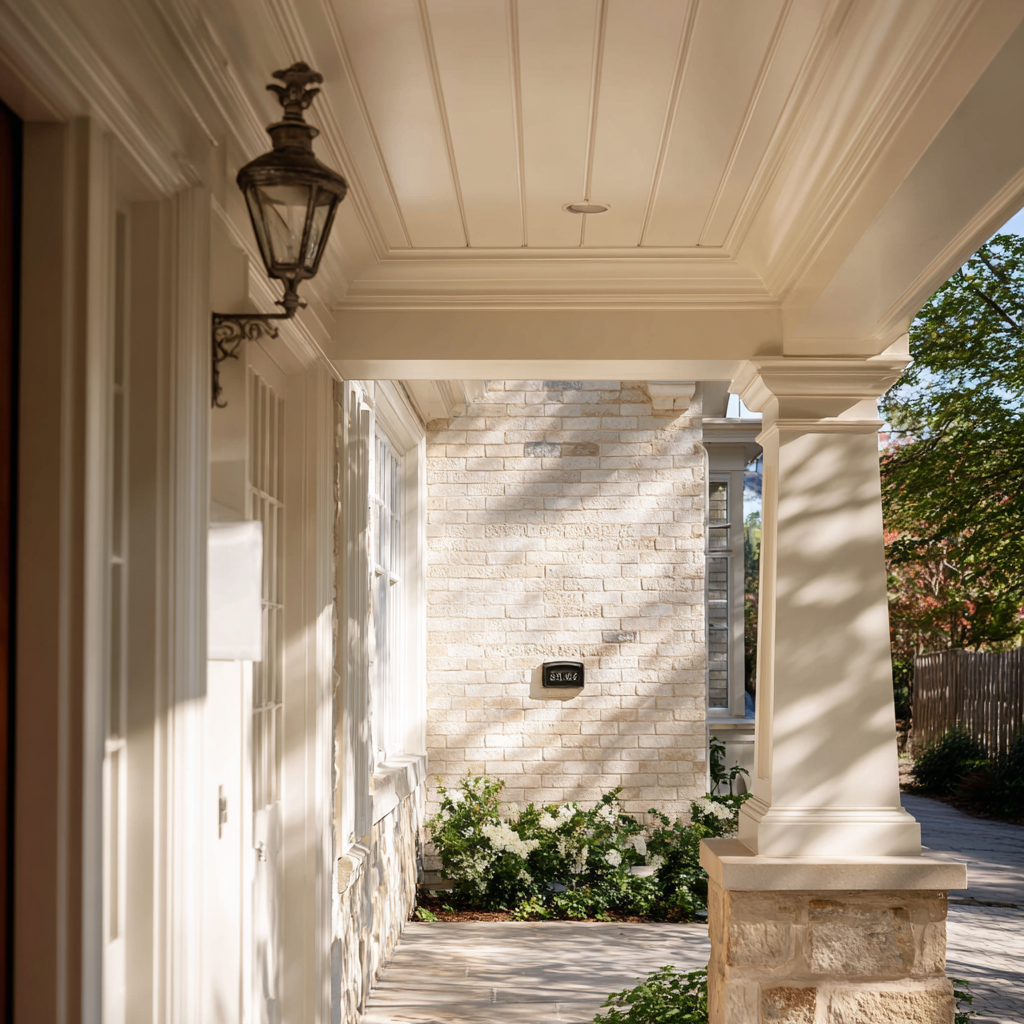
A porch’s foundation is critical to both function and appearance, particularly on Colonial homes with brick, stone, or clapboard siding. Your builder will determine whether a pier, continuous, or slab foundation makes the most sense for your design, climate, and soil. For raised porches, masonry bases can complement existing materials and visually anchor the new structure. If your home sits on a hill or features mature landscaping, planning for site grading, drainage, and possible tree work is wise.
Integrating the porch roof with your existing home requires careful planning to prevent leaks, manage snow or rain runoff, and avoid awkward transitions at siding and trim. Professional help from an architect or experienced contractor will help ensure every connection is both watertight and visually consistent.
There are a range of flooring choices suitable for Colonial-style porches, from pressure-treated pine and mahogany to composite decking, brick, or natural stone. Each brings its own price point and long-term maintenance needs; for example, composite boards resist weathering but may cost more upfront, while traditional wood boards need regular staining or sealing.
Columns and railings can be built from wood, composite, or—even for bases—stone. Columns are typically painted white or a tone that matches house trim. Railings are usually simple, with 36–42” standard heights; check your local building code for requirements.
A traditional beadboard or painted wood ceiling gives the porch an authentic “finished” look. Painting the ceiling a sky-blue shade—a practice with Southern origins sometimes seen on Colonials—can add a touch of charm and subtly deter insects.
Most municipalities require permits for structural work. Your contractor will handle much of this process, but as the homeowner, you’ll want to verify that your addition will meet all zoning and building code requirements, including minimum setback from the street, allowable lot coverage, and maximum porch height. If you live in a historic district or within an HOA, additional design review or material restrictions may apply. Ask your contractor or designer about this up front to avoid expensive rework or permitting delays.
Many homeowners opt for integrated porch lighting, ceiling fans, or exterior outlets, especially since these features are much easier to install during construction. Plan for sconce wiring, outlets for holiday décor, or step lighting that can increase both safety and after-dark appeal.
If accessibility is a priority, plan ahead for wider steps, handrails, or even a ramp. These elements should be incorporated into the design from the beginning rather than added as last-minute modifications—both from a cost and visual perspective.
Getting the design details right ensures your porch feels like an organic part of your Colonial home. Here are some practical principles to keep in mind as you develop your plans:
Column spacing and placement: Aim for even spacing between columns, typically between 6 and 8 feet. Columns should be sized proportionally to both the roof and the overall porch width.
Porch depth: A minimum finished depth of 6 feet allows for comfortable seating. Deeper porches offer room for a swing or full lounge setup, but may require a more robust roofline.
Railing and stair design: Choose simple balusters and classic lines. Stair runs that lead directly to a centered door tend to look most appropriate, but side or flanking stairs can work well if they’re symmetrical and well-integrated. For more ideas, read Stair Banister Remodeling Ideas for Both Modern & Traditional Homes.
Materials and finishes: Use materials that complement your existing home. If your house features painted clapboard, choose paintable porch trim and columns. For brick Colonials, consider brick porch skirting or masonry stairs.
Ceiling treatments: A beadboard ceiling in a light color brings both visual height and a sense of tradition to your porch.
Landscaping: Outlining the porch with crisp garden beds, foundation plantings, or low shrubs softens the transition from porch to yard and accentuates the architectural impact without overwhelming the house itself.
Matching paint and finish details to your existing trim—such as bright white for columns or a contrasting bold front door—helps the addition feel intentional and cohesive. Above all, let the clean lines of your Colonial guide your choices.
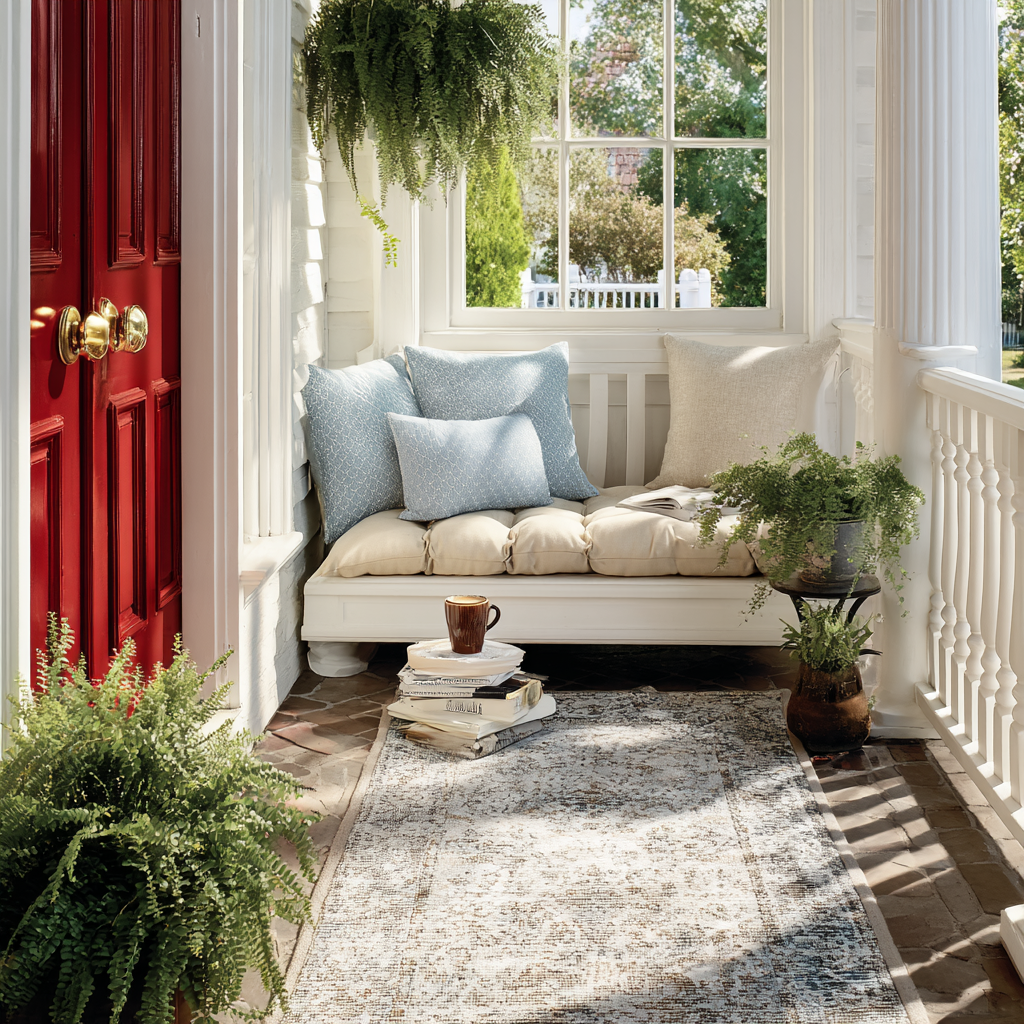
A successful porch project begins with clear goals and realistic expectations. Start by establishing your main reason for adding a porch: Do you want an outdoor space for conversation and coffee, protection from weather, or simply to update the curb appeal? From there, collect inspiration images and sketch a rough layout that shows your preferred size and shape.
Working with a designer or architect early in the process will help you fine-tune proportions and ensure adherence to local historic or zoning guidelines. Next, consult with contractors who have experience working on older homes—especially those familiar with Colonial architecture. Ask to see photos of similar projects and request line-by-line written proposals that detail materials, timelines, and all projected costs, including permits and demolition.
Block recommends getting multiple quotes and comparing scopes of work closely, as differences in proposed materials or structural solutions can account for significant price swings. Don’t hesitate to ask about aspects like water management, foundation type, and how the porch will tie into your current facade.
Compare Proposals with Ease

Many homeowners underestimate certain factors until construction is underway, which can affect both your timeline and your budget. Here are a few to watch for:
Site prep and landscaping: Removing old plantings, addressing drainage, or regrading the yard can add cost.
Material lead times: Custom columns, specialty roofing, or composite flooring may have longer order times than expected.
Hidden damage: Uncovering rot, insect damage, or foundation issues at the start of work isn’t uncommon on older homes and should be accounted for in both timeline and cost contingency.
Finally, while a well-designed porch will improve daily living and curb appeal, it’s also a significant investment—so prioritize quality construction and authentic detail. The right planning now will help your new addition look as if it has always belonged.
Choosing the right team is essential for a successful porch addition, especially on a Colonial home where craftsmanship and attention to detail make all the difference. Block connects homeowners with experienced, thoroughly vetted contractors who understand both the structural requirements and the design nuances of adding a porch to a historic or classic home.
Using Block’s platform, you can easily compare multiple bids, review scopes of work, and receive transparent pricing—all guided by renovation experts who prioritize your vision and peace of mind. Start your project with confidence, knowing you have a trusted partner to navigate each step, from initial planning to the final walkthrough.
Remodel with confidence through Block

Connect to vetted local contractors
We only work with top-tier, thoroughly vetted contractors

Get expert guidance
Our project planners offer expert advice, scope review, and ongoing support as needed
Enjoy peace of mind throughout your renovation
Secure payment system puts you in control and protects your remodel

Renovate confidently with Block
Easily compare quotes from top quality contractors, and get peace of mind with warranty & price protections.
Outdoor Spaces
Deck Remodeling: Costs, Materials, and Structure
08.09.2026
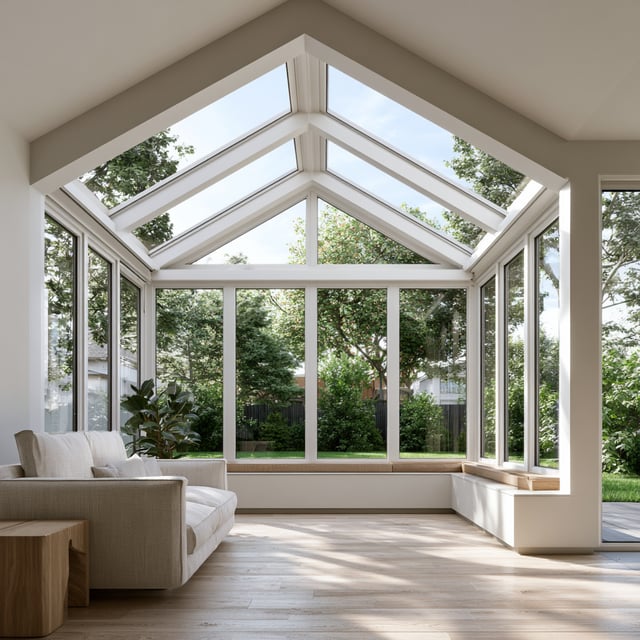
Outdoor Spaces
Sunroom Roof and Glass Types: Finding the Right Style
07.13.2026

Outdoor Spaces
Porch to Mudroom Conversion: Cost and Surprises
06.09.2026
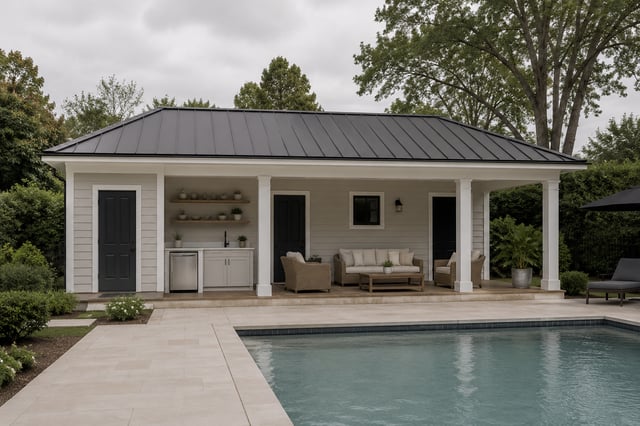
Outdoor Spaces
Building a Pool House: Costs & Design Tips
05.21.2026
Outdoor Spaces
Building a Rooftop Deck: Costs, Structure & Decisions
05.18.2026