



Custom Home Building in Miami, FL: A Complete Guide for Future Homeowners

Budget your upcoming Miami custom home build with help from Block
How we get your estimate
Fill out the form above to either connect with contractors for a personalized quote or estimate your costs with Block's Renovation Studio.
Light blue Southern cottage with a porch and palm trees.

In This Article

    Miami, FL, offers unparalleled international culture, tropical climate, and architectural diversity that continues attracting global buyers, finance professionals, and families seeking coastal lifestyle with year-round warmth. As a gateway to Latin America and the Caribbean, Miami provides global business connections, world-class dining representing every cuisine, Art Deco heritage, and neighborhoods ranging from historic Coral Gables to modern Brickell condos and waterfront estates throughout Miami-Dade County. The region's coastal geography creates premium opportunities for custom homebuilding from bayfront properties to inland estates with canal access.

    Building a custom home in Miami requires understanding Florida's most stringent hurricane building codes, navigating complex flood zone regulations affecting most coastal areas, and managing projects through intense summer heat and daily afternoon thunderstorms. Foundation choices and elevation requirements dramatically influence budgets for waterfront or flood-prone properties throughout Miami-Dade County.

    Turn your renovation vision into reality

    Get matched with trusted contractors and start your renovation today!

    Find a Contractor

    Cost and timeline overview for future Miami homeowners

    Understanding local building costs and timeframes helps Miami homeowners establish realistic budgets and avoid surprises during the construction journey. Custom home construction in Miami typically ranges from $200 to $350 per square foot, with luxury builds in Coral Gables, Coconut Grove, or waterfront locations regularly exceeding $600 per square foot depending on finishes, water access, and architectural complexity.

    Several factors influence where projects fall within this range. Labor costs reflect Miami's premium market as skilled trades command high rates due to sustained international investment, stringent Florida licensing requirements, and competitive demand across residential and commercial projects. Material costs benefit from Port of Miami access enabling imported products from Europe and Latin America popular with international buyers, though hurricane-resistant components add substantial expenses. Miami-Dade County's High Velocity Hurricane Zone requirements exceed standard Florida Building Code, mandating enhanced protection adding 20-30% to structural costs.

    Lot selection dramatically impacts total investment. Waterfront properties on Biscayne Bay, Miami Beach, or Coral Gables waterways command prices from $2 million to $20 million-plus depending on location, water frontage, and views. Historic neighborhoods like Coral Gables or Coconut Grove offer established character with strict architectural review processes, commanding premiums from $800,000 to several million for buildable lots. Inland properties in Pinecrest, Palmetto Bay, or western Miami-Dade provide more accessible entry points while still offering tropical landscaping and proximity to city amenities.

    The largest factors in determining cost

    Foundation and site preparation represent massive expenses for Miami properties, consuming 12-18% of total budgets. Miami-Dade County requires concrete block construction for exterior walls providing superior hurricane resistance but costing substantially more than wood frame construction. Properties in flood zones, which encompass most of Miami-Dade County, require elevated foundations raising living spaces above base flood elevation, adding $40,000 to $100,000-plus depending on elevation requirements and home size. Waterfront properties face additional requirements for seawalls, proper drainage, and sometimes pilings driven to bedrock.

    Hurricane-resistant features account for 22-30% of construction costs, with Miami-Dade County's High Velocity Hurricane Zone imposing the nation's strictest requirements. Impact-rated windows and doors must meet Miami-Dade product approval protocols, costing 80-120% more than standard windows. Reinforced roof systems with enhanced attachment points, continuous load paths, and sealed roof decks prove mandatory. Metal roofing has become standard for luxury Miami homes given superior wind resistance tested to withstand 175+ mph winds.

    Architectural design and finishes consume 18-28% of budgets as Miami buyers expect sophisticated international design reflecting the city's cosmopolitan character. Imported materials including European fixtures, Italian tile, and Latin American hardwoods create distinctive interiors. Disappearing glass walls, infinity pools, and seamless indoor-outdoor living integration require specialized trades and premium materials. Smart home technology, climate control, and security systems prove standard expectations in Miami's luxury market.

    Examples of upgrades that will push your budget higher

    Custom home features that increase construction costs include:

    • Infinity pools with spa features, beach entries, and sophisticated automation systems ranging from $100,000 to $250,000-plus for waterfront installations with dramatic views
    • Boat docks with lifts for waterfront properties with bay or canal access, adding $50,000-$200,000 depending on configuration and vessel capacity
    • Hurricane-resistant features exceeding code including reinforced safe rooms, impact-resistant garage doors rated for projectiles, and whole-house generators
    • Imported European kitchens with Gaggenau or Miele appliances, custom Italian cabinetry, and exotic stone countertops serving as architectural statements
    • Wine cellars with sophisticated climate control maintaining proper conditions despite Miami's heat and humidity
    • Smart home automation with whole-house integration controlling climate, security, lighting, entertainment, and pool systems through centralized interfaces
    • Rooftop terraces with outdoor kitchens, fire features, and panoramic views capitalizing on elevated positions
    • Guest houses or pool houses providing separate living quarters for visitors or staff common in Miami's hospitality culture

    Loose timelines for custom home builds in Miami

    Custom home construction in Miami typically requires 14-20 months from initial planning to move-in, with the area's complex permitting processes and stringent building codes contributing to extended timelines. Year-round construction allows continuous progress, though summer rainy season from May through October brings daily afternoon thunderstorms affecting scheduling and productivity.

    Miami-Dade County permitting processes through Building and Neighborhood Compliance Department typically require 8-16 weeks for plan review given the county's thorough vetting of hurricane resistance calculations, structural engineering, and flood zone compliance. Properties in Coral Gables face additional city review and architectural review board approval adding months to timelines. Waterfront properties requiring environmental permits for docks or seawalls face additional review by state agencies. Material lead times for Miami-Dade approved impact windows, custom European fixtures, and specialty architectural products require 16-24 weeks given international sourcing and specific approval requirements.

    Understanding the role of an architect

    A Miami architect proves essential for virtually all custom home projects given the city's complex building codes, design review processes in municipalities like Coral Gables, and international buyers' expectations for distinctive architectural expression. Architects experienced with Miami-Dade's High Velocity Hurricane Zone requirements, understanding of flood zone construction, and familiarity with Mediterranean Revival, Art Deco, or contemporary tropical modernism provide invaluable guidance. Miami's position as an international design capital means architects can create homes reflecting global influences while addressing hurricane protection and tropical climate challenges.

    Compare Proposals with Ease
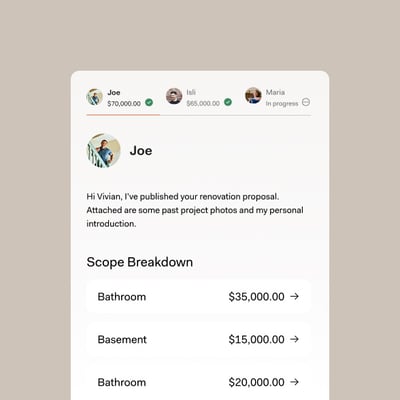
    Easily compare contractor quotes with intuitive layouts, and side-by-side comparisons to help you make the best choice.
    Get a Quote

    Finding the right site in Miami for your custom home

    An experienced home builder provides guidance in evaluating potential lots, though Miami's waterfront and flood zone complexities mean engineering investigations prove essential for any serious property consideration. They assess site characteristics that dramatically impact project feasibility and budget in Miami's challenging coastal environment.

    Site evaluation considerations include:

    • Soil quality and site stability: Miami sits atop limestone bedrock with shallow soil cover throughout most of the county, creating unique foundation conditions. The porous Miami limestone lies close to the surface, sometimes within inches of grade, providing excellent bearing capacity but complicating excavation for pools and utilities. Waterfront properties may have fill material placed over original limestone, requiring investigation to ensure proper compaction. High water tables throughout Miami-Dade County mean most excavations encounter groundwater, requiring dewatering during construction. Marine borers and sulfate attack affect coastal areas, requiring concrete mixtures with specific characteristics for durability in salt water exposure.
    • Utilities access: Most developed Miami neighborhoods offer municipal water, sewer, electricity, and natural gas or propane service through Miami-Dade Water and Sewer, Florida Power & Light, and various gas providers. Waterfront properties sometimes require utility line extensions or upgrades to support large homes with substantial electrical and water demands. High-speed internet access varies, with fiber increasingly available in developed areas including Coral Gables, Coconut Grove, and Miami Beach but limited in some neighborhoods relying on cable service.
    • Zoning and restrictive covenants: Miami-Dade County and various municipalities enforce complex zoning regulations governing lot coverage, building height particularly for waterfront views protection, and setback requirements. Coral Gables maintains notoriously strict architectural review processes requiring Mediterranean Revival or compatible styles with specific material requirements. Miami Beach and other municipalities enforce design review ensuring architectural quality and neighborhood compatibility. Waterfront properties face additional regulations regarding docks, seawalls, and environmental protection.
    • Lot slope and drainage: Miami's predominantly flat topography with elevations rarely exceeding 10 feet above sea level creates challenging drainage conditions throughout the county. All properties require careful grading and drainage design channeling water away from structures despite minimal natural slope. Waterfront properties face tidal influences affecting drainage patterns. Properties in low-lying areas require substantial fill to achieve required elevations above base flood elevation, sometimes requiring 3-5 feet of fill material costing $30,000-$80,000 or more.
    • Proximity to amenities: Access to beaches, Miami International Airport, Brickell financial district, or Coral Gables business areas affects daily convenience and property values. Proximity to quality retail including Miracle Mile, Design District, or Bal Harbour Shops influences lifestyle satisfaction. Access to quality private schools proves important for families given Miami-Dade County public schools' varied performance.
    • Environmental concerns or hazards: FEMA flood zone designations prove critical throughout Miami-Dade County, with most properties in flood zones requiring flood insurance costing thousands annually and elevated construction. Hurricane storm surge risk varies by proximity to water and elevation, with waterfront properties facing potential severe inundation during major hurricanes. Sea level rise concerns affect long-term property values in low-lying coastal areas. Salt spray affects finishes and landscaping near coastlines, requiring proper material selection and maintenance.
    • View, orientation, and privacy: Waterfront properties with views of Biscayne Bay, Atlantic Ocean, or Miami skyline command substantial premiums, with home orientation and window placement critical to capitalizing on these assets. Eastern exposures provide sunrise views and morning light while western exposures offer sunset vistas but increase afternoon heat gain. Prevailing easterly breezes from the Atlantic affect outdoor space functionality and whether natural ventilation supplements mechanical cooling during mild winter months.

    Miami homeowners prioritize waterfront access, proximity to quality private schools, and security when selecting lots. Views, architectural review compatibility, and proximity to cultural amenities also factor heavily into site selection decisions in Miami's image-conscious international market.

    Popular custom home styles and trends in Miami

    Miami custom homeowners embrace architectural expressions reflecting the city's international character, tropical climate, and evolution from Art Deco heritage toward contemporary designs defining global luxury architecture.

    • Contemporary tropical modern homes with clean lines, expansive glass, and seamless indoor-outdoor integration dominate Miami's luxury custom market. Flat or low-slope roofs, floor-to-ceiling disappearing glass walls, and minimalist interiors create sophisticated spaces maximizing water views and tropical breezes. Mixed materials including stone, wood, and metal combine in refined compositions expressing international design sensibilities.
    • Mediterranean Revival homes with stucco exteriors, clay tile roofs, and arched openings remain popular particularly in Coral Gables where architectural review boards encourage or mandate these historically-rooted styles. Interior courtyards, covered loggias, and decorative details create elegance suited to tropical climate. These designs prove popular with traditional buyers and Latin American families appreciating European-influenced architecture.
    • Modern Miami Beach style with Art Deco influences, nautical details, and pastel palettes references the city's architectural heritage while incorporating contemporary conveniences. Streamline Moderne elements, porthole windows, and tropical materials create distinctive expressions celebrating Miami's design legacy while providing modern functionality.
    • Tropical contemporary homes emphasizing natural materials, lush landscaping, and biophilic design create connections between interior and exterior spaces. Natural stone, tropical hardwoods, and extensive glazing bring nature into living spaces while covered terraces and water features create resort-like environments.
    • Outdoor living spaces with summer kitchens, infinity pools, and cabanas serve as essential features transforming backyards into primary living areas given Miami's year-round warm climate. Automated screens, misting systems, and ceiling fans extend comfort during hot months. Many Miami homes dedicate equal or greater design attention and budgets to outdoor spaces as interior rooms.
    • Smart home technology with comprehensive automation proves standard in Miami luxury homes, controlling climate, security, lighting, entertainment, and pool systems. Remote monitoring appeals to international owners spending time between multiple residences worldwide.
    • Hurricane-resistant features exceeding code requirements have become selling points, with buyers specifically seeking enhanced protection including impact-resistant garage doors, reinforced construction, and whole-house generators ensuring comfort and security during storm events.

    Additional articles to help prepare you for the home building process

    Comprehensive resources for planning your Miami custom home project:

    • Buy vs. Building Your Next Home - Detailed Cost Breakdown: This article compares purchasing existing Miami inventory versus custom construction, helping you evaluate factors like waterfront access, architectural control, and investment returns in one of America's most dynamic international markets.
    • New Home Construction Timelines & Important Factors: Understanding realistic construction schedules helps Miami homeowners navigate complex permitting processes, hurricane season considerations, and maintain appropriate expectations for projects commonly taking 18+ months from planning to completion.
    • Your House Rehabbing Checklist, and FAQs—Answered: For Miami homeowners considering renovation of existing properties in established neighborhoods, this guide addresses budgeting, hurricane code upgrades, and contractor selection for rehabilitation projects.
    • How to Negotiate with a Contractor before your Home Remodel: This resource provides negotiation strategies Miami homeowners can apply when finalizing custom home builder contracts in a premium market where international standards and hurricane requirements create complexity.
    • Remodeling a Home for Multigenerational Home Living: Miami families planning custom homes that accommodate aging parents or adult children benefit from design strategies providing privacy, accessibility, and shared spaces within single-family structures.

    Partner with Block to find your ideal Miami home builder

    Block Renovation connects Miami homeowners with thoroughly vetted custom home builders through a curated matching process that evaluates your project scope, budget, and design preferences. Our platform pre-screens builders for proper Florida licensing, comprehensive insurance coverage, and demonstrated track records of quality work across Miami's unique construction challenges including High Velocity Hurricane Zone requirements and waterfront construction. Miami clients receive multiple qualified proposals from builders experienced with Miami-Dade codes and international design standards.

    Block Protections safeguard your investment by holding project funds in escrow and releasing payments only when construction milestones are verified complete and meet quality standards. This structured payment approach protects homeowners from contractor default while ensuring builders receive fair compensation for completed work. Transparent payment schedules aligned with construction progress create accountability throughout the extended custom home building process.

    Questions to ask Miami home builders when making your final selection

    Finding the right builder requires evaluating not just their construction capabilities but also their experience with Miami's stringent building codes and their communication style throughout lengthy projects. Questions to ask potential Miami custom home builders include:

    • What experience do you have building to Miami-Dade High Velocity Hurricane Zone requirements and what is your track record for passing inspections? Their knowledge of Miami-Dade product approvals, structural requirements, and inspection processes reveals whether they truly understand Miami construction or will face repeated failures and delays.
    • How do you coordinate elevated foundation construction and flood zone compliance for waterfront properties? Experience with elevated structures, proper waterproofing, seawalls, and FEMA compliance indicates whether they can deliver waterfront projects meeting complex requirements without costly mistakes.
    • What is your process for managing international material sourcing and ensuring products meet Miami-Dade approval requirements? Understanding their supply chain relationships and product approval verification reveals whether they can deliver European fixtures and materials while meeting local codes.
    • Can you provide references from recent waterfront or Coral Gables projects? Direct conversations with past clients who built in similar conditions reveal their expertise handling complex architectural review, waterfront construction, and whether they deliver promised luxury quality.
    • How do you establish budgets accounting for Miami's premium costs and potential unknown conditions on waterfront sites? Their approach to contingencies, transparent communication about discovery risks, and track record for managing budgets reveals whether they understand Miami construction's complexity and costs.
    Danny Wang

    “The right contractor isn’t just about price. Fit, communication style, and experience matter just as much.”

    Ready to move ahead? Talk to Miami custom home builders to get started

    Building a custom home in Miami offers the opportunity to create spaces perfectly suited to tropical living while taking advantage of the city's international culture, waterfront lifestyle, and year-round outdoor climate. Thorough planning around hurricane protection, flood requirements, and design features maximizing indoor-outdoor living transforms complex processes into distinctive homes expressing personal style within Miami's unique coastal environment. Connect with experienced Miami custom home builders to discuss your vision, evaluate potential sites, and begin creating your ideal South Florida home.

    Remodel with confidence through Block

    Happy contractor doing an interview

    Connect to vetted local contractors

    We only work with top-tier, thoroughly vetted contractors

    Couple planning their renovation around the Block dashboard

    Get expert guidance

    Our project planners offer expert advice, scope review, and ongoing support as needed

    Familty enjoying coffee in their newly renovated modern ktchen

    Enjoy peace of mind throughout your renovation

    Secure payment system puts you in control and protects your remodel

    Get Started

    Frequently asked questions

    I want to build a second home on my property; how do I know if it qualifies as an ADU?

    Accessory Dwelling Units in Miami-Dade County must comply with zoning regulations that vary by municipality and zoning district, with some areas prohibiting ADUs entirely while others allow them with restrictions. ADUs typically cannot exceed 50% of the primary residence square footage or specific caps around 1,000 square feet. Coral Gables maintains strict regulations often prohibiting ADUs or requiring special exceptions. Waterfront properties face additional setback requirements. Many neighborhoods have deed restrictions prohibiting ADUs regardless of zoning. Consulting with Miami-Dade County Planning or your municipality's planning department and reviewing property restrictions clarifies feasibility before investing in design work.

    What are common issues that cause permits to be denied?

    Permit denials in Miami typically stem from inadequate structural engineering for High Velocity Hurricane Zone requirements, with load path calculations, wind pressure resistance, and product approvals essential for approval. Properties in flood zones lacking proper elevation documentation or compliant foundation designs face rejection. Inadequate drainage and stormwater management plans prevent approval given Miami's challenging conditions. Waterfront properties need environmental permits for docks or seawalls before building permits issue. Coral Gables properties not conforming to Mediterranean Revival design guidelines face rejection. Complete submittal packages with Miami-Dade product approvals, engineering calculations, energy code compliance, and flood certifications prove essential.

    What custom home features should I incorporate to boost resale value?

    Waterfront access with quality docks for bay or ocean properties commands substantial premiums as boating lifestyle proves central to Miami luxury living. Impact-resistant windows and doors throughout provide hurricane protection while infinity pools with water views create resort-style living environments highly desired. Smart home automation with comprehensive controls appeals to international buyers accustomed to technology integration. European kitchen appliances and imported finishes meet expectations of Miami's sophisticated buyers. Generator systems ensuring comfort during power outages prove increasingly important. Coral Gables or Coconut Grove addresses command premiums for prestige and school access.

    What are ideas for weatherproofing my new Miami home?

    Enhanced hurricane protection exceeding Miami-Dade's already stringent requirements includes impact-resistant garage doors rated for large missiles, reinforced safe rooms with independent structural systems, and roof systems designed for wind speeds exceeding code minimums. Whole-house generators sized for extended operation ensure comfort during multi-day outages common after major hurricanes. Proper salt-air resistant finishes including marine-grade stainless steel hardware and protective coatings prevent corrosion. Advanced drainage systems including French drains, sump pumps with battery backup, and elevated foundations well above minimum base flood elevation protect against storm surge and sea level rise. Seawalls for waterfront properties require proper engineering withstanding wave action and potential surge impacts.