



Basement
1,000 Square Foot Basement Floor Plans: 4 Layouts
06.11.2026

10.25.2024


In This Article
Are you dreaming of transforming your basement into a functional living space and wondering about the costs involved?
In 2026, finishing a 1,000-square-foot basement can range from $7,000 to $23,000, depending on various factors like size, design, and type.
Whether you're envisioning a cozy family room or a sleek home office, understanding these costs will help you plan your project effectively. Let's get into what you need to know to create the basement of your dreams!
Learn More: How to Plan Your Renovation Budget
When transforming your basement, several key factors shape the overall cost including the size of the area, the type of basement (unfinished or partially finished), labor expenses, and other necessary elements like waterproofing and insulation. Understanding these drivers can help you tailor your renovation to fit both your vision and your budget. At the end, we’ll also give top tips for reducing these costs as much as you can.
When planning to finish your basement, one of the first things to consider is the size of the space. The cost largely depends on how big your basement is.
Think of it like this: the more space you have, the more materials you need and work there is, which means higher costs. Here’s a simple guide to give you an idea of what to expect based on different basement sizes:
|
Basement Size
(sq ft) |
Cost Range
|
Potential Uses
|
|
400 sq ft
|
$2,800–$9,200
|
Cozy reading nook, small office, or hobby space
|
|
500 sq ft
|
$3,500–$11,500
|
Compact entertainment area, guest room
|
|
700 sq ft
|
$4,900–$16,100
|
Home theater, playroom, or dual-purpose space
|
|
800 sq ft
|
$5,600–$18,400
|
Fitness room with lounge area
|
|
1,000 sq ft
|
$7,000–$23,000
|
Full living suite with kitchenette
|
|
1,200 sq ft
|
$8,400–$27,600
|
Multi-room layout, including bathroom
|
|
1,500 sq ft
|
$10,500–$34,500
|
Mini apartment with dining space
|
Things to Keep in Mind:
This table can serve as a handy reference as you plan your basement project, helping you strike the right balance between cost and creativity!
Turn your renovation vision into reality
Get matched with trusted contractors and start your renovation today!
Find a Contractor
The type of your basement plays a big role in determining the cost of finishing it. Generally, basements fall into two categories: unfinished and partially finished. An unfinished basement usually has exposed pipes, ductwork, and very basic utility areas, so there's more work to do.
On the other hand, a partially finished basement may already have flooring and some drywall, which means less effort to transform it into a livable space.
Unfinished Basements
These typically require a complete overhaul, including framing, insulation, drywall, and all the basics to make it comfortable. This comprehensive remodeling can range from $10,000 to $25,000, depending on size and design choices. However, it also provides a blank canvas for your creative vision, allowing you to design it exactly as you wish.
Partially Finished Basements
With some elements like flooring and drywall already in place, the cost can be lower, usually ranging from $5,000 to $15,000. This can be a more budget-friendly option if you’re looking to upgrade or expand on what's already there without starting from scratch.
The choice between these types influences not just the budget but also the scope and timeline of your project. Understanding these differences helps you plan better and customize your basement to fit your unique needs and style.
Labor Costs
Labor is a significant part of the overall expense when finishing your basement, often requiring skilled professionals for specialized tasks.
Here's a look at what various specialists might contribute to your project, along with rough cost estimates:
General Contractors
Overseeing the entire project, their expertise can save you time and stress. Typically, hiring a general contractor can add about 10% to 25% to your total cost, translating to an extra $1,000 to $5,000 depending on the complexity and size of your project.
Plumbers and Electricians
Crucial for ensuring safety and compliance with building codes, plumbers and electricians usually charge between $45 to $200 per hour. You can expect to pay around $2,500 to $5,000 for comprehensive plumbing work and $3,000 to $5,000 for electrical installations, depending on the extent of the work.
Carpenters and Flooring Specialists
Carpenters, who build walls and install shelves, typically charge $700 to $1,600 for framing. Flooring specialists can add $1,500 to $4,500, ensuring a polished finish on your floors with materials like laminate or wood.
Deciding which tasks to DIY and which to leave to professionals can make a big difference in your budget. While hiring experts might seem costly upfront, their skills and know-how can prevent potential mistakes, leading to a high-quality finished space.
Transparent Pricing You Can Trust

Beyond size and labor, several additional expenses can impact your basement finishing budget. These costs are essential for creating a comfortable, safe, and inviting space. Here's a breakdown of some other common expenses you might encounter:
Addressing issues like cracks or foundation weaknesses is imperative for the safety and longevity of your basement.
These repairs range from $2,160 to $7,735, depending on the extent and specific requirements of the work. Ignoring structural problems can lead to severe issues down the line, making this investment essential early in the renovation process.
Waterproofing protects your basement from moisture damage, which is especially important in areas prone to flooding such as the bathroom.
Options include sump pumps and vapor barriers, costing between $640 to $2,090. Investing in waterproofing is not only about immediate protection; it also saves money on future repairs related to moisture problems, such as mold and water damage.
To create a comfortable and energy-efficient environment, insulation prices range from $1,400 to $6,300. Ventilation prevents moisture build-up and ensures fresh air circulation.
Proper insulation also reduces energy bills by maintaining a stable indoor temperature, making it a worthwhile investment for your basement's livability.
The choice of finishes significantly impacts both aesthetic appeal and cost. For drywall and ceilings, expenses can range from $800 to $9,000, while flooring costs fall between $1,500 and $4,500.
Durable materials may require a higher initial investment, but they can enhance the overall value and usability of your basement.
Adding or upgrading windows like egress varieties increases natural light and room safety, with costs from $2,650 to $5,650.
Installing quality doors also enhances security and accessibility. Meeting building codes through these improvements not only increases safety but can also add to your home's market appeal.
Installing or updating systems ensures functionality and compliance, costing around $2,500 to $5,000 for plumbing and $3,000 to $5,000 for electrical work.
Properly installed systems are vital for safety and efficiency, addressing current needs and preparing for future technology upgrades.
Outfitting your basement includes furniture, fixtures, and optional luxury elements, starting at around $2,000. Selecting durable and versatile pieces allows you to create a space that adapts to various uses over time, maximizing your basement's potential with thoughtful interior design.
Learn More: 10 Things to Consider Before Starting a Home Renovation
Securing necessary permits ensures that your renovations meet local and national building codes, with costs generally between $1,160 and $1,350.
Accomplishing permit requirements early can prevent costly deviations or delays, contributing to a smoother project timeline and completion.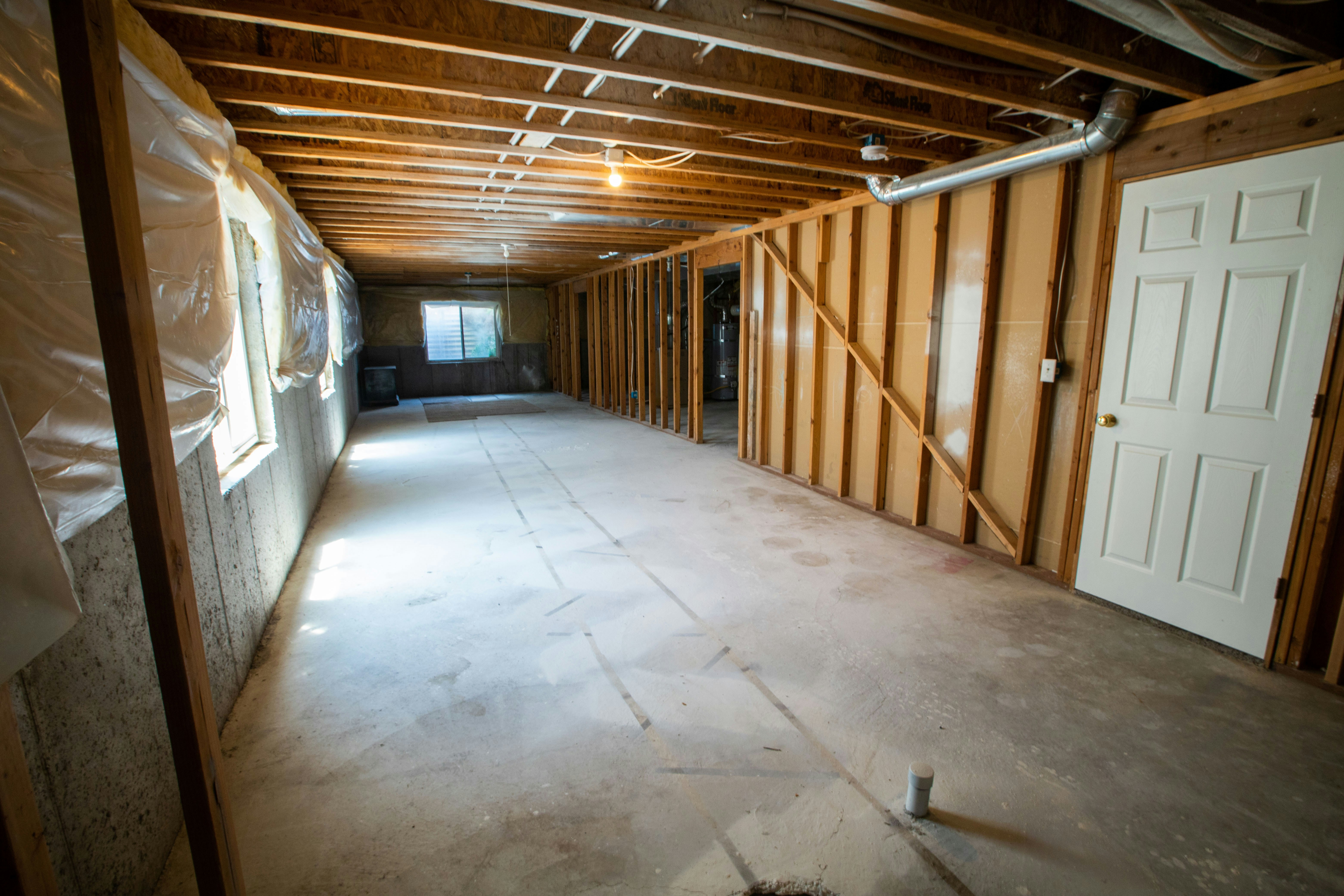
While finishing a basement is a valuable investment, there are ways to manage expenses and make the most out of your budget. Here are some practical tips to help you cut costs without compromising quality:
Opt for an Open Floor PlanSimplifying your design with an open floor plan can eliminate the need for additional walls, doors, and insulation, reducing both material and labor costs. This approach not only saves money but also creates a more spacious and versatile area for various activities.
Choose Cost-Effective MaterialsBe smart about your material choices. Choose mid-range options or floor models for everything from flooring to fixtures. This can save a significant amount while still achieving a polished look. Investing in durable materials ensures they withstand wear and tear, reducing maintenance costs over time.
DIY Where PossibleTake on simpler tasks yourself, such as painting, installing molding, or setting up furnishings. This not only saves money but also adds a personal touch to your finished space. Learning new skills through DIY projects can be gratifying and may inspire future home improvement endeavors.
Use Existing Plumbing and Electrical LinesMinimize costly rerouting by keeping as much of your existing plumbing and electrical infrastructure as possible in your plans. This will save on labor and material expenses. Consulting with professionals on the feasibility of your existing layouts can ensure safety and compliance with building codes.
Skip Non-Essentials InitiallyFocus on finishing the space structurally and save discretionary items like luxury furnishings or specific upgrades for later. This phased approach allows you to spread costs over time. Prioritizing essential elements helps you see progress and function in your basement sooner, boosting overall satisfaction.
Shop Sales and DiscountsAlways be on the lookout for sales, discounts, or clearance items for materials and furnishings. Seasonal sales and bulk purchase discounts can add up to substantial savings. Crafting a shopping timeline around these sales can significantly reduce project costs, enhancing overall affordability.
Deciding whether to take on your basement finishing project yourself or hire professionals is a crucial consideration that affects cost, timeline, and the final outcome of your space. Each approach has unique advantages and challenges, depending on your skills, budget, and the complexity of the work.
|
Aspect
|
Professional Finishing
|
DIY Finishing
|
|
Expertise
|
High level of expertise and industry knowledge
|
Requires personal learning and skill development
|
|
Code Compliance
|
Ensures full compliance with local building codes
|
Must research and adhere to codes independently
|
|
Project Management
|
Coordinated by a general contractor for efficiency
|
Self-managed, offering flexibility and control
|
|
Quality Assurance
|
Guarantees and warranties typically provided
|
No formal guarantees; relies on personal diligence
|
|
Cost
|
Higher upfront costs due to labor charges
|
Lower costs if done correctly, primarily for materials
|
|
Time Commitment
|
Generally faster due to professional scheduling and expertise
|
Can take significantly longer, varying with personal schedule
|
|
Customizability
|
Professionals may offer design services
|
High level of personal customization possible
|
|
Potential Risks
|
Lower risk due to professional oversight
|
Higher risk of mistakes, requiring careful planning
|
Opting for professional assistance often provides peace of mind and high-quality results. Here’s what to expect:
Expertise and Experience
Professional contractors bring a wealth of knowledge to the table, ensuring that the basement is finished to high standards. Their experience in tackling challenges means they’re well-equipped to handle unexpected issues that could arise, such as structural anomalies or complex installations.
Code Compliance and Safety
Licensed professionals are familiar with local building codes and safety regulations, guaranteeing that your basement meets the necessary criteria. This is particularly important for plumbing and electrical work, where compliance can prevent potential hazards and future legal issues.
Efficient Project Management
Hiring a general contractor can streamline the coordination of different trades, from carpenters to electricians, ensuring a smooth workflow. This can result in a shorter project timeline, preventing delays that could occur when managing it independently.
Quality Assurance
Professionals offer warranties or guarantees on their work, providing additional security and protection for your investment. This coverage means that if issues arise post-completion, repairs or adjustments are typically covered by the contractor.
Cost Considerations
While hiring professionals can be more expensive upfront, their expertise can prevent costly mistakes that may arise from a DIY approach. The cost typically includes labor, materials, and sometimes design services, offering a comprehensive package.
Design a Home That’s Uniquely Yours
Block can help you achieve your renovation goals and bring your dream remodel to life with price assurance and expert support.
Get Started
A DIY approach can be an empowering and cost-effective option if you're prepared to dedicate the time and effort needed. Here’s what to consider:
Cost Savings
Undertaking the project yourself can significantly reduce labor costs, allowing you to allocate more of your budget to quality materials or extra features. However, it’s crucial to accurately assess your skill level to avoid errors that may require costly professional repairs later.
Flexibility and Control
DIY projects let you work at your own pace, making changes as you go without needing to adhere to a contractor’s schedule. This level of control is ideal if you have specific aesthetic preferences or want to personalize the space with unique touches.
Skill Development
Completing a basement can be a rewarding opportunity to learn new skills and gain confidence in home improvement tasks. There are numerous resources available, from online tutorials to DIY forums, to guide you along the way.
Time Commitment
Finishing a basement on your own can take significantly longer than hiring professionals, especially if you’re balancing it with a full-time job or other responsibilities. Be prepared for the possibility that the project could extend over several months.
Safety and Compliance
Ensure that any work done complies with building codes, especially when it comes to electrical and plumbing installations, which may require a licensed professional to inspect the final work.
In deciding between professional and DIY basement finishing, consider your budget, available time, and willingness to learn. Sometimes a hybrid approach works best, where you manage DIY-friendly tasks such as painting or decorating, while leaving complex installations to experienced contractors. Whichever route you choose, thorough planning and research are key to achieving a successful basement transformation.
Investing in a basement remodel offers not only increased living space but also substantial financial benefits in terms of Return on Investment (ROI). Whether you're enhancing the comfort of your current home or preparing for a future sale, a finished basement adds significant value.
According to the National Association of Realtors, homeowners can expect to recoup around 86% of their remodeling investment.
For instance, if you invest $50,000 in transforming your unfinished basement into a cozy living area or functional space, you could potentially increase your home's resale value by approximately $43,000.
This high ROI makes basement renovations an attractive option for those looking to enhance both functionality and market appeal. Not only do you gain a versatile living area suitable for various activities—from family rooms to home offices—but you also position your home as a more desirable property in a competitive real estate market.
Moreover, a finished basement can be tailored to meet diverse homeowner needs, offering flexibility that can appeal to a wider range of potential buyers. Whether they envision using the space for entertaining, extra storage, or as independent living quarters, the adaptability of a finished basement is a strong selling point.
Finishing a basement in 2026 can be a worthwhile investment, adding valuable living space and boosting your home's resale value. Costs can range widely based on factors like size, materials, labor, and additional features such as bathrooms or wet bars. To get the best value, consider your goals, budget, and financing options, and always compare contractor quotes to ensure quality work at a fair price. Whether you're creating a cozy family room, a home office, or a rental suite, a well-planned basement renovation can significantly enhance your home’s functionality and appeal.

Renovate confidently with Block
Easily compare quotes from top quality contractors, and get peace of mind with warranty & price protections.
Basement
1,000 Square Foot Basement Floor Plans: 4 Layouts
06.11.2026

Basement
How to Convert a Basement Into a Legal Apartment (2026)
06.08.2026
Bathroom
Building a Basement Bathroom: Cost & Planning
06.01.2026
Cost
The Cost of Building a Walk-In Shower
05.22.2026
Basement
Daylight vs. Walkout Basement: Which Is Better?
05.18.2026