



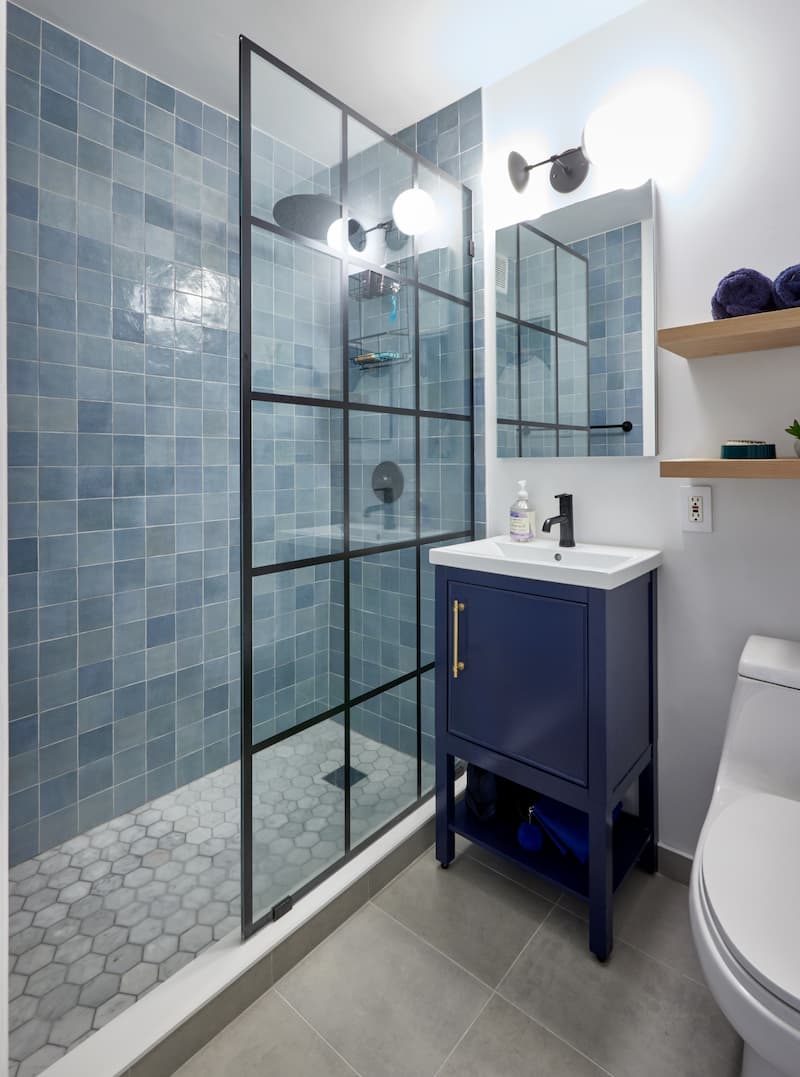

Wisconsin
Milwaukee Home Additions: Bungalow & Cape Cod Guide
05.27.2026

01.21.2026


In This Article
Milwaukee is a city of lakefront beauty, hardworking craftsmanship, and neighborhoods where historic charm meets modern living. From Bay View’s character-filled bungalows to the East Side’s classic flats and condos, your bathroom often reflects the era your home was built in. That mix makes remodeling here both exciting and very specific to each property.
A bathroom remodel Milwaukee homeowners take on can make daily routines more comfortable while improving safety, storage, and energy performance during long winters. Over time, a well-planned project can also protect older homes from moisture damage and support stronger resale appeal.
Design a Home That’s Uniquely Yours
Block can help you achieve your renovation goals and bring your dream remodel to life with price assurance and expert support.
Get Started
Bathroom remodeling costs in Milwaukee are often similar to national averages, but they can swing higher or lower depending on finishes and how old your home’s systems are. Labor availability, permit needs, and the realities of retrofitting bathrooms in older housing stock all influence pricing locally.
|
Project scope |
Cost range in Milwaukee |
|---|---|
|
Cosmetic bathroom updates |
$4,500–$12,000 |
|
Mid-level bathroom renovations |
$15,000–$35,000 |
|
Major bathroom overhaul |
$40,000–$85,000+ |
Cosmetic bathroom updates. These projects usually include paint, new light fixtures, a swapped vanity, a new toilet, updated hardware, and a basic flooring refresh without changing the room’s layout. You typically skip moving plumbing, replacing a tub with a shower that needs new rough-ins, or opening walls to chase hidden water damage. In Milwaukee, a common cosmetic project might be replacing a dated Hollywood bar light with a modern LED vanity fixture, installing a stock vanity with a prefabricated top, and adding new vinyl or simple porcelain floor tile. Materials at this level often include cultured marble vanity tops, fiberglass or acrylic surrounds, and entry-level porcelain tile.
Mid-level bathroom renovations. These projects often include a new vanity, upgraded flooring and tile, a new tub or shower unit, and improved lighting and ventilation. You might add storage and swap most fixtures while keeping the toilet, tub, and sink roughly in the same locations.
Major bathroom overhauls. These remodels usually involve layout changes, extensive tilework, and upgrades to plumbing and electrical so the room functions like a modern bath. Cost drivers include moving supply and drain lines, rebuilding shower pans, correcting old venting, and repairing subfloor damage from long-term leaks. Specific examples include widening a tight tub alcove by moving a wall, converting a tub to a curbless shower, adding a double vanity, or installing a wall-hung toilet with an in-wall carrier. Premium features like heated floors, steam showers, and custom glass enclosures can significantly increase material and labor costs.
Every bathroom and home is different, so the right plan depends on layout, mechanical systems, and how your household actually uses the space. Still, Milwaukee homeowners often prioritize weather-ready materials, reliable ventilation, finishes that hold up to hard water, and smart use of tight square footage in older floor plans.
Milwaukee’s long winters and big temperature swings can stress materials, increase condensation risk, and make comfort features feel less optional. Bathrooms sit at the intersection of plumbing, exterior walls, and ventilation, so small design decisions have long-term consequences. If your bathroom includes an exterior wall, insulation and air sealing become practical remodeling priorities, not just nice extras.
Prioritize consistent heat at the floor and shower zone. Radiant floor heat or a correctly sized bath fan/heater combo can make winter mornings more comfortable and reduce condensation when warm showers hit cold surfaces.
Use materials that tolerate seasonal expansion and contraction. Quality thinset, waterproofing membranes, and flexible sealants help tile and surrounds move slightly with temperature changes without cracking, which matters when framing picks up both deep cold and summer humidity.
Treat ventilation as a moisture-management system, not an accessory. A properly sized, ducted exhaust fan helps prevent fogging, peeling paint, and mildew, and it protects insulation and framing from repeated damp cycles common in cold climates.
Plan storage that keeps towels and toiletries dry and warm. Closed cabinetry, towel hooks away from drafty exterior walls, and perhaps a heated towel bar can reduce musty odors and make daily use more comfortable in midwinter.
Many Milwaukee bathrooms sit inside housing built long before current plumbing codes and modern ventilation expectations. In neighborhoods like Bay View, Riverwest, and Washington Heights, you may be opening walls that have not been touched for decades. That makes contingency planning an essential part of your budget.
Expect some plumbing replacement in homes with galvanized or mixed piping. Old galvanized lines can be corroded inside, restricting flow and staining fixtures, so your plumber may recommend replacing sections with copper or PEX.
Plan for electrical upgrades if you have old wiring or limited circuits. Adding a dedicated circuit for hair dryers, heated floors, or extra lighting can trigger work at the panel, especially in older duplexes and bungalows.
Address uneven floors and tired joists before adding tile. Leveling compound, sistered joists, or new subfloor panels can add cost, but they help prevent cracked tile and failed shower pans.
Correct poor ventilation instead of reusing old fans. If your existing fan vents into the attic or is undersized, reworking the duct path and installing a better fan is money well spent to protect plaster, framing, and insulation.
Leave room in the budget for hidden water damage. Tile-on-plaster showers or old tub surrounds often conceal rot around the curb or window. Building in a 10–20% contingency helps you move forward when those issues appear.

“High‑quality plumbing fixtures matter because the most expensive components are hidden behind the walls, not what you see.”
Many Milwaukee homes, especially older bungalows, duplexes, and narrow-lot houses, have compact bathrooms. You may have a radiator, multiple doors, or a window that limits how far you can move fixtures. Instead of trying to fit everything into a tight room, focus on improving circulation, storage, and light.
Wall-hung vanity
Pocket door
Larger-format tile
Frameless glass shower panel
Recessed medicine cabinet
Layered lighting plan
A wall-hung vanity and a frameless shower panel can create a sense of openness by exposing more floor and reducing visual barriers. Larger-format tile with narrow grout joints can make the room read as calmer and slightly larger. A recessed medicine cabinet provides storage without protruding into tight walkways, and a combination of recessed lights, vanity lighting, and possibly a small ceiling fixture helps eliminate shadows.
Milwaukee has a substantial renter population, especially around Marquette, UWM, and major job centers. If you own a rental or a duplex, the bathroom can strongly influence how quickly a unit rents and how often you get maintenance calls. Materials that can take frequent use and quick turnovers are usually worth the investment.
Use LVT or porcelain tile flooring for durability and easy cleaning. LVT with a good wear layer or hard-fired porcelain tile stands up to repeated mopping and minor water spills better than old sheet vinyl.
Choose a simple, glossy white subway tile for shower surrounds. It is widely available, reasonably priced, and easy to patch if a future repair requires opening the wall.
Install a standard-size tub/shower unit or alcove tub. Keeping to common sizes makes future replacements simpler and cheaper, especially in multi-unit buildings.
Pick a mid-tone satin or brushed hardware finish. Mid-tone finishes hide fingerprints and water spots better than polished chrome, so fixtures look cleaner between tenant move-ins.
Use a wall color that is easy to touch up. A light, neutral paint in an eggshell or satin sheen allows you to repair scuffs and small patches without repainting the entire room.
Add a sturdy, well-lit mirror and vanity light. Tenants notice lighting and mirror quality immediately, and good lighting also reduces slip and fall risks.
Specify a strong, quiet exhaust fan. A properly rated fan reduces mold growth, aids drying after showers, and can cut down on complaints about musty odors.
Renovate with confidence every step of the way
Step 1: Personalize Your Renovation Plan
Step 2: Receive Quotes from Trusted Contractors
Step 3: Let Us Handle the Project Details
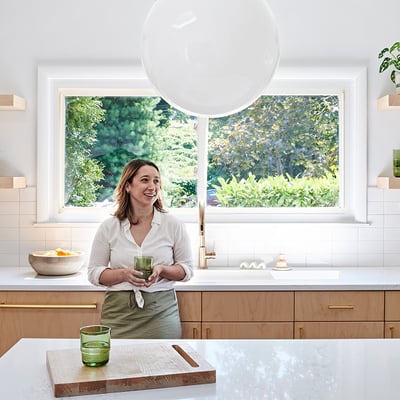
Milwaukee’s housing includes Craftsman bungalows, Cream City Brick Italianates, mid-century ranch homes, and classic duplexes. When you remodel a bathroom, taking cues from your home’s style can help the new work feel like it belongs instead of looking like it was dropped in from a different era.
Small choices go a long way: matching door styles, echoing original trim profiles, and choosing tile colors that coordinate with the exterior masonry or interior woodwork all create visual continuity. The goal is to preserve what is special about your home while upgrading what no longer serves your household well.
Craftsman bungalows in Milwaukee typically have compact footprints, warm wood trim, and efficient layouts that favor function. Bathrooms in these homes are often tight, with multiple doors and windows limiting wall space. Your design choices usually benefit from simple, honest materials that respect that character.
Use period-leaning tile patterns that feel grounded. Hex or small mosaic floors with simple borders pair well with Craftsman woodwork without feeling fussy.
Choose warm-toned metals for hardware and fixtures. Finishes like brushed brass, bronze, or warm nickel can sit comfortably next to original oak or fir trim.
Add recessed or in-wall storage where possible. Recessed medicine cabinets, shallow linen niches, and narrow built-ins help reduce clutter without shrinking the room.
Keep vanity sizes proportional to the room. A modest-width vanity with good drawers often works better than forcing in a double sink that crowds walkways.
Upgrade ventilation discreetly. Quiet, low-profile fans and clever vent locations protect original plaster and trim without drawing attention.
Cream City Brick Italianate homes around Milwaukee often have taller ceilings, narrower rooms, and ornate details. Bathrooms in these layouts can feel like they are tucked within long, linear floor plans, which changes how you think about light, height, and storage.
Use vertical tile layouts to highlight tall ceilings. Running subway or rectangular tile in a vertical stack can emphasize height and make narrow rooms feel more elegant.
Select classic mosaic floors with subtle pattern. Small basketweave or checkered designs suit the age of these homes and provide visual interest without overpowering the space.
Add sconces or high-mounted lighting to balance wall height. Lighting placed at eye level on either side of the mirror can make tall walls feel human-scaled and comfortable.
Consider pedestal or furniture-style vanities. In narrower rooms, pedestal sinks or furniture-inspired vanities can preserve circulation while nodding to the home’s original detailing.
Plan vent routes carefully in deep floor plans. Italianate homes may need longer duct runs to reach an exterior wall or roof, so coordinating the fan location early can avoid awkward soffits.
Mid-century ranch homes across Milwaukee tend to have straightforward layouts, simple trim, and practical single-level living. Their bathrooms may be a bit wider than those in older two-story homes, but can feel dated due to old tile, soffits, or low natural light.
Remove unnecessary visual bulk like oversized soffits. Eliminating unused soffits above tubs or vanities can instantly open up the room and allow for taller tile or cabinets.
Choose large-format wall tile with clean lines. Bigger tiles with minimal pattern suit mid-century simplicity and reduce grout maintenance.
Add layered lighting to replace a single, dim fixture. Combining recessed lighting, a vanity fixture, and possibly an accent light makes the space feel brighter and more current.
Use flat-panel cabinetry and simple pulls. Slab doors and straightforward hardware keep the design aligned with the home’s original style.
Consider a walk-in shower with a minimal glass panel. In secondary baths, replacing a tub with a walk-in shower can improve everyday usability, especially for aging in place.
Duplexes and bungalow flats in Milwaukee often repeat similar bathroom layouts on each floor, with shared plumbing stacks and compact footprints. You may not want, or be able, to move fixtures far without affecting both units.
Keep major plumbing locations when possible. Leaving the toilet, tub, and main sink near existing stacks helps control demolition and plumbing costs, which matters if you are renovating multiple units.
Use durable, easy-to-clean finishes. Porcelain tile, quality grout, and moisture-resistant paint can handle heavy daily use by multiple households over many years.
Add mirrored storage to increase function. Recessed medicine cabinets or mirrored cabinets above the sink provide storage and help small baths feel larger without expanding walls.
Choose standardized fixture sizes. Sticking with common tub, shower, and vanity sizes makes replacements easier if you remodel other units later or need to swap a damaged fixture.
Upgrade ventilation and lighting for comfort. Better fans and brighter, color-accurate lighting can make compact baths feel cleaner and more pleasant for both current and future occupants.
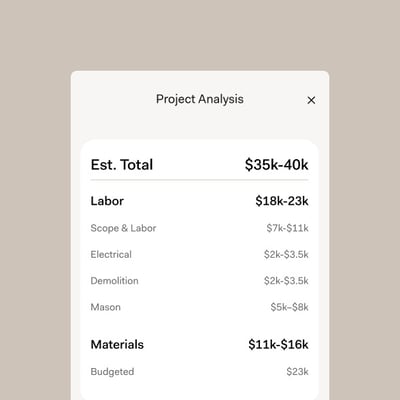
Renovation Studio is Block’s planning tool that helps you map out a renovation before construction begins. You can visualize your space, try different layouts, compare finish options, and connect those choices to cost expectations.
For a Milwaukee bathroom, that means you can explore scenarios like keeping your cast-iron tub versus converting to a walk-in shower, or comparing tile-heavy designs to more modest upgrades, and see how each path affects budget and scope. Planning this way early on can reduce mid-project changes, which are often more expensive in older homes.
Know the Cost Before You Start
Block connects homeowners with vetted, top-rated contractors and supports you as you move from planning into construction. You share your project details, and Block helps coordinate a professional whose experience aligns with the scope of your bathroom remodel.
Structured payments tied to project milestones and defined quality standards are designed to make the process feel more organized and accountable. The goal is for you to focus on design, function, and daily comfort, while having clearer expectations around who is doing the work, what it will cost, and how the project will unfold.
Remodel with confidence through Block

Connect to vetted local contractors
We only work with top-tier, thoroughly vetted contractors

Get expert guidance
Our project planners offer expert advice, scope review, and ongoing support as needed
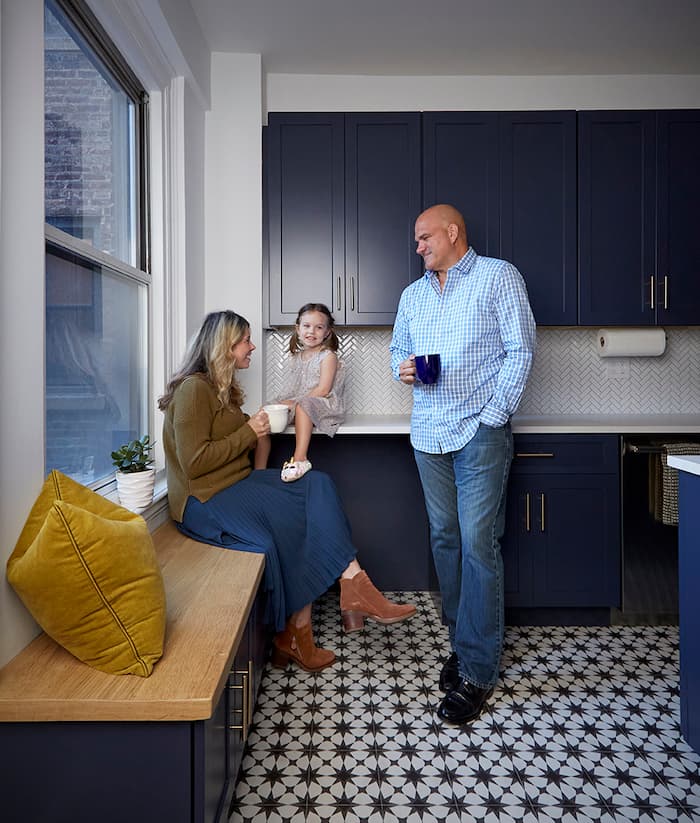
Enjoy peace of mind throughout your renovation
Secure payment system puts you in control and protects your remodel

Renovate confidently with Block
Easily compare quotes from top quality contractors, and get peace of mind with warranty & price protections.
Wisconsin
Milwaukee Home Additions: Bungalow & Cape Cod Guide
05.27.2026

Wisconsin
Home Addition Types in Madison: A Complete Menu
04.30.2026

Wisconsin
Bathroom Remodeling in Madison, WI: Costs & Other Factors
04.07.2026
.png?width=640&name=u5821215421_A_stylish_and_functional_8x8_kitchen_inspired_by__006b8dc8-5ac8-4c1f-a0b2-602b1aeae880_1%20(1).png)
Wisconsin
Kitchen Remodel in Brookfield, WI: Costs & Tips
03.25.2026

Wisconsin
Custom Home Building in Madison, WI | Cost Guide
03.17.2026