




Outdoor Spaces
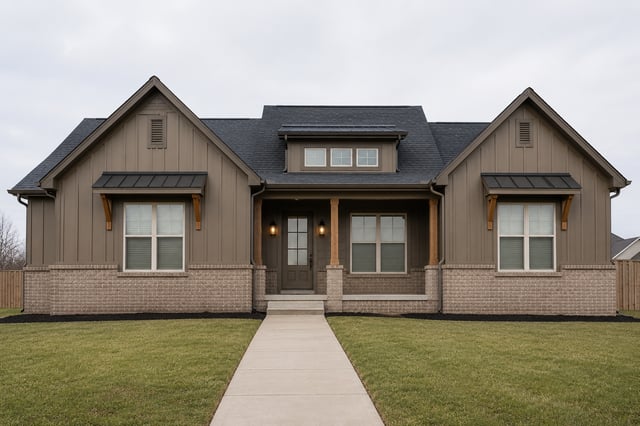
Board and Batten with Brick - Perfecting This Look
08.19.2026

04.14.2026


In This Article
In most cities, a patio is a nice addition. In Phoenix, it's the main event. From October through May, the Valley's outdoor spaces function as living rooms, dining rooms, and kitchens. Weekend mornings start on the patio with coffee. Weeknight dinners happen outside. Friends come over, and nobody goes inside until someone needs the restroom.
Then June arrives, and everything changes. Surface temperatures on an unshaded concrete patio can exceed 150°F. Metal furniture becomes untouchable. An east-facing patio that was perfect in March becomes a convection oven by 9 a.m. The difference between a patio that gets used nine months a year and one that gets used twelve comes down to one thing: shade. Everything else, the materials, the layout, the landscaping, the cooking setup, matters. But shade is the decision that makes or breaks outdoor living in the desert.
Turn your renovation vision into reality
Get matched with trusted contractors and start your renovation today!
Find a Contractor
Patio and deck costs in the Phoenix metro vary widely depending on the type, size, and features involved.
A basic concrete patio (400 to 600 square feet) typically runs $3,000 to $8,000. Stamped or stained concrete, which gives you the look of stone or tile at a lower price point, adds another $3 to $10 per square foot. Pavers, the most popular patio surface in the Valley, cost $10 to $25 per square foot installed, depending on the material and pattern.
A covered patio structure, which is where the real investment starts, typically runs $20,000 to $50,000 for a 300- to 500-square-foot space with a solid roof, posts, and ceiling fans. More elaborate setups with outdoor kitchens, built-in seating, and integrated lighting push into the $50,000 to $100,000+ range.
Wood and composite decks are less common in Phoenix than in other markets (more on that below), but when they're built, expect $25 to $50 per square foot for composite and $15 to $30 for pressure-treated wood. The extreme UV and heat exposure in the Valley makes material selection more consequential here than in milder climates.
The single most important decision for a Phoenix patio is the shade system. Without it, the space is decorative from June through September. With the right shade, it's functional year-round, even on days that hit 110°F.
A permanent solid roof, whether attached to the house as a patio cover or freestanding as a ramada, provides the most consistent shade and the most protection from the occasional monsoon rain. Solid covers block direct sun entirely and can reduce the temperature underneath by 20 to 30 degrees compared to exposed surfaces.
Materials range from wood framing with stucco to match the house (the most common approach in traditional neighborhoods) to aluminum or steel structures with insulated roof panels. A solid patio cover over a 300-square-foot space typically costs $8,000 to $25,000 depending on materials and whether it's attached or freestanding.
Pergolas provide partial shade through spaced rafters or lattice. They're more affordable than solid covers ($5,000 to $15,000 for a standard installation) and create an attractive filtered-light effect. However, in Phoenix's intense summer sun, a standard pergola doesn't block enough UV to make the space comfortable during peak hours.
Many homeowners retrofit pergolas with shade cloth, retractable canopies, or climbing vines to increase coverage. Shade cloth is inexpensive ($200 to $800 for materials) and can block 70 to 90% of UV depending on the weave density. For a more permanent solution, growing a bougainvillea or Arizona grape ivy over the pergola structure creates natural shade that thickens over two to three growing seasons.
Tension shade sails have become a popular option in Phoenix for their modern aesthetic and relatively low cost ($1,500 to $5,000 for a professional installation covering 200 to 400 square feet). They're effective at blocking UV, easy to remove seasonally, and available in colors that complement desert architecture.
The trade-off is durability. High winds during monsoon season can damage shade sails, and the fabric degrades faster in Phoenix's UV environment than the manufacturer's rated lifespan might suggest. Plan to replace shade sail fabric every three to five years, and make sure the mounting hardware is engineered for wind loads.
Misting systems don't provide shade, but they're worth mentioning because they make shaded spaces dramatically more comfortable during peak summer. Evaporative misting works exceptionally well in the desert's low humidity, dropping the perceived temperature by 20 to 30 degrees.
A professional misting system integrated into a patio cover typically costs $2,000 to $5,000 depending on the number of nozzles and the pump system. Portable misting fans are a lower-cost alternative ($100 to $500) but less effective and less attractive.
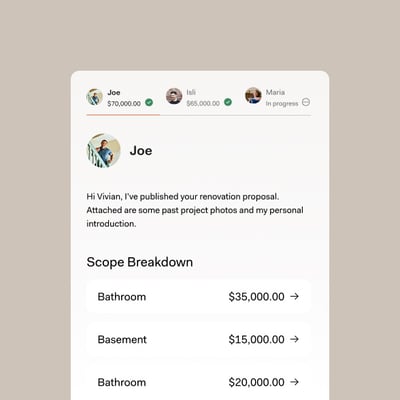
Compare Proposals with Ease
Phoenix's climate is brutal on outdoor materials. Sustained UV exposure fades and degrades surfaces. Extreme heat causes expansion and contraction that loosens fasteners and warps boards. Monsoon rains, while brief, dump heavy water on surfaces that spend most of the year bone dry.
Pavers are the dominant patio surface in Phoenix, and for good reason. Concrete pavers, travertine, and natural stone all handle the heat and UV well, and they can be installed in patterns that complement the home's Southwestern or desert contemporary style.
Color matters more than you might expect. Dark-colored pavers absorb heat and can reach surface temperatures that are painful to walk on barefoot. Lighter tones, sandstone, buff, cream, and light gray, reflect more solar radiation and stay meaningfully cooler. If you're choosing between two paver options that are otherwise equal, go lighter.
Travertine, which is natural limestone, has become a favorite for pool decks and patios in the Valley because it stays relatively cool underfoot even in direct sun. It's more expensive than concrete pavers ($15 to $30 per square foot installed) but the comfort difference in July is significant.
Traditional wood decks are uncommon in Phoenix because the climate punishes them. Pressure-treated pine warps and cracks. Cedar and redwood fare better but still require frequent maintenance. If you want a deck surface rather than a patio, composite decking (Trex, TimberTech, and similar brands) is the practical choice. It handles UV better than wood, doesn't splinter, and requires minimal maintenance.
That said, even composite decking gets hot in direct sun. A composite deck in full afternoon exposure can reach surface temperatures above 140°F, which is uncomfortable and potentially dangerous for bare feet, children, and pets. This is another reason shade is essential: a covered composite deck is comfortable; an uncovered one in July is not.
Wrought iron, steel, and aluminum furniture are all common in Phoenix, but any metal surface left in direct sun will become too hot to touch within minutes during summer. Powder-coated finishes help with durability but don't solve the temperature problem. The practical solution is shade (again) and furniture covers or cushions rated for outdoor UV exposure. Store cushions in a shaded area or storage box when not in use, as even UV-rated fabrics degrade faster in Phoenix than their rated lifespan suggests.
In Phoenix, the landscaping around your patio isn't just decorative; it's functional. The right plantings reduce reflected heat, create natural privacy screens, and soften the hardscape visually.

“Productive negotiation starts with transparency, not discounts. Share goals and adjust scope instead.”
If your Phoenix home is in a master-planned community, and a large percentage of Valley homes are, check your HOA guidelines before planning any patio or shade structure. Common restrictions include height limits on patio covers, required setbacks from property lines, approved materials and colors for shade structures, and rules about outdoor kitchens, fire features, and furniture storage.
Some HOAs require architectural review committee approval before you can build a covered patio or add a permanent shade structure. The review process can take weeks, so initiate it early in your planning timeline. In communities with strict aesthetic standards, freestanding structures like ramadas or shade sails may face additional scrutiny or need to match specific design criteria.
An outdoor kitchen in Phoenix isn't a luxury feature; it's how many families avoid heating up the house during the months when running an indoor oven means your AC works overtime. The range of options runs from a simple built-in grill island ($3,000 to $8,000) to a full outdoor kitchen with grill, side burner, sink, refrigerator, and counter space ($15,000 to $50,000+).
Placement matters. Position the cooking area under a solid cover to protect the cook from direct sun and to keep food prep surfaces at manageable temperatures. A north- or east-facing orientation is ideal. If the kitchen faces west, additional shade screening or a deeper roof overhang will make a noticeable difference in comfort during evening cooking.
Built-in materials should be chosen for heat resistance. Stucco or stone base cabinets, granite or concrete countertops, and stainless steel appliances rated for outdoor use are the standard in the Phoenix market. Avoid materials that absorb and radiate heat (dark stone, unshaded metal surfaces) in areas where people will be standing or sitting nearby.
A significant percentage of Phoenix homes have pools, and the patio and pool deck are often designed as a single integrated space. If you're building a new patio adjacent to an existing pool, or planning both together, a few Valley-specific considerations apply.
Surface temperature is the dominant concern. A pool deck in full afternoon sun can reach temperatures that are genuinely dangerous for bare feet. Travertine pavers, which stay cooler than concrete or porcelain, have become the preferred pool deck material in the Phoenix market for this reason. They cost more ($15 to $30 per square foot installed) but the comfort difference is substantial during the months when the pool gets the most use.
Cool-deck coatings applied over existing concrete are a more affordable alternative ($6 to $12 per square foot) and reduce surface temperature by 30 to 40% compared to bare concrete. They're a practical choice for resurfacing an older pool deck without the cost of a full paver installation.
Water features, from simple bubbler fountains to more elaborate spillways, add both visual interest and ambient sound that makes the patio feel cooler and more inviting. The sound of moving water has a psychological cooling effect that's real even if the thermometer doesn't move. A simple deck-mounted bubbler runs $500 to $2,000; integrated spillway features start around $3,000 and go up from there.
Phoenix's outdoor season is the inverse of most cities: the patio is most heavily used from October through May, with reduced use during peak summer. But "reduced" doesn't have to mean "none."
Features that keep the patio functional during summer include misting systems (as noted above), shade structures that block direct sun, and scheduling. Many Phoenix families shift their outdoor time to early morning (before 9 a.m.) and evening (after 7 p.m. when the sun drops below the roofline), which means lighting becomes essential. A well-lit patio that's inviting at 8 p.m. on a July evening gets used; a dark one doesn't.
For the cooler months (December through February, when overnight lows can drop into the 30s and 40s), a gas fire pit or outdoor fireplace extends evening use comfortably. Phoenix's dry air means that even moderately cool temperatures feel pleasant near a fire, and the fire feature becomes the gathering point for the season when outdoor living is at its best.
Most basic patios (slab-on-grade with no roof structure) don't require a building permit in Phoenix, though it's worth confirming with your local municipality. Covered patio structures, pergolas over a certain height, and outdoor kitchens with gas or electrical connections typically do require permits. Permit fees are modest, usually a few hundred dollars, and the inspection process ensures your structure meets wind load and setback requirements.
If your patio project involves grading or changes to drainage patterns, especially on properties adjacent to washes or flood-prone areas, additional review may apply. Phoenix's monsoon season produces intense, short-duration rainfall that can overwhelm poorly graded surfaces, so directing water away from both the patio and the home's foundation is an essential part of the design.
The difference between a patio that looks good on paper and one that actually works in the desert comes down to the contractor's local experience. Block Renovation connects homeowners with vetted, licensed contractors who understand the specific demands of building outdoor spaces in the Valley, from shade engineering to material selection to HOA compliance. You can compare detailed proposals side by side and build with protections like progress-based payments and a one-year workmanship warranty.
Remodel with confidence through Block

Connect to vetted local contractors
We only work with top-tier, thoroughly vetted contractors
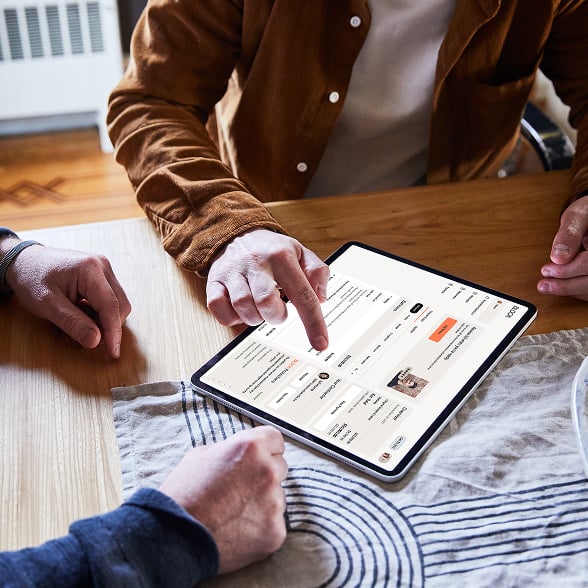
Get expert guidance
Our project planners offer expert advice, scope review, and ongoing support as needed
Enjoy peace of mind throughout your renovation
Secure payment system puts you in control and protects your remodel


Renovate confidently with Block
Easily compare quotes from top quality contractors, and get peace of mind with warranty & price protections.
Outdoor Spaces
Board and Batten with Brick - Perfecting This Look
08.19.2026
Outdoor Spaces
Deck Remodeling: Costs, Materials, and Structure
08.09.2026
Outdoor Spaces
Sunroom Roof and Glass Types: Finding the Right Style
07.13.2026

Outdoor Spaces
Porch to Mudroom Conversion: Cost and Surprises
06.09.2026
Outdoor Spaces
Building a Pool House: Costs & Design Tips
05.21.2026