



Commercial
Commercial Tenant Improvement Contractors Explained
07.27.2026
02.18.2026


In This Article
A great juice bar isn't just about what's in the cup. Walk into any of the most beloved neighborhood spots and you'll notice something right away—the space itself tells a story. The colors, the counter height, the way light hits the menu board. It all works together to create an experience that keeps people coming back.
But when you're working with a compact footprint, every design decision carries more weight. The wrong layout can bottleneck your workflow. The wrong materials can make a small space feel cramped instead of cozy. And skipping the brand details? That's a missed opportunity to stand out in a crowded market.
Whether you're opening your first location or refreshing a current one, this guide is packed with small juice bar design ideas to help you build a space that's functional, on-brand, and worth photographing.
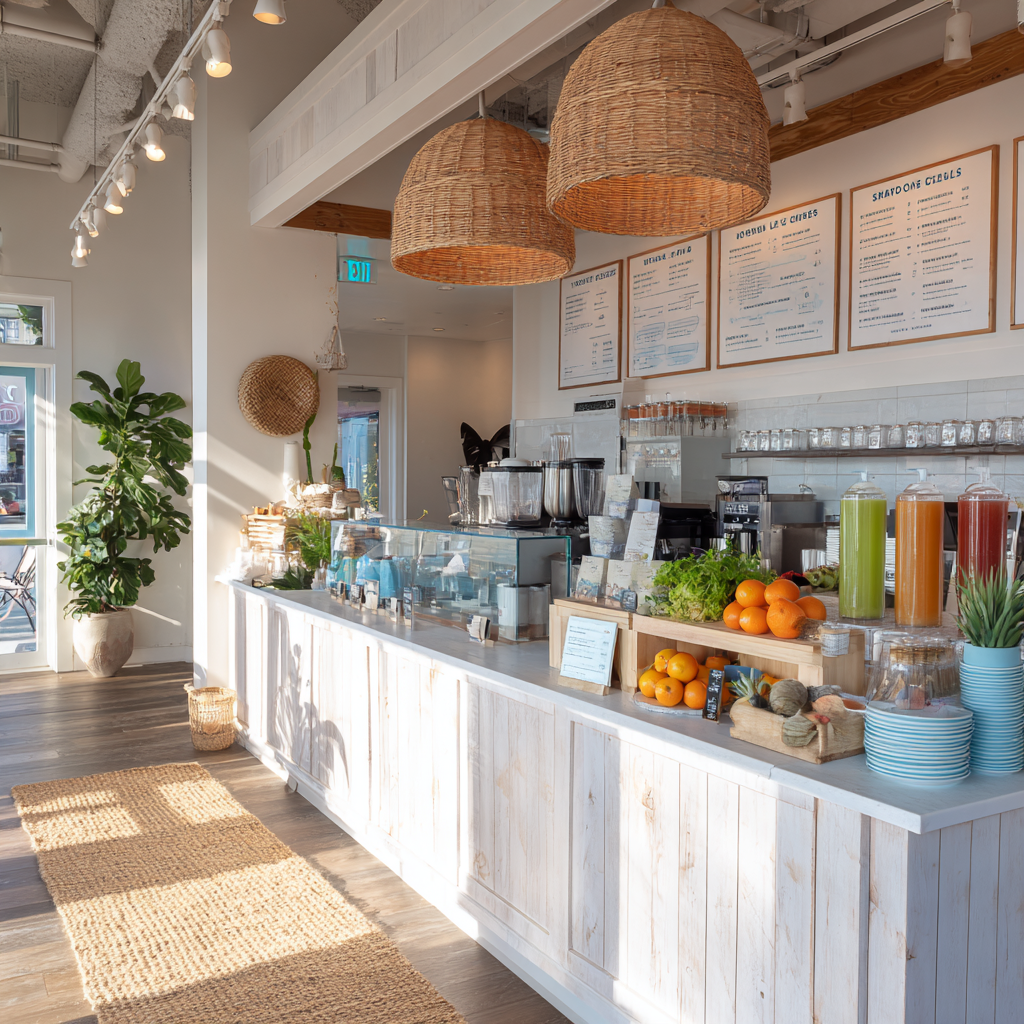
A beautiful juice bar that doesn't function well won't last. The design choices that matter most are the ones your staff will interact with hundreds of times a day—surfaces they wipe down, equipment they reach for, storage they open and close. Getting these right from the start saves time, money, and frustration.
Juice bars are wet, sticky environments. Between fruit prep, blending, and constant cleaning, your surfaces need to hold up without staining, warping, or harboring bacteria.
For countertops, your best options depend on where they sit in the space:
For your establishment’s flooring, non-slip commercial tile or sealed concrete are practical choices that also look great. Avoid materials that absorb moisture or become hazardous when wet—this is a safety issue as much as a design one.
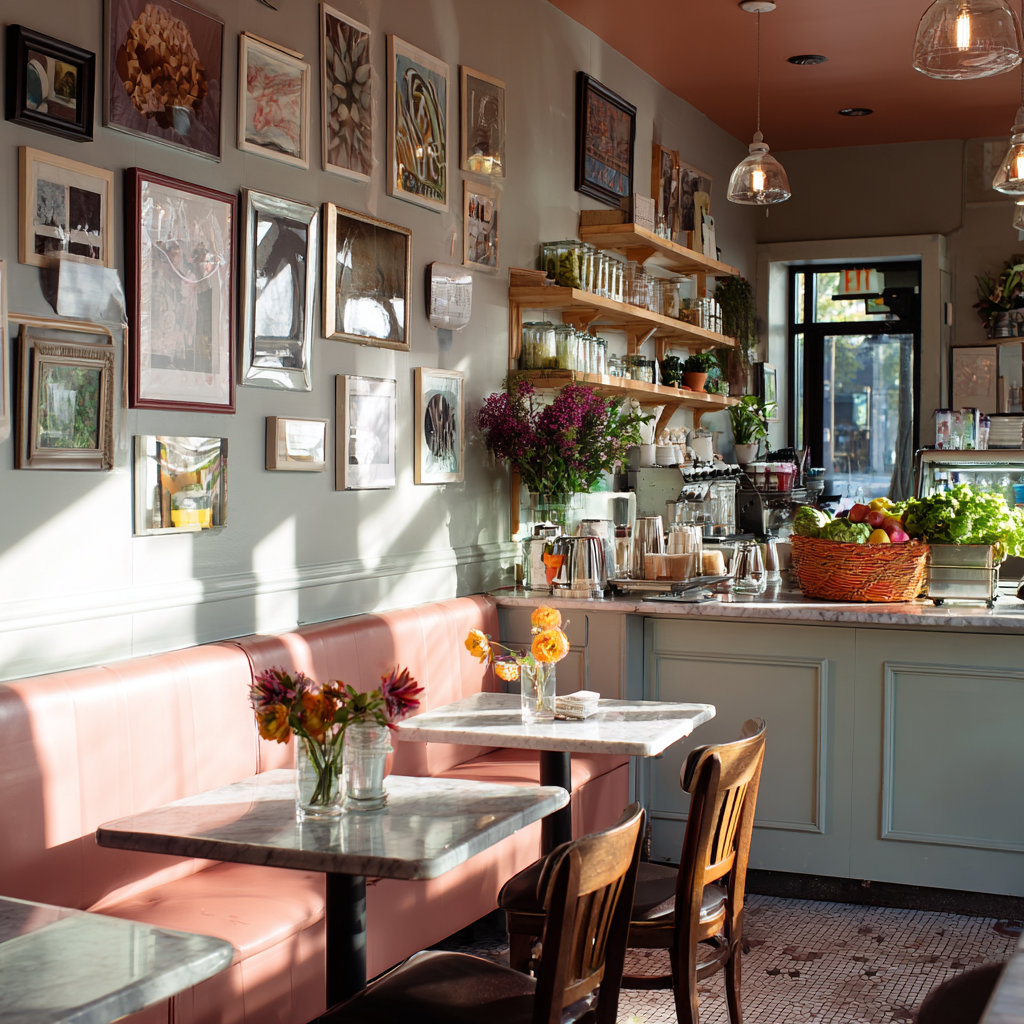
Small juice bar design ideas often focus on the visual, but behind every great layout is solid infrastructure. Your plumbing and electrical plans will dictate where your sinks, blenders, refrigeration, and POS systems can go, so these decisions need to happen early.
Most jurisdictions require a three-compartment sink plus a separate handwashing sink for commercial food service. In a small space, positioning these efficiently—close to your prep zone but out of the customer's line of sight—takes careful planning.
On the electrical side, commercial blenders and refrigeration units draw significant power. Make sure your electrical plan accounts for the load, includes enough dedicated circuits, and places outlets where you actually need them. Running extension cords in a commercial kitchen is both a code violation and a safety hazard.
Fresh produce is the backbone of your business, and how you store it directly affects quality, waste, and how quickly your team can turn out orders. In a small juice bar, storage design needs to balance volume, accessibility, and temperature control in a tight footprint.
A few principles to keep in mind:
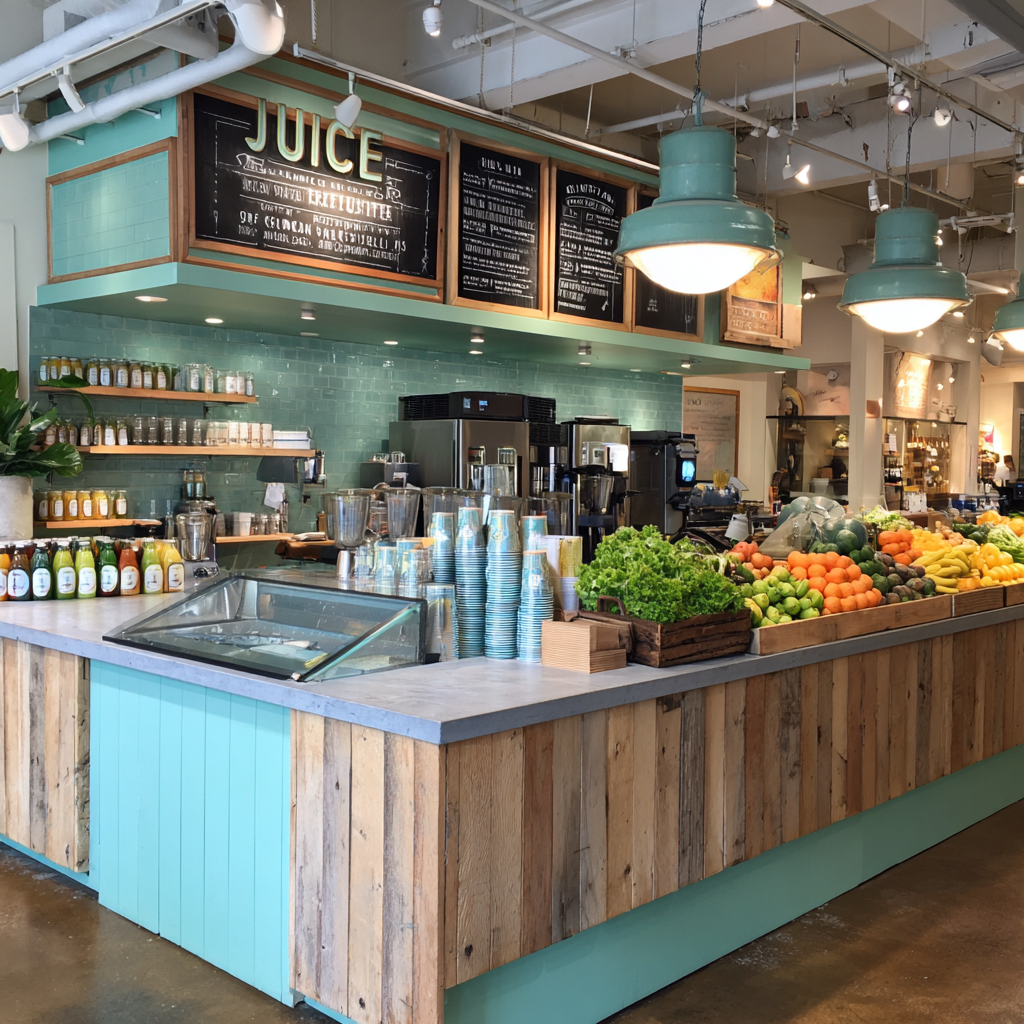
Your menu will evolve. Your team size might change. Seasonal ingredients will rotate. The best small juice bar designs account for this by building in flexibility wherever possible.
Even your layout should leave some breathing room. Resist the urge to fill every inch from day one—having a little unassigned space gives you room to adapt as you learn what your business actually needs.
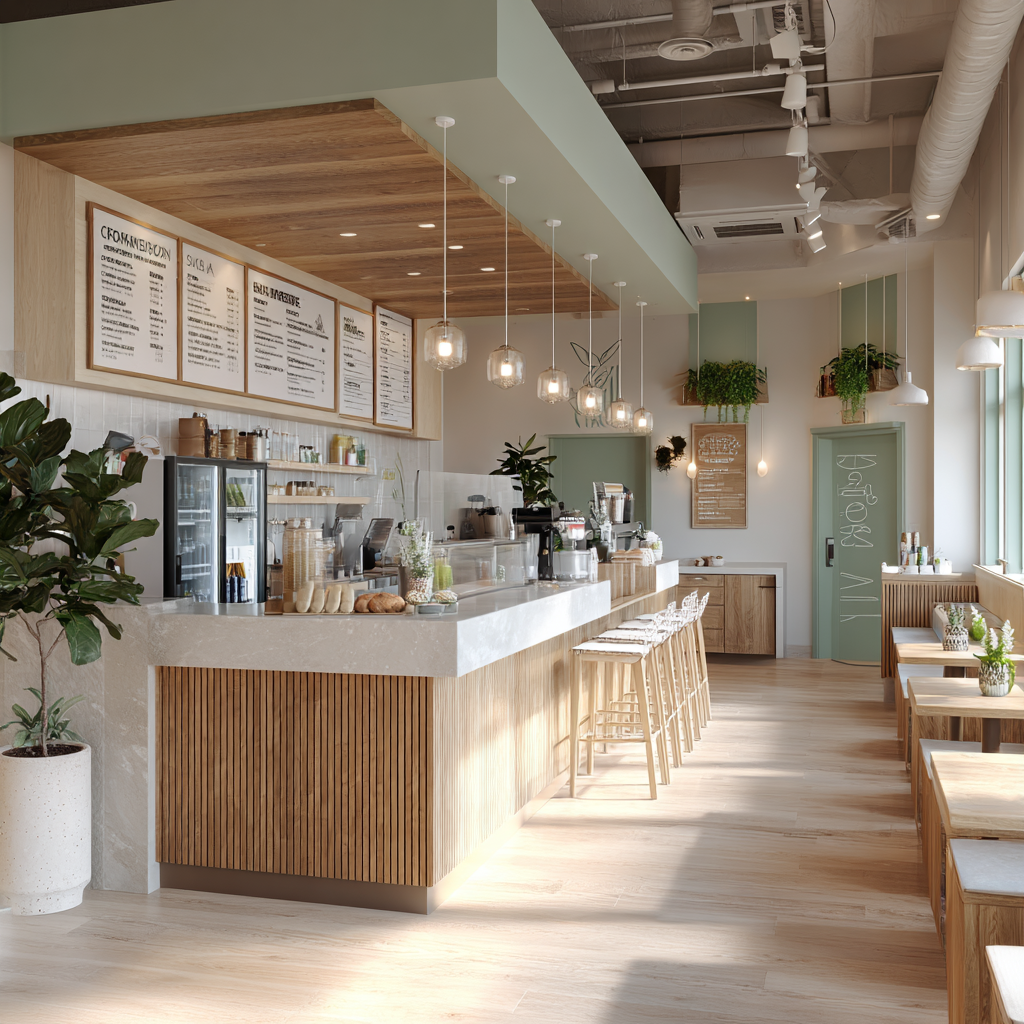
The most common challenge with a small juice bar design is the tension between what you need and the room you have. You need prep space, storage, customer flow, and equipment—all without making the space feel chaotic or claustrophobic. The good news? Smaller spaces often lead to smarter, more intentional design.
In any juice bar design, layout is the foundation. For small spaces, it becomes even more critical because you're essentially choreographing how your team moves, how customers order, and how product gets from blender to hand.
There are a few layout approaches that tend to work well for compact juice bars:
Whichever direction you go, map out your workflow before you commit to any built-ins. Walk through a typical order from start to finish and identify where bottlenecks could form. The goal is to minimize unnecessary steps and keep your highest-use items within arm's reach.
When your floor plan is limited, your walls become your most valuable real estate. Here are a few ways to reclaim space by thinking upward:
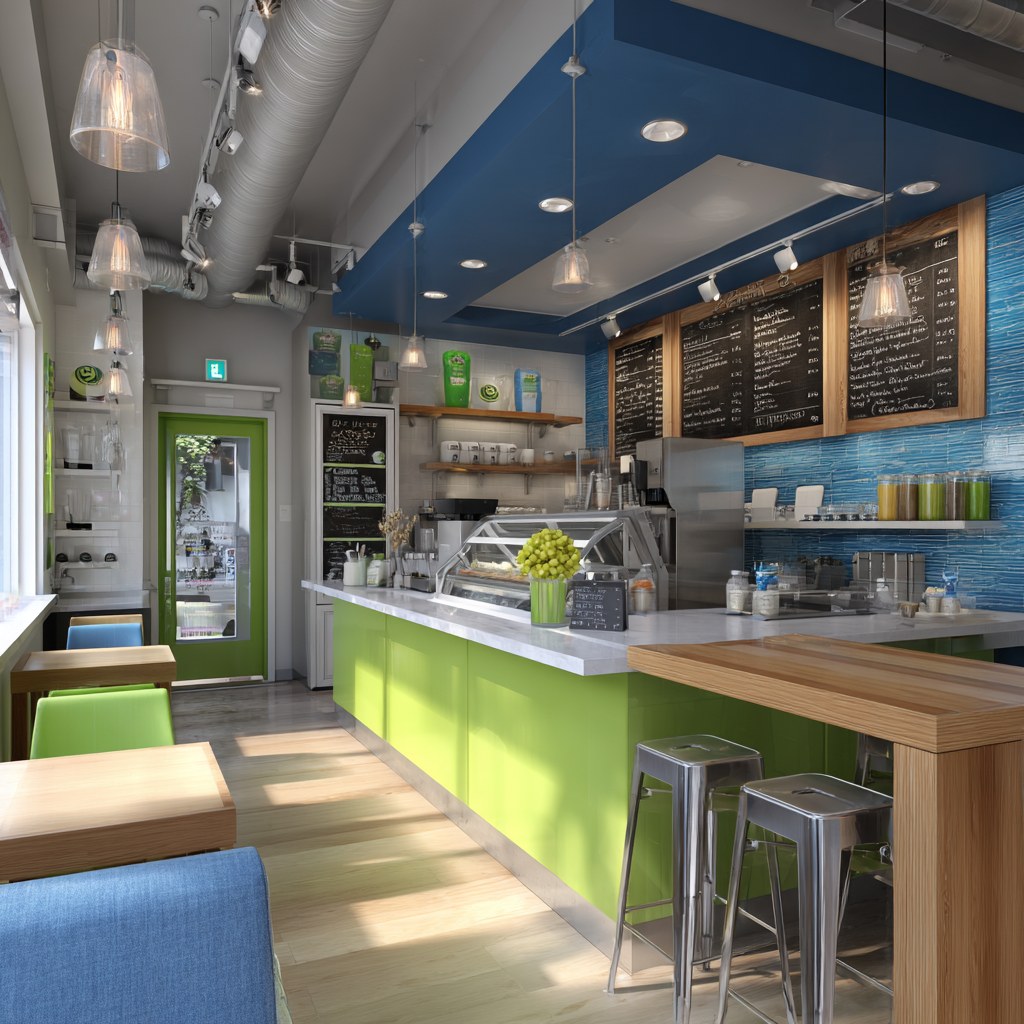
In a small juice bar, every piece of furniture needs to serve a purpose—ideally more than one. A window-facing bar with stools takes up far less room than freestanding tables and chairs, and it creates a natural spot for solo customers or quick stops.
Folding or stackable seating gives you flexibility for busier periods or events without permanently eating into your floor plan. And if you're considering any built-in seating, look for options with storage underneath—benches with lift-top compartments can house extra napkins, cups, or supplies.
Your POS station deserves attention, too. A wall-mounted tablet or a slim countertop terminal keeps the checkout area compact and avoids the visual bulk of a traditional register setup.
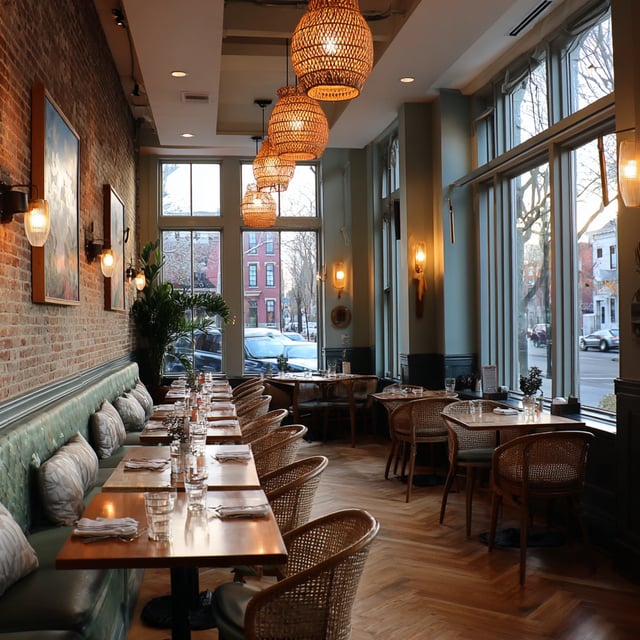
A small space doesn't have to feel small. The right color palette and lighting can dramatically change how a room is perceived.
Lighter tones on walls and ceilings reflect light and create a sense of openness. That doesn't mean everything has to be white—soft greens, warm neutrals, and pale citrus tones can all brighten a space while reinforcing a fresh, health-forward identity.
For lighting, layer your approach. Overhead ambient lighting sets the general mood, while task lighting over prep areas keeps your team efficient and safe. Accent lighting—like a backlit menu board or LED strips beneath a counter—adds depth and draws the eye without adding physical bulk to the room.
If you have any access to natural light, protect it. Avoid blocking windows with tall equipment or heavy signage. A juice bar flooded with daylight immediately feels larger, more inviting, and more connected to the energy of the street outside.
Your space is your most powerful branding tool. Before a customer ever reads your menu or takes a sip, the design of your juice bar has already told them something about who you are, what you value, and what kind of experience they're about to have.
Every design element in your juice bar should feel intentional and connected. Your color palette, typography, materials, and even the shape of your counters contribute to a single, unified brand impression.
Start with your brand's core personality and let it guide your material choices:
Consistency matters. If your logo uses a specific green, weave that shade into your tile, your aprons, your straw packaging. These small touches create brand recognition that builds over time, especially in a neighborhood setting where repeat customers are your lifeblood.
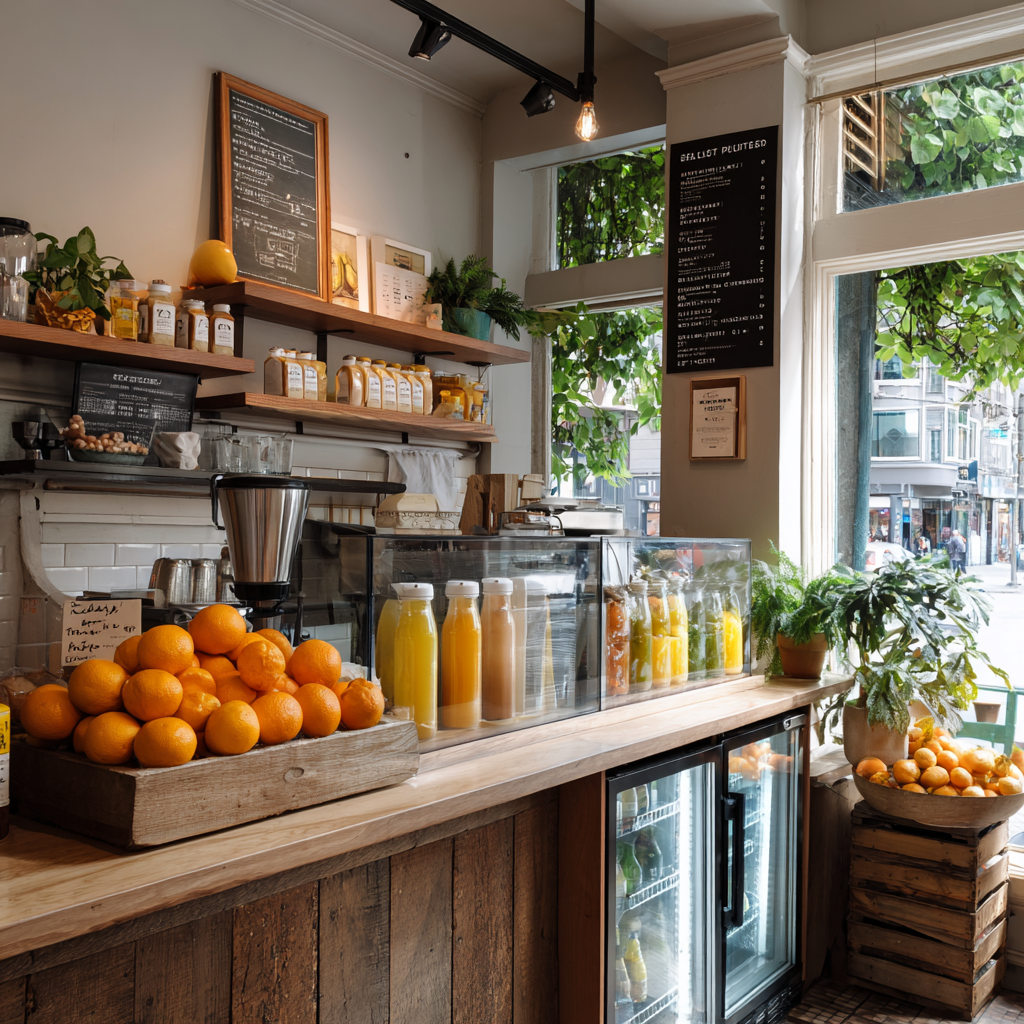
Your menu board isn't just functional—it's often the first thing a customer's eyes go to when they walk in. In a small juice bar, it can also be one of the largest visual elements in the space, which means it deserves real design attention.
A well-designed menu board reinforces your brand and makes ordering intuitive. Group items logically, use clear hierarchy so bestsellers and signature drinks stand out, and keep the typography consistent with your broader brand.
Backlit menu boards, hand-painted murals listing your offerings, or sleek digital displays can all work depending on your brand's personality. The key is that it feels deliberate—not like an afterthought taped to the wall.
The materials you choose communicate values before you say a word. Recycled glass countertops, bamboo accents, and compostable packaging signal environmental consciousness. Marble, brass hardware, and custom tile work suggest a more premium positioning.
Small details matter too—the style of your cups, the texture of your napkins, whether your straws are paper or reusable. In a small space, these details are more noticeable because customers are physically closer to every surface and touchpoint.
Consider incorporating a small "about" element into your juice bar’s interior design—a framed origin story near the register, a chalkboard noting where your produce is sourced, or a photo wall showing your farmers and suppliers. These details build trust and give customers a reason to feel connected to your business beyond the product.
Social media visibility can be a serious growth driver for a small juice bar, and the cost of designing a photogenic space is often minimal compared to the organic marketing it generates. The trick is making it feel authentic to your brand—not like a set built for selfies.
You don't need to make every wall a photo op. One strong visual element is enough—a mural, a neon sign with a memorable phrase, a striking tile pattern behind the bar, or a living plant wall. The best Instagram-friendly design moments feel like a natural extension of the brand, not a gimmick.
Position this element where natural light hits it, and where someone could comfortably stand or sit in front of it without blocking foot traffic. Think of it as a design feature that happens to photograph well, not a photo backdrop that happens to be in your store.
Some of the most shareable juice bar content isn't the space itself—it's the product. Design your serving presentation with this in mind. Vibrant smoothie bowls in clean white dishes, layered juices in clear glass bottles with minimal labels, colorful ingredients displayed in an open prep area—all of these invite photos without any signage telling customers to take them.
Your counter and handoff area should have clean sight lines and good lighting so that the moment a drink is placed in a customer's hand, it looks as good as it tastes. A cluttered or dimly lit handoff zone works against you here.
Flat, uniform surfaces don't photograph well—and they don't feel particularly inviting in person either. Layering textures and contrast gives photos depth and makes the space feel richer to anyone standing in it.
A few combinations that work especially well:
These choices cost the same as less photogenic alternatives. It's simply a matter of being intentional about the visual impact of every finish and material from the start.
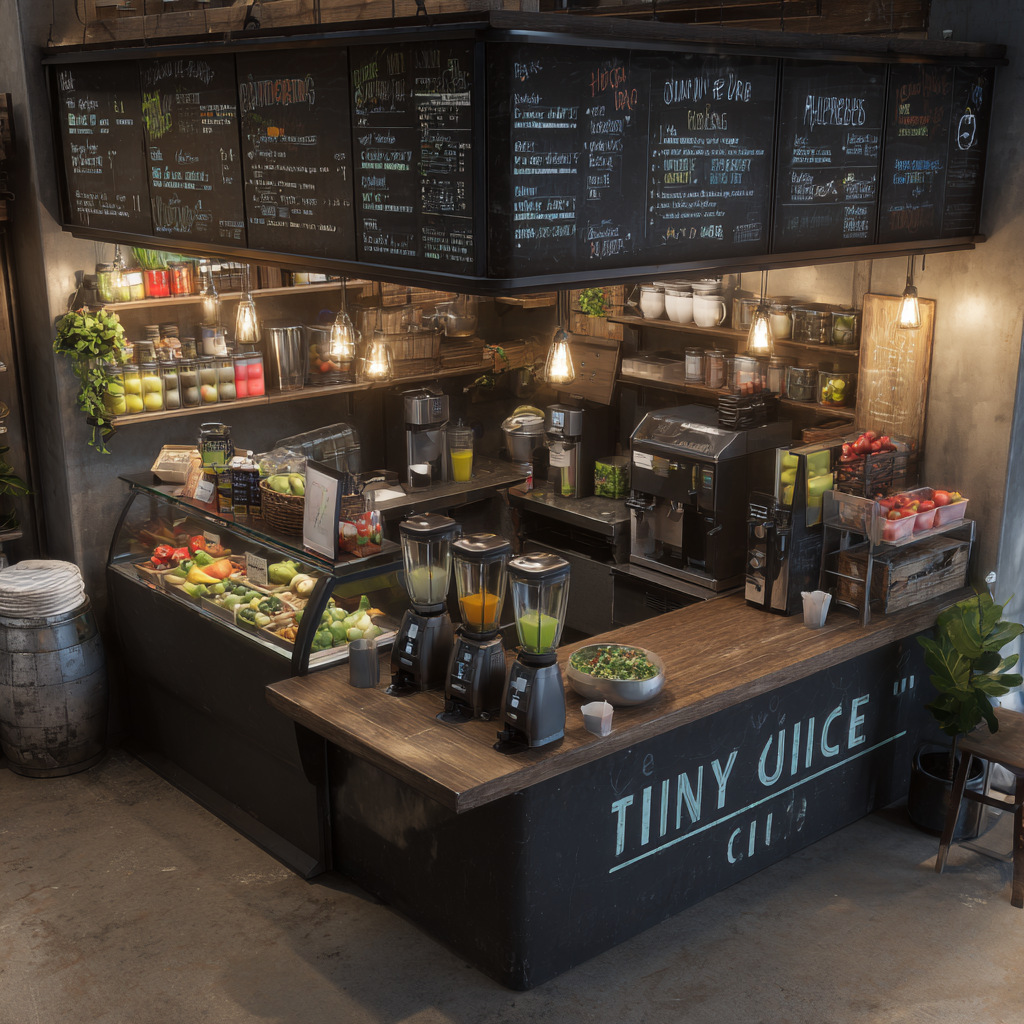
Great design ideas only get you so far—you need the right contractor to execute them. Commercial buildouts come with their own set of complexities, from health code compliance and commercial-grade plumbing to fire suppression systems and ADA requirements. The contractor you choose should have direct experience with food service or retail spaces, not just residential work.
That's where Block Renovation can help. Block connects you with thoroughly vetted, licensed contractors who are matched to your specific project type, scope, and location. Instead of spending weeks searching for candidates, requesting quotes one at a time, and trying to evaluate credentials on your own, Block's platform lets you:
Build your business with confidence

Renovate confidently with Block
Easily compare quotes from top quality contractors, and get peace of mind with warranty & price protections.
Commercial
Commercial Tenant Improvement Contractors Explained
07.27.2026

Working with Contractors
Is a Property Renovation Company Worth the Cost?
06.24.2026

Commercial
Commercial Remodeling in San Diego by Neighborhood | Block Renovation
04.27.2026
Commercial
Commercial Remodeling and Buildouts in Dallas-Fort Worth | Block Renovation
04.24.2026
Commercial
2026 Restaurant Design: 11 Trends Defining the Industry
04.24.2026