




Washington
Seattle Deck Building & Remodeling – Materials, Permits & Design Tips
09.16.2026
03.30.2026


In This Article
Seattle homeowners have always been early adopters. With a local economy anchored in tech giants like Amazon and Microsoft, and a workforce where more people work in computers and math than in 95% of U.S. cities, it's no surprise that smart home automation has become one of the most popular additions to local remodels. But choosing the right upgrades—and integrating them thoughtfully into your renovation—requires more planning than just picking a gadget off a shelf.
Whether you're remodeling a bathroom, upgrading your garage, or building an entirely custom home, here's what Seattle homeowners should know about building smart home automation into their next project.
Seattle's climate and culture align unusually well with smart home technology. The city's long stretches of overcast, rainy weather make automated lighting a quality-of-life upgrade that feels less optional than in sunnier cities—homes that adapt their lighting to natural daylight cycles are simply more comfortable here.
Meanwhile, Washington state's clean hydroelectric power grid means that energy-efficiency investments have a lower carbon footprint than almost anywhere else in the country, making smart energy management systems especially attractive to environmentally conscious homeowners.
There's also a financial case. With a median home price hovering around $898,000 and many homeowners holding strong equity, Seattle residents are more likely to look at smart upgrades as long-term investments that support home value, not just convenience features. The good news: many of the most impactful smart systems integrate best when installed during a remodel—which means your renovation is the ideal time to plan for them.
Design a Home That’s Uniquely Yours
Block can help you achieve your renovation goals and bring your dream remodel to life with price assurance and expert support.
Get Started
Automated lighting is one of the highest-value smart home investments you can make during a remodel—and one of the most complicated to retrofit later. The reason: whole-home smart lighting systems work best when wiring is planned for them from the start. Running wire for in-ceiling fixtures, undercabinet LEDs, and exterior accent lighting is straightforward when walls are already open; adding them later involves significant patching and drywall work.
For Seattle homes, circadian lighting systems—which mimic natural daylight patterns by shifting color temperature throughout the day—have become particularly popular. During the region's gray winters, these systems help regulate sleep cycles and mood, and the science behind their effectiveness is well established. Brands like Lutron Caséta and Philips Hue both offer systems that can be integrated with broader home automation platforms.
From a renovation planning standpoint, talk to your contractor early about your smart lighting goals. Decisions about switch placement, dimmer compatibility, and hub location all need to be made before walls close up.
Smart thermostats and HVAC automation
Seattle is in the middle of an energy transition. As part of the city's push to electrify buildings and reduce reliance on natural gas, heat pump conversions are one of the most active renovation trends right now—and smart thermostats are the brain of a well-functioning heat pump system.
Modern heat pumps paired with smart thermostats like the Ecobee or Google Nest can learn your schedule, adjust for Seattle's variable shoulder-season weather, and cut heating and cooling costs significantly. With Washington's electricity rates among the most favorable in the nation for electric appliances—thanks to that hydroelectric grid—the operating savings from a smart-controlled heat pump are real and measurable.
If your remodel includes an HVAC upgrade or heat pump installation, build smart thermostat integration into the plan from day one. This includes thinking about sensor placement, Wi-Fi access points near mechanical rooms, and app control preferences.
Smart security systems have become a standard expectation in Seattle's high-value housing market. Video doorbells, smart locks, motion-activated exterior lighting, and monitored alarm systems are now common additions to both kitchen and whole-home remodels—particularly in neighborhoods where homes trade above $1 million.
During a remodel, the best time to integrate these systems is when you're already updating entry points, exterior trim, or electrical panels. Running low-voltage wiring for cameras and sensors is straightforward when walls are open but cumbersome afterward.
A few things worth planning for:
Smart home systems are only as good as their network. One of the most common regrets among Seattle homeowners who've invested in automation is not building out a robust Wi-Fi infrastructure during their remodel. Dead zones, signal interference, and outdated router placements all undermine smart systems that depend on reliable connectivity.
When remodeling, consider installing a mesh Wi-Fi system with hardwired backhaul—meaning each access point connects to the network via ethernet cable rather than wirelessly. This dramatically improves reliability. Running ethernet cable during a remodel is inexpensive; doing it after drywall is in place is not.
Other low-voltage infrastructure worth planning for during a remodel:
Accessory dwelling units are one of Seattle's most popular renovation investments—used for rental income, aging family members, or flexible guest accommodations. When designing automation for an ADU, homeowners face a specific question: should it share systems with the main house, or operate independently?
For rental ADUs, independent smart locks, separate thermostats, and dedicated Wi-Fi networks offer the best tenant experience and the most landlord control. For family ADUs, shared systems with differentiated access (for example, a parent with their own thermostat zone) tend to work better. Your contractor and low-voltage installer should discuss these use cases before roughing in any wiring.
Smart home technology is where a lot of renovation budgets go sideways—not because the tech is expensive, but because it's often added as an afterthought when walls are already closed. Wiring labor costs significantly more as a retrofit than during rough-in. A good rule of thumb: budget for low-voltage rough-in early, even if you don't purchase the devices immediately. Running conduit and wire during construction costs a fraction of what it would cost to add later.
For a medium-sized Seattle remodel—say, renovating your kitchen and the adjacent living space—a thoughtful smart home integration (lighting, thermostat, security, and networking) might add $3,000–$8,000 to your total project cost if planned from the start, compared to $15,000 or more to retrofit those same systems later.
Seattle homeowners are well-positioned to see real returns from smart energy management—Washington's clean, low-cost hydroelectric grid means that every efficiency gain translates directly into lower bills rather than just lower emissions.
The right combination of smart devices, properly integrated during a remodel, can meaningfully reduce what you spend on heating, cooling, lighting, and water every month.
Block Renovation connects Washington homeowners with licensed Seattle contractors who understand both the technical demands of smart home integration and the specific building conditions common in the region. From pre-war bungalows in Capitol Hill to newer construction in South Lake Union, Block's network includes contractors experienced in low-voltage wiring, panel upgrades, and coordinating with specialty installers. Tell us about your project and get matched with the right team for your remodel.
Remodel with confidence through Block

Connect to vetted local contractors
We only work with top-tier, thoroughly vetted contractors
Get expert guidance
Our project planners offer expert advice, scope review, and ongoing support as needed
Enjoy peace of mind throughout your renovation
Secure payment system puts you in control and protects your remodel

Renovate confidently with Block
Easily compare quotes from top quality contractors, and get peace of mind with warranty & price protections.
Washington
Seattle Deck Building & Remodeling – Materials, Permits & Design Tips
09.16.2026
.png?width=640&name=u5821215421_A_sleek_15x8-foot_galley_kitchen_inspired_by_Apar_9ff6d0ad-f9e4-4838-84cd-9970bf80eee3_1%20(2).png)
Washington
Renovating in Spokane: Cost, Value, and Contractors
07.02.2026
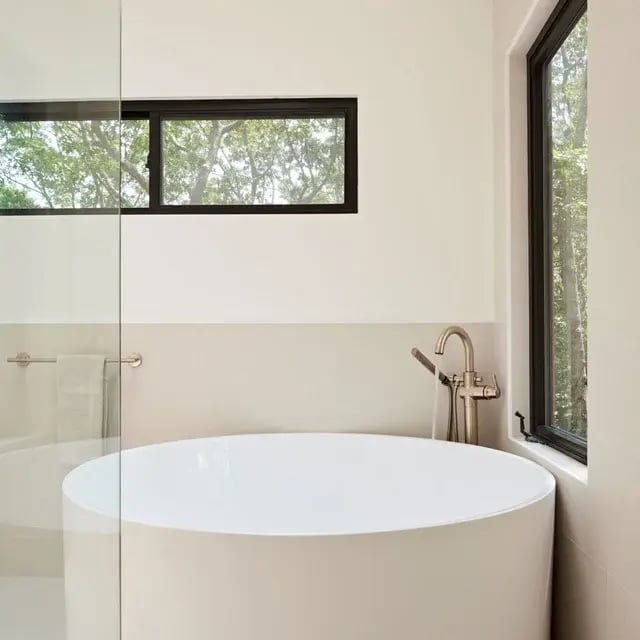
Washington
Seattle Bathroom Remodeling Trends – 13 Design Ideas for 2026
06.24.2026

Washington
Luxury Home Renovations in Seattle – 15 Ideas to Elevate Your Space
06.24.2026

Washington
Well-Reviewed Contractors in Seattle and Washington State
05.27.2026