



.png?width=640&name=u5821215421_A_sleek_15x8-foot_galley_kitchen_inspired_by_Apar_9ff6d0ad-f9e4-4838-84cd-9970bf80eee3_1%20(2).png)
Washington
Renovating in Spokane: Cost, Value, and Contractors
07.02.2026
04.01.2026


.webp?width=640&name=f55ee650-d34a-11eb-9d1d-3514adcc0bb1%20(1).webp)
In This Article
Most Seattle homeowners aren't planning to leave. With median home prices approaching $900,000 and the strong equity built up over years of ownership, moving isn't always the financially rational choice. And it's rarely the emotionally preferred one; the home you've built your life around, the neighborhood where you know your neighbors, the view from your kitchen window in the morning.
The problem is that most Seattle homes weren't built for it. The city's stock of Craftsman bungalows, split-level ranches, and pre-war homes is full of narrow doorways, step-in tubs, stairways without adequate railings, and kitchens that stop working for you somewhere around 70.
Before prioritizing renovations, it helps to walk through your home with an objective eye—or better yet, with an occupational therapist or certified aging in place specialist (CAPS) who can spot the problems you've stopped noticing. Common issues in Seattle's older housing stock include:
You don't have to do everything at once. Figure out what's dangerous now and what can wait.
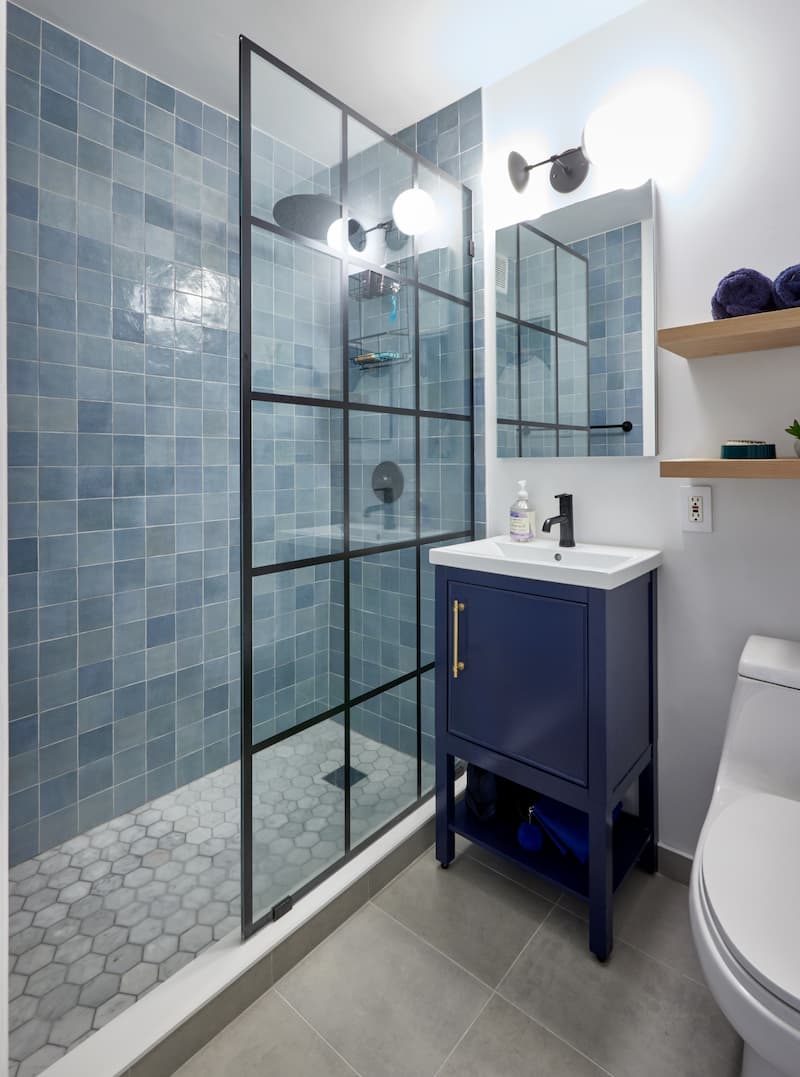
The bathroom is statistically the most hazardous room in a home for older adults, and it's consistently the highest-priority space for aging in place renovations. A good accessible bathroom doesn't have to look like a hospital. Most of the ones we see in Seattle end up looking better than what was there before.
Key modifications to consider:
Replacing a traditional tub-shower combination with a curbless, ADA-compliant shower is the single most impactful bathroom modification for aging in place. Curbless showers eliminate the step-over hazard that causes falls, accommodate walkers and wheelchairs, and are easier to clean. Design them with a linear drain to manage water flow and non-slip tile for the floor.
For Seattle homes where a soaking tub remains important, a walk-in tub is an alternative worth considering—though it comes with its own design and plumbing requirements.
Grab bars save lives. Installed correctly—anchored into wall studs or solid blocking—they provide the stability needed when getting in and out of a shower, rising from a toilet, or navigating a slippery floor. Modern grab bars are available in finishes that match contemporary bathroom hardware, so they no longer read as medical equipment.
If you're renovating a bathroom now but aren't ready to install grab bars yet, ask your contractor to install blocking—solid wood or steel behind the finished wall—in anticipation of future installation. This is a low-cost addition during a renovation that saves significant work later.
Comfort-height toilets (17–19 inches versus the standard 15 inches) are easier to sit on and rise from for most adults over 60, and they're a standard feature in new construction. Widening the clearance around the toilet to 18 inches on each side—and ensuring 60 inches of turning radius in the bathroom overall—accommodates mobility aids and makes the space safer for everyone.
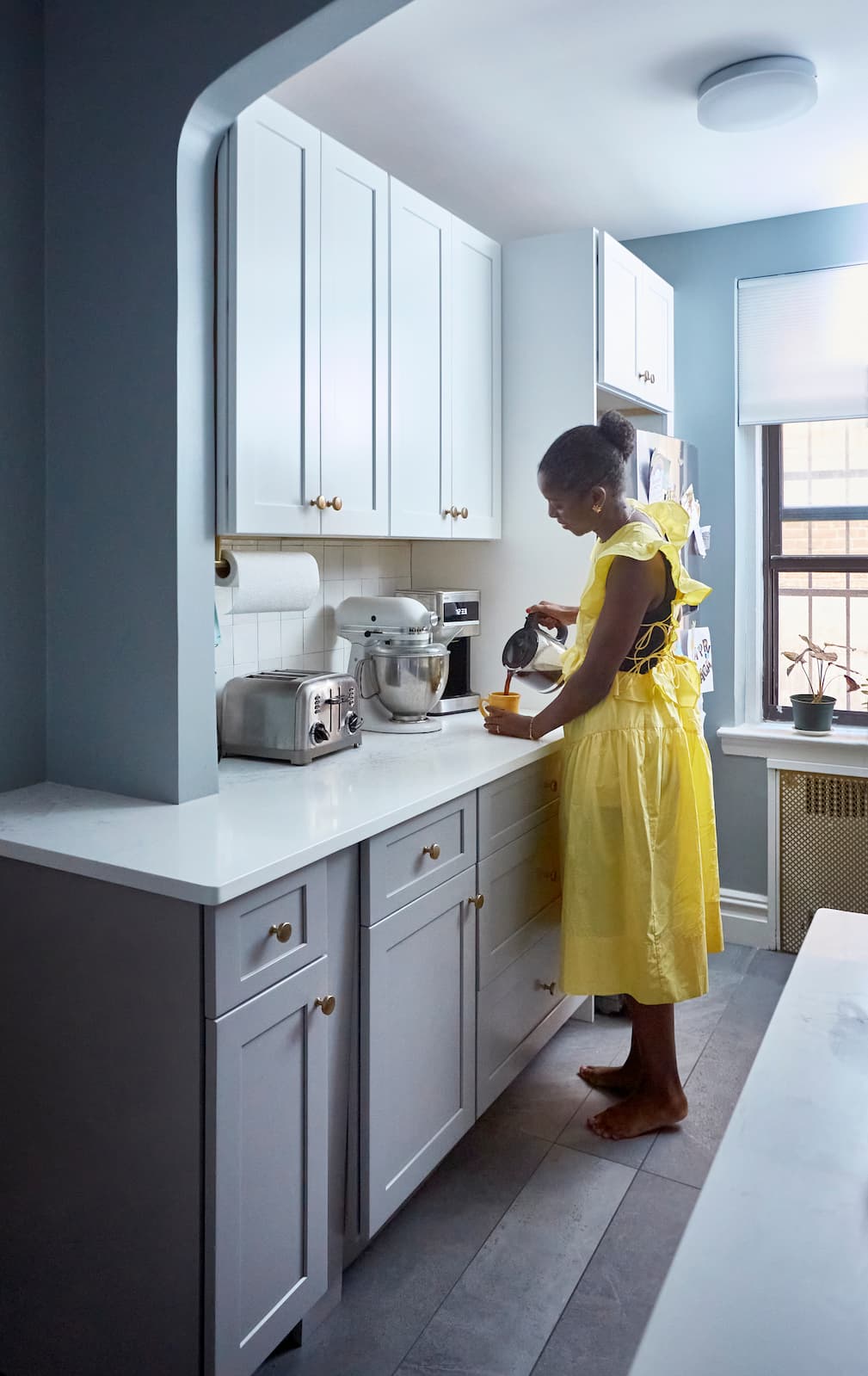
Kitchen aging in place renovations often feel more optional than bathroom ones—but for homeowners who want to maintain independence, a kitchen that's accessible and easy to navigate matters enormously.
Practical kitchen modifications for aging in place:
For many Seattle homes—particularly older bungalows and split-levels—the entry sequence involves steps, and the interior involves level changes that are taken for granted when you're younger. Planning for these now can prevent the situation where a hip replacement or a change in balance suddenly makes your own home inaccessible.
Priority modifications:
The smaller decisions matter just as much.
Seattle's popularity as an ADU market isn't just about rental income; for many homeowners, an ADU is a way to keep family close without everyone living under the same roof. It's cheaper than assisted living and means your parents are thirty feet away instead of thirty minutes.
When designing an ADU for aging family members, all of the aging in place principles above apply, such as curbless showers, wider doorways, lever hardware, and zero-step entry. The additional consideration is outdoor connectivity: a safe, level path between the main home and the ADU matters as much as the interior design.
Smart home technology and aging in place go together for obvious reasons. The same technology that adds convenience for younger homeowners becomes genuinely important for older adults.
Aging in place renovations often qualify for financial assistance that standard remodels don't. Washington state and King County both offer programs to assist low- to moderate-income homeowners with accessibility modifications. The federal government's Section 504 Home Repair Program provides grants and loans for very low-income homeowners. And many of the same financing vehicles used for standard renovations—HELOCs, home equity loans, cash-out refinances—apply here as well.
There's also a tax dimension: some accessibility improvements qualify as medical expense deductions under IRS rules, particularly when prescribed by a physician for a specific medical condition. Consult with a tax professional about what may be deductible in your situation.
Aging in place renovations need a contractor who knows accessible design and who's worked on older Seattle homes—from the plaster-lath walls of 1920s Craftsmans to the concrete foundations common in the city's hillside neighborhoods. Block matches you with contractors who've done this work before and know what to look for. With Block's transparent process, expert scope review, and ongoing project support, you can approach an aging in place remodel with the confidence that the work will be done right.
Remodel with confidence through Block
Connect to vetted local contractors
We only work with top-tier, thoroughly vetted contractors
Get expert guidance
Our project planners offer expert advice, scope review, and ongoing support as needed
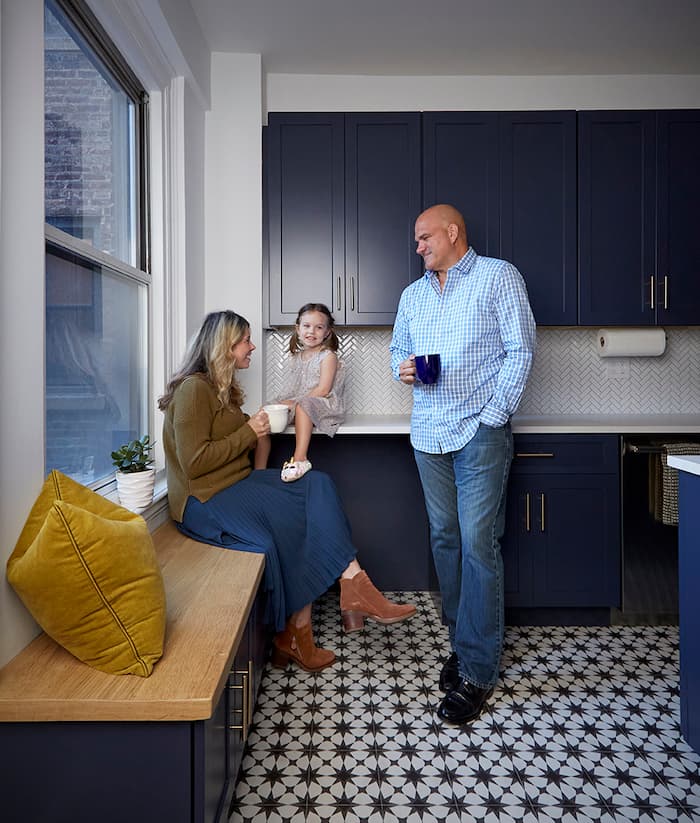
Enjoy peace of mind throughout your renovation
Secure payment system puts you in control and protects your remodel
Renovate confidently with Block
Easily compare quotes from top quality contractors, and get peace of mind with warranty & price protections.
Washington
Renovating in Spokane: Cost, Value, and Contractors
07.02.2026
Washington
Seattle Bathroom Remodeling Trends – 13 Design Ideas for 2026
06.24.2026

Washington
Luxury Home Renovations in Seattle – 15 Ideas to Elevate Your Space
06.24.2026

Washington
Well-Reviewed Contractors in Seattle and Washington State
05.27.2026

Washington
Well-Reviewed ADU Builders in Seattle & Washington State
05.19.2026