




Washington
Custom Home Building in Vancouver, Washington: Local Guide
04.17.2026

03.11.2026


In This Article
Seattle’s housing costs, zoning changes, and growing population have made home additions and accessory dwelling units two of the most sought-after renovation categories in the city. Whether you’re expanding your living space for a growing family, adding rental income, or building a separate unit for aging parents, the possibilities in Seattle are broader than they’ve ever been.
This guide covers the practical details: Seattle’s ADU policies, the types of additions that work for common Seattle home styles, cost ranges, permitting considerations, and what you need to know before breaking ground.
Seattle has some of the most permissive ADU regulations in the country, shaped significantly by Washington State’s HB 1337 and subsequent local code updates. Here’s what the current rules allow.
Seattle permits up to two ADUs per single-family lot. These can be any combination of attached ADUs (built within or added onto the primary structure) and detached ADUs, or DADUs (stand-alone structures in the yard). There is no owner-occupancy requirement, meaning you can rent out both the primary home and the ADU(s) if you choose. Off-street parking requirements for ADUs have been eliminated, and impact fees for ADUs under 1,000 square feet are waived.
ADUs in Seattle can be up to 1,000 square feet in floor area (though proposals to increase this to 1,500 square feet have been discussed). Detached ADUs can be up to 24 feet tall in most residential zones. The unit must include a kitchen, bathroom, and sleeping area to qualify as an ADU. Existing non-conforming structures—like garages that don’t meet current setback requirements—can be converted to ADUs without needing to come into compliance with current setback or lot coverage standards.
A bump-out extends an existing room by a few feet—typically 2 to 10 feet. In Seattle’s Craftsman and bungalow homes, bump-outs are commonly used to expand kitchens, add a dining nook, or create space for a larger bathroom. They’re less disruptive and less expensive than full additions because they often use the existing foundation (with a new footing) and roof line. A bump-out in Seattle typically costs $15,000 to $50,000, depending on size and whether plumbing or structural work is involved.
Adding a second story to a single-story home is a major project, but it’s a common approach in Seattle neighborhoods like Green Lake, Phinney Ridge, and North Beacon Hill, where lot sizes are modest but demand for more living space is high.
A second-story addition typically adds 400 to 1,200 square feet and costs $200 to $400 per square foot in the Seattle market. The biggest factors driving cost are structural reinforcement of the existing foundation and first-floor walls, temporary relocation during construction, and the complexity of tying new mechanical systems into existing ones.
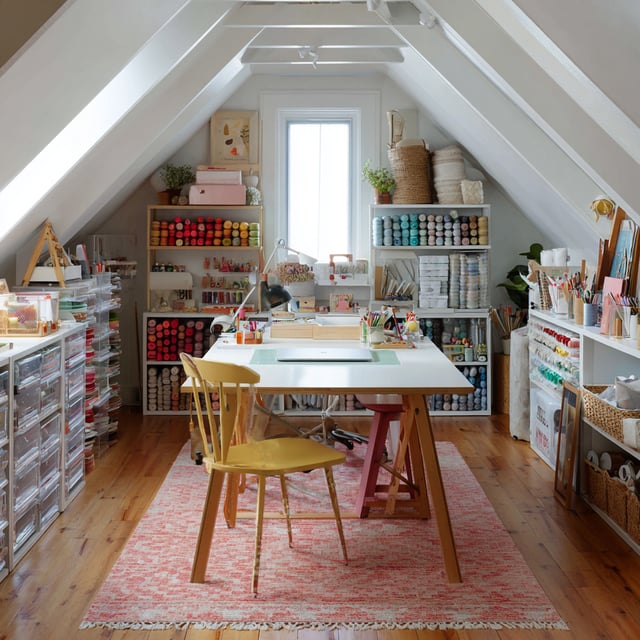
Dormer additions are particularly practical for Seattle’s many Cape Cod and bungalow-style homes with sloped rooflines. A shed dormer or gable dormer can transform an underused attic into a functional bedroom, office, or bonus room by adding headroom and natural light. Dormer addition costs in Seattle typically range from $30,000 to $100,000 depending on size, structural requirements, and whether the space will include a bathroom. Dormers are often a more cost-effective way to add square footage than building out, because the footprint of the house doesn’t change.
Extending the footprint of your home at ground level is the most straightforward type of addition, but it’s subject to Seattle’s lot coverage limits (35 percent in most NR zones for lots 5,000 square feet or larger). Before planning a ground-level addition, verify how much of your lot is already covered by structures, decks, and other improvements.
Calculating the cost of a room addition depends on factors like foundation work, roofing integration, and the level of finish. In Seattle, ground-level additions typically run $150 to $350 per square foot.
Detached ADUs have become a defining feature of Seattle’s residential landscape. The typical Seattle single-family lot is 5,000 to 6,000 square feet, which leaves enough space for a DADU in the backyard after accounting for the primary home, setbacks, and lot coverage limits.
Some of the most common DADU configurations in Seattle are studio or one-bedroom units between 400 and 800 square feet, positioned at the rear of the lot. In neighborhoods with alley access (common in Ballard, Wallingford, Fremont, and Columbia City), the DADU can face the alley with its own entrance, creating a sense of separation from the primary home.
Design considerations for Seattle DADUs include maximizing natural light (important given the overcast climate), incorporating covered outdoor space, and matching the architectural character of the primary home and neighborhood—not because the code requires it, but because it contributes to neighborhood cohesion and can improve resale value.
The prefab ADU market has grown rapidly in Seattle, with companies offering factory-built units that are delivered and installed on-site. Prefab can reduce construction time (from several months to several weeks for the structure itself) and offer cost predictability, with prices typically ranging from $150,000 to $300,000 installed in the Seattle area.
However, prefab savings aren’t always as large as they appear. Site preparation, foundation work, utility connections, permitting, and landscaping still need to be handled on-site and can add $30,000 to $80,000 or more to the total cost. Prefab units also offer less design flexibility—you’re generally choosing from a catalog of floor plans and exterior finishes rather than designing from scratch.
Site-built DADUs in Seattle typically cost $200,000 to $400,000 for a fully finished unit, with the higher end reflecting custom design, premium finishes, and complex site conditions (slope, access, utilities). The main advantages of site-built are full design control, the ability to respond to site-specific challenges, and the potential for more sophisticated architectural integration with the primary home.
ADU and addition permits in Seattle are issued by the Seattle Department of Construction and Inspections (SDCI). The permitting process for a DADU or significant addition includes design review, plan review, and inspections at multiple stages of construction.
Timeline expectations for Seattle ADU projects: design and engineering typically take two to four months. Permitting through SDCI currently runs four to eight months for most ADU projects, though timelines can vary depending on backlog and project complexity. Construction for a site-built DADU takes six to twelve months, while prefab installation can be completed in a matter of weeks once the site is prepared and permits are in hand.
For attached ADUs and additions, the permitting timeline is similar. If your home is in a historic district or environmentally critical area, expect additional review layers that can add one to three months to the process.
Home additions and ADUs represent significant investments, and most Seattle homeowners finance them through one of several paths. A home equity line of credit (HELOC) is the most common approach, offering flexibility to draw funds as construction progresses. Home equity loans provide a lump sum at a fixed rate, which can be useful if you know the total project cost upfront. Cash-out refinancing is another option if current rates are favorable relative to your existing mortgage.
For ADUs specifically, some lenders now offer ADU-specific loan products that factor projected rental income into their underwriting. This can be helpful for homeowners who plan to rent the ADU, as it may allow them to qualify for a larger loan than their current income alone would support. The City of Seattle has also periodically offered pre-approved ADU plan sets that can reduce design costs and speed up permitting.
Different Seattle home styles lend themselves to different types of additions and ADUs. Craftsman bungalows in Wallingford and Ballard often have underused attic space that can be converted with a dormer addition, as well as detached garages that are prime candidates for DADU conversion. Mid-century ranches in Wedgwood and View Ridge typically have generous lot coverage, making ground-level additions feasible. Split-level homes in Rainier Valley and Beacon Hill may have lower-level space that can be converted to an attached ADU with a separate entrance.
In every case, your existing foundation, structural capacity, utility access, and lot dimensions will shape what’s possible. A structural engineer and an architect familiar with Seattle’s code can help you identify the most cost-effective approach for your specific home and lot.
Adding square footage to your Seattle home—whether through a room addition, second story, or ADU—is a complex project that requires a contractor with experience in structural work, permitting, and the specific conditions of Seattle’s building environment. Block Renovation connects homeowners with vetted, licensed contractors who are matched to your project type and location.
You’ll receive detailed proposals to compare side by side, expert scope reviews to catch potential issues early, and the protection of Block’s progress-based payment system. From initial design through final inspection, Block provides the structure and support to keep your addition or ADU project on track.
Remodel with confidence through Block
Connect to vetted local contractors
We only work with top-tier, thoroughly vetted contractors
Get expert guidance
Our project planners offer expert advice, scope review, and ongoing support as needed
Enjoy peace of mind throughout your renovation
Secure payment system puts you in control and protects your remodel

Renovate confidently with Block
Easily compare quotes from top quality contractors, and get peace of mind with warranty & price protections.
Washington
Custom Home Building in Vancouver, Washington: Local Guide
04.17.2026

Washington
Bathroom Remodeling in Spokane, WA: Costs & Other Factors
04.10.2026
Attic
Finishing Your Seattle Attic: A Practical Guide | Block Renovation
04.06.2026

Washington
Kitchen Remodel Spokane, WA: Costs & Local Tips
04.02.2026
.webp?width=640&name=f55ee650-d34a-11eb-9d1d-3514adcc0bb1%20(1).webp)
Washington
Aging in Place Remodels for Seattle Homes | Block Renovation
04.01.2026