




Stairs
Staircase Remodel Ideas to Enhance Your Home
07.05.2026
01.14.2026


In This Article
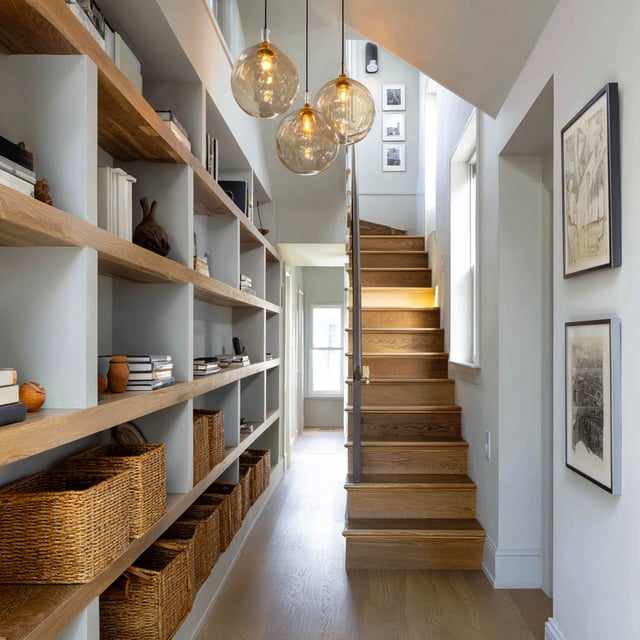
Few home features shape your daily experience—or make a bolder impression—than a staircase. Beyond simply getting you from point A to point B, stairs define spaces, set the style tone, and can transform how you connect with your home. Whether you're after a quick refresh, a statement-making remodel, or finally tackling that squeaky, outdated stairwell, starting with the right information makes every step forward clearer. With careful planning and a sense of what's possible, a staircase renovation can be just as rewarding as it is practical.
Staircase renovation cost is all about the details: Do you want a quick cosmetic update, a functional overhaul, or a true transformation? Here’s how those choices typically play out:
|
Project Intensity |
Example Renovation Tasks |
Typical Price Range |
|
Cosmetic Refresh |
Painting, new runner, stain/refinish, updated hardware |
$500 – $2,000 |
|
Moderate Remodel |
New treads or risers, handrails, custom balusters, new finish |
$2,000 – $7,500 |
|
Major Remodel/Structural |
Full rebuild, shaping, custom millwork, structural upgrade |
$7,500 – $30,000+ |
If your stairs just look tired or mismatched with the rest of your home, a cosmetic renovation can breathe new life into them without major expense or mess. That includes sanding and restaining the treads you’ve scuffed up over the years, adding a fresh coat of paint, or updating hardware to match the rest of your home’s style. New runners and simple touch-ups often fit easily into a weekend—and if you’re handy, you may even feel up to tackling some jobs yourself. Most homeowners can keep daily life going with minimal interruptions.
When a quick fix won’t cut it, think moderate. This level covers projects like swapping in new treads or risers (the vertical boards between each step), reimagining the handrail, or ditching dated balusters for something classic or contemporary. There’s more involved, especially for precision carpentry or materials selection, but you’ll see lasting improvement. Plan for about a week of active work and a bit more dust. Reliable carpenters, stair specialists, and sometimes even metalworkers will be key partners here.
If your staircase feels unsafe, doesn’t flow, or is simply in need of a top-to-bottom rethink, you’re in “major remodel” territory. Here the project might mean rotating the orientation (say, making it L-shaped or double-back), widening the span, installing new stringers, or choosing bold details that turn the stairs into a work of art. These projects often need an engineer, custom millwork, a stack of permits, and trades working in tight coordination—think of it as small-scale architecture. Expect a longer schedule, a bit more home disruption, and a budget that accounts for both labor and the highest-quality supplies.
Transparent Pricing You Can Trust

Choosing staircase remodeling materials isn’t just about cost—it's a style statement and a question of how your stairs feel every time you go up or down.
Wood: Tried, true, and versatile. Whether you love the softer curves of oak or cherry, or the bold lines of maple or walnut, wood offers both comfort and a range of price points. A refinish can be budget-friendly, starting around $500, while custom hardwood treads, handrails, and decorative newel posts can bring costs up to $10,000 or more—especially if you opt for specialty hardwoods.
Carpet: Warm underfoot and naturally slip-resistant, carpet runners or fully carpeted stairs are favorites in busy family homes. Costs for new runners or full re-carpeting are $400–$2,500, depending on material, quality, and the complexity of turns or landings. Aside from comfort, carpet can also help mute noise—something every multi-story household can appreciate. For more insights, read Carpet Installation Costs & Other FAQs.
Metal: Think steel (powder-coated or brushed), wrought iron, and even aluminum for a contemporary edge. Steel cable railings bring in a modern, airy feel, while heavy iron balusters suit more classic or industrial spaces. Pricing for metalwork starts around $1,000 for a simple system, but can soar above $10,000 or more for custom-crafted design elements and structural details. Metals lend durability but also feel distinctively “finished”—metal accents or frames can make a staircase a work of art.
Stone or tile: For serious wow-factor, stone treads or tiled stair faces add a level of permanence you’ll see and feel with every step. Popular materials include marble, slate, or even decorative porcelain tile for risers. Expect to start at $5,000 for simpler applications, with higher-end installations reaching well into the tens of thousands if you’re after custom cuts or premium choices. Stone and tile are extremely durable, but require a stable structure and careful installation.
Each option should fit not only your taste, but also your lifestyle. Think about pets, heavy foot traffic, acoustics, and maintenance as you weigh your renovation choices.
Every decision in a staircase remodel adds up—sometimes in small steps, sometimes in leaps.
Open vs. closed risers: An “open riser” means there’s empty space between each step (often popular in modern, loft-like homes), while “closed riser” stairs have solid boards for each vertical plane. Open risers create lightness and a striking visual effect, but often require more precise engineering to meet building codes. They can be more expensive to construct, and may not be suitable for homes with young kids or accessibility needs.
Custom details: Bespoke stair shapes, artful baluster patterns, or unique finishes add originality but also demand more labor and longer lead times. A swooping curve or ultra-modern floating design may start with inspiration but often ends with custom pricing.
Wall finishes: Adding visual interest to the adjacent stairwell wall—like panel molding, ship-lap, accent wallpaper, or powder-coated metal—amplifies the impact of your renovation. If you want your stairwell to become a focal point, factoring in these elements early will help set expectations for budget and timeline.
Landings and platforms: Landings are flat areas that break up longer flights, offer a resting spot, or accommodate a change in direction. Building a landing (or widening existing platforms) often means reframing, adding structure, and incorporating new finishes, which increases cost and complexity. They're not just practical—they can also give your stairs a grander, safer passage.
Code and safety requirements: Modern codes govern everything from tread depth to riser height, handrail spacing, headroom, and baluster gaps. Failing to meet these standards is more than a technicality—it can mean failed inspections, denied insurance claims, or real hazards for anyone at home. Upgrading to code often involves more than surface changes: you might need to reframe stairs, update railing height, or add non-slip finishes to keep everyone safe and your permit approved.
Design a Home That’s Uniquely Yours
Block can help you achieve your renovation goals and bring your dream remodel to life with price assurance and expert support.
Get Started
Renovating stairs isn’t only about cost or curb appeal—it’s a lasting change that affects how you move and feel at home, every day and night.
Staircase orientation is about more than grabbing attention—it shapes how people flow from room to room, and can open up or close off spaces throughout your home. Straight stairs are practical and direct; L-shaped or U-shaped (double-back) stairs give you architectural interest and more gentle climbs.
Spiral stairs are efficient and add personality, but can feel narrow and might not work for everyone in the family. Think beyond just looks—consider how your household actually lives. Will you need room to bring up furniture, or safe passage for kids and pets? There’s a reason that this type of staircase is less common, and is often used for accessing attics and lofts.
A staircase often acts as a conversation between old and new. If you’re updating a historic home, preserving original details—like notched balusters, carved newel posts, or vintage treads—can be a celebration of your home’s roots. These elements might offer quirks and beauty (plus, they’re hard to replicate in new builds). But restoration takes special care; sourcing the right materials and tradespeople is key.
In a newer space or modern renovation, you might lean toward bolder profiles: open risers, minimalist handrails, metal or cable elements, or even floating stairs. The goal is connection: does your staircase feel like part of your overall design, or like a last-minute add-on? Matching (or intentionally contrasting) colors, consistent flooring transitions, and thoughtful lighting all help the stairwell feel unified with the house’s style—whether you’re quietly blending in or deliberately making a statement.
Comfort should never be overlooked in a stairway remodel. Steps that are too shallow, steep, or oddly spaced can catch anyone off-guard, leading to daily annoyance—or worse, accidents. Think of tread depth, riser height, and surface traction as “invisible” design features.
Adding non-slip strips or textured finishes helps prevent slips, especially in households with young children or older adults. Continuous handrails, gentle newel posts, and even discreet LED step lights can make nighttime navigation less of a guessing game.
For some, wider stairs or double railings provide the stability and confidence that keep everyone moving safely at home.
A banister isn’t just a capstone for your renovation—it’s often the element guests (and daily users) interact with most. Classic wood handrails work in everything from Craftsman to Colonial, while slimline steel, iron, or even cable railings can change the tenor of a loft or high-rise apartment. Don’t underestimate the importance of a well-anchored newel post (those anchors at the stair’s base and bends); they ground the design visually, and provide an essential stabilizing force for the entire rail structure. A thoughtful banister renovation can showcase craftsmanship, tie rooms together, and add the finishing touch your staircase deserves.
Staircase renovations call for more than enthusiasm—they need tradespeople with a detail mindset and knowledge of structural nuance. Not every contractor is up for the challenge. The right fit understands the quirks of local building code, has an eye for tricky transitions, and orchestrates everything from structural reinforcements to the last layer of finish. They’ll walk you through design options, source the best value materials, and work seamlessly with engineers or interior designers if your project needs it. Timelines, pricing, worksite management, and keeping your project on budget are all part of the package.
Block Renovation can help take the guesswork out of finding a contractor who specializes in safe, attractive stair remodels. Every contractor in Block’s network is deeply vetted for skill, reliability, and the ability to collaborate, so you’re never left to sort the pros from the pretenders alone. And with Block’s platform, expect up-front cost transparency, design and build guidance, and steady support as you turn your vision into reality—step by step.
Remodel with confidence through Block

Connect to vetted local contractors
We only work with top-tier, thoroughly vetted contractors

Get expert guidance
Our project planners offer expert advice, scope review, and ongoing support as needed
Enjoy peace of mind throughout your renovation
Secure payment system puts you in control and protects your remodel

Renovate confidently with Block
Easily compare quotes from top quality contractors, and get peace of mind with warranty & price protections.
Stairs
Staircase Remodel Ideas to Enhance Your Home
07.05.2026
Stairs
Under-Stairs Office & Desk: Design and Prep | Block
07.03.2026
.jpg?width=640&name=images%20(2).jpg)
Stairs
Stairs Remodeling: Cost, Ideas & What to Expect
05.21.2026

Stairs
Staircase Type Comparison: Find Your Perfect Style
01.15.2026
Stairs
Staircase Renovation Costs & Remodeling Tips
01.14.2026