




Stairs
Staircase Remodel Ideas to Enhance Your Home
07.05.2026
01.15.2026


In This Article
Your choice of staircase can set the tone for your entire home—acting as both a focal point and a functional workhorse. With so many types of staircases and styles to choose from, it’s worth taking the time to get familiar with your options. The right staircase marries aesthetics with everyday practicality, especially in smaller homes where space is at a premium. Here’s a side-by-side look at different types of stairs, the best staircase styles for a range of homes, and inspiring ideas for every taste and footprint.
A straight run of stairs is classic, reliable, and easy for both daily use and moving bulky furniture—just a single, uninterrupted flight linking two floors. The linear layout makes it very straightforward to design and build, which is why it’s often the most affordable configuration; less complexity means savings on both labor and materials. While its lines are familiar, it can deliver anything from quiet simplicity to sleek modern drama, depending on railings and finish choices.
Best suited for: Homes with elongated floor plans, such as shotgun houses, railroad apartments, modern lofts, or spacious entry halls where a strong architectural line is desired.
Potential downsides and considerations: Requires a long, uninterrupted stretch of space—which can make it tricky in compact homes and may dominate smaller rooms. The open sightline between floors means less privacy, and the lack of a turn or landing can make falls (if they happen) more serious; for those reasons, some families prefer other options.
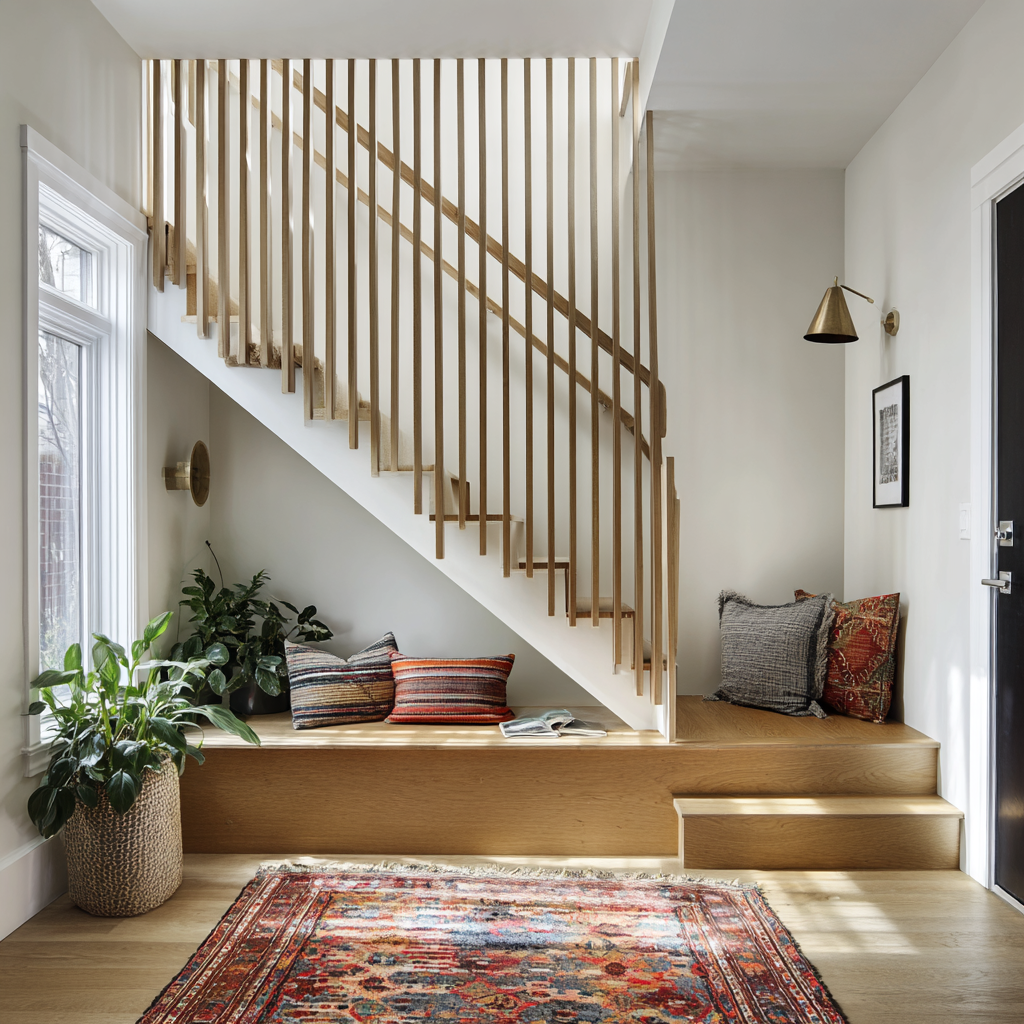
An L-shaped staircase pivots a full 90 degrees at a landing, fitting neatly into corners and breaking up the sense of a single, long upward climb. The landing offers an easy spot to pause, display artwork, or let natural light in through a window. This design not only helps with spatial efficiency but also visually separates sections of a home, making for smoother transitions between zones.
Best suited for: Single-family homes with awkward or segmented layouts, suburban homes needing a cozy entry transition, or layouts where a direct climb would interfere with living spaces.
Potential downsides and considerations: Slightly more complex to frame and finish than a straight stair, so construction and material costs may be higher. The corner can feel tight or difficult for moving large furniture, and special care is needed to ensure comfort and safety on the landing.
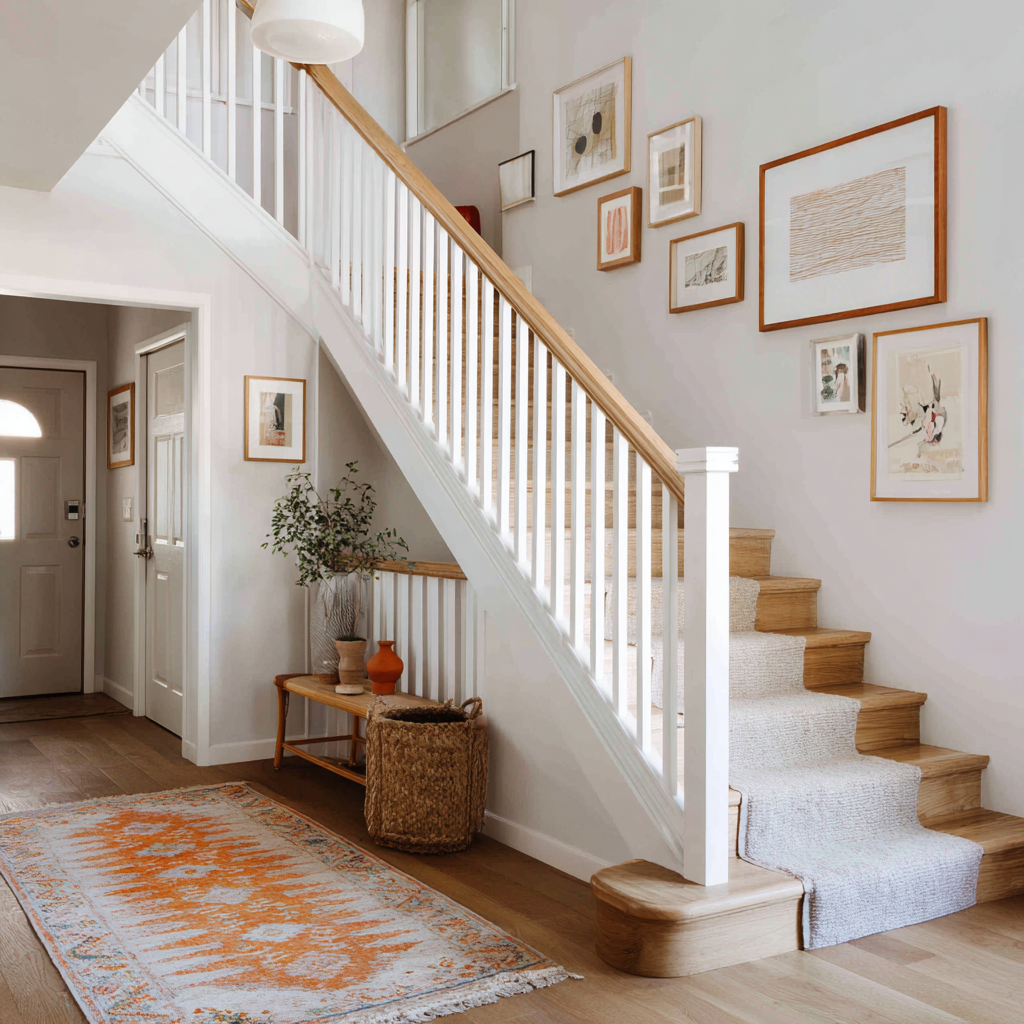
U-shaped stairs make a dramatic 180-degree switch midflight, effectively stacking two straight runs with a wide landing in between. This design’s compact profile suits taller homes or narrow lots, fitting a robust vertical connection in a surprisingly small footprint. The mid-landing becomes a spot to stop, showcase decor, or create a visual “breather” before continuing to the next floor. U-shaped stairs are often favored in multi-level townhouse renovations for their ability to provide both architectural elegance and efficient circulation.
Best suited for: Multi-story homes, narrow modern footprints, townhouses, or houses aiming for a striking central staircase in a limited area.
Potential downsides and considerations: Requires solid, well-engineered support for the switchback and landing, which can increase build time and cost compared to straight stairs. The two turns may be tricky for moving large objects, and the stairs themselves can feel more enclosed if not well-lit.
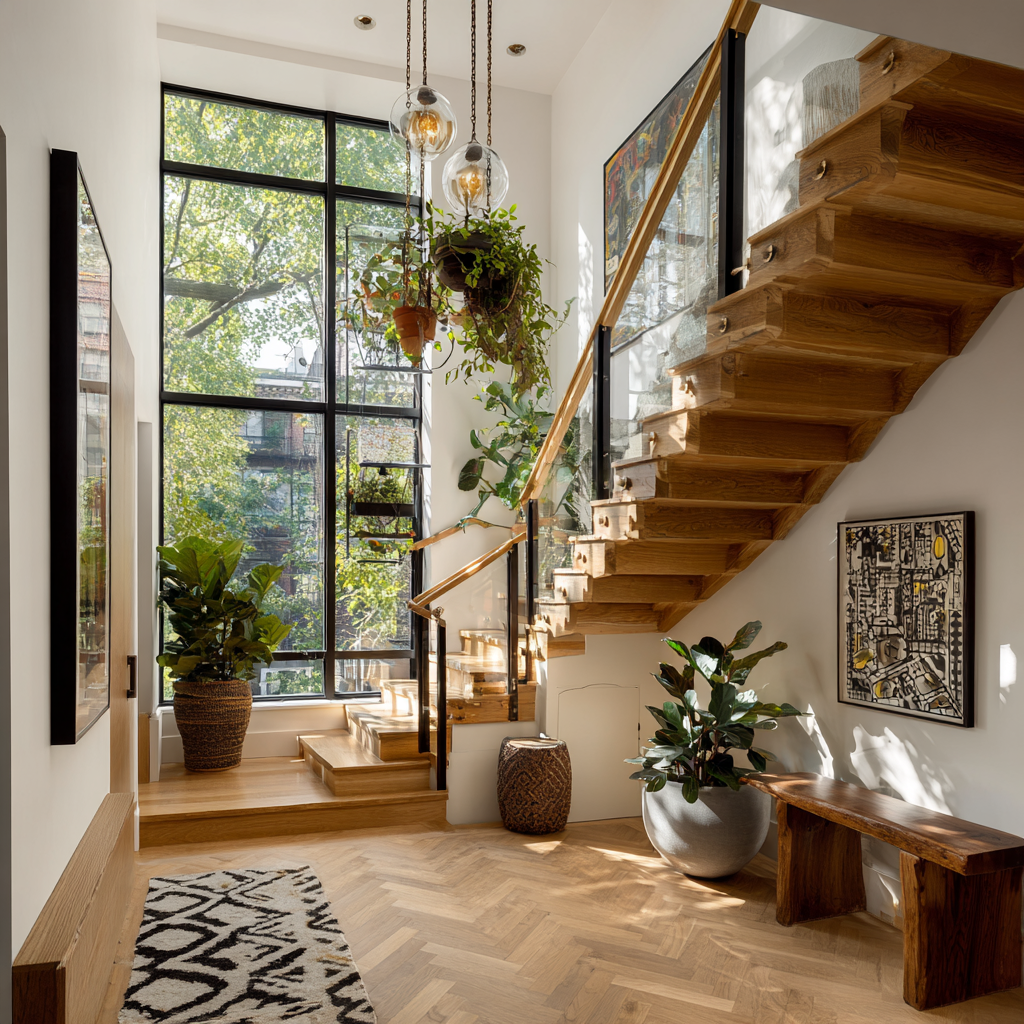
A spiral staircase winds tightly around a central pole, minimizing the footprint and creating a bold sculptural effect. Each step radiates out from the core, stacking vertically in a compact circle.
Homeowners often favor this type of staircase when needing to use as little floor space as possible. Plus, there’s no denying its unmistakable sense of artistic flair or European charm.
Best suited for: Compact homes, city lofts, small cottages, studios, or as a chic solution for attic/loft access where every inch matters.
Potential downsides and considerations: The steep, narrow treads can be challenging for daily traffic, moving furniture, or anyone with reduced mobility. Building codes may restrict use as a main staircase (check local regulations), and they’re less suitable for family homes with young children or pets.
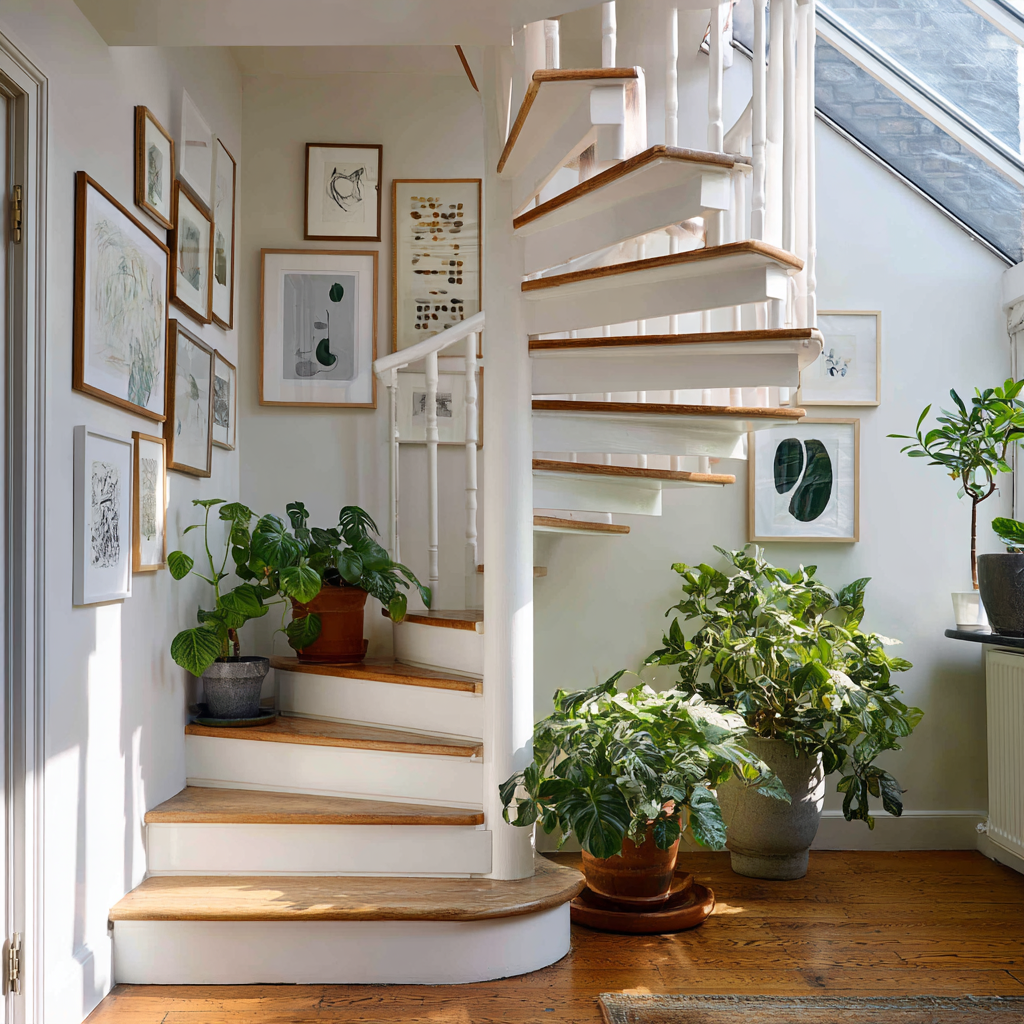
Winder stairs take the turning concept even further by using wedge-shaped treads that curve around a corner—no sharp landing required. This layout squeezes vertical movement into a tight footprint and lets the stairs gently wrap around structural constraints.
The continuous turn gives a homey, old-world vibe, making for an intimate experience on the way up or down. Winders can be detailed with everything from simple painted risers to show-stopping tilework, depending on the home’s style.
Best suited for: Older homes, European-style cottages, creative remodels with quirky layouts, or any project where landings would crowd existing rooms.
Potential downsides and considerations: Angled treads can be less intuitive to navigate, especially for anyone with balance concerns, and often require custom carpentry for safety and code compliance. Carrying large items is a challenge, and the turn may feel tight for wider guests or busy households.
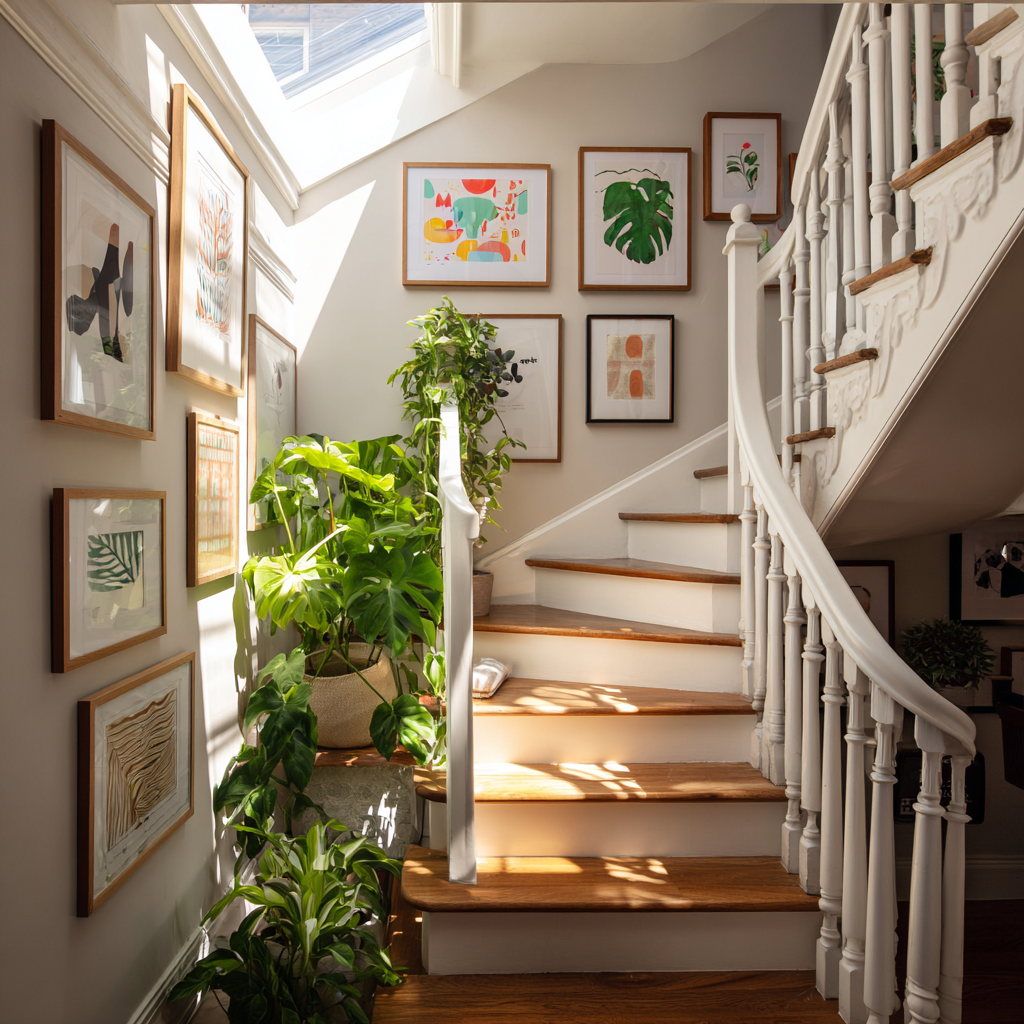
Every home project comes with its own priorities—whether it’s maximizing space, futureproofing for safety, or making access feel effortless. Here’s how different types of stairs and thoughtful features can best support your needs:
Building a second story addition: A straight staircase is often ideal for new levels, especially when matched with streamlined, open railings in wood or metal for a light, welcoming first impression. If you want to minimize sound travel or separate floors more distinctly, combine an L-shaped or U-shaped stair with a mid-landing that features glass panels or balusters for visibility and contemporary flair. Opt for uniform treads and sturdy, continuous handrails to make moving between levels easy and natural—especially important if you’re planning to carry furniture or laundry up and down.
Building stairs to basements: Closed-riser straight stairs are the typical choice for basements, providing both stability and comfort when carrying heavier loads. Consider solid wood or non-slip composite treads for safety, and install a robust railing on at least one side (both sides, if the stairs are wide). Motion-sensor or step lighting, plus wider treads, make these stairs safer when moving between floors with arms full, especially on dimmer basement trips.
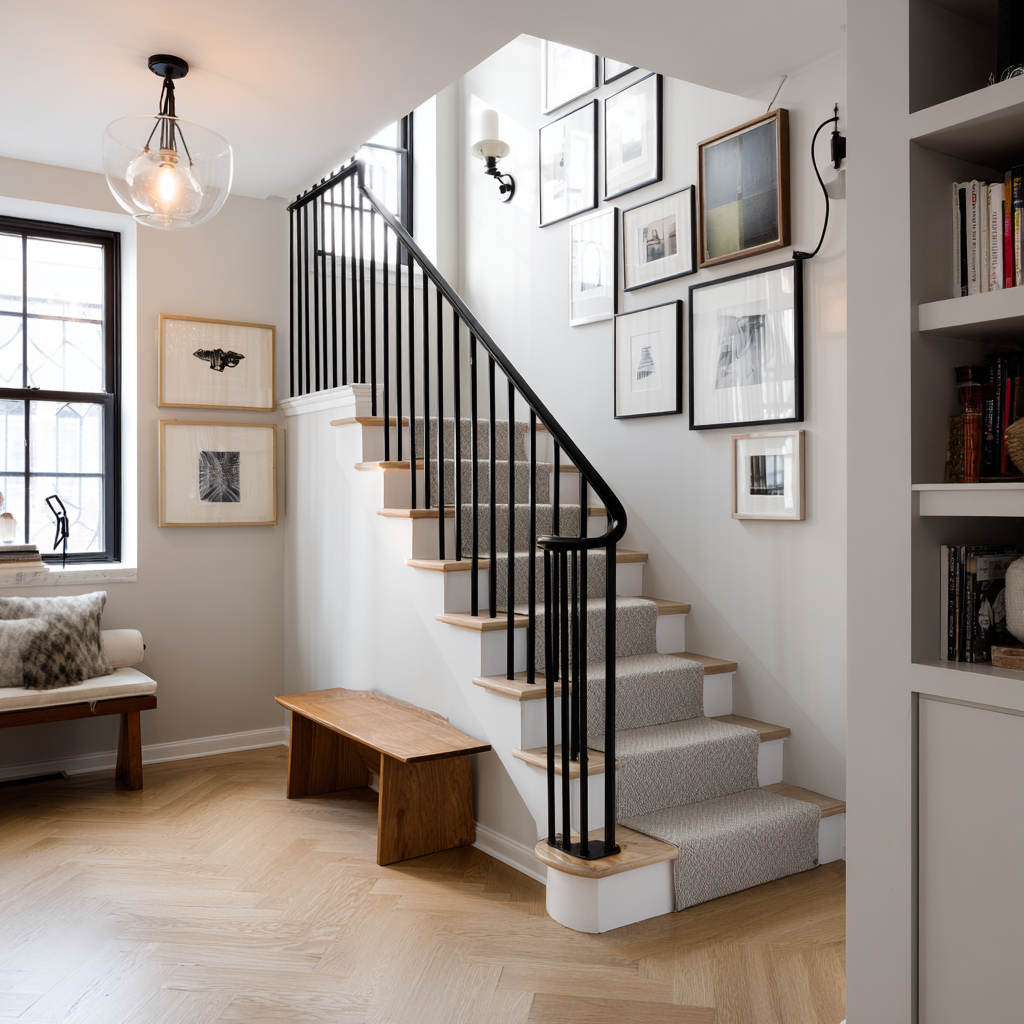
Building stairs to your attic: Winder staircases work well for attics, hugging the perimeter of a room to save precious floor area but still allowing for gentle, consistent steps. Use textured treads and consider railings with closely spaced balusters or slim cable infill to prevent falls in tight or infrequently used zones. Where vertical space is especially tight, a spiral stair with a compact handrail can fit—but be sure to use anti-slip finishes and keep the diameter large enough for comfort.
Aging in place: The safest choice is a straight or U-shaped staircase with deep, wide treads and shallower risers, paired with an easy-to-grip, continuous handrail on both sides of the stair. Railings in a matte finish metal or high-contrast wood improve visibility for those with vision changes. Add strong, even lighting (possibly with step-integrated LEDs) and simple, closed risers for extra foot confidence; skip open risers and glass treads, which can be disorienting.
Families with kids: L-shaped or U-shaped closed-riser stairs with landings work best, breaking up long flights and offering natural points for rest or supervision. Incorporate durable, wipeable surfaces and gentle, rounded banisters sized for little hands. You might add integrated safety gates or consider a railing system with closely spaced verticals to keep curious climbers safe, and opt for a low-pile runner to prevent slips and cushion inevitable tumbles.
Limited square footage: Space-saving spiral, tight U-shaped, or winder stairs work wonders—but details are everything. Use alternating tread stairs or open riser metal staircases only where building code permits and adults are primary users, pairing with thin-profile railings and wall-mounted handgrips to avoid crowding the space visually. For a small family, consider a compact winder staircase with a continuous railing and built-in storage beneath for ultimate function.
Design a Home That’s Uniquely Yours
Block can help you achieve your renovation goals and bring your dream remodel to life with price assurance and expert support.
Get Started
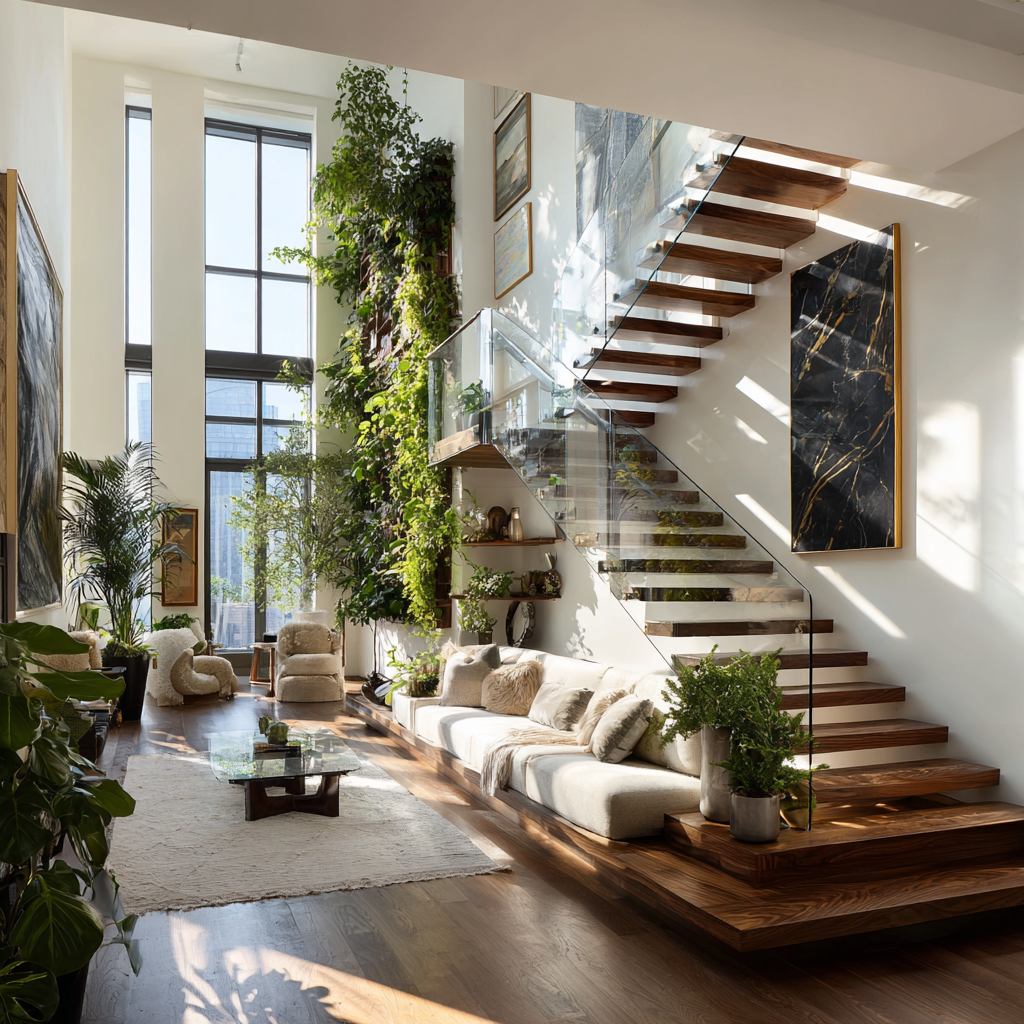
This type of staircase uses ingeniously hidden supports to make treads appear as if they’re drifting weightlessly in space. This creates a contemporary, light-filled mood and floods the area with daylight, helping even small homes feel open and airy. Floating stairs often feature glass or minimal railings and are a perennial favorite among architects for dramatic entryways.
Best suited for: Minimalist, contemporary homes; rooms needing maximum openness; design-forward city dwellings; or new construction with architectural flair.
Potential downsides and considerations: Engineering complexity (and cost) can run higher than other types. Plus, the open sides may be a safety issue for families with young children or high-traffic households.
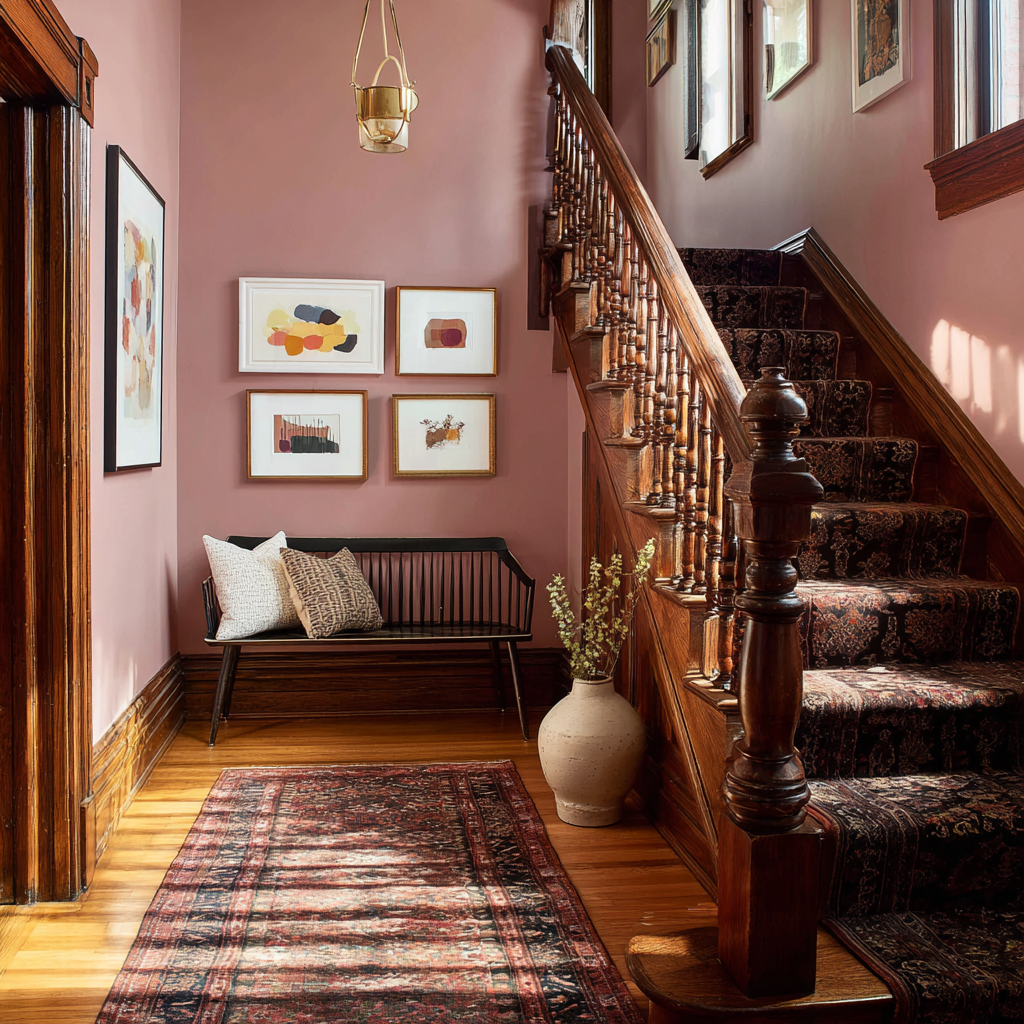
Traditional staircases boast timeless architectural details—think carved wood newels, turned balusters, substantial handrails, and warm wood or plush coverings. Their decorative touches exude permanence, craftsmanship, and a sense of lived-in luxury. Classic in both older and new builds, the right traditional stair amplifies a welcoming, layered look.
Best suited for: Historic homes, homes with formal or transitional interiors, classic entry halls, or spaces craving warmth and character.
Potential downsides and considerations: Can feel visually heavy in smaller or very modern rooms, and intricate trims and finishes may increase maintenance or construction time.
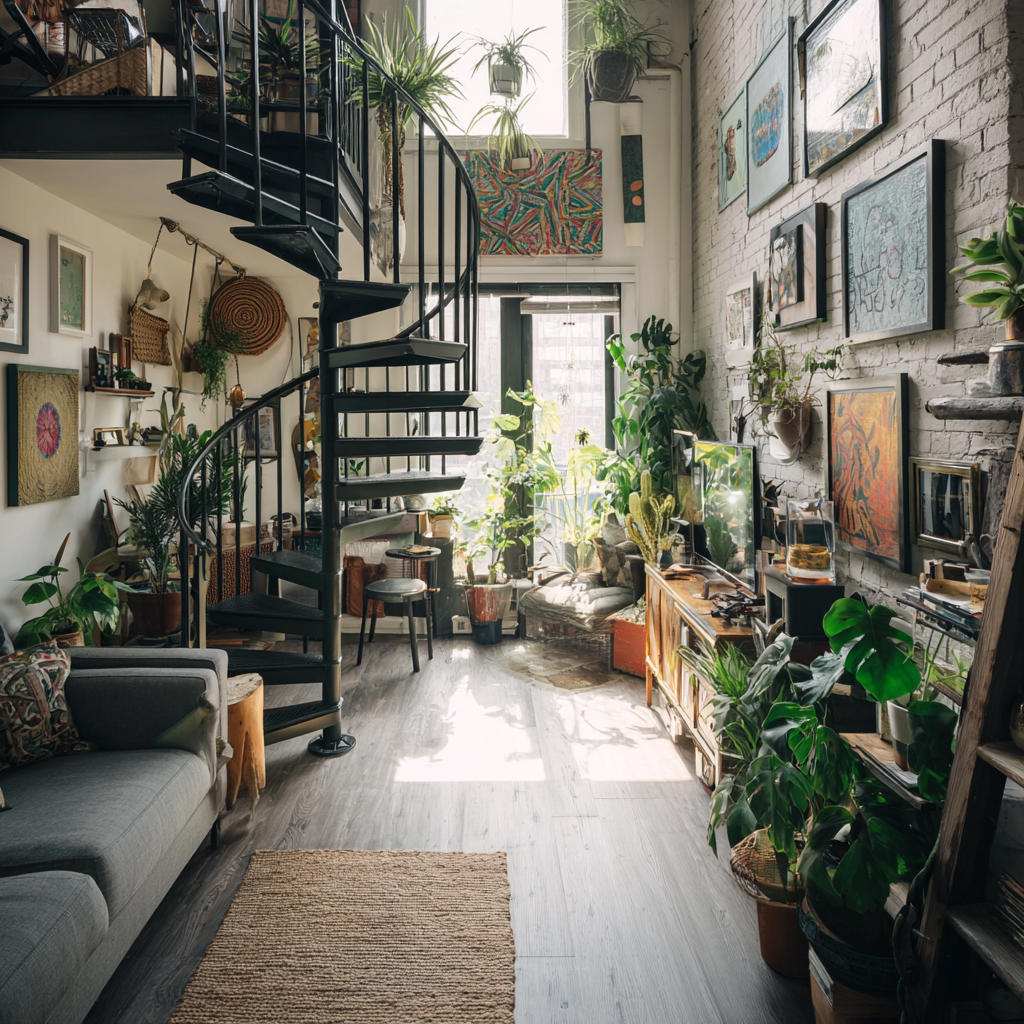
Industrial staircase styles highlight honesty in materials—exposed steel, iron mesh, reclaimed timbers, and visible structural elements. They make an unmistakable statement and thrive in lofts, modern farmhouse conversions, and homes with open layouts where rough-and-ready charm is an asset. Paired with creative furnishings, industrial stairs set a tone of cool confidence.
Best suited for: Warehouse conversions, urban lofts, barn-style homes, or any project with an open plan and appreciation for utilitarian detail.
Potential downsides and considerations: Can read as cold without the right softening touches, and metal stairs may echo footsteps loudly unless treated. The style can clash with traditional interiors if not thoughtfully integrated.
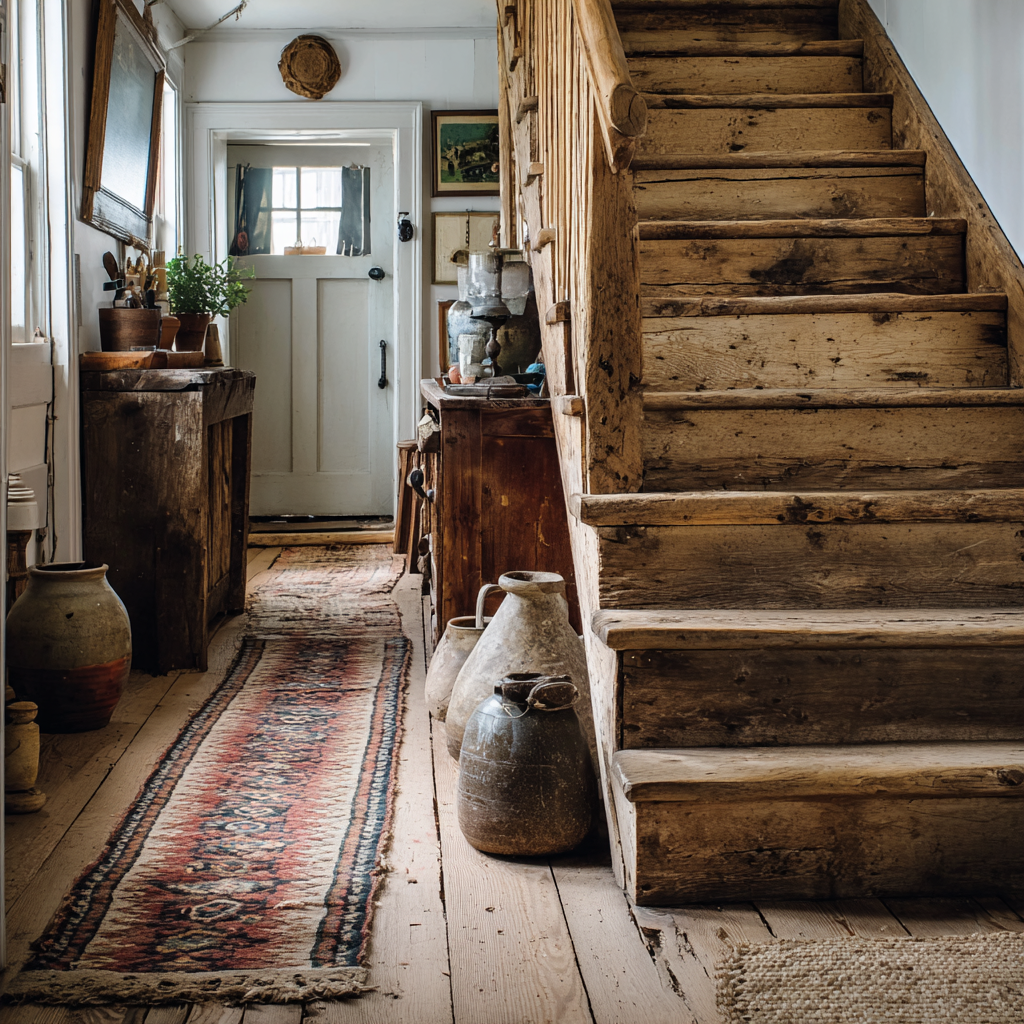
Rustic farmhouse stairs bring raw, organic charm—often finished in chunky reclaimed wood, simple handrails, and honest joinery. These stairs offer visual warmth, texture, and a natural mood that suits country living or anyone happy with a well-worn look. Farmhouse stairs can be simple or dramatic, but always evoke comfort.
Best suited for: Rural cabins, lakeside cottages, family-friendly renovations, or spaces craving lived-in authenticity.
Potential downsides and considerations: True reclaimed woods require care to avoid splinters or settling, and the visual weight can overwhelm very small or minimal interiors.
Modern minimal stairs follow the “less is more” philosophy—thin treads, streamlined railings, and either painted or natural wood finishes that let architecture shine. This type of staircase is ideal for quietly connecting levels without hogging visual space, and works well with glass, metal, or light woods. In airy spaces, they provide a sense of order and visual calm.
Best suited for: Open-concept renovations, mid-century or new-build homes, and anywhere natural light and clean lines are priorities.
Potential downsides and considerations: Minimalist finishes can show scuffs or fingerprints; some profiles may not offer the same sound-dampening or coziness traditional stairs do.
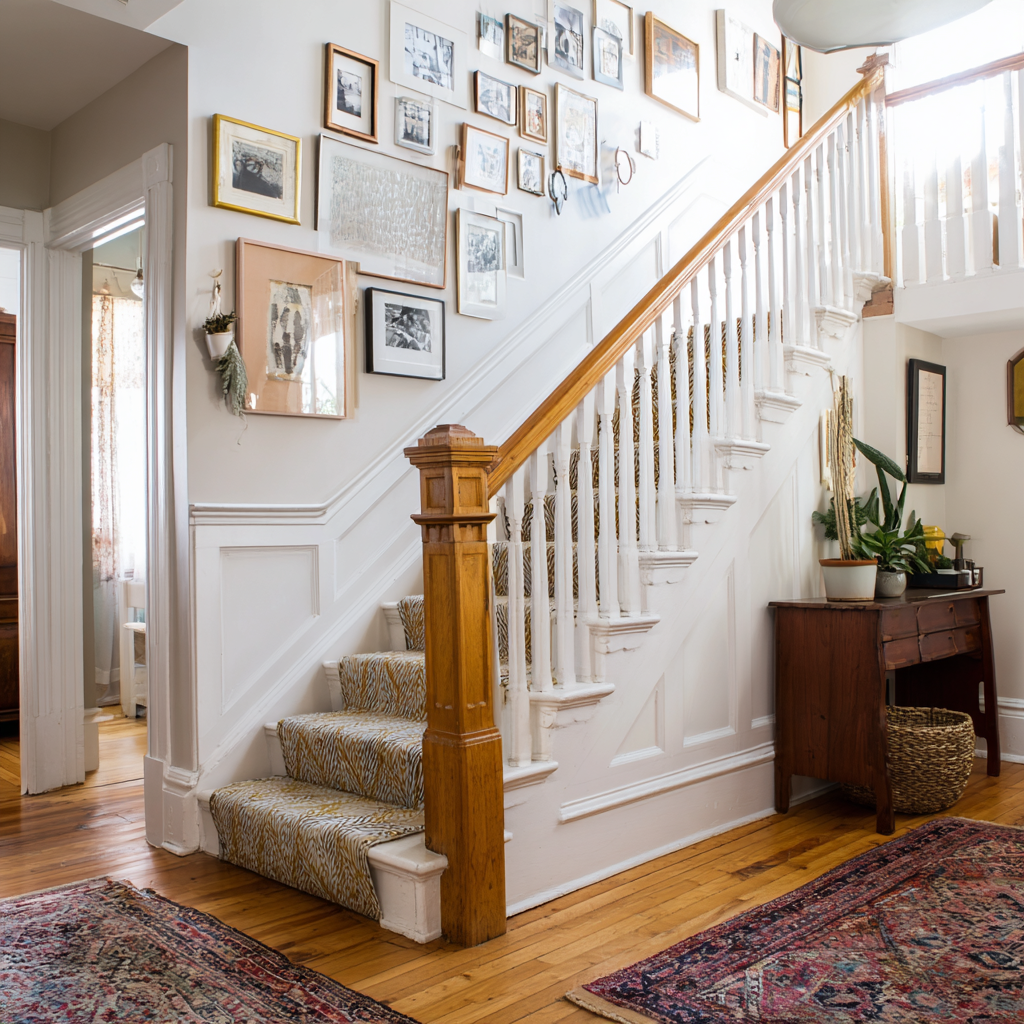
Sometimes the smallest choices make the biggest difference. For everyday elegance and easy care, keep it straightforward and durable.
Painted wood risers and natural treads for color-blocked depth without overwhelming a small space.
Understated railings in matte black, brushed steel, or painted white to fit any interior from modern to cottage.
A classic stair runner in a subtle stripe or solid, giving instant comfort, color, and noise reduction.
Discreet step or wall lighting for visible safety—especially great in homes with kids or for late-night trips.
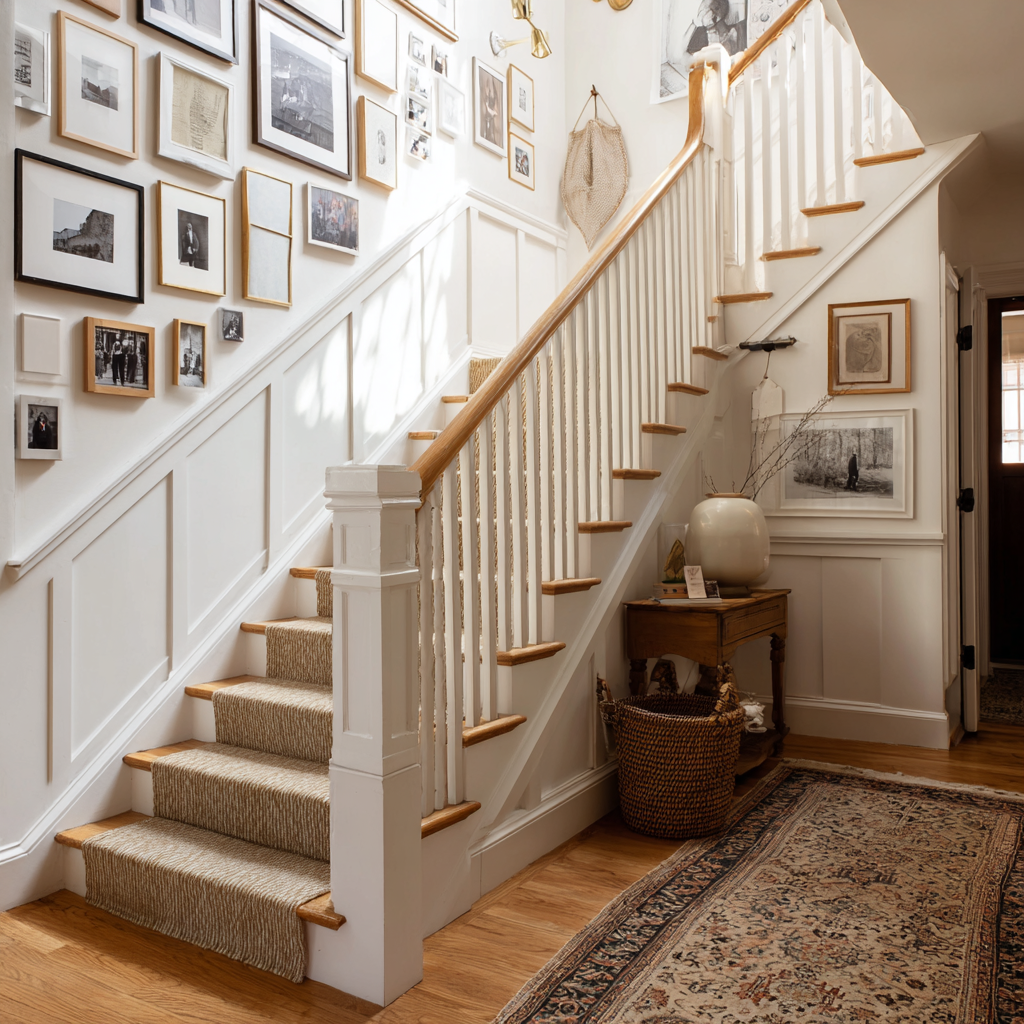
If you’re ready for your staircase to be a showpiece, level up with detail and custom finishes.
Crafted iron or smoked glass balusters, bringing unique artistry and an airy vibe.
Continuous, waterfall-edge wood treads to highlight fine joinery and draw the eye through the space.
LED under-tread or handrail lighting for a soft, modern luxe glow—practical and unforgettable.
High-impact wall panels—like intricate wainscoting, bold painted murals, or oversized statement art following the line of the stairs.
Patterned stone or tile accent risers for a hint of color and personality in every step.
Color drenching—paint both the stair banisters and surrounding walls in a single bold shade for a dramatic, cohesive look that feels both contemporary and tailored.
Choosing among the different types of stairs is a moment to blend practicality, proportion, and style. The best staircase does more than move you between floors—it fits your space, highlights your home’s strengths, and fits daily routines. An experienced contractor can help you weigh aesthetics, structural needs, and code compliance so you don’t have to leave anything to chance. Block Renovation connects homeowners with trusted pros who know how to recommend, plan, and execute different staircase styles—ensuring that even the smallest home gets a staircase that’s inspiring, safe, and truly built to last.
Remodel with confidence through Block

Connect to vetted local contractors
We only work with top-tier, thoroughly vetted contractors

Get expert guidance
Our project planners offer expert advice, scope review, and ongoing support as needed
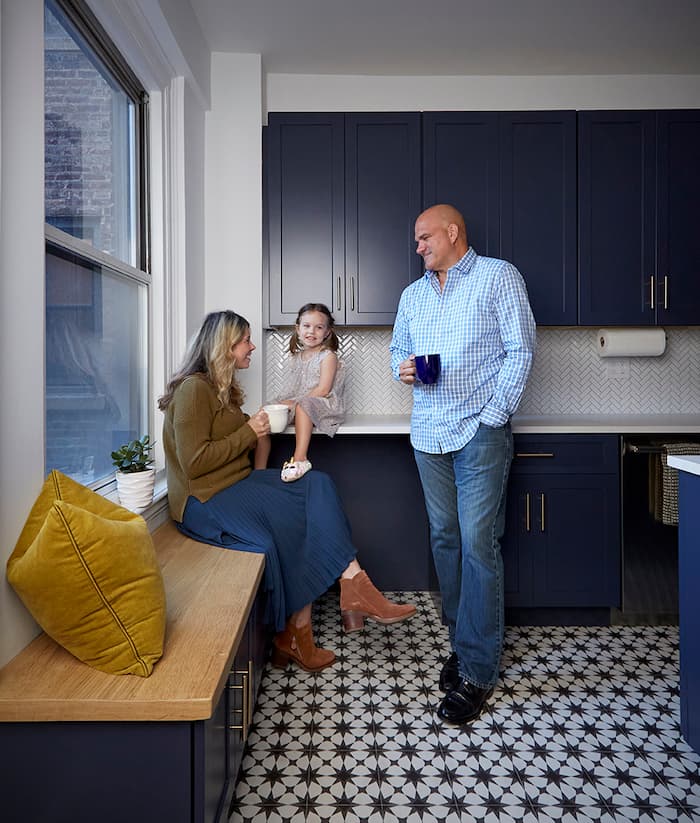
Enjoy peace of mind throughout your renovation
Secure payment system puts you in control and protects your remodel

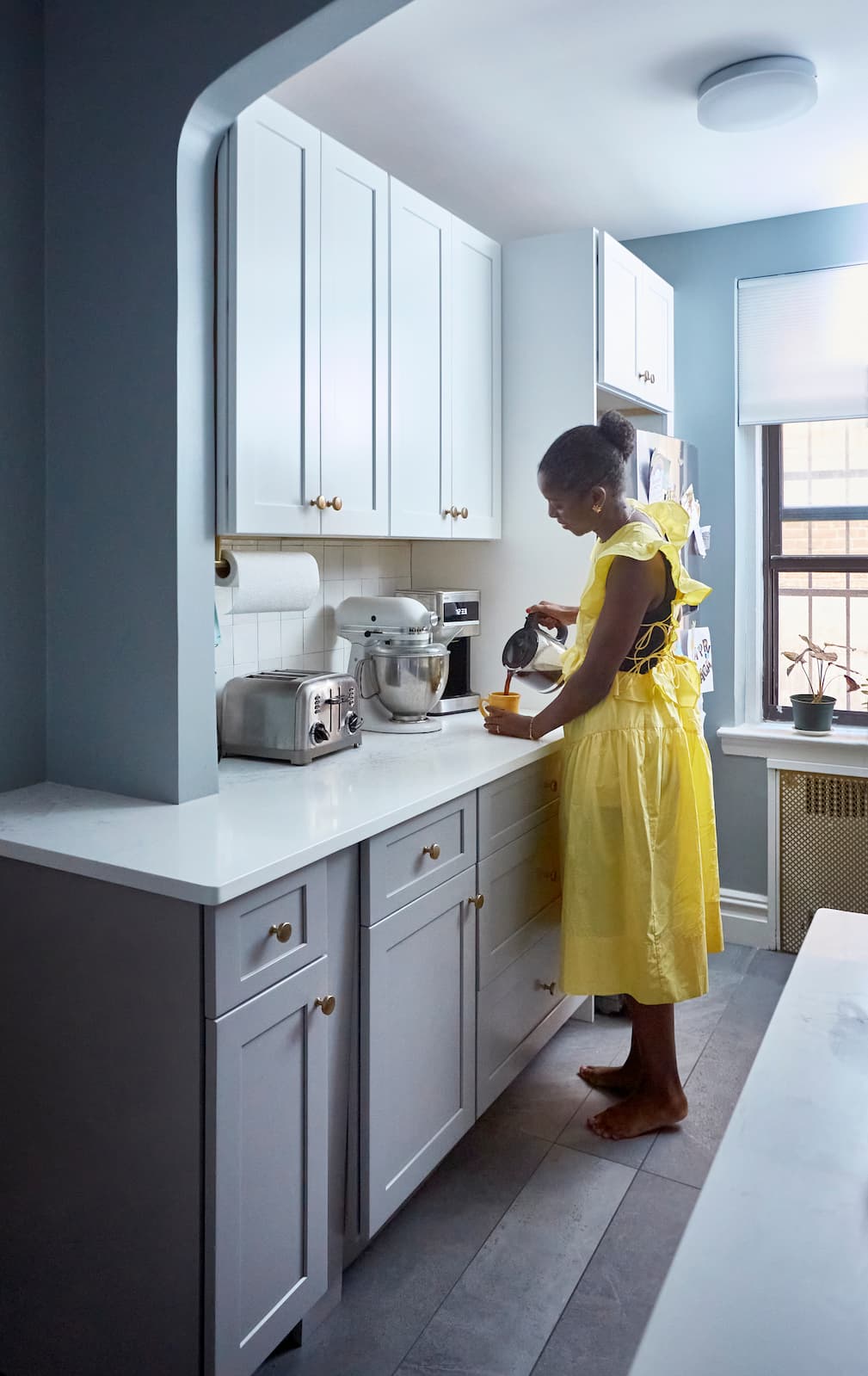
Renovate confidently with Block
Easily compare quotes from top quality contractors, and get peace of mind with warranty & price protections.
Stairs
Staircase Remodel Ideas to Enhance Your Home
07.05.2026
Stairs
Under-Stairs Office & Desk: Design and Prep | Block
07.03.2026
.jpg?width=640&name=images%20(2).jpg)
Stairs
Stairs Remodeling: Cost, Ideas & What to Expect
05.21.2026
Stairs
Staircase Type Comparison: Find Your Perfect Style
01.15.2026
Stairs
Staircase Renovation Costs & Remodeling Tips
01.14.2026