




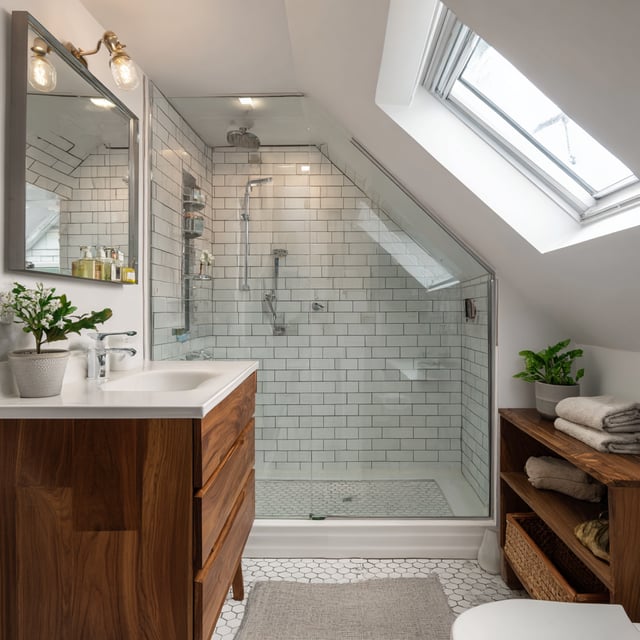
Attic
Denver Attic Renovation: Making Your Attic Actually Livable
04.21.2026

02.16.2026


In This Article
Kitchens in Arvada do a lot of heavy lifting, especially in commuter households that need fast, workable mornings and calm, functional evenings. From Olde Town Arvada to West Woods and along the hillsides near Candelas, the mixture of home ages and lot shapes means there’s no single “standard” kitchen to design around. A thoughtful remodel can make traffic flow less awkward, upgrade safety and ventilation, and finally give you storage that matches how you actually cook. The best part is that kitchen renovations Arvada homeowners choose don’t have to be flashy to feel meaningful—they just need to fit the way your household lives.
Design a Home That’s Uniquely Yours
Block can help you achieve your renovation goals and bring your dream remodel to life with price assurance and expert support.
Get Started
While design choices and square footage will be the largest influence in cost, geography plays a role. Compared with the national average, a kitchen remodel Arvada homeowners plan often lands a bit higher, especially once you factor in skilled labor and material lead times. That’s driven by strong Front Range demand, the realities of updating older housing stock, and the ripple effects of permitting and trade scheduling across the Denver metro.
|
Project size |
Typical kitchen size |
Common scope |
Estimated cost range (Arvada) |
|---|---|---|---|
|
Small kitchen remodels |
70–120 sq. ft. |
Cosmetic refresh, minor layout tweaks |
$25,000–$55,000 |
|
Medium-sized kitchen remodels |
120–200 sq. ft. |
Semi-custom cabinetry, new counters, moderate electrical/plumbing |
$55,000–$95,000 |
|
Larger kitchen remodels |
200–350+ sq. ft. |
Layout rework, premium finishes, possible wall changes |
$95,000–$160,000+ |
Labor for kitchen remodeling Arvada projects commonly falls in the $18,000–$55,000 range, depending on scope and the number of trades involved. Smaller refreshes cluster toward the low end, while full layout changes climb quickly once demolition, carpentry, plumbing, electrical, and tile overlap. If you’re remodeling an older Arvada kitchen, labor can rise when crews need extra time for careful demo, leveling, or bringing systems up to current code. Scheduling also matters: when trade calendars tighten, labor pricing and timelines can move in tandem.
Permits for kitchen renovations Arvada homeowners undertake often total about $300–$2,500, depending on the work and how many disciplines are involved. If you’re changing mechanical systems, altering walls, or updating service capacity, the permit path can expand—and so can inspection coordination.
A calm budget is usually the result of a few unglamorous decisions made early. The goal is to protect the parts of the remodel that affect daily life—layout, storage, and durability—before spending on extras.
Renovation Studio is Block’s planning tool that helps you map design choices and see how different selections change the direction of a remodel. It’s built to let homeowners visualize combinations—like cabinet styles, countertop materials, backsplash looks, and fixture finishes—before committing. You can explore how layout decisions and finish packages work together, which is especially helpful when you’re trying to keep kitchen remodeling Arvada planning from drifting into “just one more upgrade.” For Arvada households comparing options, it’s a practical way to pressure-test ideas—like opting for a quartz counter versus a more premium stone look—while keeping the overall plan coherent.
Older kitchens can be incredibly satisfying to renovate, but they often ask for more diagnostic work before you fall in love with finishes. In Arvada, that planning phase pays off because many homes have been updated in layers over decades.
In neighborhoods near Olde Town Arvada you’ll see a mix of early-20th-century cottages and post-war homes, while areas with mid-century ranches bring long, low rooflines and big front windows. These homes often have details worth echoing—subtle trim profiles, warm wood tones, and proportions that feel grounded rather than trendy. The trick is to carry those cues into the kitchen without turning it into a time capsule. Think “inspired by,” not “stuck in.”
Sometimes you want the kitchen to feel current and clean, but it doesn’t have to be a major overhaul. Small shifts in color temperature, lighting, and hardware can make a dated room feel intentionally updated. The goal is to edit visual noise while keeping what still works.
Renovate now, pay later
Achieve the space you're looking for today, while financing it over time with our trusted partner.*
*Not available in NYC
Learn More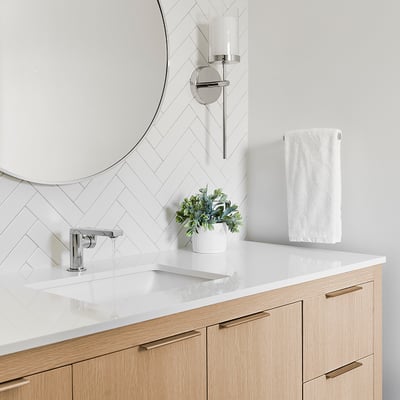
Remodeling older kitchens can cost more because hidden conditions are common and code updates may be required once work begins. Even when the existing kitchen “looks fine,” the systems behind it might be nearing the end of their lifespan. It’s wise to assume some portion of your budget will go toward bringing the bones of the room up to modern expectations.
A contingency fund is what keeps these discoveries from derailing the parts of the design you care about most. Many homeowners set aside an additional 10%–20% of the project budget, then treat it as untouchable unless the house forces the issue.
If you don’t use the full contingency, you can always redirect it near the end—maybe to a better faucet, a pull-out pantry, or upgraded lighting—when you’re making decisions with full information instead of mid-demo stress.
Many Arvada homeowners want kitchens that feel connected to the yard, the patio, and the long stretch of sunny days Colorado is known for. With low humidity, bright light, and landscapes that support tough, beautiful plants like lavender and native grasses, indoor-outdoor living tends to work well here when it’s planned thoughtfully. Indoor-outdoor living means designing the kitchen so it visually and physically connects to exterior space for cooking, dining, and gathering. The best remodels make that connection practical—easy movement, durable thresholds, and ventilation that can handle real use.
As a bonus, you could even consider building an outdoor kitchen to truly celebrate Arvada’s outdoors.
Colorado is beloved for its clear light, outdoor-forward lifestyle, and a food culture that ranges from green chile comfort to weekend grilling after a hike. In Arvada, that shows up as kitchens that need to be unfussy, durable, and ready for both casual breakfasts and bigger gatherings. Small inspired touches can help your kitchen feel more like home and a reflection of the region. Materials, colors, and textures can hint at the Front Range without turning the room into a theme.
Arvada’s neighborhoods mix mid-century ranches, 1970s–1990s tri-levels, newer Craftsman-inspired builds, and pockets of older cottages closer to Olde Town. Those styles come with different window placements, ceiling heights, and structural rhythms that should guide where you put tall cabinets, how you handle soffits, and whether an island makes sense. In practice, kitchen renovations Arvada homeowners love tend to feel “inevitable” in their house—like the materials and proportions were always meant to be there. The smartest designs borrow from what the home already does well, then fix what it never did.
Mid-century ranch homes in Arvada often have long, low rooflines, wide front windows, and a practical, single-level footprint that favors straightforward circulation. Kitchens in these houses can feel separated from adjacent living areas, with modest cabinet runs and limited pantry storage. Because ceiling heights are often moderate, tall cabinets and heavy uppers can make the room feel compressed if the proportions aren’t handled carefully. The best remodels lean into clean lines, warmer wood tones, and efficient layouts that keep sightlines open.
Tri-level homes in Arvada commonly split living spaces across half flights, which can create choppy circulation around the kitchen and dining area. The kitchen is often positioned between levels, making it a pass-through zone with multiple entry points. That layout can limit where an island fits and can complicate structural changes because walls may help define the level transitions. A successful remodel focuses on clarifying pathways, increasing storage, and using consistent finishes to visually unify the connected spaces.
Craftsman-style homes in Arvada often emphasize sturdy trim, natural materials, and details like tapered profiles or built-in cabinetry motifs. Kitchens in these homes may have cozier proportions and a stronger visual framework from casings and millwork. Because the style is detail-forward, mismatched cabinet doors or overly sleek fixtures can feel out of place quickly. The best approach is to keep craftsmanship cues—warm woods, honest finishes, and well-scaled lighting—while upgrading storage and workflow behind the scenes.
Early-20th-century cottages in Arvada are often compact, with smaller room footprints, charming window placements, and walls that divide spaces more distinctly. Kitchens can feel tight because they were designed for fewer appliances and less storage, and older openings may not align with modern cabinet dimensions.
These homes frequently reward careful space planning, since a small change—like shifting a doorway—can have an outsized effect on function. Remodels that succeed keep the cottage’s cozy scale while adding smart storage, better lighting, and durable surfaces for everyday cooking.

Cabinets and storage solutions are the backbone of a kitchen, shaping both how it looks and how it functions every day.
Block matches homeowners with vetted contractors and supports the project from planning through construction using a structured process. You share your goals and information about your space, then Block helps connect you with the right pro for your scope and budget. It’s designed to make contractor selection less of a guessing game, especially when kitchen remodeling Arvada decisions stack up quickly.
Block Protections are designed to add confidence to the build, and payments are systemized so funds are released as work is completed. That structure helps keep projects organized and reduces the stress of managing financial logistics on your own.
Remodel with confidence through Block
Connect to vetted local contractors
We only work with top-tier, thoroughly vetted contractors

Get expert guidance
Our project planners offer expert advice, scope review, and ongoing support as needed
Enjoy peace of mind throughout your renovation
Secure payment system puts you in control and protects your remodel


Renovate confidently with Block
Easily compare quotes from top quality contractors, and get peace of mind with warranty & price protections.
Attic
Denver Attic Renovation: Making Your Attic Actually Livable
04.21.2026

Colorado
Denver Home Additions—Costs, Architecture, and What to Know
04.20.2026
Colorado
Home Renovation ROI in Denver: Projects That Help Your Home Stand Out
04.16.2026

Colorado
Kitchen Remodel Boulder, CO: Costs & Local Tips
04.14.2026

Commercial
Commercial Remodeling in Denver: Costs, Regulations, and Realities | Block Renovation
04.09.2026