



Custom Home Building in Denver, CO: A Complete Guide for Future Homeowners

Budget your upcoming Denver custom home build with help from Block
How we get your estimate
Fill out the form above to either connect with contractors for a personalized quote or estimate your costs with Block's Renovation Studio.
A transitional-style dining room features a dark wood table with six mid-century modern chairs, a brass Sputnik chandelier, light gray wainscoting and walls, a medium-tone wood sideboard, and a herringbone-patterned wood floor.

In This Article

    Denver, CO, offers unparalleled combination of urban sophistication, outdoor recreation access, and economic opportunity that continues attracting young professionals, outdoor enthusiasts, and families seeking Rocky Mountain lifestyle with metropolitan amenities. As the Mile High City and anchor of Colorado's Front Range, Denver provides diverse employment sectors, craft brewery culture, world-class museums, and neighborhoods ranging from historic Capitol Hill to newer developments in Stapleton, Highlands, and surrounding suburbs. The region's dramatic geography from plains to foothills creates opportunities for custom homebuilding from urban infill to mountain properties with Front Range views.

    Building a custom home in Denver requires understanding Colorado's unique challenges including high-altitude construction considerations, freeze-thaw cycles affecting foundations, and navigating stringent energy codes addressing heating at 5,280 feet elevation. Foundation requirements must address expansive soils while building methods accommodate Denver's dry climate and intense sun exposure.

    Design a Home That’s Uniquely Yours

    Block can help you achieve your renovation goals and bring your dream remodel to life with price assurance and expert support.

    Get Started

    Cost and timeline overview for future Denver homeowners

    Understanding local building costs and timeframes helps Denver homeowners establish realistic budgets and avoid surprises. Custom home construction in Denver typically ranges from $200 to $320 per square foot, with luxury builds in Cherry Hills Village, Wash Park, or foothills properties exceeding $500 per square foot depending on finishes, views, and site complexity.

    Several factors influence where projects fall within this range. Labor costs reflect Denver's premium market as the region's explosive growth creates sustained demand for skilled trades commanding high rates. Material costs face transportation expenses and altitude considerations, with some products requiring special specifications for high-altitude performance. Colorado's energy code requirements exceed many states, mandating enhanced insulation, high-efficiency systems, and quality windows adding costs while providing long-term savings in Denver's temperature extremes and heating-dominated climate.

    Lot selection dramatically impacts total investment. In-town properties in established neighborhoods like Wash Park, Hilltop, or Platt Park command premiums from $500,000 to several million for teardown opportunities with mature trees. Foothills properties with Front Range views command substantial premiums but require significant site development for steep slopes, utilities, and wildfire mitigation. Suburban parcels in rapidly developing areas provide more accessible entry points while offering larger lots.

    The largest factors in determining cost

    Foundation systems represent substantial expenses in Denver, consuming 14-20% of total budgets due to Colorado's expansive clay soils, freeze-thaw considerations, and varied terrain. Denver's Bentonite clay soils exhibit high expansion potential requiring proper engineering and sometimes soil stabilization. Frost depth requirements necessitate foundations extending 30 inches below grade, increasing excavation and concrete costs. Foothills properties may require pier systems, extensive grading, and retaining walls adding $50,000-$150,000-plus to site preparation.

    Energy efficiency requirements and high-altitude HVAC systems consume 12-18% of budgets. Colorado's energy code mandates enhanced insulation, high-performance windows, and efficient mechanical systems addressing Denver's heating-dominated climate with 5,000+ heating degree days annually. High-altitude reduces HVAC equipment efficiency by 10-15%, requiring proper sizing and sometimes enhanced systems. Solar access and passive solar design prove valuable given Denver's 300 sunny days annually.

    Exterior materials suited to Denver's climate account for 16-24% of costs. Stucco, stone, and fiber cement siding dominate for durability in freeze-thaw cycles and intense UV exposure. Quality windows prove essential for managing Denver's temperature extremes and preventing condensation issues at altitude. Wildfire-resistant materials including metal roofing and non-combustible siding prove essential for foothills properties.

    Here's the expanded version tailored for Denver:

    Examples of upgrades that will push your budget higher

    Custom home features that increase construction costs include:

    • Mountain contemporary architectural details including exposed timber framing, floor-to-ceiling glass, and steel elements creating distinctive Rocky Mountain aesthetics. These structural elements require specialized engineering and skilled craftsmen, with reclaimed timber beams costing $15-$40 per linear foot and custom steel fabrication adding $25,000-$60,000 to projects. The combination of heavy timber construction with expansive glazing systems demands precise coordination between structural engineers and window specialists to maintain both the dramatic visual impact and Denver's strict energy efficiency requirements at 5,280 feet elevation.
    • Outdoor living spaces with covered patios, fire features, and mountain views capitalizing on Denver's 300 sunny days. Elevated decks with Front Range views require engineered support systems, weather-resistant materials like composite or ipe decking, and integrated propane or natural gas fire features that add $40,000-$100,000 to construction budgets. These spaces often incorporate radiant heaters, weatherproof audio systems, and commercial-grade outdoor kitchens with refrigeration designed to withstand Denver's freeze-thaw cycles, extending outdoor entertaining from April through October despite occasional snow.
    • Wildfire mitigation systems including metal roofing, sprinkler systems, and defensible space landscaping for foothills properties. Properties in wildland-urban interface areas require Class A fire-rated roofing materials like standing seam metal ($18,000-$35,000 premium over asphalt), ember-resistant vents, and sometimes exterior sprinkler systems with dedicated water storage tanks adding $15,000-$40,000. Defensible space requirements mandate removing vegetation within 30-100 feet of structures and installing fire-resistant landscaping using native grasses and strategic hardscaping, which increases initial landscaping costs by 40-60% while providing essential protection in Colorado's high fire-danger environment.
    • Ski storage, mudrooms, and gear rooms accommodating Colorado's outdoor lifestyle equipment. Dedicated mudrooms with heated tile floors, custom built-in storage for skis, snowboards, boots, and bikes, plus drying racks and boot warmers add $8,000-$20,000 beyond standard entry spaces. Many Denver custom homes incorporate separate gear rooms off garages with floor drains, utility sinks, and ventilation systems for drying wet equipment, plus climate-controlled storage for expensive ski gear and mountain bikes that represents $12,000-$25,000 in additional square footage and specialized systems.
    • Energy-efficient features exceeding code including enhanced solar, geothermal systems, and triple-pane windows. Solar panel arrays sized to offset 80-100% of electrical consumption cost $25,000-$50,000 installed, while geothermal HVAC systems with wells drilled 300-500 feet add $35,000-$70,000 over conventional systems but reduce heating costs by 40-60% in Denver's heating-dominated climate. Triple-pane windows with low-E coatings and argon fill cost 30-50% more than standard double-pane units but prove valuable at altitude where intense UV exposure and temperature swings stress building envelopes, providing payback through reduced utility bills within 8-12 years.
    • Smart home systems with remote monitoring are valuable for vacation properties or managing homes during travel. Comprehensive automation controlling HVAC, security, lighting, window shades, and leak detection costs $25,000-$60,000 for whole-house integration with premium interfaces. Remote monitoring proves particularly valuable in Denver where second-home owners can track heating systems during winter cold snaps preventing frozen pipes, receive alerts for unexpected entry or water leaks, and adjust settings from distant locations ensuring properties remain secure and maintained during extended absences common among ski-home owners.
    • Luxury kitchens with professional appliances serving Denver's food-focused culture. Wolf or Thermador ranges with 6-8 burners plus griddles, 48-inch Sub-Zero refrigeration, and commercial-grade ventilation systems add $35,000-$70,000 beyond standard appliance packages. Denver's altitude affects cooking times and oven performance, making professional-grade equipment with precise temperature control particularly valuable, while the city's farm-to-table dining culture and craft beverage scene inspire homeowners to invest in wine refrigeration, coffee stations, and entertaining-focused layouts with large islands that serve as gathering spaces for Colorado's social, food-centric lifestyle.
    • Finished basements with wet bars, home theaters, and guest suites maximizing mountain property square footage. Walkout basements taking advantage of sloped mountain lots add 1,200-2,500 square feet of finished space at $80-$150 per square foot, providing valuable additional living areas while maintaining single-story main-level footprints. These lower levels often incorporate home theaters with acoustic treatments and tiered seating ($40,000-$90,000), full wet bars with refrigeration and wine storage ($15,000-$35,000), and guest suites with private bathrooms offering retreat spaces for visiting family while maximizing property value in Denver's competitive market where finished square footage commands premium pricing.
    harold blackmon-1

    “Productive negotiation starts with transparency, not discounts. Share goals and adjust scope instead.”

    Loose timelines for custom home builds in Denver

    Custom home construction in Denver typically requires 12-18 months from planning to move-in, with seasonal weather and competitive market conditions influencing timelines. Projects beginning in spring capitalize on favorable weather, while winter starts face delays during extended cold periods when concrete work becomes challenging.

    Denver-area permitting processes vary by jurisdiction, typically requiring 6-10 weeks for standard projects though complex designs or foothills properties requiring geological review extend timelines. Colorado's energy code compliance documentation and wildfire mitigation plans for certain areas add review time. Material lead times run 12-18 weeks given high regional demand.

    Understanding the role of an architect

    A Denver architect provides essential expertise in designing homes responding to Rocky Mountain environment, maximizing views, and creating distinctive mountain contemporary or traditional expressions defining Colorado architecture. Architects prove valuable for challenging foothills sites, contemporary designs, or homeowners seeking distinctive expressions. Many established Denver builders maintain design departments experienced in Colorado construction and regional preferences.

    Renovate with confidence every step of the way

    Step 1: Personalize Your Renovation Plan

    Step 2: Receive Quotes from Trusted Contractors

    Step 3: Let Us Handle the Project Details
    Get Started

    Finding the right site in Denver for your custom home

    Experienced builders provide guidance evaluating lots, identifying issues impacting costs based on experience across Denver's varied terrain from plains to foothills. They assess site characteristics significantly affecting project feasibility and budget.

    Site evaluation considerations include:

    • Soil quality and site stability: Denver sits atop highly expansive Bentonite clay soils presenting significant challenges. These soils exhibit extreme expansion potential requiring proper engineering, sometimes soil removal and replacement, or specialized foundation systems. Geotechnical investigations prove mandatory for understanding soil conditions and properly engineering foundations. Foothills properties may have varied conditions from bedrock to colluvial soils requiring careful investigation.
    • Utilities access: Most developed Denver neighborhoods offer municipal water, sewer, electricity, and natural gas through Denver Water, Xcel Energy, and various suburban providers. Foothills properties may require wells and septic systems, with wells potentially requiring drilling 300-600+ feet to reach adequate groundwater. High-speed internet varies, with fiber in developed areas but limited options in mountain locations.
    • Zoning and restrictive covenants: Denver and surrounding jurisdictions enforce zoning governing lot coverage, height, and setbacks. Foothills properties face additional regulations including wildfire mitigation requirements, geologic hazard reviews, and environmental protection. Many neighborhoods maintain architectural review with design standards.
    • Lot slope and drainage: Denver's varied topography from flat plains to steep foothills dramatically impacts construction costs. Foothills lots with significant slopes require extensive engineering, retaining walls, and specialized foundations. Proper drainage proves critical despite Denver's semi-arid climate, as intense summer thunderstorms create flash flood potential.
    • Proximity to amenities: Access to downtown Denver, Boulder, or suburban employment centers affects commutes. Proximity to outdoor recreation including skiing, hiking, and mountain activities influences lifestyle for many Denver residents.
    • Environmental concerns or hazards: Wildfire risk exists in foothills and interface areas, requiring defensible space and fire-resistant construction. Radon proves prevalent throughout Denver, requiring proper mitigation. Some areas face geologic hazards including expansive soils, rockfall potential, or landslide risk requiring engineering assessment.
    • View, orientation, and privacy: Front Range views command substantial premiums. Southern exposures maximize passive solar gain valuable in Denver's sunny, heating-dominated climate. Properties in foothills or on larger lots provide natural privacy.

    Denver homeowners prioritize mountain views, proximity to outdoor recreation, and access to quality schools when selecting lots. Many buyers specifically seek properties balancing urban convenience with mountain access.

    Popular custom home styles and trends in Denver

    Denver custom homeowners embrace architectural expressions celebrating Rocky Mountain environment while incorporating contemporary design sensibilities:

    • Mountain contemporary homes with natural materials, exposed timbers, and expansive glass dominate Denver's custom market. Stone, wood, and metal combine with floor-to-ceiling windows maximizing Front Range views. These designs celebrate Colorado's landscape while providing modern luxury.
    • Modern mountain rustic blending contemporary and traditional elements offers timeless appeal. Reclaimed wood, stone, and simplified details create refined mountain character without feeling dated.
    • Urban contemporary designs with clean lines and industrial elements suit Denver's in-town neighborhoods. Exposed concrete, steel, and glass create sophisticated urban expressions.
    • Outdoor living spaces with covered patios and fire features capitalize on Denver's sunny climate despite cold winters. Indoor-outdoor connections prove essential to Colorado lifestyle.
    • Energy-efficient features including passive solar design, enhanced insulation, and solar panels address Denver's heating costs and environmental consciousness.
    • Ski storage, mudrooms, and gear organization accommodate Colorado's outdoor equipment from skis to bikes.

    Additional articles to help prepare you for the home building process

    Partner with Block to find your ideal Denver home builder

    Block Renovation connects Denver homeowners with vetted custom home builders through a curated matching process. Our platform pre-screens builders for proper Colorado licensing and demonstrated track records with Denver's construction challenges. Denver clients receive multiple qualified proposals from experienced builders.

    Block Protections safeguard investments by holding funds in escrow and releasing payments when milestones are verified complete. Transparent payment schedules create accountability throughout the building journey.

    Questions to ask Denver home builders when making your final selection

    • What experience do you have with Denver's expansive soils and high-altitude construction?
    • How do you address energy efficiency in Denver's climate?
    • What is your approach to wildfire mitigation for foothills properties?
    • Can you provide references from recent projects with similar challenges?
    • How do you manage the competitive labor market and material sourcing?

    Ready to move ahead? Talk to Denver custom home builders to get started

    Building a custom home in Denver offers opportunity to create spaces suited to Rocky Mountain lifestyle while taking advantage of the region's natural beauty and outdoor recreation. Connect with experienced Denver custom home builders to discuss your vision and begin your ideal Colorado home.

    Remodel with confidence through Block
    Happy contractor doing an interview

    Connect to vetted local contractors

    We only work with top-tier, thoroughly vetted contractors

    Couple planning their renovation around the Block dashboard

    Get expert guidance

    Our project planners offer expert advice, scope review, and ongoing support as needed
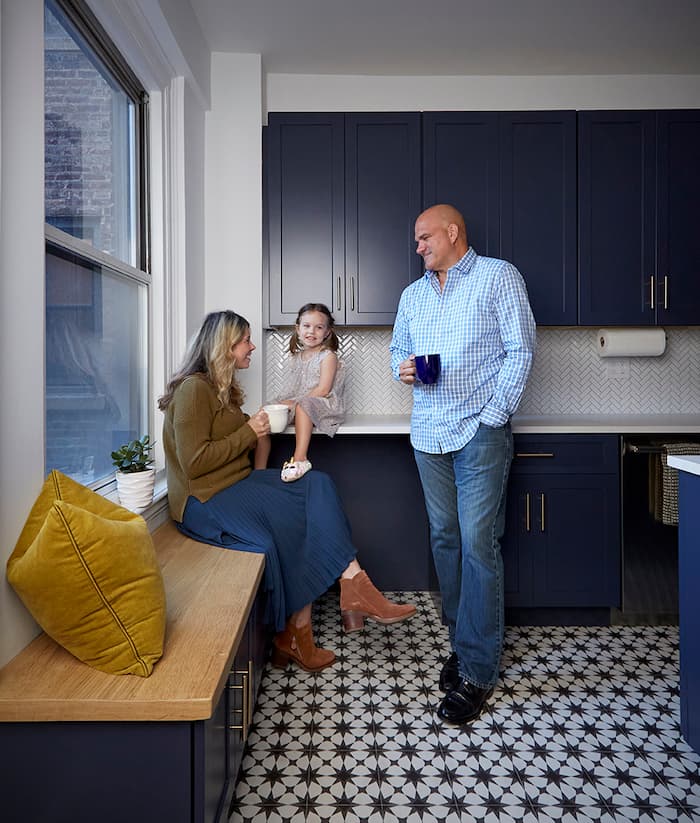
    Familty enjoying coffee in their newly renovated modern ktchen

    Enjoy peace of mind throughout your renovation

    Secure payment system puts you in control and protects your remodel

    Get Started

    Frequently asked questions

    I want to build a second home on my property; how do I know if it qualifies as an ADU?

    ADUs in Denver must comply with city or county zoning. Recent regulations have become more permissive. Consulting with Denver Community Planning clarifies feasibility.

    What are common issues that cause permits to be denied?

    Denials typically stem from inadequate soils engineering for expansive clays, insufficient energy code documentation, or wildfire mitigation plans for certain areas.

    What custom home features should I incorporate to boost resale value?

    Mountain views, outdoor living spaces, energy efficiency, and proper gear storage appeal to Denver buyers. Open floor plans and gourmet kitchens remain highly desirable.

    What are ideas for weatherproofing my new Denver home?

    Quality insulation addressing Denver's temperature extremes, proper moisture management despite dry climate, wildfire-resistant materials for foothills properties, and radon mitigation prove essential.