




Design
Bathtub to Shower Conversion: Cost, Ideas, Examples & More
08.11.2026
03.24.2026



In This Article
Taking out a bathtub sounds straightforward enough; disconnect the plumbing, haul it out, done! But anyone who has been through a bathroom renovation knows that a tub removal touches far more of your bathroom than just the tub itself. From the tile work and plumbing connections to the subfloor beneath and the wall systems around it, this is a project with layers, and those layers have a way of revealing surprises. Below, we dive into not only the costs of tub removal, but also what homeowners can expect and budget for.
Bathtub removal costs vary based on the type of tub you're removing, how it was installed, what's discovered once the tile and surround come down, and where you're located. For example, labor rates in New York City are considerably higher than in smaller markets, and access challenges in older buildings, like walk-up apartments or tight hallways, can add time and cost.
The table below provides a general range for tub removal labor costs, not including disposal, subfloor repair, tile work, or new tub installation.
|
Tub type |
Estimated removal cost |
Notes |
|---|---|---|
|
Standard alcove tub |
$300–$600 |
Most straightforward removal |
|
Freestanding tub |
$400–$800 |
Heavier; may need extra labor |
|
Cast-iron tub |
$500–$1,200+ |
Heavy; often requires sectioning |
|
Jetted/whirlpool tub |
$600–$1,500+ |
Plumbing and electrical disconnects required |
Keep in mind that these figures reflect removal labor only. Your total project cost will include tile demolition, plumbing reconfiguration, subfloor repair if needed, disposal fees, and the cost of whatever is going in its place.
A full tub-to-shower conversion in New York City, for example, might run $15,000 to $30,000 or more depending on the size of the shower, the materials chosen, and the complexity of the plumbing work. Getting a detailed line-item scope from your contractor before work begins is the best way to avoid surprises. A quote that simply says "tub removal and shower installation" doesn't tell you what's included if the subfloor needs work or if new tile backer board is required. Block's project planners review every scope to help catch gaps like these before they become change orders.
Transparent Pricing You Can Trust

A proper bathtub removal is a multi-step process that requires coordination between plumbing, tile work, and sometimes electrical systems, depending on your tub type.
Before the tub can move anywhere, the plumbing that serves it has to be properly shut off and disconnected. This includes the drain, the overflow plate, and the supply lines for the faucet. In older homes, these connections may be corroded, harder to access, or connected to supply lines that weren't up to current code even before the removal. A licensed plumber needs to cap off any lines that won't be reused, and the existing drain opening in your subfloor will need to be addressed as part of the larger renovation plan.
If you're replacing the tub with a walk-in shower, your plumber will also need to reconfigure the drain location and slope to accommodate the new shower floor, which is almost always a different configuration than what your tub required.
In most alcove and drop-in tub installations, the tub sits beneath tile or a tub surround that was installed after the tub was set in place. Removing the tub means removing that tile first, since the tub itself is effectively boxed in. This is tile demolition work, and it needs to be done carefully to avoid damaging the underlying wall structure, especially if you're working near moisture-sensitive areas.
Expect the tile removal to expose the wall behind it, which will need to be inspected for water damage, mold, or deterioration before any new work goes in. What's hidden behind old tile is often the most important discovery of a bathroom renovation.
Standard alcove tubs are among the more manageable removals. Freestanding tubs and jetted whirlpool tubs are a different story. Jetted tubs typically require electrical disconnection in addition to plumbing, since the motor and pump are hardwired into your home's electrical system. That means your contractor will need a licensed electrician involved, and depending on your jurisdiction, permits may be required for that electrical work.
Freestanding tubs, while they don't have the same tile surround complications, can be extremely heavy, and moving them through narrow bathroom doorways and down stairs requires planning and the right equipment.
Bathtubs, particularly older cast-iron models, are extremely heavy. Over time, the weight of the tub, combined with water and regular use, can stress the subfloor beneath it. When the tub is removed, it's common to find that the subfloor has experienced water damage, compression, or rot, especially around the drain area where even small leaks accumulate over years.
Alcove tubs are also typically installed on top of a mortar bed, which creates an uneven subfloor surface once the tub is lifted out. Before any new flooring or a new shower pan can be installed, that subfloor needs to be leveled, patched, or in some cases entirely replaced in the affected area.
If your bathroom has tile that extends beneath the tub, removing the tub will likely disturb or break some of that tile. This is usually fine if you're planning to retile the entire bathroom, but it's worth knowing if you were hoping to preserve your existing floor.
Always factor subfloor inspection and potential repair into your bathtub removal budget. Your contractor should assess the condition of the subfloor before finalizing any quote, since subfloor repairs can add anywhere from a few hundred to several thousand dollars depending on the extent of the damage found.
Once your tub is out, it has to go somewhere. What you do with it depends on the material, its condition, and how much effort you want to put into the process. Your contractor will typically handle hauling and disposal as part of the project, but it's worth understanding your options.
The most common route is straightforward: your contractor arranges for a hauling service or dumpster, and the tub goes with the rest of the demolition debris. This is the default approach for tubs that are too worn, stained, or damaged to be repurposed. Expect demolition and debris removal to cost roughly $2 to $5 per square foot of bathroom space, though tub-specific hauling can sometimes be quoted as a flat fee.
If your tub is in genuinely good condition, particularly if it's a quality freestanding or cast-iron model, it may have value to someone else. Architectural salvage companies in many cities actively purchase and resell cast-iron claw-foot tubs and period fixtures. Organizations like Habitat for Humanity ReStores accept bathroom fixtures in good working condition. If you go this route, coordinate with your contractor on timing: the tub will need to be removed intact rather than sectioned, which affects how the removal is handled.
Cast-iron tubs have significant scrap metal value and can often be sold to a local scrap yard rather than sent to a landfill. Fiberglass and acrylic tubs are more difficult to recycle but some specialized facilities accept them. If environmental impact matters to you, ask your contractor or hauling service about local recycling options before defaulting to landfill disposal.
Cast-iron tubs deserve special mention because their weight, often between 300 and 500 pounds, creates logistical challenges that can affect your disposal options. Removing a cast-iron tub intact requires more labor and equipment, and getting it out through a standard bathroom door and down stairs is genuinely difficult. Many contractors choose to section a cast-iron tub in place using a reciprocating saw, cutting it into manageable pieces for removal. This is the more practical choice in most cases, but it does eliminate the possibility of donating or reselling the tub intact.
Since removing a tub already opens up your walls, exposes your plumbing, and often requires retiling, it's a natural opportunity to take on other bathroom updates at the same time. Bundling work together is almost always more cost-effective than doing it in stages, since your contractor is already in the space and the disruption to your home is already underway.
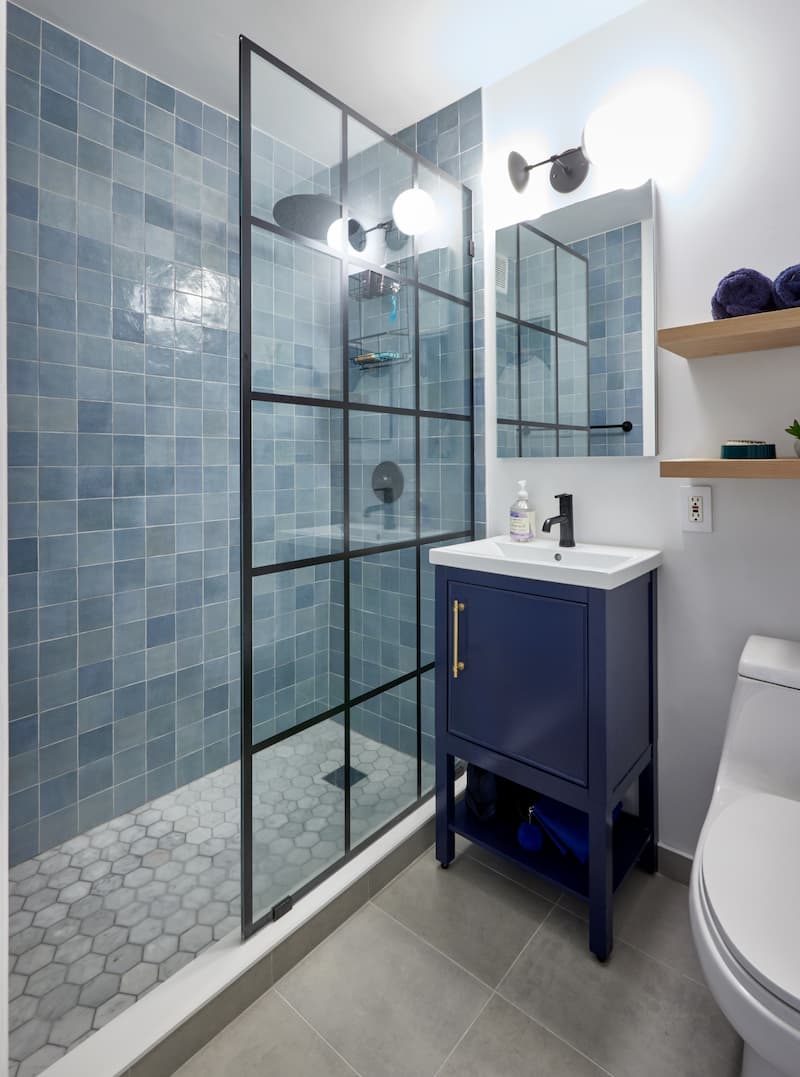
The most common companion project to bathtub removal is a walk-in shower installation in the same footprint. Once the tub is out and the plumbing is exposed, reconfiguring the drain location and installing a new shower pan is a logical next step. This is also the moment to choose your shower walls, niche placement, and whether you want a curbless entry, which is worth planning in advance since it affects how the floor drain is set.
Tub removal almost always disturbs surrounding tile, so if your bathroom tile was looking dated anyway, this is an ideal time for a full retile. You'll already be managing dust, debris, and contractor access, so the marginal disruption of pulling the rest of the floor and wall tile is relatively small compared to doing it as a separate project.
With the walls open and your plumber already on site, it makes sense to address any aging supply lines, shut-off valves, or drainage issues that would otherwise require reopening the walls later. This is also a good opportunity to upgrade to pressure-balanced or thermostatic shower valves, which improve safety and comfort. Read our full guide to plumbing costs and FAQs.
If you're refreshing the space around the tub anyway, many homeowners use the opportunity to replace their vanity, update lighting, and install new hardware. These are lower-complexity additions relative to the plumbing and tile work already happening, and they can meaningfully change how the finished bathroom feels.
Bring Your Dream Bathroom to Life

It's tempting to look at a bathtub removal as a project a motivated homeowner could handle on a weekend. In practice, it carries real risks that go well beyond the physical challenge of the task itself:
Block Renovation connects homeowners with thoroughly vetted, licensed contractors who understand the full scope of what bathtub removal involves, from the plumbing disconnects to the subfloor inspection to the tile work that follows. Our project planners work with you to make sure your scope is complete before a single quote is submitted, so there are no surprises when demolition reveals something unexpected behind the walls.
With Block, you receive detailed proposals from up to four matched contractors, reviewed side by side so you can compare scope and pricing with clarity. Our progress-based payment system means you're never paying for work that hasn't been done, and every contractor in our network backs their work with a one-year workmanship warranty.
Remodel with confidence through Block

Connect to vetted local contractors
We only work with top-tier, thoroughly vetted contractors

Get expert guidance
Our project planners offer expert advice, scope review, and ongoing support as needed

Enjoy peace of mind throughout your renovation
Secure payment system puts you in control and protects your remodel


Renovate confidently with Block
Easily compare quotes from top quality contractors, and get peace of mind with warranty & price protections.
Design
Bathtub to Shower Conversion: Cost, Ideas, Examples & More
08.11.2026

Design
Open Shelving Bathroom Design Ideas & Optimal Placement
08.08.2026

Bathroom
Bathroom Wall Texture Ideas and What to Avoid
08.03.2026

Bathroom
High End Toilets for an Upgraded Bathroom
07.24.2026

Bathroom
Adding a Bathroom to an Old House: Cost & Placement
07.22.2026