




Washington
Your Guide to a Bathroom Remodel in Tacoma, WA: Costs, Permits & Tips
03.17.2026
03.06.2026


.png?width=640&name=u5821215421_A_tidy_and_organized_stainless_steel_brewhouse_wi_2e6a314b-c604-4081-bfe0-2d12f1fc9ca7_0%20(1).png)
In This Article
Seattle’s commercial landscape is evolving. Hybrid work has reshaped office needs, restaurant and retail spaces are adapting to new customer expectations, and neighborhoods from Ballard to Capitol Hill to Pioneer Square are seeing a wave of commercial remodeling activity. Whether you’re updating a restaurant in Fremont, refreshing a retail space on Capitol Hill, or converting a residential property in Columbia City to commercial use, the process involves navigating Seattle’s permitting system, understanding local design trends, and managing costs and timelines carefully.
This guide covers what Seattle business owners and property investors need to know about commercial remodeling in the city.
Seattle’s connection to the natural environment heavily influences commercial interior design. Biophilic design—incorporating natural materials, living plant walls, natural light, and organic textures—has become a defining characteristic of Seattle commercial spaces. Restaurants in Ballard and Fremont are using reclaimed wood, exposed timber beams, and living greenery as central design elements. Retail stores in Capitol Hill and the University District are designing around maximizing daylight and using natural finishes that echo the Pacific Northwest aesthetic.
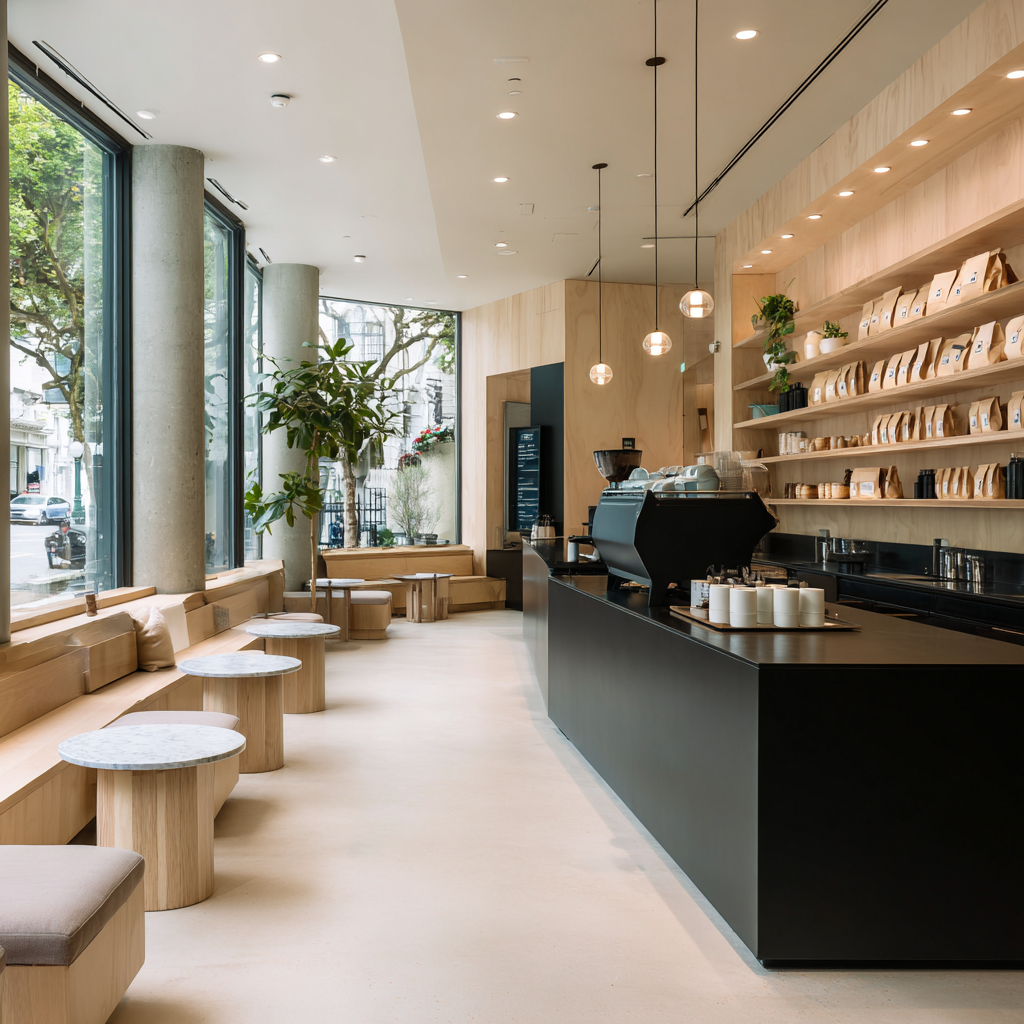
The shift toward hybrid work has fundamentally changed how Seattle offices are designed. Fixed desk arrangements are giving way to flexible layouts with modular furniture, movable partitions, and multipurpose zones that can shift between individual focus work, collaborative sessions, and social gatherings. Coworking spaces in South Lake Union and Pioneer Square have led this trend, and traditional offices are following suit. For restaurants and retail, flexible layouts mean spaces that can transition between daytime and evening configurations or accommodate private events alongside regular service.
Seattle’s green building culture extends strongly into commercial remodeling. The city’s energy code is among the most stringent in the country, and many business owners go beyond code minimum by pursuing LEED certification, using reclaimed and recycled materials, installing energy-efficient HVAC and lighting, and choosing low-VOC paints and finishes. These choices align with Seattle customers’ expectations and can reduce long-term operating costs through lower energy and water bills.
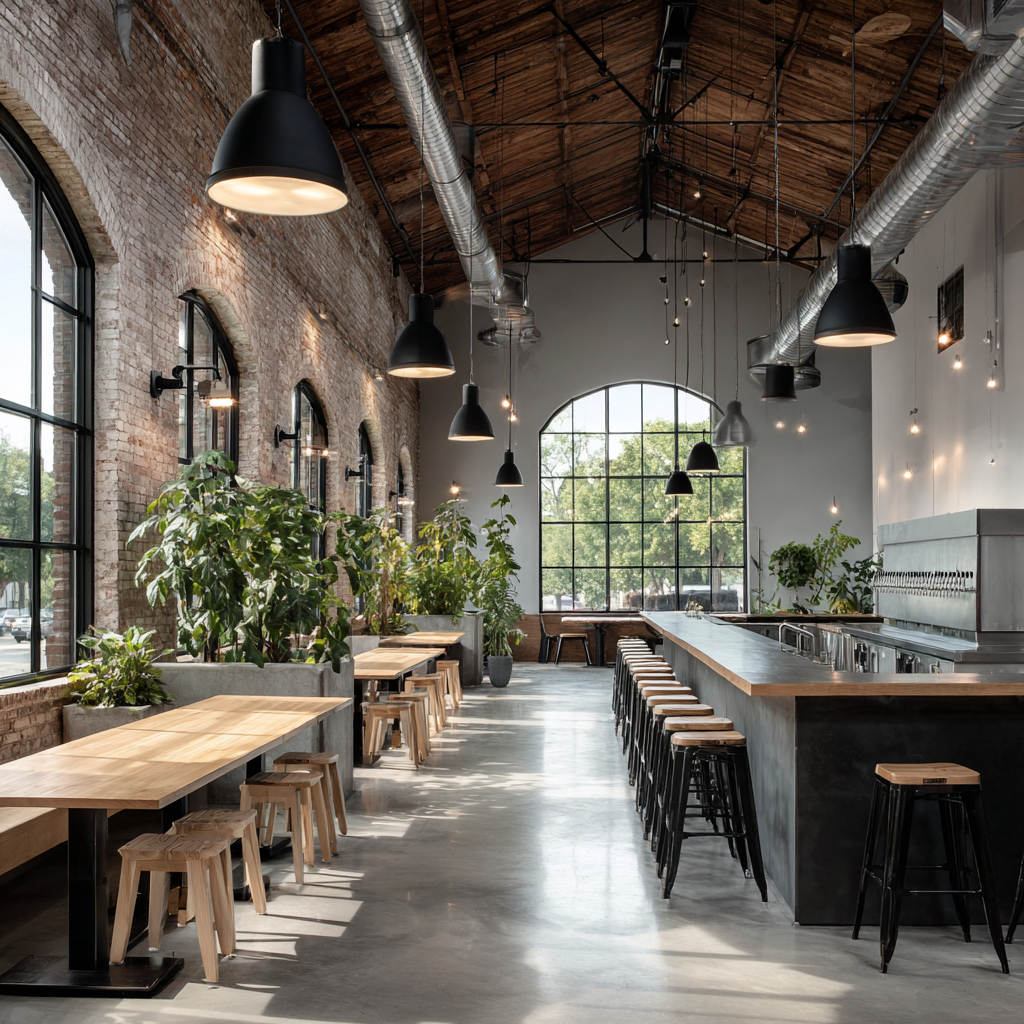
Exposed brick, ductwork, concrete floors, and steel structural elements remain popular in Seattle commercial spaces, particularly in converted warehouse and industrial buildings in SODO, Georgetown, and parts of Ballard. This aesthetic works across industries: brewery construction and taprooms have embraced the industrial look, as have tech offices, creative agencies, and farm-to-table restaurants. The raw, honest character of these spaces resonates with Seattle’s culture and reduces the need (and cost) for extensive finish work.
Seattle’s distinct neighborhood identities influence commercial design decisions. A restaurant in Pioneer Square benefits from honoring the district’s historic architecture—exposed brick, preserved tin ceilings, original wood floors—while a tech startup in South Lake Union might lean into a sleek, modern aesthetic. Retail spaces in Wallingford or Phinney Ridge tend to feel warmer and more residential in tone, reflecting their neighborhood context. Understanding what feels authentic to your location can shape customer perception and loyalty.
Commercial construction permits in Seattle are issued by the Seattle Department of Construction and Inspections (SDCI). The permitting process for commercial projects is generally more complex than residential work, with additional review from agencies including Seattle Fire Department, Seattle Public Utilities, King County Public Health (for food service), and the Washington State Liquor and Cannabis Board (for establishments serving alcohol).
The type of permit you need depends on the scope of work. Cosmetic updates—new paint, flooring, non-structural wall finishes—may not require a permit at all. Tenant improvement (TI) projects that involve changes to walls, electrical, plumbing, or mechanical systems require a construction alteration permit. Change-of-use permits are required if you’re changing the occupancy classification of the space (for example, converting an office to a restaurant or a retail space to a fitness studio).
If you’re converting residential to commercial use, the permitting requirements are more extensive. You’ll need to address zoning compliance (not all residential zones permit commercial use), meet commercial building code standards (including ADA accessibility, fire suppression, and commercial-grade electrical and plumbing), and potentially navigate a design review process if the property is in a designated historic district.
Permit fees for commercial projects in Seattle are calculated based on the estimated project value. SDCI’s fee schedule includes a base fee plus a percentage of the construction cost. For a $200,000 tenant improvement, expect to pay $3,000 to $6,000 in permit fees, plus additional fees for trade permits (electrical, plumbing, mechanical) and inspections. Roughly 75 percent of permit fees are due at the time of plan submission, with the remainder at permit pickup.
Both neighborhoods are designated historic districts, which means exterior modifications and sometimes interior changes to contributing buildings require review by the appropriate district board. This adds time to the permitting process (typically one to three months for board review) but also ensures that renovations maintain the architectural character that makes these neighborhoods attractive to tenants and customers. Structural considerations in these older buildings—unreinforced masonry, aging utilities, seismic concerns—can add to renovation costs.
Ballard’s commercial core has evolved from a working maritime district into one of Seattle’s most vibrant restaurant and retail neighborhoods. The Ballard Avenue Landmark District imposes design review requirements on exterior modifications, while newer construction along Market Street and Leary Way offers more flexibility. Commercial spaces in Ballard range from century-old brick buildings to modern mixed-use developments, and remodeling approaches vary accordingly.
Capitol Hill’s commercial corridor along Broadway and Pike/Pine streets sees high turnover and frequent tenant improvements. The neighborhood’s eclectic character means design standards are broad, but the pace of development has led to scrutiny around noise, parking, and waste management. Restaurants and bars on Capitol Hill should budget extra time for liquor license approvals and health department inspections.
South Lake Union’s transformation into a tech hub has created demand for modern office and retail spaces. Fremont’s smaller scale and quirky identity attract independent businesses looking for character.
Commercial remodeling in both neighborhoods benefits from relatively straightforward permitting (most buildings are not in historic districts) but may face challenges around parking requirements and transportation impact.
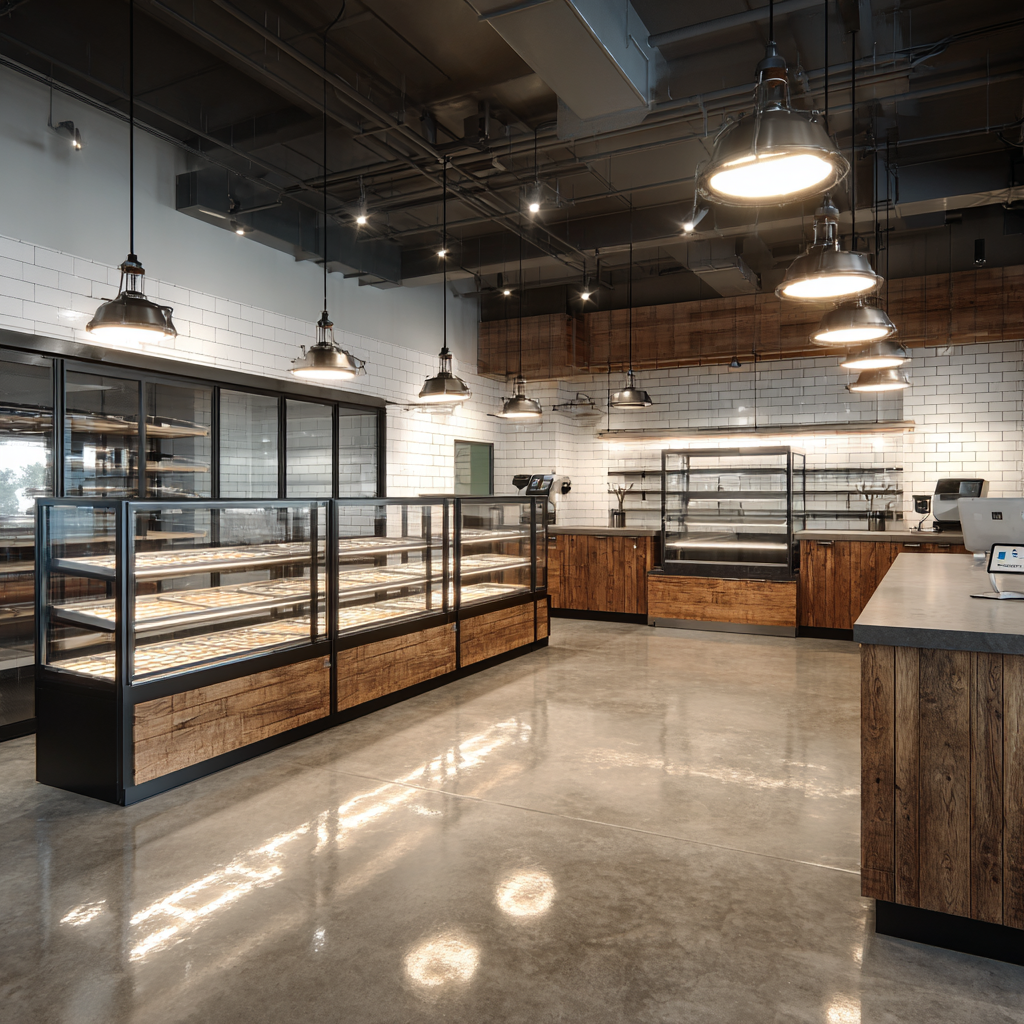
Commercial remodeling costs in Seattle vary widely depending on the scope, occupancy type, and condition of the existing space. General ranges per square foot for common project types: basic office tenant improvements (new paint, carpet, lighting, minor partition changes) run $30 to $80 per square foot. Mid-range office remodels with new MEP systems, built-out conference rooms, and custom finishes cost $80 to $150 per square foot. Restaurant build-outs—among the most expensive commercial projects due to kitchen equipment, ventilation, plumbing, and health code requirements—typically run $100 to $300 per square foot. Retail remodels fall between $50 and $150 per square foot depending on the level of finish and fixture complexity.
Labor costs in Seattle for commercial work are generally 10 to 20 percent higher than the national average due to the tight skilled trades market, prevailing wage requirements on some publicly funded or subsidized projects, and the city’s higher cost of living. Materials costs have also increased in recent years due to supply chain disruptions, tariff impacts, and inflation.
Commercial remodeling timelines in Seattle are driven primarily by two factors: permitting and construction complexity. A straightforward tenant improvement with cosmetic and minor mechanical changes might take two to four months from design through completion. A full restaurant build-out, including design, permitting, construction, and inspections, typically takes six to twelve months. Large-scale office remodels can take four to eight months.
The permitting phase is where most timeline uncertainty occurs. SDCI’s plan review for commercial projects currently runs six to twelve weeks, though expedited review is available for an additional fee. Projects in historic districts should add one to three months for landmark or district board review. Health department review for food service establishments adds another two to six weeks.
To minimize delays, submit complete and well-documented plans, respond quickly to review comments, and coordinate trade permit applications to run concurrently rather than sequentially. A contractor experienced with Seattle’s commercial permitting process can anticipate common review issues and prepare plans that address them proactively.
Any commercial remodel in Seattle must address Americans with Disabilities Act (ADA) requirements. When the cost of the renovation exceeds a specified threshold relative to the building’s assessed value, the owner may be required to bring the entire building up to current accessibility standards, not just the renovated space. This can include adding accessible restrooms, widening doorways, installing ramps, and reconfiguring counters and service areas.
ADA compliance is a common source of unexpected costs in commercial remodeling, particularly in Seattle’s older buildings where the original construction predates modern accessibility standards. Budget for an accessibility assessment early in the planning process so you can incorporate these requirements into your scope and cost estimates from the start.
A commercial remodel in Seattle involves coordinating design, permitting, construction, and compliance across multiple agencies and trades. Block Renovation connects property owners and business operators with vetted, licensed contractors who have experience with commercial projects in the Seattle market. You’ll receive detailed proposals to compare, expert scope reviews to catch gaps and red flags, and the security of Block’s progress-based payment system. Whether you’re fitting out a new restaurant, refreshing a retail space, or converting a building’s use entirely, Block provides the structure and expertise to keep your commercial remodel on track and on budget.
Build your business with confidence

Renovate confidently with Block
Easily compare quotes from top quality contractors, and get peace of mind with warranty & price protections.
Washington
Your Guide to a Bathroom Remodel in Tacoma, WA: Costs, Permits & Tips
03.17.2026

Washington
Your Guide to a Bathroom Remodel in Vancouver, WA, Costs, Permits & Tips
03.16.2026

Washington
Home Additions and ADUs in Seattle: Your Ultimate Guide
03.11.2026
.png?width=640&name=u5821215421_A_full-view_modern_bathroom_where_the_shower_wall_1701a353-5767-42e1-888d-4580f573878f_1%20(1).png)
Washington
Seattle Bathroom Remodeling Trends – 10 Design Ideas for 2026
03.10.2026

Washington
Deck Building and Remodeling for Seattle Homes: What to Know
03.10.2026