





Washington
Seattle Deck Building & Remodeling – Materials, Permits & Design Tips
09.16.2026
06.24.2026


In This Article
Seattle’s bathroom remodeling scene reflects the city’s broader values: sustainability, connection to nature, and a preference for design that looks good and works even better. With frequent rain, limited winter daylight, and a housing stock heavy on Craftsman bungalows and mid-century homes with compact bathrooms, Seattle homeowners are drawn to trends that address real challenges while elevating the everyday experience of the space.
Here are 13 bathroom remodeling trends gaining traction across Seattle neighborhoods, and why each one makes practical sense for homes in the Pacific Northwest. If you’re ready to start exploring what your remodel might look like, Block’s bathroom remodel visualizer lets you experiment with layouts, materials, and finishes before committing to a plan.
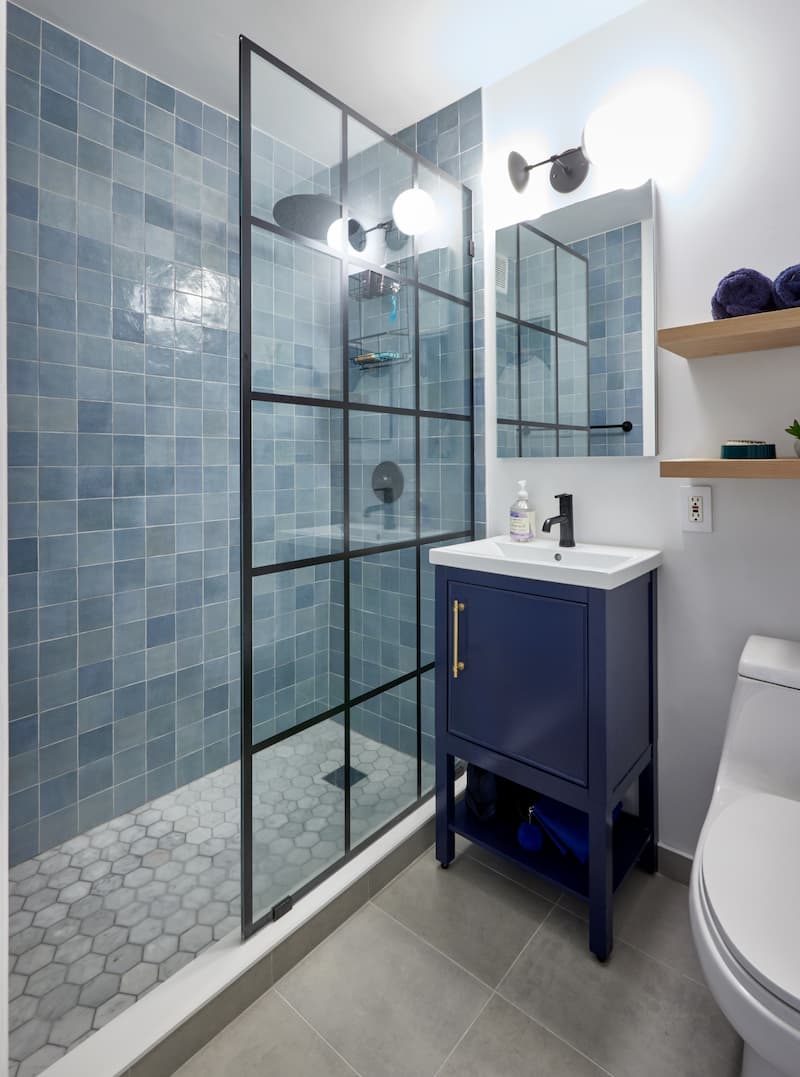
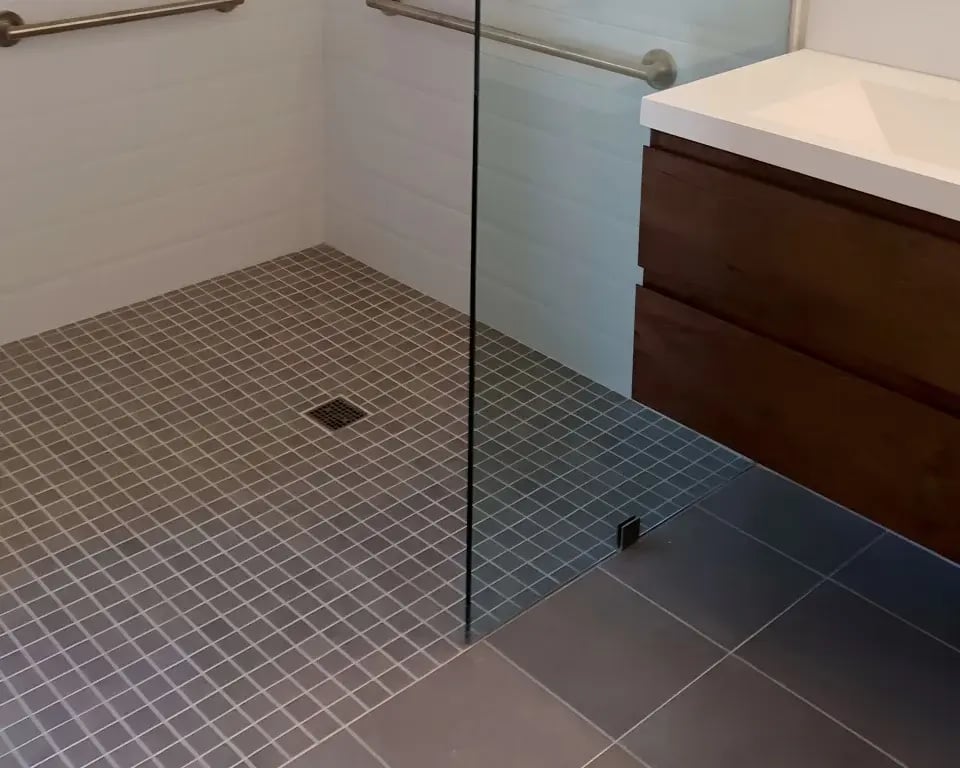
Curbless showers have become one of the most requested features in Seattle bathroom remodels. They eliminate the tripping hazard of a raised threshold, create a visually spacious feel (critical in Seattle’s smaller older bathrooms), and make the space more accessible for aging-in-place planning. Large-format tiles with minimal grout lines are the typical pairing, and proper waterproofing is essential—this is not a detail to cut corners on in a city with Seattle’s moisture levels. If your bathroom has a slanted ceiling, a curbless shower can make the most of the available headroom.
The practical appeal for Seattle is twofold. First, many Craftsman and bungalow bathrooms are small enough that removing the curb and visual barrier of a shower door makes the room feel noticeably larger. Second, the aging-in-place factor is real—Seattle’s population skews toward homeowners planning to stay in their homes long-term, and a curbless entry is a feature that serves you well at every stage of life.
Radiant floor heating has moved from luxury to near-standard in Seattle bathroom remodels. With winter morning temperatures frequently in the 30s and 40s, stepping onto a warm tile floor transforms the start of the day. Electric mat systems are straightforward to install under tile during a remodel and add relatively little to the overall project cost—typically $6 to $16 per square foot for materials and installation. The energy cost is modest, and the comfort impact is significant.
For Seattle homes with older forced-air heating systems that leave bathrooms chronically cold, radiant floor heat addresses the problem directly. It’s also an efficient solution because the heat stays low to the ground where you feel it, rather than rising to the ceiling and dissipating. Pair it with a programmable thermostat so the floor is warm when you step out of the shower and off when you’re away.
The all-white bathroom is fading in Seattle. Homeowners are gravitating toward warm neutrals, earthy greens, sandy beiges, terracotta accents, and soft sage tones that echo the Pacific Northwest landscape. These warmer palettes counterbalance Seattle’s gray winter skies and create a sense of coziness and calm. Light wood vanities and natural stone complement the look while keeping the space from feeling dark.
This trend makes particular sense for Seattle because of the quality of natural light here. Seattle’s overcast skies produce a soft, diffused light that can make stark white bathrooms feel flat and clinical. Warmer tones absorb that light differently, creating depth and warmth even on the grayest days. Matte finishes on tile and paint also reduce glare from the low-angle winter sun that streams through south-facing windows.
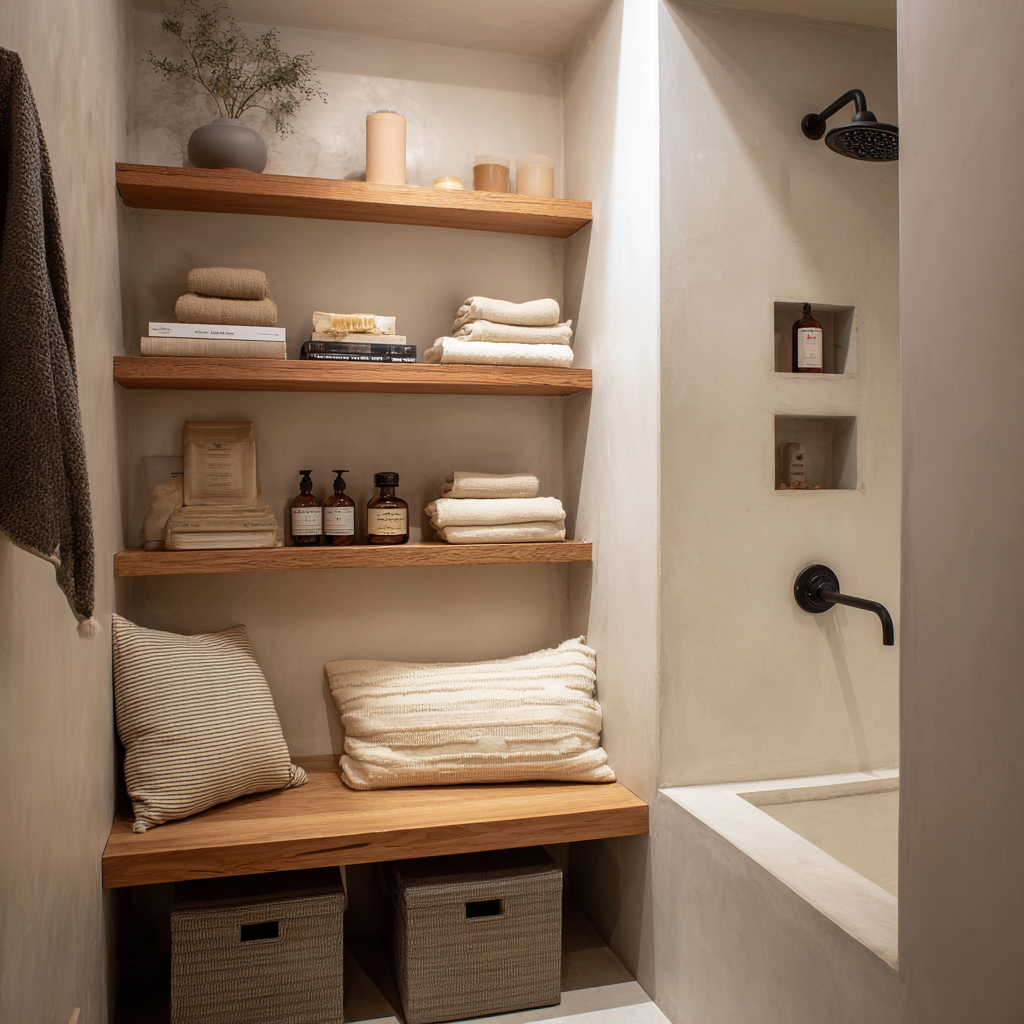
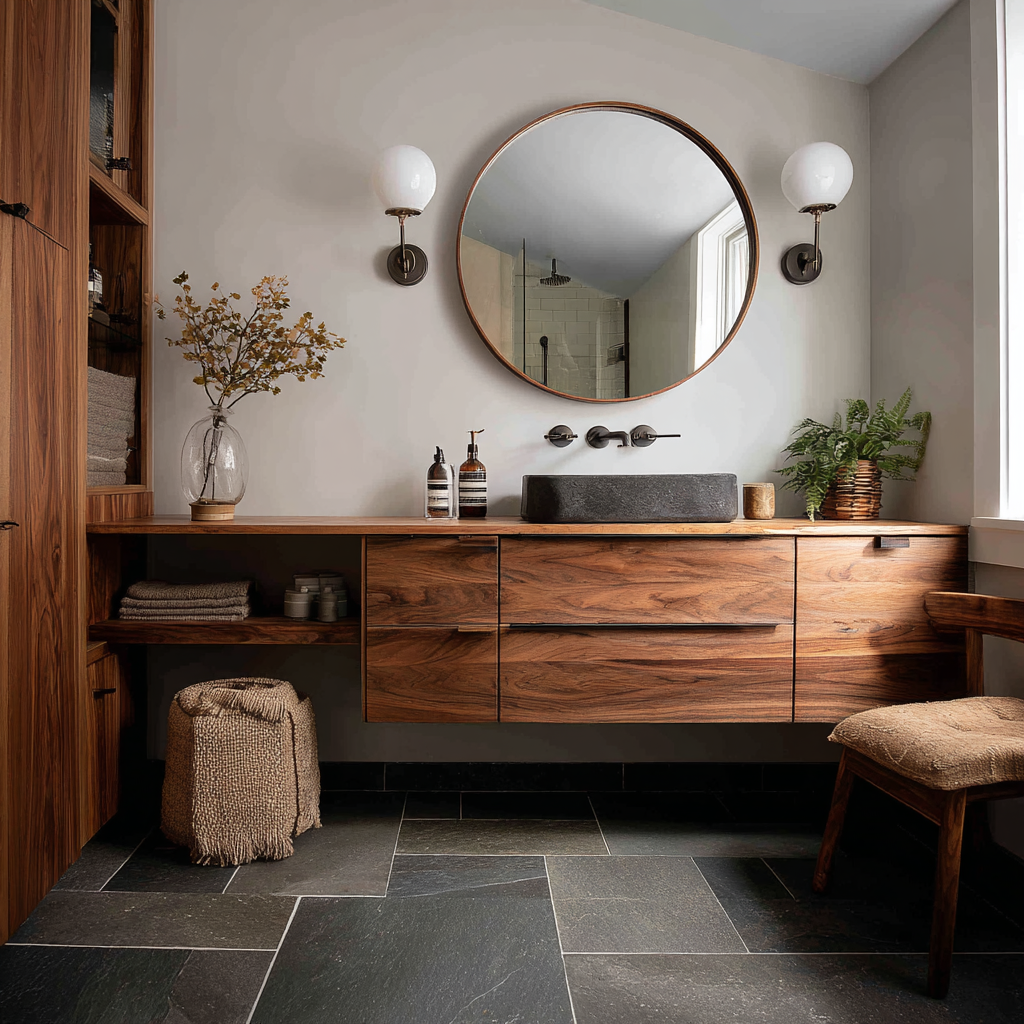
Floating (wall-mounted) vanities continue to be a strong trend in Seattle, particularly in the city’s smaller Craftsman and bungalow bathrooms. They visually open up floor space, make cleaning easier, and provide a clean, modern line that pairs well with both contemporary and transitional design styles. Pair a floating vanity with a vessel sink or integrated basin and wall-mounted faucet for a look that maximizes both counter space and visual openness.
In practical terms, floating vanities also help with Seattle’s moisture concerns. Elevating the vanity off the floor improves airflow underneath, reduces the risk of water damage at the base, and makes it easier to spot and address any leaks quickly. For smaller bathrooms, a floating vanity with open shelving below provides storage without the visual weight of a floor-mounted cabinet.
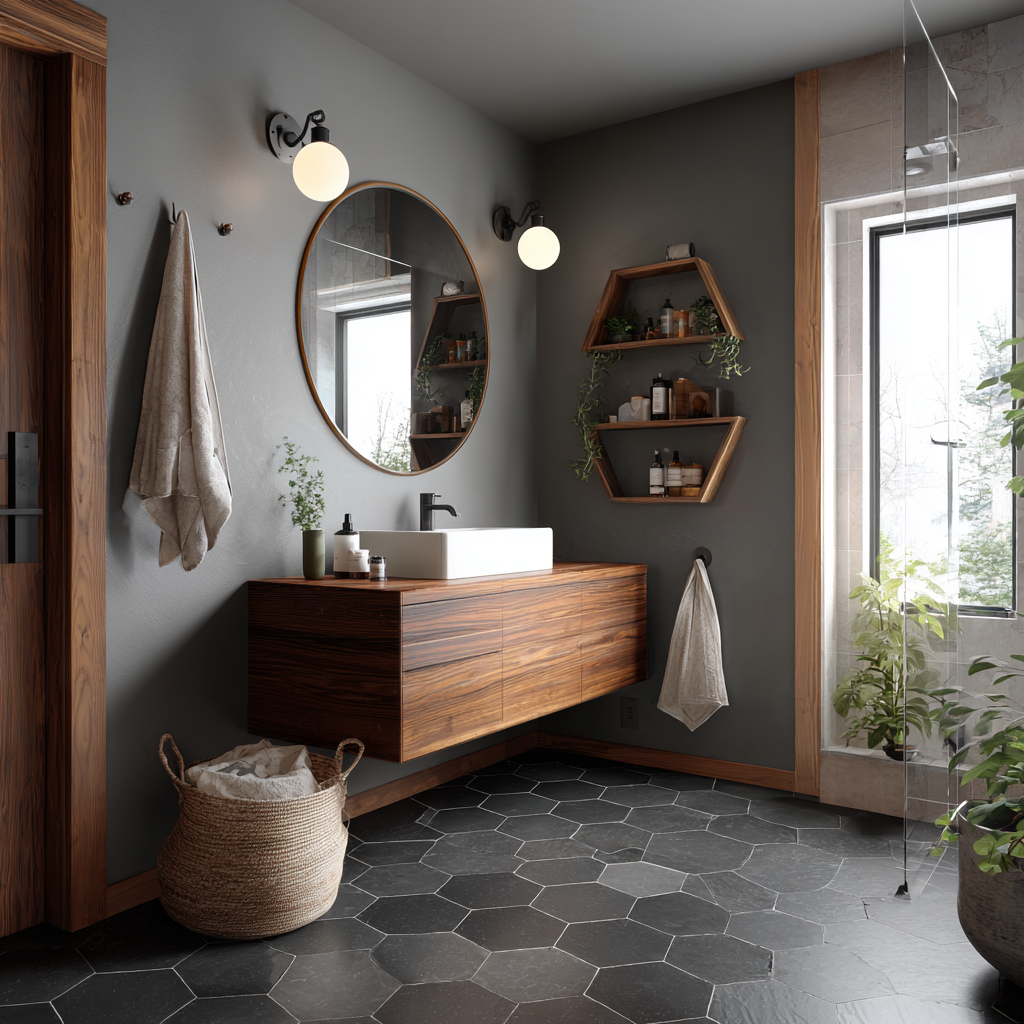
The days of matching every fixture in the same finish are over. Seattle designers are mixing metals with intention—combining brushed brass faucets with matte black showerheads, or polished nickel hardware with aged bronze mirrors. The key is creating a cohesive palette (typically sticking to two or three finishes) rather than a random assortment. This approach adds visual depth and personality without feeling chaotic.
In Seattle’s design market, mixed metals reflect the broader move away from cookie-cutter renovations toward spaces that feel curated and personal. Brushed gold and matte black remain the most popular combination locally, offering warmth and contrast that pairs well with the earthy palettes trending in Seattle bathrooms.
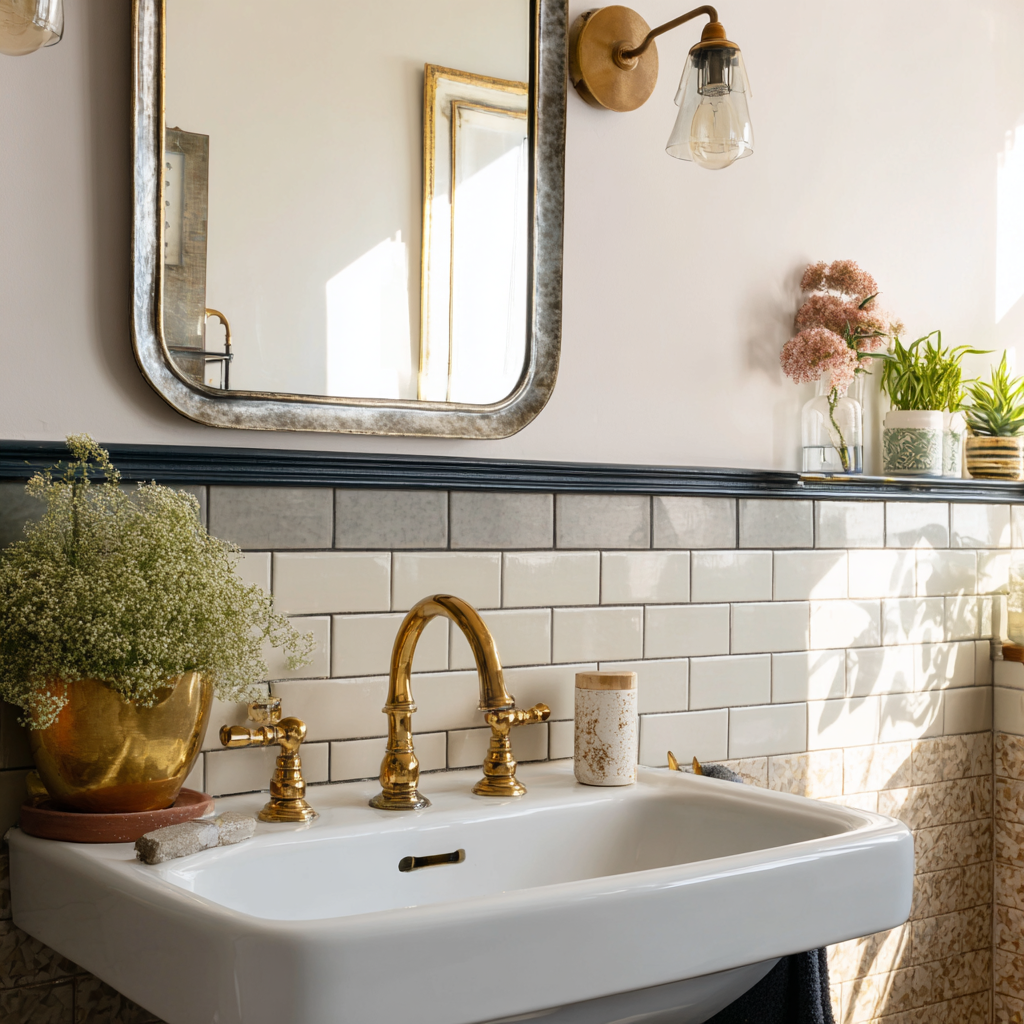
Builder-grade vanity light bars are being replaced with sculptural sconces, LED strips under vanities, and pendant lights above freestanding tubs. Mirrors are also getting an upgrade: oversized round mirrors, backlit LED mirrors with anti-fog features, and mirrors with integrated Bluetooth speakers are all showing up in Seattle remodels. For more ideas, Block has a useful guide on bathroom mirror trends that can help you narrow your choices.
In a city where natural daylight is limited for several months of the year, thoughtful bathroom lighting is more than decorative—it’s functional. Backlit mirrors provide even, shadow-free illumination for grooming, while dimmable sconces create a relaxed atmosphere for evening baths. Layered lighting (a combination of task, ambient, and accent) gives you control over the mood and utility of the space throughout the day.
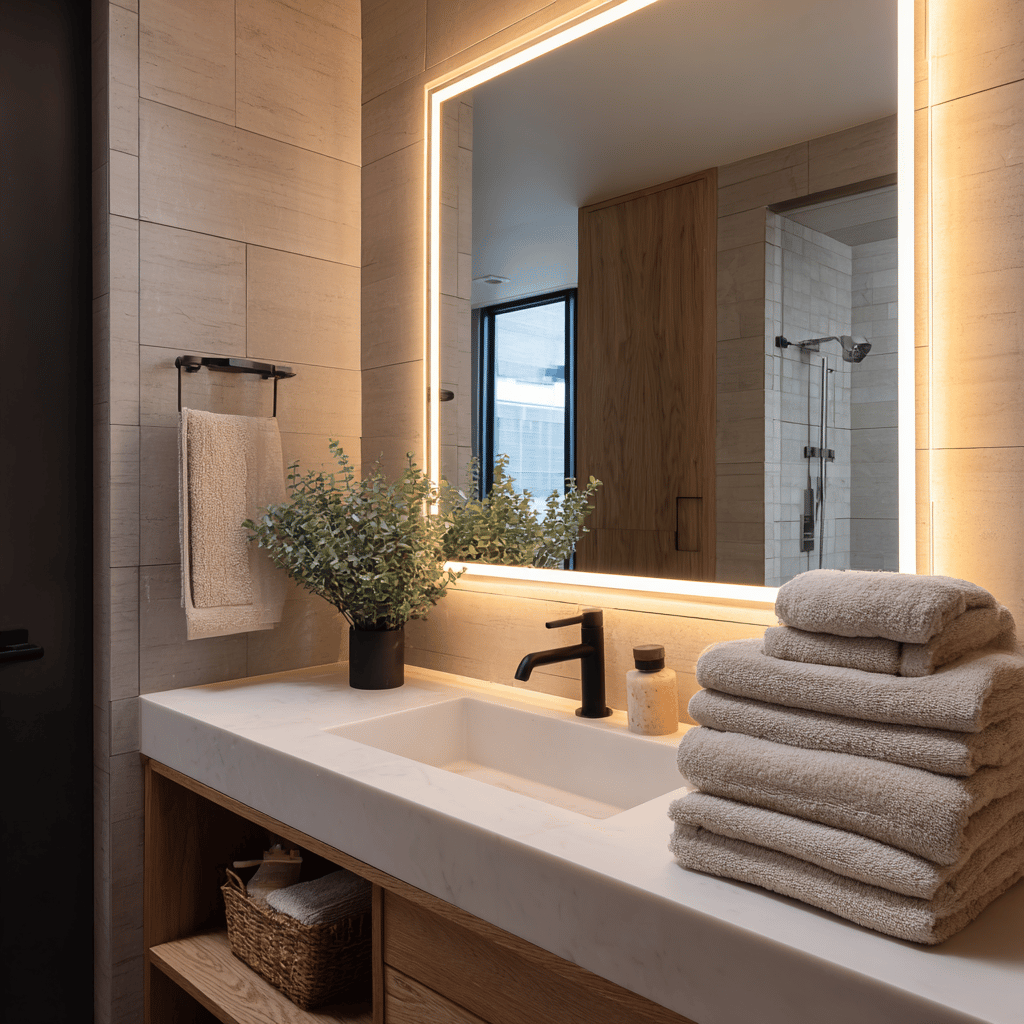
The wet room concept—where the shower and sometimes the tub share a single waterproofed zone without a glass enclosure—is gaining ground among Seattle remodeling projects. It’s a space-efficient approach that delivers a high-end, European feel, and it’s especially practical for Seattle’s compact secondary bathrooms. Proper waterproofing of the entire floor and lower wall is critical, and you’ll want a contractor who has specific experience with wet room construction and the local plumbing code.
Wet rooms work well in Seattle because they eliminate the glass enclosure that can accumulate mineral deposits from the region’s moderately hard water. With no glass to squeegee, the maintenance burden drops significantly. A linear drain set flush with the tile floor keeps the design clean and allows the entire room to function as the shower area when needed.
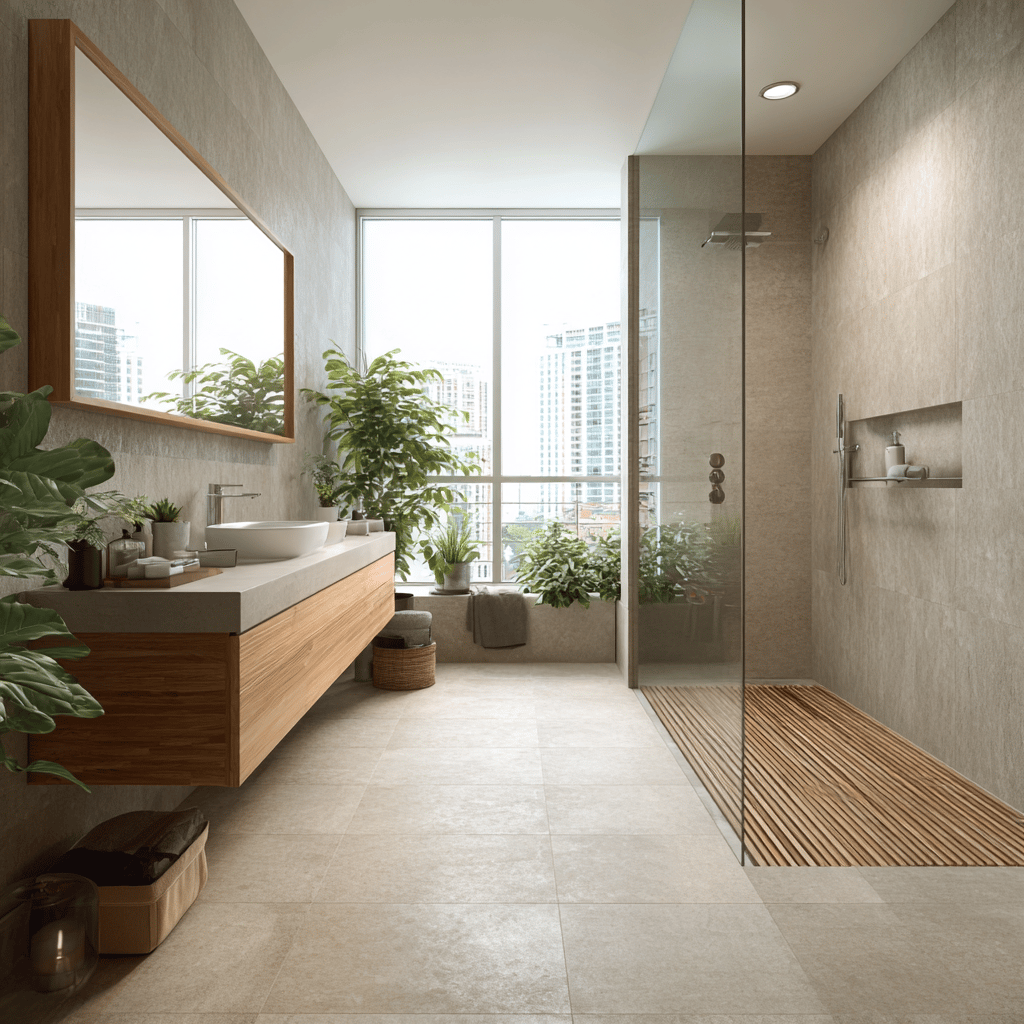
Seattle’s environmentally conscious culture shows up clearly in bathroom renovations. Low-flow toilets, water-saving showerheads, and aerated faucets are now baseline expectations, not upgrades. Recycled glass tiles, FSC-certified wood vanities, and countertops made from recycled materials are also popular choices. These selections reduce environmental impact while often qualifying for local utility rebates.
Seattle Public Utilities and Puget Sound Energy both offer incentive programs for water-efficient and energy-efficient fixtures. A WaterSense-labeled toilet uses 1.28 gallons per flush or less, compared to 3.5 gallons or more for older models—a meaningful difference for both water bills and the region’s water conservation goals. Choosing materials with low VOC content also improves indoor air quality, an important consideration when the space will be enclosed for much of the year.
.png?width=1024&height=1024&name=u5821215421_A_small_powder_room_with_a_curved-edge_vanity_wal_604c84db-4de0-4f2a-8e17-f761cbe6db74_3%20(1).png)
Seattle’s tech-forward population is embracing smart bathroom features: digital shower controls that let you set temperature and pressure from your phone, voice-activated lighting, smart mirrors with weather and news displays, and touchless faucets. Heated towel racks with timers and smart exhaust fans that activate based on humidity levels are practical additions that improve comfort and reduce moisture problems in Seattle’s damp climate.
Smart exhaust fans deserve particular attention in Seattle. Traditional exhaust fans rely on the homeowner to turn them on and off, which often means they run too long or not long enough. Humidity-sensing fans activate automatically when moisture levels rise and shut off when conditions normalize, helping prevent mold growth without wasting energy. In a city where bathroom moisture control is a year-round concern, this small upgrade makes a meaningful difference.
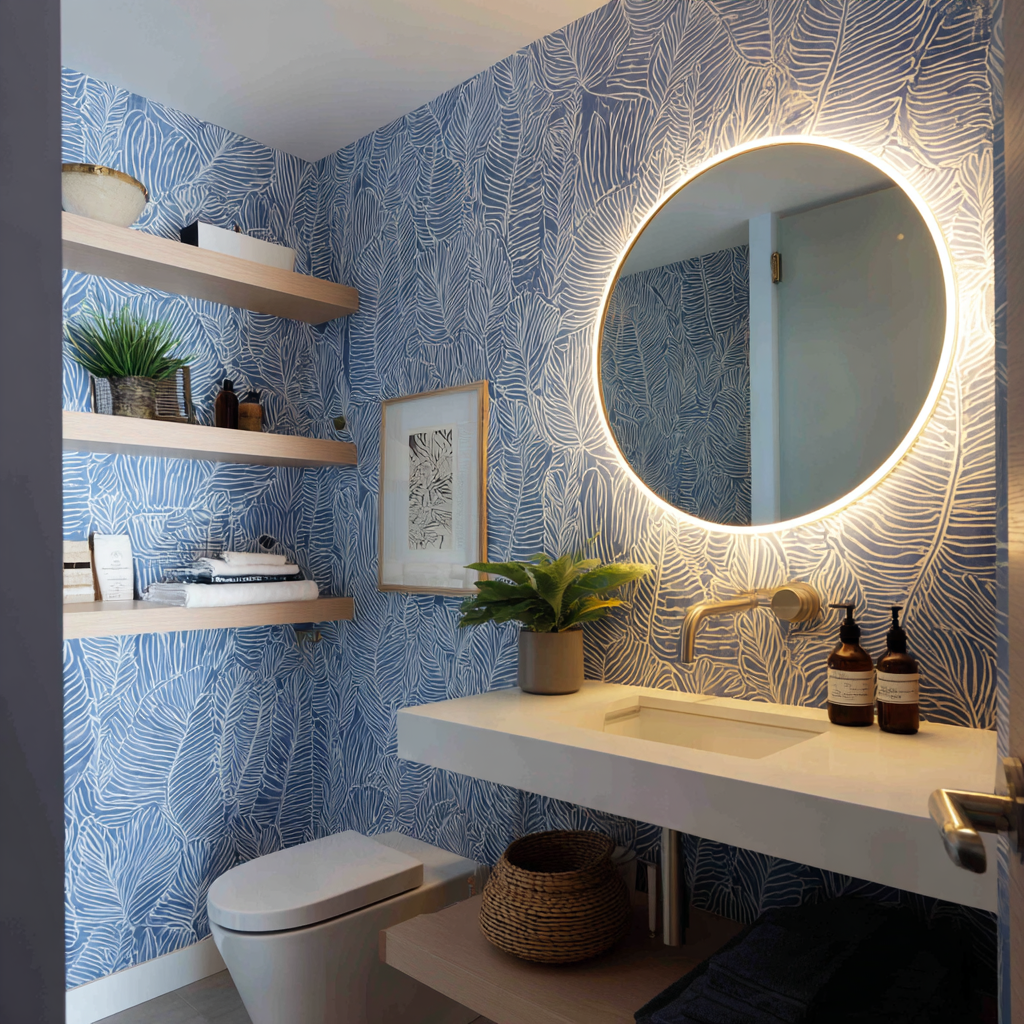
Universal design—creating spaces that work for people of all ages and abilities—is becoming a defining feature of Seattle bathroom remodels. Beyond curbless showers, this includes grab bars integrated into the tile design (not the industrial-looking afterthought of decades past), comfort-height toilets, wider doorways, and lever-handle faucets that are easier to operate for people with limited hand strength. Find more insights with our guide to ADA-compliant bathroom remodels.
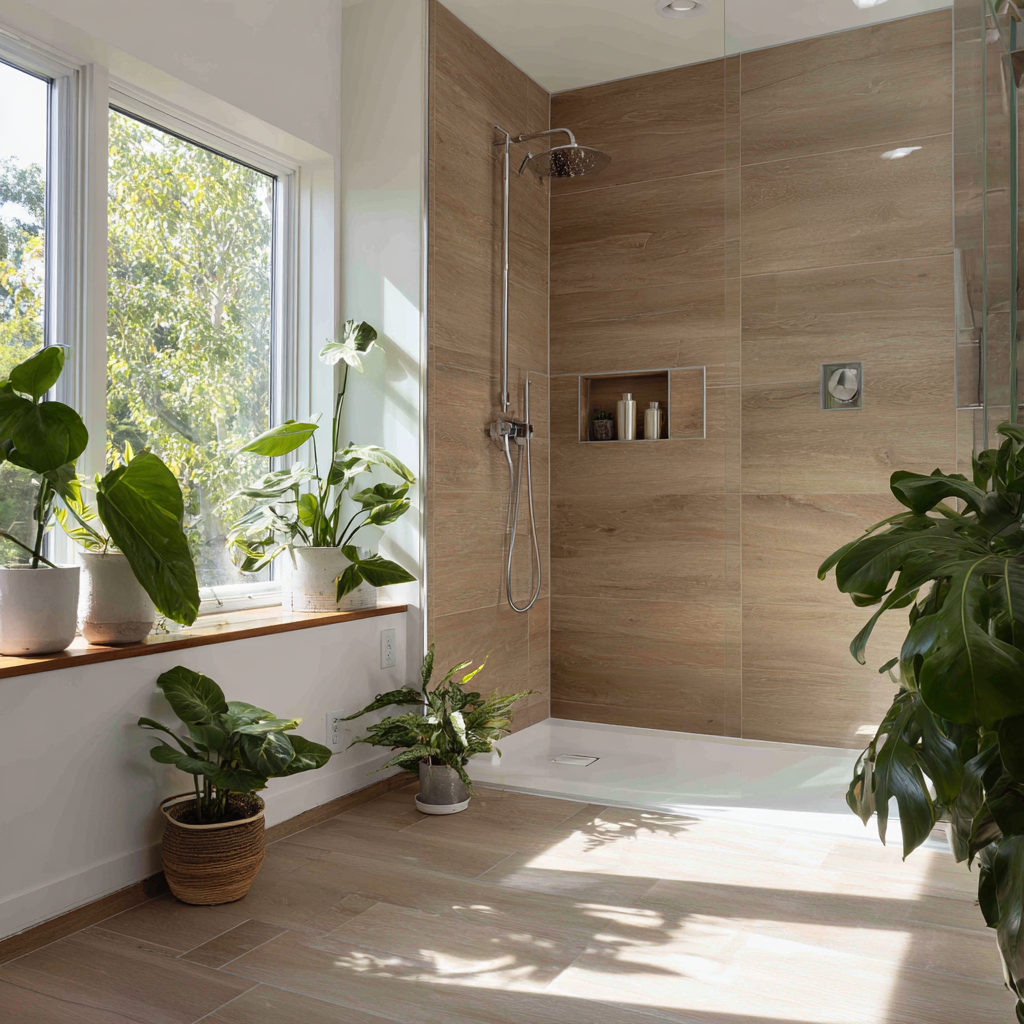
Bringing nature into the bathroom goes beyond an earthy color palette—Seattle homeowners are incorporating living plants, natural stone with visible fossilization or veining, raw wood accents, and even small indoor water features into their bathroom designs.
Biophilic design taps into the Pacific Northwest's deep connection to the natural world, and it's particularly effective in bathrooms, where the combination of warmth, humidity, and diffused light creates ideal conditions for tropical plants like pothos, peace lilies, and bird of paradise. A teak shower bench, a stone vessel sink with an organic irregular edge, or a living moss wall panel can transform a utilitarian space into something that genuinely feels like a retreat.
.png?width=1024&height=1024&name=u5821215421_A_serene_Pacific_Northwest_bathroom_with_biophili_1c0219ec-aa54-40cb-bd52-85a0f63acd27_3%20(1).png)
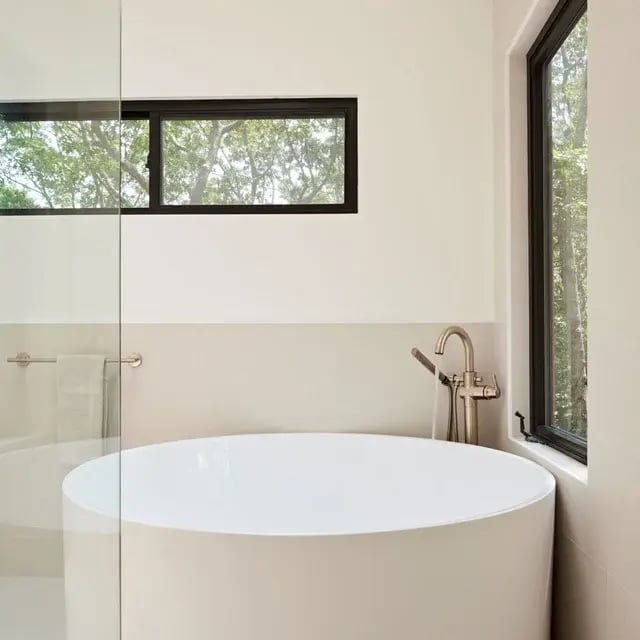
The fusion of Japanese minimalism and Scandinavian warmth—known as Japandi—has found a natural home in Seattle bathrooms. The style prioritizes clean lines, warm neutral tones, functional simplicity, and honest materials: matte stone, unfinished oak, wabi-sabi ceramic basins, and negative space used with intention. For Seattle homeowners, the appeal is practical as much as aesthetic—Japandi bathrooms tend to be easy to keep clean, timeless rather than trend-dependent, and deeply calming, which suits the bathroom's role as a daily decompression space during the region's long, dark winters.
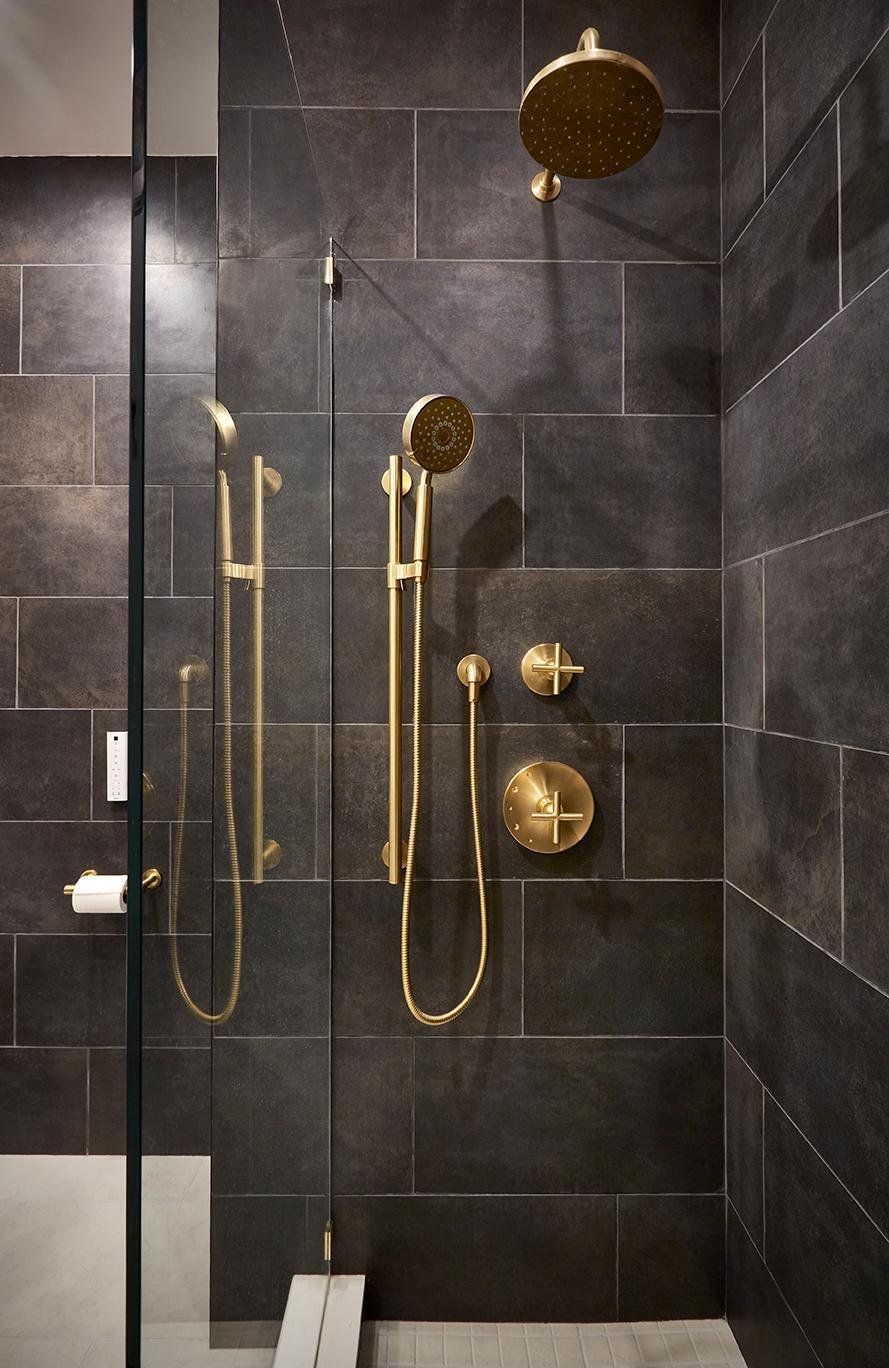
Standard single showerheads are giving way to full multi-function shower systems in Seattle's higher-end remodels. Thermostatic valve systems allow multiple outlets—rainfall overhead, handheld wand, body spray jets—to run simultaneously at a precisely controlled temperature.
Some systems integrate steam generators, transforming a standard shower enclosure into a steam room at the touch of a button. For Seattle homeowners already investing in a full bathroom renovation, upgrading to a thermostatic shower system adds relatively little to the overall budget while delivering a daily experience that rivals a high-end hotel or spa.
A bathroom remodel is one of the most impactful renovations you can make, and the details matter—from waterproofing a curbless shower to wiring a heated floor to selecting the right tile for Seattle’s moisture conditions. Block Renovation connects homeowners with vetted, licensed Seattle bathroom remodelers who understand these local considerations.
You’ll receive detailed proposals to compare, expert scope reviews to catch potential issues before construction starts, and the peace of mind of Block’s progress-based payment system. Whether you’re renovating a compact powder room or a full primary suite, Block helps you find the right professional for your project and keep it on track from start to finish.
Remodel with confidence through Block

Connect to vetted local contractors
We only work with top-tier, thoroughly vetted contractors
Get expert guidance
Our project planners offer expert advice, scope review, and ongoing support as needed
Enjoy peace of mind throughout your renovation
Secure payment system puts you in control and protects your remodel

Renovate confidently with Block
Easily compare quotes from top quality contractors, and get peace of mind with warranty & price protections.
Washington
Seattle Deck Building & Remodeling – Materials, Permits & Design Tips
09.16.2026
.png?width=640&name=u5821215421_A_sleek_15x8-foot_galley_kitchen_inspired_by_Apar_9ff6d0ad-f9e4-4838-84cd-9970bf80eee3_1%20(2).png)
Washington
Renovating in Spokane: Cost, Value, and Contractors
07.02.2026
Washington
Seattle Bathroom Remodeling Trends – 13 Design Ideas for 2026
06.24.2026

Washington
Luxury Home Renovations in Seattle – 15 Ideas to Elevate Your Space
06.24.2026

Washington
Well-Reviewed Contractors in Seattle and Washington State
05.27.2026