



Commercial
Commercial Tenant Improvement Contractors Explained
07.27.2026
02.05.2026


In This Article
Opening a bakery means creating a space where production flows smoothly, customers feel welcomed, and your team can work efficiently for years to come. The decisions made during design and construction will directly impact daily operations, customer experience, and bottom line. It's a considerable undertaking, and getting it right from the start saves both heartache and money down the road.
This guide walks through the essential considerations for designing and building a bakery that works as hard as its owners do—because starting a business is challenging enough without fighting against your own space.
Before designing a bakery, it helps to understand which model best fits business goals and budget. Each type shapes everything that follows.
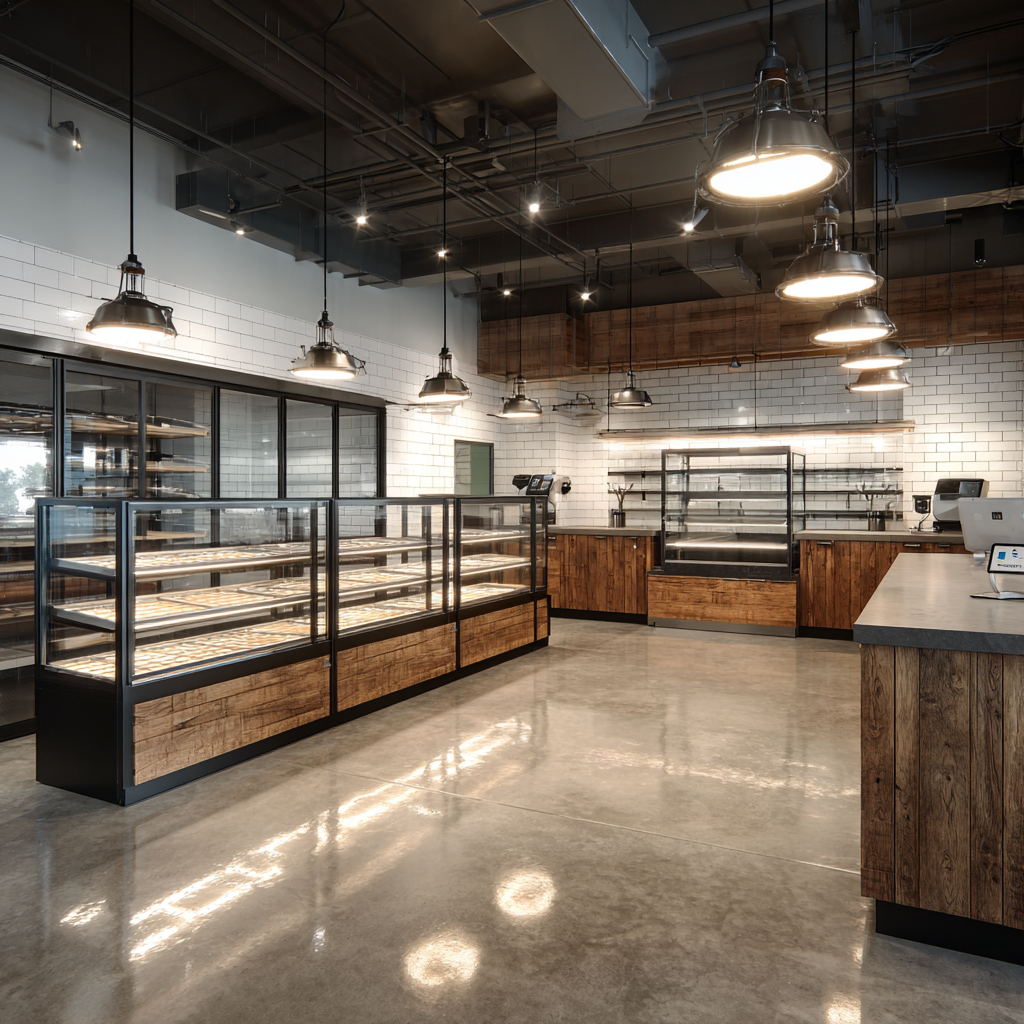
This style of bakery combines production space with a storefront where customers can browse and order. These spaces require thoughtful zoning between back-of-house production and front-of-house areas. A reasonable allocation dedicates 60-70% of space to production, with the remainder for customer service and seating.
This business focuses entirely on production, with no direct customer interaction. This allows every square foot to work toward baking, cooling, packaging, and storage without the added costs of creating a retail environment. More of the budget can go toward commercial-grade equipment and efficient workflow. The beauty of this approach lies in its simplicity—every dollar serves production capacity.
The bakery's layout determines how efficiently the team can work and whether the operation scales as it grows. Poor layout choices create bottlenecks and unnecessary labor costs that compound over time. It's rather like a puzzle—each piece needs to fit just so.
Many small bakeries function in 1,200-1,500 square feet, while mid-sized operations serving wholesale accounts often require 2,500-3,500 square feet. Calculate needs based on equipment footprint, required clearances (typically 3-4 feet for aisles), and storage capacity. Health departments mandate minimum spacing between equipment and walls, usually 18 inches, which affects usable floor area. What looks spacious on paper can feel cramped once everything is in place.
Commercial bakery design follows one fundamental principle: ingredients should move in one direction from storage through production to finished product, minimizing backtracking and cross-contamination. This linear flow starts with receiving and dry storage, moves through prep and mixing, continues to baking and cooling, and ends with packaging and dispatch.
Interrupting this flow—placing the mixer far from ingredient storage or situating cooling racks where they block oven access—creates inefficiencies that waste time every single day. Map the production process on paper first, then design the layout to support that workflow.
Not sure how to begin your renovation?
Get free, expert guidance from a dedicated Block Project Planner who can help you navigate proposals, timelines, contractor selection, and more.
Book A Free Consultation
Understanding regulations before construction begins saves costly delays. Commercial bakeries face strict requirements designed to protect food safety and public health. These regulations exist for good reason, even when they feel burdensome during planning.
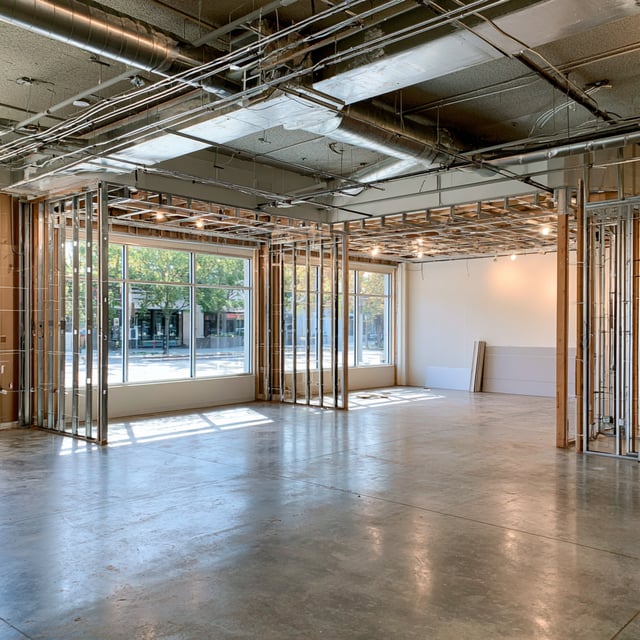
.png?width=1024&height=1024&name=u5821215421_Hyper-realistic_overhead_view_of_a_small_empty_co_80c44d93-4bf3-4b41-8fbd-e6114f843914_1%20(1).png)
Every jurisdiction has specific requirements for commercial food production facilities, enforced through health department inspections before an operating permit is issued. Common requirements include non-porous, cleanable surfaces on walls and floors; adequate handwashing stations throughout; three-compartment sinks; separate chemical storage; proper lighting with shielded fixtures; and adequate ventilation.
Our tip? Contact the local health department early in the design process. Many jurisdictions require plan review and approval before construction begins, adding weeks or months to the timeline. Better to know these requirements upfront than discover them after construction is underway.
Beyond health department approval, the bakery must comply with local building codes covering structural safety, electrical systems, plumbing, and fire protection. Key permit categories include building, electrical, plumbing, mechanical, and fire suppression system permits.
Work with contractors experienced in commercial kitchen construction to ensure the project meets code requirements from the start. Experience matters considerably—contractors unfamiliar with commercial kitchens often miss critical requirements.
If the bakery includes customer-facing areas or employs staff, it must comply with Americans with Disabilities Act requirements: accessible entrances, adequate pathway widths, accessible restrooms, and appropriate counter heights.
Commercial ovens and cooking equipment require specific safety measures. Ventilation hoods typically require automatic fire suppression systems—mechanical systems with heat sensors that release fire-retardant chemicals if temperatures exceed safe thresholds. Budget for both installation costs (often $3,000-$15,000) and ongoing maintenance.
The building's infrastructure—electrical capacity, plumbing, ventilation, and HVAC—determines which equipment can be operated and how efficiently the bakery functions. Inadequate infrastructure creates bottlenecks and expensive retrofits that could have been avoided.
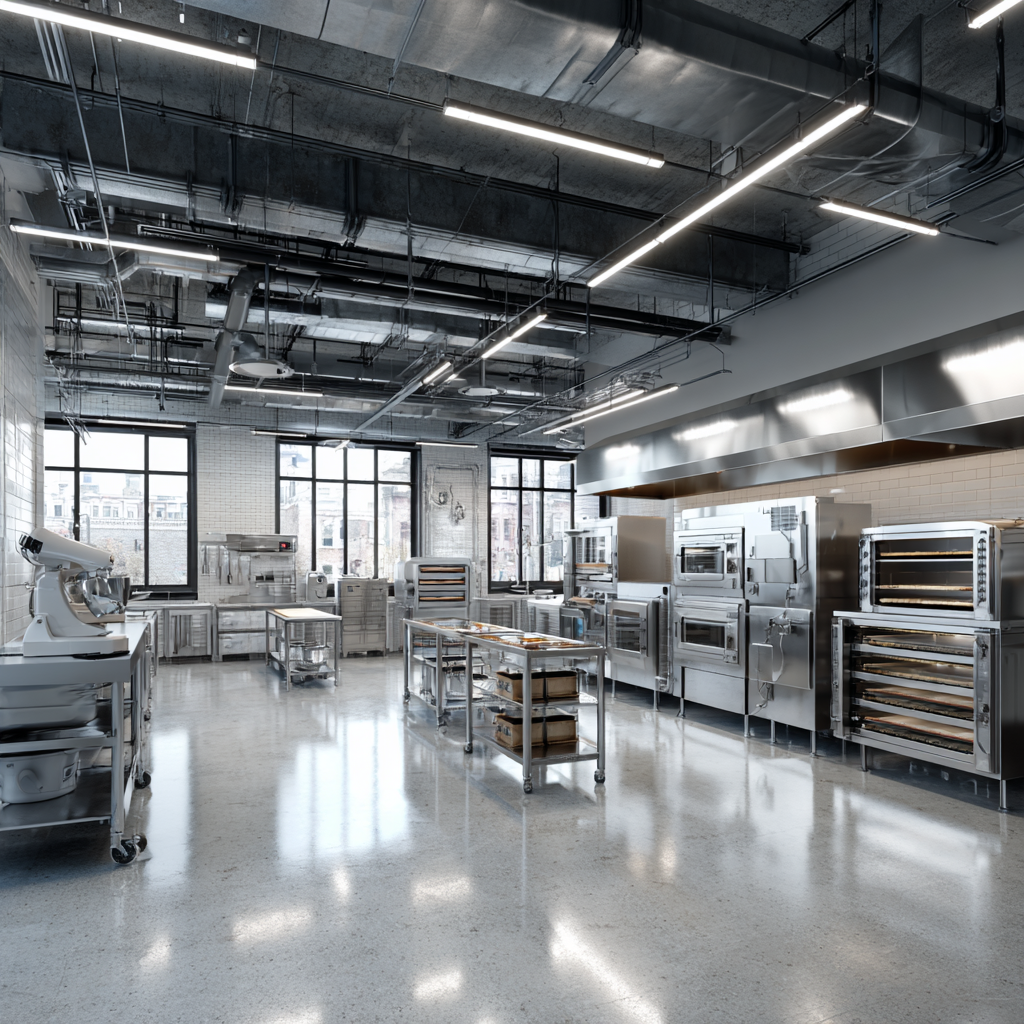
Commercial baking equipment demands substantial electrical capacity. Deck ovens might require 208-volt or 240-volt three-phase power, spiral mixers need dedicated circuits, and refrigeration adds continuous electrical load.
Before signing a lease or purchasing property, have an electrician assess whether existing electrical service can support equipment needs. Upgrading electrical service—particularly adding three-phase power—can cost $10,000-$30,000 or more. Create an equipment list with specific electrical requirements, then work with an electrician to design a system with adequate capacity and room for future expansion.
Bakeries require substantial plumbing for handwashing sinks, three-compartment dishwashing sinks, equipment drains, and water connections. Grease traps may be required even in bakeries. Adequate water pressure matters for equipment like dishwashers and steamers—low pressure may require a booster pump.
Commercial bakeries typically require mechanical ventilation beyond standard HVAC systems, particularly over ovens and heat-producing equipment. Type I ventilation hoods capture grease-laden vapors and require fire suppression systems. Type II hoods handle heat and steam from equipment like dishwashers.
The HVAC system must maintain appropriate temperatures for food safety—generally keeping production areas below 75°F—while managing substantial heat from ovens and equipment. Working in an overheated kitchen makes every task harder and affects product quality. Efficient systems cost more upfront but deliver substantial savings over years of operation.
Many professional bakers prefer gas ovens for their heat quality, responsiveness, and operating costs. If gas equipment is planned, verify that the building has adequate gas service or can be upgraded. Gas line installation requires licensed professionals and permit approval.
The materials chosen for floors, walls, and work surfaces directly affect cleanliness, maintenance requirements, and health department compliance. Poor materials create ongoing maintenance headaches that make difficult work even harder.
Food production areas require smooth, non-porous, light-colored wall surfaces. FRP (fiberglass reinforced panels) install over existing walls, creating washable surfaces that meet health department requirements at reasonable cost. Ceramic or porcelain tile offers the most durable appearance but costs more. Commercial-grade paint represents the most economical option but requires more frequent maintenance.
Extend wall protection at least 4 feet high in all food production areas. Many bakeries install full-height protection for easier long-term maintenance—cleaning becomes simpler when every surface can handle serious scrubbing.
Stainless steel dominates commercial kitchens because it's non-porous, easy to sanitize, heat and stain resistant, and durable for decades. Invest in quality stainless steel work tables with adequate gauge thickness (16-gauge or 18-gauge) to prevent denting.
For areas where dough will be rolled or pastries worked, consider dedicated surfaces like marble for chocolate tempering or food-grade polyethylene for prep work. Different tasks benefit from different surfaces.
Equipment choices shape production capacity, product quality, and operational efficiency. Select equipment based on specific product mix, production volume, and available space. Thoughtful selection prevents both overcapacity that ties up capital and undercapacity that limits growth.
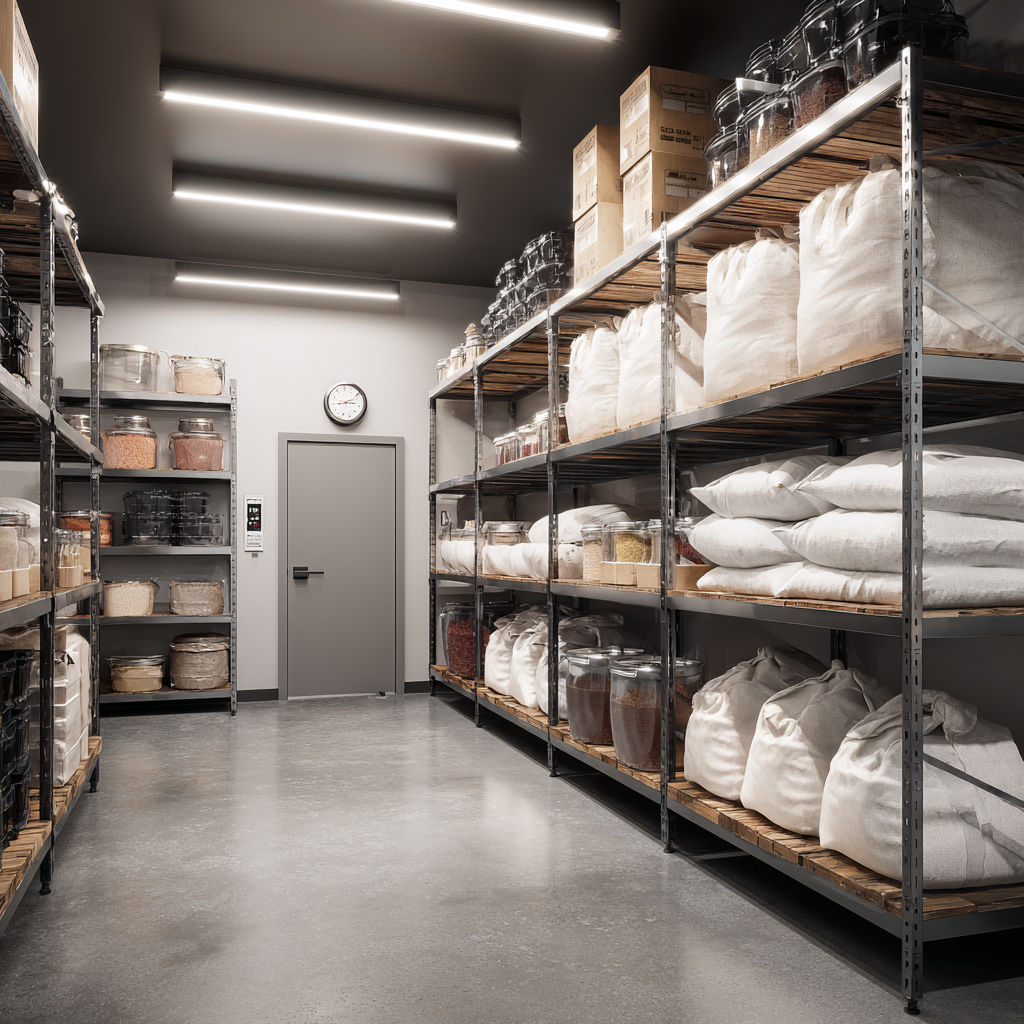
Walk-in coolers and freezers provide the most storage capacity and flexibility. Reach-in refrigerators and freezers work better for smaller operations or as supplementary storage. Consider refrigeration needs based on ordering frequency and production volume—buying ingredients in larger quantities saves money but requires more cold storage capacity.
Stainless steel work tables form the backbone of prep and assembly areas. Choose tables with undershelf storage to maximize utility without consuming additional floor space. Ensure adequate electrical outlets at workstations for small equipment—running extension cords across the bakery creates safety hazards and violates electrical codes.
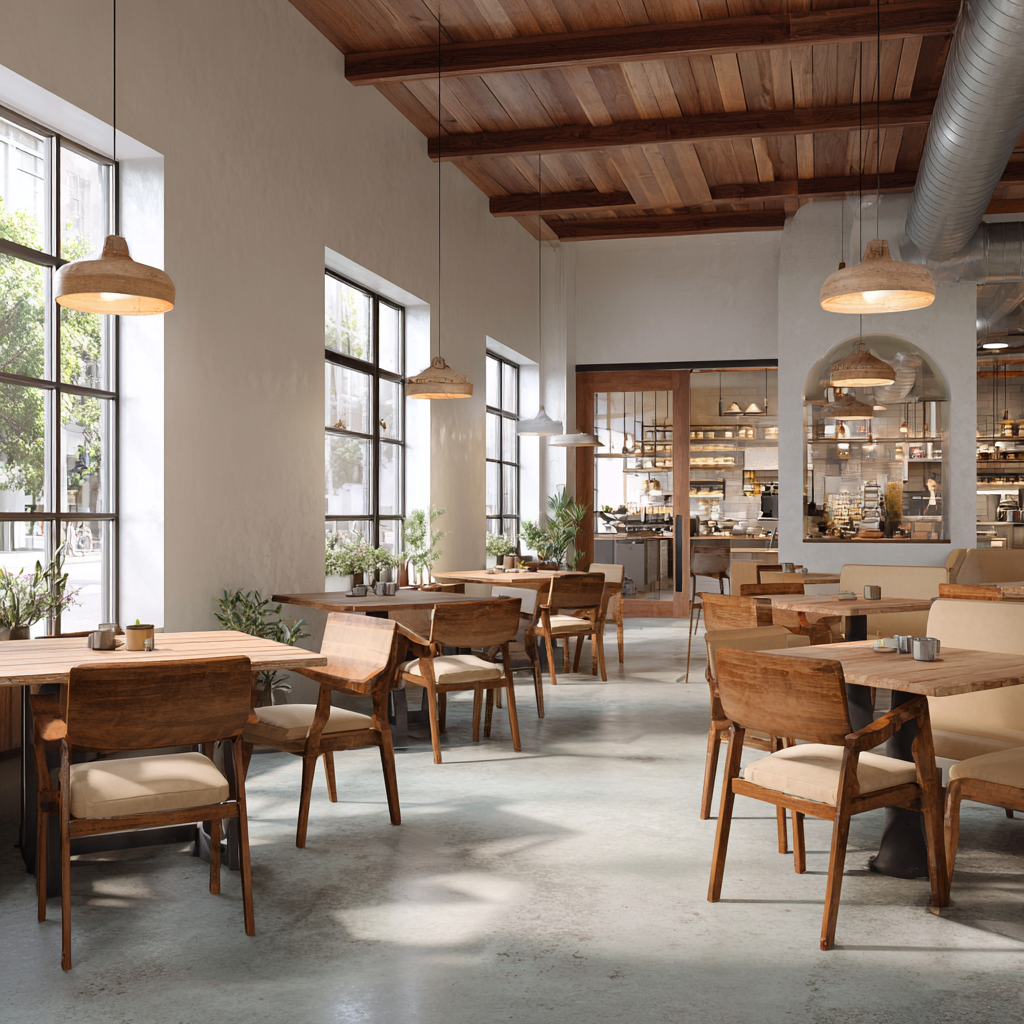
When the bakery includes retail space, the design must balance operational efficiency with creating an environment that makes customers want to return. This balancing act requires attention to both function and feeling. Many of the same customer flow and service efficiency principles used in QSR design apply here—broad walkways, clear queue configurations, intuitive ordering sequences, and strategic product placement all influence customer behavior and sales.
Strategic layout considerations for retail bakery spaces:
Lighting, music, and finishes should reflect brand identity while creating a welcoming environment. Customers appreciate authenticity—seeing where their food comes from builds trust and connection to the craft.
Budgeting for the bakery build
Construction and equipment costs vary dramatically based on location, space condition, equipment choices, and whether existing space is being renovated or new construction undertaken. Realistic budgeting prevents unpleasant surprises that can derail the entire project.
Renovating an existing space to meet commercial bakery requirements typically costs $75-$200 per square foot depending on extent of work required. Spaces requiring minimal changes fall toward the lower end. New construction can exceed $250 per square foot including all infrastructure, equipment, and finishes.
Obtain detailed quotes from contractors experienced in commercial kitchen construction. General contractors without specialized experience often underestimate complexity and cost, leading to budget overruns and timeline delays.
New commercial baking equipment represents substantial investment:
Consider used equipment to reduce initial costs, though prioritize purchasing critical items like ovens and mixers new when possible. Quality used equipment from reputable sellers can stretch the budget considerably.
Several cost categories catch new bakery owners by surprise: permit and inspection fees ($2,000-$5,000+), utility upgrades ($5,000-$25,000+), initial inventory ($3,000-$10,000), signage and branding, and pre-opening expenses for rent, utilities, and insurance that accrue for weeks or months before opening.
Block Renovation connects bakery owners with thoroughly vetted contractors who have specific experience building and renovating commercial kitchens, bakeries, and restaurants. Every contractor in Block's network passes through rigorous vetting including license verification and workmanship reviews. These professionals understand health department requirements, anticipate regulatory challenges, and treat code compliance as part of the initial plan rather than an expensive surprise. You'll get matched with up to four contractors best suited for your project, receive detailed proposals you can compare side by side, and work with a project planner who reviews scopes and identifies red flags before you commit.
Once you select your contractor, you'll move into the build phase with Block's built-in protections—including price assurance, progress-based payments, and a one-year workmanship warranty. Starting a business takes courage—finding the right contractor shouldn't make that journey any harder than it needs to be.
Build your business with confidence

Renovate confidently with Block
Easily compare quotes from top quality contractors, and get peace of mind with warranty & price protections.
Commercial
Commercial Tenant Improvement Contractors Explained
07.27.2026

Working with Contractors
Is a Property Renovation Company Worth the Cost?
06.24.2026

Commercial
Commercial Remodeling in San Diego by Neighborhood | Block Renovation
04.27.2026
Commercial
Commercial Remodeling and Buildouts in Dallas-Fort Worth | Block Renovation
04.24.2026
Commercial
2026 Restaurant Design: 11 Trends Defining the Industry
04.24.2026