


Building a Custom Home in Honolulu, HI: What Every Future Homeowner Should Know

Budget your upcoming Honolulu custom home build with help from Block
How we get your estimate
Fill out the form above to either connect with contractors for a personalized quote or estimate your costs with Block's Renovation Studio.
A modern home entryway with a wooden seating nook.

In This Article

    Honolulu offers a rare combination of year-round tropical climate, breathtaking ocean views, and a vibrant cultural identity rooted in Native Hawaiian traditions and a diverse Pacific Rim heritage. Neighborhoods like Kahala, Kailua, and Hawaii Kai attract homeowners who want walkable access to pristine beaches, top-rated schools, and a thriving food and arts scene. The local economy benefits from steady tourism revenue, a large military presence, and growing tech and healthcare sectors, making Oahu one of the most desirable places in the United States to put down roots. However, building a custom home here comes with formidable challenges. Nearly all construction materials must be shipped across 2,400 miles of open ocean, labor shortages drive wages well above mainland averages, and the limited supply of buildable land pushes lot prices to some of the highest in the nation.

    Turn your renovation vision into reality

    Get matched with trusted contractors and start your renovation today!

    Find a Contractor

     

    Cost and timeline overview for future Honolulu homeowners

    Understanding Honolulu-specific construction costs is essential before you commit to a budget, because island pricing can differ dramatically from anything you have experienced on the mainland. Even small miscalculations can cascade into five-figure overruns when every beam and bag of concrete arrives by cargo ship.

    As of 2025, the average cost to build a custom home in Honolulu ranges from roughly $300 to $600 per square foot, depending on the grade of finishes, structural complexity, and site conditions. A modest single-story home with standard finishes might come in near the lower end of that range, while a luxury oceanfront build with imported stone, impact-rated windows, and a reinforced concrete frame can push well past $600 per square foot. These figures place Honolulu among the two or three most expensive metros in the country for residential construction, rivaling only New York City and San Francisco. Timelines also trend longer than the mainland average; permit approvals alone can take three to six months through the City and County of Honolulu Department of Planning and Permitting, and material shipments from the West Coast add two to three weeks of lead time to every major delivery.

    Several factors drive costs up or down in Honolulu. Proximity to the shoreline triggers Special Management Area permits and stricter engineering requirements, while lots in hillside areas like Manoa or Tantalus may require extensive grading, retaining walls, and erosion-control measures. Conversely, choosing a flat, previously graded infill lot in a neighborhood like Hawaii Kai or Pearl City can reduce site-prep expenses considerably. The lot you select is one of the single biggest financial decisions in the entire project, because its topography, soil composition, and regulatory overlay determine how much you spend before a single wall goes up.

    The largest factors in determining cost

    Land acquisition is often the single largest line item. Vacant residential lots on Oahu routinely list between $400,000 and well over $2 million, and shoreline or ridge-line parcels can exceed that range entirely. Foundation work is another major expense category, particularly on sites underlain by volcanic basalt or coral shelf, where specialized drilling and helical piers may be necessary. Framing and structural materials carry a significant shipping surcharge; lumber, steel, and concrete are all barged or containerized from the mainland, and ocean freight costs add roughly 20 to 30 percent to material prices compared with a comparable mainland metro. Labor represents a larger share of the budget than in most U.S. markets because Hawaii faces a persistent skilled-trade shortage, with an aging workforce and limited pipeline of apprentices. Permitting and regulatory compliance costs are also elevated; industry estimates suggest that regulatory expenses can consume a substantial portion of a construction budget in Hawaii, especially for projects inside the Special Management Area or within tsunami evacuation zones.

    Examples of upgrades that will push your budget higher

    The following upgrades are popular among Honolulu homeowners but will add meaningfully to your total project cost.

    • Impact-rated windows and sliding doors designed to meet Hawaii hurricane wind-speed requirements while preserving unobstructed ocean views.
    • Imported natural stone or hardwood flooring that must be shipped to the island and often requires climate-controlled storage before installation.
    • Whole-home photovoltaic solar arrays with battery backup, which are increasingly common given Hawaii's high electricity rates but add $30,000 or more to the build.
    • Outdoor living features such as lanais, infinity-edge pools, and outdoor kitchens that take advantage of the tropical climate.
    • Custom millwork and cabinetry sourced from mainland or international workshops, which require careful coordination with shipping schedules.
    • Smart-home automation systems for climate control, security, and hurricane shutters that integrate with the home's electrical design.
    • High-end roofing materials like standing-seam metal or clay tile rated for sustained winds above 130 miles per hour.

    “Homeowners often overspend on visible finishes and underinvest in systems like plumbing and electrical that protect long‑term performance.”

    Finding the right site in Honolulu for your custom home

    An experienced local builder is one of the best resources you can bring to the lot-selection process, because they understand how Oahu's geology, regulations, and microclimates affect construction feasibility. Walking a potential site with someone who has built dozens of homes on the island can reveal hidden costs that never show up in a listing sheet. The following factors deserve close attention before you make an offer on any parcel.

    • Soil quality and site stability. Much of Honolulu sits on weathered volcanic basalt, coral reef deposits, or a mixture of both, and each soil type presents different challenges for excavation and foundation design. Some areas in East Honolulu overlay ancient lava tubes that can create unexpected subsurface voids, requiring geotechnical investigation before construction begins. A thorough soil report will determine whether standard spread footings are sufficient or whether deep-drilled piers or helical anchors are needed to reach stable bearing material.
    • Utilities access. Confirm that municipal water, sewer, and electrical service are available at the lot line before you commit, because extending utility connections in Honolulu can be surprisingly expensive. Some hillside or rural lots on the North Shore or in upper Manoa rely on cesspools or septic systems that are being phased out under state regulations. Early coordination with Hawaiian Electric and the Honolulu Board of Water Supply will prevent costly surprises during permitting.
    • Zoning and restrictive covenants. Honolulu's Land Use Ordinance divides parcels into residential, apartment, commercial, and other districts, each with specific setback, height, and lot-coverage requirements. Many neighborhoods also carry deed restrictions or homeowner association rules that further limit building envelopes, architectural style, or allowable uses.
    • Lot slope and drainage. Steep lots in neighborhoods like Tantalus, Pacific Heights, and upper Makiki can require extensive retaining walls and engineered drainage systems that add tens of thousands of dollars to site preparation. Honolulu receives intense, short-duration rainstorms that can overwhelm undersized drainage, so grading plans must account for stormwater runoff directed away from the foundation.
    • Proximity to amenities. Honolulu homeowners consistently value walkability to beaches, parks, and grocery stores, as well as reasonable commute times to the urban core or Joint Base Pearl Harbor-Hickam. Families with school-age children should research proximity to top-rated campuses like those in the Kailua, Hawaii Kai, or Mililani school clusters.
    • Environmental concerns or hazards. Oahu's coastline is mapped into Primary and Extreme Tsunami Evacuation Zones, and any lot within these boundaries will face additional engineering mandates and higher insurance premiums. Flood zone designations from FEMA range from high-risk V zones along the shore to moderate-risk A zones in low-lying valleys, and each carries specific elevation and foundation requirements. Building within the Special Management Area also triggers environmental review to ensure the project does not harm coastal resources or public shoreline access.
    • View, orientation, and privacy. Trade winds blow predominantly from the northeast, so orienting living spaces to capture cross-ventilation can reduce cooling costs significantly in a state with the highest electricity rates in the nation. Many Honolulu lots offer the potential for Diamond Head, ocean, or mountain views, but confirming that future neighboring development will not obstruct those sight lines requires careful review of adjacent zoning.

    The most desirable Honolulu building sites combine stable soil, reasonable access to utilities, and favorable zoning with the natural beauty that draws people to Hawaii in the first place. Neighborhoods like Kailua, Hawaii Kai, and Kahala offer strong resale value and well-established infrastructure, while emerging areas near the rail corridor present opportunities at comparatively lower land costs. Working with a builder who has navigated Honolulu permitting dozens of times will help you weigh these trade-offs with confidence.

    Preparing for unique local challenges

    Every housing market has its quirks, but Honolulu presents a set of challenges that are genuinely unlike anything on the mainland. Planning for these realities early will protect your timeline and your budget.

    Material shipping costs and logistics

    Nearly every major building material used in Honolulu residential construction, from dimensional lumber and structural steel to drywall and plumbing fixtures, must be shipped approximately 2,400 miles across the Pacific Ocean. Ocean freight surcharges, port handling fees, and inter-island barge costs add an estimated 20 to 30 percent premium over comparable mainland material prices. Supply chain disruptions hit the islands harder than most markets because there is no overland alternative when a shipment is delayed or a container is diverted. Experienced Honolulu builders mitigate this risk by ordering long-lead items months in advance and maintaining relationships with multiple suppliers. Some design-build firms also adapt specifications to favor locally available materials like concrete masonry and volcanic stone, reducing dependence on mainland shipments.

    Hurricane and tsunami preparedness requirements

    Hawaii's building code requires new residential structures to withstand three-second wind gusts of up to 130 miles per hour, and many coastal lots fall within FEMA V or Coastal A flood zones that impose strict elevation and foundation standards. Homes built within the Primary Tsunami Evacuation Zone must incorporate reinforced foundations anchored deep enough to resist scour, breakaway ground-floor walls, and flood-resistant materials below the base flood elevation. These requirements add meaningfully to both the engineering budget and the construction timeline, but they are non-negotiable for coastal parcels. Insurance is another consideration; standard homeowner policies in Hawaii typically exclude flood and tsunami damage, so owners must purchase separate National Flood Insurance Program coverage. Working with a structural engineer experienced in Honolulu coastal construction ensures your home meets code while remaining livable and beautiful.

    Limited buildable land and density restrictions

    Oahu is a relatively small island, roughly 597 square miles in total area, and much of its land is preserved as agricultural, conservation, or military territory. The result is an extremely constrained supply of residential-zoned lots, which keeps land values elevated and creates fierce competition among buyers. Honolulu's zoning code enforces maximum lot coverage ratios, building height limits, and setback requirements that further reduce the buildable footprint on any given parcel. In many established neighborhoods, the only realistic path to new construction is teardown-and-rebuild, which adds demolition costs and may trigger additional permitting requirements. Understanding these density constraints before you shop for land will prevent you from purchasing a lot that cannot accommodate the home you envision.

    Termite and moisture damage prevention

    Hawaii's warm, humid climate creates ideal conditions for the Formosan subterranean termite, one of the most destructive termite species in the world. The Hawaii Building Code requires every new wood-frame structure to incorporate termite protection, whether through chemical soil treatment applied at maximum label rates, stainless steel mesh barriers like TERMI-MESH, or basaltic particle barriers installed beneath the foundation. Interior framing is typically specified as borate-treated lumber to provide an additional layer of defense against colony intrusion. Beyond termites, persistent humidity demands careful material selection; fiber-cement siding, treated exterior trim, and mold-resistant drywall are standard specifications for Honolulu custom homes. A comprehensive pest-prevention and moisture-management plan should be part of your design package from the very beginning, because retrofitting these protections after construction is far more expensive.

    Renovate now, pay later

    Achieve the space you're looking for today, while financing it over time with our trusted partner.*

    *Not available in NYC

    Learn More
    Practical tips for keeping your custom home build drama-free

    Even the best-planned Honolulu builds encounter surprises, but the homeowners who fare best are the ones who build flexibility into their process from the start. These five practices consistently separate smooth projects from stressful ones.

    • Set a realistic contingency budget of 15 to 20 percent. Island construction carries more unknowns than mainland projects, from shipping delays to unexpected subsurface conditions discovered during excavation. A healthy contingency ensures that a surprise lava tube or a three-week container delay does not derail your entire financial plan.
    • Choose a builder with deep Honolulu permitting experience. The City and County of Honolulu permit process involves multiple departments, including planning, building, and the Board of Water Supply, each with its own review timelines. A builder who has shepherded dozens of projects through this system will anticipate documentation requirements and avoid the resubmissions that cost other applicants months.
    • Lock in material orders as early as possible. Because lead times to Hawaii are inherently longer, your builder should be ordering appliances, windows, and specialty fixtures as soon as the design is finalized. Early procurement also protects you from price escalation on commodities like steel and lumber, which can fluctuate significantly during a multi-month build.
    • Invest in a thorough geotechnical survey before design begins. Spending a few thousand dollars on soil borings and a professional geotechnical report can save tens of thousands in foundation costs by identifying rock, coral, or unstable fill conditions before your architect finalizes the structural design. This step is especially important on hillside lots or parcels near the coast.
    • Communicate with your neighbors and HOA early. Many Honolulu neighborhoods have active homeowner associations with architectural review committees that must approve exterior materials, colors, and fence heights before construction can begin. Introducing yourself and sharing your plans early builds goodwill and reduces the chance of formal objections that delay permitting.

    Additional articles to help prepare you for the home building process

    • Buy vs. Building Your Next Home - Detailed Cost Breakdown. With Honolulu's median existing-home price hovering near $1 million, many buyers assume building from scratch is out of reach, but a detailed cost comparison may surprise you. This guide walks through the real numbers so you can decide which path delivers more value for your budget on Oahu.
    • New Home Construction Timelines & Important Factors. Honolulu builds often run longer than mainland averages due to shipping lead times and a multi-department permit process. Understanding realistic construction timelines will help you plan your interim housing and coordinate your move-in date.
    • Large Kitchen Designs: Practical Layouts and Inspiring Ideas. Honolulu's indoor-outdoor lifestyle makes the kitchen the true heart of the home, and many custom builds feature open layouts that flow directly onto a covered lanai. This guide offers practical layout strategies for making the most of your kitchen footprint.
    • Building In-Law Suite: Ideas and Budgeting. Multi-generational living is a deeply rooted cultural tradition in Hawaii, and many Honolulu custom homes include a dedicated ohana suite or accessory dwelling unit. This article covers layout ideas and budgeting considerations for adding a self-contained living space to your build.

    Partner with Block to find your ideal Honolulu home builder

    Finding a qualified contractor in Honolulu's competitive construction market can be one of the most time-consuming parts of the entire building process. Block simplifies that search by matching you with vetted local builders who have verified licenses, active insurance, and a proven track record of delivering quality custom homes on Oahu. Their matching process is free for homeowners and designed to connect you with contractors who specialize in the type of project you are planning.

    Every project managed through Block is backed by Block Protections, a suite of safeguards that includes Price Assurance through expert-reviewed proposals, progress-based payments where funds are released only as work is completed, a workmanship warranty, and ongoing expert support throughout your build. Contractors in the Block network carry a minimum of $2 million in insurance coverage and must pass background checks and maintain a rating of 4.0 or higher. These protections give Honolulu homeowners peace of mind during a process that involves significant financial commitment and months of construction activity.

    Vetting potential builders for your Honolulu custom home

    Choosing the right builder is arguably the most consequential decision you will make during your custom home project. Before you sign a contract, evaluate each candidate against these four criteria.

    • Verified Hawaii contractor license and adequate insurance coverage. Ask for the contractor's Hawaii license number and confirm it is active through the state's Professional and Vocational Licensing Division.
    • A portfolio of completed custom homes on Oahu. Request addresses or photos of past projects so you can evaluate build quality firsthand and, ideally, speak with previous clients about their experience.
    • Transparent pricing with a detailed scope of work. A reputable builder will provide an itemized estimate that separates materials, labor, permitting, and contingency rather than a single lump-sum figure.
    • A clear communication plan and project management process. Ask how often you will receive progress updates, what software or tools the builder uses to track the schedule, and who your primary point of contact will be throughout the build.

    Partner with Block to find your ideal Honolulu home builder

    Finding a qualified contractor in Honolulu's competitive construction market can be one of the most time-consuming parts of the entire building process. Block simplifies that search by matching you with vetted local builders who have verified licenses, active insurance, and a proven track record of delivering quality custom homes on Oahu. Their matching process is free for homeowners and designed to connect you with contractors who specialize in the type of project you are planning.

    Every project managed through Block is backed by Block Protections, a suite of safeguards that includes Price Assurance through expert-reviewed proposals, progress-based payments where funds are released only as work is completed, a workmanship warranty, and ongoing expert support throughout your build. These protections give Honolulu homeowners peace of mind during a process that involves significant financial commitment and months of construction activity.

    Lay the groundwork for a successful custom home
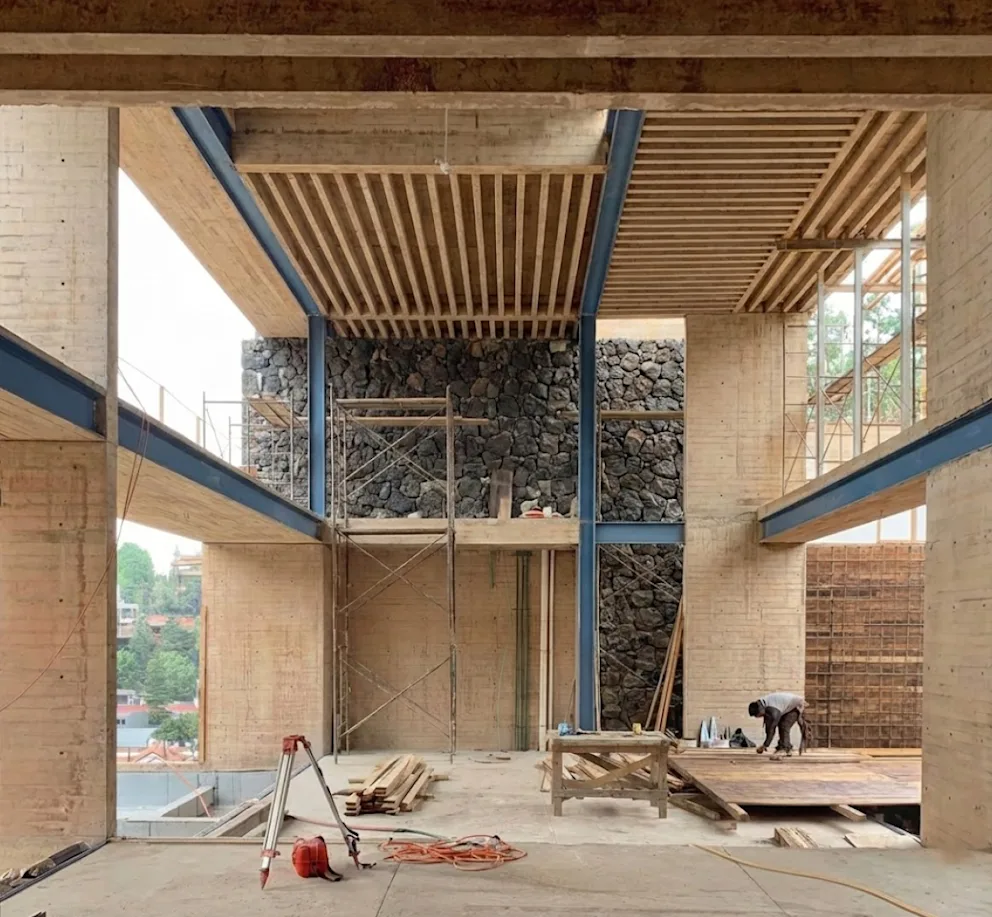
    New construction home build

    Match with vetted builders

    Receive quotes from experienced contractors aligned to your vision.
    Block experts reviewing quotes and timelines

    Hire with confidence

    Partner with Block experts to review quotes and timelines for end-to-end clarity.

    Homeowner staying in control of their renovation

    Stay in control

    Avoid surprises with Block Protections and a progress-based payment system.

    Get Started

    Frequently asked questions

    I want to build a second home on my property; how do I know if it qualifies as an ADU?

    In Honolulu, accessory dwelling units are governed by the City and County of Honolulu's ADU ordinance, which permits a second detached or attached unit on most residentially zoned lots that meet minimum size requirements. Your lot must generally be at least 3,500 square feet, and the ADU itself is subject to maximum floor-area limits that vary by zoning district. The unit must include its own kitchen, bathroom, and sleeping area to qualify as a legally permitted ADU rather than a simple addition. You will need to apply for a building permit and demonstrate that the property can support the additional water and sewer demand. Setback and height restrictions apply, and in some neighborhoods, HOA covenants may further limit ADU construction. Consulting with the Department of Planning and Permitting early in your planning process is the fastest way to confirm eligibility.

    How much cheaper is it to build a ranch home versus a multi-story house?

    A single-story ranch home typically costs less per square foot to build than a two-story home because it eliminates the need for a structural second-floor system, additional stairways, and more complex engineering. However, the savings can be partially offset by a larger foundation footprint and a larger roof area, both of which carry significant material and labor costs. In Honolulu, where buildable land is scarce and expensive, a multi-story design often makes more financial sense because it allows you to maximize living space on a smaller lot. The cost difference between a ranch and a two-story home of the same total square footage on Oahu generally ranges from 5 to 15 percent, depending on design complexity and site conditions. Foundation costs in particular may be higher for a ranch if the lot requires extensive grading or sits on challenging volcanic substrate. Your builder and architect can model both options during the design phase so you can compare total project costs side by side.

    What are common issues that cause permits to be denied?

    The most frequent cause of permit denial in Honolulu is incomplete or inconsistent documentation, such as architectural drawings that do not match the structural engineering calculations or missing geotechnical reports for sites in mapped hazard zones. Setback violations are another common issue; if your proposed structure encroaches on required front, side, or rear setbacks under the Land Use Ordinance, the application will be returned for revision. Projects within the Special Management Area that fail to address coastal resource protection or public shoreline access requirements will face additional scrutiny and potential denial. Inadequate drainage or grading plans that do not comply with the city's stormwater management standards can also hold up approval. In some cases, neighbor objections during the public comment period for SMA Major permits can lead to conditions or delays. Working with an architect and builder who have current experience with Honolulu's permitting departments is the most reliable way to avoid these pitfalls.