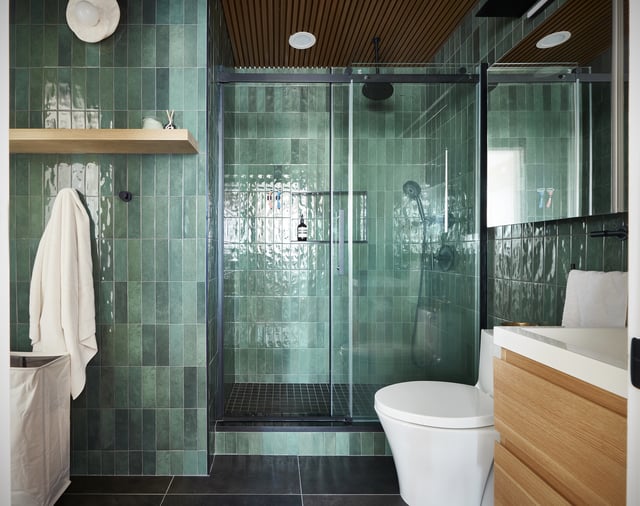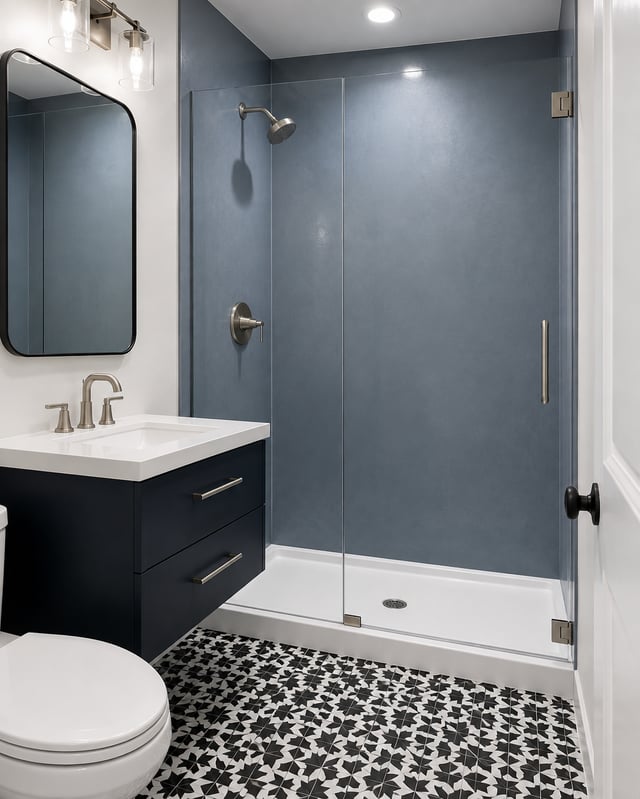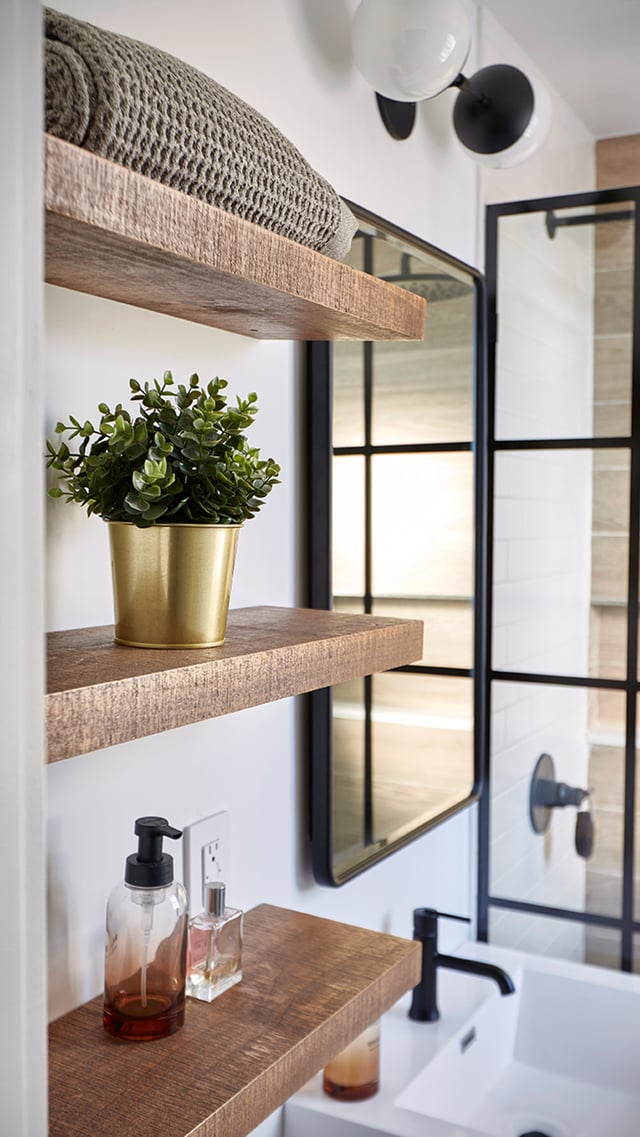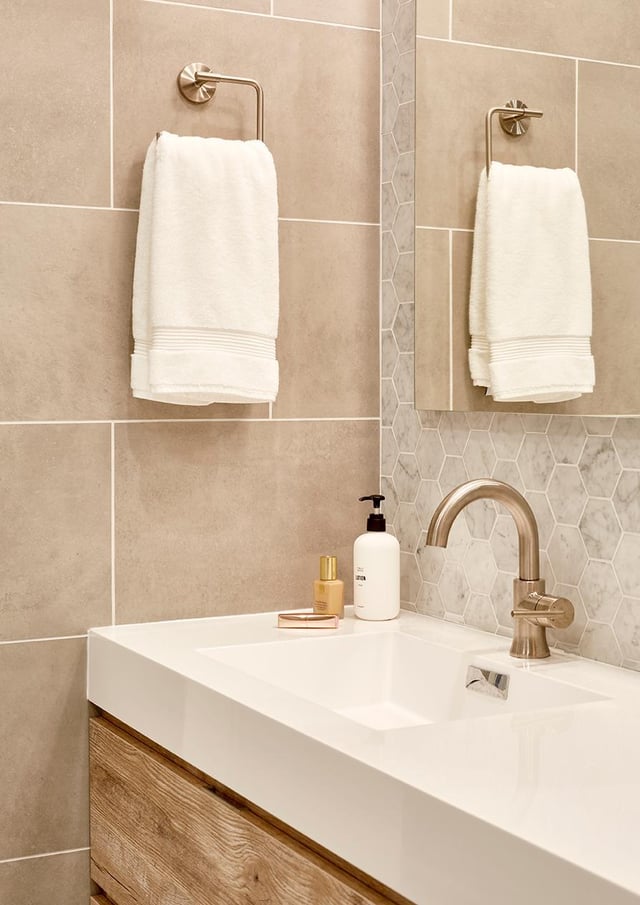



Bathroom Remodel in Longmont, CO: Costs, Design Ideas, and Local Tips

Budget your upcoming Longmont bathroom remodel with help from Block
How we get your estimate
Fill out the form above to either connect with contractors for a personalized quote or estimate your costs with Block's Renovation Studio.
White tub with a terracotta wall, art, and woven baskets.

In This Article

    Longmont stretches along the Front Range corridor between Boulder and Denver, where mountain views frame a city that has quietly become one of Colorado's most desirable places to live. From the tree-lined streets of Old Town to the family-friendly neighborhoods of Prospect and Fox Hill, Longmont blends small-town character with the energy of a growing tech and craft-beer hub. Whether you are in a mid-century ranch near Main Street or a newer build off Ken Pratt Boulevard, a bathroom remodel here should reflect both your household's needs and the realities of Colorado living.

    Investing in a bathroom renovation in Longmont makes practical and financial sense in a market where median home values hover around $541,000 and buyers expect updated, functional spaces. A well-planned remodel also improves how you experience your home daily, turning a basic bathroom into a comfortable retreat suited to the dry climate and active lifestyle that define life along the Front Range.

    Turn your renovation vision into reality

    Get matched with trusted contractors and start your renovation today!

    Find a Contractor

    Typical costs of bathroom remodeling in Longmont

    Bathroom remodeling costs in Longmont tend to run slightly above the national average, driven by strong demand for skilled trades across the Boulder-Denver corridor and the higher cost of living in Northern Colorado. Material availability is generally good thanks to the metro area's supply chain, but labor scheduling during peak spring and summer months can extend timelines and add to costs.

    Project Scope

    Cost Range in Longmont

    Cosmetic bathroom updates

    $5,000 – $14,000

    Mid-level bathroom renovations

    $14,000 – $40,000

    Major bathroom overhaul

    $40,000 – $85,000+

    Cosmetic bathroom updates: These projects keep the existing layout and plumbing intact while refreshing the room's appearance. In Longmont, that might mean replacing a worn vanity with a modern floating model, installing new porcelain tile flooring over old linoleum, upgrading the mirror and light fixtures, and repainting the walls. You are not moving fixtures or tearing into walls, which keeps both the timeline and budget manageable. Budget-friendly options like stock cabinetry and ceramic tile help Longmont homeowners keep cosmetic refreshes between $5,000 and $14,000.

    Mid-level bathroom renovations: At this level, you are replacing the shower surround or tub, upgrading to a new toilet, and possibly installing a double vanity with quartz countertops. Tile work becomes more substantial, often including a fully tiled shower enclosure, and you may add features like a recessed medicine cabinet or heated towel bar. Expect to spend between $14,000 and $40,000 depending on the complexity of tile work and quality of fixtures.

    Major bathroom overhauls: This tier reimagines the room entirely, often involving layout changes, plumbing relocation, and structural modifications. Longmont homeowners at this level might add a walk-in shower where a tub-shower combo used to be, install a freestanding soaking tub, or expand the bathroom into adjacent closet space. Custom tile, frameless glass enclosures, and premium fixtures all push costs higher. Electrical upgrades for features like heated flooring and smart mirrors add further to the budget. In Longmont, major overhauls typically range from $40,000 to $85,000 or more, particularly when permits and structural engineering are involved.

    Danny Wang

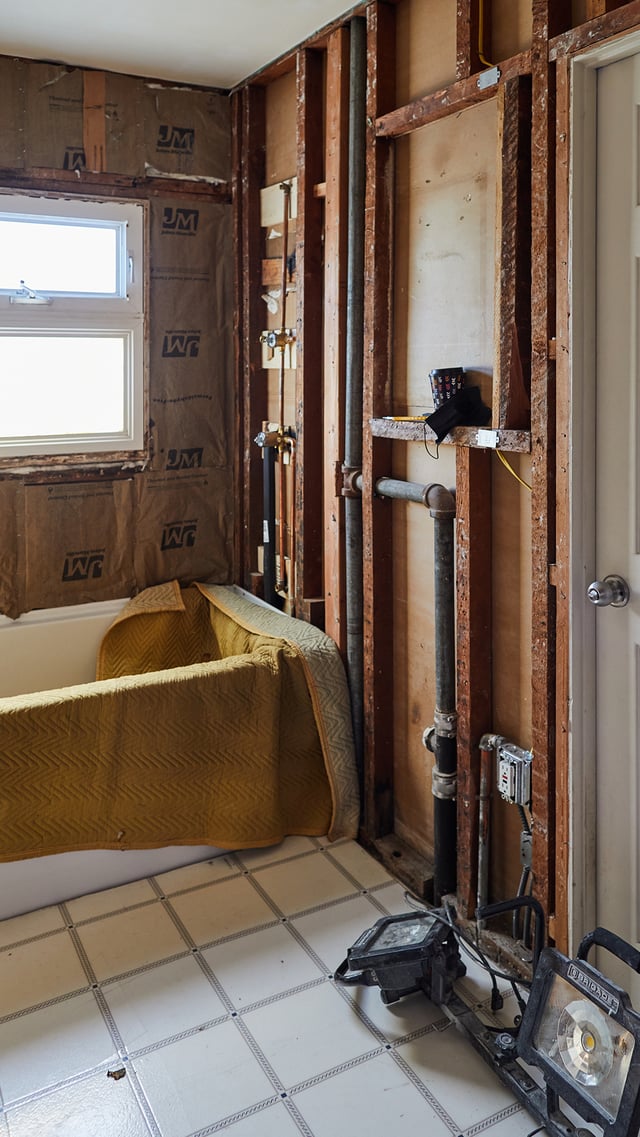
    Setting aside a 10–15% contingency helps absorb surprises uncovered during demolition without derailing the project.

    What Longmont residents commonly care about when renovating their bathroom

    Every household in Longmont brings its own priorities to a bathroom remodel, but sustainability consistently ranks high among homeowners in a city that has invested heavily in renewable energy and water conservation. Whether you are motivated by environmental responsibility, lower utility bills, or simply choosing materials that last longer, building green practices into your renovation makes sense here.

    Ways Longmont homeowners can bring sustainability into their bathroom remodel

    Longmont's commitment to sustainability runs deep, from its municipal broadband to its renewable energy goals, and that ethos extends into how residents approach home improvement. A bathroom remodel is an ideal opportunity to reduce your household's environmental footprint without sacrificing comfort or style.

    • WaterSense-certified fixtures throughout: Low-flow showerheads, faucets, and dual-flush toilets can reduce bathroom water use by 20 to 30 percent, which matters in a state where water rights and drought cycles directly affect utility rates.
    • Recycled-content tile for floors and accents: Tiles made from recycled glass or porcelain divert waste from landfills and come in a wide range of styles that work in both contemporary and traditional Longmont homes.
    • Low-VOC paints, adhesives, and sealants: Volatile organic compounds off-gas for months after application, so choosing low-VOC products improves indoor air quality, especially important in Colorado's dry climate where homes are often sealed tightly against winter cold.
    • LED lighting with dimmer controls: LED fixtures use 75 percent less energy than incandescent bulbs, last decades, and paired with dimmers let you adjust brightness to task or mood without wasting electricity.
    • Bamboo or FSC-certified wood vanity cabinets: Bamboo regenerates quickly and qualifies as a rapidly renewable material, while FSC-certified wood ensures the lumber comes from responsibly managed forests.

    What to know about building a new bathroom in Longmont

    Sometimes a remodel is not enough, and the right move is adding an entirely new bathroom to your Longmont home. Whether you need a second full bath to keep up with a growing family or want to add an en suite to a primary bedroom that never had one, building from scratch involves a different set of considerations than renovating an existing space. Permitting through the City of Longmont, access to existing plumbing and drain lines, and the structural capacity of your home all factor into the feasibility and cost.

    Different approaches to adding the bathroom

    • Convert an underused closet or storage area: Many Longmont ranch-style homes have oversized hallway closets or storage rooms adjacent to existing plumbing lines. Tapping into a nearby drain stack and water supply keeps plumbing costs down, and the enclosed space provides a natural footprint for a compact three-quarter bath. This approach typically costs less than alternatives because the walls and subfloor already exist, though you will still need to verify that the floor joists can handle the added weight of tile and fixtures.
    • Partition a large bedroom into a bedroom plus en suite: Homes built in the 1970s and 1980s along the Ken Pratt corridor and in the Quail neighborhood often have generously sized bedrooms that can absorb a bathroom without making the remaining bedroom feel cramped. This requires framing new walls, running plumbing from the nearest supply and drain lines, and adding ventilation that meets current building code. The trade-off is a more functional primary suite that aligns with what today's Longmont buyers expect.
    • Build into an unfinished basement: Longmont's abundant basement square footage makes this one of the most popular approaches, but plumbing is the critical variable. If your main drain line sits below the basement slab, gravity will carry waste to the sewer, but if the sewer connection is higher, you will need an up-flush or sewage ejector system that adds $1,500 to $3,000 to the project. Basement bathrooms also require egress windows or other code-compliant access depending on how the space is classified. Get richer insights with our guide to basement bathroom construction.
    • Add a bump-out addition: When interior space simply is not available, extending the home's footprint with a small addition is the most involved but most flexible option. A bump-out for a bathroom typically ranges from 40 to 60 square feet and requires foundation work, framing, roofing, and exterior finishing that all need to meet Longmont's building codes. This approach is most cost-effective when combined with other exterior work, such as a deck addition or garage expansion, to share mobilization and permitting costs.

    Partnering with an experienced Longmont contractor early in the planning process helps you evaluate which approach works best for your home's layout, plumbing infrastructure, and budget before any walls come down.

    Bathroom enhancements that are worth the splurge

    Not every upgrade needs to be practical. Some are worth it simply because they make your bathroom feel like a better place to start and end the day. These are splurges that deliver outsized impact for their cost.

    • Heated flooring beneath tile: An electric radiant mat installed under porcelain tile transforms cold Colorado mornings and adds only a few dollars per month to your energy bill.
    • A rain showerhead with a handheld wand: The combination of an overhead rainfall fixture and a detachable wand gives you both the luxury of a spa shower and the practicality of targeted rinsing.
    • Quartz countertops on the vanity: Quartz resists staining and scratching, never needs sealing, and holds up beautifully in Longmont's dry climate where some natural stones can crack over time.
    • A freestanding soaking tub: Whether you choose cast acrylic or stone resin, a sculptural freestanding tub becomes the room's centerpiece and adds a layer of relaxation that a standard alcove tub simply cannot match.

    Bring Your Dream Bathroom to Life

    Explore stunning design ideas, materials, and color schemes tailored to your space—no guesswork, just inspiration.
    Start Designing

    Finding inspiration for your Longmont remodel in your home's architectural roots

    Longmont's housing stock reflects decades of growth along the Front Range, from the Victorian and Craftsman homes near downtown to the ranch-style builds of the 1960s and the contemporary designs popping up in newer developments.

    Ideas for Craftsman bungalow bathrooms in Longmont

    Craftsman bungalows concentrated in Old Town and the neighborhoods along Third Avenue date primarily to the 1910s through 1940s, characterized by low-pitched roofs, wide front porches, and built-in woodwork throughout the interior. Bathrooms in these homes are typically small, often with original cast-iron tubs and hexagonal floor tile that speak to the era's attention to detail. Renovating here means working within compact dimensions while respecting the home's handcrafted character. Plumbing and electrical systems in these older homes almost always need updating to meet current code and support modern fixtures.

    • Preserve or replicate hexagonal mosaic floor tile in a period-appropriate palette to maintain the home's historic character.
    • Install a pedestal sink or narrow wall-mounted vanity to maximize floor space in tight layouts.
    • Use subway tile on walls with a beveled edge to honor the Craftsman era while keeping the space bright and easy to clean.
    • Choose oil-rubbed bronze or brushed nickel fixtures that complement the home's original hardware style.

    Ideas for mid-century ranch bathrooms in Longmont

    Ranch-style homes built between the 1950s and 1970s dominate large swaths of Longmont, particularly in neighborhoods like Quail, Southmoor Park, and along the Ken Pratt corridor. These single-story homes feature open layouts, large windows, and bathrooms that were designed for efficiency rather than luxury. The good news is that ranch bathrooms often share a wet wall with the kitchen or laundry room, which simplifies plumbing modifications.

    • Replace the standard tub-shower combo with a walk-in shower to create an open, accessible feel that modernizes the room.
    • Use clean-lined cabinetry with flat-front doors and integrated pulls to echo the ranch home's mid-century simplicity.
    • Install large-format floor tile in a neutral tone to make the bathroom feel more spacious than its original footprint suggests.
    • Upgrade the existing single vanity to a wider model with double sinks if the wall allows, adding function without expanding the room.

    Ideas for contemporary new-build bathrooms in Longmont

    Contemporary homes in developments like Prospect New Town and the neighborhoods east of Hover Street reflect Longmont's recent growth with open floor plans, energy-efficient construction, and design-forward finishes. Bathrooms in these homes tend to be spacious, with double vanities and separate shower and tub areas already part of the original layout. The advantage of working in a newer home is that plumbing, electrical, and ventilation systems are already up to code and can support ambitious upgrades.

    • Swap out builder-grade fixtures for statement pieces like a matte-black faucet set or a brushed-gold rain showerhead.
    • Upgrade generic tile with patterned cement tile or textured porcelain that adds visual depth and personality.
    • Install a floating vanity with vessel sinks for a gallery-like aesthetic that maximizes visual floor space.
    • Add a skylight or solar tube above the shower to bring natural Colorado light into the room.

    Visualize and budget your bathroom remodel with Renovation Studio

    Before you commit to a single material or fixture, Renovation Studio lets you map out your entire bathroom renovation online. The platform walks you through your project room by room, allowing you to select finishes, layouts, and features while generating a localized cost estimate based on Longmont market rates. You can compare different scope levels and material combinations to see how each choice affects your bottom line before spending a dollar. It is a practical way to align your vision with your budget and share a clear plan with potential contractors. Renovation Studio is free to use and available at blockrenovation.com.

    Know the Cost Before You Start

    Get real-time estimates for materials and labor so you can plan your renovation with confidence—no surprises.
    Get an Estimate

    Local Businesses to Visit in Longmont

    One of the best parts of planning a bathroom renovation is getting to see materials and fixtures in person. Here are some Longmont-area shops worth visiting as you pull together your vision.

    • Fig and Ivy: Come here for thoughtfully crafted home decor that sparks fresh ideas for your space. This local gem blends unique textures and timeless designs, making it a must-visit for anyone seeking inspiration with a personal touch.
    • Front Range Mercantile Indoor Flea Market and Antique Mall: Shop for unique home decor and vintage finds that spark fresh design ideas at every turn. This indoor flea market blends timeless antiques with eclectic styles, perfect for elevating your renovation with character and charm.
    • Omnia Vintage Thrift & Collectables: This local store specializes in unique collectibles that add character and charm to any space. This local gem is a treasure trove for one-of-a-kind home decor pieces and creative design inspiration.
    • LUMENAREA: Find unique lighting options to help individualize your Longmont bathroom and underscore your tastes.

    Ready to build? Let Block help you find top-rated contractors in Longmont

    When you are ready to move from planning to construction, Block connects you with vetted, top-rated contractors who specialize in bathroom renovations in the Longmont area. Each contractor in Block's network has been screened for licensing, insurance, and a proven track record of quality work, so you are not taking a chance on a name you found online. The matching process considers your specific project scope, budget, and timeline to pair you with the right professional.

    Block also provides built-in protections throughout the project, including systemized payment schedules tied to completed milestones. That structure keeps the project on track and ensures you are never paying ahead of the work that has actually been done.

    Remodel with confidence through Block

    Happy contractor doing an interview

    Connect to vetted local contractors

    We only work with top-tier, thoroughly vetted contractors

    Couple planning their renovation around the Block dashboard

    Get expert guidance

    Our project planners offer expert advice, scope review, and ongoing support as needed

    Familty enjoying coffee in their newly renovated modern ktchen

    Enjoy peace of mind throughout your renovation

    Secure payment system puts you in control and protects your remodel

    Get Started

    Frequently asked questions

    How do I improve ventilation in my bathroom?

    Start with a properly sized exhaust fan: the Home Ventilating Institute recommends one CFM per square foot of bathroom space, with a minimum of 50 CFM. In Longmont's dry climate, ventilation is less about managing ambient humidity and more about clearing steam quickly after showers to prevent condensation on windows and mirrors. A fan with a built-in humidity sensor activates automatically and runs until moisture levels drop, which is more reliable than remembering to flip a switch.

    What is a realistic timeline for each phase of a remodel?

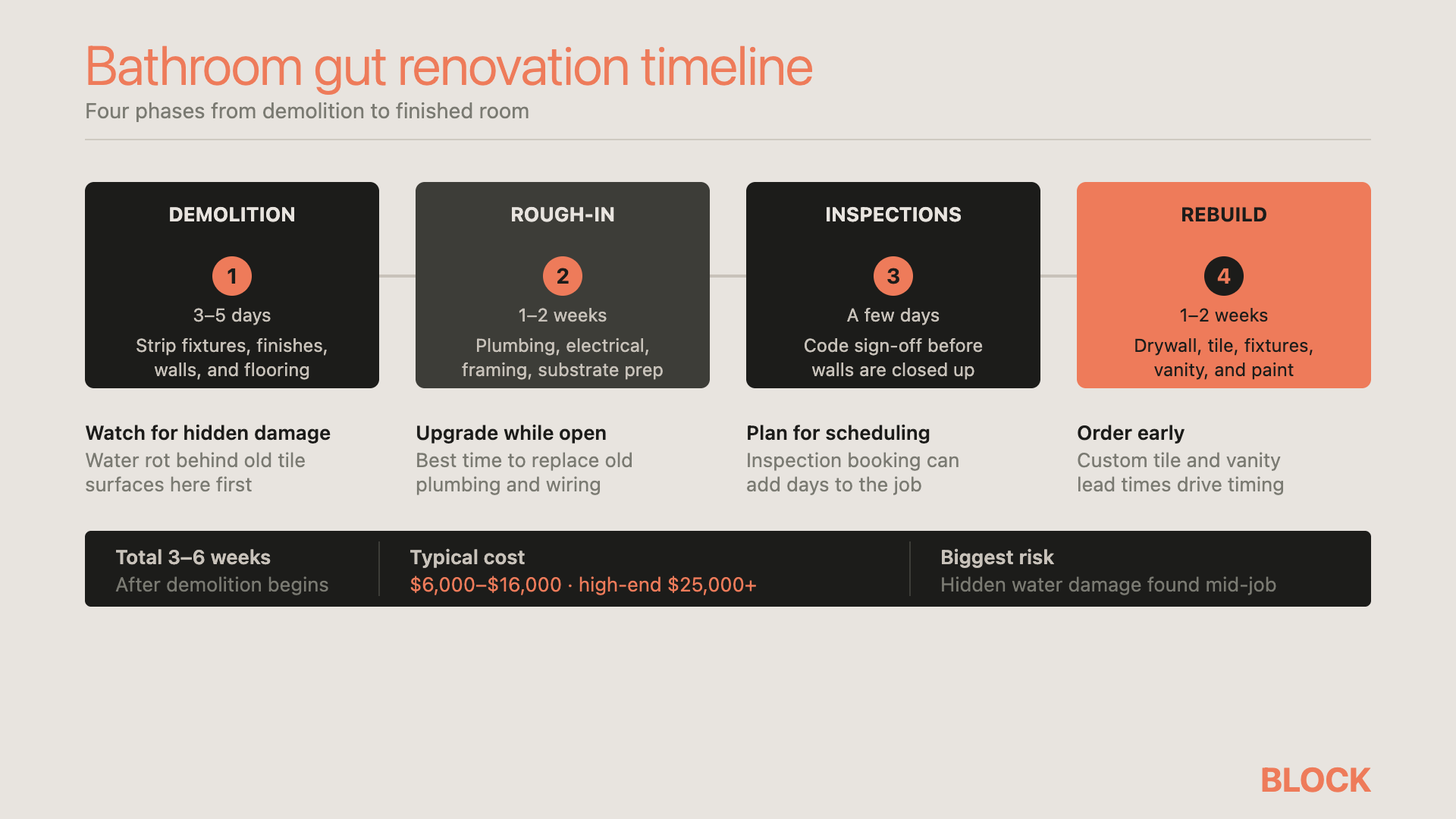
    A cosmetic refresh in Longmont typically takes one to two weeks, while a mid-level renovation runs three to five weeks depending on tile complexity and fixture lead times. Major overhauls involving layout changes and plumbing relocation can take six to ten weeks. Add one to three weeks for permitting through the City of Longmont at the front end, and build in a buffer for material shipping delays, especially for specialty items ordered from outside the state.

    Can I remodel my bathroom in stages?

    Absolutely. A phased approach lets you spread costs over time while still working toward a cohesive final result. The key is to plan the plumbing and electrical layout for your ultimate vision from the start so that each phase builds on the last rather than requiring rework. A common sequence in Longmont is to begin with cosmetic updates, then tackle the vanity and countertop, and save the shower or tub replacement for the final phase.

    Should I upgrade my water heater during a bathroom remodel?

    If your water heater is more than ten years old or struggles to keep up with demand, a bathroom remodel is the ideal time to upgrade. Tankless water heaters are particularly popular in Longmont because they provide hot water on demand without the standby energy loss of a traditional tank, and they take up significantly less space. A plumber can assess whether your existing gas line or electrical panel can support a tankless unit during the planning phase of your renovation.