




Home Addition
How to Plan a Home Addition: Process and Timeline
07.01.2026

04.20.2026


In This Article
Every home addition in Minneapolis starts with the same constraint: the ground freezes. Foundation footings in Hennepin County need to reach at least 42 inches below grade (nearly three and a half feet) to get below the frost line and prevent heaving. That single requirement shapes the cost, the timeline, and the type of addition that makes sense for your home. It's the first thing your contractor will plan around, and it's the reason a seemingly modest room addition here costs more than the same project in a milder climate.
But frost depth is just the opening chapter. Minneapolis homeowners are also navigating one of the most progressive zoning environments in the country, a housing stock dominated by century-old bungalows and foursquares, and a building season that demands careful scheduling. Understanding how these factors interact is what separates a smooth project from a stalled one.
Design a Home That’s Uniquely Yours
Block can help you achieve your renovation goals and bring your dream remodel to life with price assurance and expert support.
Get Started
Minneapolis contractors operate within a compressed construction window. Excavation work is impractical when the ground is frozen solid, and concrete pours become risky when temperatures drop below 40°F. For most addition projects, that means breaking ground between late April and mid-May, once frost is reliably out of the ground.
The goal is to have the foundation poured, cured, and backfilled before anything resembling winter returns. From there, framing and roofing can continue into colder months. Crews in the Twin Cities are experienced at working through November and beyond. But the critical below-grade work needs warm weather.
What this means for planning: if you want your addition completed before the following winter, design and permitting need to start the previous fall or early winter. Minneapolis requires full plan submission and review through the Community Planning and Economic Development office, and turnaround times vary depending on project complexity. A straightforward single-story room addition might clear review in a few weeks. A two-story addition with structural modifications could take longer.
Homeowners who miss the spring excavation window often face a full-year delay or significant cost premiums for winter foundation work, which requires heated enclosures, insulated blankets for curing concrete, and additional labor.
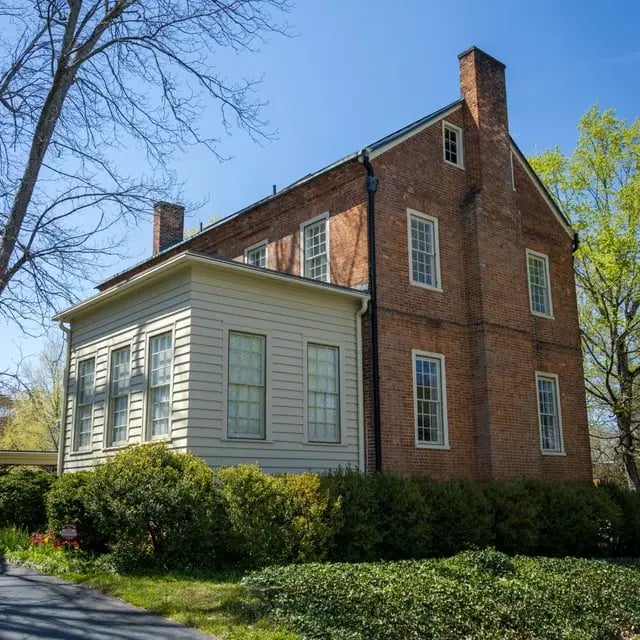
Minneapolis's housing stock is distinct. Drive through Powderhorn, Longfellow, Nokomis, or Standish and the pattern is clear: Craftsman bungalows from the 1910s and 1920s, American Foursquares from roughly the same era, and Tudor Revivals from the 1920s and 1930s. Farther south and west, mid-century ranches and split-levels from the 1950s and 1960s fill out the suburban-feeling neighborhoods.
Each of these house types presents different opportunities and constraints for additions.
Craftsman bungalows are typically one or one-and-a-half stories with low-pitched rooflines, wide eaves, and deep front porches. The most common addition strategy is building off the back, extending the kitchen or adding a family room at grade. Bungalow additions need to respect the original roofline and material palette (often wood lap siding over the original clapboard) to avoid looking bolted on. Dormer additions are another option for bungalow owners who need a second full bedroom upstairs, though the structural work involved in cutting into the existing roof makes this more complex than a ground-level expansion.
American Foursquares, the boxy, two-story homes with hipped roofs that are common in neighborhoods like Powderhorn and Whittier, have more vertical space to work with but often sit on narrower urban lots. Side-yard setback requirements limit lateral expansion, so rear additions and second-story enhancements tend to be the primary paths forward.
Mid-century ranches in neighborhoods like Nokomis and Diamond Lake sit on larger lots with more room to expand outward. These are often strong candidates for ranch home additions like primary suite wings, family rooms, or attached garage expansions. The single-story footprint and typically straightforward framing make ranches some of the most addition-friendly homes in the city.
Split-levels, common in the southwestern edges of the city and into the first-ring suburbs, present a unique opportunity. The staggered floor levels mean that a rear addition can tie into either the upper or lower level (or both), but the connection points require careful structural planning. The half-flights of stairs that define the split-level layout can be an asset if the addition is designed to flow naturally from an existing level, or a headache if the floor heights don't align cleanly.
Regardless of home type, one thing is consistent across Minneapolis: the existing structures are old enough that surprises behind the walls are common. Outdated wiring, lead paint, asbestos in original insulation, and undersized plumbing all show up regularly. A good contractor budgets time and money for discovery during demolition and framing, because what you find when you open up a 1920s wall rarely matches the drawings.
Minneapolis made national headlines in 2020 when it became the first major U.S. city to eliminate single-family zoning. Under the 2040 Comprehensive Plan, every residential lot in the city can now accommodate up to three dwelling units, meaning a homeowner can, in theory, build a duplex or triplex where only a single-family home was previously allowed.
For homeowners thinking about additions, the practical impact is twofold.
First, accessory dwelling units are explicitly permitted. Minneapolis allows both attached ADUs (a self-contained apartment within or added onto your home) and detached ADUs (a separate structure in your yard). ADUs can be up to 1,300 square feet, and the city has waived off-street parking requirements and impact fees for units under 1,000 square feet. There's no owner-occupancy requirement, so you can rent the ADU even if you don't live on the property.
Second, the zoning flexibility means that what might have required a variance in the past may now be permissible by right. That includes converting a garage into living space, building a second-story addition that increases unit count, or adding a basement apartment. That said, built-form regulations (height limits, floor-area ratios, setbacks) still apply, and they're tighter in the Interior 1 and Interior 2 zones that cover most residential neighborhoods. The zoning may say "triplex allowed," but the dimensional standards often limit what's actually buildable on a given lot.
Before you get too far into planning, pull your property's zoning classification from the City of Minneapolis website and review the applicable built-form standards. Your contractor or architect should be doing this as part of early feasibility, but it's worth understanding the constraints yourself.
It's also worth understanding what the 2040 Plan didn't change. Design standards for new construction still apply. Your addition can't tower over neighboring homes or ignore the existing setback pattern on the block. And while the policy has drawn national attention, the actual pace of duplex and triplex construction in formerly single-family zones has been measured, not explosive. Most homeowners are using the added flexibility for ADUs and modest expansions, not wholesale conversions. The zoning opens doors, but the economics and the physical constraints of existing lots still shape what gets built.
The 42-inch frost depth requirement in the Twin Cities means every addition needs a real foundation. You're not setting a slab on grade and moving on. You're excavating, forming footings, pouring concrete, building foundation walls, waterproofing, installing drain tile, and backfilling. This phase alone typically takes three to four weeks and accounts for a significant share of the total project cost.
The three most common foundation approaches for Minneapolis additions:
One additional wrinkle: if your existing home has a shallower foundation than current code requires (common in homes built before the 1960s), connecting a new foundation to the existing one may require underpinning the old foundation. This is a significant cost item that doesn't always surface until excavation begins.
Renovate with confidence every step of the way
Step 1: Personalize Your Renovation Plan
Step 2: Receive Quotes from Trusted Contractors
Step 3: Let Us Handle the Project Details

Minnesota's energy code sets higher insulation requirements than most of the country. Wall assemblies for additions typically need to meet or exceed R-21, and attic insulation requirements are R-49 or higher. Windows need to hit specific U-factor ratings, and the building envelope must be tested for air leakage.
These aren't just code boxes to check. A well-insulated addition is the difference between a comfortable room and one that hemorrhages heat five months of the year. Contractors experienced in Twin Cities construction build with continuous exterior insulation, careful air sealing at rim joists and wall-to-foundation transitions, and HVAC systems sized for the real heating load, not a national average.
The practical cost impact: insulation, air sealing, and high-performance windows in a Minneapolis addition will cost more than the same components in a warmer climate. But they also mean significantly lower heating bills in a city where furnaces run from October through April.
Ice dam prevention matters here too. Additions that tie into existing rooflines need adequate attic ventilation and insulation to prevent heat loss through the roof deck, which melts snow unevenly and creates the ice dams that damage gutters, siding, and interior finishes. Your contractor should address this during design, not after the first winter.
Minneapolis home additions generally run between $200 and $350 per square foot for above-grade living space, depending on finish level, foundation type, and project complexity. Below-grade (basement) space is less expensive per square foot but adds to the total. A typical 200-square-foot kitchen bump-out might cost $60,000 to $80,000, while a full two-story rear addition with basement runs well into six figures.
Foundation work alone (excavation through backfill) adds $35,000 to $80,000 depending on size and soil conditions. Expansive clay soils, which are common in parts of south and northeast Minneapolis, can require soil correction before footings are placed.
Timeline-wise, plan on 6 to 10 months from permit application to completion for a standard addition, assuming a spring start. More complex projects like second-story additions, ADU construction, or structural modifications to connect old and new foundations can stretch to 12 months or beyond.

“Adding small changes mid‑construction snowballs quickly. Scope creep is one of the fastest ways to inflate costs.”
The cost of a Minneapolis home addition is substantial, but so is the value it creates, particularly for homes in established neighborhoods with strong school ratings and proximity to the city's lakes and parks. Home equity loans and HELOCs are the most common financing paths, and some homeowners building ADUs find that projected rental income supports the investment.
Start by identifying what you need the addition to accomplish, then work backward through the constraints: your lot dimensions, zoning classification, house type, foundation condition, and budget. Talk to at least two contractors with specific experience in Twin Cities residential additions. The frost line, energy code, and building-season logistics are not things a generalist will navigate well. Minneapolis is a city that rewards careful planning. The climate is demanding, the code is rigorous, and the building window is narrow. But homeowners who account for all three end up with additions that perform structurally, thermally, and aesthetically for decades.
Remodel with confidence through Block

Connect to vetted local contractors
We only work with top-tier, thoroughly vetted contractors

Get expert guidance
Our project planners offer expert advice, scope review, and ongoing support as needed

Enjoy peace of mind throughout your renovation
Secure payment system puts you in control and protects your remodel


Renovate confidently with Block
Easily compare quotes from top quality contractors, and get peace of mind with warranty & price protections.
Home Addition
How to Plan a Home Addition: Process and Timeline
07.01.2026
Home Addition
Bump Out Addition Cost, Ideas & Planning Guide
05.29.2026

Home Addition
Family Room Addition Ideas - Know Your Options
05.28.2026
Home Addition
How to Calculate the Cost of a Room Addition
05.23.2026
Home Addition
Cantilevered Bump Out Addition: When It Makes Sense
05.15.2026