---
title: How to Calculate the Cost of a Room Addition
description: Learn how to calculate the cost of a room addition. Explore pricing, planning, and key cost drivers to budget your home expansion with confidence.
image: https://www.blockrenovation.com/hubfs/In%20What%20Order%20Should%20You%20Renovate%20the%20Rooms%20in%20Your%20Home_.jpg
---
[Skip to content](https://www.blockrenovation.com/guides/how-to-calculate-the-cost-of-a-room-addition#main-content)
[](https://www.blockrenovation.com?hsLang=en)
- How It Works
- [How Block Works](https://www.blockrenovation.com/how-it-works)
- [Home Renovations](https://www.blockrenovation.com/home-renovations)
- [New Construction](https://www.blockrenovation.com/new-construction)
- [Commercial Projects](https://www.blockrenovation.com/commercial-projects)
- [Block Protections](https://www.blockrenovation.com/block-protections)
- [Reviews](https://www.blockrenovation.com/reviews)
- [Design Services](https://www.blockrenovation.com/design-services)
- [Trade Program](https://www.blockrenovation.com/trade-program)
- [Gallery](https://www.blockrenovation.com/customer-gallery)
- Project Guides
- By Room
- [Kitchen](https://www.blockrenovation.com/guides/cost/kitchen-remodel-cost)
- [Bathroom](https://www.blockrenovation.com/guides/cost/bathroom-remodel-cost)
- [Bedroom](https://www.blockrenovation.com/guides/the-complete-guide-to-bedroom-remodel-costs)
- [Living Room](https://www.blockrenovation.com/guides/the-cost-of-a-living-space-remodel)
- [Basement](https://www.blockrenovation.com/guides/the-complete-guide-to-basement-remodel-costs)
- [Attic](https://www.blockrenovation.com/guides/the-complete-guide-to-attic-renovation-costs)
- [Garage](https://www.blockrenovation.com/guides/the-complete-guide-to-garage-remodel-costs)
- [Sunroom](https://www.blockrenovation.com/guides/sunroom-renovation-ideas-cost-more)
- [Laundry Room](https://www.blockrenovation.com/guides/a-complete-guide-to-laundry-room-addition-and-remodel-2026)
- [Mudroom](https://www.blockrenovation.com/guides/custom-mudroom-additions-costs-design-ideas)
- Bigger Projects
- [Home Addition](https://www.blockrenovation.com/guides/understanding-the-costs-of-a-home-addition)
- [In-Law Suite](https://www.blockrenovation.com/guides/building-in-law-suite-ideas)
- [Guest House](https://www.blockrenovation.com/guides/how-much-does-it-cost-to-build-or-remodel-a-guest-house)
- [Deck Remodel](https://www.blockrenovation.com/guides/ultimate-guide-to-deck-remodeling-in-2026)
- [Custom Home Build](https://www.blockrenovation.com/guides/most-cost-effective-homes-to-custom-build)
- The Block Way
- [A Renovation Planning Guide](https://www.blockrenovation.com/guides/the-block-way-of-renovating)
- [Custom Home Building Guide](https://www.blockrenovation.com/guides/the-block-way-custom-home-building-process)
- [Read the Latest Articles](https://www.blockrenovation.com/guides/page/1)
- Budgeting & Planning
- Budgeting
- [Calculating Room Addition Costs](https://www.blockrenovation.com/guides/how-to-calculate-the-cost-of-a-room-addition)
- [Kitchen Countertop Replacement Costs](https://www.blockrenovation.com/guides/how-much-does-replacing-kitchen-countertops-cost-in-2025)
- [Kitchen Backsplash Costs](https://www.blockrenovation.com/guides/kitchen-backsplash-costs-installation-materials-more)
- [Kitchen Flooring Costs](https://www.blockrenovation.com/guides/cost/how-much-does-new-flooring-cost-in-a-kitchen)
- [Rerouting Plumbing Costs](https://www.blockrenovation.com/guides/rerouting-plumbing-costs-other-faqs)
- [Shower Installation Costs](https://www.blockrenovation.com/guides/cost/shower-installation-costs)
- [Tub Installation Cost](https://www.blockrenovation.com/guides/how-much-to-install-a-new-tub-bathtub-installation-cost-breakdown-tips)
- Size Guides
- [Minimum Bathroom Sizing](https://www.blockrenovation.com/guides/design/minimum-bathroom-size-maximize-small-space)
- [Minimum Laundry Room Sizing](https://www.blockrenovation.com/guides/laundry-room-sizing-guide-minimums-averages-more)
- [Minimum ADU Sizing](https://www.blockrenovation.com/guides/adu-sizing-smallest-typical-dimensions)
- Additions & Conversions
- [Ranch Home Additions](https://www.blockrenovation.com/guides/ranch-home-additions-ideas-costs-and-what-to-expect)
- [Master Suite Over Garages](https://www.blockrenovation.com/guides/master-suite-additions-over-garage-cost)
- [Dormer Addition Cost](https://www.blockrenovation.com/guides/building-a-dormer-addition-cost)
- [Garage to Master Suite Conversion](https://www.blockrenovation.com/guides/garage-to-master-bedroom-suite-conversion)
- [Garage Expansions](https://www.blockrenovation.com/guides/garage-expansions-ideas-addition-practicalities)
- [Read the Latest Articles](https://www.blockrenovation.com/guides/page/1)
- Tools
- [Renovation Studio](https://www.blockrenovation.com/renovation-planning)
- [AI Remodel Planner](https://www.blockrenovation.com/renovation-planning)
- [Kitchen Remodel Visualizer](https://www.blockrenovation.com/tools/kitchen-remodel-visualizer)
- [Kitchen Cabinet Visualizer](https://www.blockrenovation.com/tools/kitchen-cabinet-visualizer)
- [Bathroom Remodel Visualizer](https://www.blockrenovation.com/tools/bathroom-remodel-visualizer)
- [Basement Remodel Visualizer](https://www.blockrenovation.com/tools/basement-remodel-AI-designer)
- [Estimate Remodeling Costs](https://www.blockrenovation.com/tools/calculate-renovation-cost-estimations)
- [Renovation Value Calculator](https://www.blockrenovation.com/tools/roi-calculator)
- [Basement Finishing Estimator](https://www.blockrenovation.com/tools/basement-finishing-estimator-planner)
- [Kitchen Remodel Cost Estimator](https://www.blockrenovation.com/tools/kitchen-remodel-cost-estimator-checklist)
[Log In](https://www.blockrenovation.com/login?hsLang=en) [Get Started](https://www.blockrenovation.com/planner/route?hsLang=en)
[Guides](https://www.blockrenovation.com/guides)
- Block Renovations
- [Working with Block](https://www.blockrenovation.com/guides/tag/working-with-block)
- [Case Studies](https://www.blockrenovation.com/guides/tag/case-study)
- [Block Contractors](https://www.blockrenovation.com/guides/tag/contractors)
- Project Planning
- [Planning & Logistics](https://www.blockrenovation.com/guides/tag/planning-logistics)
- [Cost](https://www.blockrenovation.com/guides/tag/cost)
- [Timelines](https://www.blockrenovation.com/guides/tag/timelines)
- [Working with Contractors](https://www.blockrenovation.com/guides/tag/working-with-contractors)
- Ideas & Inspiration
- [Design](https://www.blockrenovation.com/guides/tag/design)
- [Cleaning](https://www.blockrenovation.com/guides/tag/cleaning)
- [Paint & Color](https://www.blockrenovation.com/guides/tag/paint-color)
- [How To & DIY](https://www.blockrenovation.com/guides/tag/how-to)


[](https://www.blockrenovation.com?hsLang=en)

Guides
- Block Renovations
- [Working with Block](https://www.blockrenovation.com/guides/tag/working-with-block)
- [Case Studies](https://www.blockrenovation.com/guides/tag/case-study)
- [Block Contractors](https://www.blockrenovation.com/guides/tag/contractors)
- Project Planning
- [Planning & Logistics](https://www.blockrenovation.com/guides/tag/planning-logistics)
- [Cost](https://www.blockrenovation.com/guides/tag/cost)
- [Timelines](https://www.blockrenovation.com/guides/tag/timelines)
- [Working with Contractors](https://www.blockrenovation.com/guides/tag/working-with-contractors)
- Ideas & Inspiration
- [Design](https://www.blockrenovation.com/guides/tag/design)
- [Cleaning](https://www.blockrenovation.com/guides/tag/cleaning)
- [Paint & Color](https://www.blockrenovation.com/guides/tag/paint-color)
- [How To & DIY](https://www.blockrenovation.com/guides/tag/how-to)


[Get Started](https://www.blockrenovation.com/planner/route?hsLang=en)
- Learn About Block
- How It Works
- [How Block Works](https://www.blockrenovation.com/how-it-works)
- [Home Renovations](https://www.blockrenovation.com/home-renovations)
- [New Construction](https://www.blockrenovation.com/new-construction)
- [Commercial Projects](https://www.blockrenovation.com/commercial-projects)
- [Block Protections](https://www.blockrenovation.com/block-protections)
- [Reviews](https://www.blockrenovation.com/reviews)
- [Design Services](https://www.blockrenovation.com/design-services)
- [Trade Program](https://www.blockrenovation.com/trade-program)
- [Gallery](https://www.blockrenovation.com/customer-gallery)
- Project Guides
- By Room
- [Kitchen](https://www.blockrenovation.com/guides/cost/kitchen-remodel-cost)
- [Bathroom](https://www.blockrenovation.com/guides/cost/bathroom-remodel-cost)
- [Bedroom](https://www.blockrenovation.com/guides/the-complete-guide-to-bedroom-remodel-costs)
- [Living Room](https://www.blockrenovation.com/guides/the-cost-of-a-living-space-remodel)
- [Basement](https://www.blockrenovation.com/guides/the-complete-guide-to-basement-remodel-costs)
- [Attic](https://www.blockrenovation.com/guides/the-complete-guide-to-attic-renovation-costs)
- [Garage](https://www.blockrenovation.com/guides/the-complete-guide-to-garage-remodel-costs)
- [Sunroom](https://www.blockrenovation.com/guides/sunroom-renovation-ideas-cost-more)
- [Laundry Room](https://www.blockrenovation.com/guides/a-complete-guide-to-laundry-room-addition-and-remodel-2026)
- [Mudroom](https://www.blockrenovation.com/guides/custom-mudroom-additions-costs-design-ideas)
- Bigger Projects
- [Home Addition](https://www.blockrenovation.com/guides/understanding-the-costs-of-a-home-addition)
- [In-Law Suite](https://www.blockrenovation.com/guides/building-in-law-suite-ideas)
- [Guest House](https://www.blockrenovation.com/guides/how-much-does-it-cost-to-build-or-remodel-a-guest-house)
- [Deck Remodel](https://www.blockrenovation.com/guides/ultimate-guide-to-deck-remodeling-in-2026)
- [Custom Home Build](https://www.blockrenovation.com/guides/most-cost-effective-homes-to-custom-build)
- The Block Way
- [A Renovation Planning Guide](https://www.blockrenovation.com/guides/the-block-way-of-renovating)
- [Custom Home Building Guide](https://www.blockrenovation.com/guides/the-block-way-custom-home-building-process)
- [Read the Latest Articles](https://www.blockrenovation.com/guides/page/1)
- Budgeting & Planning
- Budgeting
- [Calculating Room Addition Costs](https://www.blockrenovation.com/guides/how-to-calculate-the-cost-of-a-room-addition)
- [Kitchen Countertop Replacement Costs](https://www.blockrenovation.com/guides/how-much-does-replacing-kitchen-countertops-cost-in-2025)
- [Kitchen Backsplash Costs](https://www.blockrenovation.com/guides/kitchen-backsplash-costs-installation-materials-more)
- [Kitchen Flooring Costs](https://www.blockrenovation.com/guides/cost/how-much-does-new-flooring-cost-in-a-kitchen)
- [Rerouting Plumbing Costs](https://www.blockrenovation.com/guides/rerouting-plumbing-costs-other-faqs)
- [Shower Installation Costs](https://www.blockrenovation.com/guides/cost/shower-installation-costs)
- [Tub Installation Cost](https://www.blockrenovation.com/guides/how-much-to-install-a-new-tub-bathtub-installation-cost-breakdown-tips)
- Size Guides
- [Minimum Bathroom Sizing](https://www.blockrenovation.com/guides/design/minimum-bathroom-size-maximize-small-space)
- [Minimum Laundry Room Sizing](https://www.blockrenovation.com/guides/laundry-room-sizing-guide-minimums-averages-more)
- [Minimum ADU Sizing](https://www.blockrenovation.com/guides/adu-sizing-smallest-typical-dimensions)
- Additions & Conversions
- [Ranch Home Additions](https://www.blockrenovation.com/guides/ranch-home-additions-ideas-costs-and-what-to-expect)
- [Master Suite Over Garages](https://www.blockrenovation.com/guides/master-suite-additions-over-garage-cost)
- [Dormer Addition Cost](https://www.blockrenovation.com/guides/building-a-dormer-addition-cost)
- [Garage to Master Suite Conversion](https://www.blockrenovation.com/guides/garage-to-master-bedroom-suite-conversion)
- [Garage Expansions](https://www.blockrenovation.com/guides/garage-expansions-ideas-addition-practicalities)
- [Read the Latest Articles](https://www.blockrenovation.com/guides/page/1)
- Tools
- [Renovation Studio](https://www.blockrenovation.com/renovation-planning)
- [AI Remodel Planner](https://www.blockrenovation.com/renovation-planning)
- [Kitchen Remodel Visualizer](https://www.blockrenovation.com/tools/kitchen-remodel-visualizer)
- [Kitchen Cabinet Visualizer](https://www.blockrenovation.com/tools/kitchen-cabinet-visualizer)
- [Bathroom Remodel Visualizer](https://www.blockrenovation.com/tools/bathroom-remodel-visualizer)
- [Basement Remodel Visualizer](https://www.blockrenovation.com/tools/basement-remodel-AI-designer)
- [Estimate Remodeling Costs](https://www.blockrenovation.com/tools/calculate-renovation-cost-estimations)
- [Renovation Value Calculator](https://www.blockrenovation.com/tools/roi-calculator)
- [Basement Finishing Estimator](https://www.blockrenovation.com/tools/basement-finishing-estimator-planner)
- [Kitchen Remodel Cost Estimator](https://www.blockrenovation.com/tools/kitchen-remodel-cost-estimator-checklist)
1. [Home](https://www.blockrenovation.com?hsLang=en)
2. [Guide](https://www.blockrenovation.com/guides)
3. [All Articles](https://www.blockrenovation.com/guides/page/1)
4. Search
5. [Home Addition](https://www.blockrenovation.com/guides/tag/home-addition)
# How to Calculate the Cost of a Room Addition
Learn how to calculate the cost of a room addition. Explore pricing, planning, and key cost drivers to budget your home expansion with confidence.
By Block Renovation
05.23.2026
[](http://www.facebook.com/share.php?u=https%3A%2F%2Fwww.blockrenovation.com%2Fguides%2Fhow-to-calculate-the-cost-of-a-room-addition) [](https://www.instagram.com/blockrenovation) [](http://www.linkedin.com/shareArticle?mini=true&url=https%3A%2F%2Fwww.blockrenovation.com%2Fguides%2Fhow-to-calculate-the-cost-of-a-room-addition) [](http://pinterest.com/pin/create/button/?url=https%3A%2F%2Fwww.blockrenovation.com%2Fguides%2Fhow-to-calculate-the-cost-of-a-room-addition&media=https://4612653.fs1.hubspotusercontent-na1.net/hubfs/4612653/In%20What%20Order%20Should%20You%20Renovate%20the%20Rooms%20in%20Your%20Home_.jpg)
In This Article
Most homeowners who try to calculate home addition cost land on a number that's wrong in at least one of two ways: either it's too low, and the project finishes over budget, or it's just low enough to feel safe, and they end up building a smaller addition than they actually wanted. Both mistakes come from the same source. The homeowner started with a rough number from a national average or a neighbor's recollection, rather than from the specific mechanics of their own project.
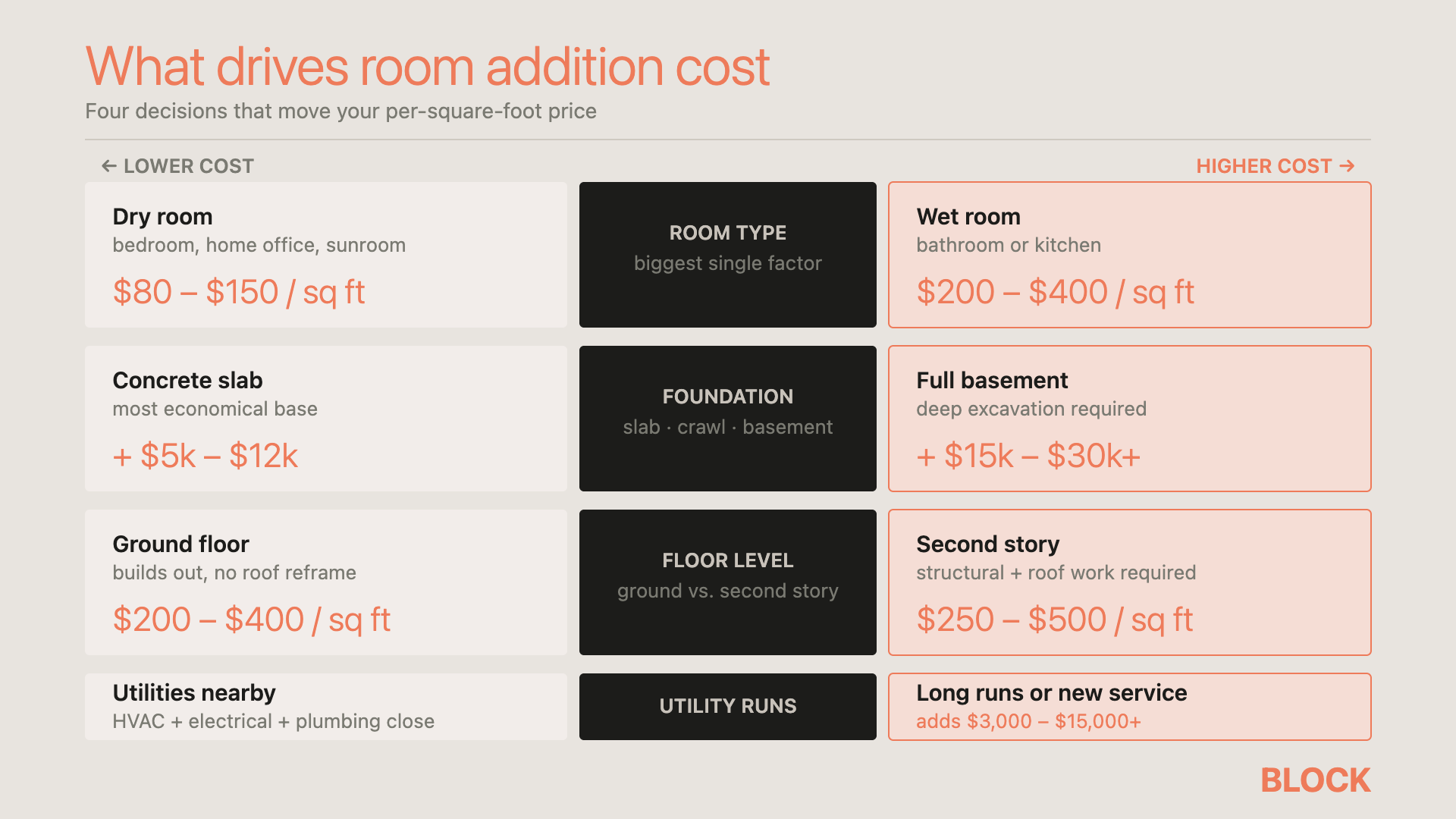
Room addition costs swing by a factor of three or more depending on the room type, the foundation requirements, and how far the new space is from existing plumbing and HVAC, and almost none of that variation shows up in the round numbers homeowners usually start with.
Understanding what drives [the cost of a room addition](https://www.blockrenovation.com/guides/understanding-the-costs-of-a-home-addition?hsLang=en) is key to budgeting accurately, avoiding unexpected expenses, and making smart decisions about materials, design, and hiring.
## Quick hits to better understand room addition costs
| **Plumbing distance tax** | A bathroom addition can reach $250 to $400 per square foot once plumbing moves away from existing lines. The spike usually comes from opening walls, rerouting utilities, and extending HVAC, not from tile or fixtures. |
| --- | --- |
| **Second-floor premium** | Second-story additions often start with structural work the homeowner never sees. Reinforcing framing and foundations can push budgets past $100,000 before insulation, flooring, or cabinetry enter the job. |
| **Bad ROI on luxury finishes** | Bathroom additions recoup roughly 52% at resale. Primary suites land near 56%. Expensive stone, custom millwork, and luxury fixtures rarely return their cost if the sale horizon is short. |
## Why room additions are worth considering
A room addition is one of the few home improvement projects that delivers two things at once: daily quality of life improvements you feel immediately, and a resale premium you only see if you sell.
The National Association of Realtors' most recent [Remodeling Impact Report](https://www.nar.realtor/sites/default/files/2025-04/2025-remodeling-impact-report_04-09-2025.pdf) gives rough resale recovery figures by addition type:
- Primary bedroom suite additions recover around 56% of cost at resale
- Bathroom additions around 52%
- Family room or great room additions around 69%
None of these break even on pure resale math, which means the majority of the value you're getting from an addition is the years of living in it before you sell. Homeowners who treat an addition as a pure investment almost always overspend on finishes they'd rather have money back on. Homeowners who treat it as a lifestyle upgrade with a partial resale rebate almost always end up happier with what they built. In fact, according to our [2026 Renovation Report](https://www.blockrenovation.com/guides/how-america-renovates-in-2026?hsLang=en), nearly 65% of homeowners now prioritize multi-generational living and flexible floor plans over pure resale math when [planning additions](https://www.blockrenovation.com/guides/how-to-plan-a-home-addition-process-and-timeline?hsLang=en).
> [View this post on Instagram](https://www.instagram.com/reel/DN8yf4WDOXy/?utm_source=ig_embed&utm_campaign=loading)
>
> [A post shared by Block Renovation (@blockrenovation)](https://www.instagram.com/reel/DN8yf4WDOXy/?utm_source=ig_embed&utm_campaign=loading)
## Average cost of a room addition
While costs vary depending on location, complexity, and material choices, most room additions range from $80 to $200 per square foot. That means a 200-square-foot addition may cost anywhere from $16,000 to $40,000 or more.
For more complex projects like bathrooms or kitchens, costs can soar to $250–$400 per square foot, particularly if they involve relocating plumbing, upgrading electrical systems, or integrating custom features.
Here’s a rough overview of typical costs by room type:
- **Bedroom**: $17,000 – $45,000
- **Bathroom**: $25,000 – $90,000
- **Kitchen**: $50,000 – $100,000+
- **Home office or den**: $20,000 – $40,000
- **Second-story room**: $100,000 – $300,000+
- **Sunroom**: $15,000 – $70,000
These ranges are fairly broad. Your specific budget will depend on several key factors explored below. You can also use [our free AI tools to calculate your own project estimate](https://www.blockrenovation.com/tools/calculate-renovation-cost-estimations?hsLang=en).
Design a Home That’s Uniquely Yours
Block can help you achieve your renovation goals and bring your dream remodel to life with price assurance and expert support.
[Get Started](https://www.blockrenovation.com/planner/route?hsLang=en)

## Key factors that affect room addition costs
Quinn Babcock, a licensed contractor and partner with Limited Addition, was quick to share his expertise. "Size and complexity are the biggest drivers of cost. A common way to estimate early on is to use a rough price-per-square-foot based on the level of finish you want. Another major factor is the number of trades involved."

"Projects that require plumbing, HVAC, and electrical coordination tend to be more complex and therefore more expensive."
Quinn Babcock (Licensed contractor and partner, Limited Addition)
### 1. Size of the addition
Square footage is the most obvious cost driver, but it's not linear the way most homeowners assume. A 10x10 bedroom (100 square feet) typically runs $10,000 to $20,000, while a 20x20 bedroom (400 square feet) runs $40,000 to $80,000. Those numbers scale proportionally, but the per-square-foot cost often drops as additions get larger because fixed costs like permits, foundation mobilization, and roof tie-ins are spread across more space. If you're debating between a smaller and a larger addition, the larger one is often a better value per square foot, even though the total number is higher.
For example, a 10x10 bedroom (100 sq ft) may cost around $10,000 to $20,000, while a [20x20 space](https://www.blockrenovation.com/guides/how-much-does-a-20x20-room-addition-cost?hsLang=en) (400 sq ft) may range from $40,000 to $80,000 or more.
### 2. Type of room
The single biggest variable in room addition pricing is whether the new space is a dry room or a wet room. Dry rooms (bedrooms, offices, dens, sunrooms) cost roughly half per square foot what wet rooms (bathrooms, kitchens, laundry rooms) do, because the wet room price tag includes plumbing rough-ins, waterproofing, ventilation, and usually a dedicated electrical circuit or two. If you're trying to stretch a budget, adding a dry room is almost always the higher-value move.
Bathrooms and kitchens are the rooms homeowners most often wish they'd added, but they're also the rooms where scope creep does the most damage to a budget.
### 3. Foundation and framing requirements
A ground-floor addition needs its own foundation, and this is where project costs diverge most dramatically based on site conditions. A simple concrete slab on a flat, accessible lot runs $5,000 to $12,000 for a typical 200 square foot addition. A crawl space adds $8,000 to $18,000. A full basement under the addition pushes $15,000 to $30,000 or more.
The right choice is whichever matches your existing foundation (mixing a slab onto a home with a full basement creates awkward floor height transitions that show up for the life of the home). Still, there's circumstances where soil conditions, frost depth, and local code sometimes force a different decision.
Framing costs depend more on how the addition connects to the existing house than on the addition itself. A rectangular bump-out that ties into a straight wall is the cheapest scenario. Tying a new addition into a sloped or multi-plane roof is where framing costs can jump because the roofline transitions require custom framing and careful flashing.
### 4. Exterior integration
Exterior matching is where homeowners most often underestimate the cost of their addition. Remember, siding that looks identical from the curb can be discontinued, require custom color matching, or need to be sourced from a specialty supplier at a significant premium.
Plus, roofing shingles weather over time, so even a perfect match on new material will look subtly different against 10-year-old shingles for a few years.
Older homes with original windows almost never have a stock replacement that matches, which means either custom windows for the addition ($800 to $2,000 each instead of $200 to $500) or replacing the original windows in the main house at the same time.
### 5. Mechanical systems: HVAC, electrical, and plumbing
Your existing mechanical systems will need to reach the new space, and this is where homeowners most often underbudget. The right number depends heavily on the scope of work involved, so the ranges below break down by what's actually being done rather than bundling every scenario into one wide band.
- **HVAC**: **$1,500 to $10,000+.** Extending an existing duct run to one nearby room falls at the low end ($1,500 to $3,000), adding a dedicated zone with its own thermostat lands in the middle ($4,000 to $7,000), and installing a ductless mini-split for the addition sits at the high end ($5,000 to $10,000). When your existing system is already running at capacity, a mini-split is almost always cheaper than upsizing the whole HVAC system to carry the new load.
- **Electrical: $1,500 to $6,000+.** A dry room with standard outlets and lighting on an existing panel runs $1,500 to $2,500, while a room with high-draw circuits for a kitchen, workshop, or home theater runs $3,500 to $6,000. If your existing panel doesn't have the capacity to handle the new load, add another $2,000 to $4,000 for a 200-amp panel upgrade on top of whichever range you're in.
- **Plumbing: $3,000 to $15,000+.** For a new bathroom or kitchen within about 10 feet of existing supply and drain lines, budget $3,000 to $6,000, and for additions where plumbing has to travel 15 feet or more or reach the opposite side of the house, budget $8,000 to $15,000. Additions that require new drain lines running under an existing slab foundation are the most expensive scenario and can push well past $15,000 on their own.
## Additional costs to consider
### 1. Permits and inspections
Most room additions require building permits, which vary by municipality. Fees range from $200 to $3,000 or more depending on the size and scope of the project. Multiple inspections may be required during and after construction to verify plumbing, electrical, structural integrity, and safety compliance.
### 2. Architectural and design services
For additions that involve structural modifications (cutting into load-bearing walls, adding a second story, altering the existing roofline), you'll need a structural engineer, and their stamped drawings aren't optional. Engineer fees typically run $500 to $2,500 for a standard addition. If the addition is architecturally complex or you want custom design work beyond what your contractor offers, an architect adds 5 to 15 percent on top of construction costs.
For most straightforward additions, a design-build contractor who handles both design and construction in-house is the cheapest path and often the fastest, because the design is optimized for buildability from day one rather than handed off from a separate architect.
### 3. Demolition and site prep
If your addition replaces or extends a current structure—like removing a deck, patio, or exterior wall—you’ll need demolition and site clearing. This can range from $1,000 to $10,000 depending on complexity and disposal needs.
Site prep (grading, tree removal, trenching) also adds cost before construction begins.
### 4. Finishes and fixtures
Finishes are the line items with the most flexibility in either direction, which means they're also the ones where homeowners most often lose control of their budget. A single decision to upgrade one category from builder-grade to "the nice version" can add $3,000 to $10,000 without the homeowner noticing it in the moment.
- Flooring: $2 to $15+ per square foot installed. Laminate and luxury vinyl plank land at the low end ($2 to $5), engineered hardwood in the middle ($6 to $10), and solid hardwood or natural stone at the top ($10 to $15+). Luxury vinyl plank has closed the gap on hardwood dramatically in the last few years and is where most budget-conscious homeowners end up.
- Cabinetry: $150 to $1,200+ per linear foot. Stock cabinets from a big-box store run $150 to $300, semi-custom cabinets run $300 to $600, and fully custom millwork starts at $800 and climbs past $1,200. The jump from stock to semi-custom is almost always worth the money. The jump from semi-custom to fully custom almost never is, unless you have an unusual space that off-the-shelf sizes can't solve.
- Countertops: $40 to $200+ per square foot installed. Laminate runs $40 to $60, quartz runs $60 to $100, standard granite runs $70 to $120, and premium marble, quartzite, or exotic stone runs $120 to $200+. Quartz is the best value in the category for most homeowners because it looks like stone, doesn't need sealing, and costs a fraction of what marble does.
- Vanities and built-ins: $400 to $6,000+. A stock vanity runs $400 to $800, a mid-range semi-custom vanity runs $1,200 to $2,500, and fully custom millwork starts at $2,500 and climbs past $6,000 quickly. Unless you have an unusual wall length or a very specific design vision, a stock or semi-custom vanity will look almost identical to a custom one for a fraction of the price.
- Light fixtures: $50 to $2,000+ per fixture. A basic flush-mount runs $50 to $150, a mid-range pendant or chandelier runs $200 to $600, and designer fixtures easily climb past $1,500. Lighting is the category where homeowners are most likely to regret going cheap, because a great fixture in a small space makes the whole room feel intentional. This is one of the categories to splurge on.
- Paint, drywall, and trim: $3 to $8 per square foot of wall area. This is the one finish category where going mid-range almost always beats going premium. Premium paints don't actually perform meaningfully better than mid-range paints from the same manufacturer, and trim profiles all look equally good once they're painted and installed.
Be smart: pick one or two categories to splurge on and deliberately keep the rest at mid-range. Trying to upgrade everything is how budgets break. If you care most about the kitchen, splurge on cabinets and countertops and keep flooring and lighting sensible. If you care most about ambiance, splurge on lighting and paint and keep cabinets and countertops standard. Pick your fights and stick to them.
Know the Cost Before You Start
Get real-time estimates for materials and labor so you can plan your renovation with confidence—no surprises.
[Get an Estimate](https://www.blockrenovation.com/tools/kitchen-remodel-visualizer?hsLang=en)
## The biggest cost-savings come from patient planning
Maksim Sauchanka, owner of [BMR Belmax Remodeling](https://belmaxremodeling.com/) in Pennsylvania and New Jersey shared with us: "The most common source of mid-project change orders is usually an incomplete scope at the beginning, especially when homeowners are thinking about the addition itself, but not all the tie-in work around it."

Structural connections, HVAC extensions, electrical upgrades, flooring transitions, roofing tie-ins, window and siding alignment, and finish matching are the kinds of things that often get underestimated early and then show up as changes later.
Maksim Sauchanka, Owner, BMR Belmax Remodeling
He warned against the urge to start building too soon. "Get the layout, structural concept, finish direction, and utility plan more defined than you think you need. Additions get expensive when people treat the unknowns like small details."
In practice, that means pressing your contractor on the items most likely to stay vague in early room addition cost calculations. How does the new roofline meet the old one? Where does the new HVAC tie into existing ductwork or the panel? Which finishes need to match the rest of the house? What happens to the existing windows, trim, and siding at the seam between old and new?
Without such insights, any resulting room addition estimations will be woefully incomplete.
## Cost-saving strategies without cutting corners
- **Repurpose existing space before building new.** Converting a garage, attic, or [basement into a livable room](https://www.blockrenovation.com/guides/turning-your-basement-into-a-bedroom-remodeling-ideas?hsLang=en) skips the foundation, framing, and roofing line items entirely. A finished basement bedroom can land at a fraction of the cost of a new-build bedroom of the same square footage, even after waterproofing and egress windows are factored in.
- **Build out, not up.** Ground-floor additions don't require reinforcing the existing house's framing or foundation, which is what makes second-story additions jump past $100,000 before finishes enter the job.
- **Bundle window replacement with the addition.** Matching original windows on an older house runs $800 to $2,000 each versus $200 to $500 for stock sizes. The cost-saving move is replacing every original window on the affected elevation at the same time the addition goes in. You avoid the custom-match premium, the exterior reads as intentional rather than patched, and you only mobilize the window install once.
- **Use a shed roof tied into existing eaves where the design allows.** Single-pitch shed roofs are cheaper to frame and flash than a new gable that has to mirror the existing roofline. They also tend to give you higher interior ceilings on the addition without adding any square footage, which is a useful trick for making smaller spaces feel bigger.
- **Lock in 100% of finish selections before construction starts.** Every fixture, finish, paint color, and hardware piece should be specified in the contract before crews mobilize. Mid-project decisions are where the "while we're at it" upgrades creep in, and they almost always trend up rather than down.
- **Choose a design-build firm over an architect plus a separate GC.** Architects typically add 5 to 15% on top of construction costs. A design-build contractor handles both design and construction in-house, which removes that markup and also avoids the redesign cycles that happen when a set of drawings gets handed off from one firm to another.
## Step-by-step guide to home addition calculating
1. **Measure the planned space:** Calculate your desired square footage. Be realistic about how much space you need versus want.
2. **Define the room’s purpose:** Determine if you’re building a dry room (e.g., bedroom, office) or a wet room (e.g., kitchen, bathroom).
3. **Research local costs:** Contact local contractors or use reputable online tools to find the average cost per square foot in your area. This varies greatly by city and labor market.
4. **Estimate major systems:** Will your addition need plumbing, HVAC, electrical, or new foundation work? Account for these separately.
5. **Choose materials and finishes:** Decide whether you’re going mid-range, budget, or luxury with your finishes.
6. **Add professional fees and permits:** Include soft costs like permits, architectural plans, structural engineering, and inspections.
7. **Build in a contingency:** Add at least 10–20% to your budget for unexpected issues, like rot, code changes, or weather delays.
Compare Proposals with Ease
Easily compare contractor quotes with intuitive layouts, and side-by-side comparisons to help you make the best choice.
[Get a Quote](https://www.blockrenovation.com/planner/route?hsLang=en)
## When to DIY and when to hire pros
While handy homeowners [may be tempted to DIY](https://www.blockrenovation.com/guides/contractors/general-contractor-or-do-it-yourself-diy?hsLang=en) part of a room addition, it’s important to know your limits. Tasks like demolition, painting, or installing flooring might be manageable for some. But major work—especially electrical, plumbing, structural framing, and code inspections—should be left to licensed professionals to ensure safety and legal compliance.
Poor DIY work can lead to costly repairs, inspection failures, or insurance voids down the line.
## Calculate your costs with confidence with guidance from Block
A room addition is a significant investment, but it can also be one of the most rewarding upgrades you make to your home. By understanding the full scope of costs—from square footage and materials to permits and labor—you can make smarter decisions and avoid budget blowouts.
And if the process feels overwhelming, remember: you don’t have to go it alone.
Block Renovation personalizes the renovation experience by offering a managed process from start to finish. With Block, you can:
- Avoid costly mistakes by receiving a detailed scope up front
- Eliminate guesswork with pre-vetted contractors and accurate pricing
- Feel confident that your money and timeline are protected
- Stay in control, even if you’re not a renovation expert
Start your project with clarity and confidence. Get started with Block and transform your home with expert support every step of the way.
Remodel with confidence through Block

Connect to vetted local contractors
We only work with top-tier, thoroughly vetted contractors

Get expert guidance
Our project planners offer expert advice, scope review, and ongoing support as needed
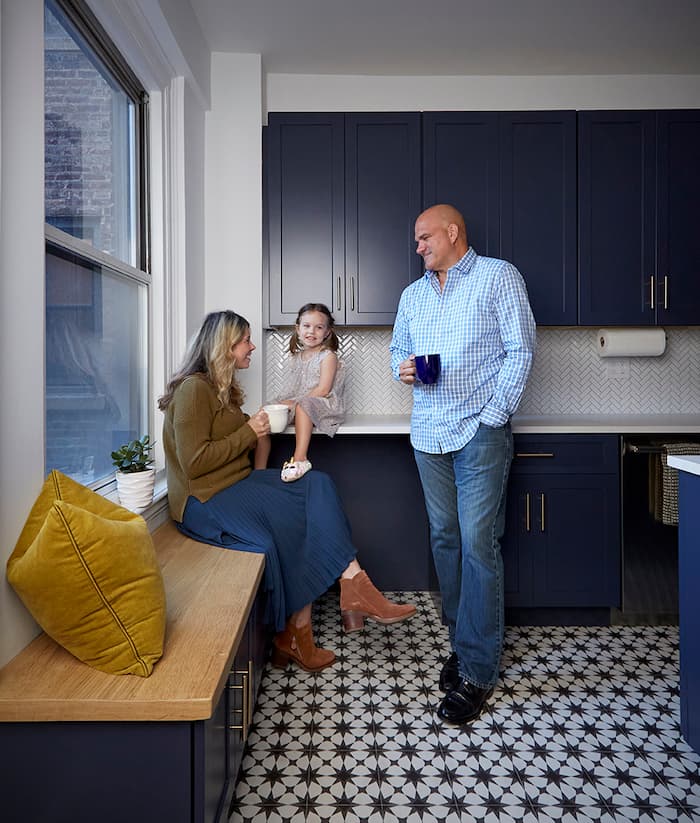
Enjoy peace of mind throughout your renovation
Secure payment system puts you in control and protects your remodel
[Get Started](https://www.blockrenovation.com/planner?hsLang=en)
Renovate confidently with [Block](https://www.blockrenovation.com?hsLang=en). Easily compare quotes from top quality contractors, and get peace of mind with warranty & price protections. Learn about [Block's editorial process](https://www.blockrenovation.com/editorial-policy?hsLang=en).
[Home Addition](https://www.blockrenovation.com/guides/tag/home-addition)

Written by Block Renovation
Block Renovation personalizes home remodeling with free AI-powered design tools and a vetted contractor network, helping homeowners plan, visualize, and build with confidence.
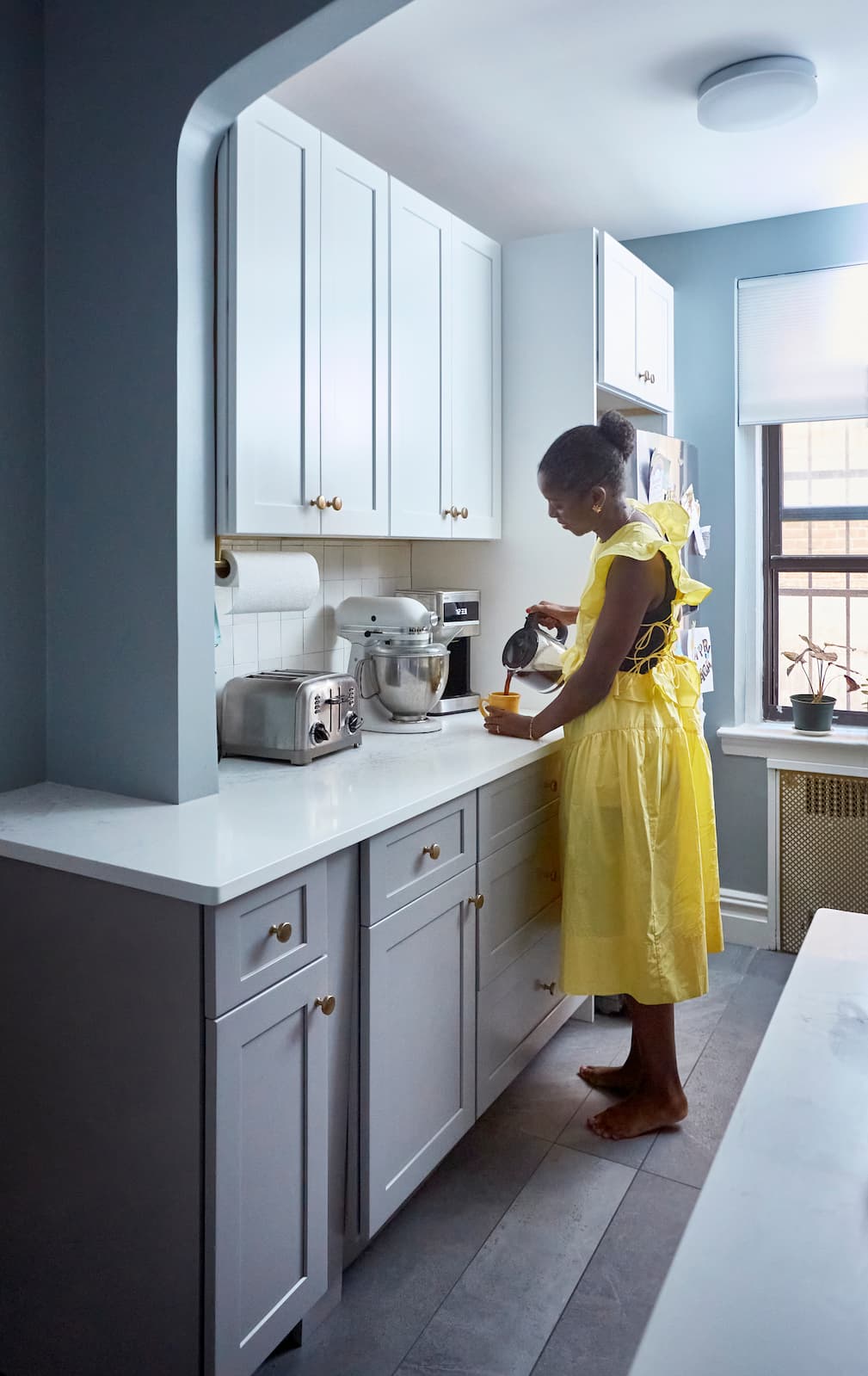
Renovate confidently with Block
Easily compare quotes from top quality contractors, and get peace of mind with warranty & price protections.
[Get Your Estimates](https://www.blockrenovation.com/planner/route?hsLang=en)
Thousands of homeowners have renovated with Block

4.5 Stars (100+)

4.7 Stars (100+)

4.5 Stars (75+)
[Read homeowner reviews](https://www.blockrenovation.com/reviews?hsLang=en)
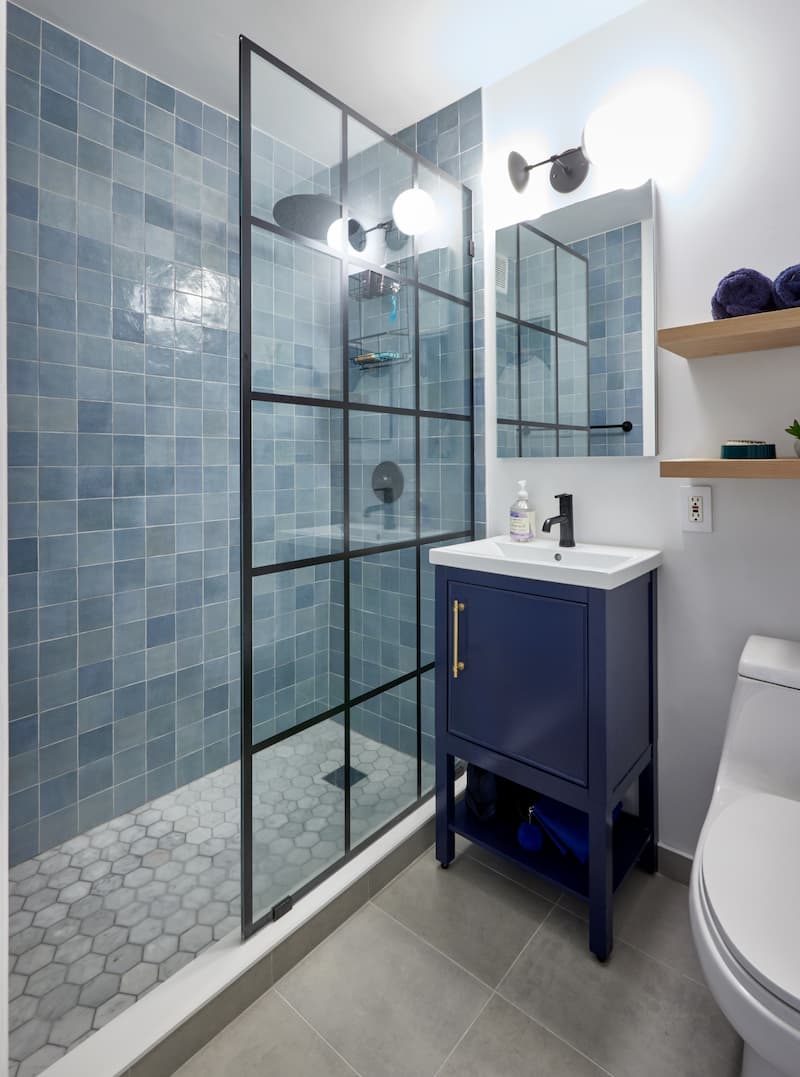
See what homeowners have built with Block
[View project gallery](https://www.blockrenovation.com/customer-gallery?hsLang=en)
## Related Articles


[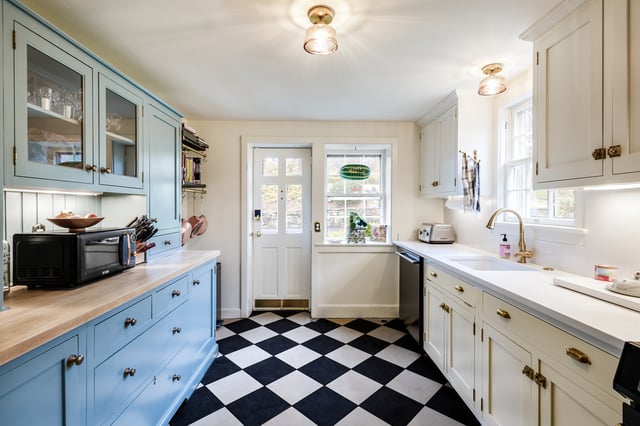 Home Addition Building Kitchen Additions: Costs & Design](https://www.blockrenovation.com/guides/building-an-addition-for-your-kitchen-costs-design?hsLang=en)
08.21.2026
[ Cost 20x20 Room Addition Cost: What to Budget in 2026](https://www.blockrenovation.com/guides/how-much-does-a-20x20-room-addition-cost?hsLang=en)
07.28.2026
[ Home Addition Bump Out Addition Cost, Ideas & Planning Guide](https://www.blockrenovation.com/guides/bump-out-addition-cost-ideas-planning-guide-block-renovation?hsLang=en)
07.08.2026
[ Cost 2026 Home Addition Cost Guide: Per Square Foot & ROI](https://www.blockrenovation.com/guides/understanding-the-costs-of-a-home-addition?hsLang=en)
07.07.2026
[ Home Addition How to Plan a Home Addition: Process and Timeline](https://www.blockrenovation.com/guides/how-to-plan-a-home-addition-process-and-timeline?hsLang=en)
07.01.2026
Renovate confidently
- Top quality contractors
- Warranty & price protections
- Expert resources
[Get Your Estimates](https://www.blockrenovation.com/get-started?hsLang=en)
[Get Your Estimates](https://www.blockrenovation.com/get-started?hsLang=en)
Renovate confidently with Block. Easily compare quotes from top quality contractors, and get peace of mind with warranty & price protections
- [Ask ChatGPT About Block](https://bit.ly/BlockRenovation)
- [FAQ](https://www.blockrenovation.com/faq)
- [Reviews](https://www.blockrenovation.com/reviews)
- [How It Works](https://www.blockrenovation.com/how-it-works)
- [For Contractors](https://www.blockrenovation.com/contractors)
- [Gallery](https://www.blockrenovation.com/customer-gallery)
- [Guides/Blogs](https://www.blockrenovation.com/guides)
- [Careers](https://www.blockrenovation.com/welcome/careers)
- [Tools](https://www.blockrenovation.com/tools)
- [](https://www.facebook.com/blockrenovation/)
- [](https://www.instagram.com/blockrenovation/)
- [](https://www.linkedin.com/company/blockrenovation/)
- [](https://www.pinterest.com/blockrenovation/)
Email
[sales@blockrenovation.com](mailto:sales@blockrenovation.com)
Learn more about renovating
Sign Up
[Refer a friend and get up to $1,200](https://www.blockrenovation.com/referral?hsLang=en)
© Block 2026
- [Terms of Use](https://www.blockrenovation.com/terms)
- [Privacy Policy](https://www.blockrenovation.com/privacy)
```json
{
"@context" : "https://schema.org",
"@type" : "BlogPosting",
"author" : {
"@type" : "Person",
"name" : "Block Renovation",
"url" : "https://www.blockrenovation.com/guides/author/block"
},
"dateModified" : "2026-07-01T15:18:22.756Z",
"datePublished" : "2026-05-23T18:45:00.000Z",
"headline" : "How to Calculate the Cost of a Room Addition",
"image" : [ "https://www.blockrenovation.com/hubfs/In%20What%20Order%20Should%20You%20Renovate%20the%20Rooms%20in%20Your%20Home_.jpg" ],
"mainEntityOfPage" : {
"@id" : "https://www.blockrenovation.com/guides/how-to-calculate-the-cost-of-a-room-addition",
"@type" : "WebPage"
},
"publisher" : {
"@type" : "Organization",
"logo" : {
"@type" : "ImageObject",
"url" : "https://www.blockrenovation.com/hubfs/block%20logo%20orange.jpg"
},
"name" : "Block Renovation"
}
}
```