






Arizona
Phoenix Home Additions—Costs, HOA Rules, and What to Expect
04.16.2026

02.10.2026


In This Article
Phoenix continues to draw homeowners who want space, sun, and a lifestyle built around the outdoors, with major job growth spread across healthcare, higher education, logistics, and tech. New restaurants and cultural anchors—from Roosevelt Row galleries to game nights near downtown—make it easier to picture a “daily life” here instead of just a winter escape. Add in quick access to hiking in the Sonoran Preserve or South Mountain, and it’s clear why so many people decide a Phoenix custom home is worth planning carefully.
That said, building custom in Phoenix comes with real constraints that surprise first-time clients. Heat, desert soils, and neighborhood-specific rules can affect everything from slab design to exterior finishes. The smartest builds start with local facts, not just inspiration photos.
Design a Home That’s Uniquely Yours
Block can help you achieve your renovation goals and bring your dream remodel to life with price assurance and expert support.
Get Started
Understanding local building costs and timeframes helps Phoenix homeowners establish realistic budgets and avoid surprises during the construction journey. Custom home construction in Phoenix typically ranges from $130 to $220 per square foot, with luxury builds in Paradise Valley, Silverleaf, or DC Ranch exceeding $400 per square foot depending on finishes, architectural complexity, and mountain views.
Several factors influence where projects fall within this range. Labor costs benefit from Phoenix's competitive market and steady influx of skilled workers from other states, keeping rates moderate compared to coastal markets despite high demand. Material costs reflect the region's distribution infrastructure serving the Southwest, though specialty products suited to desert architecture require sourcing from specific suppliers. The prevalence of stucco exteriors, tile roofing, and concrete construction methods common to Phoenix architecture affects cost structures differently than wood-frame construction dominant elsewhere.
Lot selection dramatically impacts total investment. Properties in Paradise Valley or North Scottsdale with mountain views or desert preserve adjacency command premium prices from $500,000 to several million depending on location, size, and views. Suburban parcels in rapidly developing areas like Queen Creek, Buckeye, or far north Phoenix provide more affordable entry points but require longer commutes to employment centers and may lack the mature desert landscaping that takes years to establish. Hillside lots with dramatic views require specialized foundation engineering, retaining walls, and access considerations that can add $40,000 to $100,000 to site preparation costs.
Foundation and site preparation represent significant expenses in Phoenix, consuming 10-16% of total budgets due to challenging soil conditions and lot characteristics. Caliche, a calcium carbonate hardpan layer common throughout the Valley, often requires removal or breaking through during excavation, adding costs to site preparation. Properties on hillsides need engineered foundation systems, extensive retaining walls, and specialized drainage management despite Phoenix's minimal rainfall. Desert lots may contain protected saguaro cacti requiring relocation permits and professional transplanting costing $500-$2,000 per plant depending on size.
Exterior materials and cooling strategies account for 14-20% of construction costs, with stucco exteriors dominating Phoenix architecture for their thermal mass benefits and desert aesthetic. Clay or concrete tile roofing provides superior heat reflection compared to asphalt shingles while offering longevity exceeding 50 years in Phoenix's dry climate. Energy-efficient windows with low-E coatings and proper orientation minimize solar heat gain during Phoenix's brutal summers when temperatures exceed 110°F for extended periods.
HVAC systems consume 10-14% of budgets given the critical importance of reliable cooling in Phoenix's extreme climate. High-efficiency systems with SEER ratings of 18-21 prove essential for managing cooling costs that can exceed $400-$500 monthly during peak summer. Two-stage or variable-speed systems provide better humidity control and temperature consistency while reducing operating costs. Many Phoenix custom homes incorporate zoned systems allowing different temperature settings for various areas, plus smart thermostats that optimize efficiency.
Custom home features that increase construction costs include:
Custom home construction in Phoenix typically requires 9-14 months from initial planning to move-in, with the area's minimal rainfall and warm winters allowing near year round construction progress. Projects may experience slowdowns during extreme summer heat from June through August when midday temperatures make some outdoor work challenging, though most construction continues with adjusted schedules starting earlier in mornings.
Phoenix-area permitting processes vary by municipality, with the City of Phoenix, Scottsdale, Paradise Valley, and various other jurisdictions each maintaining distinct review procedures typically requiring 2-5 weeks for standard projects. Properties in hillside areas or requiring significant grading face additional engineering review extending timelines. Material lead times remain manageable for standard products, though custom elements like specialty tile, imported fixtures, or unique architectural products require 10-16 weeks advance ordering. Phoenix's robust construction market occasionally creates subcontractor scheduling challenges during peak building seasons.
Phoenix custom homeowners embrace architectural expressions celebrating desert living, from traditional Southwestern styles to contemporary desert modernism that has become synonymous with Arizona's design identity. Your architectural style choices shape how you experience light, shade, and outdoor living every day.
A Phoenix architect can translate desert climate realities into a plan that feels calm and comfortable, not just attractive, by shaping shade, overhangs, glazing placement, and courtyard geometry early. They also coordinate structural and MEP engineering so big openings, tall ceilings, and modern rooflines don’t become change orders later. On a true custom build, an architect’s drawing set typically improves bid accuracy because trades aren’t guessing at details like parapets, waterproofing transitions, or window head conditions. You may not need an architect if you’re choosing a builder’s proven plan with minor finish changes, or if a design-build team already includes in-house architectural services that fit your project complexity.

“Architects focus on structure and systems, while interior designers shape how a space looks, feels, and functions day to day.”
From the beginning, your architect or Phoenix home builder is thinking about how your home sits on the land—where the sun hits in July, how to frame a mountain ridge, and how to protect key desert features while still giving you room to build. An experienced home builder helps identify potential issues before lot purchase, assessing how site characteristics impact construction feasibility, costs, and long-term home performance based on their experience across Phoenix's varied terrain and microclimates.
They evaluate critical factors affecting project success, which also shape the feeling and performance of your future home.
Phoenix homeowners prioritize proximity to quality school districts like Paradise Valley Unified, Scottsdale Unified, or various East Valley districts when selecting lots. Mountain views, golf course access, and proximity to hiking trails also factor heavily into site selection decisions alongside reasonable property tax rates.
An experienced builder helps you look past the listing photos and evaluate whether a lot will behave like an easy build or an expensive science project once excavation begins. They’ll also flag whether access, staging, and utility tie-ins suit the way custom construction actually unfolds, especially on tight infill parcels where deliveries and dumpsters can become daily friction points.
As a Phoenix homeowner, it’s usually worth prioritizing a lot that supports shade and breeze with smart orientation, rather than chasing square footage alone.
Phoenix design choices tend to blend desert practicality with a strong appetite for modern lines and indoor-outdoor living. The best projects make the climate a design input, not an afterthought.
Building in Phoenix isn’t just “hot-weather construction”; the desert climate and monsoon cycles change what good detailing looks like and how schedules should be set. A plan that works in milder regions can struggle here unless it’s tuned to local conditions.
Phoenix soils often include caliche layers that can be difficult to excavate, and that can affect both foundation costs and utility trenching. A geotechnical report early in the process helps you avoid guessing, especially if you’re comparing two lots that look identical on the surface. If caliche is present, your team may need specialized equipment, and you’ll want excavation allowances that reflect reality rather than optimistic assumptions. For expansive soils, engineered foundations and careful moisture control around the home help reduce movement risk over time. The practical fix is simple: test early, design to the report, and budget for the kind of digging the site actually requires.
Phoenix can get intense, fast-moving storms during monsoon season, and water management becomes critical even on lots that seem flat. Drainage plans, finished floor elevations, and hardscape slopes should be designed to move water away from the structure without sending it to a neighbor. If you’re near a wash, verify flood data and consider additional protections like strategic grading, channel drains, and properly detailed scuppers on flat roof areas. Landscaping should support drainage too, using basins and desert-adapted plantings rather than creating water traps at the foundation. The best outcome is when the site handles the “big storm” without turning your patio into a shallow pool.
Phoenix heat punishes weak exterior detailing, especially around roofs, window seals, caulks, and exposed finishes. Comfort also depends on reducing solar gain, so orientation, shading, insulation, and HVAC design should work as a system instead of separate decisions. Builders often schedule exterior work to avoid the most punishing parts of the day or season, but heat can still affect cure times and worker productivity. Homeowners can reduce risk by specifying proven materials, requiring manufacturer-approved assemblies, and avoiding experimental details on the most sun-exposed faces. A calmer home in Phoenix is usually the one that treats shade as architecture, not decoration.
Phoenix is a known termite market, and prevention is far easier than dealing with an infestation after move-in. Many builds use soil treatments, physical barriers, and diligent detailing that eliminates hidden wood-to-soil contact. The landscaping plan matters too: irrigation against the foundation and constantly damp planters can raise risk even if the structure is built well. Regular inspections and smart drainage keep the protective measures effective over time. The goal is a home that doesn’t invite pests through moisture, gaps, or easy access points.
Custom home features that increase construction costs include:
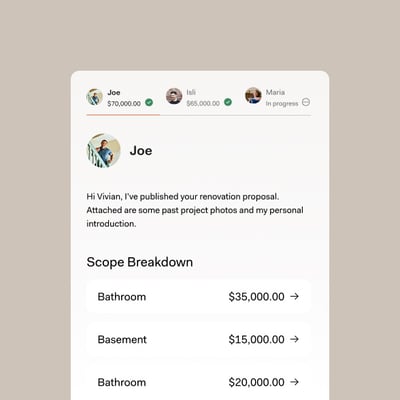
Compare Proposals with Ease
Building a custom home in Phoenix offers the opportunity to create spaces perfectly suited to desert living while taking advantage of the region's sunshine, outdoor lifestyle, and spectacular natural beauty. Thorough planning around climate challenges, energy efficiency, and outdoor living integration transforms potential obstacles into design opportunities. Connect with experienced Phoenix custom home builders to discuss your vision, evaluate potential sites, and begin creating your ideal Arizona desert home.
Comprehensive resources for planning your Phoenix custom home project:
Block Renovation connects Phoenix homeowners with thoroughly vetted custom home builders through a curated matching process that evaluates your project scope, budget, and design preferences. Our platform pre-screens builders for proper Arizona licensing, comprehensive insurance coverage, and demonstrated track records of quality work across Phoenix's unique construction requirements including desert climate challenges. Phoenix clients receive multiple qualified proposals from builders experienced with local soil conditions, energy-efficient construction methods, and architectural expectations.
Block Protections safeguard your investment by holding project funds in escrow and releasing payments only when construction milestones are verified complete and meet quality standards. This structured payment approach protects homeowners from contractor default or substandard work while ensuring builders receive fair compensation for completed phases. Transparent payment schedules aligned with construction progress create accountability throughout the custom home building journey.
Choosing a builder is partly about credentials, but it’s also about whether you trust their process and feel comfortable raising concerns early. The right fit usually shows up in how clearly they explain risks, document decisions, and communicate when something changes.
A Phoenix custom home can be a great investment in comfort if you plan around desert realities from day one. Start by pressure-testing your lot choice and your energy-performance priorities before you fall in love with cosmetic finishes. Then talk to Phoenix builders who can show you built examples of the details you care about.
Remodel with confidence through Block

Connect to vetted local contractors
We only work with top-tier, thoroughly vetted contractors

Get expert guidance
Our project planners offer expert advice, scope review, and ongoing support as needed

Enjoy peace of mind throughout your renovation
Secure payment system puts you in control and protects your remodel


Renovate confidently with Block
Easily compare quotes from top quality contractors, and get peace of mind with warranty & price protections.
Arizona
Phoenix Home Additions—Costs, HOA Rules, and What to Expect
04.16.2026

Outdoor Spaces
Phoenix Deck and Patio Ideas | Shade, Materials, and Desert Design
04.14.2026

Commercial
Commercial Restaurant Remodeling in Phoenix | Block Renovation
04.13.2026

Arizona
Phoenix Condo and Apartment Renovations: Making a Sunbelt Unit Feel Like Home
04.13.2026
Arizona
Affordable Remodeling in Phoenix, AZ | Smart Renovation Ideas That Save You Money
04.10.2026