





Rhode Island
Custom Home Building in Providence, RI | Costs & Tips
03.25.2026
03.25.2026


In This Article
Providence blends historic New England character with a thriving arts scene, respected universities, and walkable neighborhoods that few mid-size cities can match. The city sits at the head of Narragansett Bay, offering waterfront access alongside a diversifying economy anchored by healthcare, education, and technology. Proximity to Boston, a celebrated culinary culture, and relatively affordable land compared to other Northeast metros make Providence attractive to homeowners who want to design from the ground up. That appeal comes with real building complexities, however. Glacial soils, strict historic-district oversight, and flood exposure along the Providence River all demand careful planning. Understanding these factors early separates a rewarding build from a costly setback.
Turn your renovation vision into reality
Get matched with trusted contractors and start your renovation today!
Find a Contractor
Knowing what drives construction costs in Providence helps you set realistic expectations and avoid surprises mid-build. Current data places the average cost between roughly $150 and $270 per square foot, depending on finishes and structural complexity. Standard-quality builds fall in the $150 to $180 range, mid-range projects run $200 to $250, and fully custom homes exceed $270 per square foot before land and site work. For a 2,500-square-foot home, that means a construction budget from $375,000 to $675,000 or more.
Rhode Island labor rates sit above the national average, and the rigorous permitting process adds soft costs and timeline weeks. Historic-district compliance sometimes requires specialty materials that standard-production builders do not stock. Choosing a lot with municipal utilities at the curb, selecting efficient floor plans, and locking material orders early can keep totals closer to mid-range benchmarks.
Lot choice is one of the most powerful cost levers. An infill parcel in Elmhurst may come with utility connections but require demolition or variance applications that add five figures to soft costs. A greenfield lot farther out may be cheaper to purchase yet demand extended utility runs and grading that offset the lower land price. Evaluating total project cost rather than sticker price per acre is essential.
Foundation and site preparation represent a disproportionate share of the budget. Glacial till and mixed soils across Providence County often require specialized excavation, and encountering ledge rock can add blasting costs of $5,000 to $20,000. Rhode Island mandates a minimum 36-inch frost-line depth for footings, making foundation work more labor-intensive than in warmer climates. Framing and exterior envelope costs reflect the need for materials rated to withstand coastal wind loads and freeze-thaw cycling. Interior finishes and mechanical systems round out the major categories, with HVAC costs trending higher due to Rhode Island energy codes favoring high-efficiency heat pumps and enhanced insulation.
The following additions commonly increase a Providence custom home budget beyond initial projections:
An experienced local builder evaluates a lot in ways that go far beyond curb appeal or listed acreage. Subsurface conditions, utility proximity, and regulatory overlays all influence feasibility and final cost. Partnering with a builder who has completed projects across Providence neighborhoods gives you institutional knowledge about which parcels deliver value.
Beyond lot characteristics, Providence homeowners building for the long term value strong school catchment areas, walkability, and neighborhood stability. Families frequently target Blackstone, Elmhurst, and Mount Pleasant for community feel, better-rated schools, and proximity to Providence College and Brown University. Buyers without school-age children often favor Federal Hill for its cultural energy, while those seeking waterfront proximity look toward the East Side along the Seekonk River.
Providence presents a distinct set of hurdles that out-of-state buyers and first-time builders should plan for well in advance. The challenges below affect timelines, budgets, and design decisions in ways that generic guides rarely address.
Providence's Historic District Commission oversees exterior modifications and new construction in zones including College Hill, Broadway, Armory, and Stimson Avenue. Any project within these boundaries requires a Certificate of Appropriateness before a building permit is issued, with reviews evaluating rooflines, window proportions, cladding materials, and massing against neighborhood character standards. Contested applications can add two to four months to the pre-construction schedule. A contemporary facade that would pass review elsewhere may be denied if the commission finds it incompatible in scale or material palette. Working with an architect experienced in HDC approvals significantly reduces the risk of costly redesign cycles.
Providence's position at the narrow head of Narragansett Bay amplifies storm surge, a reality demonstrated when a 1938 hurricane pushed water 20 feet deep into downtown streets. The Fox Point Hurricane Barrier protects the city center but was not engineered for the sea-level rise now measured at over 10 inches since recordkeeping began. FEMA flood maps identify special hazard areas along the Providence River and the Woonasquatucket where new construction must meet elevated foundation and freeboard requirements. Homeowners building near these zones should budget for rising flood insurance premiums under FEMA's Risk Rating 2.0 and consider resilience features such as breakaway walls and elevated mechanical systems. Planning for a changing flood-risk landscape protects both your investment and your insurability.
Many desirable Providence neighborhoods were platted in the late 1800s and early 1900s, and their underground infrastructure reflects that era. Combined sewer systems in parts of the West Side and Federal Hill mean stormwater and sanitary flows share pipes, complicating new-connection approvals and triggering impact fees. Water mains may be undersized for modern fire-flow requirements, potentially requiring the builder to fund upgrades as a permit condition. Electrical service in narrow streets sometimes necessitates National Grid transformer upgrades, adding weeks to the schedule. Budgeting five to ten percent specifically for infrastructure surprises is prudent on infill lots.
Providence averages 35 inches of snow annually, and sustained freezing temperatures from December through early March restrict critical construction activities. Concrete pours require heated enclosures and insulated curing blankets below 40 degrees, increasing foundation expenses by 15 to 25 percent in winter. Excavation in frozen soils is slower and harder on equipment, while shorter daylight hours cut productive site time. Most experienced builders schedule foundation and framing completion before Thanksgiving, letting interior trades work through winter under a dried-in shell. If your timeline misses that window, expect winter-condition premiums or a spring start that pushes occupancy into the following year.
Compare Proposals with Ease
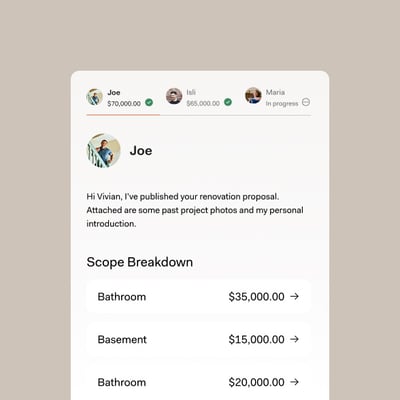
A smooth build requires discipline from both the homeowner and the construction team. The tips below address the most common friction points that derail Providence custom home projects.

“Design decisions should happen before demolition, not during construction.”
Performing your own due diligence on any builder strengthens your position and sets the tone for a transparent relationship. The following considerations should guide your evaluation.
Finding a qualified custom home builder in Providence means sorting through contractors with varying experience, licensing, and financial stability. Block simplifies the process by matching you with pre-vetted builders whose credentials are independently verified, including active Rhode Island licenses and $2 million minimum insurance coverage. The matching service is free for homeowners and tailored to your Providence project scope and budget.
Block Protections add financial and quality assurance rare in residential construction. Price Assurance means an expert reviews your proposal to confirm competitive pricing before you commit, while progress-based payments release funds only as work is verified at each milestone. A workmanship warranty backs the finished product, and ongoing expert support helps you navigate decisions throughout the build.
Lay the groundwork for a successful custom home
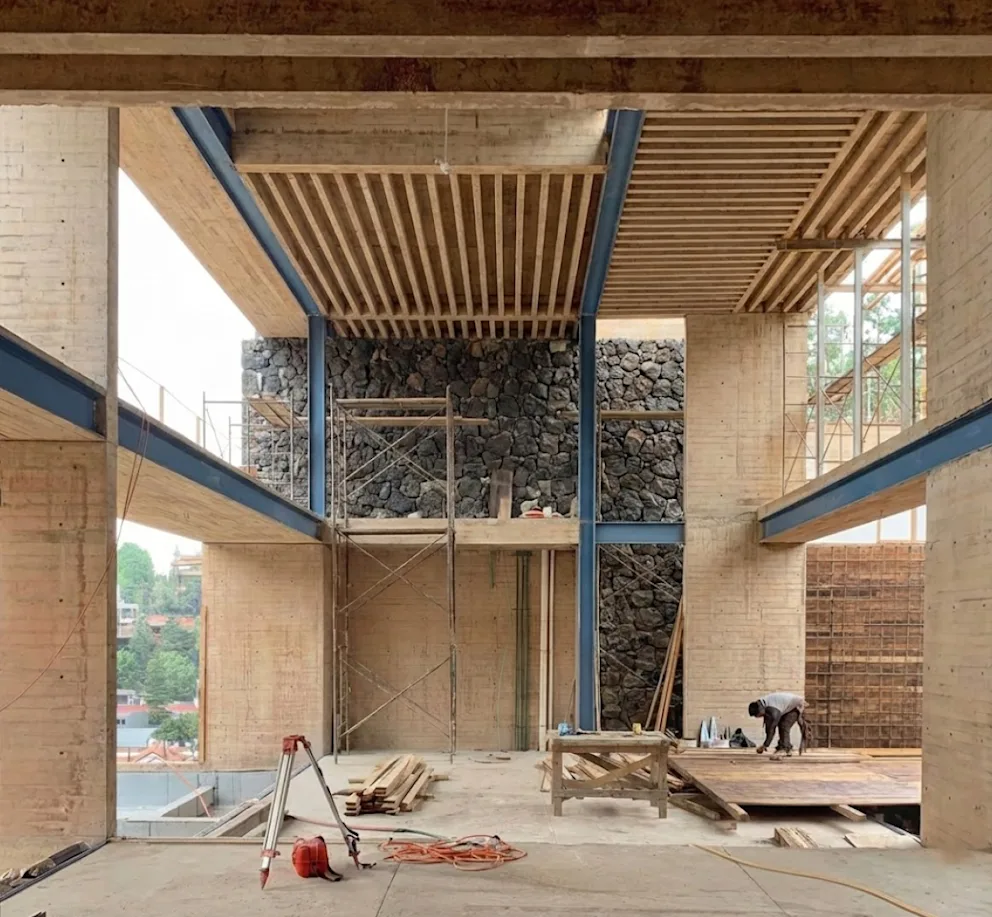
Match with vetted builders
Receive quotes from experienced contractors aligned to your vision.
Hire with confidence
Partner with Block experts to review quotes and timelines for end-to-end clarity.

Stay in control
Avoid surprises with Block Protections and a progress-based payment system.


Renovate confidently with Block
Easily compare quotes from top quality contractors, and get peace of mind with warranty & price protections.
