




Flooring
Carpet to Hardwood Before and After: 8 Rooms
06.24.2026
05.15.2026


In This Article
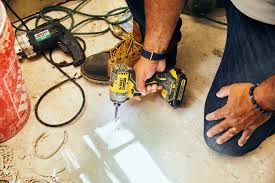
A contractor pulls up a cracked tile in the bathroom to fix what looked like a small problem, and the plywood underneath is dark, soft, and crumbling at the edges. Now, what started as a minor project has escalated into a major one.
If a contractor or inspector has told you that yours needs to come out, the next question is almost always the same: how much is this going to cost, and the answer depends on the room and what's underneath.
The subfloor is the structural layer of plywood or OSB (oriented strand board) that sits on top of the floor joists, forming the foundation your finished flooring rests on. Most modern homes use 3/4-inch tongue-and-groove plywood or OSB sheets, screwed and sometimes glued to the joists, while older homes might have plank subfloors: individual boards laid diagonally or perpendicular to the joists.
The subfloor is easy to confuse with the underlayment, which is a thinner layer that sits between the subfloor and the finished floor, smoothing out imperfections and providing cushion. Underlayment is cheap and easy to replace; the subfloor is structural, and replacing it is a much bigger job.
Common signs include:
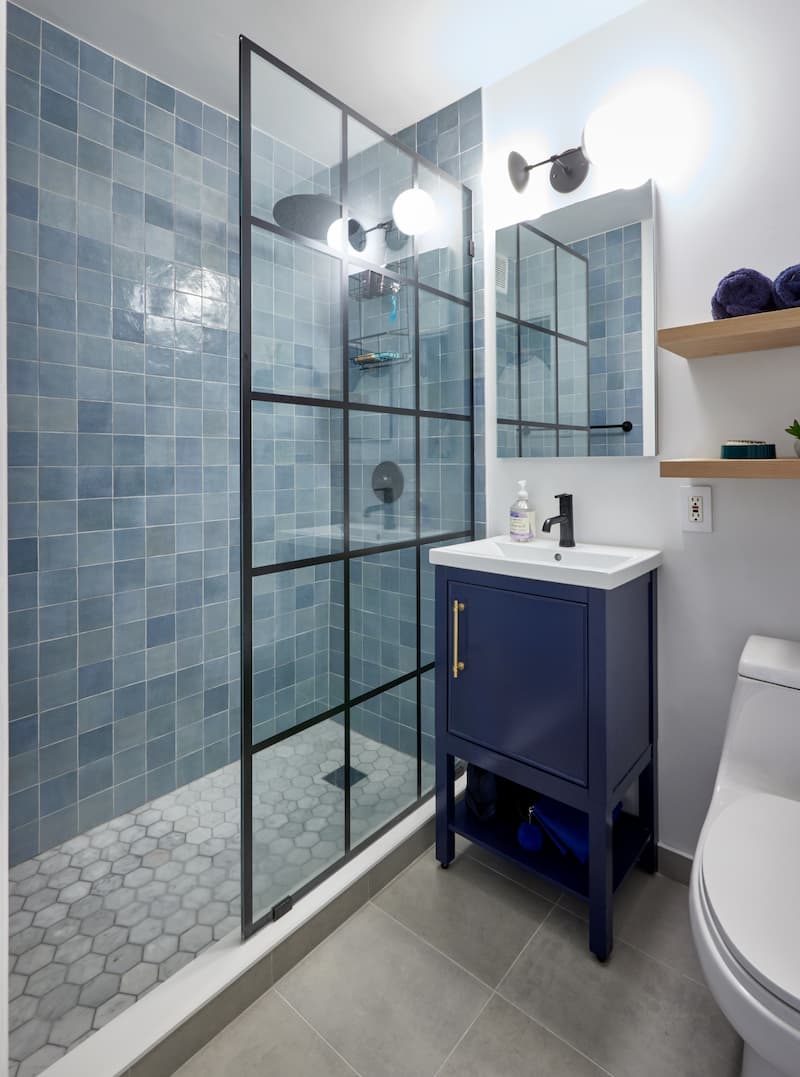
Bathrooms are the most common place to find subfloor damage, since water leaks slowly behind walls or around toilet flanges and the damage often goes unnoticed for years. Kitchens are a close second (usually from dishwasher or sink leaks), with laundry rooms not far behind. One or two of these symptoms in isolation usually means the problem is in the underlayment or finished flooring, but several together, especially with sponginess or smell, point to the subfloor itself.
Turn your renovation vision into reality
Get matched with trusted contractors and start your renovation today!
Find a Contractor
Most homeowners pay between $3 and $10 per square foot for subfloor replacement, including materials and labor. For a 100-square-foot bathroom, that's roughly $300 to $1,000 for the subfloor work itself; for a 200-square-foot kitchen, expect $600 to $2,000. Those numbers cover a relatively clean replacement (tear out the old subfloor, install new 3/4-inch plywood, screw it down, and prep for the finished flooring), and they assume the joists underneath are sound and don't need work.
The cost to replace subflooring climbs when other issues come into play. Damaged joists, mold remediation, plumbing repairs, and asbestos in older homes can all add significant labor and material costs, and a full subfloor replacement that includes joist repair and mold treatment can run $5,000 to $15,000 or more, depending on the size of the room and the extent of the damage.
These ranges assume professional labor and include demo, disposal of the old subfloor, materials, installation, and basic site cleanup. They don't include the cost of the finished flooring on top, which is a separate project line item.
A typical bathroom subfloor replacement costs $500 to $2,500, with the low end covering a small powder room with localized damage around the toilet (where a contractor can replace a section without redoing the entire room) and the high end covering a full primary bathroom where the whole subfloor needs to come out, often along with related repairs.
What pushes a bathroom subfloor replacement toward the higher end:
Bathroom subfloors usually need a cement board layer on top before tile goes back down. That's not technically subfloor work, but it's part of the same project and adds to the total. Cement board materials run about $1 to $2 per square foot, plus installation.
Replacing a single sheet of plywood in a corner is a different job from tearing out and rebuilding 300 square feet, and contractors price accordingly. Small repairs often cost more per square foot than larger jobs, because the setup work (mobilizing the crew, protecting the surrounding rooms, hauling out debris) doesn't scale down.
A 20-square-foot patch might run $400 to $600, which works out to $20 to $30 per square foot, while a full-room replacement at the same hourly rate often lands at $5 to $8 per square foot. That's why some contractors will quietly suggest doing the whole room when you came in asking about a corner.
If the joists below the subfloor are rotted, cracked, or sagging, they need repair or replacement before the new subfloor goes in. Sistering joists, the practice of attaching new lumber alongside damaged ones, typically runs $100 to $300 per joist, and full joist replacement is more.
Most joist problems come from the same source as subfloor problems: slow water exposure. By the time a contractor opens up the floor, the joists nearest the leak are often soft on the top edge where they met the subfloor, even if the rest of the lumber looks fine. Whether sistering is enough or full replacement is needed depends on how deep the damage goes and how much of the joist is still structurally sound. A thorough contractor will probe the wood with an awl rather than relying on visual inspection alone.
Standard plywood is the most common choice and the most affordable. OSB is slightly cheaper but less moisture-resistant, which matters in bathrooms and kitchens. Specialty products like Advantech or marine-grade plywood cost more but hold up better in wet areas.
The plywood-versus-OSB question gets contractors arguing. OSB is engineered to be more dimensionally stable than plywood in dry conditions, but if it gets wet repeatedly, it tends to swell at the edges and never fully recover. Plywood handles incidental moisture better but can delaminate under sustained exposure. Advantech, a denser engineered product, is the contractor favorite for wet zones because it resists swelling even after extended water contact, and it runs about $15 to $20 more per sheet than standard plywood. For a bathroom that's seen one leak already, the upgrade is usually worth it.
A bathroom on the second floor with a tight stairwell costs more than a first-floor room with easy access, because contractors factor in how long it'll take to haul materials in and debris out. Sheets of 4x8 plywood don't always fit through narrow doorways or up turning staircases, which forces the crew to cut sheets down before installation and absorb the lost efficiency. Debris is the other half of the equation. A 100-square-foot demo can produce 15 to 20 contractor bags of old subfloor and finished flooring, and those have to come down the stairs and out to a dumpster or truck. On second and third-floor jobs, contractors often add 10 to 20% to their labor estimate to cover the access tax.
Labor rates vary significantly by market. A subfloor replacement in San Francisco or New York will cost more than the same job in Cleveland or San Antonio. Material costs are more consistent across the country, but labor can vary by 50% or more.
Most localized subfloor replacements don't require a permit, but larger structural work, especially anything involving joists or load-bearing changes, usually does. Permit costs typically range from $100 to $500 depending on the municipality. Some jurisdictions also require an inspection after the new subfloor is installed and before the finished flooring goes back down, which can add a day or two to the timeline.
Tile, hardwood, and vinyl all have to come off and go back on, which is a separate cost from the subfloor itself but part of what the homeowner pays. Tile demo and reinstallation is the most expensive, while floating vinyl plank is the easiest to remove and reuse.
Most homeowners look at the cost and ask whether a partial fix would do, and if the damage is genuinely localized, a section repair is reasonable. But contractors generally recommend full replacement when:
Patching a failing subfloor often means redoing the work in a few years, because new flooring laid over a compromised subfloor tends to fail faster, with tiles cracking, hardwood cupping, and vinyl bubbling. Whatever you save on the subfloor, you spend again on the finished floor.
A typical timeline for a single-room replacement looks like this:
A subfloor replacement is invasive. The finished floor has to come off, and the room is typically out of commission for several days. For bathrooms, that often means no toilet or shower in that space for the duration. Larger jobs, and jobs with complications like mold, asbestos, or joist work, take longer. Demo is loud and messy, so plan to be out of the house during the noisiest stretches if you can, especially if you work from home.
The work happens out of sight once the finished floor goes back down, which means shortcuts (skipping screws, using the wrong adhesive, leaving a soft joist in place) don't show up until something fails years later.
Block Renovation matches homeowners with vetted local contractors who specialize in this kind of work. Every contractor in the network has been screened for licensing, insurance, references, and past project quality. When you submit your project, the best contractors in your area compete for it, and you get fast, competitive quotes tailored to your exact scope. Every quote also runs through an expert scope review with Block to catch missing line items and red flags before you sign.
Once work begins, payments are tied to approved project milestones. You pay Block, and Block releases funds to the contractor as the project progresses, so the crew stays incentivized to stay on schedule. If a change order comes up mid-project, you can request support from Block before approving it.
Remodel with confidence through Block

Connect to vetted local contractors
We only work with top-tier, thoroughly vetted contractors

Get expert guidance
Our project planners offer expert advice, scope review, and ongoing support as needed
Enjoy peace of mind throughout your renovation
Secure payment system puts you in control and protects your remodel

Renovate confidently with Block
Easily compare quotes from top quality contractors, and get peace of mind with warranty & price protections.
Flooring
Carpet to Hardwood Before and After: 8 Rooms
06.24.2026

Flooring
Hybrid Resilient Flooring: What to Know Before You Buy
06.22.2026
Flooring
Low-Maintenance & Easy-to-Clean Flooring: Top Picks
06.16.2026
Structural Changes
Cost to Enlarge a Window: What to Expect and Decide
06.15.2026

Structural Changes
Minimum Hallway Width: Residential Code Guide
06.03.2026